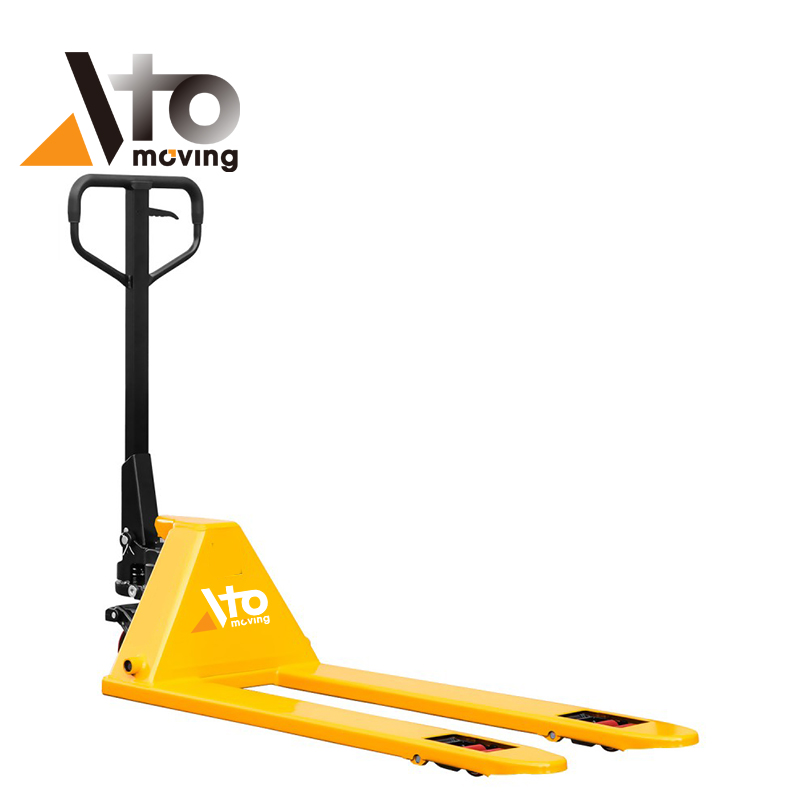
Pallet jacks played a critical role in short-distance material handling, but ramps and irregular floors introduced additional risk. This article outlined the engineering limits of pallet jacks on grades, including slope ratings, capacity constraints, and when to substitute other equipment. It then examined control techniques on ramps, such as push–pull strategy, fork height management, speed control, and the use of spotters.
Subsequent sections addressed uneven floors, dock transitions, curbs, and rough terrain, focusing on wheel selection, obstacle crossing methods, and load stability. The article concluded with implications for plant safety programs, tying technical limits and operating techniques into training, layout design, and preventive maintenance policies.
Engineering Limits Of Pallet Jacks On Grades

Typical Grade Ratings And Load Capacity
Pallet jacks had strict grade and load limits that engineers needed to respect. Most industrial pallet trucks were rated for a maximum loaded grade of approximately 5% under CLARK-style material-handling guidelines. This meant a 5 cm rise over 1 m horizontal distance when carrying the rated load. Above this, required tractive effort, braking distance, and tipping risk increased sharply. Operators also had to keep within the truck’s nominal capacity, typically 2 500–3 000 kg for manual units, because overloading reduced available friction at the wheels and overstressed forks, bearings, and hydraulics. On grades, designers assumed reduced effective capacity to maintain a safety factor against runaway and structural failure. Loads also needed to be centered on the forks with even distribution to avoid side-tipping when crossing cross-slopes or uneven patches.
Manual Vs. Electric Jacks On Slopes
Manual pallet jacks depended entirely on operator force, so practical grade limits were lower than theoretical friction limits. On inclines, guidance recommended pulling uphill and pushing downhill or near walls to maintain control and reduce musculoskeletal strain. Operators should descend slopes backward with the load leading, unless the manufacturer specified otherwise, to keep better braking leverage and visibility. Electric pallet jacks provided powered traction and sometimes braking assistance, but they still followed similar grade limits, commonly around 5% when loaded. Manufacturers often specified different maximum grades for travel, lifting, and starting on a slope, which engineers had to integrate into route design. Riding pallet trucks on grades was discouraged because it increased kinetic energy and reduced reaction time if the truck lost traction. Training had to cover distinct techniques for manual and powered models, including emergency stopping and use of dead-man controls on slopes.
Truck, Dock, Elevator, And Vehicle Interfaces
Interfaces between flat floors and other structures created short, often steep grades that pushed pallet jacks toward their limits. Dock plates and bridge plates could reach slopes up to about 15% for stand-up counterbalanced trucks, but pallet jacks were less capable and required lower approach angles. Narrow aisle and very narrow aisle trucks were not designed for grades and should not operate on inclined docks or ramps. When using pallet jacks in elevators, the combined mass of truck, load, operator, and any passengers had to remain within the elevator’s rated capacity. Engineers needed to verify this during layout and equipment selection. Inside trucks or semi-trailers, operators had to move slowly, because flexible vehicle suspensions, gaps, and localized floor deflection increased instability. The pallet truck also required securement during vehicle transport to prevent unintended movement. At parking points, forks should be fully lowered and not left projecting into traffic paths, ramps, or emergency exits.
When To Use Alternative Equipment
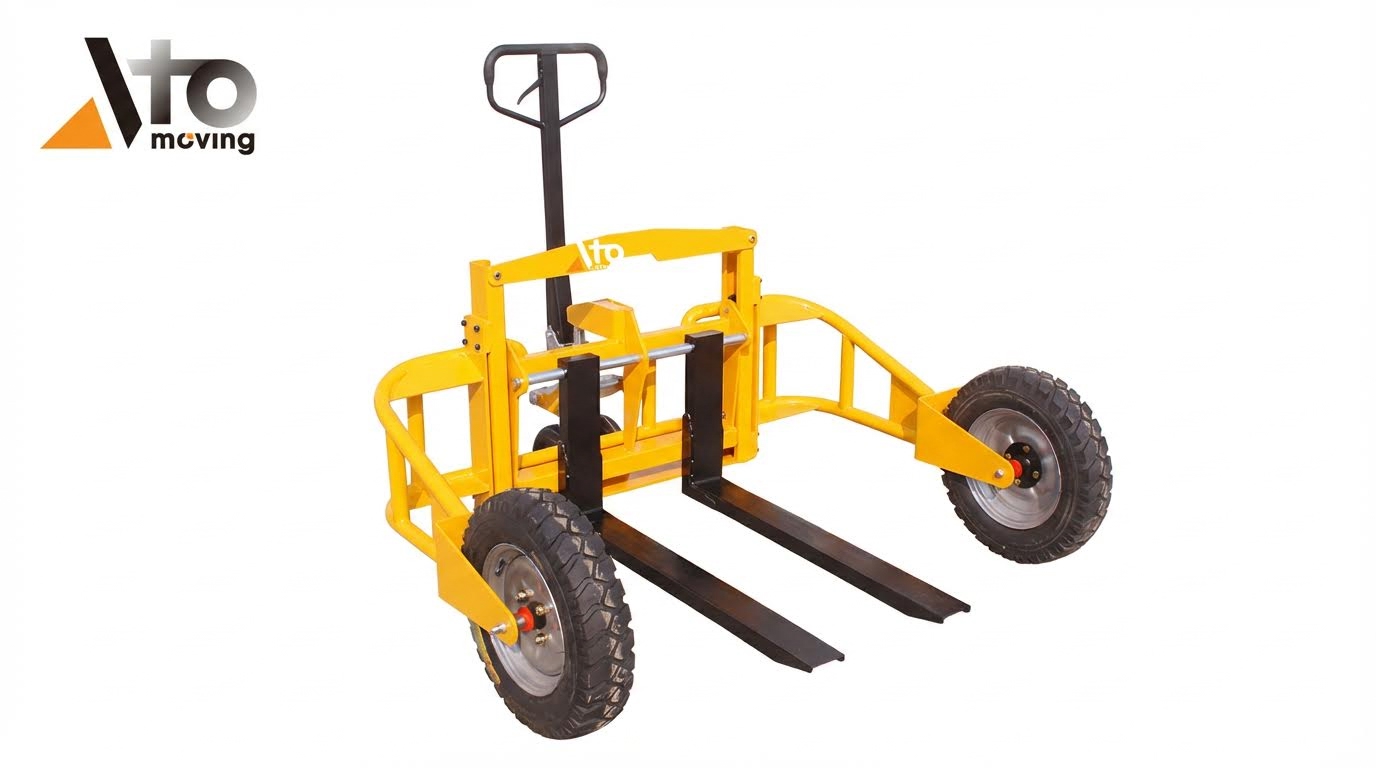
Certain grade and surface conditions exceeded the safe operating envelope of pallet jacks. Long ramps with grades approaching or exceeding 5%, especially with heavy or tall loads, were better handled by powered industrial trucks with rated gradeability and service brakes. Stand-up counterbalanced trucks could manage short, steeper transitions such as dock plates up to about 15%, but they still were not suitable for sustained long grades. On rough terrain, broken concrete, or exterior yards, pallet trucks performed poorly and suffered wheel and bearing damage; rough-terrain forklifts or carts with large pneumatic wheels were safer. Narrow aisle and very narrow aisle trucks should stay on level, engineered floors and not be repurposed for dock ramps. Where frequent elevation changes, steps, or curbs existed, designers should introduce fixed ramps, slope plates, or mechanical lifts instead of forcing pallet jacks beyond their intended limits.
Control Techniques On Ramps And Sloped Surfaces
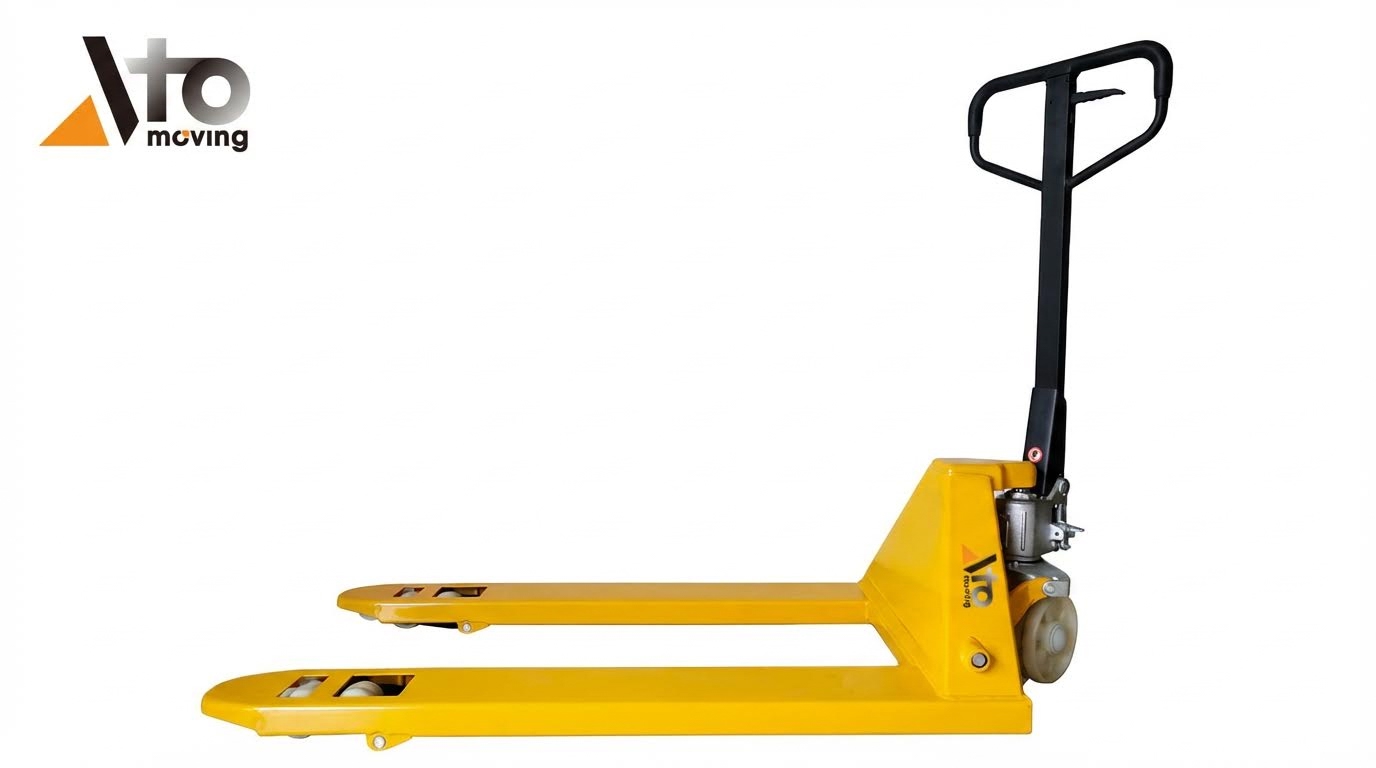
Control techniques on slopes determined incident rates far more than equipment brand or age. Operators needed clear rules for travel direction, body position, and speed to keep the truck and load stable. Plants that standardized procedures for grades reduced pallet jack accidents, especially near docks and vehicle interfaces. The following subsections described how to combine correct handling, geometry, and supervision to maintain control on ramps.
Push–Pull Direction And Operator Positioning
Manual pallet jack operators usually achieved better control by pushing on level floors and gentle slopes. On steeper inclines, guidance recommended pulling uphill and pushing downhill or near walls to reduce crush risk. On ramps, operators had to stay on the high side of the load to avoid being run over if the truck rolled. They kept the handle close to the torso, elbows bent, and feet clear of the steering wheels to maintain leverage and avoid foot injuries. Plants trained operators to walk beside the load path, not directly in front, so they could step sideways if the truck surged.
Fork Height, Load Orientation, And Stability
Fork height strongly affected the combined center of gravity on grades. Industry practice on slopes required forks downgrade and slightly raised, just enough to clear the surface without snagging. This configuration reduced the risk of the load sliding off while keeping the stability triangle wide. Loads had to sit fully on the pallet, centered between the forks, with heavier items at the bottom and toward the mast side. Operators avoided stacking above eye level on grades, because high centers of gravity amplified tipping moments during small bumps or steering corrections.
Turning, Speed Control, And Braking On Grades
Turning on ramps significantly increased tip and runaway risk, so procedures instructed operators to align straight before entering a grade. They traveled slowly up and down slopes, keeping walking speed below normal aisle speeds to allow reaction time. Manual operators started and stopped gradually to avoid inertial load shift, especially with shrink-wrapped or banded pallets. On electric pallet trucks, operators used the lowest speed setting on grades and avoided riding the truck downhill, because riding reduced escape options during loss of control. Emergency practice required setting the brake, stopping movement, and lowering the load immediately if instability or mechanical issues appeared.
Spotters, Visibility, And Pedestrian Exclusion
Ramps, dock approaches, and vehicle interfaces often restricted sightlines, so visibility controls were critical. When the load blocked the operator’s view on a slope, a trained spotter walked on the safe side, communicating with clear hand signals and verbal cues. Facilities established pedestrian exclusion zones around ramp travel paths so no one stood in the potential roll-away line. Operators verified that no personnel occupied the operating area before starting movement, particularly near truck wells, elevators, and inside trailers. Plants reinforced these rules with signage, floor markings, and refresher training that emphasized that good visibility and clear walkways were as important as mechanical braking capacity.
Handling Uneven Floors, Curbs, And Rough Terrain
Wheel And Tire Selection For Irregular Surfaces
Wheel selection strongly influenced pallet jack behavior on rough or broken floors. Nylon wheels rolled with low rolling resistance and tolerated wet or cold concrete, but transmitted shocks and vibrated on spalled or jointed slabs. Polyurethane tread wheels protected finished retail floors and reduced noise, yet wore faster on abrasive, cracked concrete. For pronounced irregularities or outdoor transitions, pneumatic or large-diameter rubber wheels provided better shock absorption and obstacle climbing. Industry practice favored wheel diameters of at least 150 mm for curbs and pronounced joints, and operators evaluated height differences before committing to a path.
Crossing Gaps, Dock Plates, Curbs, And Steps
Crossing discontinuities required strict control of approach angle, speed, and load condition. Operators approached dock plates, rail gaps, and floor joints slowly and as close to perpendicular as possible to avoid side loading of wheels and forks. For steps and higher curbs, facilities often installed lightweight aluminum ramps or slope plates to convert vertical offsets into manageable grades. Where curbs exceeded the capability of the wheel diameter or truck design, procedures required alternative equipment such as lift tables or forklifts rather than forcing the jack. On grades linked to dock plates or tail lifts, operators kept travel speed low and avoided turning until the truck returned to level ground.
Load Securing, Center Of Gravity, And Shift
Uneven floors amplified the effect of a high or off-center load. Loads needed centering on both forks, with heavier items placed low and between the fork heels to keep the combined center of gravity inside the wheelbase. Stacking height remained limited to prevent toppling when the truck encountered dips, joints, or ramp transitions. On rough surfaces, operators used straps, banding, or stretch wrap to bind unstable units and reduce internal movement. Speed changes had to be gradual because abrupt starts or stops on an incline could cause the load to slide, tilt, or shift toward the downgrade side.
Layout, Signage, And Engineering Controls
Engineering controls in the layout reduced exposure to rough terrain and trip-inducing transitions. Planners specified smooth, level pallet jack routes and avoided routing traffic across steep grades, steps, or broken concrete where feasible. Where such features were unavoidable, facilities installed ramps with controlled slopes, clearly marked crossing points, and high-contrast edge markings at dock plates and floor level changes. Signage indicated maximum allowable grades, pedestrian exclusion zones, and speed limits for pallet trucks on ramps and vehicle decks. Combined with training and regular surface maintenance, these measures created predictable paths that reduced wheel impacts, loss of control, and load instability.
Summary And Implications For Plant Safety
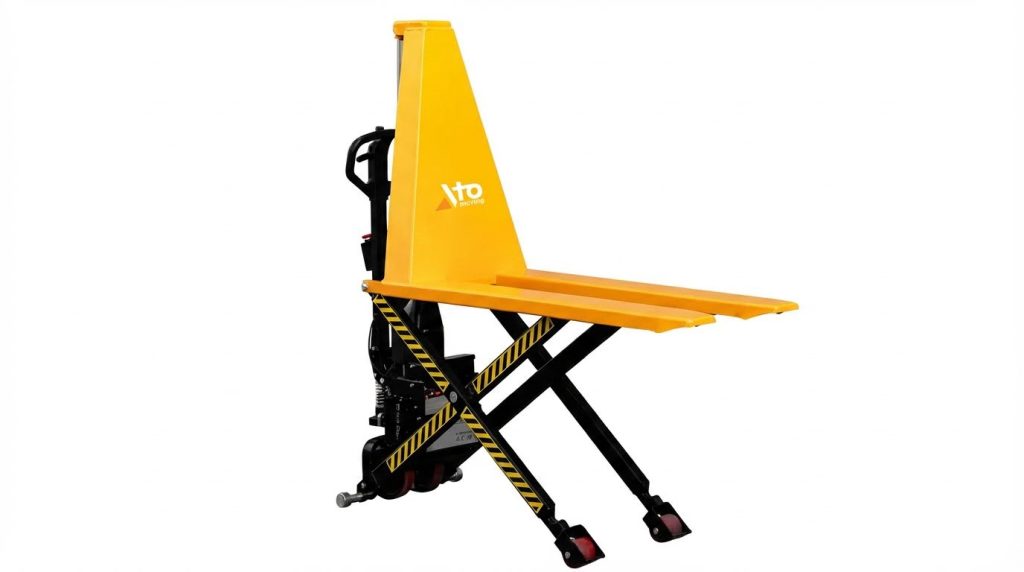
Safe pallet jack operation on ramps and uneven floors relied on understanding both engineering limits and human factors. Grade ratings, wheel selection, and load capacity defined where pallet jacks could operate without exceeding stability margins. Control techniques such as correct push–pull direction, fork positioning, and speed management on slopes reduced runaway risks and tip‑over events. For irregular surfaces, appropriate wheel materials, auxiliary ramps, and proper load securing minimized shock loads and load shift.
From a plant safety perspective, these practices translated directly into fewer musculoskeletal injuries, lower collision rates, and reduced product damage. Facilities needed clear rules that prohibited pallet jacks on excessive grades, narrow aisle trucks on ramps, and turning on slopes, while specifying when to escalate to powered lift trucks or alternative equipment. Integrating short, task‑specific training modules on ramps, dock interfaces, and curbs into onboarding and refresher programs aligned operations with OSHA’s expectation for safe use, even where formal certification was not mandatory.
Implementation required more than operator behavior; it depended on engineered controls and maintenance discipline. Plants benefited from graded-route mapping, floor marking for no‑parking and no‑pallet‑jack zones, posted maximum grade and load limits, and mandatory spotters where visibility was restricted. Routine inspection of wheels, hydraulics, forks, and brakes ensured that equipment capability matched the demands of ramps and rough floors over time. As facilities adopted denser layouts and higher throughput, systematic risk assessments of all sloped and uneven travel paths, combined with data‑driven incident reviews, provided a balanced way to decide when pallet jacks remained suitable and when to migrate to more specialized material handling systems.