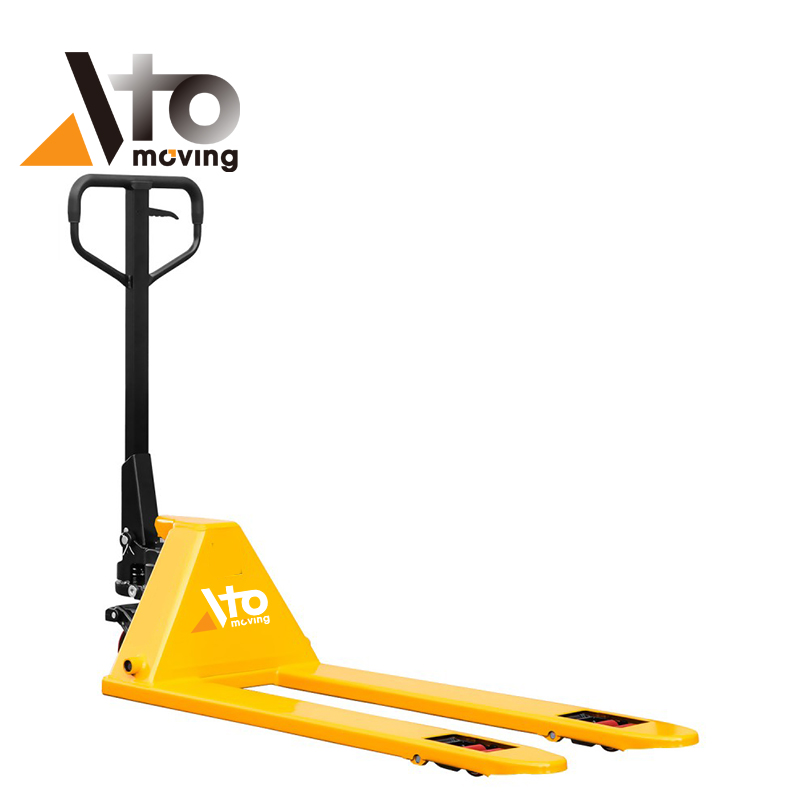
Safe pallet truck operation starts with clear rules and disciplined habits. This article explains how to use a pallet truck step by step, what to check before use, and which mistakes cause most injuries and damage.
You will see how core safety standards, daily inspections, and correct load handling reduce risk and extend equipment life. Detailed operating procedures cover positioning, lifting, travel on ramps and elevators, and correct parking. Later sections break down common operating errors, such as overloading, poor stability, and unsafe riding, and show how to prevent them through training, ergonomics, and maintenance planning.
Core Safety Standards And Pre-Use Checks
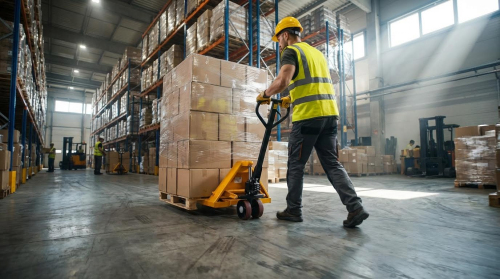
This section explains how to use a pallet truck safely before any load moves. It links regulatory rules, mechanical checks, capacity limits, and site conditions into one routine. Teams that apply these standards cut injury rates and extend pallet truck service life. The goal is a repeatable checklist that fits daily warehouse operations.
OSHA Requirements And Operator Authorization
OSHA treated pallet trucks as powered industrial equipment when powered or when site risk was high. Sites therefore limited operation to trained and authorized staff. Good practice still follows that approach, even for manual units. Safety briefings covered how to use a pallet truck, site routes, and emergency steps.
Effective programs usually included:
- Formal training on model‑specific controls and limits.
- Written authorization for operators after evaluation.
- Refresher training after incidents or near misses.
Supervisors also enforced rules against riding on pallet trucks or using them to move people. They tracked incidents where improper operation caused injuries, which historically affected more than 20% of warehouse cases linked to equipment. This data justified ongoing training time and budget.
Daily Mechanical Inspection And Hydraulics
Operators should perform a short walk‑around check before every shift. They inspect forks, handle, wheels, and frame for cracks, bends, or loose parts. They check the hydraulic unit for leaks and smooth lifting. Any defect means the truck is tagged out and reported, not used.
For trucks idle for long periods, air could enter the hydraulic circuit. The operator then:
- Moved the handle to the lower position.
- Pumped 4–6 times through full stroke.
- Tested lifting under a light load.
They repeated the bleed cycle until lift felt smooth and consistent. Regular lubrication of pivot points and wheel bearings reduced push force and wear. A consistent inspection routine lowered breakdown risk and lifecycle cost.
Load Ratings, Nameplates, And Capacity Margins
Safe use starts with the nameplate. The operator reads the rated capacity in kilograms at a defined load center. Typical manual pallet trucks carried about 2 000–2 500 kilograms, while heavy‑duty models supported higher values. Exceeding the rating overstressed forks, axles, and hydraulics.
| Truck type | Typical capacity range |
|---|---|
| Standard manual | 2 000–2 500 kg |
| Heavy‑duty manual | Up to about 5 000 kg |
| Electric walkie | Varied by model; check plate |
Operators should compare estimated pallet weight with the nameplate before lifting. They keep a safety margin instead of running at 100% capacity. They center the load over the forks to keep the combined center of gravity inside the wheelbase. Unstable or tall loads should be wrapped or strapped before travel.
PPE, Floor Conditions, And Traffic Management
Personal protection and floor quality directly affect how to use a pallet truck safely. Operators wear safety shoes with toe protection, close‑fitting work clothes, and gloves for grip. In noisy areas they add hearing protection, and in low light they use high‑visibility vests. PPE reduces injury severity when incidents occur.
Before moving, the operator scans the route. They remove debris, loose film, and cables that could stop wheels or cause trips. They avoid wet or oily areas or treat them as slow zones. On ramps they keep the load uphill and avoid turning.
Traffic management plans define one‑way aisles, speed expectations, and pedestrian crossings. Marked parking zones prevent trucks from blocking exits or fire routes. Clear rules for passing, horn use at blind corners, and mixed traffic with forklifts reduce collision risk. When all these controls work together, pallet truck use becomes predictable and safer across shifts.
Step-By-Step Pallet Truck Operating Procedure
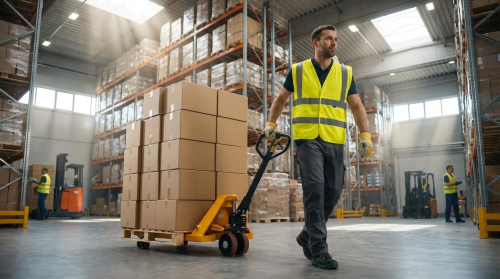
This section explains how to use a pallet truck in a clear sequence. It covers approach and fork placement, controlled lifting and travel, safe use on ramps and elevators, and correct parking. The goal is to turn “how to use a pallet truck” into a repeatable, low-risk routine for every operator.
Positioning, Fork Insertion, And Load Centering
Start by checking that the travel path is clear of debris, cables, and wet spots. Approach the pallet square to the entry openings so both forks line up with the pallet gaps. Keep the forks lowered and roll forward until the fork heels almost touch the opposite deck boards.
Only lift when the forks sit fully under the pallet. Partial fork insertion causes broken boards, dropped loads, and bent forks. Center the load across both forks so each fork carries similar weight. Avoid large overhangs that shift the center of gravity outside the fork footprint.
Use this simple sequence when learning how to use a pallet truck correctly:
- Align truck and pallet straight.
- Insert forks completely under the pallet.
- Check that the load is stable and wrapped or strapped if needed.
- Confirm the total weight is within the rated capacity on the nameplate.
Only then move to the lifting step.
Lifting, Transporting, And Maneuvering Loads
Stand behind the handle with feet clear of the steering wheels. Pump the handle with smooth strokes until the forks lift about 2–5 centimetres off the floor. This small clearance reduces fork drag but keeps the load low and stable.
For manual pallet trucks, push rather than pull whenever space allows. Pushing uses body weight, improves visibility, and reduces back strain. Maintain a walking pace and avoid sudden starts, stops, or sharp turns. Slow down before corners and blind spots and keep the load trailing when visibility is poor.
Safe travel technique when deciding how to use a pallet truck day to day can follow this order:
- Lift to travel height, not higher.
- Push in a straight line where possible.
- Scan ahead for people, crossings, and floor defects.
- Stop gradually to avoid load shift.
Practice handling in an open area without a load before working in tight aisles or near racking.
Ramps, Elevators, Vehicles, And Outdoor Use
Use extra care on ramps because gravity adds force to the load. Keep the load on the uphill side and never turn on the slope. With manual trucks, descend ramps walking backward so the truck does not run into your legs. Keep fork height low and speed very slow.
Before entering an elevator, confirm its rating covers the combined weight of truck, load, and operator. Move the load into the elevator first and keep people clear while the truck enters or exits. On vehicles, such as trailers, verify dock plates or bridge plates lock in place and can support the full weight.
Outdoor use needs stable surfaces. Rough concrete, potholes, or gravel increase rolling resistance and shock loads into the frame and hydraulics. Choose pallet trucks with suitable wheels or pneumatic tyres for uneven ground. If conditions are unsafe, stop and choose another handling method rather than forcing the truck through.
Parking, Securing, And Post-Operation Tasks
Always finish the cycle with safe parking. Lower the forks fully to the floor to remove stored hydraulic pressure and prevent trip hazards. Leave the handle in a neutral or brake position so the truck cannot roll. Never park on ramps, in front of emergency exits, or in busy aisles.
When learning how to use a pallet truck as part of daily work, add a quick end-of-shift check. Look for oil leaks, damaged wheels, or bent forks. Report defects and remove unsafe trucks from service. Do not leave a pallet truck under load for long periods, because this stresses the hydraulic seals and frame.
Store the truck in a marked area with forks inside the storage footprint, not sticking into walkways. This simple routine extends truck life and reduces avoidable injuries and downtime.
Common Operating Mistakes And How To Prevent Them
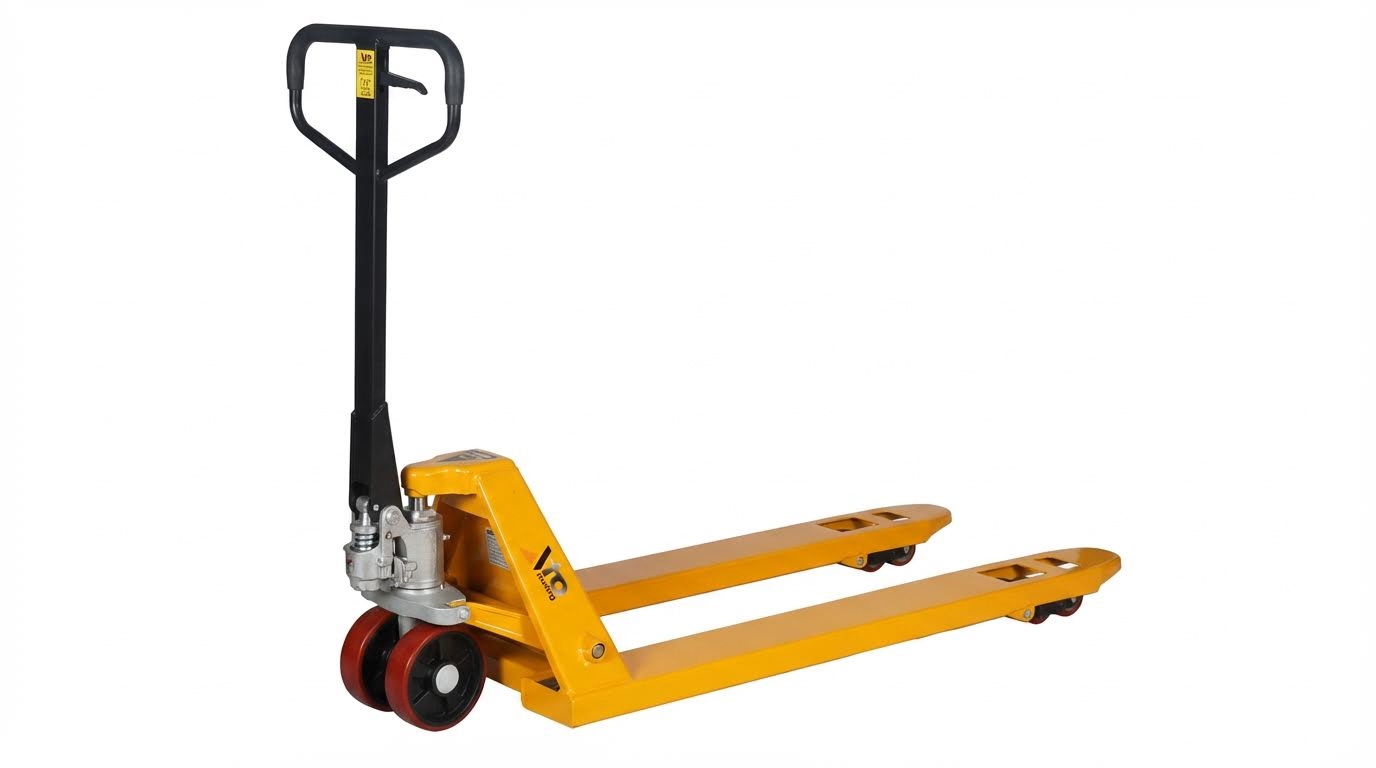
This section links how to use a pallet truck with the errors that cause most injuries and damage. Each mistake affects stability, ergonomics, and lifecycle cost. Understanding the mechanisms behind these failures helps supervisors write clearer SOPs and choose the right truck type for each task. The focus stays on practical controls that operators can apply on every shift.
Overloading, Poor Stability, And Tipping Risks
Overloading was one of the main causes of pallet truck failures. Typical manual units carried 2 000–2 500 kilograms, while heavy‑duty models reached about 5 000 kilograms. When operators exceeded these limits, forks bent, hydraulic seals failed, and stopping distance increased. Side loads or high centers of gravity then pushed the truck toward tipping.
Stability depended on three points: capacity, load height, and load placement. Operators needed the load centered on both forks with no extreme overhang. Stacks that were too high shifted the center of gravity upward and reduced lateral stability during turns or emergency stops. Unwrapped or loose items increased sway and made tip events more likely.
To prevent these failures, supervisors should:
- Post capacity charts at loading points and on the truck.
- Require weight checks for unknown loads.
- Limit stack height to keep sight lines clear and the center of gravity low.
- Require wrapping or strapping for unstable goods.
Floor condition also mattered. Ruts, debris, and wet patches created sudden resistance or loss of traction. These shocks could unseat the load or pull the handle from the operator’s control. Routine housekeeping and clear travel lanes were therefore part of basic stability control.
Pulling Vs. Pushing And Ergonomic Injuries
Search results often conflicted about pulling versus pushing, yet ergonomics data stayed consistent. Pushing a manual pallet truck generally placed the spine in a safer posture and let the operator use body weight instead of arm force. Pulling with the handle in front twisted the torso and loaded the shoulders and lower back, especially when starting motion.
However, operators sometimes needed to pull for short distances, for example during precise positioning or on slight slopes. In those cases, the handle angle, walking speed, and path planning became critical. Sharp turns while pulling increased side loading on joints and raised the chance of foot strikes by the steering wheels.
Practical controls included:
- Specify “push as the default, pull only when necessary” in site procedures.
- Train staff to keep elbows close to the body and avoid sudden jerks.
- Set speed expectations for loaded and empty travel.
- Use powered trucks for long routes or frequent heavy moves.
These rules linked directly to how to use a pallet truck without chronic strain. They also reduced fatigue, which in turn lowered error rates later in the shift.
Unsafe Riding, Speeding, And Cornering Habits
Riding on pallet trucks remained a recurring unsafe habit. Manual units were never designed to carry people. Added rider weight shifted the center of gravity and extended stopping distance. During sudden stops, riders could be thrown off or crushed between the truck and a fixed object.
Speeding and tight cornering were common in busy warehouses. Higher speed increased kinetic energy and made it harder to stop on time, especially with heavy loads. Fast turns with raised forks transferred load weight to one side and could cause the pallet to slide or the truck to pivot abruptly. Blind corners and cross‑aisles amplified this risk.
Controls should mix design and behavior:
- Set and enforce walking‑speed limits for loaded travel.
- Mark slow zones at intersections and doorways.
- Ban riding in site rules and reinforce during toolbox talks.
- Require forks to stay only a few centimetres above the floor while moving.
Clear floor markings, mirrors at blind corners, and good lighting supported these rules. Combined with training on how to use a pallet truck safely, they cut collision and crush incidents.
Maintenance Neglect And Lifecycle Cost Impacts
Skipping daily checks turned minor wear into major failures. Worn wheels increased rolling resistance and shock loads. Hydraulic leaks reduced lift height and could fail under load. Bent forks no longer supported design capacity and created hidden overload conditions even when the nameplate limit was respected.
From a lifecycle view, neglected maintenance raised both cost and downtime. A damaged pump or fork replacement cost far more than scheduled lubrication and seal changes. Unplanned breakdowns also disrupted picking sequences and transport flow, which reduced overall facility throughput.
Effective practice linked inspection to routine use of the truck. Operators should:
- Inspect wheels, forks, and hydraulics at the start of each shift.
- Tag and remove defective trucks from service immediately.
- Record hours of use to plan periodic service.
- Store trucks with forks lowered and without long‑term loads.
Integrating these tasks into standard work helped operators internalize how to use a pallet truck as a system, not just as a tool. This approach extended service life and reduced total cost per moved pallet.
Summary: Reducing Risk And Extending Truck Life

Safe practice for how to use a pallet truck links three elements. Operators must follow clear procedures. Supervisors must enforce training and inspections. Maintenance teams must protect the asset over its full life.
Key controls stay the same across sites. Train only authorized staff and refresh skills often. Standardize pre‑use checks for wheels, forks, hydraulics, and nameplate capacity. Enforce rules on pushing, fork height, speed, and no‑riding. Keep floors clean and routes clear to cut impact and tipping events.
These habits reduce injury rates and unplanned downtime. They also slow wear on pumps, seals, and wheels, so trucks stay in service longer. Lower damage rates on pallets and product improve overall material flow. Over time, the site sees fewer breakdowns, fewer near misses, and more stable throughput.
Future practice will add more visual cues and simple digital tools. Checklists, floor markings, and low‑cost sensors will track use and flag overload and missed inspections. Still, the core answer to how to use a pallet truck safely will remain simple. Respect the capacity plate, move at walking speed, park with forks down, and fix defects early. This balanced approach protects people and extends truck life.
Frequently Asked Questions
How does a pallet truck work?
A pallet truck is a tool used to lift and move pallets horizontally. It typically has forks that slide under the pallet and a hydraulic mechanism to lift it off the ground. The operator then pushes or pulls the pallet truck to transport the load. Pallet Delivery Guide.
Do you need training to use a pallet truck?
Yes, proper training is essential for using a pallet truck safely. Training usually includes practical skills, equipment knowledge, risk awareness, and safe operation techniques. Employees must undergo an assessment and receive certification before operating electric pallet trucks. Electric Pallet Truck Guide.
What are the hazards of using a pallet truck?
Using a pallet truck can pose several risks, including injuries from pushing or pulling over uneven surfaces, falling loads, and collisions. Operators should be aware of these hazards and take precautions to avoid accidents. Pallet Truck Safety Tips.
Is pallet truck operation considered manual handling?
Yes, operating a pallet truck falls under manual handling. This involves transporting or supporting a load by hand or bodily force, including lifting, lowering, pushing, pulling, moving, or carrying. Proper techniques and training are crucial to prevent injuries. Manual Handling Guide.