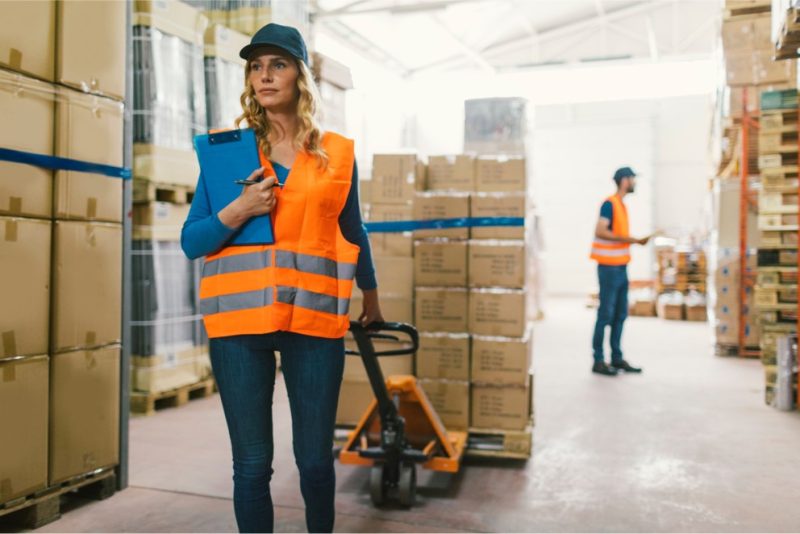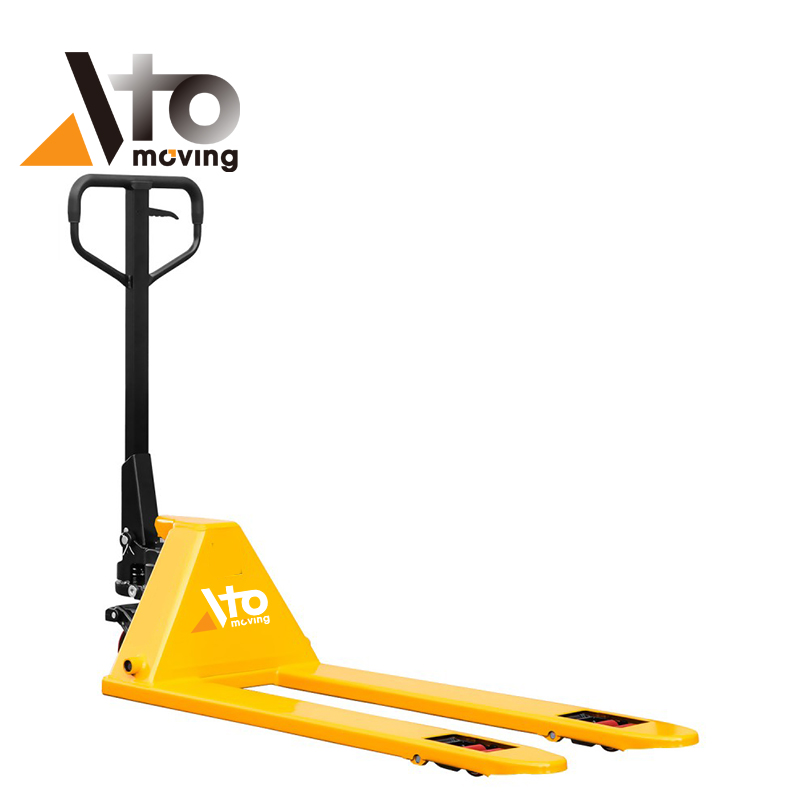
If your pallet jack suddenly refuses to lift, you are dealing with a safety risk and potential downtime, not just an inconvenience. This guide explains how the hydraulic system works, the most common reasons a pallet truck will not raise, and step‑by‑step checks you can do before calling in help. You will learn how to fix pallet jack not lifting issues by inspecting fluid, air, leaks, mechanical linkages, and structural components in a logical sequence. The goal is to restore safe, reliable lifting performance while reducing repeat failures through better maintenance and smarter repair decisions.
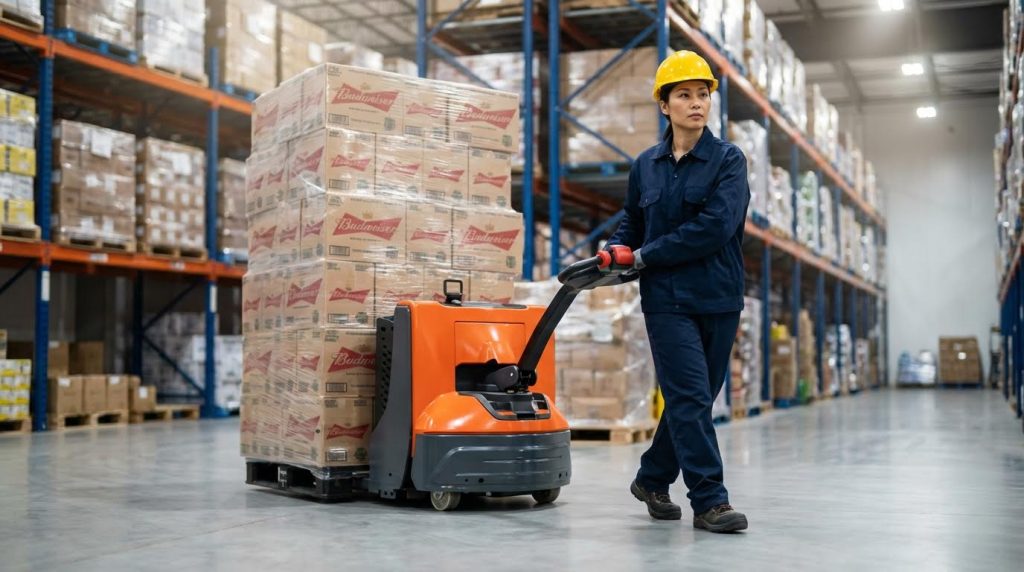
Key Causes Of A Pallet Jack Not Lifting
How Manual Pallet Jack Hydraulics Work
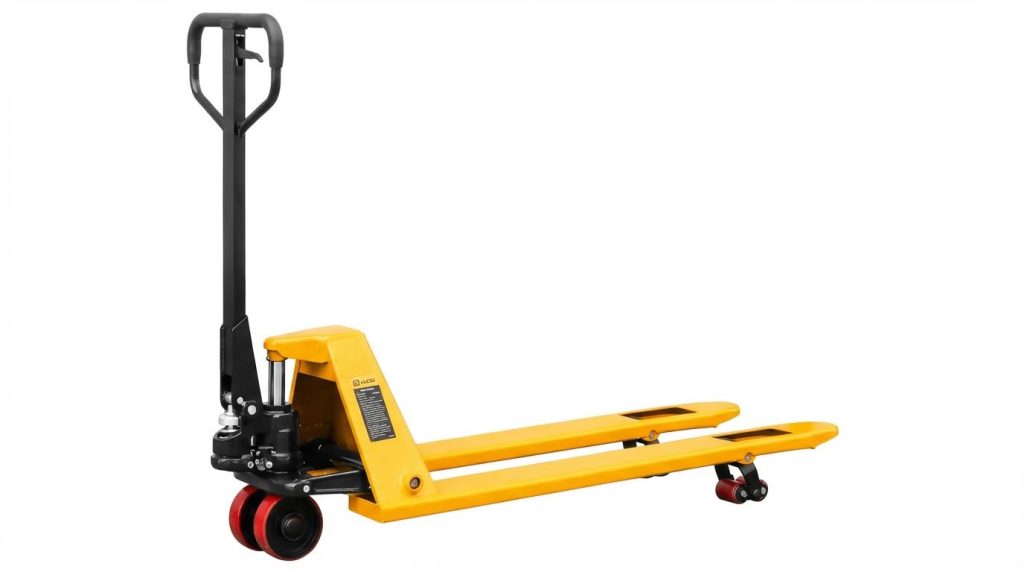
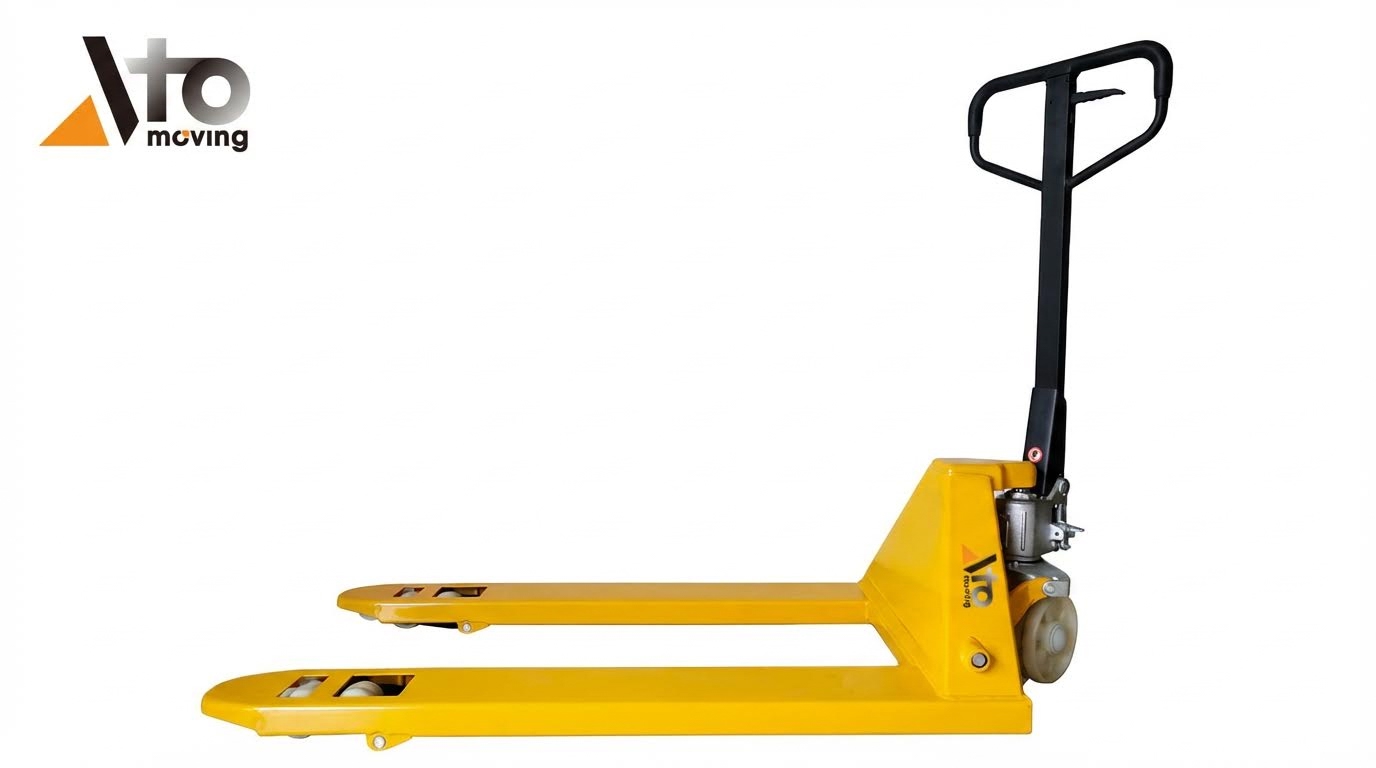
A manual pallet jack converts your handle strokes into high-pressure oil flow that lifts the forks. When you pump the handle, a small piston in the hydraulic pump pushes oil from the reservoir into the lift cylinder. Check that the reservoir has enough clean hydraulic oil, because low or dirty fluid quickly causes most “how to fix pallet jack not lifting” jobs to become bigger repairs. The system depends on tight seals, correct valve operation, and rigid steel structure; any leak, worn seal, or bent component will reduce lifting height or stop lifting completely. Typical failure modes include low fluid level, trapped air, internal leakage across worn seals, or mechanical misadjustment in the handle linkage that stops the pump stroke from fully pressurizing the circuit. If you understand this basic flow—handle → pump → valves → cylinder → forks—it becomes much easier to narrow down why your pallet jack will not lift.
Fast Checks Before You Tear Into The Pump
Before stripping the hydraulic unit, run a set of quick external checks that often solve how to fix pallet jack not lifting in minutes. Start with a clean area under and around the jack and look for fresh hydraulic oil on the floor or wet patches on the housing, hoses, or cylinder, which usually point to leaking seals or fittings and are a primary cause of lifting failure. Then check the oil level in the reservoir and top up or drain back to the specified level, because both low and excessive oil can impair function and should be corrected before deeper diagnosis. With the forks unloaded, move the control lever through lower/neutral/raise and pump the handle 15–20 times to bleed any air from the system, then test if the jack now lifts smoothly as recommended in standard bleeding procedures. While doing this, listen for grinding or whining noises and watch for “spongy” fork motion or reduced lift height, which are classic signs of trapped air or internal wear in the pump, cylinder, or valves. Finally, inspect the handle chain, nuts, and external linkage to confirm the release and pump mechanisms are actually moving the internal valve—loose chains or misadjusted rods can leave the release slightly open so the jack never builds pressure even though the handle feels normal. These fast checks separate simple fluid, air, or linkage issues from genuine internal pump faults, so you only strip the hydraulic unit when it is truly necessary.
Hydraulic And Mechanical Faults With Fix Steps
Low Or Contaminated Hydraulic Fluid
Low or dirty oil is one of the most common reasons a pallet jack will not lift. To start diagnosing how to fix pallet jack not lifting, park the jack on level ground, lower the forks fully, and remove the reservoir plug or cover. The fluid should sit around the manufacturer’s mark and look clean and translucent, not milky, dark, or full of particles. If the level is low, top up with the specified hydraulic oil, keeping it within the recommended range to avoid loss of lifting force or erratic lowering. Low hydraulic fluid levels can prevent a pallet jack from lifting and should be corrected before deeper repairs. If the oil is contaminated or discolored, drain the reservoir into a pan, cycle the handle to purge old fluid, then refill with fresh oil and bleed air from the system. Insufficient or excessive oil levels can impair functionality, so always recheck the level after bleeding.
Air Trapped In The Hydraulic Circuit
Air pockets in the hydraulic circuit reduce effective pressure and cause spongy, incomplete lifting. Typical symptoms include weak lift, reduced maximum fork height, and sometimes grinding or whining noises during pumping. Air in the hydraulic system can cause unresponsive lifting and visible flow fluctuations, so it must be removed before assuming major component failure. The simplest method on many manual jacks is to lower the forks with no load and pump the handle 15–20 times to move oil through the circuit and release trapped air. Bleeding the hydraulic system by repeatedly pumping the handle with no load helps release trapped air. On designs with a dedicated bleed screw, place a container under the valve, crack it open with a wrench, then pump the handle until a steady, bubble‑free oil stream appears, close the valve, and recheck the reservoir level.
Leaks, Seals, And O‑Ring Failures
External or internal leaks quickly drop system pressure and are a key cause when you are working out how to fix pallet jack not lifting under load. First, inspect the floor, pump body, cylinder area, and hose connections for fresh oil; visible fluid around the pump or on the floor often indicates broken seals or hoses that need replacement. Cracked or hardened seals and O‑rings inside the pump block and valve assemblies allow oil to bypass instead of building pressure. Cracked hydraulic seals can lead to oil leaks and lifting problems, especially on older or long‑stored jacks. Typical fix steps are: clean the suspected area, disassemble the affected joint or valve, remove worn O‑rings, clean sealing grooves, and install new seals lubricated with compatible oil before reassembly. For some models with persistent no‑lift after bleeding, a targeted O‑ring replacement in the lower lever or pump section is recommended, followed by refill and function testing. Replacing the O‑ring and refilling hydraulic fluid is a documented step when bleeding alone does not restore lifting.
Pump, Cylinder, And Valve Wear
Even with correct fluid and no leaks, internal wear can prevent the jack from building enough pressure to lift rated loads. Over time, pump pistons, check valves, and cylinder bores wear or score, allowing internal bypass instead of transmitting full pressure to the ram. Worn components such as the lift cylinder, seals, or pump piston may wear out or break, leading to lifting issues that simple bleeding will not fix. A damaged pump housing with cracks or distortion is another red flag; a malfunctioning or damaged hydraulic pump can prevent sufficient pressure generation and may require replacement. Practical fix steps include: remove the pump unit from the frame, strip it according to the service manual, inspect pistons, springs, and valve seats, and replace worn parts or the entire pump assembly if damage is extensive. After reassembly, refill with clean oil, bleed the system, and test with a moderate load to confirm consistent lifting and holding.
Handle, Linkage, And Push‑Rod Issues
Mechanical linkage problems can mimic hydraulic faults because the pump never receives a full stroke or the release valve stays slightly open. Start at the handle: confirm the lift / neutral / lower positions engage positively, and check that the release lever returns fully when you let go. The handle chain and its nuts at the foot lever must be tight enough to open the valve when commanded but not so tight that the valve is held partially open; a loose or detached handle chain will cause the release lever to malfunction and prevent proper lifting. Under the forks, verify that both push‑rods are straight, secure, and adjusted so the forks sit level side‑to‑side; incorrect push‑rod adjustment affects fork level and load handling. To fix, adjust rod lengths or linkage nuts per the manual until the jack fully lowers in “down,” holds in “neutral,” and builds height smoothly in “raise” without creeping down.
Wheels, Rollers, And Structural Damage
Sometimes the hydraulic system works, but the jack still “won’t lift” in practice because the frame or running gear cannot support or translate the motion. Heavily worn or flat‑spotted steer wheels and load rollers increase rolling resistance so much that the operator cannot move a load even though the forks rise; high wear or peeling of polyurethane on steer wheels or load rollers is common from use on rough surfaces. Dry or damaged bearings further increase effort and can cause binding, so they should be cleaned, inspected, and lubricated or replaced as needed. Bearings must remain well‑lubricated and functional to ensure smooth operation. Finally, carry out a visual inspection of the forks, arms, and frame for bends, cracks, or twisting; structural deformation or cracks in arms or forks are critical safety issues and usually mean the jack should be taken out of service or professionally repaired rather than adjusted in‑house.
Maintenance, Parts, And Upgrade Strategies
Preventive Maintenance Intervals And Checklists
Good preventive maintenance is the cheapest way to avoid a “pallet jack not lifting” breakdown and keep handling predictable. For typical warehouse use, inspect key items weekly, do a deeper service every 3–6 months, and change hydraulic oil roughly every 12 months or sooner in heavy-duty or dirty environments. Regular maintenance should always include checking hydraulic fluid level against the manufacturer’s mark and topping up with the correct oil type to avoid low-pressure lifting problems Cited Text or Data. This same routine helps you spot early signs of how to fix pallet jack not lifting before it becomes a full failure.
- Weekly/Monthly visual checks: Look for structural deformation or cracks in forks, arms, and frame, and confirm push-rods keep the forks level for safe load handling Cited Text or Data.
- Hydraulic health: Inspect for oil around the pump, cylinder, and hoses, and check seals and O-rings for cracking or seepage that could lead to lifting loss Cited Text or Data.
- Lubrication points: Grease all fittings and pivot points, and make sure bearings stay lubricated, especially in wet or corrosive environments where grease washes out faster Cited Text or Data.
- Rolling gear: Check steer wheels and load rollers for flat spots, chunking, or peeling polyurethane, which increase push force and can stress the frame Cited Text or Data.
During each service, also verify handle chain attachment and nuts so the release lever works correctly, and confirm the reservoir oil level is within the recommended band to avoid both aeration and overfilling Cited Text or Data. A simple checklist built around these points turns into a reliable, repeatable process to prevent most lifting faults.
Tools, Manuals, And Parts Sourcing
Having the right tools and documentation on hand makes it far easier to decide how to fix pallet jack not lifting without guesswork. A basic hydraulic repair kit for pallet jacks should include open-end and socket wrenches, ratchet sets, flathead and Phillips screwdrivers, needle-nose and adjustable pliers, a torque wrench, gasket scraper, an oil drain pan, and the correct hydraulic fluid for refilling Cited Text or Data. These tools let you safely drain oil, remove levers, change O-rings, and reassemble components to spec.
The service manual is your roadmap for safe disassembly and reassembly. Before starting work, study the layout of the manual, use exploded diagrams for orientation, and follow procedures step-by-step instead of skipping to the end Cited Text or Data. Always check specifications such as torque values and approved hydraulic fluid types, and use the troubleshooting chart to link symptoms (for example, jack pumps but does not lift) to likely causes and repair steps Cited Text or Data.
Practical parts sourcing tips
For replacement parts, start with the manual to identify exact part numbers for seals, O-rings, pumps, and wheels. Then use those references to search specialist online platforms for compatible OEM or aftermarket parts, and cross-check with local industrial suppliers when you need fast turnaround Cited Text or Data. When in doubt on compatibility or material choice, contact the manufacturer’s technical support with your model and serial number to avoid mismatched components.
When To Call A Technician Or Replace The Jack
Not every “pallet jack won’t lift” problem is economical or safe to fix in-house. Simple issues like bleeding air by pumping the handle 15–20 times with no load or replacing a single O-ring after draining and refilling the hydraulic fluid are realistic for a trained in-house technician with proper tools Cited Text or Data. However, repeated failures after basic repairs, heavy external damage, or unknown service history are warning signs.
- Call a professional technician when you see major hydraulic leaks you cannot trace, suspected internal pump or cylinder scoring, or complex linkage problems that affect both lifting and lowering. Persistent symptoms such as spongy lift, grinding noises, or inability to reach full height even after bleeding and fluid checks indicate deeper hydraulic faults Cited Text or Data.
- Plan for replacement if the frame or forks are bent or cracked, if multiple major components (pump, cylinder, wheels, and bearings) all need work at once, or if the jack has reached the end of its economical life based on age and duty cycle. Structural damage, especially in the fork arms, is usually not worth repairing and can create serious safety risks Cited Text or Data.
A simple rule is to compare repair cost and downtime against the price of a new unit and expected remaining service life. When repeated lifting failures keep pulling operators away from work, upgrading to a new jack or a higher-spec model often delivers better long-term value than chasing the same fault again and again.
“”
Summary: Restoring Safe, Reliable Lifting Performance
A pallet jack that will not lift is both a safety hazard and a cost driver, but the root causes follow clear engineering logic. Hydraulic pressure, mechanical linkage, and frame integrity must all work together as one system. Clean oil at the correct level allows the pump and cylinder to generate stable pressure. Air removal, sound seals, and unworn valves keep that pressure where it belongs, under the ram instead of leaking back to tank. Correct handle and push‑rod adjustment then turns each stroke into real fork movement, while straight forks and healthy wheels convert lift into safe, controllable load handling.
Operations and maintenance teams should treat every lifting complaint as a structured check, not guesswork. Start with fast external inspections, then move step‑by‑step through fluid, air, leaks, wear, linkage, and finally structural condition. Remove any pallet jack from service if you see cracked forks, bent arms, or leaks you cannot trace. Build these checks into a simple preventive schedule, backed by the right tools, manuals, and quality parts from Atomoving. This approach cuts repeat failures, protects operators, and keeps lifting performance predictable shift after shift.
Frequently Asked Questions
Why is my pallet jack not lifting?
If your pallet jack isn’t lifting, it could be due to low hydraulic fluid levels, air trapped in the system, or worn seals and valves. Check these components carefully. For more details, see Hydraulic Jack Troubleshooting.
How do I reset a pallet jack?
To reset your pallet jack, turn it off and unplug it. Press the emergency stop button to release hydraulic pressure, wait 30 seconds, then press the button again to reset. Plug it back in and turn it on. Learn more about resetting pallet jacks at Pallet Jack Reset Guide.
What should I check if my hydraulic jack is slow or not working?
If your hydraulic jack is slow or not functioning properly, first check the hydraulic fluid level. Ensure there’s no air trapped in the system and inspect for worn seals or valves. These issues are common causes of poor performance. For further guidance, refer to Hydraulic Jack Troubleshooting.