
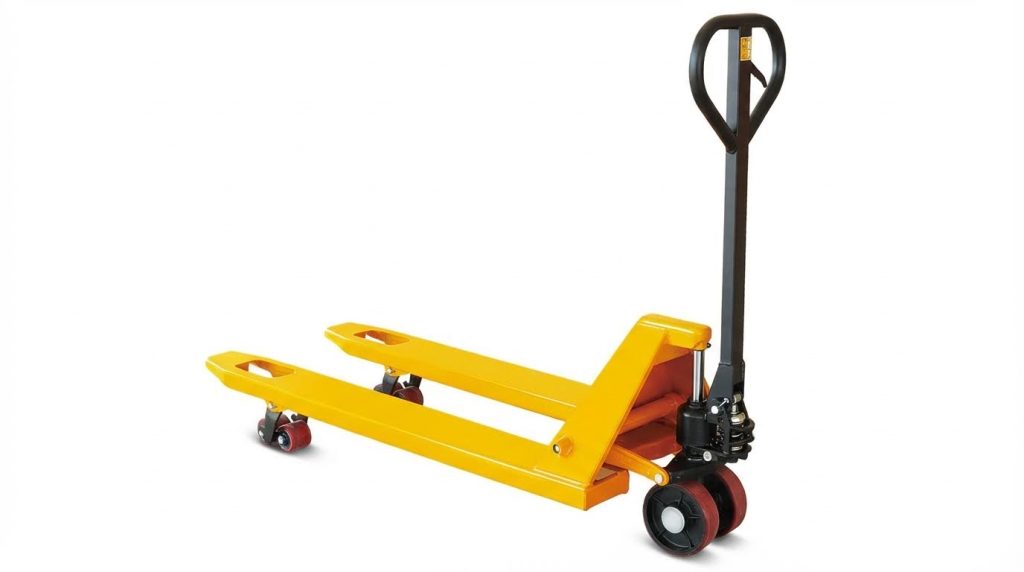
Hand pallet trucks are vital tools in material handling, offering efficient load transport in warehouses and industrial environments. This guide covers comprehensive procedures from pre-use inspections to maintenance protocols, ensuring safe and effective operation. Operators and maintenance personnel will find detailed technical insights to optimize performance and extend equipment life.
Pre-Use Inspection and Setup Procedures
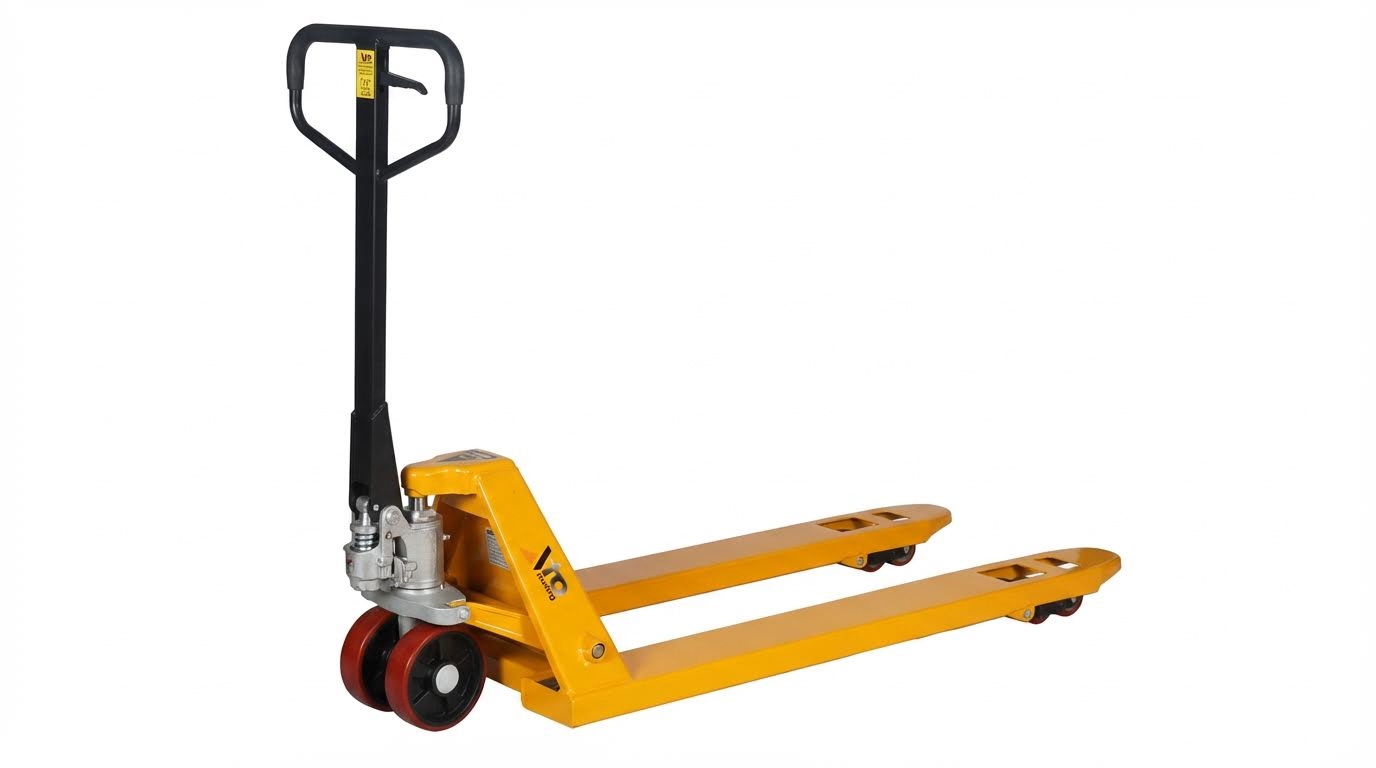
Visual and Functional Checks for Structural Integrity
Begin by thoroughly inspecting the hand pallet truck for any visible damage or deformation. Check the forks, frame, and handle for cracks, bends, or corrosion that could compromise structural integrity. Verify that the wheels rotate smoothly without excessive play or wear. Ensure that all bolts and fasteners are securely tightened to maintain operational safety.
Proper Fork Alignment and Load Positioning
Confirm that the forks are parallel and correctly spaced to fit the pallet type intended for transport. Proper alignment prevents uneven load distribution, which could lead to instability or equipment damage. Position the load centrally on the forks, ensuring it is balanced and does not extend beyond the fork tips. This positioning minimizes tipping risk during movement.
Hydraulic System Verification and Adjustment
Test the hydraulic lifting mechanism by operating the handle to raise and lower the forks smoothly. Listen for unusual noises or resistance that may indicate internal leaks or component wear. Check the hydraulic fluid level and top up if necessary, using the manufacturer-recommended fluid. Adjust the release valve to ensure controlled lowering speed and prevent sudden drops.
Load Capacity Compliance and Safety Margins
Verify the rated load capacity marked on the pallet truck and ensure the intended load does not exceed this limit. Maintain a safety margin by operating below the maximum capacity to account for dynamic forces during movement. Overloading can cause mechanical failure and increase the risk of accidents. Always adhere to specified weight limits to ensure safe operation.
Correct Handling and Maneuvering Techniques
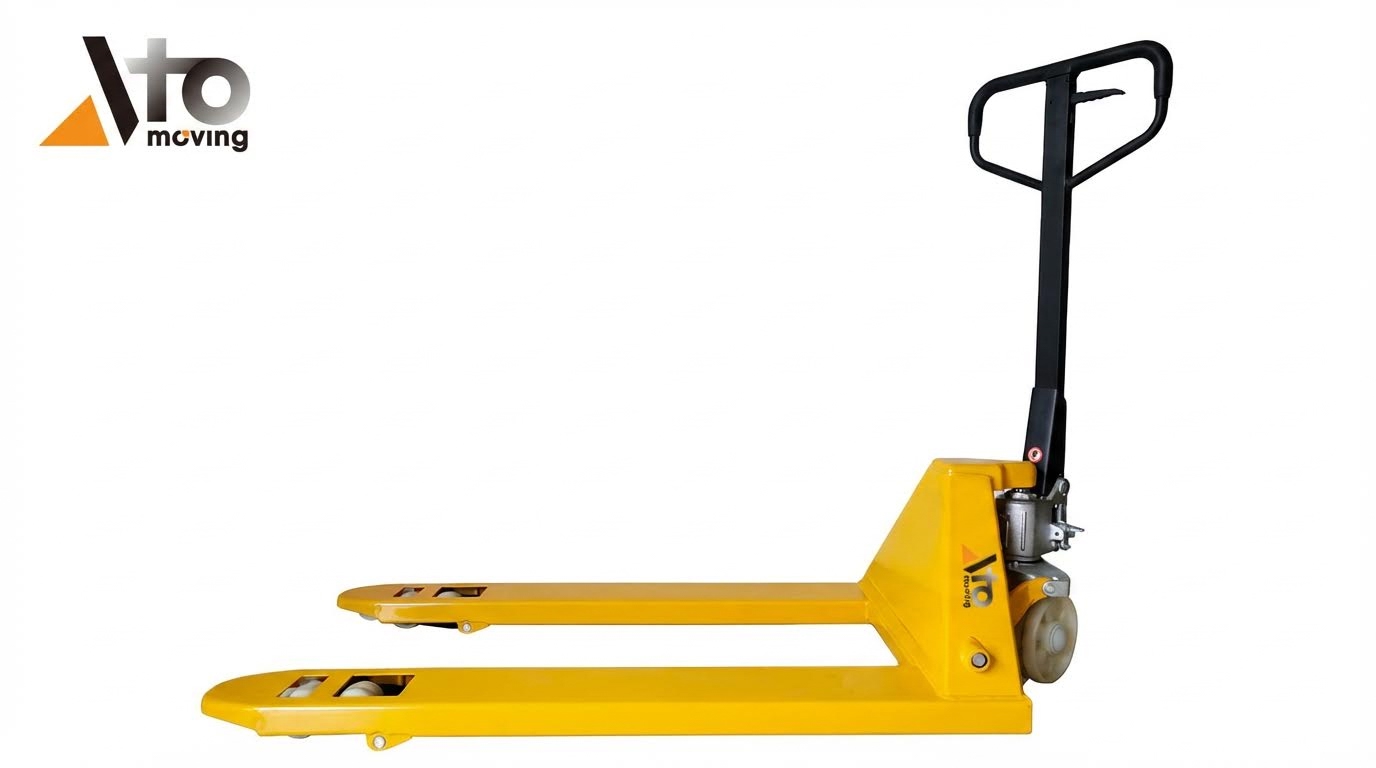
Optimal Pulling vs. Pushing Practices for Control
Choosing between pulling and pushing a hand pallet truck affects control and safety. Pulling generally offers better visibility and reduces strain on the operator’s back. However, pushing can provide more power and control when maneuvering heavy loads in tight spaces. Operators should assess the environment and load weight to select the safest method, maintaining a firm grip and steady pace to prevent sudden shifts.
Navigating Inclines, Ramps, and Uneven Surfaces
Handling pallet trucks on slopes requires careful technique to maintain stability. When ascending, operators should push the load uphill to use body weight effectively. Descending demands controlled pulling to avoid runaway loads. On uneven surfaces, slow movement and frequent checks of load balance prevent tipping. Proper tire maintenance also enhances traction and safety on these challenging terrains.
Steering Mechanics and Operator Ergonomics
Effective steering relies on smooth, deliberate handle movements to guide the truck accurately. Operators should position their feet to maintain balance and use their body weight to assist turns. Ergonomic handle designs reduce fatigue and improve grip, essential for prolonged use. Training on posture and movement helps minimize musculoskeletal strain and enhances operational efficiency.
Load Stability During Transport and Placement
Maintaining load stability is critical to prevent accidents and damage. Loads must be evenly distributed and secured on the forks before movement. Operators should avoid sudden starts, stops, and sharp turns to keep the load steady. When placing the load, gradual lowering and precise alignment with the target surface ensure safe and accurate positioning.
Maintenance Protocols to Maximize Equipment Life
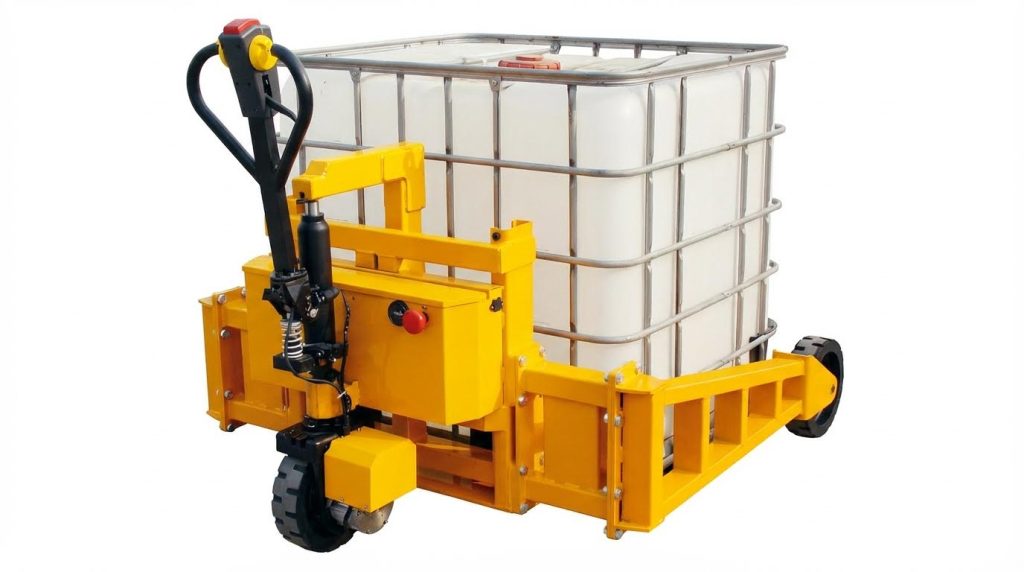
Daily Cleaning, Lubrication, and Hydraulic Testing
Daily maintenance begins with thorough cleaning to remove dirt and debris that can impair moving parts. Lubricate all pivot points and bearings according to manufacturer specifications to reduce friction and wear. Perform hydraulic system tests daily by operating the lift mechanism through its full range to detect leaks or pressure drops early.
Weekly and Monthly Detailed Inspections
Weekly inspections should include checking fork condition for cracks or deformation and verifying the integrity of welds and fasteners. Monthly, conduct comprehensive checks of hydraulic cylinders, seals, and hoses for signs of deterioration. Inspect wheels and axles for wear patterns and ensure proper alignment to prevent uneven load distribution.
Common Wear Indicators and Replacement Criteria
Wear indicators include visible cracks in forks, excessive play in steering components, and hydraulic fluid contamination. Replace seals and hoses at the first sign of leakage or brittleness to avoid system failure. Wheels showing flat spots or uneven tread wear must be replaced promptly to maintain stability and maneuverability.
Avoiding Contamination and Hydraulic System Damage
Prevent hydraulic contamination by using clean fluid and sealed reservoirs. Avoid introducing dirt during fluid replacement by using filtered tools and clean environments. Regularly check and replace hydraulic filters to maintain fluid purity, thereby extending the lifespan of pumps and valves and ensuring consistent lifting performance.
Summary of Best Practices and Operational Recommendations
Effective operation of hand pallet trucks requires adherence to a structured set of best practices. Pre-use inspections, proper handling techniques, and consistent maintenance all contribute to equipment longevity and workplace safety. Operators should always verify structural integrity, hydraulic function, and load capacity compliance before use to prevent accidents and equipment failure.
Ergonomic handling, including appropriate pushing and pulling methods, ensures better control and reduces operator fatigue. Navigating inclines and uneven surfaces demands careful maneuvering to maintain load stability. Regular maintenance, such as daily lubrication and periodic inspections, helps identify wear early and prevents hydraulic contamination, extending the service life of the pallet truck.
Industry trends emphasize integrating sensor-based monitoring for predictive maintenance and enhanced safety features. Implementing these technologies can optimize operational efficiency and reduce downtime. However, practical considerations include training operators and aligning maintenance schedules with production demands. Balancing technological advancements with established protocols ensures reliable and safe pallet truck operations in diverse industrial environments.