
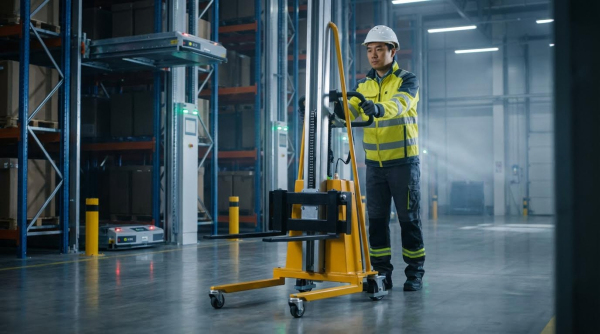
Pallet positioners and lift tables answered the core question “what is a pallet pal lift for” by bringing pallet loads to an ergonomic working height and position. This article explains their core functions, typical capacities, and real-world industrial applications from a mechanical engineering perspective. It then examines ergonomic and safety benefits, including how these devices reduced bending, twisting, fatigue, and injury-related costs while supporting compliance with modern standards. Finally, it compares major design types and actuation technologies, outlines selection and lifecycle cost criteria, and closes with strategic implications for facilities planning long-term material handling investments.
Core Functions Of Pallet Positioners And Lift Tables
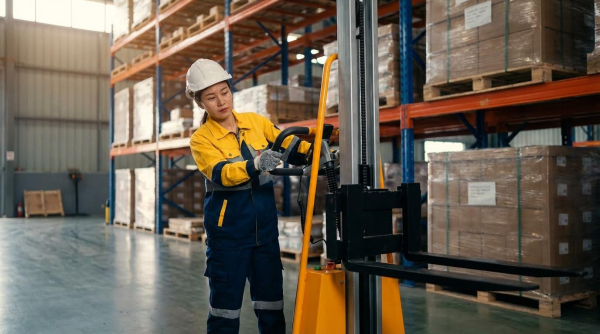
Pallet positioners and lift tables answered the question “what is a pallet pal lift for” by transforming low-level pallet work into controlled, ergonomic tasks. They raised, lowered, and rotated pallet loads so operators handled cases at waist height instead of floor level. In modern facilities, engineers used these devices to stabilize throughput, reduce musculoskeletal risk, and standardize loading workflows across packaging, assembly, and order picking machines.
What A Pallet Positioner Actually Does
A pallet positioner or pallet lift table supported a pallet load and presented it at an ergonomic working height. It lifted or lowered as layers were added or removed, so operators always worked within a narrow vertical band near elbow height. Many designs included a 360° turntable, allowing workers to pull cases from any side without walking around the pallet. In practice, this answered “what is a pallet pal lift for” in material handling: it was for building or breaking down pallets faster, with less bending, reaching, and twisting. Facilities used these units at infeed and outfeed of conveyors, at packing benches, and at machine-loading points to keep the operator stationary while the load moved.
Key Components And Motion Capabilities
Core components included a base frame, lifting mechanism, platform or turntable, and control system. The lifting mechanism used pneumatic airbags, hydraulic cylinders, or electric actuators to generate vertical motion. Self-leveling versions incorporated weight-sensing linkages or pressure control valves that changed height automatically as load changed. Typical motion capabilities combined vertical travel with rotation, and in some cases tilt up to about 40° for easier access to case rows. Mobile variants added casters or fork pockets, so trucks could relocate the unit between work cells without floor anchoring. Engineers selected motion combinations based on the target task: pure vertical lift for simple elevation, lift-plus-rotate for case picking, and lift-plus-tilt where deep reach into the pallet footprint occurred.
Typical Load, Height, And Footprint Ranges
Standard pallet positioners and lift tables typically handled loads from about 50 kg to approximately 2 000 kg. This range covered most 1 000 mm × 1 200 mm palletized unit loads in manufacturing and distribution. Closed heights commonly ranged from roughly 80 mm for floor-level, manual pallet jack-accessible tables to around 250 mm for heavier-duty turntable positioners. Raised heights often reached 600 mm to 750 mm, which placed the top case layer within an ergonomic handling envelope for average adult operators. Turntable diameters around 1 100 mm provided full support under a standard pallet while allowing 360° rotation. Base footprints near 900 mm × 900 mm to 1 000 mm × 1 200 mm gave sufficient stability without excessive floor consumption. Engineers verified that the platform size, center-of-gravity envelope, and safety factor against tipping matched the heaviest expected load and any off-center handling pattern.
Common Industrial Applications And Use Cases
In manufacturing, pallet positioners fed parts or materials into machining, assembly, or packaging lines at consistent heights. Operators built pallets of finished goods layer by layer without stooping, which maintained cycle time and reduced fatigue over long shifts. In warehouses and distribution centers, lift tables supported order picking from pallets at ground-level pallet flow lanes, especially in case-pick-to-cart or pick-to-conveyor zones. At loading docks, they aligned pallet heights with truck beds or dock levelers, improving transfer efficiency and reducing manual lifting. Process industries used stainless or washdown-capable lift tables in hygienic zones to stage ingredients or containers. Across all these environments, the practical answer to “what is a pallet pal lift for” was consistent: it was for presenting pallet loads at the right height, orientation, and location so that people moved cartons, not their spines.
Ergonomic And Safety Benefits In Material Handling
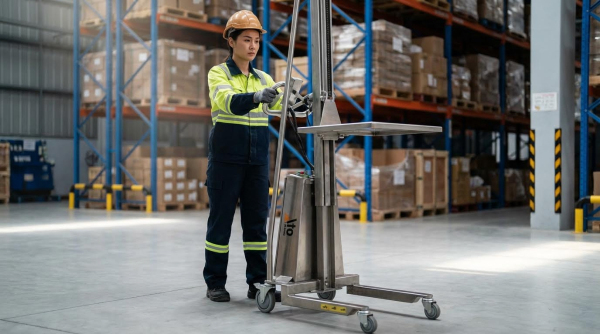
Ergonomic pallet positioners and lift tables answered the key question “what is a pallet pal lift for” from a safety perspective. Their core role was to keep pallet loads at an optimal working height and position to protect operators. By reducing manual bending, reaching, and twisting, these devices improved both short-term comfort and long-term musculoskeletal health. Facilities used them as a primary engineering control to cut injury risk while sustaining throughput.
Reducing Bending, Reaching, And Twisting
In practical terms, a pallet pal lift was for keeping the work zone between approximately knee and elbow height. Self-leveling or powered pallet positioners automatically raised or lowered the pallet as boxes were added or removed. This function minimized deep bending to floor level, long reaches across the pallet, and torsional twisting to access the far side. Turntable tops allowed 360° rotation with low push force, so operators brought the load to their body instead of walking around or overreaching. In high-frequency pick or pack stations, this geometry change significantly cut cumulative spinal and shoulder loading over a shift.
Impact On Injury Rates And Compensation Costs
Material handling injuries historically concentrated in the lower back, shoulders, and upper limbs due to repetitive lifting from floor-level pallets. By answering “what is a pallet pal lift for” with an engineering control instead of administrative rules, facilities reduced exposure at the source. Case experience showed fewer strain and sprain incidents once pallets stayed within an ergonomic handling envelope. Lower incident counts translated into reduced workers’ compensation claims, medical costs, and lost-time days. Over the equipment lifecycle, these avoided costs often offset the initial capital outlay, especially in high-volume order-picking or assembly lines where manual pallet handling had been intensive.
Human Factors, Fatigue, And Work Quality
From a human factors viewpoint, a pallet lift table was for stabilizing physical workload across the entire build or breakdown of a pallet. Without elevation control, the first and last layers involved the worst postures and the highest fatigue. Self-leveling or powered tables flattened this workload curve, so operators handled cartons in a more neutral posture from start to finish. Reduced muscular effort delayed onset of fatigue, which historically correlated with error rates and near-miss incidents. As operators expended less energy on simply reaching and lifting, they could focus more on correct SKU selection, label accuracy, and careful product placement, which improved outbound quality and reduced damage.
Compliance With Safety And Ergonomic Standards
Regulators and standards bodies had long recommended engineering controls to address manual handling risks. In that context, the answer to “what is a pallet pal lift for” aligned with compliance: it was a tool to systematically reduce hazardous postures and forces. Facilities used risk assessment methods based on ISO and national ergonomic guidelines to quantify improvements in spine and joint loading when implementing lift tables. By demonstrating that they had engineered out floor-level lifts and excessive reaches, employers supported compliance with occupational health and safety requirements. This approach complemented training and PPE, creating a layered safety strategy that auditors and safety committees recognized as best practice in pallet-based workflows.
Design Types, Technologies, And Selection Criteria
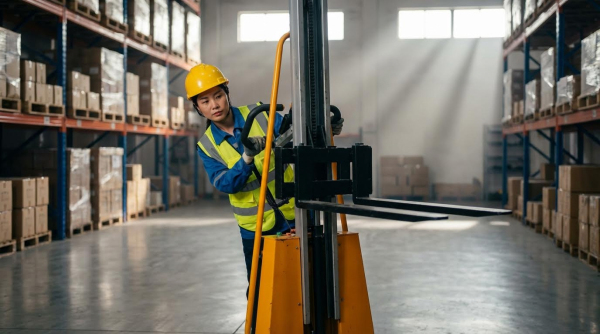
Engineers who ask “what is a pallet pal lift for” usually want clarity on design options, actuation technologies, and how these devices integrate into broader material handling systems. This section explains how different pallet positioner and lift table configurations support ergonomic loading, and how to select the right design for throughput, ergonomics, and lifecycle cost in industrial facilities.
Self-Leveling, Powered, Tilt, And Mobile Designs
Self-leveling pallet positioners kept loads at an ergonomic height automatically as cases were added or removed. A calibrated spring or pneumatic mechanism sensed load change and raised or lowered the platform without operator input. This design suited repetitive build-or-break pallet work where box weights stayed within a defined range. Powered pallet lifts used electric or hydraulic drives to adjust height on demand and handled highly variable load patterns or multiple target elevations, such as feeding different machine infeed heights.
Tilt tables answered a different question behind “what is a pallet pal lift for” by angling the load up to roughly 30–40° toward the operator. This reduced horizontal reach into deep pallets, which was critical for case picking and kitting. Mobile pallet positioners mounted the lift and turntable on a wheeled or forkable base. Operators could reposition them between lines, work cells, or loading docks, which improved asset utilization in facilities with changing layouts. Stationary designs, in contrast, offered higher capacity and stiffness and fit well in fixed packing or assembly stations.
Pneumatic, Hydraulic, And Electric Actuation Options
Pneumatic pallet lifts used air bags or cylinders to create vertical motion and were common in self-leveling designs. They provided a near-linear response to load, which helped maintain a narrow ergonomic working band as layer height changed. Plants with existing compressed air distribution often preferred pneumatic systems for simplicity and low component count. Hydraulic units delivered higher force in a compact package and supported heavy loads within typical pallet positioner ranges of roughly 50–2000 kg.
Hydraulic lifts required attention to hose routing, seal integrity, and potential leaks, especially near food or clean production zones. Electric screw or belt-driven tables offered precise positioning, repeatable stop points, and easier integration with automation controls. These suited applications where “what is a pallet pal lift for” included synchronized motion with conveyors, robot cells, or automated storage systems. Engineers typically compared duty cycle, required speed, and available utilities when choosing between pneumatic, hydraulic, and electric actuation. Service skills on site and spare-part availability also influenced technology selection.
Integration With Conveyors, Cobots, And Pallet Flow
In conveyor-fed lines, pallet positioners often sat at the end of roller or belt conveyors and raised loads to a defined working plane. Turntables allowed 360° access, so operators could build or break pallets without walking around. When integrated with cobots, lift tables positioned pallets within the robot’s reach envelope while keeping the human work zone ergonomic. Electric or sensor-triggered height adjustment let the system maintain safe separation distances and consistent pick heights.
In pallet flow systems, lifts or positioners interfaced with gravity-fed lanes to support dense FIFO storage. Operators worked from the front pallet position while the flow lane replenished from behind. Here, the answer to “what is a pallet pal lift for” focused on reducing bending at the front position and maintaining case-pick efficiency. Integration required matching deck heights and ensuring smooth transfer between flow rails, conveyors, and lift platforms. Controls engineers also considered interlocks, photo-eyes, and safety scanners to prevent motion while operators accessed the load.
Selection Parameters, Lifecycle Cost, And Maintenance
Key selection parameters included rated capacity, platform size, vertical travel, and minimum closed height. Engineers sized capacity with a margin above maximum pallet mass, including packaging and any fixtures, while checking stability across the full stroke. Typical raised heights for ergonomic pallet work fell in the 600–800 mm range above floor level, with closed heights low enough to allow walkie pallet truck or forklift loading. Footprint constraints around 900 mm by 900 mm influenced layout in tight work cells.
Lifecycle cost analysis went beyond purchase price and examined energy use, air consumption, preventive maintenance, and downtime risk. Pneumatic self-leveling units had relatively low maintenance needs but depended on clean, dry air and periodic inspection of air bags and valves. Hydraulic tables required scheduled seal checks, fluid management, and hose replacement intervals. Electric drives needed monitoring of gearboxes, belts, or screws but simplified leak management. Answering “what is a pallet pal lift for” in a specific facility meant matching design type and actuation to injury reduction targets, throughput requirements, and internal maintenance capabilities. Documented inspection routines and operator training helped maintain performance and extend service life.
Summary And Strategic Implications For Facilities
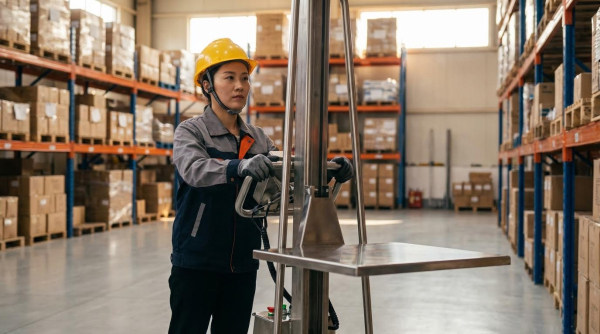
Understanding what a pallet pal lift is for helps facilities connect ergonomics with long-term operational strategy. Pallet positioners and lift tables answered a basic question: how to keep loads at a safe, efficient working height while workers build or break down pallets. They minimized bending, reaching, and walking, and therefore reduced fatigue, injury rates, and compensation costs. For modern facilities, these devices became core infrastructure rather than optional accessories.
Strategically, pallet lift equipment supported lean and continuous improvement initiatives. By keeping cartons within the optimal vertical “power zone,” facilities stabilized cycle times and improved picking, packing, and assembly quality. Integration with conveyors, pallet flow, and even collaborative robots allowed smoother material flow and fewer micro-delays at each workstation. Over time, this improved overall equipment effectiveness and reduced indirect costs linked to absenteeism and staff turnover.
Future trends pointed toward smarter, more connected pallet positioners and lift tables. Facilities increasingly specified pneumatic, hydraulic, or electric actuation with precise control, safety interlocks, and position feedback for automated workflows. Selection shifted from lowest purchase price to lifecycle cost, covering energy use, maintenance intervals, and retrofit flexibility. Managers evaluated footprint, height range, and load capacity against evolving product mixes and packaging formats.
In practice, deciding what a pallet pal lift is for inside a given facility required a structured assessment. Engineers mapped high-frequency manual palletizing and depalletizing tasks, quantified lift frequency and load mass, and compared incident data before and after ergonomic upgrades. A balanced view recognized that technology would continue to evolve, but the underlying goal stayed constant: maintain pallets at the right height and orientation so people and systems work faster, safer, and with higher quality.