Dieser Leitfaden erklärt die Unterschiede zwischen gasbetriebenen und dieselbetriebenen Gabelstaplern im praktischen Einsatz – nicht nur theoretisch. Sie erfahren, wie sich die Kraftstoffart auf Leistung, Laufzeit, Emissionen und Wartung auswirkt und für welche Einsatzumgebungen die jeweiligen Stapler am besten geeignet sind. Wir übersetzen Daten zu Energiedichte, Drehmoment und Betriebsdauer in einfache Regeln, mit denen Sie die passende Antriebsquelle für Ihre Lasten, Schichten und Sicherheitsanforderungen auswählen können.
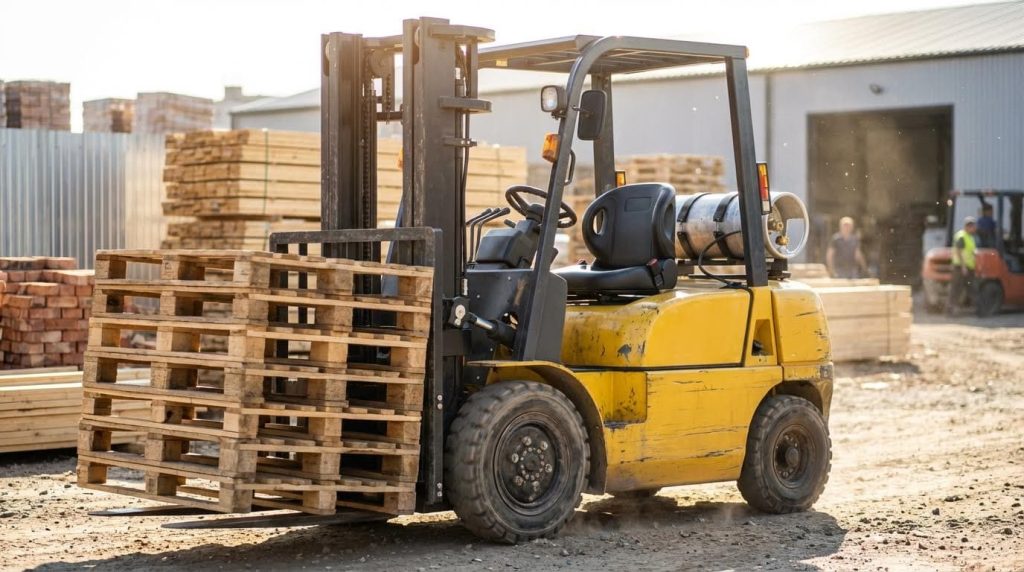
Wesentliche Unterschiede zwischen Diesel- und Propangas-Gabelstaplern
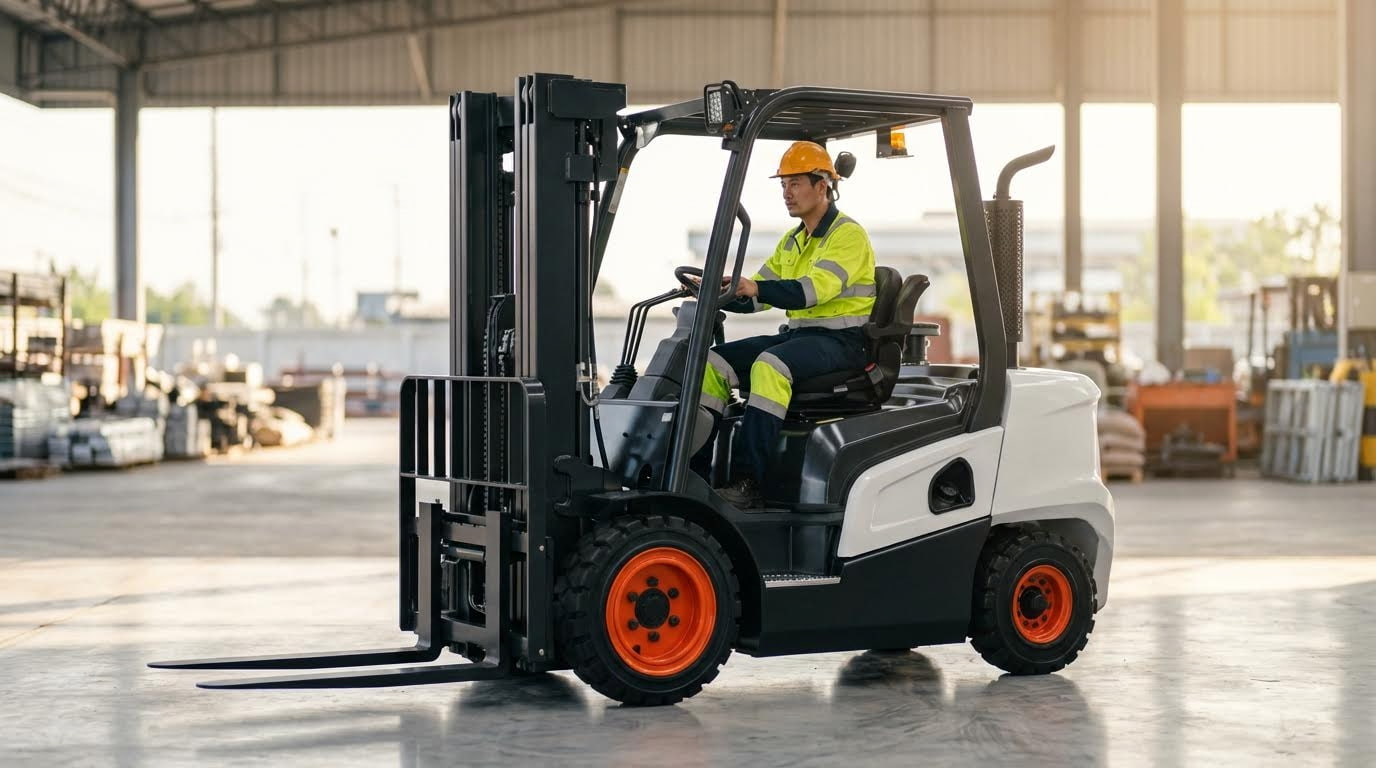
Der Hauptunterschied zwischen Diesel- und Propangas-Gabelstaplern liegt in der Art und Weise, wie ihre Motoren Drehmoment, Laufzeit, Emissionen und Betankungslogistik liefern, was sich direkt darauf auswirkt, wo sie sicher eingesetzt werden können und wie viel der Transport jeder einzelnen Palette tatsächlich kostet.
Wenn Sie sich fragen, worin der Unterschied zwischen mit Propangas betriebenen Gabelstaplern und Dieselstaplern im realen Einsatz besteht, denken Sie an drei Aspekte: Motor-/Drehmomentverhalten, Kraftstoffenergie pro Liter und die Reichweite zwischen den Tankvorgängen.
| Aspekt | Dieselstapler | Propangas-Gabelstapler (LPG) | Betriebliche Auswirkungen |
|---|---|---|---|
| Typische Verwendung | Schwerlast, für den Außenbereich, hohe Belastungen, unebenes Gelände | Mittelschwere Ausführung, für den Innen- und Außenbereich mit Belüftung | Diesel für Baustellen; Flüssiggas für Lagerhallen und Laderampen |
| Drehmomentgefühl | Sehr stark bei niedrigen Drehzahlen, gut auf Rampen. | Mittleres Drehmoment, ausreichend für Standardpaletten | Diesel eignet sich für Lasten über 3–5 t an Hängen; Flüssiggas eignet sich für Lasten zwischen 1.5 und 3 t auf ebenen Flächen. |
| Brennstoffenergiedichte | ≈36 MJ L⁻¹ nutzbar bei ~45% Wirkungsgrad | ≈25 MJ L⁻¹ nutzbar bei ~35% Wirkungsgrad (Diesel- vs. Flüssiggas-Energie) | Dieselkraftstoff transportiert mehr kWh pro Tankfüllung und ist daher ideal für den Einsatz in langen Mehrschichtsystemen. |
| Laufzeit pro Tankfüllung | Längere Laufzeit bei gleichem Tankvolumen | Kürzere Laufzeit; häufigerer Flaschenwechsel | Diesel ist dort besser, wo Tankstopps teuer sind. |
| Innenraumluftqualität | Höhere Feinstaub- und NOx-Werte; eingeschränkte Innenraumbelastung | Sauberere Abgase, weniger Rauch und Ruß | Flüssiggas wird bevorzugt, wenn die Türen geschlossen bleiben oder die Belüftung eingeschränkt ist. |
| Lärm | Lauterer Motor, stärkere Vibrationen | Leiser als Diesel | Flüssiggas verbessert den Bedienkomfort in stark frequentierten Lagerhallen. |
💡 Anmerkung des Außendiensttechnikers: Wenn Fuhrparks über einen einzelnen Betriebshof hinauswachsen und Gabelstapler zwischen Gebäuden eingesetzt werden, setzt sich oft die längere Laufzeit von Diesel pro Tankfüllung durch – bis Beschwerden über Lärm und Abgase in den Docks einen Teil des Fuhrparks dazu veranlassen, auf Propangas umzusteigen.
Motor-, Drehmoment- und Leistungscharakteristika
Dieselmotoren bieten ein höheres Drehmoment im unteren Drehzahlbereich und eine bessere Zugkraft für schwere Lasten und Steigungen, während Propangasmotoren ein gleichmäßigeres, moderates Drehmoment liefern, das für typische Lagerlasten und gemischte Innen- und Außeneinsätze geeignet ist.
- Drehmoment bei niedriger Drehzahl: Dieselmotoren erzeugen ein hohes Drehmoment bei niedrigen Drehzahlen und eignen sich daher ideal für Lasten über mehrere Tonnen auf Rampen und unebenem Gelände – Dadurch bleibt der LKW auch an Steigungen mit 3–5 t Steigung in Bewegung und bleibt nicht stehen. Palette. (Drehmoment auf Rampen)
- Drehmomentband für Propan: Propangasbetriebene Gabelstapler bieten ein moderates Drehmoment, das für übliche Lagerlasten und moderate Steigungen ausreicht – Gut geeignet für Paletten mit einem Gewicht von 1.5 bis 3.0 t auf Beton oder Asphalt mit kurzen Rampen. (mittleres Drehmoment)
- Hohe Belastbarkeit: Diesel-Gabelstapler sind für den Einsatz unter schweren Bedingungen konzipiert und bewegen Lasten über 5,000 kg im Freien auf unebenem Gelände – Deshalb sieht man auf Baustellen und in Sägewerken Dieselaggregate und keine Propangasaggregate. (für intensive Nutzung)
- Beschleunigung und Reisegeschwindigkeit: Diesel-Gabelstapler bieten typischerweise eine schnellere Beschleunigung und höhere Höchstgeschwindigkeiten als mit Propangas betriebene – Nützlich beim Transport von Lasten über lange Strecken im Freien oder über große Höfe. (Leistung und Energie)
- Gemischte Stromversorgung für Innen- und Außenbereich: Propangasbetriebene Gabelstapler bieten nach wie vor zuverlässige Leistung für die meisten Materialtransportaufgaben und können sowohl in Innenräumen als auch im Freien eingesetzt werden, sofern die Böden hart und relativ eben sind. Ideal für Dock-to-Rack-Operationen mit häufigen Torübergängen. (Vielseitig einsetzbar für drinnen und draußen)
| Leistungs-/Drehmomentaspekt | Dieselstapler | Propangas-Gabelstapler (LPG) | Beste für… |
|---|---|---|---|
| Typischer Lastbereich | >5,000 kg üblich im Freien | ≈1,500–10,000 kg auf guten Böden (Kapazitätsbereiche) | Diesel für die schwersten Blöcke und Stahlkonstruktionen; Flüssiggas für palettierte Waren |
| Terrain | Unebene, schotterige Baustellen | Harte, ebene Lager- und Hofflächen | Diesel für Betriebshöfe; Flüssiggas für befestigte Ladeflächen |
| Rampen-/Schrägarbeiten | Starke Durchzugskraft bei niedrigen Geschwindigkeiten auf steilen Rampen | Akzeptabel auf mäßigen Hängen | Diesel für lange Außenrampen; Flüssiggas für kurze Dockrampen |
| Motorreaktion | Hohes Drehmoment, aber mehr Lärm und Vibrationen | Gleichmäßigere, leisere Verbrennung | Flüssiggas, wo Bedienerkomfort und Kommunikation wichtig sind |
💡 Hinweis für den Außendiensttechniker: Wenn Sie regelmäßig 4–5 t schwere Lasten eine 10–12% steile Rampe im Freien hinaufziehen, dient Ihnen der zusätzliche Drehmomentspielraum des Dieselmotors als Sicherheitspuffer, wenn die Reifen nass sind oder der Lastschwerpunkt über 600 mm hinausragt.
Kraftstoffenergiedichte und Laufzeit pro Tankfüllung
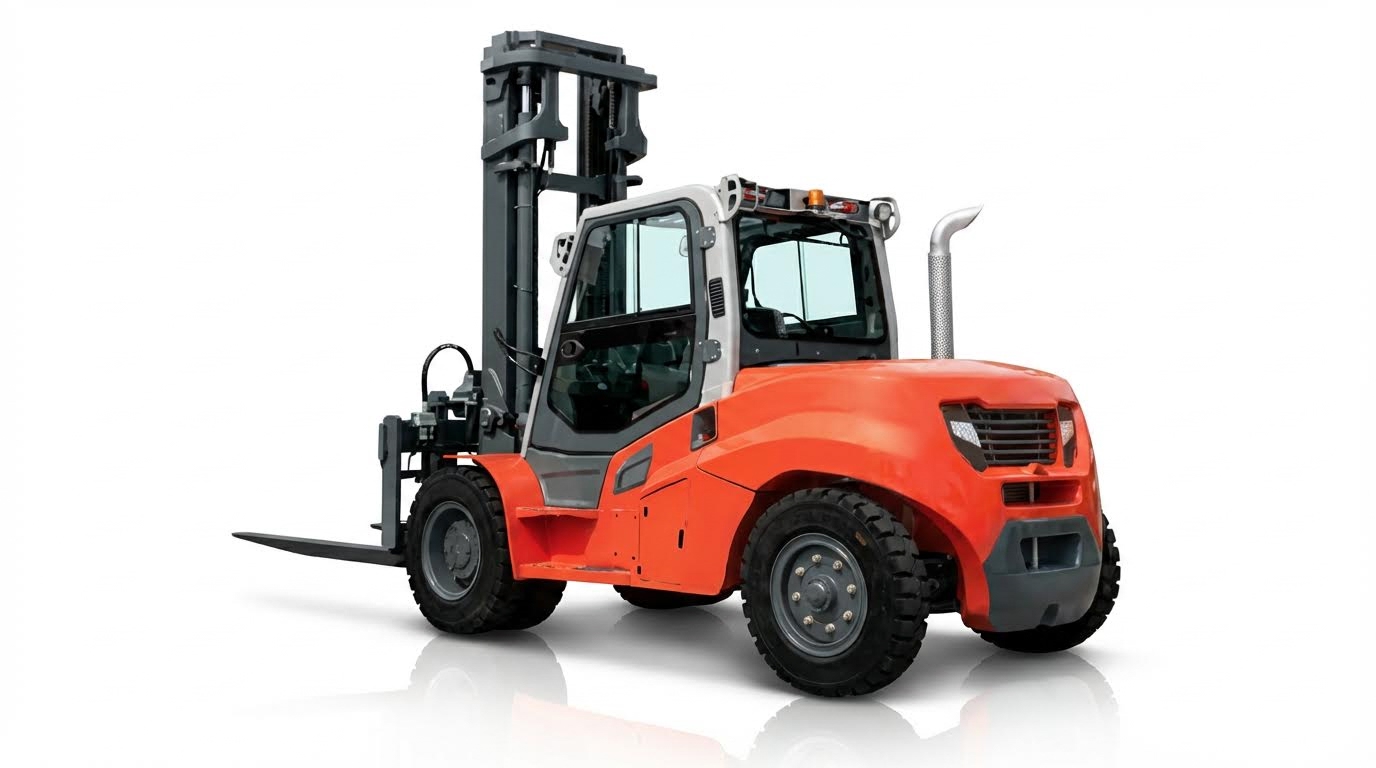
Dieselkraftstoff speichert pro Liter deutlich mehr nutzbare Energie als Propan, daher können Dieselgabelstapler in der Regel länger mit einer Tankfüllung fahren, während Propan zwar eine kürzere Laufzeit bietet, dafür aber sauberere Abgase und einen schnelleren Flaschenwechsel ermöglicht.
- Volumetrische Energie: Dieselkraftstoff enthält etwa 36 MJ pro Liter, während Flüssiggas etwa 25 MJ pro Liter enthält. Nach Berücksichtigung der Motoreffizienz liefert Dieselkraftstoff etwa 4,455 Wh/L gegenüber etwa 2,430 Wh/L bei Flüssiggas. Fast doppelt so viel nutzbare Energie pro Liter zugunsten von Diesel. (Energiedichtedaten)
- Beispiel für die Energie eines Tanks: Ein 2.5 t Dieselgabelstapler mit einem 60-Liter-Tank transportiert etwa 267 kWh nutzbare Energie – entspricht mehreren Tonnen Traktionsbatteriemasse, was erklärt, warum Diesel bei höheren Kapazitäten dominiert. (Beispiel: 267 kWh)
- Laufzeit pro Tankfüllung: Dank dieser höheren Energiedichte ermöglichen Dieselgabelstapler lange, intensive Arbeitszyklen mit minimalen Betankungspausen – gut geeignet für im Mehrschichtbetrieb eingesetzte Flotten im Freien, die nicht oft anhalten können. (Mehrschichtbetrieb)
- Propangaslaufzeit und -wechsel: Propangas-Gabelstapler haben zwar eine geringere Reichweite pro Zylinder, ermöglichen aber einen sehr schnellen Flaschenwechsel, typischerweise in etwa 2 Minuten – Ideal, wenn Sie eine konstante Leistung während einer Schicht benötigen, aber schnelle Umrüstungen akzeptieren können. (Zeit für den Gasflaschenwechsel)
- Brennstoffkosten pro kWh: Dieselkraftstoff bietet im Vergleich zu Flüssiggas (LPG) bei Schwerlastanwendungen in der Regel niedrigere Kosten pro nutzbarer Energieeinheit. Dies führt häufig dazu, dass Dieselkraftstoff wirtschaftlicher ist, wenn die Lkw den größten Teil der Schicht nahe ihrer Nennkapazität fahren. (Kraftstoffeffizienz und Kosten)
- Lebenszyklus- und Belastungsprofil: Flüssiggas (LPG) bietet eine sauberere Verbrennung und stabilere Preise, hat aber in der Regel höhere Kosten pro kWh, während die höhere Energiedichte von Dieselkraftstoff Flotten mit sehr intensiver Nutzung begünstigt – Die Wahl des Kraftstoffpreises sollte sich nach Ihrem durchschnittlichen Palettendurchsatz pro Stunde richten, nicht nur nach dem reinen Kraftstoffpreis. (Lebenszykluskostenbetrachtung)
| Kraftstoff- und Laufzeitfaktor | Dieselstapler | Propangas-Gabelstapler (LPG) | Betriebliche Auswirkungen |
|---|---|---|---|
| Nutzbare Energie pro Liter | ≈4,455 Wh L⁻¹ | ≈2,430 Wh L⁻¹ (Diesel vs. LPG) | Dieselkraftstoff ermöglicht eine längere Laufzeit bei gleichem Tankvolumen. |
| Typische Betankungsmaßnahmen | Festtank füllen (≈3 Minuten) | Zylinderwechsel (≈2 Minuten) | Flüssiggas minimiert die Ausfallzeiten zwischen kurzen Einsätzen in Innenräumen. |
| Optimaler Tastgrad | Hohe Intensität, nahezu Nennlast, Mehrschichtbetrieb | Mäßige Belastungen, häufige Pausen, gemischte Aufgaben | Passen Sie den Kraftstoffverbrauch an Ihren durchschnittlichen Palettenverbrauch pro Stunde an, nicht nur an Spitzenzeiten. |
| Innenraumluft und Emissionen | Höhere Feinstaub- und NOx-Werte; sichtbares Rauchrisiko | Weniger Feinstaub, weniger sichtbare Abgase | Flüssiggas wird bevorzugt, wenn die Raumluftqualität überwacht wird. |
💡 Hinweis des Außendiensttechnikers: Berücksichtigen Sie bei der Berechnung der Laufzeit Leerlauf und Fahrzeit – nicht nur die Hubzeit. Die höhere Energiedichte von Dieselkraftstoff verschleiert einen Großteil des Leerlaufverbrauchs, der in einem Bericht über den Energieverbrauch pro Palette bei Propangas- oder Elektroantrieb sofort sichtbar wäre.
Anpassung der Stromversorgung an Anwendungen und Umgebungen
Die Wahl zwischen Diesel- und Propangas-Gabelstaplern beginnt mit den Anforderungen der Arbeit, nicht mit dem Kraftstoffetikett: Lastgewicht, Steigungen, Schichtstunden und die Luftqualität in Innenräumen entscheiden darüber, welche Energiequelle wirklich geeignet ist.
Wenn man fragt, worin der Unterschied zwischen mit Propangas betriebenen Gabelstaplern und Dieselstaplern im realen Einsatz besteht, lautet die Antwort, dass Diesel bei extremer Beanspruchung und Laufzeit punktet, während Propangas bei der Flexibilität im gemischten Innen- und Außenbereich und den saubereren Abgasen die Nase vorn hat.
- Diesel-Gabelstapler: Hohes Drehmoment und lange Laufzeit – Ideal für schwere Lasten, unebenes Gelände und Mehrschichtbetrieb im Freien.
- Propangas-Gabelstapler: Mäßiges Drehmoment bei saubereren Abgasen – Ideal für Lagerhallen, Laderampen und Mischnutzungsgebäude mit Belüftung.
- Wichtigste Auswahlkriterien: Lastprofil, Bodenbeschaffenheit, Neigungen, Verschiebungsmuster und Innenraumluftvorschriften – Diese Faktoren entscheiden darüber, ob die höhere Leistung von Dieselmotoren oder die sauberere Verbrennung von Propangas mehr Wert hat.
💡 Anmerkung des Außendiensttechnikers: Bei Flotten mit mehr als 5 LKWs teile ich die Energiequellen oft auf: Dieselaggregate bleiben draußen auf dem schwierigsten Gelände; Propangasaggregate werden für Laderampen und Hallen verwendet, wo Emissionen und Lärm zuerst zu Beschwerden führen.
Lastprofile, Gelände und Verschiebungsmuster
Diesel-Gabelstapler eignen sich für hohe Lasten, unwegsames Gelände und lange Schichten, während Propangas-Gabelstapler für mittlere Lasten auf festen Böden mit häufigen Stopps und gemischtem Einsatz im Innen- und Außenbereich geeignet sind.
- Schwere Lasten >4–5 t: Dieselmotoren bieten ein höheres Drehmoment im unteren Drehzahlbereich und eine bessere Traktion auf Rampen und unebenem Gelände und sind daher die bevorzugte Option für Hebearbeiten nahe der Nennlast den ganzen Tag über. Quelle - Geeignet für Stahl-, Holz-, Ziegel- und Containerlagerplätze.
- Mittlere Lasten 1.5–3 t: Propan bewältigt problemlos Standardpalettengewichte und häufiges Anhalten/Anfahren auf ebenem Beton. Quelle - Ideal für FMCG-Unternehmen, 3PL-Anbieter und Produktionslager.
- Hochleistungsbetriebszyklen: Die höhere Energiedichte des Dieselkraftstoffs und das größere Tankvolumen ermöglichen einen Mehrschichtbetrieb mit minimalen Betankungsstillstandszeiten. Quelle - Gut geeignet für Häfen und Werften, die rund um die Uhr in Betrieb sind.
- Lagerzyklen mit Unterbrechungen und Neustarts: Propangasbetriebene Gabelstapler vertragen häufiges Leerlaufen und kurze Fahrstrecken gut und vermeiden Probleme mit der Diesel-Abgasnachbehandlung bei Teillastbetrieb. Quelle - Verringert die Rußbelastung bei Fahrrädern für den Innenbereich.
- Unebenes Gelände und Gefälle: Das höhere Drehmoment des Dieselmotors bei niedrigen Drehzahlen und seine bessere Steigfähigkeit machen ihn leistungsfähiger auf Rampen und unebenem Gelände. Quelle - Sicherer auf nassen, losen oder mit Schlaglöchern übersäten Oberflächen.
- Glatte, harte Böden: Propangasgeräte laufen reibungslos auf Beton und Asphalt und bieten ausreichend Traktion für normale Dockneigungen und Zufahrten zum Hafengelände. Quelle - Ideal für befestigte Verteilzentren.
- Mehrschichtbetrieb vs. Einschichtbetrieb: Diesel minimiert Ausfallzeiten bei sehr langen Schichten; Propan ermöglicht schnelle Zylinderwechsel in 2–3 Minuten, die einen reibungslosen Ablauf von Einzel- oder Doppelschichten gewährleisten. Quelle - Beide unterbieten die langen Ladezeiten elektrischer Geräte für Flotten, die rund um die Uhr im Einsatz sind.
| Betriebsszenario | Bessere Wahl | Grund | Betriebliche Auswirkungen |
|---|---|---|---|
| 3–5 t Ladungen auf grobem Schotterplatz, 10–12 Stunden pro Tag | Diesel | Hohes Drehmoment und hohe Kraftstoffenergiedichte unterstützen kontinuierliche Schwerlastarbeit | Weniger Tankstopps, geringeres Risiko des Abwürgens am Hang. |
| 1.5–2.5 t Paletten im Lager mit Laderampen | Propan | Ausreichende Leistung und sauberere Abluft für den Innenbereich mit Türen | Die Fahrer können vom Regal zum Lagerplatz fahren, ohne den Lkw wechseln zu müssen. |
| Kurze, intensive Spitzen (Containerentladung), dann Leerlauf | Diesel | Bewältigt nahezu Nennlasten und lange Leerlaufzeiten ohne Zylinderwechsel. | Gut geeignet für Häfen und Bahnknotenpunkte mit Sammelankünften |
| Gemischte Kommissionierung, Bereitstellung und LKW-Beladung auf ebenem Beton | Propan | Effizient im Stop-and-Go-Betrieb und einfachere Betankungslogistik | Höhere Verfügbarkeit im Vergleich zu Elektrofahrzeugen ohne die Abgasprobleme von Dieselmotoren |
Wie das Lastprofil die Kraftstoffwahl beeinflusst
Wenn Ihre Lkw den Großteil des Tages nahe ihrer Nennlast laufen, reduzieren der höhere Energiegehalt pro Liter Dieselkraftstoff und das größere Drehmoment die Belastung und das Risiko einer Überhitzung. Bei überwiegenden Teillastfahrten mit vielen Kurzstrecken ist Propangas aufgrund seiner saubereren Verbrennung und der einfacheren Einhaltung der Vorschriften für Innenräume meist die bessere Wahl.
💡 Anmerkung des Außendiensttechnikers: Wenn die Steigung etwa 10–12 % übersteigt und der Untergrund locker oder schlammig ist, behandle ich Propangas wie einen LKW in einer Halle: Es kommt damit zurecht, aber Diesel bietet die Traktion und das Drehmoment, die Unfälle auf halber Höhe der Rampe verhindern.
Sicherheitsbeschränkungen für Innen-, Außen- und Mischnutzungsbereiche
Diesel-Gabelstapler dürfen in der Regel nur im Freien oder in sehr gut belüfteten Bereichen eingesetzt werden, während Propangas-Gabelstapler in vielen Innenräumen oder gemischt genutzten Räumen, in denen Abgase und Lärm kontrolliert werden müssen, legal und praktisch betrieben werden können.
- Raumluftqualität: Dieselkraftstoff erzeugt höhere Partikel- und NOx-Emissionen, was in der Vergangenheit die Verwendung in Innenräumen einschränkte, selbst mit Abgasnachbehandlung. Quelle - Führt in vielen Werken zur Regel „Diesel bleibt draußen“.
- Sauberere Propangasabgase: Propangasbetriebene Gabelstapler emittieren deutlich weniger Feinstaub und geringere Stickoxide als Dieselstapler und erzeugen wesentlich weniger sichtbaren Rauch. Quelle - Verbessert die Raumluft und reduziert Rußablagerungen an Produkten und Regalen.
- Lärmbelastung: Diesel-Lkw erreichen typischerweise einen Geräuschpegel von etwa 85 dB(A) am Ohr des Fahrers, während es bei Elektro-Lkw etwa 65 dB(A) sind; Propangas-Lkw liegen üblicherweise dazwischen. Quelle - Auf Indoor-Anlagen mit strengen Lärmschutzbestimmungen wird von Dieselmotoren abgeraten.
- Enge Räume und Docks: Die Ansammlung von Dieselabgasen in Laderampen und geschlossenen Docks überschreitet schnell die zulässigen Grenzwerte und mitunter auch die gesetzlichen Bestimmungen. Propan hingegen, das weniger Partikel freisetzt und sauberer verbrennt, ist dort, wo Rolltore regelmäßig geöffnet und geschlossen werden, besser geeignet. Quelle
- Raue Außenumgebungen: Diesel-Gabelstapler sind auch unter rauen Außenbedingungen wie auf Baustellen und in Bergwerken effektiv und tolerieren große Temperatur- und Feuchtigkeitsschwankungen. Quelle - Am besten geeignet bei uneingeschränkter Belüftung und extremen Belastungen.
- Mischnutzungseinrichtungen: Propangasbetriebene Gabelstapler eignen sich besonders für gemischte Einsätze im Innen- und Außenbereich, wo die Böden in der Regel hart und eben sind. Quelle - Sie können zwischen Regalsystemen, Docks und Lagerplätzen pendeln.
- Sicherheit der Kraftstofflagerung: Für Flüssiggasflaschen sind geeignete Lagerkäfige und ein Mindestabstand zu Gebäudeöffnungen erforderlich, während für Dieselkraftstoff feste Betankungsstellen und Maßnahmen zur Leckagekontrolle notwendig sind. Quelle - Die Standortgestaltung kann den einen Brennstoff gegenüber dem anderen begünstigen.
| Umgebungstyp | Eignung für Dieselstapler | Eignung von Propangas-Gabelstaplern | Beste für… |
|---|---|---|---|
| Vollständig überdachte Lagerhalle mit begrenzter Belüftung | schlecht | Mäßig bis gut (vorbehaltlich der örtlichen Luftreinhaltebestimmungen) | Propangas für Palettenhandling und Hafenarbeiten ohne starke Rußbildung |
| Cross-Dock für Innen- und Außenbereich mit großen Toren | Begrenzt (hauptsächlich auf der Hofseite) | Gut | Den ganzen Tag lang fließt Propangas von den Regalen zu den Anhängern. |
| Offene Baustelle oder Mine | Ausgezeichnet | Gut (wenn die Böden hart und eben sind) | Diesel für Schüttgut, lange Strecken und steile Rampen |
| Lebensmittel- und Pharmaindustrie mit strengen Hygienevorschriften | Sehr begrenzt | Bedingt (oftmals bevorzugen sie aber immer noch elektrische Geräte) | Propangas nur dort, wo Strom den Bedarf im Freien nicht decken kann. |
Regulatorische und politische Überlegungen
Auch wenn Propanemissionen geringer sind als Dieselemissionen, verbieten einige Betriebe aus hygienischen oder betriebswirtschaftlichen Gründen den Einsatz von Gabelstaplern mit Verbrennungsmotor in Innenräumen. Prüfen Sie daher stets die örtlichen Arbeitsschutz-, Brandschutz- und Umweltvorschriften, bevor Sie sich für einen Kraftstofftyp entscheiden.
💡 Anmerkung des Außendiensttechnikers: Wenn ein Kunde fragt, was der Unterschied zwischen mit Propangas betriebenen Gabelstaplern und Dieselstaplern für ein gemischt genutztes Gelände ist, lautet meine Faustregel einfach: Wenn der Stapler mehr als die Hälfte seiner Betriebsstunden in Innenräumen verbringt, beginnen Sie mit Propangas (oder Elektroantrieb) und rechtfertigen Sie jedes Dieselgerät mit einer spezifischen Aufgabe im Freien, die nur es sicher bewältigen kann.

Abschließende Gedanken zur Wahl zwischen Diesel und Propan
Diesel- und Propangas-Gabelstapler lösen unterschiedliche technische Probleme. Die sicherste Wahl hängt daher von Einsatzzweck und Umwelteinflüssen ab, nicht vom Kraftstoffpreis. Das höhere Drehmoment und die höhere Energiedichte von Dieselmotoren bieten klare Vorteile bei schweren Lasten, langen Rampen und unwegsamem Gelände. Die höhere Zugkraft und längere Laufzeit schaffen eine Sicherheitsreserve bei steilen Steigungen, losem Untergrund oder Lasten nahe der Nennkapazität.
Propan tauscht seine hohe Leistung gegen sauberere Abgase, geringere Feinstaubbelastung und bessere Verträglichkeit in Innenräumen. Es eignet sich ideal für den Stop-and-Go-Betrieb in Lagerhallen, Laderampen und gemischte Innen- und Außenwege, wo strenge Luftreinhalte- und Lärmschutzbestimmungen gelten. Schnelle Zylinderwechsel gewährleisten hohe Betriebszeiten ohne die für Dieselmotoren typische Abgasbildung in geschlossenen Laderampen.
In der Praxis erzielen Flotten mit optimaler Energieversorgung, abgestimmt auf den jeweiligen Einsatzfall, die sichersten und kosteneffektivsten Ergebnisse. Dieselmotoren sollten im Freien auf unebenem Gelände, bei langen Schichten und bei Lasten nahe der Nennlast eingesetzt werden. Propangas ist die richtige Wahl, wenn die Böden fest und eben sind, die Lasten moderat und die Bediener in der Nähe von Personen, Produkten und Regalen arbeiten. Die Teams aus Technik und Betrieb sollten Lastbereiche, Steigungen, Betriebszeiten und die Belastung in Innenräumen erfassen und anschließend eine gemischte Flotte zusammenstellen, in der jeder Stapler eine klar definierte Aufgabe hat. Dieser strukturierte Ansatz ermöglicht es Ihnen, die Kraftstoffkosten pro Palette zu senken, die Luftqualität zu schützen und das Unfallrisiko auf dem gesamten Gelände mit Unterstützung der Anwendungstechnik von Atomoving gering zu halten.
Häufig gestellte Fragen
Worin besteht der Unterschied zwischen mit Propangas betriebenen Gabelstaplern und Dieselgabelstaplern?
Propangas- und Dieselstapler unterscheiden sich hauptsächlich in ihrer Kraftstoffart, ihren Emissionen und ihren typischen Einsatzgebieten. Propangasstapler werden mit Flüssiggas (LPG) aus einem Tank betrieben, während Dieselstapler Dieselkraftstoff aus einem Tank oder einem Kraftstoffsystem verwenden.
- Emissionen: Propangasbetriebene Gabelstapler erzeugen im Vergleich zu Dieselstaplern weniger Schadstoffemissionen und eignen sich daher besser für den Einsatz in Innenräumen. Dieselstapler sind aufgrund höherer Emissionen besser für den Außeneinsatz geeignet.
- Eigenschaften: Diesel-Gabelstapler bieten in der Regel mehr Leistung und Drehmoment und eignen sich daher ideal für schwere Arbeiten und unwegsames Gelände. Propangas-Gabelstapler bieten ein gutes Verhältnis von Leistung und saubererem Betrieb.
- Kosten: Dieselkraftstoff ist oft günstiger als Propangas, aber Dieselmotoren können im Laufe der Zeit wartungsintensiver sein. Propangasmotoren sind in der Regel wartungsärmer.
Welche Nachteile haben Elektrogabelstapler im Vergleich zu Propangas- und Dieselgabelstaplern?
Elektrogabelstapler weisen im Vergleich zu gas- und dieselbetriebenen Gabelstaplern einige Nachteile auf. Der Anschaffungspreis ist höher. Zudem sind die Anforderungen an Reinigung, Wasserversorgung und Laden der teuren Industriebatterie sehr hoch und im Mehrschichtbetrieb unter Umständen nicht praktikabel. Ratgeber für Elektrogabelstapler.