El izaje seguro y eficiente con transpaletas y vigas depende de que la capacidad, el montaje y las prácticas operativas se ajusten a las cargas y entornos reales. Esta guía explica cómo usar correctamente una transpaleta , controlar las cargas y cumplir con las normas modernas de manipulación de cargas para garantizar un manejo fiable y de bajo riesgo.
Funciones principales, diseño y estándares

Esta sección explica qué hacen exactamente los elevadores de paletas y las vigas de elevación, cómo se construyen y qué normas de seguridad los rigen. Si desea comprender cómo usar un elevador de paletas de forma segura y legal, comience aquí.
💡 Nota del técnico de campo: Considere cada elevador de paletas o viga como parte integral de la grúa, no como un accesorio independiente. Si su diseño, marcas o documentación resultan dudosos, detenga la elevación y solicite a una persona cualificada que verifique el cumplimiento de las normas antes de que alguien suba al gancho.
Para qué sirven los elevadores de paletas y las vigas
Los elevadores de paletas y las vigas de elevación son dispositivos que se colocan debajo del gancho y que permiten que una grúa o polipasto recoja paletas, contenedores y cargas de formas irregulares de forma segura y controlada. Comprender sus funciones básicas es el primer paso para aprender a usar correctamente un elevador de paletas en operaciones reales.
- Elevadores de paletas (estructuras tipo horquilla): Estructuras suspendidas de grúas con horquillas para levantar cargas paletizadas – convertir una grúa en una "carretilla elevadora vertical" en lugares inaccesibles para los camiones.
- Vigas de elevación: Vigas rígidas con uno o más puntos de elevación superiores y múltiples ganchos o grilletes inferiores. Distribuye la carga y reduce los ángulos de las eslingas para una mayor estabilidad.
- Vigas separadoras: Elementos de compresión con accesorios en los extremos para mantener separadas las eslingas. Proteger las cargas altas o flexibles para evitar que se aplasten o se doblen.
- Bastidores especiales (bastidores IBC/para palets, elevadores de bobinas, etc.): Diseñado específicamente para bidones, IBC, bobinas o contenedores a granel. Controlar cargas difíciles que resultan inseguras con ganchos o eslingas convencionales.
Los dispositivos de elevación que se encuentran debajo del gancho, como los elevadores de bobinas y las vigas separadoras, deben cumplir con las normas ASME B30.20 y BTH-1 en cuanto a construcción, marcado, inspección y mantenimiento, y deben mostrar la carga nominal y los datos de identificación para garantizar la trazabilidad y un uso seguro. Estas normas definen cómo se construyen y controlan los dispositivos de elevación que se encuentran debajo del gancho.
¿Por qué no usar simplemente eslingas en el palé?
El izado directo de palés suele sobrecargar las plataformas, aplastar la carga o provocar que se disperse y caiga. Los elevadores y vigas para palés diseñados específicamente para esta tarea mantienen las fuerzas predecibles y controladas, lo cual es fundamental al elevar las cargas de trabajo de las personas a varios metros de altura.
Características clave de diseño y capacidades nominales
Las características clave de diseño de los elevadores de paletas y las vigas de elevación son su límite de carga de trabajo (WLL), su geometría (luz, longitud de las horquillas, altura libre) y las clasificaciones claramente marcadas que cumplen con las normas ASME/OSHA. Para elegirlos y utilizarlos de forma segura, es necesario leer estos valores y comprender cómo afectan a la estabilidad, la holgura y los ángulos de montaje.
Los dispositivos instalados debajo del gancho deben estar claramente marcados con la carga nominal y la identificación, y diseñados según la norma ASME B30.20/BTH-1 para que los usuarios puedan confiar en la carga de trabajo segura (WLL) indicada sin necesidad de realizar pruebas de carga adicionales en el campo, siempre que el etiquetado y los documentos de diseño sean correctos. Las regulaciones hacen hincapié en la correcta construcción, el marcado y la inspección periódica.
| Tipo de dispositivo | Rango de capacidad típico (libras) | Rango de capacidad aproximado (kg) | Característica clave del diseño | Impacto operativo / Lo mejor para… |
|---|---|---|---|---|
| viga de elevación económica | 500-14,000 | 230-6,350 | Ganchos centrales y de extremo | Elevación general en entornos con presupuesto ajustado y cargas moderadas. Ideal para cargas equilibradas en talleres estándar. Referencia: capacidades de elevación de vigas |
| viga de elevación de longitud variable | 1,000-40,000 | 450-18,150 | Alcance ajustable, poca altura libre | Se adapta a diferentes anchos de carga manteniendo una altura total del gancho baja, lo que resulta útil en techos bajos o con ganchos de grúa cortos. Referencia: vigas de longitud variable |
| haz difusor de altura ultrabaja | 1,000-10,000 | 450-4,540 | Perfil muy compacto | Maximiza la altura de elevación en edificios con poco espacio libre, al tiempo que extiende las eslingas para proteger la carga. Referencia: vigas de altura ultrabaja |
| viga separadora fija | 4,000-20,000 | 1,800-9,070 | Elemento de compresión rígido con ganchos en los extremos. | Ideal para cargas largas (estructuras prefabricadas, paquetes) donde es necesario controlar el ángulo de la eslinga para evitar aplastamientos o dobleces. Referencia: vigas separadoras fijas |
| Barra separadora telescópica | 4,000-20,000 | 1,800-9,070 | Ajuste de longitud telescópico | Permite trabajar con cargas de diversas longitudes con una sola herramienta, reduciendo el tiempo de cambio en patios y talleres. Referencia: vigas separadoras telescópicas |
| Viga de elevación con polipasto doble | 4,000-20,000 | 1,800-9,070 | Ganchos centrales para dos polipastos | Permite que dos polipastos compartan una carga para un mejor equilibrio o para girar piezas largas en espacios reducidos. Referencia: vigas de elevación gemelas |
| viga de elevación de cesta | 1,000-10,000 | 450-4,540 | Diseñado para portabebés tipo cesta. | Equilibra las cargas en el enganche de cesta, lo que resulta útil para contenedores o paquetes que deben mantenerse nivelados. Referencia: vigas de elevación de cestas |
| viga de elevación de contenedores a granel | Hasta 4,400 | Hasta ~2,000 | Estructura dedicada para contenedores a granel | Recoge contenedores a granel de forma segura sin aplastar las paredes laterales ni forzar las orejetas de elevación. Referencia: vigas de contenedores a granel |
| Elevador de palets de doble bala | 2,000-8,000 | 900-3,630 | Esparcidores tipo horquilla para pacas | Permite manipular fardos pesados o cargas similares en situaciones donde las horquillas o eslingas estándar resultan inestables. Referencia: elevadores de palets de doble bala |
| Elevador de bobinas / volteador | 1,000-7,000 | 450-3,180 | Brazos con forma para bobinas | Eleva y hace girar bobinas de acero o cable controlando su centro de gravedad. Referencia: elevadores/volteadores de bobinas |
| Estructura de elevación para grúas de IBC y palets | Carga de trabajo segura (WLL) de 1,250 y 2,000 kg | 1,250 y 2,000 | Vigas superior e inferior con horquillas, brazos ajustables | Estructura específica para IBC y palets con centro de carga de 675 mm; brazos separadores ajustables y múltiples ganchos que proporcionan una elevación segura y nivelada en plantas de procesamiento. Referencia: Especificaciones del bastidor de elevación de IBC y palets |
El ejemplo de bastidor de elevación para IBC y grúa de paletas muestra detalles de diseño típicos para elevadores de paletas modernos: cargas de trabajo seguras (WLL) específicas (modelos de 1,250 kg y 2,000 kg), pesos unitarios conocidos (aproximadamente 52-55 kg), un centro de carga definido de 675 mm, vigas separadoras inferiores ajustables para diferentes tamaños de paletas y múltiples ganchos y horquillas con cierre de pestillo para asegurar la carga de manera efectiva. Estas características son típicas de los bastidores de elevación de paletas diseñados con precisión.
- Capacidad nominal / Carga de trabajo segura (WLL): Manténgase siempre dentro de la carga de trabajo segura (WLL) marcada; se calcula con factores de seguridad según ASME BTH-1. Si lo superas, eliminas tu margen de seguridad.
- Centro de carga: Distancia desde el talón de la horquilla o el centro de la viga hasta el centro de gravedad de la carga – Si el centro de carga es más largo que el valor de diseño (por ejemplo, 675 mm), la capacidad efectiva disminuye.
- Headroom: Distancia vertical desde el gancho de la grúa hasta la parte inferior de la carga – Las vigas y estructuras de poca altura son fundamentales bajo techos bajos o sobre equipos de gran altura.
- Ajustabilidad: Vigas telescópicas y brazos separadores ajustables – Un solo dispositivo permite manejar diferentes anchos de paletas o tamaños de contenedores sin necesidad de improvisaciones inseguras.
- Fijación de carga positiva: Ganchos de cierre, horquillas y conjuntos de cadenas – Evitar la desconexión accidental en caso de que la grúa sufra golpes, gire bruscamente o la carga se desplace.
Cómo se relaciona esto con el uso de una transpaleta
Conocer la carga de trabajo segura (WLL), el centro de carga diseñado y los límites de ajuste permite determinar si un palé y su carga son compatibles con el elevador. Su uso correcto consiste entonces en ajustar las dimensiones y el peso reales del palé a estos valores de diseño, en lugar de basarse en conjeturas como «parece que está bien».
Uso técnico, control de carga y normas de seguridad
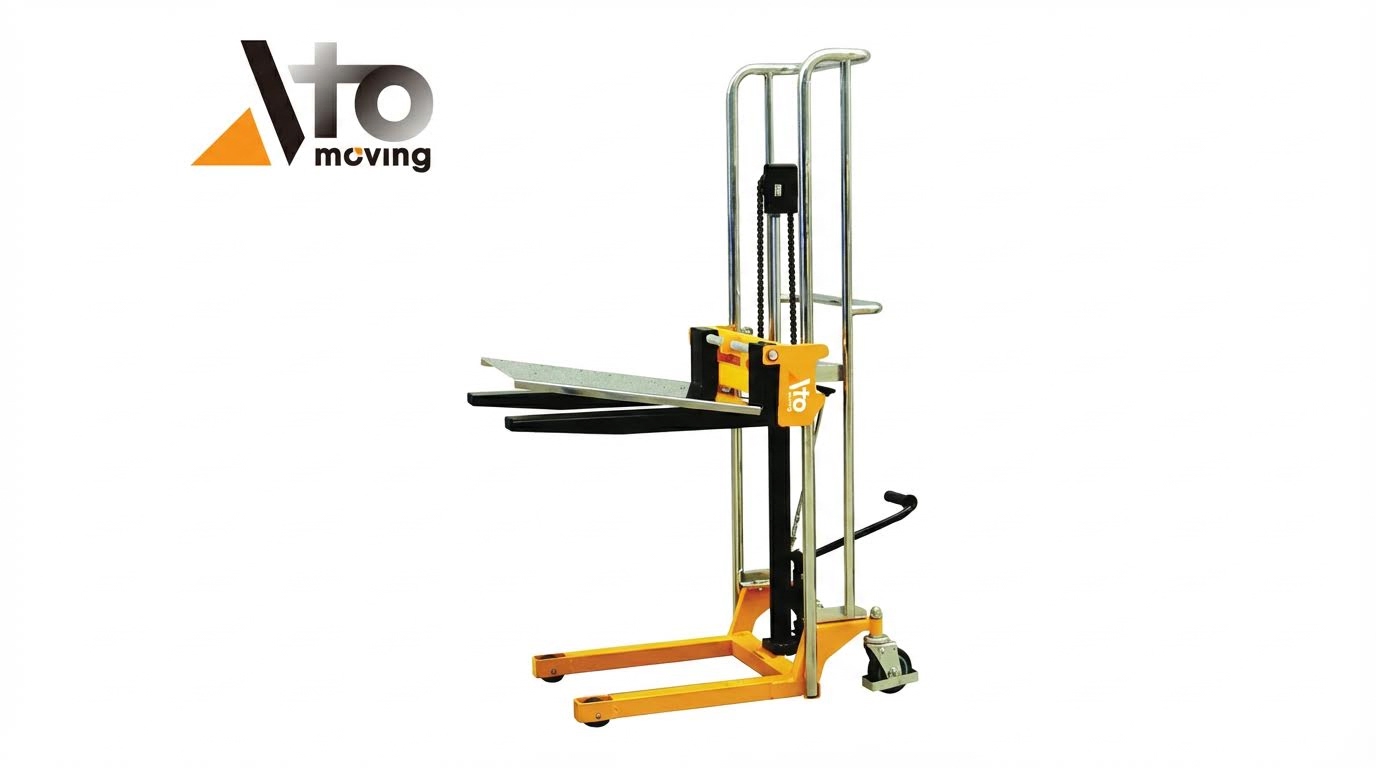
Esta sección explica cómo utilizar de forma segura un elevador de paletas manual y una viga de elevación en operaciones reales, centrándose en las inspecciones, el montaje, la estabilidad y el cumplimiento de las normas OSHA/ASME para evitar la caída de cargas y daños en los equipos.
💡 Nota del ingeniero de campo: Trate cada elevación como "no rutinaria" si hay algún cambio: nuevo tamaño de palé, ángulo de eslinga diferente o altura libre modificada. La mayoría de los incidentes por debajo del gancho que investigué comenzaron con "siempre lo hemos hecho así" en una configuración ligeramente diferente.
Inspección previa al uso y control de defectos
La inspección previa al uso es la primera línea de defensa contra la caída de cargas, por lo que los operarios deben revisar el apilador manual de palés , las vigas y los equipos de soporte antes de cada turno y etiquetar cualquier equipo defectuoso.
- Compruebe la identificación y la placa WLL: Confirme que la capacidad nominal y la identificación del dispositivo estén presentes y sean legibles. Evita sobrecargas accidentales y cumple con la trazabilidad según la norma ASME B30.20.
- Inspeccione la estructura principal: Busque dobleces, grietas, deformaciones o corrosión en vigas, bastidores y elevadores tipo horquilla. evita la pérdida oculta de fuerza.
- Verifique los ganchos y grilletes: Compruebe si hay desgaste o deformación en los pestillos, pasadores y aberturas de la garganta. Reduce el riesgo de que la eslinga o la cadena se suelten bajo carga.
- Examine las soldaduras y las uniones atornilladas: Busque grietas, tornillos faltantes o sujetadores sueltos. Evita fallos estructurales repentinos durante el izamiento.
- Compruebe los puntos de fijación a la grúa o polipasto: Inspeccione las orejetas superiores, los ojales o los grilletes para detectar elongación y desgaste. Mantiene todo el conjunto seguro por encima de la carga.
- Inspeccione los palés y contenedores: Separe los palés dañados en una zona de rechazo señalizada y manténgalos fuera del servicio de elevación. Evita el colapso bajo carga de horquilla o barra. según sea necesario para una manipulación segura de los palés..
- Compruebe la carretilla elevadora o apiladora (si se utiliza con elevador): Pruebe los frenos, la dirección, los controles y los dispositivos de seguridad. Cumple con las normas para carretillas elevadoras industriales para un funcionamiento seguro. en terminales marítimas y almacenes.
- Documentar y corregir los defectos: Retire de servicio cualquier elevador de paletas, viga o carretilla elevadora defectuosa hasta que sea reparada por personal cualificado. evita que el uso “temporal” de equipo inseguro se convierta en permanente. según se requiera para equipos motorizados.
Lista de verificación de inspección diaria que puede adaptar
Para las instalaciones que estén elaborando un procedimiento formal sobre cómo usar una transpaleta de forma segura, convierta los puntos anteriores en una lista de verificación de una página y exija la firma al inicio de cada turno. Incluya espacios para la identificación del dispositivo, la identificación de la grúa/polipasto y notas sobre el estado de la paleta.
Evaluación de carga, montaje y estabilidad
Una correcta evaluación de la carga y un montaje adecuado garantizan que el elevador de paletas o la viga se mantengan dentro de su límite de carga de trabajo (WLL, por sus siglas en inglés) y que el centro de gravedad se mantenga bajo control durante todo el izamiento.
- Confirme el peso de la carga: Utilice listas de empaque, básculas o datos de ingeniería para estimar la masa antes de elegir un elevador o una viga. Mantiene la carga real por debajo de la capacidad nominal y las marcas de la placa. para el cumplimiento de la estabilidad.
- Compruebe la idoneidad del palé y del contenedor: Utilice únicamente paletas que cumplan con los requisitos estructurales y de diseño; no reutilice paletas desechables para el izamiento. evita fallos en los palés en pleno vuelo Según las normas de OSHA sobre palés.
- Utilice el método de elevación correcto para cada tipo de palé: Para paletas de tipo ala o labio, utilice eslingas de barra o equipo adecuado en lugar de eslingas de alambre desnudo. Reduce el riesgo de que las eslingas se deslicen del voladizo. según lo especificado para el izamiento de paletas.
- Respete el WLL y la configuración del dispositivo: Adapte la carga a la capacidad nominal y a la configuración (de un punto, de doble polipasto, de separador) de la viga de elevación o del bastidor de la paleta. evita sobrecargar ganchos o separadores específicos Según ASME B30.20/BTH‑1.
- Controlar el centro de carga: Coloque las horquillas o los puntos de elevación de manera que el centro de carga permanezca dentro de la distancia nominal del centro de carga del elevador (por ejemplo, alrededor de 675 mm en algunos bastidores de paletas). evita el vuelco y el momento excesivo donde se especifica el centro de carga.
- Garantizar una distribución uniforme de la carga: Apila los artículos más pesados en la parte inferior y central, y los más ligeros encima. Mejora la estabilidad y reduce el balanceo en la viga o elevador. tal como se recomienda para la manipulación de palés.
- Plataforma para elevación equilibrada: Utilice ángulos de eslinga y puntos de fijación simétricos en la viga para que el palé o contenedor cuelgue nivelado. Mantiene el centro de gravedad bajo el gancho principal y reduce la carga lateral.
- Considerar el medio ambiente: Compruebe si hay desniveles en el suelo, pendientes, viento y obstáculos a lo largo del camino. evita la tracción lateral en la grúa y los cambios bruscos en la estabilidad de la carga. como se destaca para el movimiento seguro de paletas.
Ejemplo: evaluación de un elevador de bastidor de paletas
Al planificar el uso de un elevador de paletas, como un bastidor de elevación para IBC y grúa de paletas con una carga de trabajo segura (WLL) de 1250 a 2000 kg, verifique la masa real de la carga, confirme que el centro de carga de 675 mm se ajuste a la geometría de su paleta y ajuste los brazos separadores inferiores para que coincidan con el ancho de la paleta, manteniendo los ángulos de las cadenas dentro de los límites del fabricante.
Prácticas operativas y cumplimiento de las normas OSHA/ASME
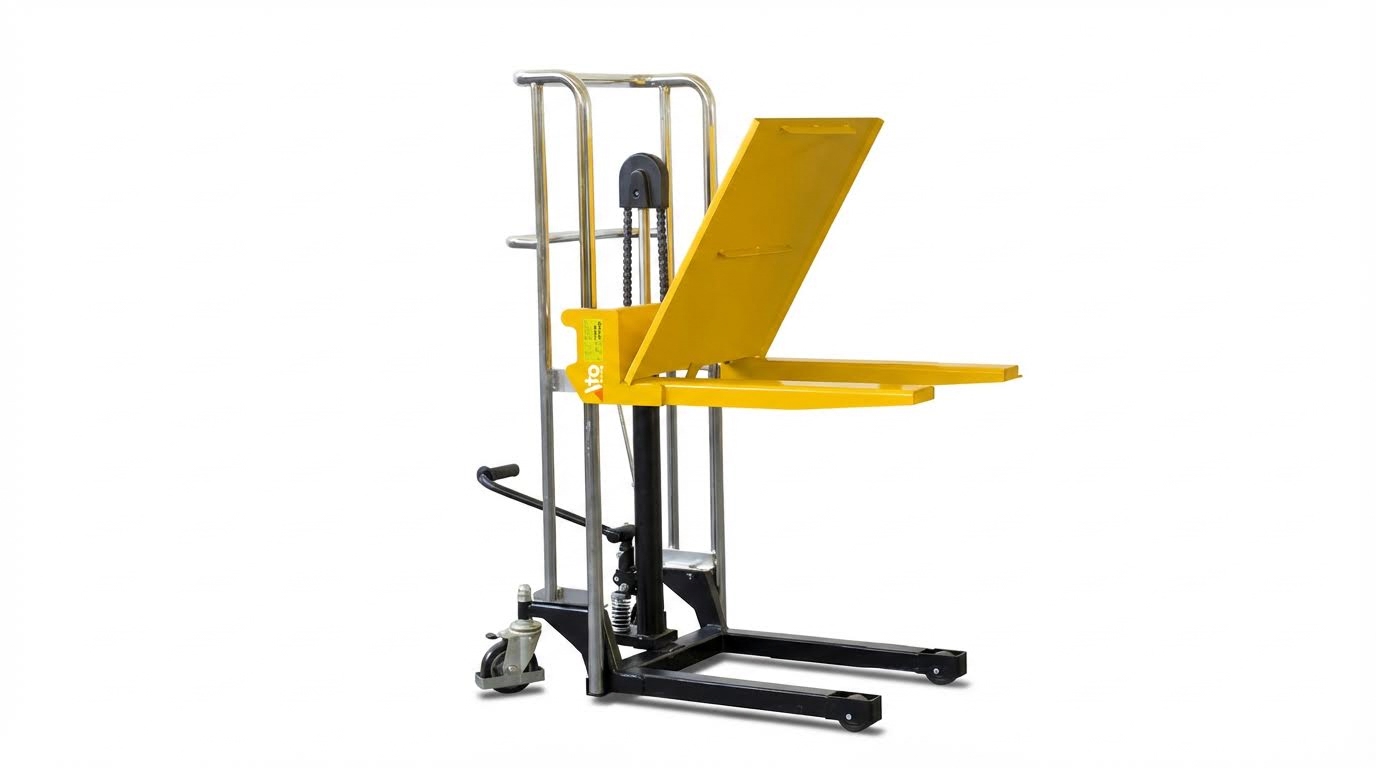
Las prácticas operativas seguras combinan la capacitación del operador, los movimientos controlados y el estricto cumplimiento de las normas de OSHA y ASME para dispositivos de elevación, carretillas elevadoras y manipulación de palés.
- Capacitar y autorizar a los operadores: Proporcionar formación formal, evaluación y certificación para equipos motorizados y operaciones de elevación. Cumple con los requisitos de OSHA para carretillas industriales motorizadas y reduce el error humano. para apiladoras y equipos similares.
- Siga las comprobaciones previas a la operación: Realizar inspecciones diarias de apiladoras, carretillas elevadoras y dispositivos de elevación, documentando los hallazgos. Apoya el mantenimiento de registros de OSHA y la detección temprana de defectos. para apiladores eléctricos de paletas.
- Utilice movimientos suaves y controlados: Eleve el vehículo ligeramente por encima del suelo y luego desplácese lentamente; evite arranques, paradas o giros bruscos. Limita la carga dinámica y el balanceo que pueden sobrecargar las vigas o los bastidores de paletas. para operación de apilador de paletas.
- Respete los límites de velocidad y visibilidad: Disminuya la velocidad en las curvas y pendientes, y viaje con la carga detrás si obstruye la visión frontal. reduce el riesgo de colisión y el potencial de vuelco para camiones de terminal marítima.
- Mantenga a las personas alejadas de las cargas suspendidas: Prohibido permanecer de pie o pasar por debajo de palés o contenedores elevados. Elimina la exposición a caídas de carga catastróficas.
- Aplicar la norma ASME B30.20/BTH‑1 a vigas y pórticos: Asegúrese de que los dispositivos que se encuentran debajo del gancho estén construidos, marcados, inspeccionados y mantenidos de acuerdo con estas normas. Alinea las prácticas del sitio con las expectativas de OSHA. para vigas de elevación y equipos similares.
- Asegure el equipo cuando no esté bajo vigilancia: Baje las transpaletas y las horquillas al suelo, neutralice los controles y accione los frenos. Evita movimientos involuntarios o la caída de cargas. bajo las normas de camiones motorizados.
- Mantener seguras las zonas de estacionamiento y almacenamiento: Aparque los equipos con horquillas o elevadores de paletas en posición baja y manténgalos fuera de las aceras. Reduce los riesgos de tropiezos e impactos. para apiladores de paletas.
- Utilice protocolos de comunicación: Estandarizar las señales manuales o las llamadas por radio entre los operadores de grúas y los aparejadores. Evita malentendidos al posicionar elevadores de paletas y vigas en espacios reducidos. en entornos concurridos.
Convertir esto en un procedimiento del sitio
Si está documentando cómo usar un elevador de paletas en sus instalaciones, estructure su SOP en tres secciones: (1) inspección y etiquetado previos al uso, (2) evaluación de la carga y comprobaciones de aparejo, y (3) reglas operativas vinculadas directamente a OSHA 29 CFR 1917/1910 y ASME B30.20/BTH-1. Asigne cada elemento de la lista de verificación a una reglamentación o cláusula estándar específica para facilitar las auditorías.
Selección del elevador o viga adecuados para el trabajo.
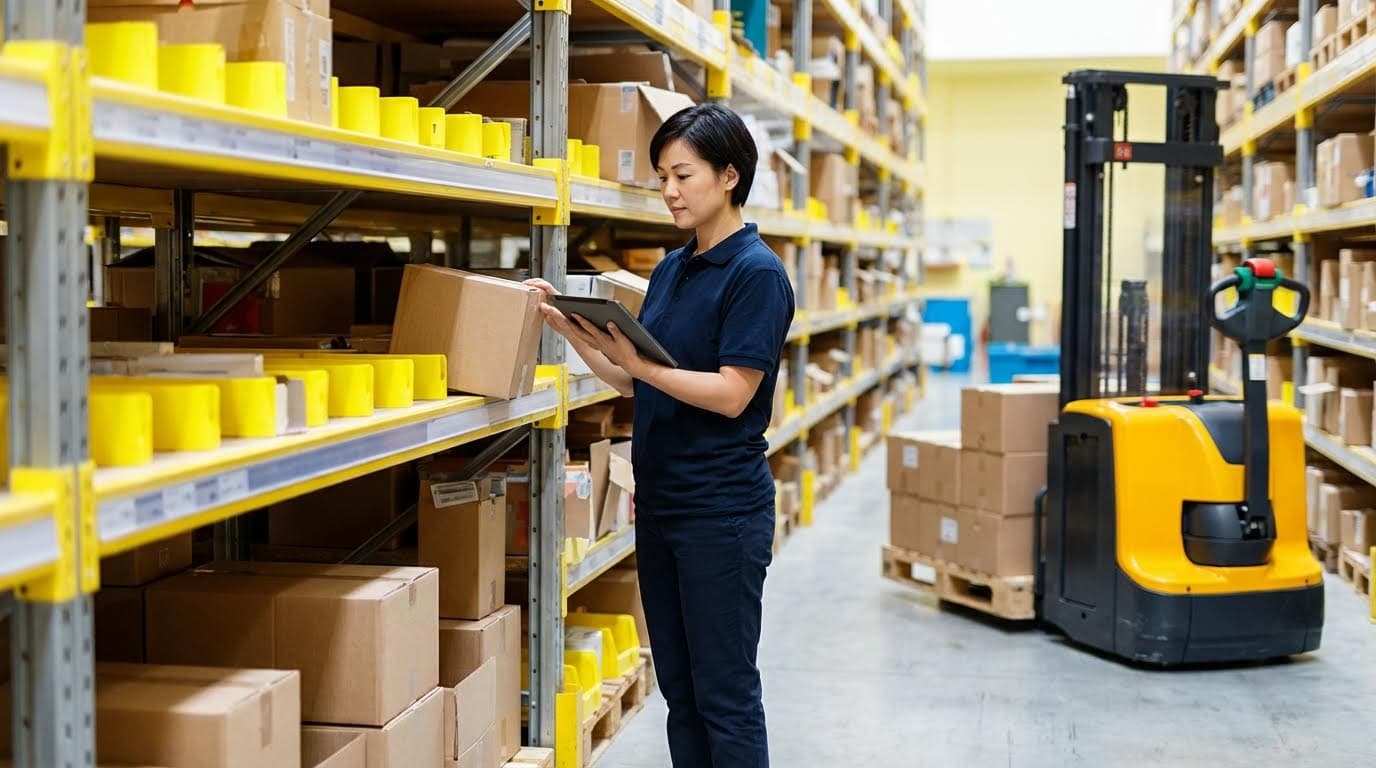
La elección del elevador de paletas o viga de elevación adecuado comienza con la carga, no con la página del catálogo. Debe comparar la geometría, la masa y el entorno con el tipo de dispositivo, y luego verificar la carga de trabajo segura (WLL), el centro de carga y la altura libre según las normas.
Aquí es donde saber usar una transpaleta de forma segura se convierte en una decisión de ingeniería, no solo en un hábito del operario. Una elección incorrecta puede sobrecargar el equipo, provocar inestabilidad o infringir las normas de OSHA/ASME, incluso si la transpaleta parece funcionar correctamente.
Adaptar el tipo de dispositivo a la carga y al entorno.
La elección entre un elevador de paletas, una viga elevadora o una viga separadora depende de la forma de la carga, el tipo de paleta, la altura libre y el área de trabajo circundante. El objetivo siempre es lograr una elevación estable y controlada dentro de la capacidad nominal.
A continuación, se presenta una comparación práctica de los tipos más comunes de vigas y elevadores para ayudarle a reducir las opciones antes de adentrarse en cálculos detallados.
| Tipo de dispositivo | Rango de capacidad típico | Función clave | Mejor para… | Impacto operativo |
|---|---|---|---|---|
| viga de elevación económica | ≈ 225–6,350 kg (500–14,000 libras) datos de capacidad | Viga simple con ganchos | Elevación general donde se conoce el ancho de la carga. | Opción de bajo costo para cargas repetitivas y similares. |
| viga de elevación de longitud variable | ≈ 450–18,000 kg (1,000–40,000 libras) datos de capacidad | Alcance ajustable, ojo de elevación central | Cargas con diferentes puntos de recogida. | Un haz cubre varios tamaños de producto. |
| Distribuidor/viga de altura ultra baja | ≈ 450–4,500 kg (1,000–10,000 libras) datos de capacidad | Altura de carga del gancho muy reducida | Sótanos, dentro de contenedores, cerchas bajas | Maximiza la altura del gancho en espacios reducidos. |
| viga separadora fija | ≈ 1,800–9,000 kg (4,000–20,000 libras) datos de capacidad | Elemento de compresión con ganchos en los extremos | Cargas largas que requieren control del ángulo de la eslinga | Reduce los ángulos de la eslinga, mejora la estabilidad. |
| Barra separadora telescópica | ≈ 1,800–9,000 kg (4,000–20,000 libras) datos de capacidad | Separador de longitud ajustable | Cargas de longitud mixta (estructuras, contenedores) | Ajusta con precisión los puntos de recogida sin necesidad de equipo nuevo. |
| viga de elevación de cesta | ≈ 450–4,500 kg (1,000–10,000 libras) datos de capacidad | Soporta cargas en cestas o cunas. | Cajas, contenedores o materiales agrupados | Mejora el equilibrio de cargas voluminosas e irregulares. |
| viga de elevación de contenedores a granel | Hasta ≈ 2,000 kg (4,400 libras) datos de capacidad | Puntos de recogida que coinciden con las orejetas del contenedor | Contenedores IBC, contenedores a granel | Evita el aplastamiento y el vuelco de los flancos. |
| Elevador de palets de doble bala | ≈ 900–3,600 kg (2,000–8,000 libras) datos de capacidad | esparcidores tipo horquilla | Producto empacado, paquetes paletizados | Acelera la manipulación repetitiva de palets o balas. |
| Estructura de elevación para grúas de IBC y palets | Carga de trabajo segura (WLL) de 1,250–2,000 kg, peso en vacío aproximado de 52–55 kg, centro de carga de 675 mm. especificación | Separadores superior e inferior, además de horquillas elevadoras. | Elevación de palés y contenedores IBC mediante grúa | Diseñado específicamente para elevadores combinados de IBC/palés. |
Una vez que conozca el tipo de carga y el entorno, podrá elegir si necesita una viga simple, un separador o un bastidor específico para palés. Esta es la base para utilizar un elevador de palés de forma segura y eficiente en cualquier instalación.
- Defina la carga: Masa, dimensiones y centro de gravedad – Esto evita que la carga sea demasiado pequeña y que se vuelque inesperadamente.
- Compruebe el tipo de palé: Alado, liso, caja, desechable – Algunos palés no deben izarse o requieren arneses especiales. Normas de OSHA sobre palés
- Evaluar el espacio libre: Altura del gancho menos altura de la carga – Esto determina si necesita vigas de poca altura o marcos estándar.
- Entorno de revisión: Ancho del pasillo, obstrucciones, pendiente del piso, tráfico – Estos factores afectan no solo al dispositivo, sino también a la forma en que lo mueves.
- Considere la frecuencia de manipulación: Uso puntual frente a uso diario – Los levantamientos frecuentes justifican el uso de equipos más especializados o ajustables.
💡 Nota del ingeniero de campo: En bahías con poca altura libre, a menudo veo a los operarios improvisar con eslingas cortas en ángulos pronunciados en lugar de usar una viga de poca altura libre. Esto aumenta drásticamente la tensión de la eslinga y puede sobrecargar el equipo incluso cuando el peso de la carga está dentro de los límites de capacidad.
Cómo afecta el entorno a la elección de elevador de paletas o viga
Las cámaras frigoríficas, las atmósferas corrosivas y los patios exteriores someten a los equipos a esfuerzos diferentes. En el almacenamiento en frío, los sellos y los sistemas hidráulicos se rigidizan, por lo que conviene mantener las piezas móviles simples y sobredimensionar el margen de carga de trabajo segura (WLL). En áreas corrosivas o de lavado, se prefieren los componentes recubiertos o de acero inoxidable y se recomienda realizar inspecciones frecuentes. Los suelos irregulares o inclinados exigen mayor estabilidad; un bastidor o separador rígido suele controlar mejor el balanceo de la carga que un par de eslingas sin protección.
Comprobaciones de ingeniería: Carga de trabajo segura, centro de carga y altura libre.
Las comprobaciones de ingeniería para la carga de trabajo segura (WLL), el centro de carga y la altura libre convierten una elevación "posible" en una que cumple con las normas y es repetible. Se confirma que cada componente de la cadena puede soportar de forma segura las fuerzas más extremas con un margen de seguridad adecuado.
A continuación, encontrará una guía rápida con los datos principales que debe verificar antes de decidir cómo utilizar un elevador de paletas o una viga en cualquier trabajo.
| Parámetro | Qué comprobar | POR QUÉ ES IMPORTANTE | Ejemplo practico |
|---|---|---|---|
| Límite de carga de trabajo (WLL) | Carga nominal en la placa de datos o marcado de la viga según ASME B30.20/BTH‑1 estándar | Evita la sobrecarga y las fallas estructurales. | Utilizar una estructura con una capacidad de carga segura (WLL) de 2,000 kg para un palé de 1,600 kg deja margen para la variación de peso. |
| Peso propio del dispositivo | Masa del elevador/viga en sí | Cuenta para la capacidad de la grúa o polipasto | Un bastidor de 55 kg más una carga de 1,900 kg debe mantenerse dentro de una capacidad de elevación de 2,000 kg. |
| Centro de carga | Distancia desde las horquillas/ojos hasta el centro de gravedad de la carga (por ejemplo, 675 mm) especulación | Controla el vuelco y el momento en las horquillas o vigas. | Si el centro de gravedad se desplaza más allá del centro de carga nominal, la capacidad efectiva disminuye y la estabilidad se ve afectada. |
| El espacio libre | Altura del anzuelo menos altura total del aparejo | Garantiza que puedas sortear obstáculos y depositar la carga de forma segura. | Las vigas de altura ultrabaja mantienen la altura total del equipo dentro del espacio que permite una puerta baja o un altillo. |
| Compatibilidad de archivos adjuntos | Bolsillos para horquillas, tamaños de anzuelos, clasificaciones de grilletes | Evita la sobrecarga puntual y la desconexión accidental. | Los bastidores de palés con soportes para horquillas a juego evitan aplastar las tablas de la plataforma. |
| Cumplimiento normativo | Normas de OSHA sobre carretillas elevadoras industriales y dispositivos para remolque ayuda | Adapta el equipo y su uso a las normas legales. | Asegurar que los elevadores de paletas estén marcados, inspeccionados y utilizados por operadores capacitados. |
- Comprobación de la cadena WLL: Verifique que el polipasto, la viga, el elevador de paletas, las eslingas y los accesorios tengan una carga de trabajo segura (WLL) igual o superior a la carga requerida. El eslabón más débil gobierna.
- Verificación del centro de carga: Compare el centro de gravedad real con el centro de carga nominal en el elevador de paletas o bastidor. Las cargas descentradas pueden provocar que se vuelque o se sobrecargue un lado.
- Comprobación de altura libre: Agregar gancho, grillete, viga y altura de carga – Si te quedas corto aunque sea por 50 mm, corres el riesgo de sufrir impactos con la estructura.
- Verificación de la integridad del palé: Confirme que los palés cumplen con las normas de elevación y que no están dañados ni son de tipo desechable, en cuyo caso su reutilización está prohibida. Las paletas defectuosas fallan antes que la viga. regulación
- Marcado e inspección de equipos: Asegúrese de que los dispositivos que se encuentran debajo del gancho estén marcados con la carga nominal y se inspeccionen según la norma ASME B30.20/BTH-1. Esto te ayuda a cumplir con las normas y a detectar la fatiga o los daños a tiempo. Guía de ASME
- Paso 1: Determinar la carga real máxima (incluyendo embalaje, hielo y residuos) – Los pesos reales suelen superar los valores indicados en la placa de características.
- Paso 2: Seleccione únicamente dispositivos con WLL ≥ 125 % de su carga típica. Esto proporciona margen para la variación y los efectos dinámicos.
- Paso 3: Calcular o estimar el centro de carga a partir de la geometría del palé. Impide el uso de un bastidor fuera de su centro de carga nominal.
- Paso 4: Mida la altura del gancho y el espacio libre disponible a lo largo de todo el recorrido. Los ascensores fallan cuando se olvidan de las vigas, los rociadores o los dinteles de las puertas.
- Paso 5: Verifique la compatibilidad con el equipo motorizado (camión o grúa) y su capacidad nominal a esa altura/altura. La OSHA exige que el funcionamiento se mantenga dentro de las capacidades indicadas.
💡 Nota del ingeniero de campo: En muchas obras, el único dato que se verifica es la capacidad del polipasto. En la práctica, la mayoría de las sobrecargas que he investigado se debieron a ignorar el peso combinado del elevador de paletas, la viga y el aparejo, o a utilizar cargas que superan el centro de carga nominal, no a la grúa en sí.
Vinculación de la selección con la formación del operador
Por muy bien dimensionado que esté el elevador de paletas o la viga, los operadores sin capacitación aún pueden comprometer su diseño. La OSHA considera a los apiladores de paletas motorizados y equipos similares como carretillas elevadoras industriales, lo que exige capacitación formal, evaluación y certificación antes de su uso. Dicha capacitación debe abarcar las placas de capacidad, la estabilidad de la carga y cómo interpretar las marcas de carga de trabajo segura (WLL) para que la elección de ingeniería se respete en la práctica. Expectativas de capacitación de la OSHA
Consideraciones finales sobre una implementación segura
La implementación segura de elevadores de paletas y vigas de elevación depende de considerarlos como partes integrales del sistema de elevación, no como accesorios. Cuando los equipos respetan los límites de carga de trabajo segura (WLL), centro de carga y altura libre, mantienen las tensiones predecibles y dentro de los márgenes de diseño. Esto protege contra sobrecargas silenciosas que deforman las estructuras, agrietan las soldaduras o provocan la caída de paletas sin previo aviso.
La geometría y la elección del aparejo son tan importantes como la capacidad de carga. Una correcta longitud de la viga, un ángulo adecuado de la eslinga y una posición correcta de la horquilla mantienen el centro de gravedad bajo el gancho y la carga estable. Las inspecciones rutinarias completan el proceso al detectar daños antes de que se conviertan en fallas. Vincular estas verificaciones con las normas de OSHA y ASME proporciona a los supervisores un estándar claro y auditable.
La mejor práctica es sencilla: comience con la carga, seleccione un dispositivo diseñado para esa geometría, verifique la cadena completa de carga de trabajo segura (WLL) y aplique normas operativas rigurosas. Incorpore esto en procedimientos escritos y capacitación para los operadores, no en hábitos informales. Al combinar controles de ingeniería rigurosos con personal capacitado y equipos que cumplen con las normas de proveedores como Atomoving, el izaje de palés se convierte en una tarea controlada y de bajo riesgo, en lugar de una apuesta diaria.
Preguntas frecuentes
¿Cómo utilizar una transpaleta de forma segura?
Una transpaleta es una herramienta común para la manipulación de materiales que se utiliza para levantar y mover palés. Para usarla de forma segura, siga estos pasos:
- Localice la palanca de liberación y asegúrese de que las puntas estén bajadas antes de mover la transpaleta hacia la carga.
- Accione la palanca para levantar las puntas y asegurar la paleta. En los modelos eléctricos, utilice el controlador para accionar el movimiento.
- Empujar las transpaletas manuales en lugar de tirar de ellas reduce el esfuerzo físico y mejora la seguridad. Guía de transpaletas.
¿Necesita capacitación para operar una transpaleta?
La capacitación es esencial para operar transpaletas de forma segura. Si bien las transpaletas manuales no requieren certificación, las transpaletas eléctricas están sujetas a las regulaciones de OSHA y los operadores deben estar certificados. La certificación garantiza un manejo adecuado y minimiza los riesgos de accidentes o lesiones. Capacitación en seguridad de OSHA.
¿Cuál es la capacidad de carga de una transpaleta estándar?
La capacidad de carga de una transpaleta estándar suele oscilar entre 2,268 y 2,495 kilogramos (5,000 y 5,500 libras). Sin embargo, la capacidad exacta depende del modelo y del fabricante. Compruebe siempre las especificaciones antes de levantar cargas pesadas para evitar sobrecargar el equipo. Detalles de la capacidad de carga.