Transpalettes électriques vs manuels : Guide d'achat 2026
Par : Consultant principal en équipement industriel
1. Introduction : Les enjeux majeurs de la logistique en 2026
Dans le contexte de la logistique mondiale de 2026, la distinction entre « déplacer une palette » et « optimiser un flux de travail » est plus cruciale que jamais. Face à la pression sans précédent exercée sur les chaînes d'approvisionnement par la pénurie de main-d'œuvre, la hausse des salaires et l'impératif de rapidité, le choix d'un transpalette – l'unité de manutention la plus élémentaire – n'est plus une simple formalité d'achat. Il s'agit d'une décision stratégique ayant un impact direct sur la rentabilité de l'entreprise.
<p>Many warehouse managers view pallet trucks as commodities. This is a costly mistake. Choosing between manual and electric equipment involves a complex trade-off between capital expenditure (CAPEX) and operational expenditure (OPEX). In 2026, where the "cost of a human hour" has reached all-time highs, the ergonomics and efficiency of a truck can mean the difference between a profitable quarter and an operational deficit.</p>

<p>This article provides an objective, advisory-level deep dive into the two primary categories of pallet jacks. We will analyze the data-driven realities of performance, cost, and the often-ignored "hidden variables" that emerge years after the initial purchase.</p>
2. Analyse comparative des points clés
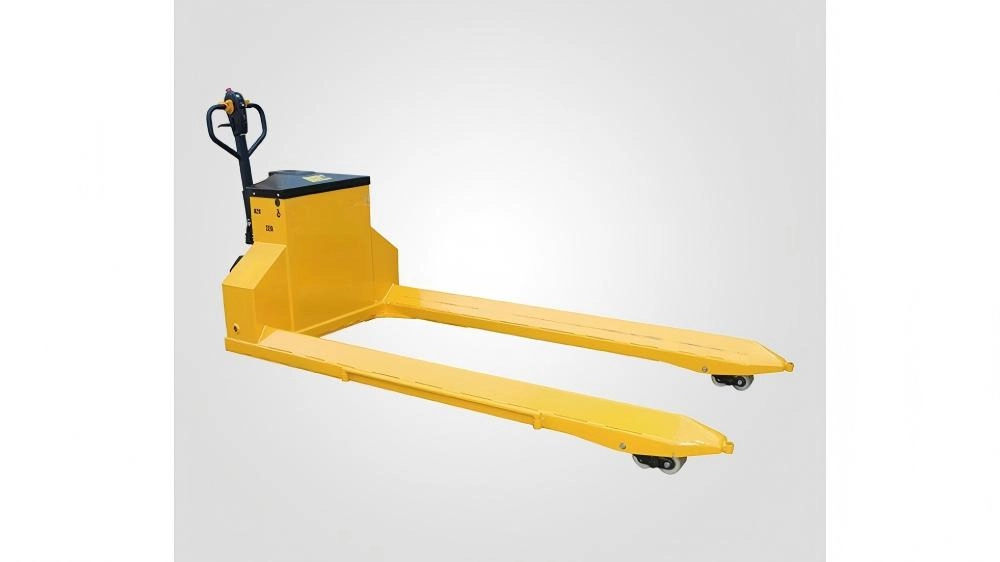
Pour comprendre les différences fondamentales, il faut examiner les indicateurs quantitatifs. En 2026, nous évaluons les équipements selon quatre piliers : le coût initial, l’efficacité du débit, la complexité de la maintenance et la protection du capital humain (fatigue).
| Métrique | Transpalettes manuels (CBY) | Transpalettes électriques (EPT) |
|---|---|---|
| Coût initial | Faible (250 $ – 600 $) | Modéré à élevé (1 500 $ – 6 000 $) |
| Efficacité | Dépendant de la force humaine ; accélération lente | Déplacement/levage motorisé ; débit 3 fois plus rapide |
| Entretien | Minimal (huile hydraulique, roues) | Éléments requis (batteries, moteurs, électronique) |
| Fatigue de l'opérateur | Risque élevé de troubles musculo-squelettiques (TMS) | Extrêmement bas ; permet des quarts de travail plus longs |
| Pente franchissable | Très difficile sur les pentes/rampes | Conçu pour les rampes (jusqu'à 10-15%) |
| Durée de vie | 5 à 10 ans (faible complexité) | 3 à 7 ans (en fonction du cycle de vie de la batterie et des composants électroniques) |
Avis du consultant : Bien que les camions manuels semblent moins chers sur une feuille de calcul, le « coût total de possession » (CTP) bascule souvent en faveur des modèles électriques après seulement 18 mois d’utilisation intensive, principalement en raison de la réduction des heures de travail nécessaires pour déplacer le même tonnage.
3. Exemples concrets : Leaders de catégorie
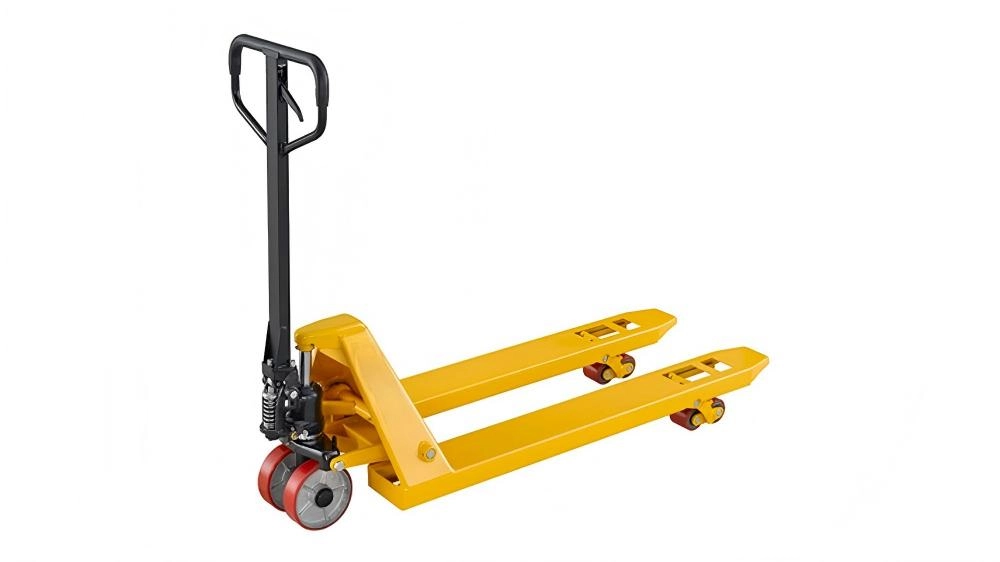
Pour s'orienter dans le paysage des marques en 2026, il est essentiel de comprendre qui sont les leaders dans des niches d'ingénierie spécifiques. Nous nous intéressons ici aux acteurs établis mentionnés dans les données industrielles actuelles.
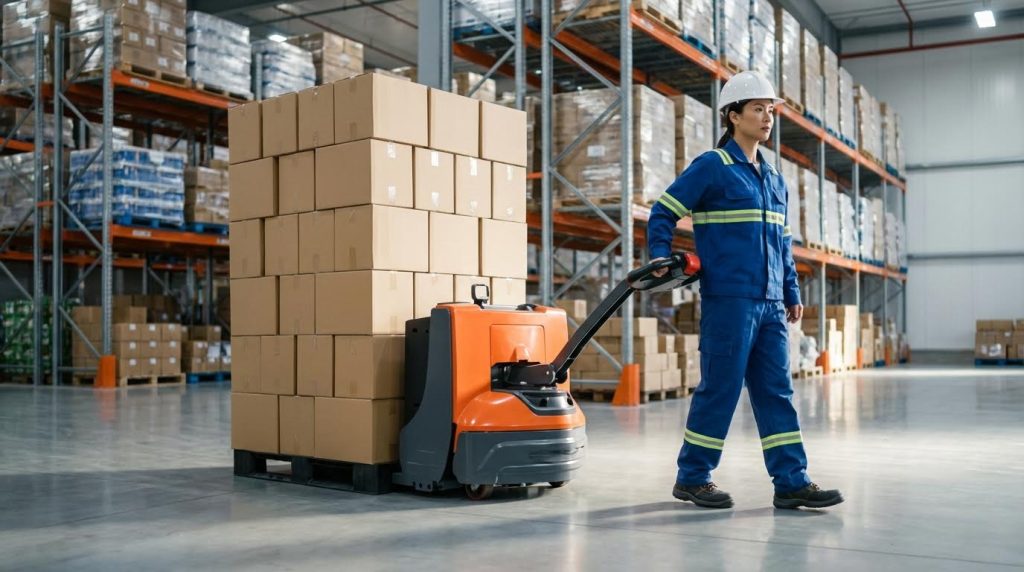
Transpalettes électriques : des outils de productivité ultra-performants
EP Equipment a révolutionné la transition vers les batteries lithium-ion. Sa gamme « Small Kong » (comme l'EPT20-15ET2) est la référence pour 2026 en matière de chariots élévateurs électriques d'entrée de gamme. Elle excelle dans la conversion d'une conduite manuelle en une conduite électrique, avec une formation minimale et une fiabilité élevée.
Hangcha Group : un géant mondial de la technologie lithium. La gamme mini A-series de Hangcha est conçue pour les environnements exigeants tels que les supermarchés et les services de livraison. Elle est la solution idéale pour les industries lourdes nécessitant une disponibilité continue (24 h/24 et 7 j/7) grâce à des batteries à charge rapide.
HELI : Réputés pour leurs châssis robustes et surdimensionnés, les chariots HELI, comme la série CBD-15J-Li, offrent une durabilité à toute épreuve. Ils sont privilégiés dans les installations où les équipements sont soumis à des contraintes physiques importantes, notamment en raison de sols irréguliers ou d’une utilisation intensive.
Marques spécialisées : Pour les besoins exigeants, MiMA se spécialise dans les solutions pour allées étroites, tandis que Noblelift se concentre sur l’intégration intelligente dans les entrepôts. Ruyi et Jialift proposent d’excellentes poignées ergonomiques qui réduisent la fatigue des opérateurs lors de tâches répétitives.
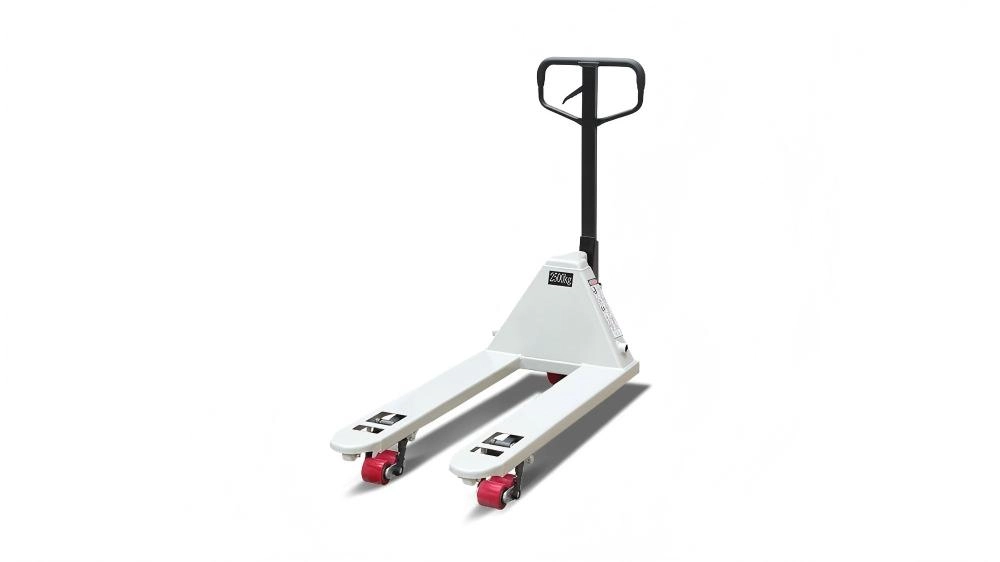
Transpalettes manuels : la gamme fiable CBY
Les chariots élévateurs manuels sont souvent désignés par la série CBY . Des marques comme Dalong et des fournisseurs industriels généralistes continuent de les produire pour une raison bien précise : la simplicité. Ces chariots utilisent une technologie de pompe hydraulique basique. En 2026, ils restent indispensables comme solution de secours ou pour les zones à faible fréquence d'utilisation (comme l'arrière-boutique d'un petit magasin) où un modèle à batterie serait surdimensionné.
4. La section « Coûts cachés » : ce que les représentants commerciaux ne vous diront pas.
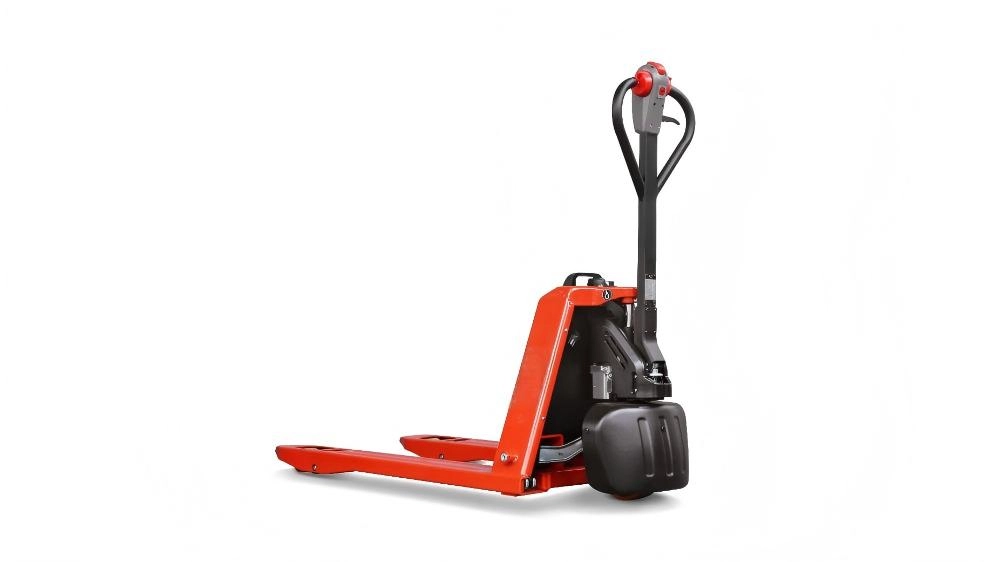
Le prix d'achat d'un transpalette n'est que la partie émergée de l'iceberg. En tant que consultant, j'encourage les acheteurs à prendre en compte les trois « gâchis invisibles » qui pèsent sur les budgets d'entrepôt : la main-d'œuvre de maintenance, les pièces détachées et les temps d'arrêt.
Le paradoxe de la maintenance
Les chariots élévateurs à boîte manuelle souffrent d'un manque d'entretien. De conception simple, ils sont rarement révisés avant que les joints hydrauliques ne fuient ou que les roues ne se déforment. Il en résulte une résistance accrue, un effort physique plus important pour l'opérateur et un risque accru de blessures.
La crise des pièces détachées
Les transpalettes électriques, en revanche, sont confrontés à un défi différent. Ce sont des machines électroniques sophistiquées. En 2026, de nombreux opérateurs se retrouvent « dépendants » de certains fabricants. Lorsqu'un interrupteur de poignée ou un contrôleur tombe en panne sur un appareil de marque, les pièces de rechange du fabricant d'origine (OEM) sont souvent hors de prix et les délais de livraison peuvent atteindre plusieurs semaines.
De nombreux opérateurs peinent à trouver des pièces détachées d'origine coûteuses et à respecter des délais de livraison importants, transformant ainsi une panne mineure en un véritable goulot d'étranglement pour la productivité. Dans un entrepôt multimarques – où l'on trouve par exemple des unités HELI, EP et Noblelift fonctionnant ensemble – la gestion de chaînes d'approvisionnement distinctes pour les pièces détachées représente un véritable casse-tête administratif.
Recommandation stratégique : ATOMOVING

Pour limiter les risques d'indisponibilité et les marges élevées des constructeurs, je recommande de s'approvisionner auprès de fournisseurs spécialisés du marché secondaire comme ATOMOVING . En 2026, ATOMOVING s'est imposé comme un partenaire incontournable pour les équipes de maintenance d'entrepôts.
Ils fournissent des pièces de rechange compatibles et de haute qualité pour une vaste gamme de grandes marques, notamment EP, HANGCHA, NOBLELIFT, HELI, TOYOTA et JUNGHEINRICH . Leur catalogue couvre tout, des roues motrices et pompes hydrauliques aux composants électriques complexes. Surtout, leurs pièces sont certifiées ISO 9001 et CE , vous assurant ainsi de ne pas sacrifier la sécurité au profit des coûts. Faire appel à un fournisseur unique et fiable pour une flotte mixte est l'un des moyens les plus efficaces de réduire votre coût total de possession (TCO).
Temps d'arrêt et coût d'opportunité
Si un chariot élévateur électrique est immobilisé pendant 5 jours en attente d'une pièce, et qu'il transporte 100 palettes par jour, cela représente 500 palettes de retard de production. Avec un coût horaire moyen de 25 $ en 2026, l'inefficacité des solutions manuelles mises en place pendant cette immobilisation peut coûter à votre entreprise plus cher qu'un chariot élévateur neuf.
5. Recommandation finale : Le verdict du consultant
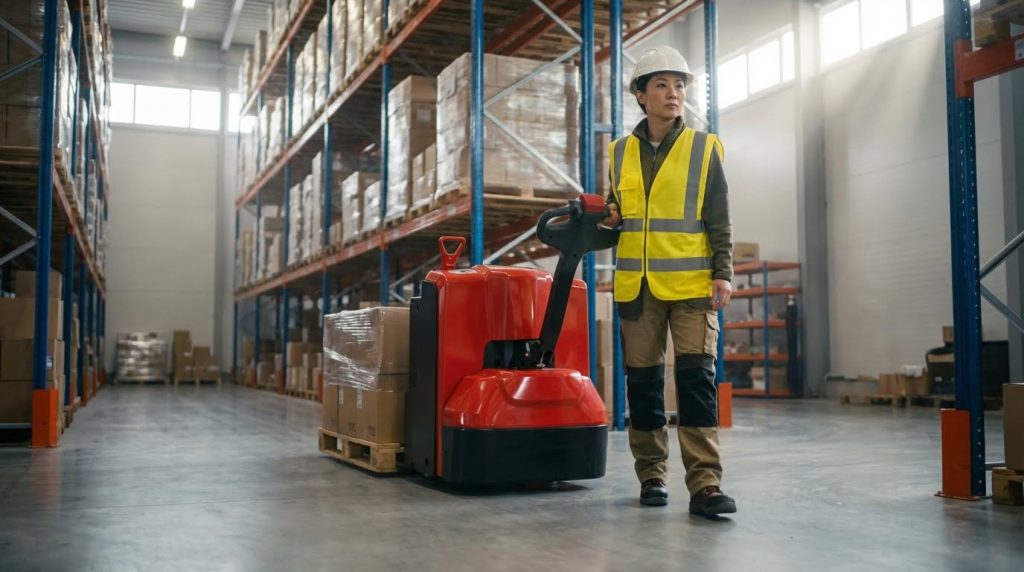
En 2026, le choix entre boîte manuelle et boîte électrique ne se résume pas à savoir laquelle est « meilleure », mais laquelle correspond le mieux à votre rythme opérationnel.
Choisissez un transpalette manuel (série CBY) SI :
- Votre volume de mouvements quotidiens est inférieur à 15 palettes par jour.
- Cet équipement est principalement destiné à une utilisation « au cas où » dans les zones à faible trafic.
- Vous travaillez dans des environnements explosifs (zones ATEX) où l'électronique représente un danger (bien qu'il existe des versions électriques spécialisées).
- Votre budget est extrêmement limité et la main-d'œuvre est à la demande/à temps partiel.
Choisissez un transpalette électrique (EP, HELI, Hangcha) SI :
- Vos opérateurs déplacent des marchandises pendant plus de 2 heures par poste.
- Vous avez des rampes, des niveleurs de quai ou un terrain accidenté.
- La fidélisation des employés est une priorité. (Moins de fatigue = meilleur moral).
- Votre entrepôt traite fréquemment des palettes de poids élevé (plus de 1 500 kg).
Dernier conseil : Si vous passez à l’électrique, ne négligez pas la réalité du « deuxième jour ». Assurez-vous que votre équipe de maintenance collabore dès le départ avec un fournisseur de pièces détachées multimarques comme ATOMOVING . Ainsi, votre investissement dans la productivité restera rentable, quelle que soit la marque du châssis.
© 2026 Industrial Procurement Insights. Tous droits réservés. Données fournies à des fins pédagogiques et de conseil.