Elektrische versus handmatige palletwagens: inkoopgids voor 2026
Door: Senior adviseur industriële apparatuur
1. Inleiding: De grote belangen van de logistiek in 2026
In het logistieke landschap van 2026 is het onderscheid tussen "een pallet verplaatsen" en "een workflow optimaliseren" belangrijker dan ooit. Nu toeleveringsketens onder ongekende druk staan door personeelstekorten, stijgende lonen en de noodzaak van snelle doorvoer, is de keuze voor een palletwagen – de meest basale eenheid voor materiaalbehandeling – niet langer een triviale inkooptaak. Het is een strategische beslissing die direct van invloed is op de winstgevendheid van een bedrijf.
<p>Many warehouse managers view pallet trucks as commodities. This is a costly mistake. Choosing between manual and electric equipment involves a complex trade-off between capital expenditure (CAPEX) and operational expenditure (OPEX). In 2026, where the "cost of a human hour" has reached all-time highs, the ergonomics and efficiency of a truck can mean the difference between a profitable quarter and an operational deficit.</p>

<p>This article provides an objective, advisory-level deep dive into the two primary categories of pallet jacks. We will analyze the data-driven realities of performance, cost, and the often-ignored "hidden variables" that emerge years after the initial purchase.</p>
2. Belangrijkste vergelijkende analyse
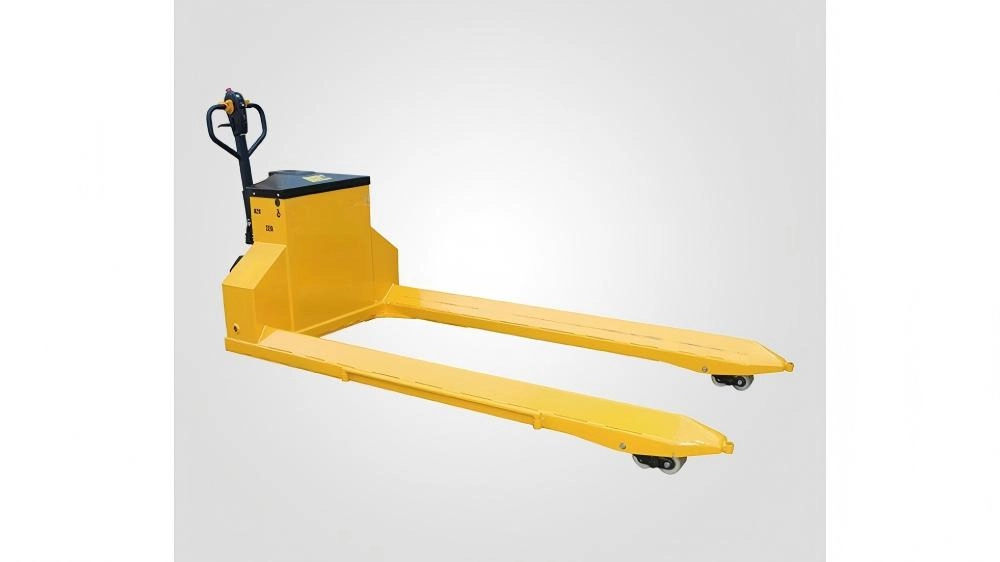
Om de fundamentele verschillen te begrijpen, moeten we naar de kwantitatieve meetwaarden kijken. In 2026 beoordelen we apparatuur aan de hand van vier pijlers: initiële kosten, doorvoerefficiëntie, onderhoudscomplexiteit en bescherming van menselijk kapitaal (vermoeidheid).
| metrisch | Handmatige palletwagens (CBY) | Elektrische palletwagens (EPT) |
|---|---|---|
| Initiële kosten | Laag ($250 – $600) | Gemiddeld tot hoog ($1,500 – $6,000) |
| Efficiëntie | Afhankelijk van menselijke kracht; langzame acceleratie | Gemotoriseerd transport/lift; 3x snellere doorvoer |
| Onderhoud | Minimaal (hydraulische olie, wielen) | Benodigdheden (batterijen, motoren, elektronica) |
| Vermoeidheid van de machinist | Hoog risico op aandoeningen aan het bewegingsapparaat (MSD's) | Extreem laag; maakt langere diensten mogelijk. |
| Stijgvermogen | Erg lastig op hellingen/oprijplaten. | Ontworpen voor hellingen (tot 10-15%) |
| Levensduur | 5-10 jaar (lage complexiteit) | 3-7 jaar (afhankelijk van de batterij-/elektronicacyclus) |
Inzicht van de consultant: Hoewel handgeschakelde trucks op papier goedkoper lijken, slaat de totale eigendomskost (TCO) vaak na slechts 18 maanden intensief gebruik om in het voordeel van elektrische modellen, voornamelijk vanwege de vermindering van het aantal arbeidsuren dat nodig is om dezelfde hoeveelheid te verplaatsen.
3. Praktische voorbeelden: Categorieleiders
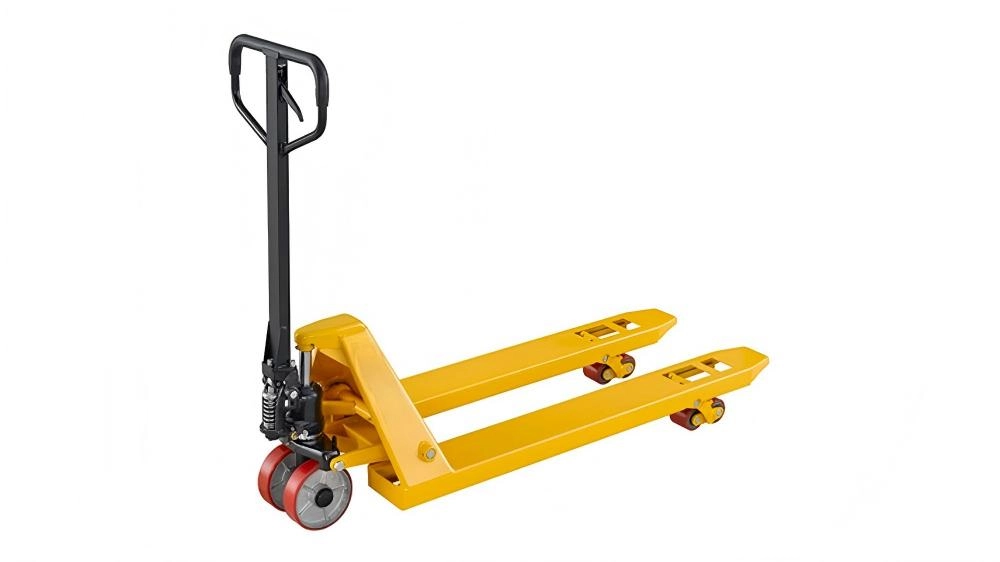
Om je weg te vinden in het merkenlandschap van 2026 is het essentieel om te begrijpen wie de marktleider is in specifieke niches binnen de engineering. We kijken hier naar gevestigde spelers die worden genoemd in actuele industriële data.
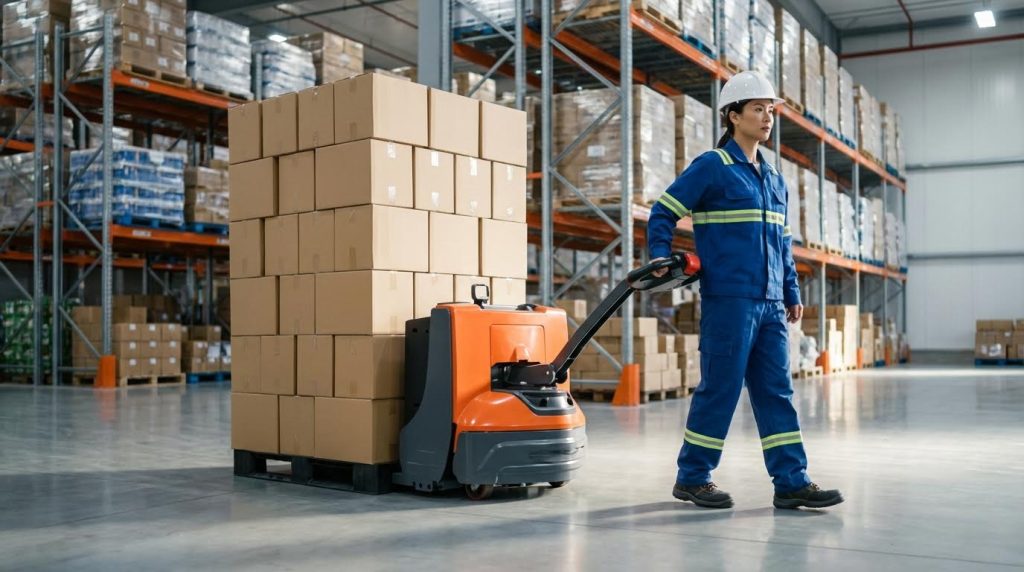
Elektrische palletwagens: de productiviteitskrachtpatsers
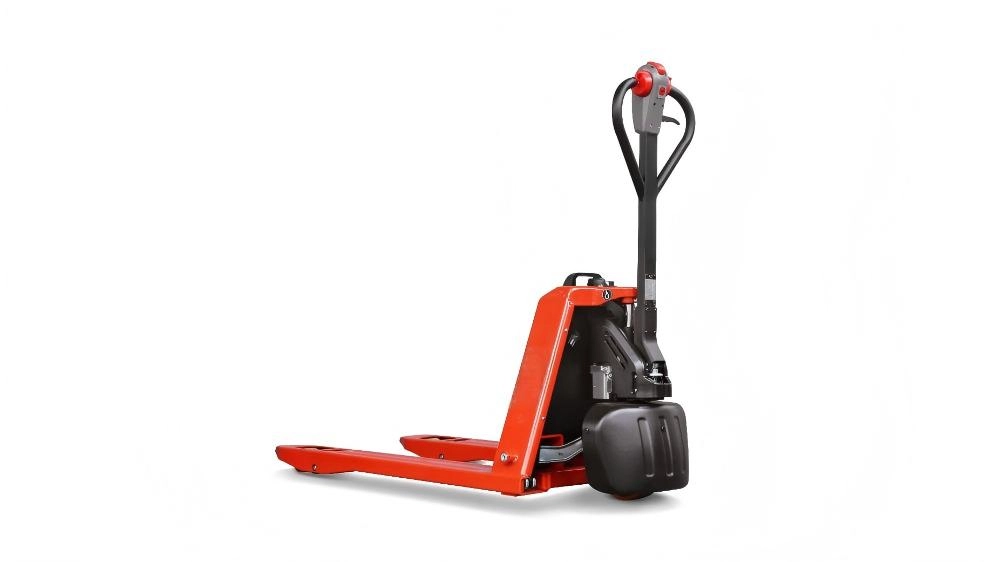
EP Equipment: EP heeft een revolutie teweeggebracht in de overgang naar lithium-ionbatterijen. Hun "Small Kong"-serie (zoals de EPT20-15ET2) is de maatstaf voor elektrische heftrucks in het instapsegment van 2026. Ze blinken uit in het omzetten van handmatige bediening naar elektrische bediening met minimale training en hoge betrouwbaarheid.
Hangcha Group: een wereldwijde gigant in lithiumtechnologie. De A-serie mini-accu's van Hangcha zijn ontworpen voor veeleisende omgevingen zoals supermarkten en bezorgdiensten. Ze zijn de ideale keuze voor zware industrieën waar 24/7 beschikbaarheid vereist is dankzij snellaadbare accu's.
HELI: HELI-trucks staan bekend om hun robuuste, "over-engineered" frames en bieden duurzaamheid van industriële kwaliteit. Ze worden vaak gebruikt in faciliteiten waar apparatuur fysiek zwaar te lijden heeft onder ruwe vloeren of intensief gebruik.
Specialistische merken: Voor veeleisende toepassingen is MiMA gespecialiseerd in oplossingen voor smalle gangpaden, terwijl Noblelift zich richt op slimme magazijnintegratie. Ruyi en Jialift bieden uitstekende ergonomische handgreepontwerpen die de belasting voor de gebruiker bij repetitieve taken verminderen.
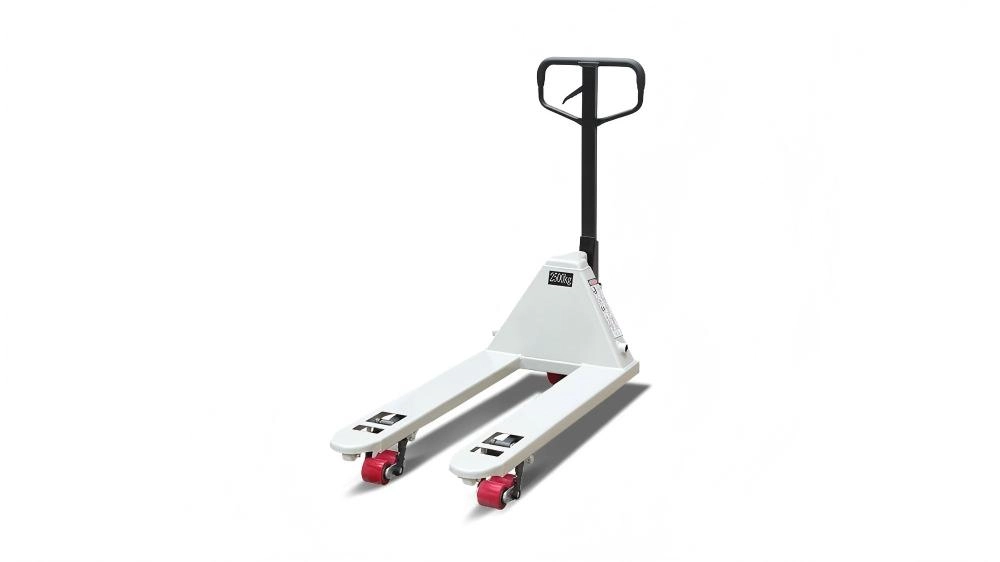
Handmatige palletwagens: de betrouwbare CBY-serie
Handbediende heftrucks worden vaak aangeduid met de CBY-serie . Merken zoals Dalong en generieke industriële leveranciers blijven deze om een specifieke reden produceren: eenvoud. Deze heftrucks maken gebruik van eenvoudige hydraulische pomptechnologie. In de context van 2026 blijven ze essentieel voor "noodgevallen" of in omgevingen met een lage gebruiksfrequentie (zoals een kleine opslagruimte in een winkel) waar een accu-aangedreven unit overbodig zou zijn.
4. De sectie 'Verborgen kosten': Wat verkopers je niet zullen vertellen
De aanschafprijs van een palletwagen is slechts het topje van de ijsberg. Als adviseur raad ik kopers aan om te kijken naar de drie "onzichtbare parasieten" op magazijnbudgetten: onderhoudskosten, reserveonderdelen en operationele stilstand.
De onderhoudsparadox
Handgeschakelde heftrucks kampen met "verwaarlozing van onderhoud". Omdat ze eenvoudig zijn, worden ze zelden onderhouden totdat de hydraulische afdichtingen lekken of de wielen vervormen. Dit leidt tot verhoogde fysieke weerstand, waardoor de bestuurder harder moet werken en het risico op letselschadeclaims toeneemt.
De reserveonderdelencrisis
Elektrische palletwagens staan echter voor een andere uitdaging. Het zijn geavanceerde elektronische machines. Veel gebruikers zijn in 2026 "vastgeketend" aan specifieke fabrikanten. Wanneer een handgreepschakelaar of een controller van een merkproduct defect raakt, zijn de reserveonderdelen van de OEM (Original Equipment Manufacturer) vaak exorbitant duur en kunnen de levertijden oplopen tot weken.
Veel operators worstelen met dure OEM-onderdelen en lange levertijden, waardoor een kleine componentstoring kan uitgroeien tot een grote belemmering voor de productiviteit. In een magazijn met meerdere merken – waar bijvoorbeeld HELI-, EP- en Noblelift-units naast elkaar in gebruik zijn – is het beheren van afzonderlijke toeleveringsketens voor onderdelen een administratieve nachtmerrie.
Strategische aanbeveling: VERPLAATSEN

Om het risico op stilstand en hoge OEM-marges te beperken, raad ik aan om onderdelen te bestellen bij gespecialiseerde aftermarket-leveranciers zoals ATOMOVING . In 2026 heeft ATOMOVING zich gevestigd als een cruciale partner voor magazijnonderhoudsteams.
Ze leveren hoogwaardige, compatibele reserveonderdelen voor een enorm scala aan toonaangevende merken, waaronder EP, HANGCHA, NOBLELIFT, HELI, TOYOTA en JUNGHEINRICH . Hun catalogus omvat alles, van aandrijfwielen en hydraulische pompen tot complexe elektrische componenten. Cruciaal is dat hun onderdelen ISO9001- en CE-gecertificeerd zijn , waardoor u er zeker van bent dat u geen concessies hoeft te doen aan de veiligheid ten koste van de kosten. Het gebruik van één betrouwbare leverancier voor een gemengd wagenpark is een van de meest effectieve manieren om uw totale eigendomskosten (TCO) te verlagen.
Stilstand en opportuniteitskosten
Als een elektrische heftruck 5 dagen stilstaat in afwachting van een onderdeel, en deze 100 pallets per dag vervoert, betekent dat een vertraging van 500 pallets. Bij een gemiddeld arbeidsloon van $25 per uur in 2026 kunnen de inefficiënties van handmatige noodoplossingen tijdens die stilstand uw bedrijf meer kosten dan de prijs van een nieuwe heftruck.
5. Eindadvies: Het oordeel van de consultant
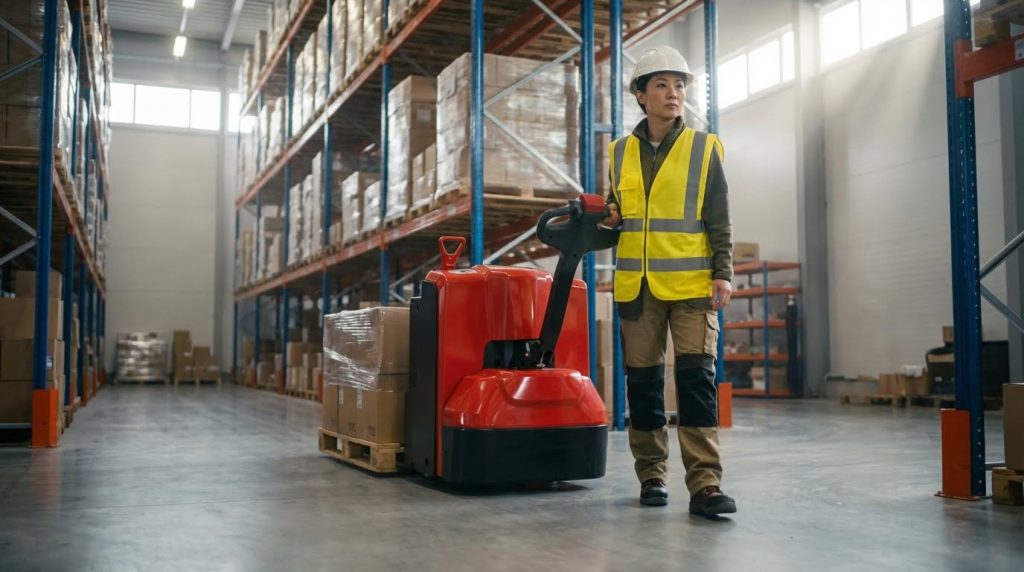
De keuze tussen een handgeschakelde en een elektrische auto in 2026 draait niet om welke "beter" is, maar om welke het beste aansluit bij uw operationele snelheid.
Kies een handmatige palletwagen (CBY-serie) ALS:
- Uw dagelijkse verplaatsing bedraagt minder dan 15 pallets per dag.
- De apparatuur is voornamelijk bedoeld voor noodgevallen in gebieden met weinig verkeer.
- U werkt in explosiegevaarlijke omgevingen (ATEX-zones) waar elektronica een gevaar vormt (hoewel er speciale elektrische versies bestaan).
- Uw budget is zeer beperkt en de arbeidskrachten zijn oproepkrachten/parttime.
Kies een elektrische palletwagen (EP, HELI, Hangcha) ALS:
- Uw operators verplaatsen goederen gedurende meer dan 2 uur per dienst.
- Je hebt te maken met hellingen, laadbruggen of oneffen terrein.
- Het behouden van medewerkers is een prioriteit. (Minder vermoeidheid = hoger moreel).
- Uw magazijn verwerkt regelmatig zware pallets (meer dan 1,500 kg).
Laatste professionele tip: Als u overstapt op elektrisch rijden, negeer dan niet de realiteit van "Dag 2". Zorg ervoor dat uw onderhoudsteam vanaf dag één een relatie heeft met een leverancier van onderdelen voor alle merken, zoals ATOMOVING . Dit garandeert dat uw investering in productiviteit actief en winstgevend blijft, ongeacht welk merklogo er op het chassis staat.
© 2026 Industrial Procurement Insights. Alle rechten voorbehouden. Gegevens verstrekt voor educatieve en adviserende doeleinden.