Wanneer kunnen elektrische heftrucks buiten in de regen worden gebruikt?
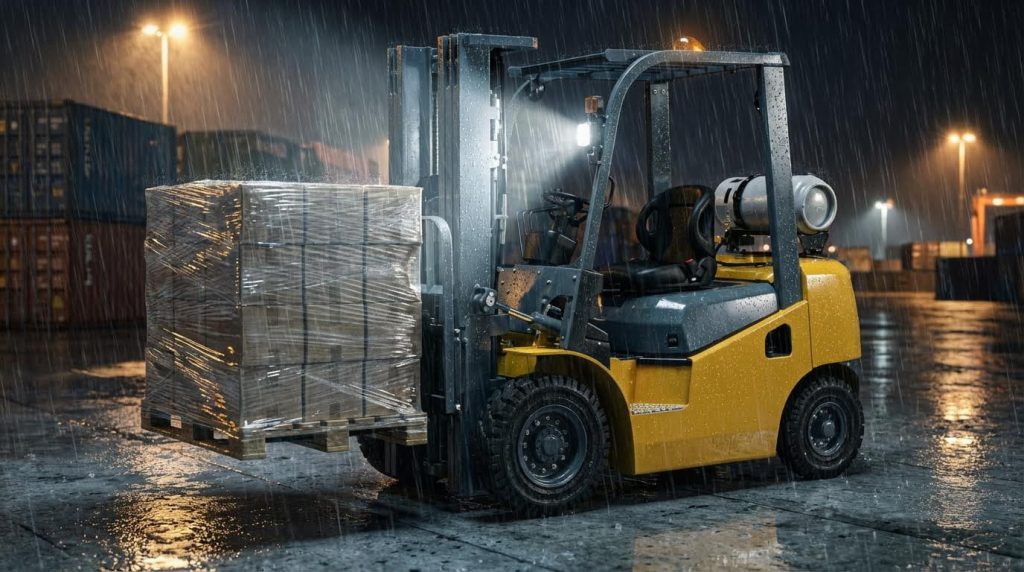
Elektrische heftrucks mogen alleen buiten in de regen worden gebruikt als hun IP-classificatie, de omstandigheden ter plaatse en de blootstellingstijd binnen de vastgestelde limieten blijven. In dit gedeelte wordt uitgelegd wanneer "ja" veilig is en wanneer "niet gebruiken" het geval is.
- Direct antwoord: In de meeste gevallen, Kunnen elektrische heftrucks in de regen gebruikt worden? Ja, maar alleen als ze minimaal een IPX4-classificatie hebben, op een harde ondergrond zonder diepe plassen worden gebruikt en de blootstelling kort en gecontroleerd is. Vermindert het risico op kortsluiting en verlies van grip.
| Sleutelfactor | Veilig/typisch bereik | Operationele impact |
|---|---|---|
| Minimale IP-classificatie voor regen | IPX4 en hoger (spatbescherming) | Lichte tot matige regenval is toegestaan voor korte hardlooprondjes in de buitenlucht. |
| Typische “veilige” bedrijfstijd | Ongeveer 1-2 uur aanhoudende blootstelling aan regen, aanbevolen limiet. voor standaardeenheden | Alleen gebruiken voor korte klussen, daarna controleren en laten drogen. |
| Waterdiepte op de grond | Maximaal ≈100 mm (10 cm) stilstaand water, vermijd diepere gedeelten. (overstromingsrisico) | Voorkomt dat laag gemonteerde elektrische onderdelen in het water terechtkomen. |
| Type oppervlak | Verhard beton/asfalt, geen modder of diepe plassen. aanbevolen | Behoudt de grip en vermindert het vastlopen in de modder of opspattend water. |
| Cabine / weersbescherming | Regenbestendige cabine, overkapping of luifel voor buitenwerk aanbevolen | Beschermt de bedieningselementen en verbetert het zicht van de operator. |
💡 Opmerking van de veldtechnicus: Beschouw "werkzaamheden bij lichte regen" als een korte buitenrit, niet als een klus die de hele dag duurt. Plan routes zo dat u lage plekken vermijdt; één gat van 150 mm diep kan een verder veilige IPX4-machine onbruikbaar maken.
Hoe IP-classificaties regenbescherming definiëren
IP-classificaties geven precies aan hoeveel regen en opspattend water een specifieke elektrische heftruck kan verdragen voordat water een reëel elektrisch gevaar vormt.
- Basisprincipes van IP-code: Het IP-getal bestaat uit twee cijfers: het eerste voor vaste stoffen (0-6), het tweede voor water (0-8). Het tweede cijfer bepaalt het regenwatergebruik.
- Focus op “X4” en hoger: IPX4 betekent bescherming tegen opspattend water uit elke richting, inclusief normale regenval. gedurende korte perioden. - Geschikt voor lichte tot matige regen tijdens korte wandelingen in de buitenlucht.
- Hogere classificatie voor intensiever gebruik: IPX5 en hoger zijn bestand tegen lagedrukstralen en afspoeling. en zware buitentoepassingen. - Geschikt voor frequente blootstelling aan regen buitenshuis.
- IP-verschillen op componentniveau: Niet alle onderdelen hebben dezelfde IP-classificatie; besturingseenheden kunnen een hogere IP-classificatie hebben dan batterijen of motoren. op sommige modellen. - Het zwakst beoordeelde onderdeel bepaalt de werkelijke regenlimiet.
- Controle van het typeplaatje: De IP-classificatie staat normaal gesproken vermeld op het typeplaatje of in de handleiding van de heftruck. Dit is het belangrijkste bewijs bij de beslissing of een elektrische heftruck geschikt is voor gebruik in de regen.
| Waterbeschermingscijfer | Typische betekenis (Water) | Praktische toepassingen voor elektrische heftrucks |
|---|---|---|
| IPX0–IPX1 | Geen echte waterbescherming / alleen verticale druppels | Alleen geschikt voor gebruik binnenshuis in droge omstandigheden; niet geschikt voor gebruik buitenshuis in de regen. |
| IPX2–IPX3 | Druppels en lichte nevel onder verschillende hoeken. | Overdekte steigers; vermijd directe regen en opspattend water door de wind. |
| IPX4 | Bescherming tegen opspattend water uit alle richtingen. (regenval) | Kortstondig gebruik buitenshuis bij lichte tot matige regen op harde ondergronden. |
| IPX5 | Lagedrukwaterstralen | Regelmatige regenbuien buiten, af en toe schoonmaken met de tuinslang. |
| IPX6–IPX8 | Krachtige waterstralen voor onderdompeling | Uitsluitend geschikt voor gespecialiseerde, zware toepassingen of omgevingen waar reiniging met water vereist is. |
Hoe lees je snel een IP-code op je heftruck?
Stap 1: Zoek "IP" op het typeplaatje of in de handleiding. – Dit geeft het officiële testniveau aan.
Stap 2: Negeer het eerste cijfer bij beslissingen over regen; concentreer u op het tweede cijfer (water). – Regenrisico gaat over water, niet over stof.
Stap 3: Als het tweede cijfer 4 of hoger is, kan gecontroleerd gebruik bij regen acceptabel zijn volgens de richtlijnen van de fabrikant. – Bij een cijfer lager dan 4, moet de vrachtwagen uit de regen worden gehouden.
Typische grenzen voor "lichte regen" versus "zware regen".
"Lichte regen" betekent voor een elektrische heftruck een korte blootstelling aan opspattend water en motregen, terwijl "zware regen" continue wateroverlast, door de wind voortgestuwde spray en plasvorming inhoudt die de IPX4-beschermingsgraad snel overschrijden.
- Lichte regenval: Korte buien, weinig wind, geen noemenswaardige wateroverlast en goed zicht. Doorgaans geschikt voor IPX4-vorkheftrucks op harde ondergronden.
- Zware regenval: Sterke of langdurige regenval, door de wind opspattend water en zichtbare plassen tot een diepte van 100 mm. Hoog risico op wateroverlast en verlies van grip.
- Tijdslimiet voor blootstelling: Het advies is om de continue werking bij regenachtig weer te beperken tot ongeveer 1-2 uur, waarna een stop nodig is om de vrachtwagen te inspecteren en te drogen. voor standaardmodellen. - Voorkomt langzame vochtophoping in ruimtes.
- Grenzen van het grondwaterpeil: Gebruikers moeten gebieden vermijden waar de waterdiepte meer dan ongeveer 100 mm (10 cm) bedraagt om te voorkomen dat chassiscomponenten onder water komen te staan. en waterophopingsgebieden. - Vermindert de kans op kortsluiting en vervuiling van de remmen.
- Inspectie na de regen: Na gebruik in de regen wordt aanbevolen de motor uit te schakelen, de afdichtingen en kabels te inspecteren en de truck te laten drogen alvorens deze opnieuw te gebruiken. om de betrouwbaarheid te herstellen. - Vroegtijdige vochtschade wordt opgespoord.
| Regencategorie | Typische locatieomstandigheden | Aanbevolen gebruik voor IPX4 elektrische heftrucks |
|---|---|---|
| Lichte regen / motregen | Een dun laagje vocht op de grond, geen noemenswaardige plassen, het zicht is overwegend goed. | Korte ritten buiten op beton/asfalt zijn over het algemeen acceptabel met een getrainde bestuurder en persoonlijke beschermingsmiddelen. |
| Matige, aanhoudende regen | Het oppervlak is nat, er vormen zich ondiepe plassen en er spat wat water van de wielen. | Beperk het gebruik tot essentiële taken, houd de gebruiksduur op ongeveer 1 uur en vermijd lage plekken en diepe plassen. |
| Zware regen of regen die door de wind wordt voortgedreven | Snelle plasvorming, opspattend water tegen het chassis, slecht zicht. | Stop de werkzaamheden; verplaats de heftruck naar de afdak indien dit veilig is. |
| Stormcondities | Diep stilstaand water, sterke windstoten, mogelijk overstroming. | Niet in gebruik nemen; parkeer op een droge, beschutte plek en schakel de stroom uit. |
Snelle checklist: Is deze regen "te veel" voor mijn heftruck?
Controle 1: Zijn de plassen dieper dan de onderkant van de as of ongeveer 100 mm? – Zo ja, rijd er dan niet doorheen.
Controle 2: Regent het zo hard dat je de ruitenwissers op volle snelheid moet zetten of dat je de vorken nauwelijks kunt zien? – Zo ja, staak dan de werkzaamheden.
Controlepunt 3: Heeft de vrachtwagen vandaag al bijna 2 uur in de regen gestaan? – Zo ja, breng hem dan naar binnen, inspecteer hem en droog hem af.
“`html
Technisch ontwerp: Hoe elektrische heftrucks waterbestendig zijn

Elektrische heftrucks zijn bestand tegen regen dankzij afgedichte accubehuizingen, IP-gecertificeerde motoren en controllers, en corrosiebestendige constructies. Deze factoren bepalen samen wanneer en hoe elektrische heftrucks veilig in de regen gebruikt kunnen worden. Deze technische details stellen de werkelijke grenzen voor werkzaamheden in de buitenlucht, niet alleen de weersvoorspelling.
Op ontwerpniveau combineren fabrikanten pakkingen, afvoerkanalen, isolatiesystemen en coatings zodat opspattend water niet gemakkelijk bij de onder spanning staande onderdelen kan komen. Inzicht in deze kenmerken helpt u te beoordelen of een specifieke vrachtwagen geschikt is voor lichte regenbuien, afspoelen of binnen moet blijven staan.
Afdichting en ontluchting van het batterijcompartiment
Het batterijcompartiment is normaal gesproken een halfgesloten stalen doos met rubberen pakkingen die regen buiten houdt, maar gassen en warmte wel laat ontsnappen. Deze balans tussen afdichting en ventilatie is cruciaal voor zowel de elektrische veiligheid als de levensduur van de batterij.
- Afgedichte behuizing: De accu's bevinden zich in een compartiment met rubberen afdichtingen rondom het deksel. Vermindert de directe indringing van regenwater in terminals en busbars. Ontwerpomschrijving
- Beveiligde terminals: Blootgestelde terminale delen hebben nog steeds extra afschermingen of afdekkingen nodig. Voorkomt wateroverbrugging tussen positieve en negatieve polen. Terminal bescherming
- Gasafvoer: De compartimenten zijn niet volledig luchtdicht, waardoor er laadgassen kunnen ontsnappen. Voorkomt drukopbouw en behoudt de stabiliteit van de batterijchemie.
- Koelluchtstroom: Openingen of kanalen zorgen ervoor dat warmte kan ontsnappen. Voorkomt oververhitting, iets waar boxen die weliswaar door regen worden gekoeld maar slecht geventileerd, last van kunnen hebben. Koelende opmerking
- Toestand van de afdichting: Controles vóór gebruik richten zich op gebarsten of losse afdichtingen – Als de pakkingen het begeven, kunnen zelfs ondiepe plassen of door de wind meegevoerde regen de onder spanning staande onderdelen bereiken. Inspectierichtlijnen
Hoe de waterdiepte de batterij en de elektrische installatie beïnvloedt.
Ontwerpers gaan ervan uit dat het voertuig op een harde ondergrond met minimale waterophoping wordt gebruikt. Richtlijnen raden doorgaans af om door water dieper dan ongeveer 100 mm te rijden, omdat boven dit niveau opspattend water en boeggolven de accubakken, contactoren en laag geplaatste connectoren kunnen bereiken, waardoor het risico op kortsluiting aanzienlijk toeneemt. Advies over waterdiepte
💡 Opmerking van de veldtechnicus: In echte magazijnen zijn de meeste "mysterieuze storingen" na stormen terug te voeren op een ontbrekende bout in het batterijdeksel of een gescheurde pakking waardoor water over de accupolen stroomt. Een opening van 2 mm is al genoeg om het hele ontwerp van het compartiment te ondermijnen.
IP-bescherming voor motor, controller en sensor

Aandrijfmotoren, controllers en sensoren zijn afhankelijk van IP-gecertificeerde behuizingen en connectoren, zodat opspattend regenwater geen kortsluiting of valse signalen kan veroorzaken. De exacte IP-code is het technische antwoord op de vraag of elektrische heftrucks in de regen gebruikt kunnen worden.
- IP-geclassificeerde behuizingen: De besturingskasten en elektronica bevinden zich in afgesloten behuizingen met gecertificeerde IP-codes. Dit definieert hoeveel regen of opspattend water ze kunnen verdragen. IP-uitleg
- Verschillende IP-adressen per component: De hoofdcontroller kan een hoger IP-adres hebben dan de motoren of hulpmodules. De zwakste schakel bepaalt de veilige regenlimiet. Variatie in IP-adres van de component
- Typische waterkwaliteitsclassificaties: IPX4 is bestand tegen opspattend water en dagelijkse regenval bij korte buitengebruik, terwijl IPX5+ sterkere waterstralen en afspoelen ondersteunt. Hogere nummers betekenen een robuustere afdichting tegen regen en reiniging. Typische beoordelingen Aanvullende IP-gegevens
- AC-aandrijfmotoren: Moderne wisselstroommotoren hebben vaak een hoge IP-classificatie, wat inherent is aan hun ontwerp. Betere weerstand tegen stof en spatwater in vergelijking met oudere gelijkstroommotoren. Motorbeveiliging
- Sensoren en kabelbomen: Connectoren maken gebruik van afdichtingen en beschermkappen, maar vocht bij de sensorinterfaces kan nog steeds storingen veroorzaken. Dit leidt tot intermitterende fouten in plaats van duidelijke storingen. Corrosie en bedrading
- Logica voor automatische uitschakeling: Als er water in de schakel- of aansluitdozen terechtkomt, kunnen lekstromen de beveiligingscircuits activeren. De vrachtwagen kan de stroomtoevoer onderbreken om onveilige omstandigheden te voorkomen. Fout toestanden
| Typische IP-code | Beschrijving van de waterbescherming | Buitengebruik bij regen | Operationele impact |
|---|---|---|---|
| IPX3 | Spuit onder een hoek tot 60° ten opzichte van de verticale as. | Zeer lichte, korte motregen. | Risico's met zich meebrengen voor regelmatig tuinonderhoud; voornamelijk binnenshuis uitvoeren. |
| IPX4 | Water dat uit elke richting spat | Lichte tot matige regen, gedurende korte perioden. | Geschikt voor snelle ladingverplaatsingen buitenshuis op een harde ondergrond. |
| IPX5 | Lagedrukwaterstralen | Hevige regen en een stortvloed aan regen | Geschikter voor frequent gebruik buitenshuis en reiniging met een tuinslang. |
| IPX6–X8 | Hogedrukstralen tot onderdompeling | Alleen voor speciale toepassingen | Geschikt voor situaties waar een agressieve spoeling of extreme nattigheid wordt verwacht. |
Deze waarden, die op het typeplaatje van de vrachtwagen of in de handleiding staan vermeld, geven de technische grenzen aan voor hoe, waar en hoe lang u de vrachtwagen aan regen kunt blootstellen. Voor een veilige planning is het altijd raadzaam om de laagste IP-waarde van de belangrijkste componenten als limiet te beschouwen.
💡 Opmerking van de veldtechnicus: Ik beschouw elke vrachtwagen zonder een duidelijk gedocumenteerde IP-classificatie als "eerst voor binnengebruik". Als de fabrikant geen IPX4 of hoger voor de elektrische installatie vermeldt, keur ik routinematig buitenwerk in de regen niet goed, ongeacht hoe "afgedicht" het eruitziet.
Corrosie, isolatie en betrouwbaarheid op lange termijn

Zelfs als een heftruck een regenachtige werkdag overleeft, tast vocht langzaam het metaal en de isolatie aan. Daarom zijn corrosiebestrijding en diëlektrische sterkte cruciaal voor betrouwbaarheid op lange termijn. Ontwerpkeuzes bepalen of incidentele regen geen kwaad kan of de levensduur verkort.
- Corrosie van connectoren: Vocht bij kabelaansluitingen en sensorinterfaces versnelt roestvorming en oxidatie. Dit veroorzaakt intermitterende storingen, zelfs maanden na het regenseizoen. Corrosie risico Aanvullende details over corrosie
- Degradatie van de motorisolatie: Waterindringing en hoge luchtvochtigheid verzwakken de isolatie van de motorwikkeling. De isolatieweerstand neemt af, wat na verloop van tijd kan leiden tot uitschakeling of motorstoring. Motorisolatie
- Beveiliging van het besturingssysteem: Waterdichte afdichtingen en behuizingen vertragen het binnendringen van water. Verlengt de levensduur van printplaten en relais, mits de afdichtingen intact blijven. Beveiliging van het besturingssysteem
- Na het drogen na de regen: In de handleiding wordt vaak aangeraden om de werkzaamheden te stoppen en de vrachtwagen te laten drogen na gebruik in de regen. Vermindert de ophoping van vocht in spleten en verbindingen. Droogadvies
- Onderhoud en reiniging: Regelmatige inspectie en reiniging van kabelbomen en metalen onderdelen verwijdert verontreinigingen. Vertraagt corrosie en behoudt een betrouwbare isolatieweerstand. Onderhoudsrichtlijnen
Waarom de uitspraak "het ging prima tijdens de storm" misleidend kan zijn.
Vorkheftrucks blijven vaak doorwerken tijdens regen, omdat de beschermingssystemen kortstondig vocht kunnen verdragen. De echte schade manifesteert zich later in de vorm van corrosie in connectoren, verminderde isolatieweerstand in motoren en sluipende lekstromen in schakelkasten. Daarom benadrukken technische richtlijnen het belang van gecontroleerde blootstellingstijd en inspecties na regen, zelfs als de heftruck op de dag zelf ogenschijnlijk goed functioneerde. Inspectie na regen. Langetermijneffecten.
💡 Opmerking van de veldtechnicus: Wanneer een projectmedewerker mij vraagt of elektrische heftrucks dagelijks in de regen gebruikt kunnen worden, is mijn antwoord: alleen als u ook budgetteert voor intensief corrosiebestendig onderhoud en regelmatige isolatietests. Het ontwerp biedt tolerantie, geen volledige immuniteit.
Veilige bedieningsprocedures bij natte omstandigheden
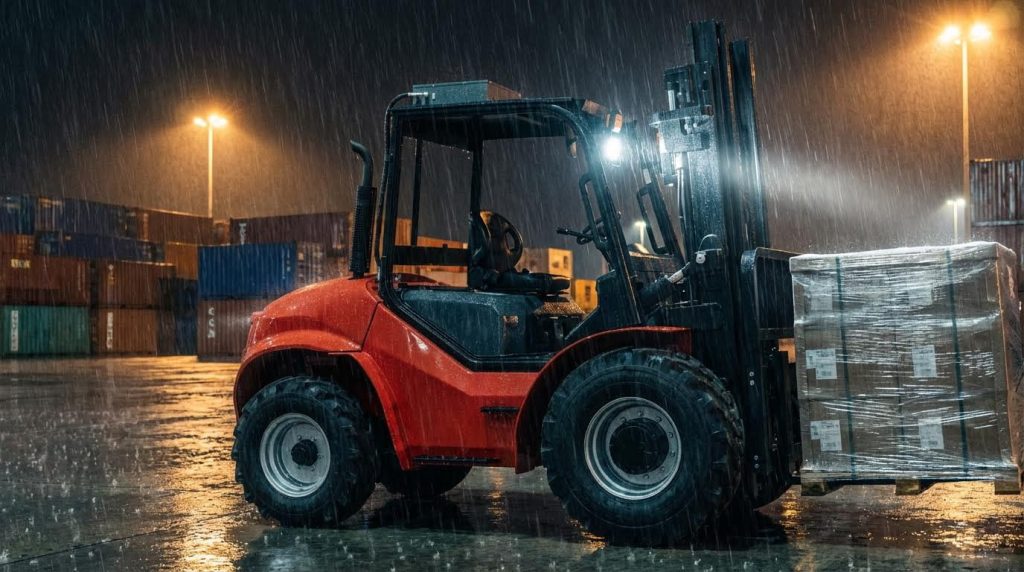
Elektrische heftrucks kunnen alleen in de regen worden gebruikt als de waterdiepte, de blootstellingstijd, de snelheid en het zicht onder controle zijn, en als de IP-classificatie en de staat van de truck overeenkomen met de omstandigheden. Door deze maatregelen wordt de vraag "kunnen elektrische heftrucks in de regen worden gebruikt?" niet langer een ja/nee-vraag, maar een beheersbaar risico.
- Kernidee: Beschouw regen als een gevaarlijke omgeving. Je beheert het door middel van inspectie, limieten en gedisciplineerd rijden.
💡 Opmerking van de veldtechnicus: De meeste ongelukken bij nat weer ontstaan door "even snel door plassen rijden" of door te hard te rijden op glad beton. Stel strikte regels op voor waterdiepte en snelheid en handhaaf deze, net als maximale laadlimieten.
Inspectie vóór gebruik en waterdieptelimieten
Voorafgaande inspecties in de regen richten zich op het voorkomen van water in de elektrische systemen en het vermijden van diep stilstaand water. Op dit punt bepaal je of de omstandigheden veilig zijn of dat de werkzaamheden moeten worden stopgezet.
- Controleer de IP-classificatie en de geschiktheid voor regenachtig weer: Controleer of de vrachtwagen geschikt is voor gebruik buitenshuis of in natte omstandigheden en let op de IP-classificatie, met name het waterdichtheidscijfer (bijv. IPX4). Zorgt ervoor dat het ontwerp daadwerkelijk bestand is tegen regen, en niet alleen tegen stof binnenshuis.
- Controleer de afdichtingen van de accu en de regelkast: Controleer de deksels, pakkingen en rubberen afdichtingen van het accuvak en de elektrische regelkasten op scheuren, openingen of verharding. Vermindert het risico op binnendringen van regenwater en kortsluiting. Richtlijnen voor de inspectie vóór ingebruikname
- Controleer de staat van de kabel en de connector: Zoek naar blootliggend koper, gebarsten isolatie of losse stekkers op zichtbare kabelbomen en aansluitingen. Beschadigde isolatie in combinatie met vocht verhoogt de kans op lekkage en kortsluiting aanzienlijk. Aanbevelingen voor kabelinspectie
- Controleer of de verlichting, claxon en ruitenwissers (indien aanwezig) werken: Test de koplampen, werklampen, remlichten en claxon; controleer de ruitenwissers bij vrachtwagens met een gesloten cabine. Zorgt voor zichtbaarheid en communicatie bij weinig licht en regen. Veiligheidsmaatregelen bij regen
- Controleer de banden en de remwerking: Controleer het profiel en de staat van de luchtbanden of massieve banden, en controleer of de remmen consistent aanvoelen tijdens een langzame stoptest. Een goede grip en voorspelbaar remgedrag zijn cruciaal op natte, wrijvingsarme ondergronden.
- Controleer de beveiliging van de operator: Zorg ervoor dat de overkappingen, luifels of cabines goed sluiten en dat de bestuurder een waterdichte jas en antislipschoenen draagt. Het comfort en de grip van de gebruiker verminderen vermoeidheid en fouten. Aanbevolen beschermende uitrusting
Hoe diep is "te diep" voor water?
Voor de meeste elektrische heftrucks geldt dat u gebieden met stilstaand water dieper dan 100 mm (10 cm) moet vermijden. Op deze diepte kunnen opspattende golven en boeggolven laag gemonteerde elektrische componenten, aansluitdozen en connectoren bereiken, waardoor het risico op waterlekkage en elektrische storingen aanzienlijk toeneemt. Richtlijnen voor het vermijden van waterdiepten
- Controleer de waterdiepte langs de route: Loop de route en markeer of blokkeer alle plassen die dieper zijn dan 100 mm. Voorkomt dat de vrachtwagen in het water terechtkomt, waardoor de elektrische installatie onder het chassis onder water kan komen te staan. grenzen voor stilstaand water
- Beperk de blootstellingstijd aan regen: Bij lichte tot matige regenval dient u het buitengebruik te beperken tot korte, gecontroleerde periodes (vaak 1-2 uur) voordat u de vrachtwagen naar binnen haalt om te drogen en te inspecteren. Vermindert vochtophoping op lange termijn en het risico op corrosie. Aanbevolen blootstellingslimieten
- Na het drogen en inspecteren: Na een regenachtige rit, parkeer de truck onder een afdak, schakel hem uit en laat hem drogen; controleer de afdichtingen en zichtbare elektrische onderdelen opnieuw vóór de volgende dienst. Helpt bij het vroegtijdig opsporen van corrosie of waterlekkage voordat dit tot een defect leidt. Advies over drogen na de operatie
Rijden, remmen en laden en lossen op natte oppervlakken
Rijtechnieken in de regen vereisen dat rekening wordt gehouden met langere remwegen, minder wrijving en beperkter zicht. Ook bij het laden en lossen moet rekening worden gehouden met gladde vorken, natte pallets en zwaardere of instabiele ladingen.
- Verlaag de snelheid drastisch: Stel een lagere maximumsnelheid in voor natte omstandigheden en zorg voor een soepele, geleidelijke acceleratie. Voorkomt verlies van grip en verkort de remweg op glad beton of asfalt. Aanbeveling om langzaam te rijden
- Vermijd plotseling remmen en scherpe bochten: Rem vroeg en voorzichtig, en vergroot de draaicirkel, vooral op hellingen of langs wegmarkeringen. Minimaliseert slippen en zijwaarts glijden, een veelvoorkomende oorzaak van omvallen op nat wegdek. Verminderde grip bij regen.
- Vergroot de afstand tot de voorligger en de remweg: Laat voldoende ruimte over voor voetgangers, voertuigen en de randen van de kade. Compenseert voor een langere remweg op natte oppervlakken met weinig wrijving.
- Gebruik je lichten en claxon proactief: Schakel de koplampen en werklampen in; gebruik de claxon eerder in dode hoeken. Compenseert slecht zicht door regen en weinig omgevingslicht. Zichtbaarheid en signaleringsbegeleiding
- Wees extra voorzichtig bij het beklimmen van hellingen: Vermijd waar mogelijk het beklimmen of afdalen van natte hellingen; als dit onvermijdelijk is, ga dan langzaam en recht omhoog/omlaag, nooit diagonaal. Vermindert het risico op slippen en spinnen bij weinig grip. Glijden op hellingen
Aanpassingen aan de ladingbehandeling bij regenachtig weer
Natte ladingen en pallets gedragen zich anders en kunnen zowel de stabiliteit als de apparatuur aantasten.
- Houd rekening met gewichtstoename: Sommige materialen (bijvoorbeeld hout, karton, textiel) absorberen water en worden zwaarder. Er bestaat een risico op overbelading van de vrachtwagen als je uitgaat van het leeggewicht. Lading hanteren in de regen
- Beveilig gladde ladingen: Natte plasticfolie, metalen of gladde kartonnen dozen kunnen over vorken glijden of in een stapel terechtkomen. Gebruik waar mogelijk strakkere banden, hoekbeschermers of antislipmatten.
- Gebruik beschermhoezen voor vochtgevoelige producten: Gebruik zeilen of krimpfolie om papier, elektronica en andere corrosiegevoelige voorwerpen te beschermen tegen water. Voorkomt dat water doorsijpelt naar de onderliggende onderdelen van de heftruck. Advies voor waterdichte afdekking
- Langzame mastbewegingen: Til, laat zakken en kantel langzamer dan normaal. Voorkomt plotselinge verschuivingen van een gladde, natte lading en vermindert het risico op het instorten van pallets.
- Wees extra voorzichtig bij het stapelen: Natte pallets en stellingbalken kunnen glad zijn. Plaats de vorken zorgvuldig en voorkom dat u de stapels met kracht op hun plaats duwt of stoot. Stapelen van voertuigen bij nat weer
- Voorbereiding op noodstop: Train machinisten hoe ze moeten stoppen, veilig parkeren en de stroom onmiddellijk uitschakelen als ze vermoeden dat er water binnendringt (geur, alarmen of foutcodes). Beperkt schade en voorkomt elektrische gevaren. Training en noodprocedures
- Handhaaf de regel "stop bij twijfel": Als het water dieper is dan verwacht, het zicht te slecht is of de vrachtwagen zich abnormaal gedraagt, stop dan en roep een leidinggevende. Voorkomt dat een elektrische heftruck buiten de veilige regenlimieten wordt gebruikt.
Als mensen vragen "kunnen elektrische heftrucks in de regen gebruikt worden?", is het operationele antwoord ja, maar alleen onder strikte controle, bij geringe waterdiepte (minder dan ongeveer 100 mm), met een lagere snelheid en voorzichtig met de lading om te gaan op natte oppervlakken.
Laatste aandachtspunten voor het gebruik van een heftruck bij regenachtig weer
Veilig gebruik bij regenachtig weer hangt af van drie factoren: de IP-classificatie van de truck, de omstandigheden ter plaatse en de discipline van de bestuurder. Elektrische systemen met een IPX4-classificatie of hoger, afgedichte accuvakken en corrosiebestendige constructies bieden een veiligheidsmarge, maar sluiten risico's niet uit. Diep water, langdurige blootstelling en onverantwoord rijgedrag kunnen nog steeds vocht in motoren, controllers en connectoren persen.
De technische limieten zijn duidelijk. Houd stilstaand water onder de 100 mm. Beschouw "lichte regen" als korte verplaatsingen in de buitenlucht, niet als volledige diensten. Houd rekening met het zwakste IP-gecertificeerde onderdeel van de heftruck. Breng de heftruck na elke rit in natte omstandigheden naar een afdak, laat hem drogen en inspecteer de afdichtingen, kabels en remwerking. Dit vertraagt corrosie en beschermt de isolatie op de lange termijn.
Operationele teams moeten deze ideeën vastleggen in de regels voor de locatie. Stel verboden op waterdiepte vast, verlaag de snelheid bij nat weer en bepaal de maximale blootstellingstijd. Train operators om te stoppen bij het eerste teken van wateroverlast of verminderd zicht. Gebruik Atomoving of andere duidelijk gecertificeerde apparatuur wanneer buitengebruik in de regen routine is. Bij twijfel, parkeer de truck en wacht. De beste praktijk is simpel: zorg ervoor dat het ontwerp, de omstandigheden en de procedures op elkaar zijn afgestemd voordat u ooit met een elektrische heftruck de regen inrijdt.
Veelgestelde Vragen / FAQ
Kunnen elektrische heftrucks in de regen gebruikt worden?
Elektrische heftrucks kunnen in de regen worden gebruikt, maar alleen als ze een geschikte waterdichtheidsclassificatie hebben. Heftrucks met een 'IPX4'-classificatie of hoger zijn veilig te gebruiken in regenachtige omstandigheden. De IP-code geeft de mate van bescherming tegen water aan; een classificatie van nul betekent bijvoorbeeld geen bescherming, terwijl een classificatie van 8 betekent dat de heftruck volledig waterdicht is en zelfs onder water kan worden ondergedompeld. Zie de handleiding voor waterdichtheid van heftrucks.
Zijn er risico's verbonden aan het gebruik van materiaalbehandelingsapparatuur in natte omstandigheden?
Het gebruik van materiaalbehandelingsapparatuur zoals schaarhoogwerkers in de regen kan verschillende risico's met zich meebrengen. Regen kan corrosie, elektrische problemen en gladde oppervlakken veroorzaken, waardoor de bediening minder veilig wordt. Het is belangrijk ervoor te zorgen dat de apparatuur geschikt is voor gebruik buitenshuis en voldoende bescherming biedt tegen water. Raadpleeg altijd de richtlijnen van de fabrikant voordat u machines in natte omstandigheden gebruikt. Tips voor het gebruik van schaarhoogwerkers buitenshuis.