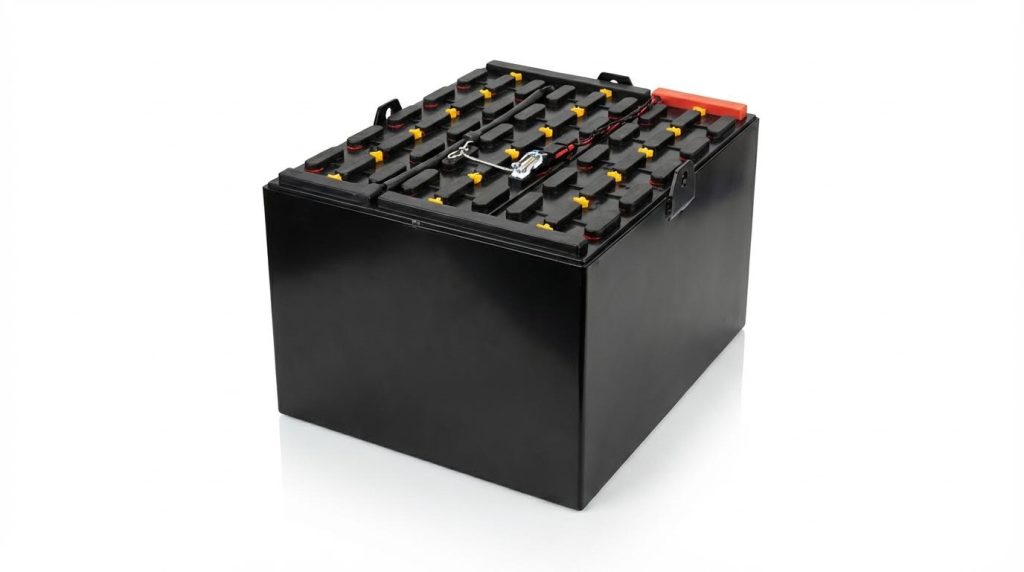
Als u zich afvraagt wie de accu's van elektrische heftrucks mag opladen en vervangen, is het antwoord simpel: alleen getraind en bevoegd personeel. Deze handleiding beschrijft de training, veiligheidsregels en facilitaire normen die u nodig hebt om te voldoen aan de regelgeving en uw team te beschermen. U zult zien hoe OSHA-vereisten, accutechnologie en praktische werkprocedures met elkaar samenhangen. Gebruik deze handleiding als blauwdruk voor het ontwerpen van veilige laadruimtes, het trainen van operators en het verminderen van risico's rondom accusystemen met een hoog vermogen.
Wie is bevoegd om batterijen op te laden en te vervangen?
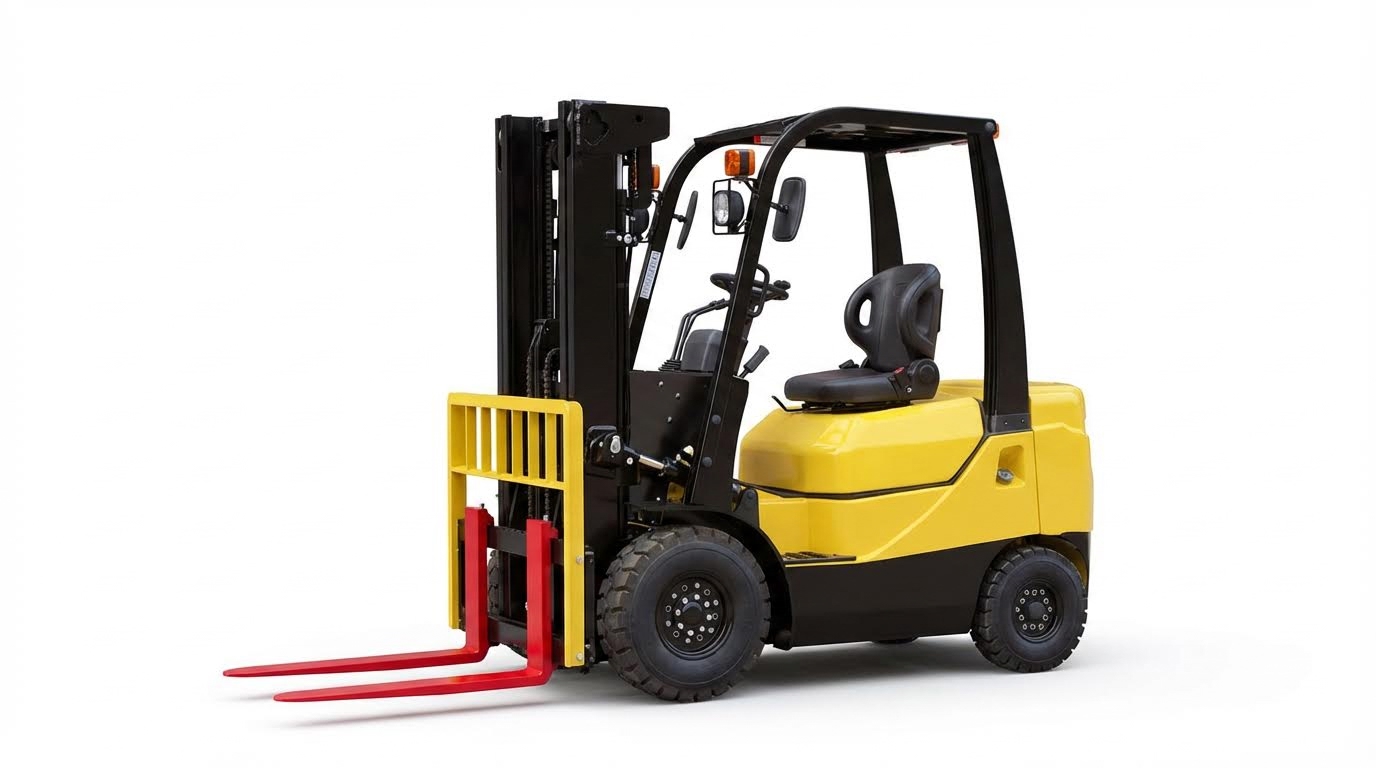
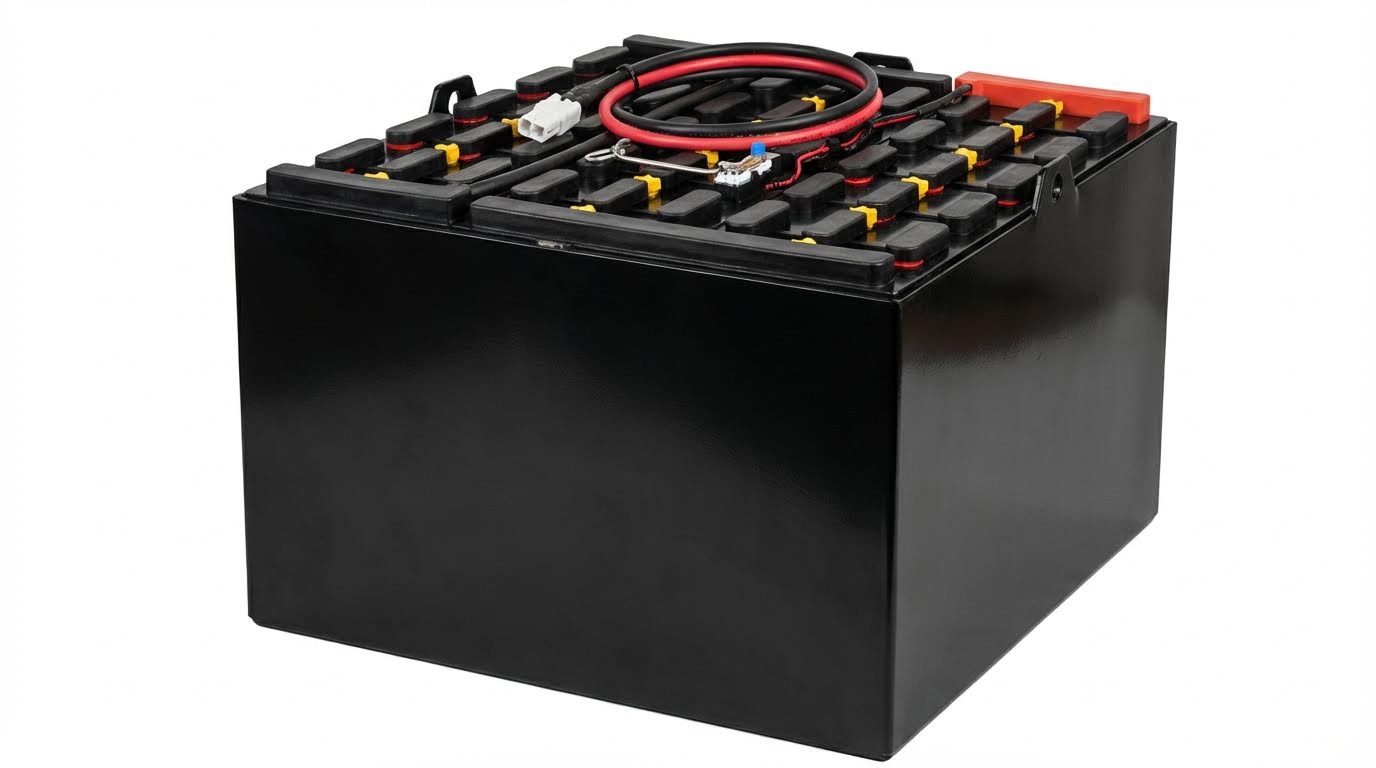
Alleen werknemers die door de werkgever formeel zijn opgeleid, beoordeeld en bevoegd verklaard voor het opladen en vervangen van accu's in elektrische heftrucks, mogen dit doen. Alle anderen moeten uit de buurt blijven van het laad- en vervangingsproces en het daarvoor bestemde accugebied.
In de praktijk betekent dit dat uw schriftelijke programma moet definiëren wie tractiebatterijen mag aanraken, welke training zij hebben gevolgd en hoe u de toegang tot laders, batterijruimtes en hijsinstallaties controleert. Het doel is om brandwonden door zuur, waterstofexplosies en beknellings-/elektrische verwondingen door batterijpakketten van 500 tot 2,000 kg te voorkomen.
OSHA-vereisten voor “opgeleid en bevoegd” personeel
OSHA vereist dat alleen getraind en bevoegd personeel de accu's van industriële heftrucks mag hanteren, inclusief het opladen, vervangen en onderhouden ervan. Dit geldt direct voor de vraag wie de accu's van elektrische heftrucks mag opladen en vervangen.
- Formele opleidingseis: OSHA-norm 1910.178(g)(1) schrijft voor dat iedereen die met industriële heftruckaccu's werkt, een formele opleiding moet volgen. Je kunt dit niet als een incidentele taak aan ongetraind personeel toewijzen. Zie de OSHA-samenvatting.
- Omvang van de vaardigheden: De training moet onderwerpen behandelen zoals elektrische veiligheid, lastbeheer, waterstofventilatie, reageren op lekkages en het gebruik van persoonlijke beschermingsmiddelen. Het gaat niet alleen om "hoe je een oplader inplugt". Referentie
- Hercertificeringsinterval: De certificering moet minimaal elke drie jaar worden vernieuwd, of eerder na een incident of een grote wijziging aan de apparatuur. Dit zorgt ervoor dat de vaardigheden actueel blijven voor nieuwe chemische processen zoals lithium-ionbatterijen. Details
- Batterijspecifieke gevaren: De training moet aandacht besteden aan brandwonden door zuur, waterstofontsteking en de risico's van het hanteren van zware accu's; accu's van elektrische heftrucks wegen vaak 500 tot 2,000 kg. Als een rugzak valt, kan dat de voeten, bagagedragers of het chassis van de vrachtwagen verpletteren. Referentie voor batterijgewicht
- Lockout/Tagout (LOTO): Geautoriseerd personeel moet de LOTO-procedures kennen voor het isoleren van de hoofdzekeringen van de accu voordat onderhoudswerkzaamheden worden uitgevoerd. Dit voorkomt vlambogen van 48-80 V die een stroomsterkte van 100 A of meer kunnen leveren. LOTO-richtlijnen
- Handhaving van de bescherming van persoonlijke beschermingsmiddelen: OSHA schrijft voor dat er zuurbestendige handschoenen, een ANSI-gecertificeerde oogbescherming en veiligheidsschoenen gedragen moeten worden bij het vervangen of opladen van batterijen. Dit is vooral van cruciaal belang in de buurt van open loodzuuraccu's en gemorste neutralisatoren. Samenvatting van persoonlijke beschermingsmiddelen
- Sancties bij niet-naleving: Het toestaan dat ongetrainde werknemers batterijen opladen of vervangen kan leiden tot boetes van OSHA tot USD 15,625 per overtreding, plus mogelijke strafrechtelijke aansprakelijkheid bij letsel. Dit verandert een "sluiproute" in een ernstig juridisch risico. Referentie voor straf
💡 Opmerking van de veldtechnicus: Wanneer auditors een locatie bezoeken, is een van de eerste vragen die ze stellen: "Wie is bevoegd om deze batterijen op te laden en te vervangen?" Als uw personeel op de werkvloer allemaal verschillende antwoorden geeft, hebt u al een nalevingsprobleem, zelfs voordat ze de laders inspecteren.
Welke documentatie bewijst dat iemand "geautoriseerd" is?
Houd een eenvoudige matrix bij met een overzicht van elke medewerker, de datum van de eerste batterijtraining, de behandelde onderwerpen (laden, vervangen, reageren op lekkages, LOTO) en de datum van de laatste herhalingstraining. Voeg kopieën van trainingsverslagen of certificaten toe. Bewaar deze matrix op een gemakkelijk bereikbare plaats in de buurt van het veiligheidskantoor of de batterijruimte.
Kerncompetenties voor batterijbehandelaars
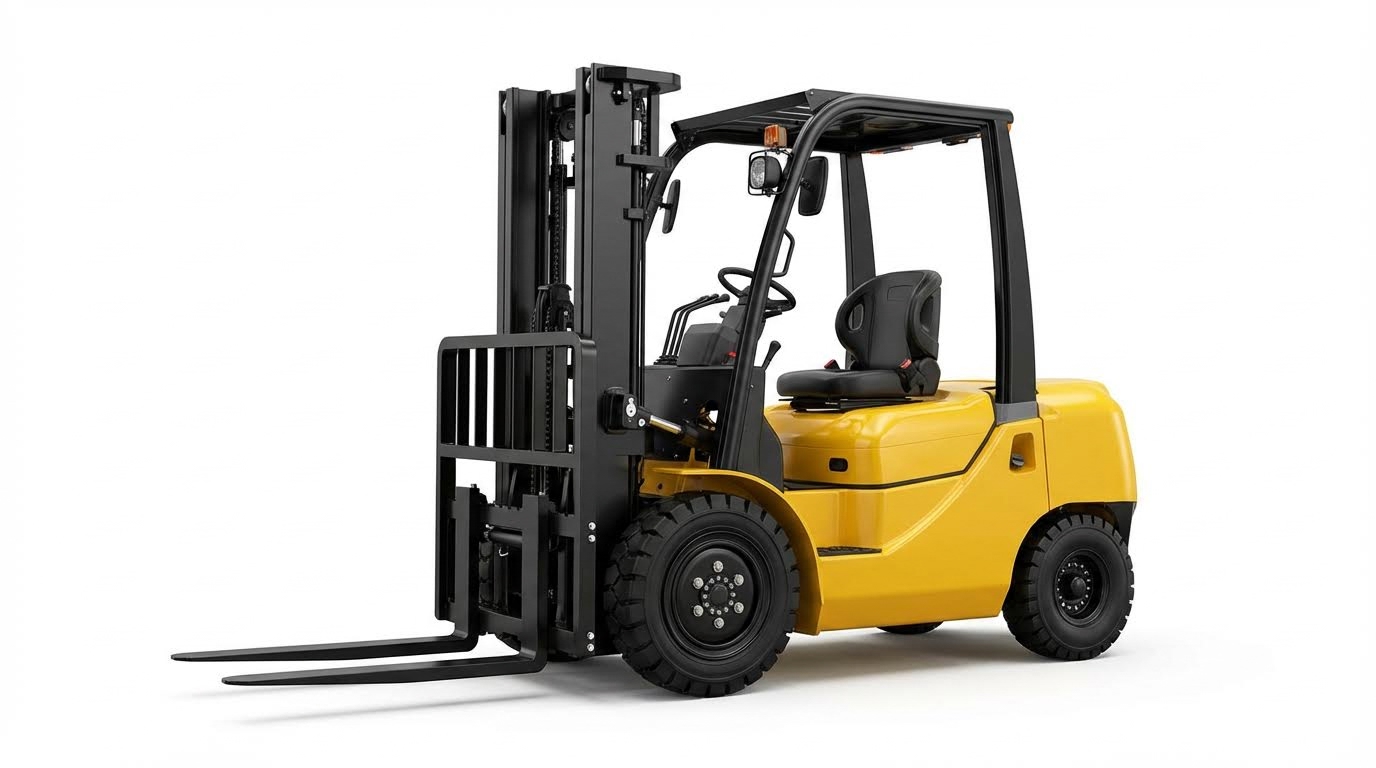
Geautoriseerd personeel moet specifieke competenties aantonen voordat zij accu's mogen opladen of vervangen in elektrische heftrucks. Deze competenties omvatten technische stappen, het herkennen van gevaren en noodmaatregelen.
| Competentiegebied | Wat de werknemer moet kunnen doen | Operationele impact |
|---|---|---|
| Batterij-identificatie | Onderscheid loodzuuraccu's van lithium-ionaccu's en ken de spannings-/klasseaanduidingen. | Voorkomt het gebruik van een verkeerde oplader of instellingen, waardoor het risico op brand en schade wordt verminderd. |
| Oplaadprocedures | Volg de juiste volgorde: positioneer de truck, zet de rem vast, sluit de lader aan met de juiste polariteit en respecteer de stroomlimieten (bijv. afgesloten ventilatieopeningen <≈25 A). | Verlengt de levensduur van de batterij en voorkomt oververhitting of ontluchting tijdens het opladen. OSHA-procedurereferentie |
| Waterstofbeheersing | Leg uit waarom ontluchtingsdoppen moeten functioneren, afdekkingen open moeten zijn en ventilatie vrij moet blijven tijdens het opladen van loodzuuraccu's. | Vermindert het explosiegevaar door waterstofophoping in batterijruimtes. Veiligheid van waterstof |
| Keuze en gebruik van persoonlijke beschermingsmiddelen | Kies en draag voor elke taak op de juiste manier een veiligheidsbril, gelaatscherm, zuurbestendige handschoenen, schort en veiligheidsschoenen. | Vermindert oog-, huid- en voetletsel door spatten en vallende onderdelen. Richtlijnen voor persoonlijke beschermingsmiddelen |
| Handmatige en mechanische hantering | Gebruik hijsbalken of geschikte apparatuur; gebruik nooit kettingen die de kisten kunnen vervormen. Houd rekening met het gewichtsbereik (ongeveer 500–2,000 kg). | Voorkomt rugblessures en structurele schade aan accu's en vrachtwagens. Gewichtsreferentie |
| Reactie op morsen | Gebruik soda/bakpoeder om zwavelzuur te neutraliseren, controleer of de pH tussen 6 en 8 ligt en voer het afval af volgens de plaatselijke voorschriften. | Zet een risicovolle lekkage om in een gecontroleerde opruiming, waardoor brandgevaar en milieuovertredingen worden voorkomen. Morsingsprocedure |
| Noodgebruik van oogspoeling en oogdruppels | Spoel de ogen en de huid onmiddellijk gedurende 15 minuten met water en raadpleeg een arts na blootstelling aan zuur. | Beperkt de ernst van chemische brandwonden en ondersteunt de naleving van OSHA-voorschriften voor noodvoorzieningen. Oogspoelingsvereisten |
| Lithium-specifieke controles | Herken alarmen van het batterijbeheersysteem (BMS) of de lader, abnormale hitte of rook, en weet wanneer u het opladen moet stoppen en het gebied moet evacueren. | Vermindert het risico op thermische oververhitting en brand in lithiumaccu's met hoge energiedichtheid. Lithiumadvies |
- Dagelijkse gebiedsinspectie: Geautoriseerde medewerkers moeten controleren of de laadzone vrij is van brandbare materialen, of de ventilatieopeningen open zijn en of de kabels/aansluitingen intact zijn voordat ze met het laden beginnen. Dit is je laatste verdedigingslinie tegen kleine fouten die uitgroeien tot incidenten. Inspectie referentie
- De regels "niet roken / geen vonken" begrijpen: Werknemers moeten weten dat roken, open vuur en onbeveiligde vlambogen verboden zijn in laadruimtes vanwege waterstof en brandbare dampen. Dit is een niet-onderhandelbaar veiligheidsgedrag. Gebiedsregels
💡 Opmerking van de veldtechnicus: Een snelle competentietest die ik gebruik: vraag de medewerker om uit te leggen wat hij of zij zou doen als een cel veel gas begint te lekken of als een lithiumaccu een storing vertoont en heet aanvoelt. Als ze geen duidelijk, stapsgewijs antwoord kunnen geven, zijn ze nog niet klaar om zelfstandig te werken.
Minimale praktijktest voordat iemand bevoegd wordt verklaard
Laat de cursist onder begeleiding een volledige cyclus uitvoeren: inspectie vóór gebruik, veilige aansluiting, start van het laadproces, tussentijdse controle en uitschakeling, plus een gesimuleerde reactie op een lekkage met behulp van een neutralisator. Gebruik een checklist en laat de cursist aftekenen zodra elke stap correct is voltooid.
Functies: Operators, Onderhoud en Externe Service
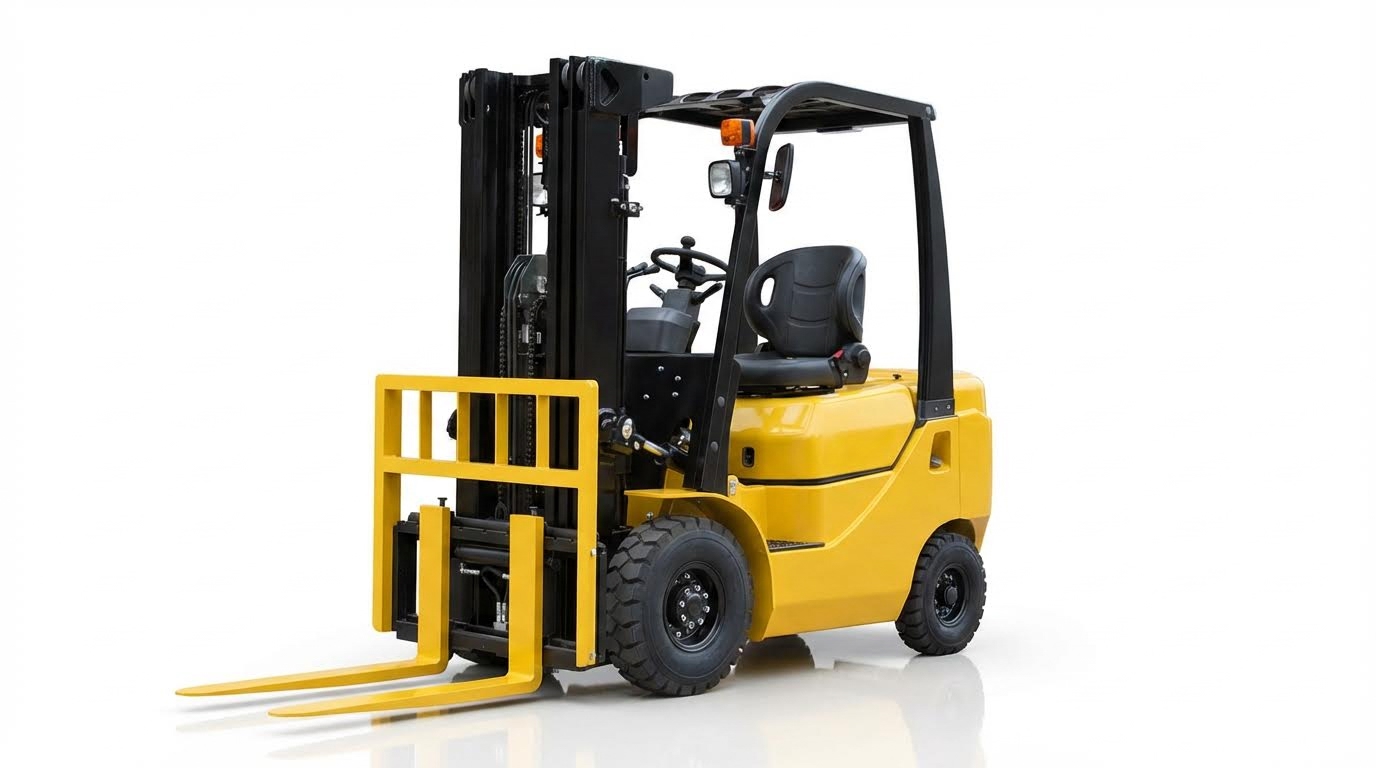
In een gecertificeerde faciliteit hangt het opladen en vervangen van accu's in elektrische heftrucks af van de functie, de mate van training en de gebruikte accutechnologie. Niet elke functie vereist hetzelfde autorisatieniveau.
| Rol | Typisch autorisatieniveau | Wat ze mogelijk zullen doen | Best voor… |
|---|---|---|---|
| Heftruckchauffeurs | Basisbevoegdheid voor het hanteren van batterijen na een door OSHA goedgekeurde training. | Voer routinematig opladen, eenvoudige visuele inspecties en (indien het ontwerp dit toelaat) simpele batterijwissels uit met behulp van vaste apparatuur. | Vrachtwagenparken met één ploegendienst of kleine vloten waarbij chauffeurs hun eigen energievoorziening tussen de diensten regelen. |
| Onderhoudspersoneel / technici in eigen dienst | Geavanceerde bevoegdheid met uitgebreidere elektrische en mechanische training. | Beheer complexe wijzigingen, los problemen met laders op, voer LOTO-procedures uit en coördineer de reactie op lekkages of de isolatie van beschadigde accu's. | Middelgrote tot grote magazijnen met meerdere laadstations en een mix van chemische stoffen. |
| Externe dienstverleners | Specialistische autorisatie, vaak OEM-gecertificeerd. | Werkzaamheden aan complexe lithium-ion-accupakketten, BMS-programmering, reparaties op module-niveau en verwijdering/afvoer van afgedankte apparatuur. | Locaties die gebruikmaken van hoogspanningslithiumsystemen of die niet over de interne expertise op het gebied van elektrotechniek beschikken. Referentie voor rolverdeling |
| Leidinggevenden / managers | Programma-toezicht, niet per definitie actieve betrokkenheid. | Goedkeuring verlenen aan trainingen, autorisatielijsten bijhouden, ervoor zorgen dat persoonlijke beschermingsmiddelen en morskits op voorraad zijn en de regels van het gebied handhaven. | Elke locatie die moet aantonen dat ze voldoet aan de OSHA-voorschriften en dat de autorisatie traceerbaar is. |
- Operators als primaire laders: Veel faciliteiten geven operators na een training de bevoegdheid om laadpalen aan te sluiten en los te koppelen, omdat het opladen een dagelijkse taak is die gekoppeld is aan ploegwisselingen. Hierdoor blijven de vrachtwagens beschikbaar zonder te hoeven wachten op onderhoudspersoneel.
- Onderhoud bij het vervangen van grote accu's: Bij accu's die via de zijkant worden verwijderd of waarvoor kranen/rollen nodig zijn, mogen vervangingen alleen worden uitgevoerd door onderhoudspersoneel of speciaal opgeleid personeel. Ze hebben inzicht in de krachten die vrijkomen bij het dragen van lasten en de beperkingen van de uitrusting voor rugzakken van 500 tot 2,000 kg.
- Externe specialisten voor lithium: Bij grote lithium-ion-systemen worden de vervanging van accupakketten en het onderhoud van het batterijbeheersysteem (BMS) vaak door externe technici uitgevoerd. Onjuiste bedrading of het overslaan van spanningsbalanscontroles kunnen controllers beschadigen of thermische problemen veroorzaken. Lithiumbehoefte
💡 Opmerking voor de veldtechnicus: Een praktische regel: als de taak het openen van accubehuizingen, het omzeilen van vergrendelingen of het aanraken van iets in een lithiumaccupakket vereist, beschouw dit dan als een taak die alleen door een externe of ervaren technicus mag worden uitgevoerd. Het routinematig opladen via een stekker kan door een operator worden gedaan, maar alles wat daarbuiten valt, vereist specialistische kennis.
Hoe controleer je wie er daadwerkelijk accuwerkzaamheden uitvoert?
Gebruik eenvoudige beveiligingsmaatregelen: met sleutels beveiligde laadpanelen, toegangspassen voor accuruimtes en borden met de tekst "Alleen voor bevoegd personeel". Train leidinggevenden om iedereen die zonder de juiste persoonlijke beschermingsmiddelen of de vereiste autorisatie aan accu's werkt, te stoppen en te verwijzen.
Technische veiligheidsnormen voor batterijlaadruimtes
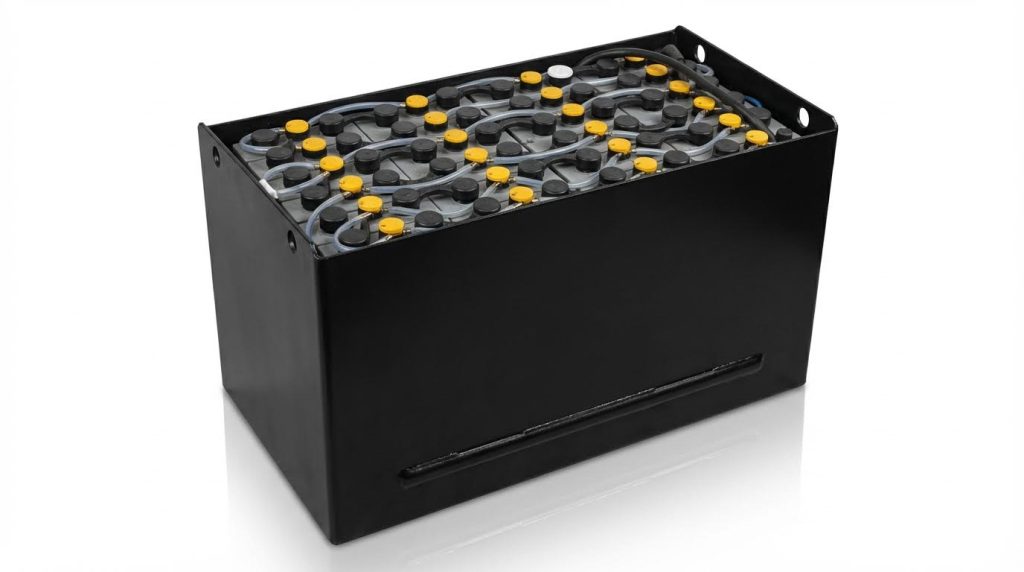
Technische veiligheidsnormen voor laadruimtes voor heftruckaccu's beschrijven hoe de zone moet worden ontworpen, geventileerd, uitgerust en beveiligd, zodat alleen getrainde personen die accu's van elektrische heftrucks kunnen opladen en vervangen, er veilig en legaal kunnen werken.
Deze regels hebben betrekking op risico's zoals waterstofgas, elektrische schokken, brand, blootstelling aan zuur en handmatige handling bij accu's van 500 tot 2,000 kg, en vormen de basis voor elk beleid dat geldt voor "getraind en bevoegd" personeel in een magazijn of fabriek.
Indeling, ventilatie en waterstofbeheersing
De normen voor indeling, ventilatie en waterstofbeheersing zorgen ervoor dat het laadgebied fysiek is afgescheiden, duidelijk gemarkeerd en geventileerd, zodat waterstofgas dat vrijkomt bij het opladen van loodzuuraccu's nooit explosieve niveaus bereikt.
Een conforme lay-out ondersteunt ook uw interne regels over wie de accu's van elektrische heftrucks mag opladen en vervangen, door de zone duidelijk af te bakenen en gemakkelijk te controleren.
| Ontwerpelement | Kernvereiste / Goede praktijk | Operationele impact |
|---|---|---|
| Aangewezen laadzone | Afgescheiden gebied, weg van verkeer en brandbare materialen, met duidelijke vloermarkeringen en borden die de toegang beperken. OSHA eTool | Voorkomt dat voetgangers en ongetraind personeel binnenkomen; vermindert schade door aanrijdingen en de verspreiding van brand. |
| Vrijhouden zone | Geen rommel, pallets of opslag voor de laders en accurekken. OSHA eTool | Maakt veilige positionering van de vrachtwagen, het verwijderen van de accu en toegang in geval van nood mogelijk. |
| Ventilatie voor waterstof | Voldoende luchtcirculatie is essentieel om te voorkomen dat waterstofwaterstof afkomstig van het opladen van loodzuuraccu's zich ophoopt; ventilatieopeningen en ventilatoren mogen niet geblokkeerd zijn. OSHA-richtlijnen voor ventilatie | Vermindert het explosiegevaar; ondersteunt de naleving van OSHA 1910.178(g)(4). Veiligheid van waterstofventilatie |
| Open de batterijdeksels | Houd de accukapjes tijdens het opladen open om warmte en gas af te voeren. Oplaadprocedures | Verbetert de koeling en waterstofafvoer in afgesloten ruimtes. |
| Niet roken / geen ontstekingsbronnen | Duidelijk zichtbare borden met "Roken verboden" en "Geen open vuur"; werkzaamheden met open vuur en gereedschap dat vonken produceert zijn in het gebied verboden. Batterijruimtevereisten | Voorkomt ontsteking van waterstof-luchtmengsels in de buurt van ontluchtende batterijen. |
- Scheid het gebied af: Gebruik geschilderde lijnen en afscheidingen – Hierdoor is duidelijk te zien waar alleen getrainde batterijbehandelaars toegang hebben.
- Bescherm de luchtstroomkanalen: Houd ventilatoren, lamellen en dakventilatieopeningen vrij – Verstopte ventilatieopeningen zijn een veelvoorkomende oorzaak van waterstofophoping.
- Verkeersbeheer: weg palletwagens en heftrucks rondom, en niet door, het laadperron – Vermindert schade door botsingen en impact aan laders.
- Standaardiseer de signalisatie: Gebruik consequent de formulering "Alleen voor bevoegd personeel" – Dit koppelt de fysieke ruimte aan uw beleid met betrekking tot wie de accu's van elektrische heftrucks mag opladen en vervangen.
Hoe controleer je of je ventilatie voldoende is?
Werk samen met een gekwalificeerde ingenieur om de waterstofproductie op basis van uw geïnstalleerde batterijcapaciteit te berekenen en vergelijk deze met de mechanische of natuurlijke ventilatiesnelheid. Controleer of het aantal luchtverversingen per uur voldoende blijft, zelfs met gesloten deuren en winterafsluitingen.
💡 Opmerking van de veldtechnicus: In koude klimaten kunnen plastic strokengordijnen en gesloten laadperrondeuren de luchtstroom ongemerkt belemmeren. Controleer elke winter of de waterstof die vrijkomt bij het opladen van loodaccu's nog steeds een vrije uitweg heeft; verminder anders het aantal gelijktijdige laders of verhoog de ventilatorcapaciteit.
Elektrische beveiliging, LOTO en apparatuurclassificaties
Elektrische beveiliging, vergrendelings-/etiketteringsvoorschriften (LOTO) en normen voor apparatuurclassificatie zorgen ervoor dat laders, kabels en stopcontacten de juiste afmetingen hebben, geaard en geïsoleerd zijn, zodat batterijgebruikers niet worden blootgesteld aan stroomvoerende circuits met hoge stroomsterkte.
Dit vormt de basis van elk beleid dat bepaalt wie de accu's van elektrische heftrucks mag opladen en vervangen, omdat alleen mensen die getraind zijn in het omgaan met deze elektrische gevaren het systeem mogen aanraken.
| Elektrische veiligheidsaspecten | Kernvereiste / Praktijk | Operationele impact |
|---|---|---|
| Dimensie en aarding van circuits | Opladers moeten worden aangesloten op correct gedimensioneerde, geaarde stroomcircuits met geschikte beveiligingsvoorzieningen. Veiligheid van het laadstation | Voorkomt oververhitting van bedrading, ongewenste uitschakelingen en brand. |
| Conditie van kabel en connector | Controleer dagelijks op beschadigingen, oververhitting en losse of vervuilde connectoren. Dagelijkse inspectieprotocollen | Vermindert vonkvorming, slecht contact en defecten aan connectoren. |
| LOTO voor onderhoud | Schakel de hoofdzekeringen van de accu uit en volg de vergrendelings-/markeerprocedures voordat u onderhoudswerkzaamheden uitvoert; verwijder sieraden om onbedoelde kortsluiting te voorkomen. LOTO-procedures | Voorkomt dodelijke elektrische schokken of brandwonden bij werkzaamheden aan hoogstroomsystemen van 24–80 V. |
| Verbindingsvolgorde | Sluit eerst de positieve klem (+) aan, daarna de negatieve (-); controleer de polariteit voordat u de stroom inschakelt. Oplaadprocedures | Minimaliseert vonkvorming en beschermt vrachtwagencontrollers tegen schade door omgekeerde polariteit. |
| Huidige limieten voor afgedichte ventilatieopeningen | Laad accu's met afgesloten ventilatieopeningen niet op met een stroomsterkte van meer dan 25 A. Richtlijnen voor huidige limieten | Voorkomt overdruk, defecten aan de ontluchting en thermische schade. |
| Controle van lithiumbatterijen | Controleer na het installeren van de lithiumbatterijen de spanningsbalans en volg de instructies van de fabrikant met betrekking tot polariteit en het batterijbeheersysteem (BMS). Spanningsbalanscontroles | Beschermt waardevolle accupakketten en elektronica in vrachtwagens tegen verkeerde bedrading. |
- Gebruik uitsluitend goedgekeurde apparatuur: Stem de spanning en stroomsterkte van de lader af op de accu en de voeding. Voorkomt chronische oververhitting en voortijdig defect raken.
- Formaliseer LOTO: Behandel accu's met een hoge capaciteit net als elke andere energiebron – LOTO moet in uw schriftelijke procedure staan, niet slechts een kwestie van "gezond verstand".
- Beperk de toegang tot panelen: Houd de verdeelborden en laadinstellingen vergrendeld. Alleen elektriciens en gecertificeerde accutechnici mogen ze afstellen.
- Trainen op risico's van boogontladingen: Benadruk dat 48-80 V bij honderden ampères ernstige brandwonden kan veroorzaken. Dit onderstreept waarom alleen getraind personeel de verbinding mag maken of verbreken.
Dagelijkse checklist voor elektrische veiligheid voor operators
Voordat de stekker in het stopcontact wordt gestoken, moeten operators controleren of: de laadruimte vrij is van brandbare materialen, de ventilatieopeningen van de lader niet verstopt zijn, de kabels geen beschadigingen of blootliggende geleiders hebben, de connectoren schoon zijn en goed vastzitten, en er geen alarmen van het batterijbeheersysteem (BMS) of de lader actief zijn. Dagelijkse inspectieprotocollen
💡 Opmerking van de veldtechnicus: De meeste ernstige elektrische incidenten die ik heb gezien, gebeurden niet tijdens normaal opladen; ze gebeurden toen "behulpzame" ongetrainde medewerkers probeerden aan een stroomvoerende connector te wiebelen of een doorgeslagen stroomonderbreker te resetten. Goede LOTO (Lockout/Tagout) en strikte toegangsregels zijn meer waard dan de meest geavanceerde lader.
Nooduitrusting, oogspoeling en reactie op olieverontreiniging
Nooduitrusting, oogspoelstations en procedures voor het reageren op gemorste stoffen zorgen ervoor dat, wanneer er iets misgaat – zoals een zuurspat, rookontwikkeling of een gemorste vloeistof – getraind personeel over de juiste apparatuur en procedures beschikt om de situatie snel onder controle te krijgen.
Deze vereisten ondersteunen direct uw beslissing over wie de accu's van elektrische heftrucks mag opladen en vervangen, omdat alleen mensen die getraind zijn in het gebruik van deze nooduitrusting in de laadzone mogen werken.
| Noodvoorziening | Kernvereiste / Praktijk | Operationele impact | |||||||||||||||||||||||
|---|---|---|---|---|---|---|---|---|---|---|---|---|---|---|---|---|---|---|---|---|---|---|---|---|---|
| Oogspoel- en spoelfaciliteiten | Binnen het werkgebied moeten snelspoel- of afspoelstations aanwezig zijn die gedurende 15 minuten een continue waterstroom kunnen leveren; oogdouches moeten zich binnen circa 7.5 m (25 ft) bevinden. Noodvoorzieningen Specificaties van de oogspoeling | Maakt onmiddellijke spoeling na een zuurspat mogelijk, waardoor de ernst van de verwonding wordt verminderd. | |||||||||||||||||||||||
| Morsingskits en neutralisatoren | Gebruik soda of baksoda om gemorst zwavelzuur te neutraliseren; houd u aan de OSHA-voorschriften voor gevaarcommunicatie. Afhandeling van gemorste zuren Vereisten voor een morskit | Maakt een veilige en snelle neutralisatie van lekkages uit beschadigde accu's mogelijk. | |||||||||||||||||||||||
| Brandbeveiliging | Zorg voor droge poederblussers, CO₂-blussers of schuimblussers in de laadruimte. Brandbeveiliging in het batterijgebied | Maakt een eerste reactie mogelijk bij elektrische branden of branden veroorzaakt door waterstof. | |||||||||||||||||||||||
| Persoonlijke beschermingsmiddelen voor noodsituaties | Gelaatsscherm met veiligheidsbril, zuurbestendige handschoenen, zuurbestendig schort/kleding en veiligheidsschoenen voor iedereen die met batterijen of gemorste vloeistoffen werkt. Persoonlijke beschermingsmiddelen (PBM's) voor het hanteren van batterijen | Vermindert het risico op brandwonden tijdens normale werkzaamheden en schoonmaakactiviteiten. | |||||||||||||||||||||||
| Noodprocedures | Schriftelijke stappen voor gevallen van zuurspatten, morsen, oververhitting en rookontwikkeling door lithiumbatterijen, inclusief het stoppen van het opladen, het ontruimen van het gebied en het waarschuwen van hulpdiensten. Veilige procedures voor loodzuur- en lithium-vorkheftruckaccu's
Veilige procedures voor loodzuur- en lithium-accu's van heftrucks beschermen mensen tegen brandwonden door zuur, elektrische schokken, brand en beknelde ledematen, en ze definiëren wie accu's in elektrische heftrucks mag opladen en vervangen volgens regels die vergelijkbaar zijn met die van OSHA. In dit gedeelte worden stapsgewijze methoden uitgelegd, wat er anders moet worden gedaan bij lithiumbatterijen en hoe persoonlijke beschermingsmiddelen en hijsinstallaties correct moeten worden gebruikt, zodat alleen getraind en bevoegd personeel deze energierijke systemen veilig kan hanteren. Stapsgewijs opladen en vervangen van een loodaccuHet opladen en vervangen van loodzuuraccu's voor heftrucks is een gecontroleerde procedure die door getraind personeel moet worden gevolgd om waterstofexplosies, brandwonden door zuur en elektrische storingen te voorkomen. Deze stappen gaan ervan uit dat er een aangewezen laadruimte is met ventilatie, oogspoeling, brandbeveiliging en middelen voor het beheersen van gemorste vloeistoffen. Alleen getrainde en bevoegde medewerkers mogen deze taken uitvoeren. Bron
Reactie op gemorst en gespat zuur tijdens het opladenBij morsen van zwavelzuur, neutraliseer dit met soda of zuiveringszout in een verhouding van ongeveer 0.45 kg per 3.8 liter water totdat het bruisen stopt en de pH 6-8 is. Absorbeer vervolgens het gemorste zwavelzuur en voer het af volgens de plaatselijke voorschriften. Bij contact met de ogen of de huid, minimaal 15 minuten spoelen met water in een oogdouche of spoelstation en medische hulp inroepen.
Specifieke procedures voor de behandeling van lithium-ionbatterijen en controles van het batterijbeheersysteem (BMS)Lithium-ion-accu's voor heftrucks vereisen strengere controle op elektrische gevaren, de status van het batterijbeheersysteem (BMS) en het thermisch gedrag. Vaak mogen alleen door de fabrikant opgeleide of speciaal gecertificeerde medewerkers deze accu's vervangen of onderhouden. Vergeleken met loodzuuraccu's werken lithiumaccu's met hogere spanningen, slaan ze meer energie per kilogram op en zijn ze sterk afhankelijk van hun batterijbeheersysteem (BMS) voor de veiligheid. Onjuist gebruik kan de controllers beschadigen of thermische problemen veroorzaken. Bron
Persoonlijke beschermingsmiddelen, handmatig tillen en gebruik van hijs- en tilapparatuur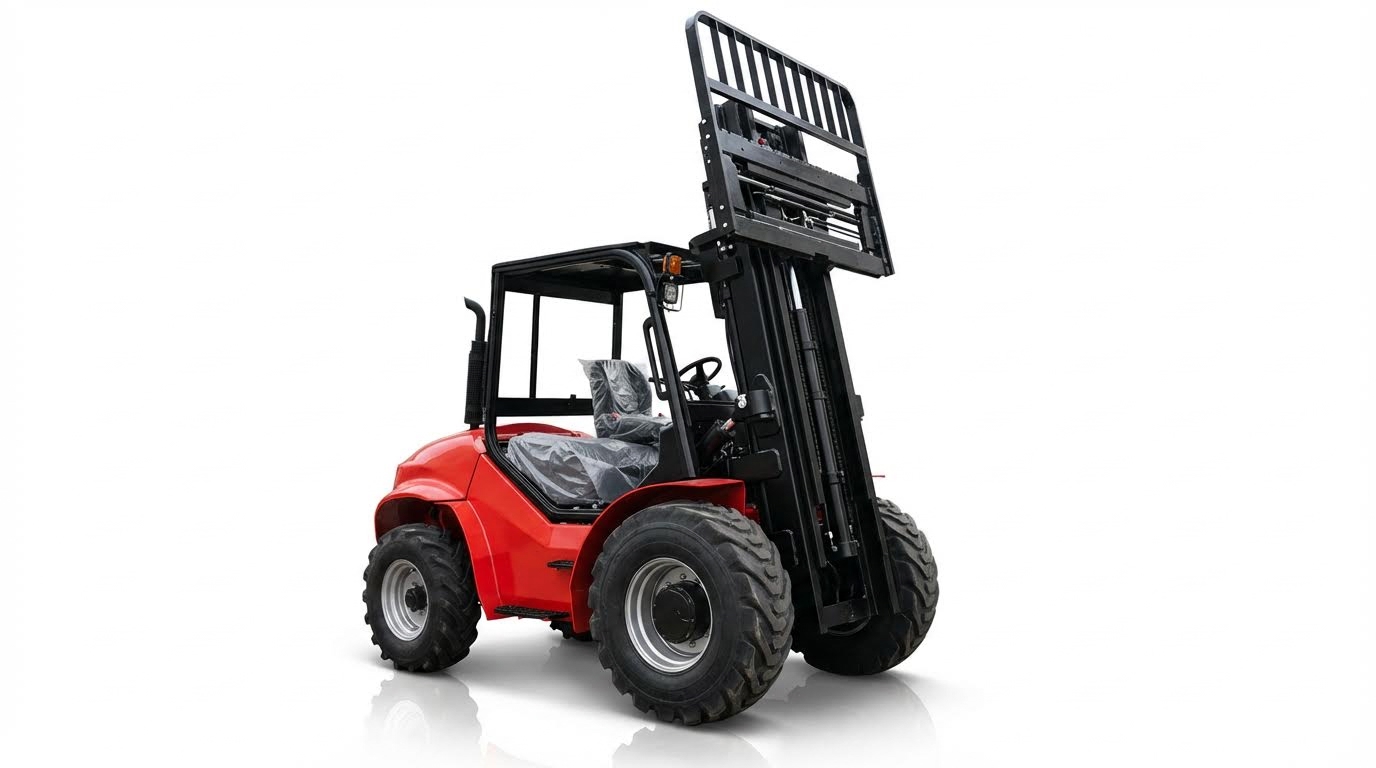 Persoonlijke beschermingsmiddelen, de juiste tiltechniek en de juiste keuze van hijsapparatuur zorgen ervoor dat geschreven procedures daadwerkelijk bescherming bieden wanneer werknemers batterijen van 500 tot 2,000 kg verplaatsen en werken in de buurt van zuur en onder spanning staande aansluitingen. Deze voorschriften bepalen in de praktijk ook wie de accu's van elektrische heftrucks mag opladen en vervangen: alleen mensen die getraind zijn in het gebruik van de juiste persoonlijke beschermingsmiddelen en mechanische hulpmiddelen mogen deze accu's aanraken.
|