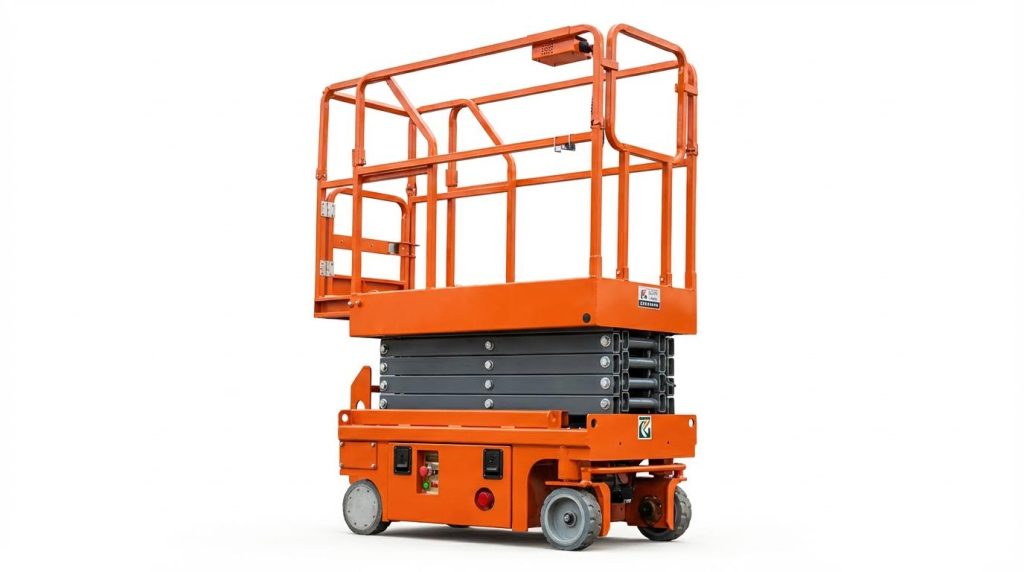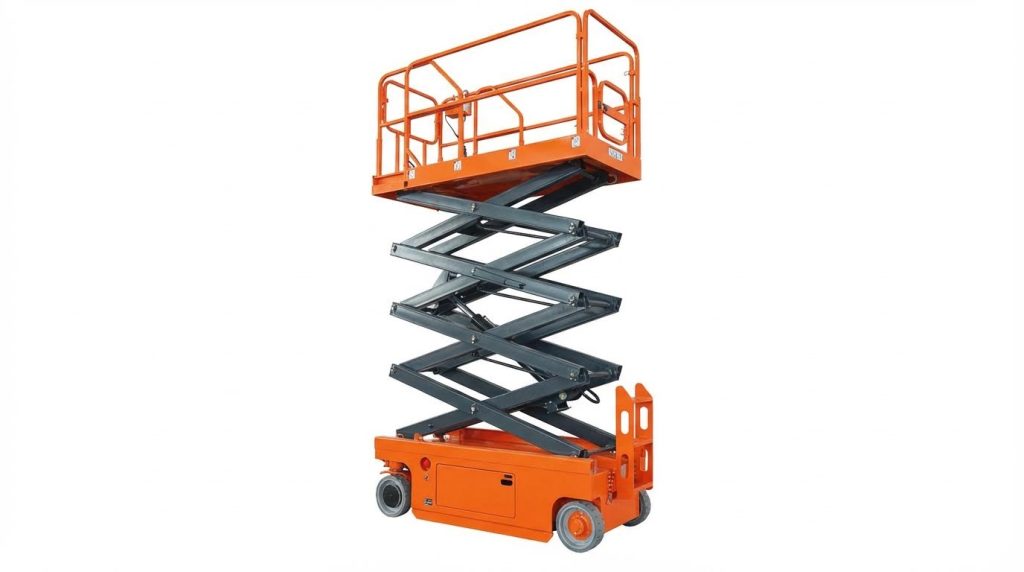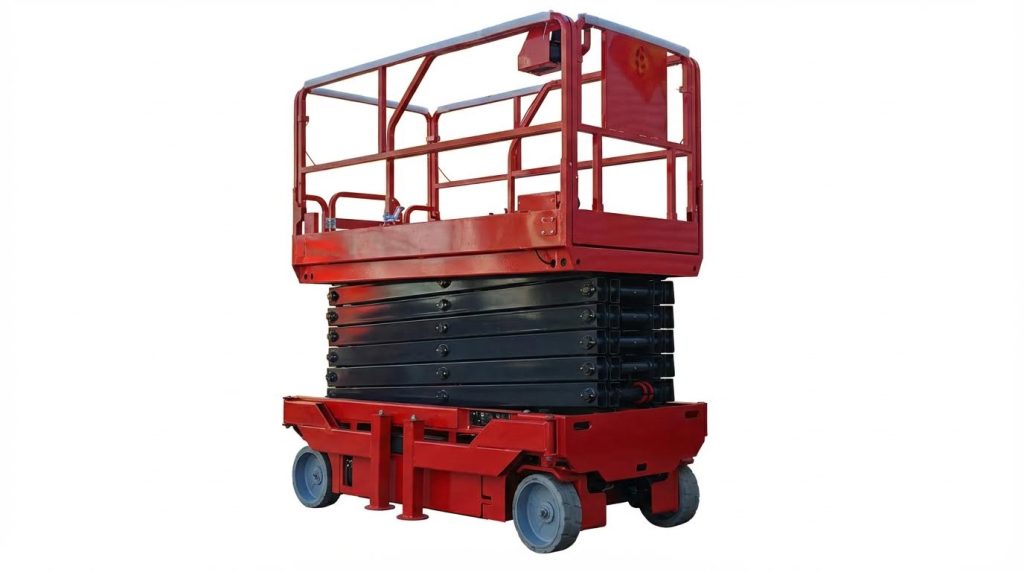
Wiedza o tym, jak bezpiecznie obsługiwać podnośnik nożycowy, zaczyna się od zrozumienia faz jego działania, od kontroli przed uruchomieniem, po wyłączanie i konserwację. Ten poradnik przeprowadzi operatorów i kierowników przez praktyczne kroki, kluczowe zagrożenia i proste procedury, które zapewniają bezpieczeństwo ludzi i wydajność maszyn.
Dowiesz się, jak planować obszary robocze, kontrolować obciążenia, przestrzegać limitów dotyczących wiatru i energii elektrycznej oraz planować codzienne i coroczne inspekcje. Wykorzystaj te podstawy jako ramy, a następnie zastosuj specyficzne dla danego miejsca przepisy i instrukcje producenta, aby uzyskać najlepsze rezultaty.
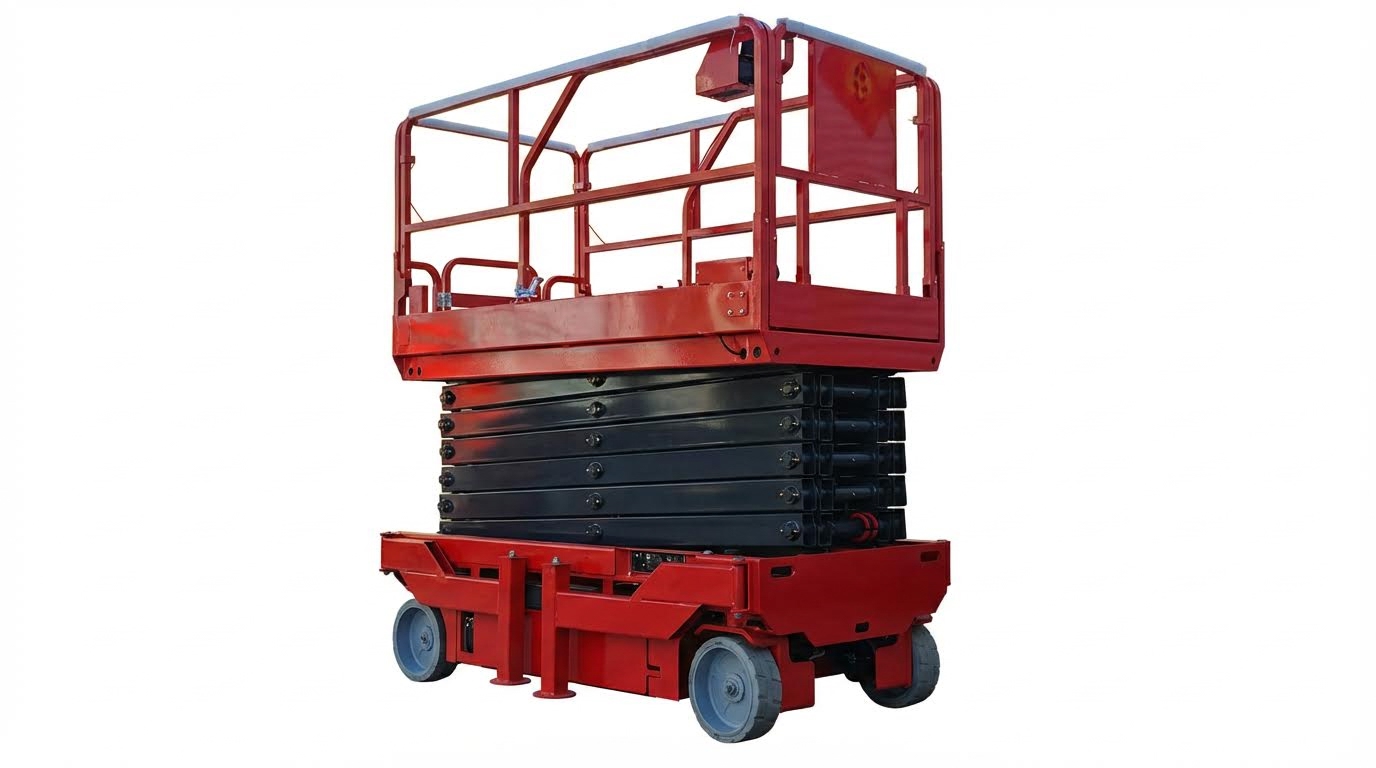
Zrozumienie faz działania podnośnika nożycowego
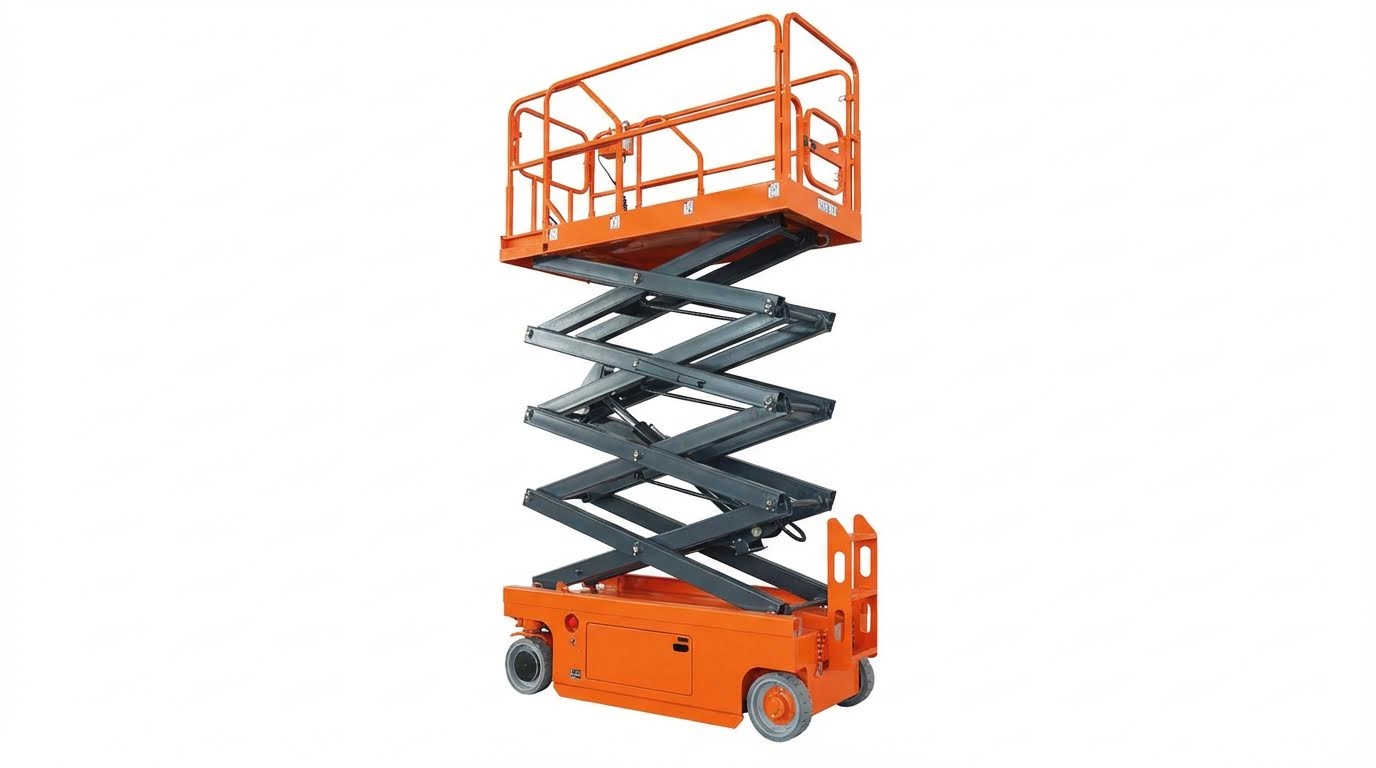
Eksploatacja podnośnika nożycowego dzieli się na wyraźne fazy – inspekcję, pozycjonowanie, podnoszenie/pracę i wyłączenie – a ich zrozumienie stanowi podstawę bezpiecznej i wydajnej obsługi podnośnika nożycowego. Każda faza wiąże się z innymi zagrożeniami mechanicznymi i specyficznymi kontrolami.
W praktyce te fazy powtarza się wielokrotnie w ciągu jednej zmiany. Dobrzy operatorzy traktują je jako powtarzalny proces, a nie rutynę opartą na domysłach.
| Faza operacyjna | Główne zadania | Zaangażowane kluczowe komponenty | Typowe zagrożenia | Wpływ operacyjny |
|---|---|---|---|---|
| Przed uruchomieniem / Inspekcja | Kontrole wizualne i funkcjonalne, przegląd obszaru roboczego | Hamulce, układ kierowniczy, sterowanie, barierki ochronne, zatrzymanie awaryjne, opony, hydraulika | Ukryte wady, przecieki, uszkodzone hamulce | Zapobiega awariom na wysokości i nieplanowanym ruchom podczas pracy |
| Pozycjonowanie / Podróże | Jazda do miejsca pracy, ustawianie się pod zadanie | Silniki napędowe, układ kierowniczy, alarmy ruchu, czujniki przechyłu | Zderzenia, wywrócenie się na zboczach lub w dziurach | Umożliwia bezpieczne poruszanie się w wąskich przejściach i wokół przeszkód |
| Podnoszenie / Praca na wysokości | Podnoszenie platformy, wykonywanie zadania | Mechanizm nożycowy, barierki ochronne, platforma ładunkowa, wyłączniki krańcowe | Upadki, przeciążenia, kontakt z przedmiotami znajdującymi się nad głową lub z zasilaniem | Określa, jak bezpiecznie i efektywnie można wykonywać pracę na wysokości |
| Opuszczanie / Wychodzenie | Kontrolowane zejście, zejście | Sterowanie opuszczaniem, system opuszczania awaryjnego, brama dostępowa | Zmiażdżenie, poślizgnięcie, skakanie z platformy | Zmniejsza ryzyko urazów i uszkodzeń sprzętu na koniec zadania |
| Wyłączenie / Parkowanie | Zabezpieczanie maszyny, podstawowe kontrole po użyciu | Hamulec postojowy, stacyjka, wskaźniki akumulatora/paliwa | Niezamierzony ruch, rozładowane baterie w następnej zmianie | Utrzymuje windę w gotowości do następnego zadania i zapobiega jej staczaniu się |
💡 Uwaga inżyniera terenowego: Traktuj każdą przerwę dłuższą niż kilka minut jako mini „zmianę fazy”: opuść platformę, zabezpiecz windę i ponownie sprawdź otoczenie, zanim wrócisz na górę. Większość niebezpiecznych sytuacji zdarza się po krótkiej przerwie, a nie na samym początku.
Kluczowe elementy wpływające na bezpieczną eksploatację
Kluczowymi elementami podnośnika nożycowego, które odpowiadają za jego bezpieczną pracę, są konstrukcja, hydraulika, napęd/układ kierowniczy, elementy sterujące, barierki ochronne i urządzenia zabezpieczające. Wszystkie muszą przejść kontrolę przed uruchomieniem podnośnika.
Codzienne inspekcje koncentrują się na widocznych uszkodzeniach, wyciekach i prawidłowym działaniu każdego systemu, zanim ktokolwiek opuści teren. To pierwszy praktyczny krok w obsłudze platformy nożycowej bez niespodzianek.
| Komponent / System | Co sprawdzać codziennie | Ryzyko w przypadku zignorowania | Wpływ operacyjny |
|---|---|---|---|
| Konstrukcja nożycowa i platforma | Wgniecenia, pęknięcia, korozja, wygięte ramiona, uszkodzony pokład, czysta i sucha powierzchnia | Awarie konstrukcyjne, zagrożenia poślizgiem | Obsługuje obciążenie znamionowe na wysokości bez nieoczekiwanego ugięcia |
| Barierki, bramy, łańcuchy | Bezpieczne, nieuszkodzone szyny i bramy, łańcuch kosza na miejscu | Upadki z wysokości | Zapewnia pasywną ochronę przed upadkiem podczas przemieszczania się i pracy na wysokości |
| System hydrauliczny | Poziom płynu przy opuszczonej platformie, wycieki, uszkodzenie węża, olej wokół uszczelek | Utrata siły nośnej, nagłe opadanie, zanieczyszczenie | Zapewnia płynne podnoszenie/opuszczanie i utrzymuje pozycję pod obciążeniem |
| Napęd i sterowanie | Stan i ciśnienie w oponach, sterowanie napędem, reakcja układu kierowniczego | Utrata kontroli, wywrócenie się pojazdu na uszkodzonych oponach | Umożliwia precyzyjne manewrowanie w wąskich przejściach i ciasnych strefach roboczych |
| Hamulce i alarmy przechyłu | Hamulce trzymają na pochyłości zgodnie ze specyfikacją, działają czujniki nachylenia/poziomu i alarmy | Niekontrolowany upadek windy, wywrócenie się na nierównym podłożu | Utrzymuje maszynę w bezruchu podczas pracy i ostrzega o niebezpiecznych nachyleniach |
| Sterowanie i blokady | Podnoszenie, opuszczanie, jazda, kierowanie, zatrzymanie awaryjne, blokady górnego napędu | Nieoczekiwany ruch, brak możliwości zatrzymania się w nagłym wypadku | Zapewnia przewidywalną i płynną reakcję sterowania w każdej fazie |
| Układ zasilania (akumulator lub silnik) | Poziom naładowania lub paliwa, czyste zaciski, brak wycieków, prawidłowe wskaźniki | Przeciągnięcie na wysokości, nieudane zejście | Zapewnia wystarczającą ilość energii, aby dokończyć cykl podnoszenia i bezpiecznie powrócić |
| Urządzenia bezpieczeństwa i środki ochrony indywidualnej | Czytelne smycze, punkty mocowania uprzęży, alarmy ruchu, naklejki bezpieczeństwa | Zmniejszona ochrona w przypadku problemów | Zwiększa margines przeżycia w przypadku kolizji lub nagłego ruchu |
- Kontrola struktury wizualnej: Obejdź windę dookoła i sprawdź, czy nie ma wgnieceń, pęknięć, rdzy, wygiętych elementów i luźnych podzespołów – Są to wczesne objawy zmęczenia lub wcześniejszych urazów. Wskazówki dotyczące kontroli wizualnej
- Integralność hydrauliczna: Sprawdź pod maszyną i wokół cylindrów, czy nie ma plam oleju lub mokrych przyłączy – nawet małe przecieki mogą się zwiększać pod wpływem ciśnienia. Zadania związane z konserwacją hydrauliki
- Test kontroli funkcjonalnej: Z poziomu ziemi i platformy można wykonać test podnoszenia, opuszczania, jazdy, kierowania, hamowania, zatrzymania awaryjnego i alarmów – potwierdza to obwód sterujący przed załadunkiem ludzi. Lista kontrolna testów funkcjonalnych
- System barier ochronnych: Sprawdź, czy wszystkie poręcze, barierki, deski ochronne i bramki są zamontowane i zablokowane – to jest Twoja główna bariera zabezpieczająca przed upadkiem z wysokości. Wymagania dotyczące barier ochronnych
- Stan platformy: Utrzymuj taras w czystości, suchości i bez luźnych narzędzi lub zanieczyszczeń – zmniejsza to ryzyko potknięcia się i przesuwania ładunków podczas ruchu windy. Porady dotyczące utrzymania porządku na platformie
Codzienna lista kontrolna przed rozpoczęciem, którą możesz dostosować na miejscu
Przed każdą zmianą operatorzy powinni sprawdzić: hamulce działają, akumulator jest naładowany, elementy sterujące są zabezpieczone przed przypadkowym uruchomieniem, panel sterowania jest czysty, wszystkie alarmy ruchu działają, opuszczanie awaryjne działa, naklejki i tabliczki ostrzegawcze są czytelne, bramka platformy zamyka się prawidłowo, opony i koła są nieuszkodzone oraz nie ma widocznych wycieków ani pęknięć. Codzienne informacje kontrolne
💡 Uwaga inżyniera terenowego: Jeśli którykolwiek z elementów sterujących wydaje się „szarpany” lub opóźniony podczas testu funkcjonalnego, należy wycofać podnośnik z eksploatacji. Sporadyczne usterki często ujawniają się tylko pod obciążeniem lub na wysokości, gdzie są znacznie trudniejsze – i bardziej niebezpieczne – do usunięcia.
Normy regulacyjne i szkolenie operatorów
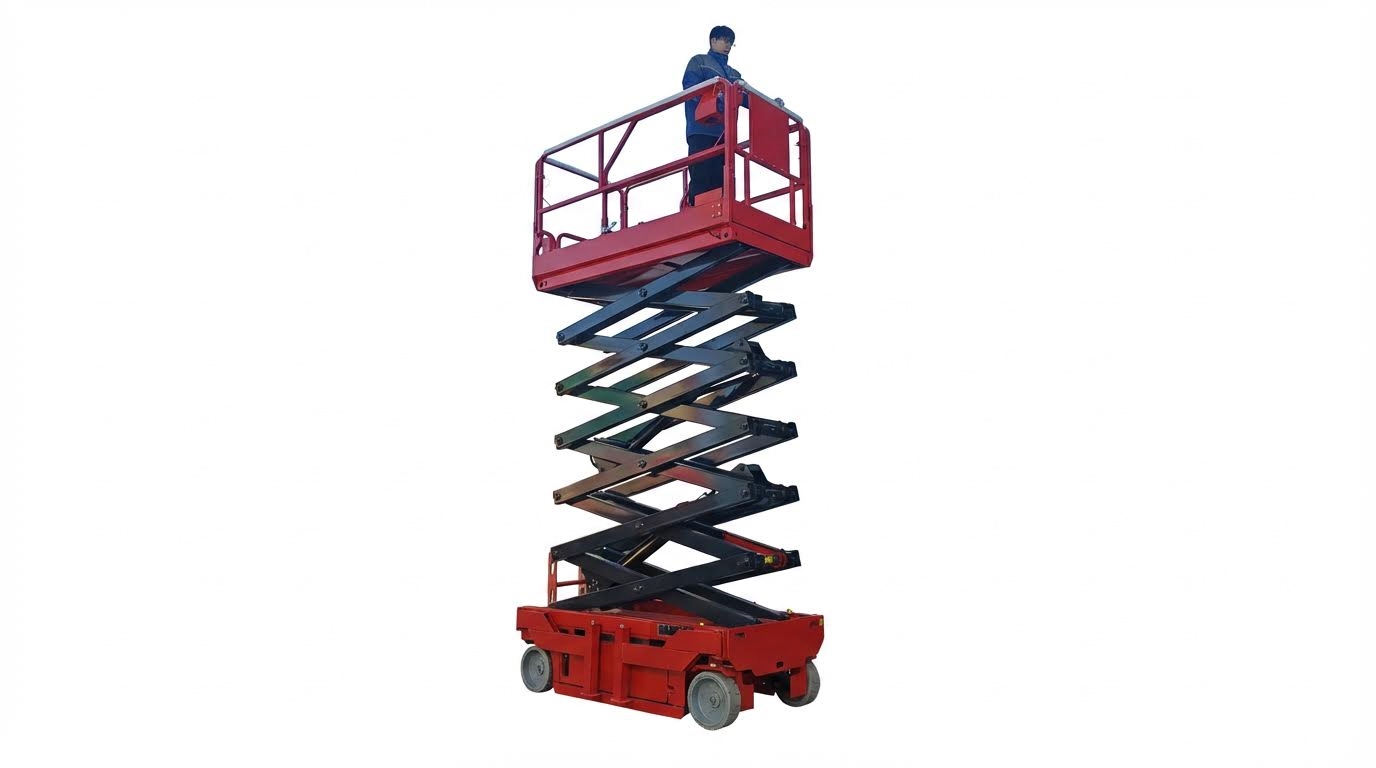
Normy regulacyjne określają, jak legalnie obsługiwać podnośnik nożycowy , a strukturalne szkolenia operatorów sprawiają, że zasady te stają się bezpiecznymi nawykami na każdym etapie pracy.
Większość incydentów wynika z braków w szkoleniu lub ignorowania podstawowych zasad dotyczących barier ochronnych, stabilności, odstępów elektrycznych i ograniczeń obciążenia, a nie z nietypowych usterek mechanicznych.
- Zasady dotyczące barier ochronnych i ochrony przed upadkiem: Przepisy wymagają, aby na platformie znajdował się system barier ochronnych zgodny z przepisami, a pracownicy muszą stać wyłącznie na platformie, a nie na poręczach lub improwizowanych stopniach – zapobiega to upadkom, gdy winda nagle się porusza lub zatrzymuje. Normy barier ochronnych
- Zasady stabilności i ruchu: Producenci i organy regulacyjne wymagają stabilnego, równego podłoża i zazwyczaj zabraniają jazdy na podniesionym podłożu, zwłaszcza na zewnątrz lub w nierównym terenie – Dzięki temu środek ciężkości pozostaje wewnątrz bezpiecznej podstawy. Praktyki stabilizacyjne
- Wymagania dotyczące odstępów elektrycznych: Wymagane jest zachowanie minimalnej odległości około 3 m (10 stóp) od przewodów pod napięciem i źródeł energii elektrycznej – zmniejsza to ryzyko wystąpienia łuku elektrycznego i porażenia prądem podczas pracy na wysokości. Zagrożenia związane z pozycjonowaniem Wskazówki dotyczące bezpieczeństwa elektrycznego
- Ograniczenia wiatru i pogody: Użytkowanie na zewnątrz jest ograniczone, gdy prędkość wiatru przekracza około 12–13 m/s (25–28 mil na godzinę), aby zapobiec niestabilności i przewróceniu się pojazdu. ciśnienie wiatru gwałtownie wzrasta wraz z wysokością i powierzchnią żagla. Ograniczenia warunków wietrznych Wskazówki dotyczące wiatru na zewnątrz
- Zgodność z normą nośności: Normy i instrukcje wymagają, aby łączna masa ludzi, narzędzi i materiałów nigdy nie przekraczała udźwigu platformy – przeciążenie może spowodować uszkodzenie konstrukcji lub przewrócenie. Zasady zarządzania obciążeniem Wskazówki dotyczące ograniczenia wagi
- Wymagania dotyczące szkolenia: Przepisy wymagają, aby pracownicy byli przeszkoleni w zakresie rozpoznawania zagrożeń występujących na terenie pracy, przestrzegania ograniczeń wagowych i zgłaszania usterek przed użyciem – Dzięki temu listy kontrolne staną się spójnym zachowaniem, a nie papierkową robotą. Podsumowanie wymagań szkoleniowych
- Krok 1: Formalne szkolenie teoretyczne – obejmuje przepisy, zasady stabilności, odstępy elektryczne i ograniczenia wiatru, aby operatorzy rozumieli, dlaczego istnieją przepisy.
- Krok 2: Szkolenie praktyczne – uczy przeprowadzania kontroli przed uruchomieniem, korzystania ze sterowania, opuszczania awaryjnego i prawidłowego pozycjonowania w rzeczywistych sytuacjach roboczych.
- Krok 3: Okres operacji nadzorowanej – pozwala nowym operatorom wyrobić pamięć mięśniową, podczas gdy doświadczona osoba szybko koryguje niebezpieczne nawyki.
- Krok 4: Ocena i zatwierdzenie – potwierdza, że operator potrafi przestrzegać procedur, korzystać z wykresów obciążeń i radzić sobie z typowymi zagrożeniami przed samodzielnym użytkowaniem.
- Krok 5: Okresowe odświeżanie i doszkalanie – informuje operatorów o nowych zasadach, zmianach na terenie obiektu lub o każdym incydencie lub niemalże zdarzeniu z udziałem podnośnika nożycowego.
W jaki sposób standardy łączą się z codziennymi fazami operacyjnymi
Zasady dotyczące barier ochronnych i udźwigu obowiązują przede wszystkim w fazie podnoszenia/pracy, ograniczenia stabilności i wiatru kontrolują miejsce i czas ustawienia podnośnika, a wymagania szkoleniowe regulują każdy etap, od inspekcji przed uruchomieniem do wyłączenia. Myślenie etapowe pomaga w powiązaniu każdej zasady z konkretnym działaniem, co jest niezbędne, aby załogi pamiętały, jak prawidłowo obsługiwać podnośnik koszowy pod ciśnieniem.
💡 Uwaga inżyniera terenowego: Kiedy audytuję miejsca, najbezpieczniejsi operatorzy potrafią zacytować nie tylko „zasadę”, ale także fazę, której ona dotyczy – przed rozpoczęciem pracy, w podróży czy podczas pracy na wysokości. Opracuj swoje szkolenia z zakresu bezpieczeństwa wokół tych faz, a zgodność poprawi się niemal z dnia na dzień.
Procedury rozruchu, podróży i podnoszenia
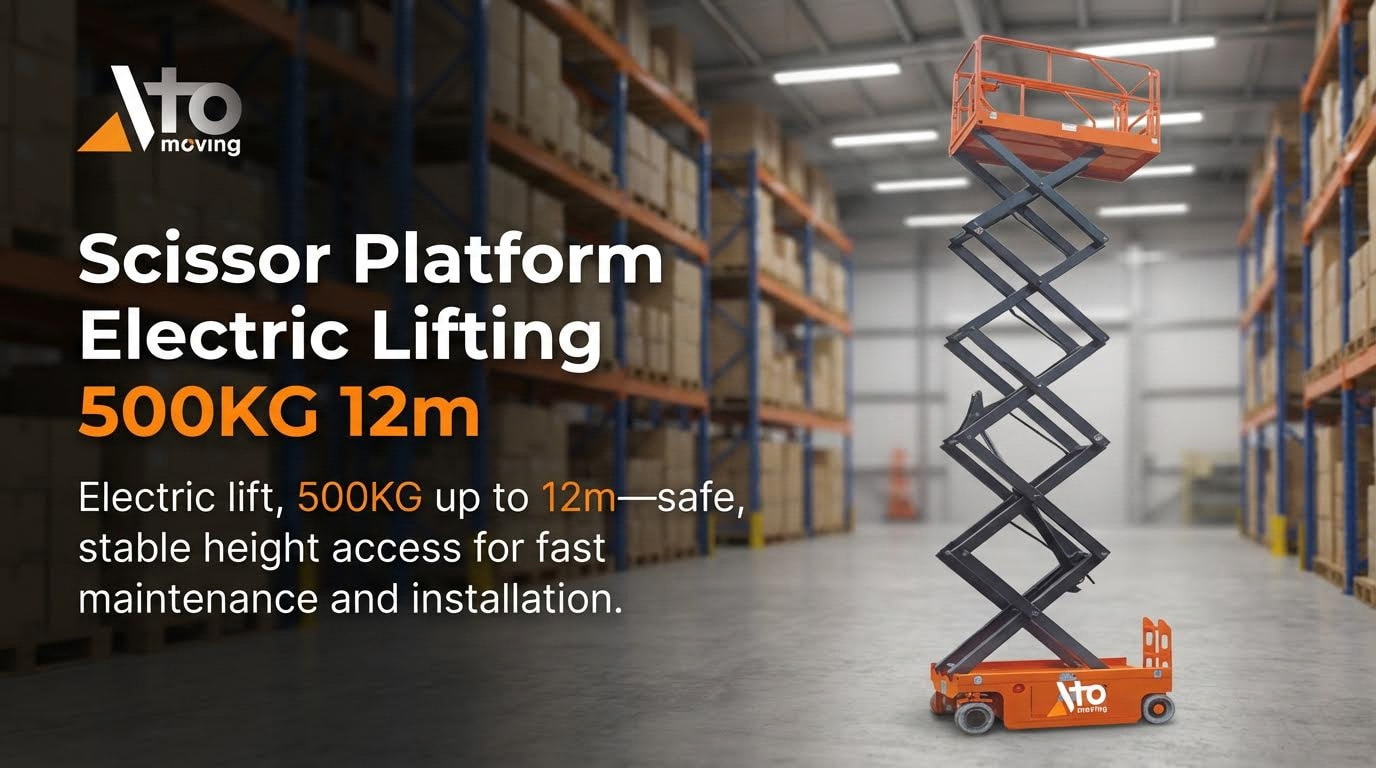
W tej sekcji wyjaśniono, jak obsługiwać podnośnik nożycowy, począwszy od pierwszych kontroli, poprzez jazdę i podnoszenie, aby operatorzy przestrzegali limitów bezpieczeństwa, zasad obowiązujących na miejscu i konstrukcji sprzętu.
- Cel: Zapewnij operatorom jasną, powtarzalną procedurę – dzięki temu nauka obsługi podnośnika nożycowego stanie się bezpiecznym nawykiem, a nie domysłami.
- Skupiać: Kontrola przed uruchomieniem, jazda i kierowanie, a następnie podnoszenie z prawidłowym obciążeniem, przy odpowiednim wietrze i odstępach elektrycznych – trzy fazy, w których dochodzi do większości incydentów.
💡 Uwaga inżyniera terenowego: Traktuj każdą nową konfigurację jak nową maszynę i nowe miejsce pracy. Większość wypadków, które badałem, wynikała z „pominięcia kontroli, bo wczoraj wszystko było w porządku”, a nie z nietypowych usterek mechanicznych.
Kontrole przed rozpoczęciem pracy i ocena obszaru roboczego
Kontrole przed startem i ocena obszaru roboczego pozwalają upewnić się, że winda jest bezpieczna, a podłoże, otoczenie i warunki pogodowe nie wpłyną negatywnie na stabilność i kontrolę.
- Codzienny spacer wizualny: Sprawdź, czy nie ma wgnieceń, pęknięć, rdzy, wycieków hydraulicznych, luźnych części i nienaruszonych barierek ochronnych – są to wczesne oznaki uszkodzenia konstrukcyjnego lub hydraulicznego. Wskazówki dotyczące kontroli wizualnej
- Opony i koła: Sprawdź, czy ciśnienie jest prawidłowe, czy nie ma przecięć lub poważnego zużycia oraz czy felgi nie są uszkodzone – Słabe opony utrudniają hamowanie i mogą powodować przechylanie się na niewielkich nierównościach podłoża. Kontrola opon i platformy
- System hydrauliczny: Sprawdź, czy na wężach, cylindrach i pod maszyną nie ma pozostałości oleju – Wycieki zmieniają prędkość podnoszenia, zmniejszają udźwig i mogą prowadzić do nagłych spadków. Punkty kontroli hydraulicznej
- Barierki i bramy: Sprawdź, czy poręcze są bezpieczne, czy są obecne poręcze środkowe i krawędzie, a bramki lub łańcuchy są prawidłowo zamocowane – jest to podstawowy system zapobiegający upadkom. Wymagania dotyczące barier ochronnych
- Sterowanie i zatrzymania awaryjne: Sprawdź dolne i górne elementy sterujące, przyciski zatrzymania awaryjnego i alarmy ruchu – musisz mieć możliwość natychmiastowego zatrzymania lub opuszczenia platformy. Kroki testu funkcjonalnego
- Źródło zasilania: Sprawdź, czy akumulatory są naładowane lub czy poziom paliwa jest odpowiedni – jeśli samolot znajduje się na małej wysokości, możesz polegać wyłącznie na systemach awaryjnego opuszczania. Kontrola zasilania przed użyciem
- Kontrola środków ochrony indywidualnej: W miejscach, gdzie poruszają się pojazdy, należy nosić kask ochronny, okulary ochronne, rękawice, obuwie ochronne i odzież ochronną. ŚOI ograniczają skutki spadających przedmiotów i kolizji. Zalecenia dotyczące środków ochrony indywidualnej
Test kontroli funkcjonalnej – szybka sekwencja
- Krok 1: Po opuszczeniu platformy, jeździe próbnej, sprawdzeniu układu kierowniczego i hamulców – potwierdza, że potrafisz kontrolować ruch zanim ktokolwiek znajdzie się na wysokości.
- Krok 2: Podnoszenie i opuszczanie platformy w części jej skoku – sprawdza płynność i szarpanie ruchu. Test podnoszenia i opuszczania
- Krok 3: Test awaryjnego zatrzymania i awaryjnego opuszczania – musisz wiedzieć, że działają, zanim zdarzy się prawdziwy wypadek. Kontrola sterowania awaryjnego
Po przejściu kontroli maszyny należy ocenić strefę roboczą, aby podnośnik zawsze stał stabilnie i nie był narażony na zagrożenia podczas jazdy i podnoszenia.
- Warunki gruntowe: Sprawdź, czy nie ma nachyleń, dziur, miękkiego wypełnienia, luźnego żwiru i otworów w podłodze – zmieniają one powierzchnię styku kół i mogą powodować przechylenie lub nagły spadek. Wskazówki dotyczące oceny gruntu
- Przeszkody nad głową: Zidentyfikuj belki, rury zraszaczowe, kanały, gałęzie drzew i linie energetyczne – podczas podnoszenia platformy istnieje niebezpieczeństwo zmiażdżenia lub porażenia prądem. Inspekcja strefy roboczej
- Ruch drogowy i piesi: Zaplanuj trasy, aby uniknąć wózków widłowych, ciężarówek i przejść – głównym źródłem kolizji są urządzenia mobilne i martwe pola. Zagrożenia związane z pozycjonowaniem
- Strefy wykluczenia: Użyj pachołków, taśmy lub barier wokół obszaru wyciągu – chroni ludzi przed dostaniem się pod platformę i zapobiega powstawaniu punktów zmiażdżenia. Kontrola obszaru roboczego
- Wiatr i pogoda: W przypadku prac na zewnątrz należy sprawdzić prędkość wiatru i ryzyko burzy – Podmuchy wiatru i pioruny znacznie zwiększają ryzyko wywrócenia się pojazdu i porażenia prądem. Wskazówki dotyczące warunków wietrznych
💡 Uwaga inżyniera terenowego: Na gładkim betonie nawet nachylenie 1–2% może wydawać się „płaskie” dla oka, ale i tak przesuwa środek ciężkości po podniesieniu. W razie wątpliwości skorzystaj z rysunków terenu lub poziomicy cyfrowej; nie polegaj wyłącznie na ocenie wizualnej.
Bezpieczna jazda, kierowanie i pozycjonowanie na wysokości
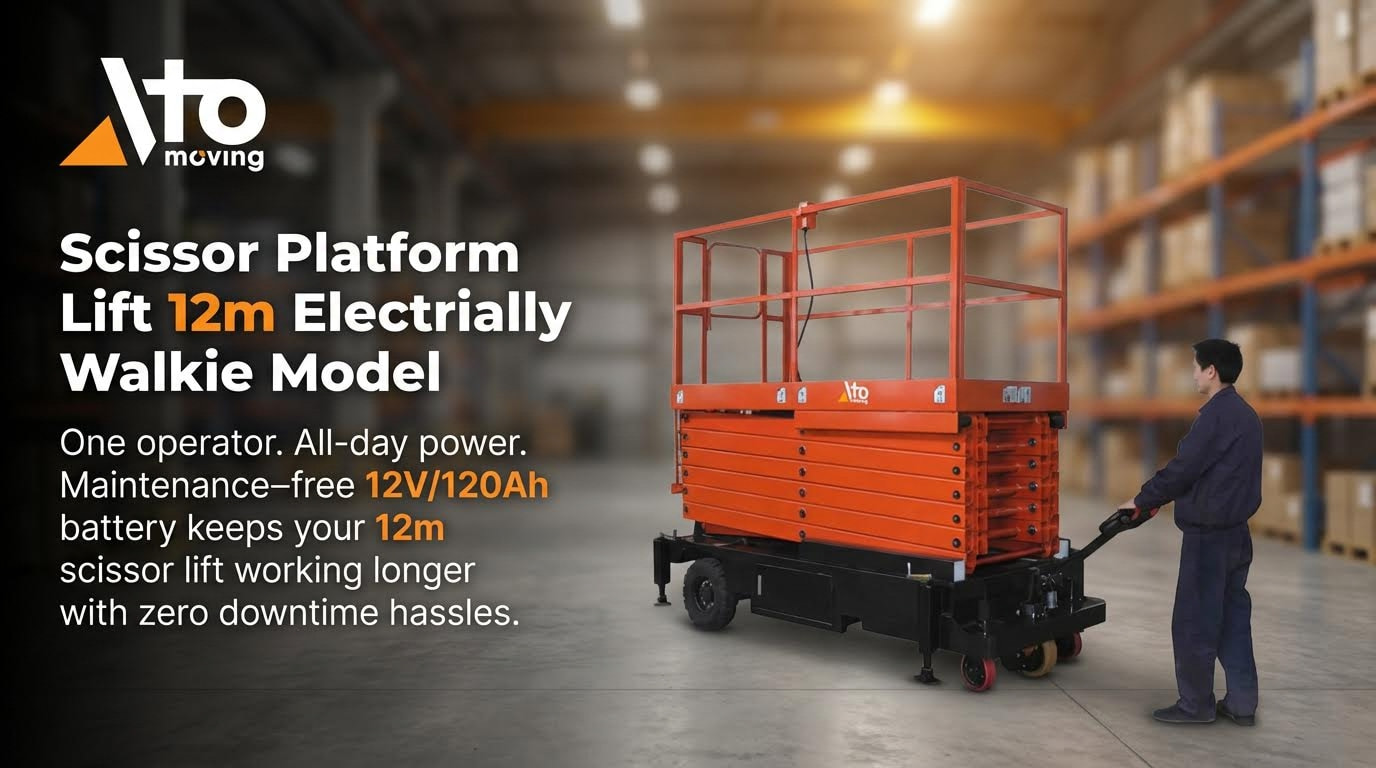
Bezpieczna jazda, kierowanie i pozycjonowanie oznaczają, że poruszasz się tylko tam, gdzie nawierzchnia, prześwit i widoczność zapewniają stabilną jazdę i kontrolowane zatrzymanie.
- Platforma opuszczona do jazdy: Jeśli to możliwe, należy jeździć z platformą całkowicie opuszczoną – Dzięki temu środek ciężkości znajduje się nisko, a stabilność jest maksymalna. Praktyki stabilizacyjne
- Kontrola prędkości: Używaj wolnej prędkości, szczególnie w pomieszczeniach, na rampach lub w pobliżu ludzi – krótka droga hamowania i ciasne przejścia nie pozostawiają dużego marginesu błędu. Bezpieczne procedury operacyjne
- Wyczyść trasę podróży: Przed rozpoczęciem ruchu należy wzrokowo sprawdzić drogę pod kątem przeszkód, dziur i przeszkód nad głową – zapobiega nagłym korektom sterowania, które mogą spowodować utratę stabilności podnośnika.
- Skorzystaj z pomocy obserwatora, gdy jest to konieczne: W ciasnych miejscach lub w miejscach o ograniczonej widoczności korzystaj z usług przeszkolonego przewodnika, który będzie posługiwał się ustalonymi sygnałami ręcznymi – widoczność z platformy jest ograniczona, szczególnie na wysokości. Bezpieczeństwo personelu naziemnego
- Rozdzielenie ruchu: Zachowaj dystans od wózków widłowych i pojazdów; stosuj bariery w przejściach wspólnych – podnośniki nożycowe nie mogą wykonywać szybkich uników bez ryzyka utraty stabilności. Środki kontroli ruchu
Pozycjonowanie podnośnika przed podnoszeniem
- Krok 1: Zatrzymaj się na twardym, równym podłożu, tak aby cała powierzchnia platformy mieściła się w obrębie równego obszaru – zapobiega wpadnięciu koła w pochyłość lub dziurę podczas podnoszenia.
- Krok 2: Ustaw platformę tak, aby praca znajdowała się bezpośrednio przed Tobą – zmniejsza pokusę wychylania się lub sięgania poza barierki ochronne.
- Krok 3: Sprawdź ponownie prześwit nad głową w zakresie 360° – Podczas końcowego podejścia platformy często zahaczają o rury, belki lub ramy drzwi.
Po rozpoczęciu podnoszenia, pozycja ciała i zachowanie na platformie stają się kluczowe dla zapewnienia stabilności i zapobiegania upadkom.
- Tylko stopy na pokładzie: Trzymaj obie stopy na podłodze platformy, nigdy nie stawaj na poręczach lub skrzynkach – Dzięki temu środek ciężkości pozostaje wewnątrz zaprojektowanej strefy bariery ochronnej. Bezpieczna pozycja podczas pracy
- Zakaz wspinania się z wysokości: Nie wchodź z platformy na dachy, półki ani rusztowania, chyba że zaplanowała to i zezwoliła na to kompetentna osoba. punkty przejściowe są częstymi miejscami upadku.
- Unikaj przesady: Trzymaj klamrę paska wewnątrz barierek i zmień położenie windy zamiast się wychylać – Pochylenie powoduje przesunięcie ładunku poza obrys platformy.
- Trzypunktowy kontakt przy wychodzeniu: Kiedy schodzisz i schodzisz, trzymaj w kontakcie dwie ręce i jedną stopę lub dwie stopy i jedną rękę – zapobiega poślizgom przy przechodzeniu na podłoże. Wyjście z windy
💡 Uwaga inżyniera terenowego: Wiele modeli technicznie może pełzać w pozycji podniesionej, ale zalecam traktowanie „poruszania się na wysokości” jako wyjątku. W razie potrzeby należy utrzymywać wysokość jak najniższą, poruszać się z minimalną prędkością i korzystać z pomocy obserwatora, który będzie obserwował koła i prześwit nad głową.
Zarządzanie obciążeniem, wiatrem i zagrożeniami elektrycznymi
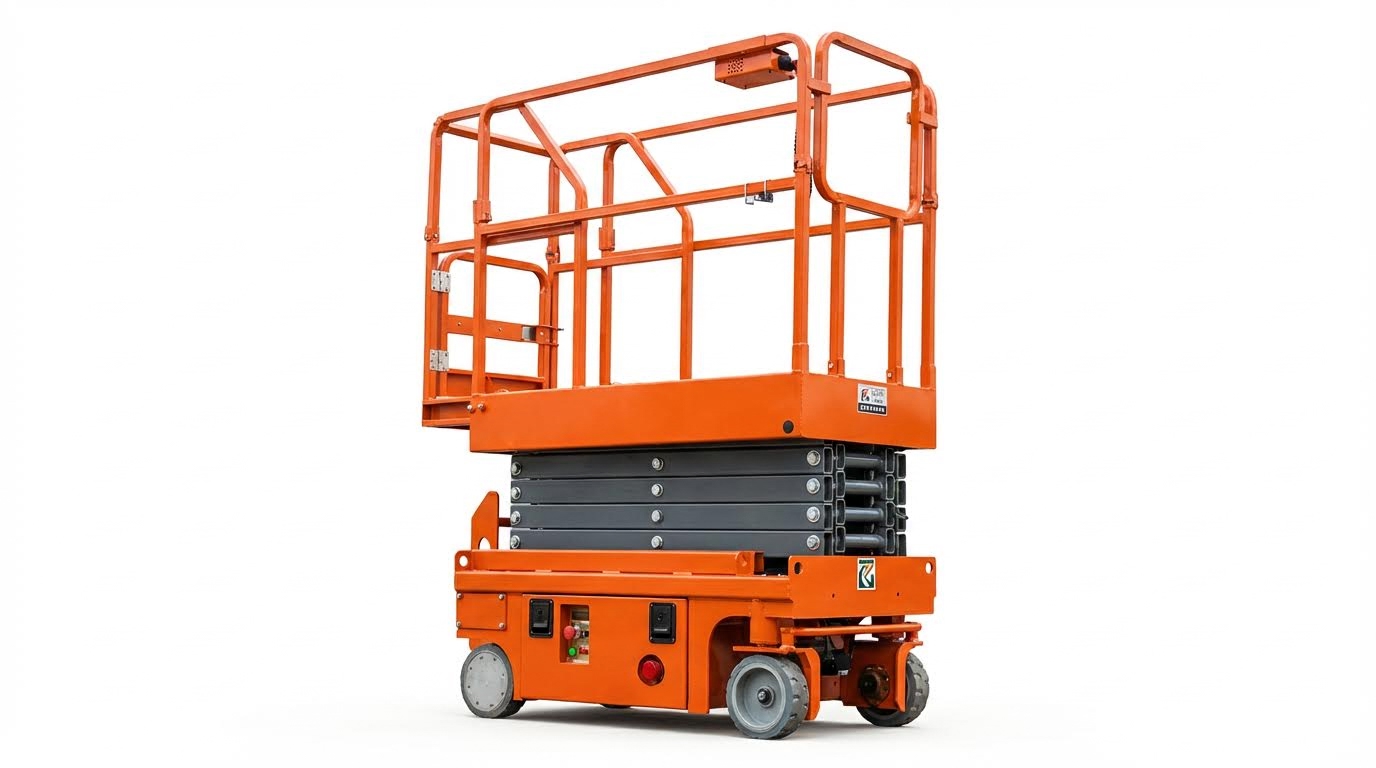
Zarządzanie obciążeniem, wiatr i zagrożenia elektryczne mają wpływ na bezpieczeństwo pracy na pełnej wysokości; wszystkie trzy czynniki bezpośrednio wpływają na stabilność, ryzyko przewrócenia i narażenie na porażenie prądem.
Prawidłowa kontrola ładunku zaczyna się od dostosowania parametrów platformy do jej udźwigu i utrzymania środka ciężkości wewnątrz rozstawu osi.
- Szanuj nominalną pojemność: Nigdy nie przekraczaj dopuszczalnego obciążenia platformy przez producenta dla ludzi, narzędzi i materiałów łącznie – przeciążenie może spowodować przewrócenie się lub uszkodzenie konstrukcji. Zasady dotyczące nośności
- Równomierny rozkład masy: Rozłóż materiały na całej powierzchni pokładu zamiast układać je po jednej stronie – utrzymuje środek ciężkości platformy w jednej linii ze stosem nożyczek. Wskazówki dotyczące ograniczenia wagi
- Zabezpiecz luźne przedmioty: Przywiąż lub zabezpiecz narzędzia i małe części – zapobiega zsuwaniu się przedmiotów lub ich upadkowi na osoby znajdujące się poniżej.Podstawy wyłączania, parkowania i konserwacji
Wyłączanie, parkowanie i konserwacja to ostatnie etapy bezpiecznej obsługi platformy nożycowej , zapewniającej stabilność, zapobiegającej stoczeniu się i wychwytującej usterki zanim staną się kosztownymi awariami lub poważnymi obrażeniami.
- Cel: Pozostaw windę bezpieczną i nieruchomą – Zmniejsza ryzyko zgniecenia, stoczenia się i nieautoryzowanego użycia.
- Metoda: Przestrzegaj powtarzalnej procedury wyłączania i kontroli – Zapewnia wykrycie usterek przed następną zmianą.
- Standard: Prowadź dokumentację i przestrzegaj zasad dotyczących szkoleń i kontroli – Spełnia wymagania OSHA i producenta.
💡 Uwaga inżyniera terenowego: Większość „tajemniczych” awarii wynika z nieudolnych wyłączeń: pozostawionych podniesionych platform, niedoładowanych akumulatorów lub ignorowanych drobnych wycieków hydraulicznych. Traktuj wyłączenie jak listę kontrolną w lotnictwie, a nie jako coś drugorzędnego.
Prawidłowe procedury wyłączania i zabezpieczania
Prawidłowe procedury wyłączania i zabezpieczania obejmują opuszczenie platformy, odcięcie zasilania i fizyczne zabezpieczenie maszyny, aby nie mogła się poruszyć lub zostać przypadkowo użyta.
- Krok 1: Opuść platformę całkowicie – Pełne obniżenie eliminuje ryzyko upadku z dużej wysokości i zmiażdżenia w przypadku uderzenia elementów sterujących.
- Krok 2: Wyśrodkuj i wyprostuj koła – Sprawia, że tor jednostki pozostaje prosty przy następnym starcie i zmniejsza obciążenia boczne elementów układu kierowniczego.
- Krok 3: Wybierz stabilne, równe miejsce parkingowe – Zapobiega staczaniu się i przechylaniu platformy; OSHA zaleca stosowanie na twardych, równych powierzchniach.
- Krok 4: Zaciągnij hamulec postojowy i sprawdź, czy działa – Zatrzymuje niezamierzony ruch; OSHA podkreśla, że bezpieczne hamulce są wymogiem konserwacyjnym. Wskazówki OSHA dotyczące hamulców
- Krok 5: Wyłącz sterowanie platformą i naciśnij przycisk zatrzymania awaryjnego – Odłącza zasilanie obwodów i zapobiega przypadkowemu uruchomieniu joysticka.
- Krok 6: Wyłącz i wyjmij kluczyk (jeśli jest zamontowany) – Zapobiega próbom „tylko lekkiego przesunięcia” przez niewykwalifikowanych pracowników.
- Krok 7: Zablokuj koła na pochyłościach w granicach dozwolonych przez producenta – Dodaje mechaniczną barierę zabezpieczającą przed pełzaniem na niewielkich nachyleniach.
- Krok 8: Zablokuj lub oznacz obszar zaparkowany – Chroni personel naziemny przed kontaktem i zapobiega wjeżdżaniu pojazdów w obręb windy. Barykadowanie strefy roboczej
- Zasada wyjścia: Podczas schodzenia zachowaj trzy punkty kontaktu – Zmniejsza ryzyko poślizgnięć i upadków na ostatnim metrze. Prowadzenie w trzech punktach kontaktu
- Poręcze: Sprawdź, czy szyny i bramy są zamknięte i nieuszkodzone – Zapewnia zgodną z przepisami ochronę przed upadkiem dla kolejnego operatora. Wymagania dotyczące barier ochronnych
Gdzie zaparkować podnośnik nożycowy po zakończeniu zmiany
W miarę możliwości wybieraj poziome, betonowe podłoże wewnątrz budynku. Unikaj parkowania pod pracami na wysokości, w pobliżu zjazdów, na pasach ruchu ani pod liniami energetycznymi. Zachowaj swobodny dostęp do miejsca konserwacji i ładowania.
Codzienne, cotygodniowe i roczne praktyki konserwacyjne
Codzienne, cotygodniowe i coroczne czynności konserwacyjne określają sposób eksploatacji podnośnika nożycowego przez cały okres jego eksploatacji, łącząc szybkie kontrole operatora z głębszymi inspekcjami wykonywanymi przez technika w celu zapobiegania awariom na wysokości.
Poniższe tabele można wykorzystać jako praktyczny plan konserwacji. Zawierają one informacje na temat typowych odstępów czasu, które operatorzy i technicy powinni faktycznie wykonywać w terenie.
Przedział Kluczowe zadania Kto wykonuje Wpływ operacyjny Codziennie (przed i po użyciu) Obchód wizualny, testy funkcjonalne, kontrola obszaru roboczego Przeszkolony operator Wykrywa oczywiste usterki zanim ktoś się pojawi, zapobiega awariom w trakcie zmiany. Co tydzień Kontrola poziomu hydraulicznego, podstawowe smarowanie, kontrola węży i złączy Mechanik lub przeszkolony konserwator Zmniejsza przecieki i szarpnięcia przy podnoszeniu, zapewnia płynny ruch i precyzyjne pozycjonowanie. Miesięczny Szczegółowa kontrola konstrukcyjna i mechaniczna Wykwalifikowana osoba Wykrywa zużycie klocków, sworzni i łańcuchów zanim osiągną punkt krytyczny na wysokości. Kwartalny Wyrównywanie akumulatorów i kontrola instalacji elektrycznej (jednostek elektrycznych) Elektryk/technik Wydłuża żywotność baterii i zapewnia przewidywalny czas pracy podczas długich zmian. Roczny Pełna profesjonalna inspekcja i test obciążeniowy Certyfikowany technik Sprawdza, czy winda nadal bezpiecznie obsługuje nominalny udźwig i spełnia normy bezpieczeństwa. Codzienne kontrole są krótkie, ale krytyczne, a większość elementów jest widoczna lub można je sprawdzić za pomocą elementów sterujących na ziemi lub platformie.
Dzienny przedmiot Co sprawdzić Źródło Wpływ operacyjny Hamulce i napęd Trzymaj się równego podłoża; nie ma nieoczekiwanego ruchu Codzienna lista kontrolna Zapobiega staczaniu się podczas parkowania lub pracy w pobliżu krawędzi. Opony i koła Inflacja, przecięcia, nadmierne zużycie, uszkodzenia Kontrola fizyczna Utrzymuje stabilność i prawidłową wysokość platformy, zapobiegając wybuchom podczas podnoszenia. Wycieki hydrauliczne Olej na ramionach, cylindrach, wężach, podłodze Oględziny Zapobiega nagłej utracie siły nośnej lub powstawaniu bałaganu i śliskości w miejscach pracy. Barierki i bramy Bezpieczne, nieuszkodzone, prawidłowe zamknięcie Systemy barier ochronnych Zapewnia zgodną z przepisami ochronę przed upadkiem za każdym razem, gdy ktoś na niego nadepnie. Sterowanie i zatrzymanie awaryjne Płynne podnoszenie/jazda; natychmiastowy wyłącznik awaryjny Testy funkcjonalne Umożliwia szybką reakcję w przypadku nieoczekiwanego zachowania windy. Naklejki i tabliczki Czytelne etykiety pojemnościowe i ostrzegawcze Naklejki bezpieczeństwa Umożliwia operatorom szybkie sprawdzenie limitów ładunku i zagrożeń. Zadania tygodniowe i miesięczne obejmują bardziej szczegółowe prace związane z hydrauliką, smarowaniem i częściami konstrukcyjnymi. Należy je wykonywać przy całkowicie opuszczonej platformie i odłączonym zasilaniu.
Przedział Zadanie Źródło Wpływ operacyjny Co tydzień Sprawdź poziom płynu hydraulicznego przy opuszczonej platformie Kontrola hydrauliczna Zapobiega kawitacji i szarpnięciom podczas podnoszenia. Co tydzień Sprawdź węże pod kątem pęknięć, otarć i przecieków Kontrola węży Zmniejsza ryzyko pęknięcia węża przy pełnej wysokości. Co tydzień Smarowanie sworzni nożycowych, zawiasów, punktów sterowania Przewodnik po smarowaniu Zapewnia płynne podnoszenie i zmniejsza zużycie sworzni i tulei. Miesięczny Zmierz grubość nakładki ciernej na ramionach nożyc Kontrola podkładek ciernych Zapobiega kontaktowi metalu z metalem i niestabilnemu prowadzeniu platformy. Miesięczny Sprawdź cylindry, łańcuchy i kable pod kątem zużycia i nieszczelności Kontrola cylindra i łańcucha Zmniejsza ryzyko nagłej utraty wzrostu lub nierównego podnoszenia. Miesięczny Sprawdź i wyreguluj siłę trzymania hamulca Testowanie hamulców Zapewnia utrzymanie podnośnika na wzniesieniach o określonym nachyleniu oraz podczas parkowania. W przypadku podnośników nożycowych o napędzie elektrycznym, dbałość o akumulator decyduje o tym, czy maszyna będzie pracować sprawnie przez całą zmianę, czy też będzie musiała przestoić się w trakcie pracy.
Przedział Zadanie baterii Źródło Wpływ operacyjny Codziennie Przed użyciem sprawdź poziom naładowania Kontrola ładowania Zapobiega rozładowaniu akumulatora podczas podnoszenia ładunku. Kwartalny Wyrównaj ładunek, wyczyść zaciski, nałóż smar dielektryczny Konserwacja baterii Wydłuża żywotność baterii i utrzymuje stabilne napięcie pod obciążeniem. Roczne kontrole i dokumentacja zamykają cykl i dowodzą, że maszyna jest nadal konstrukcyjnie solidna i bezpieczna w obsłudze.
- Roczne rozbiórki: Certyfikowani technicy sprawdzają kluczowe komponenty i mogą wykonywać nieniszczące badania spawów – Potwierdza, że konstrukcja nadal może przenosić obciążenia znamionowe. Zarys rocznego przeglądu
- Testy systemowe: Ciśnienie hydrauliczne, ciągłość elektryczna, kalibracja układu bezpieczeństwa i test pełnego obciążenia – Sprawdza, czy winda zachowuje się prawidłowo przy maksymalnym obciążeniu.
- Dokumentacja: Imię i nazwisko inspektora dziennika, data, ustalenia i następny termin – Wspiera przestrzeganie zasad dotyczących szkoleń i inspekcji. Protokoły konserwacyjne OSHA
Jak konserwacja łączy się ze szkoleniem operatorów
Szkolenie powinno nauczyć operatorów rozpoznawania usterek, wiedzieć, kiedy należy oznakować podnośnik oraz rozumieć, że tylko wykwalifikowani technicy mogą naprawiać systemy konstrukcyjne, hydrauliczne lub elektryczne. Jest to zgodne z przepisami OSHA dotyczącymi szkoleń dla podnośników nożycowych. Wymagania szkoleniowe
💡 Uwaga inżyniera terenowego: Za każdym razem, gdy zauważysz powtarzający się niski poziom oleju hydraulicznego, mokre tłoczyska cylindrów lub powolne, nierównomierne podnoszenie, oznacz maszynę. To wczesne ostrzeżenie o uszkodzeniu uszczelnienia lub węża, którego nie chcesz wykryć na wysokości 10 m.
""

Ostatnie przemyślenia na temat bezpiecznego korzystania z podnośnika nożycowego
Bezpieczna obsługa podnośnika nożycowego wymaga traktowania każdego zadania jako kontrolowanego procesu inżynieryjnego, a nie szybkiego zadania. Przestrzegane fazy – inspekcja, pozycjonowanie, podnoszenie i wyłączanie – odzwierciedlają sposób, w jaki maszyna przenosi ładunek, zapewnia stabilność i chroni ludzi na wysokości. Gdy operatorzy respektują geometrię, środek ciężkości i stan nawierzchni, podnośnik pozostaje w granicach swojej konstrukcji i jest odporny na przewrócenie lub przeciążenie konstrukcyjne.
Codzienne kontrole konstrukcji, hydrauliki, hamulców i elementów sterujących pozwalają wykryć uszkodzenia na wczesnym etapie, zanim staną się one awarią na wysokości. Prawidłowa jazda, niskie prędkości i równe parkowanie zapewniają stabilny rozstaw osi, dzięki czemu wiatr, zmiany obciążenia lub nagłe hamowanie nie przekroczą granic możliwości maszyny. Jasne zasady dotyczące barier ochronnych, odległości między urządzeniami elektrycznymi, prędkości wiatru i udźwigu znamionowego sprawiają, że przepisy stają się prostymi decyzjami w terenie.
Planowana konserwacja gwarantuje długoterminowe bezpieczeństwo i bezawaryjną pracę. Zespoły, które przestrzegają harmonogramu smarowania, kontroli hydraulicznych, akumulatorów i corocznych przeglądów, rzadziej doświadczają awarii i charakteryzują się bardziej przewidywalną wydajnością podnośników Atomoving. Najlepsza praktyka jest jasna: ustandaryzuj procedury fazowe, przeszkol operatorów, aby rozumieli, dlaczego istnieją poszczególne przepisy, i wspomóż je rygorystyczną dyscypliną w zakresie oznakowania i konserwacji. Dzięki temu podnośniki nożycowe staną się niezawodnymi i bezpiecznymi narzędziami, a nie poważnymi zagrożeniami na Twojej budowie.
Najczęściej zadawane pytania
Jak bezpiecznie obsługiwać podnośnik nożycowy?
Aby uruchomić podnośnik nożycowy, należy najpierw upewnić się, że układ hydrauliczny jest aktywowany za pomocą przełącznika na panelu sterowania. Przesuń joystick do przodu, aby podnieść platformę, i pociągnij go do tyłu, aby ją opuścić. Instrukcja obsługi podnośnika nożycowego.
- Uruchom układ hydrauliczny za pomocą panelu sterowania.
- Przesuń joystick do przodu, aby podnieść platformę.
- Aby opuścić platformę, należy pociągnąć joystick do tyłu.
- Użyj funkcji żółwia, aby kontrolować ruch do przodu i do tyłu.
Dlaczego szkolenie jest ważne dla operatorów podnośników nożycowych?
Odpowiednie szkolenie jest niezbędne, aby zminimalizować ryzyko wypadków podczas obsługi podnośników nożycowych. Bez niego operatorzy i firmy narażeni są na potencjalne zagrożenia i straty finansowe. Znaczenie szkolenia z obsługi podnośników nożycowych.
- Zmniejsza ryzyko poważnych wypadków.
- Zapewnia zgodność z przepisami bezpieczeństwa.
- Chroni operatorów i firmy przed odpowiedzialnością.