Bezpieczne i efektywne obchodzenie się z paletami o bardzo długim czasie załadunku zaczyna się od zrozumienia środka ciężkości ładunku, sposobu wsuwania wideł oraz odpowiedniego sprzętu do danego zadania. Ten poradnik wyjaśnia, jak podnosić palety o bardzo długim czasie załadunku, używając prawidłowej konfiguracji wideł, osprzętu i interfejsów przenośnika, aby utrzymać się w granicach udźwigu znamionowego i zapobiec przewróceniu się lub uszkodzeniu palety.
Podstawy podnoszenia palet o bardzo dużej długości
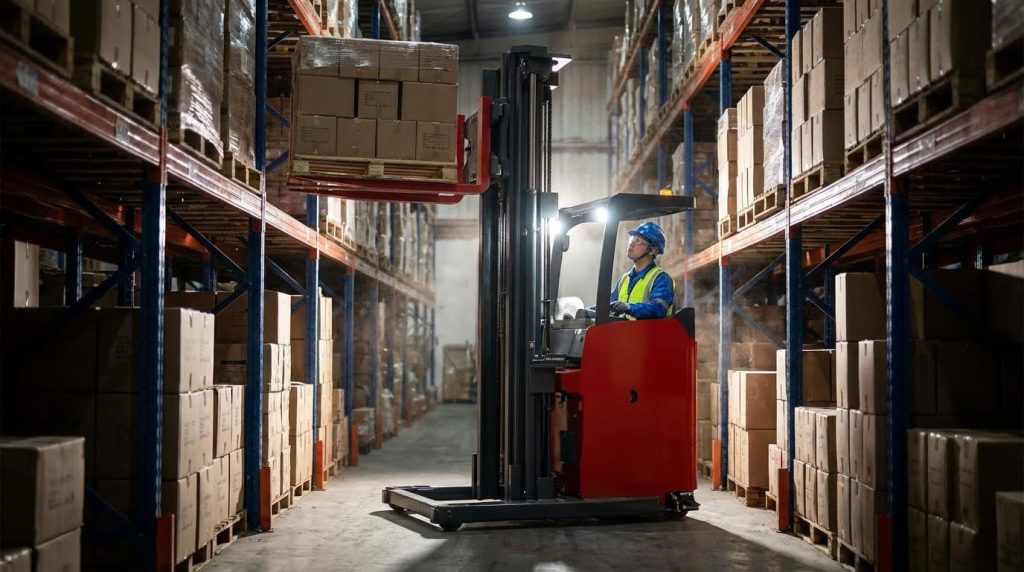
Podstawy podnoszenia palet o bardzo dużej długości koncentrują się na zdefiniowaniu momentu, w którym paleta staje się „bardzo długa” oraz na tym, jak zmienia to środek ciężkości ładunku, ładowność ciężarówki i bezpieczne obszary robocze. Zrozumienie tych podstaw to pierwszy krok w podjęciu decyzji, jak bezpiecznie i efektywnie podnosić ładunki na paletach o bardzo dużej długości.
Definicja palet „ekstra-długich” i typowe przypadki użycia
Palety „bardzo długie” to wszelkie palety, których długość powoduje, że wózek widłowy przekracza nominalny środek ciężkości ładunku lub normalną geometrię korytarza, zazwyczaj powyżej około 1,600–1,800 mm. W rzeczywistych obiektach oznacza to zazwyczaj palety, które zachowują się bardziej jak długie ładunki (belki, paczki lub wiązki) niż standardowe palety o długości 1,000–1,200 mm.
Z punktu widzenia inżynierii i bezpieczeństwa, liczy się nie etykieta, ale to, jak długość palety, jej wysięg i zazębienie z widłami przesuwają środek ciężkości od masztu. To przesunięcie bezpośrednio wpływa na ryzyko przewrócenia i naprężenia konstrukcyjne zarówno palety, jak i wideł.
| Kategoria długości palety | Typowy zakres długości (mm) | Typowe zastosowania | Wpływ operacyjny |
|---|---|---|---|
| Standardowe | 1,000-1,200 | Magazyn ogólny, FMCG, handel detaliczny | W obrębie znamionowego środka ciężkości większości wózków widłowych z przeciwwagą i wózków widłowych z wysuwanym masztem |
| długo | 1,600-1,800 | Drzwi, meble, długie kartony | Często w odległości 600 mm od środka ciężkości ładunku lub poza nim; konieczne jest sprawdzenie zgodności z tabliczką znamionową |
| Bardzo długi | 2,000–3,600 + | Drewno, kształtowniki stalowe, rury plastikowe, pakiety paneli | Zachowuje się jak długi ładunek; może wymagać wielokierunkowych wózków widłowych lub wideł montowanych na ładowarce |
Bardzo długie palety są powszechne w budownictwie, metalu, tworzywach sztucznych i meblarstwie, gdzie geometria produktu decyduje o długości palety. Często przekraczają one długość wideł, dlatego operatorzy muszą polegać na zasadach głębokości wsuwania i dokładnym obliczeniu środka ciężkości, a nie na „czuciu”.
- Materiały budowlane: Płyty gipsowo-kartonowe, pakiety drewniane, arkusze dachowe – Duże obciążenia zginające; wrażliwość na obciążenia punktowe.
- Metale i tworzywa sztuczne: Pakiety rur, pakiety wytłaczane, pręty – Duża masa i długie ramiona dźwigni zwiększają ryzyko wywrócenia.
- Zespoły prefabrykowane: Ramy, płozy, podstawy maszyn – Nieregularne położenie środka ciężkości wymaga ostrożnego obchodzenia się z nim.
- Meble i stolarka: Drzwi, ościeżnice, blaty – Długie, ale stosunkowo lekkie; podatne na zginanie i uszkodzenia.
Jak bardzo długie palety wpływają na planowanie tras i magazynowanie
Bardzo długie palety często nie mieszczą się w standardowych korytarzach o szerokości 2.5–3.0 m. Zakłady poszerzają korytarze, stosują wózki wielokierunkowe lub zmieniają orientację składowania (palety składowane są wzdłuż korytarzy). Prześwity między regałami i ugięcie belek również wymagają sprawdzenia, gdy rozpiętość belek przekracza 2,700–3,000 mm.
💡 Uwaga inżyniera terenowego: Kiedy po raz pierwszy wprowadzasz palety o bardzo długich wymiarach, przejdź całą trasę z miarką krawiecką. Sprawdź punkty nawrotu, rampy przeładunkowe, szerokość przejazdu przez bramy i nachylenia. Geometria zazwyczaj uderza w bramę lub rampę, a nie w środek pustego przejścia.
Podstawy środka ciężkości i interpretacja tabliczki znamionowej
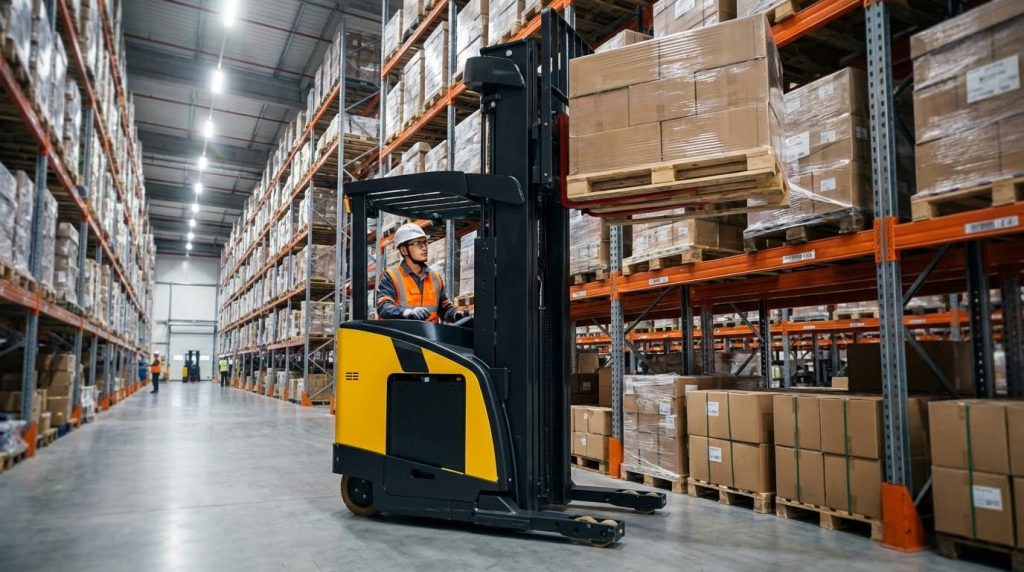
Podstawy określania środka ciężkości ładunku w przypadku palet o bardzo długich wymiarach opierają się na obliczeniu efektywnego środka ciężkości ładunku i porównaniu go z tabliczką znamionową udźwigu wózka widłowego, zanim podejmie się decyzję o sposobie podnoszenia palet o bardzo długich wymiarach. Jeśli efektywny środek ciężkości ładunku jest wyższy niż wartość znamionowa tabliczki znamionowej, należy zmniejszyć masę ładunku, zwiększyć zasięg wideł lub zmienić sprzęt.
Środek ciężkości ładunku to pozioma odległość od czoła wideł do łącznego środka ciężkości palety i produktu. W przypadku równomiernie rozłożonego ładunku, teoretyczny środek ciężkości znajduje się w połowie długości palety, L/2, mierzonej od jej końca. Gdy widły wjeżdżają z jednego końca na głębokość D, odległość od czoła wideł do środka ciężkości ładunku wynosi (L/2 − D), powiększona o wszelkie dodatkowe przesunięcia wynikające z nawisu lub asymetrii ładunku. Ta zależność stanowi podstawę bezpiecznego transportu długich palet.
| Parametr | symbol | Znaczenie | Wpływ operacyjny |
|---|---|---|---|
| Długość palety | L | Całkowita długość palety w mm | Napęd nominalny środek na L/2 od końca palety |
| Głębokość włożenia wideł | D | Odległość widłów od końca palety | Większe D przesuwa środek ciężkości w kierunku masztu |
| Efektywny środek ciężkości obciążenia | leff | Odległość od czoła widelca do środka ciężkości | Porównaj Leff z tabliczką znamionową pojemności |
| Nominalny środek ciężkości (płyta) | Oceniony na LC | np. 600 mm w wielu ciężarówkach | Ciężarówka może podnosić masę nominalną tylko na tę odległość lub mniejszą |
Inżynierowie i kierownicy powinni sformalizować to w prostych zasadach dla operatorów. Na przykład, dla danej rodziny palet o bardzo dużej długości i długości wideł, należy obliczyć minimalną głębokość wsuwania, która utrzymuje Leff na poziomie lub poniżej nominalnego środka ciężkości ładunku wózka, a następnie uwzględnić ją w standardowych instrukcjach roboczych. Wytyczne zalecają ponowne obliczenie w przypadku zmiany wymiarów palet, wysięgu lub długości wideł.
- Przeczytaj tabliczkę znamionową: Sprawdź nośność znamionową w podanym środku ciężkości, często 500–600 mm – Zapobiega założeniu, że „nominalna” ładowność ciężarówki ma zastosowanie w przypadku długich ładunków.
- Przelicz Leff: Użyj Leff = (L/2 − D) plus ewentualny nawis – Określa rzeczywistą odległość ładunku od masztu.
- Porównaj Leff i LCrated: Jeżeli Leff > LCrated, obniż stawkę – Zmusza do podjęcia decyzji: lżejszy ładunek, głębsze widły czy inny samochód ciężarowy.
- Uwzględnij asymetrię: Przesunięte lub nierówne ładunki przesuwają środek ciężkości – Konserwatywne założenia redukują nieoczekiwane zdarzenia będące przyczyną zwrotów akcji.
Przykład: Paleta bardzo długa a środek ciężkości ładunku 600 mm
Załóżmy paletę o szerokości 2,400 mm (L) z widłami wsuniętymi na głębokość 1,200 mm (D). Nominalny środek znajduje się w odległości L/2 = 1,200 mm od końca palety. Licząc od czoła wideł, Leff = (1,200 − 1,200) = 0 mm, ignorując wysięg. W rzeczywistości, każdy wysięg lub nierówne wypełnienie przesunie Leff do przodu. Jeśli ta sama paleta jest wsunięta tylko na głębokość 1,000 mm, Leff wynosi (1,200 − 1,000) = 200 mm. Dodaj 200–300 mm wysięgu produktu, a szybko osiągniesz zakres 400–500 mm, który należy porównać z wartością znamionową płyty wózka.
💡 Uwaga inżyniera terenowego: Kiedy widzisz operatorów „układających” maszt, aby przetestować długą paletę, zazwyczaj oznacza to, że nikt nie przełożył tabliczki z udźwigiem na jasne zasady. Umieść kluczowe liczby (maksymalna długość palety, minimalne wsunięcie wideł, maksymalna masa ładunku) na dużej naklejce na desce rozdzielczej wózka i w pobliżu powierzchni kompletacyjnej.
Pozycjonowanie wideł, głębokość wsuwania i wyrównanie
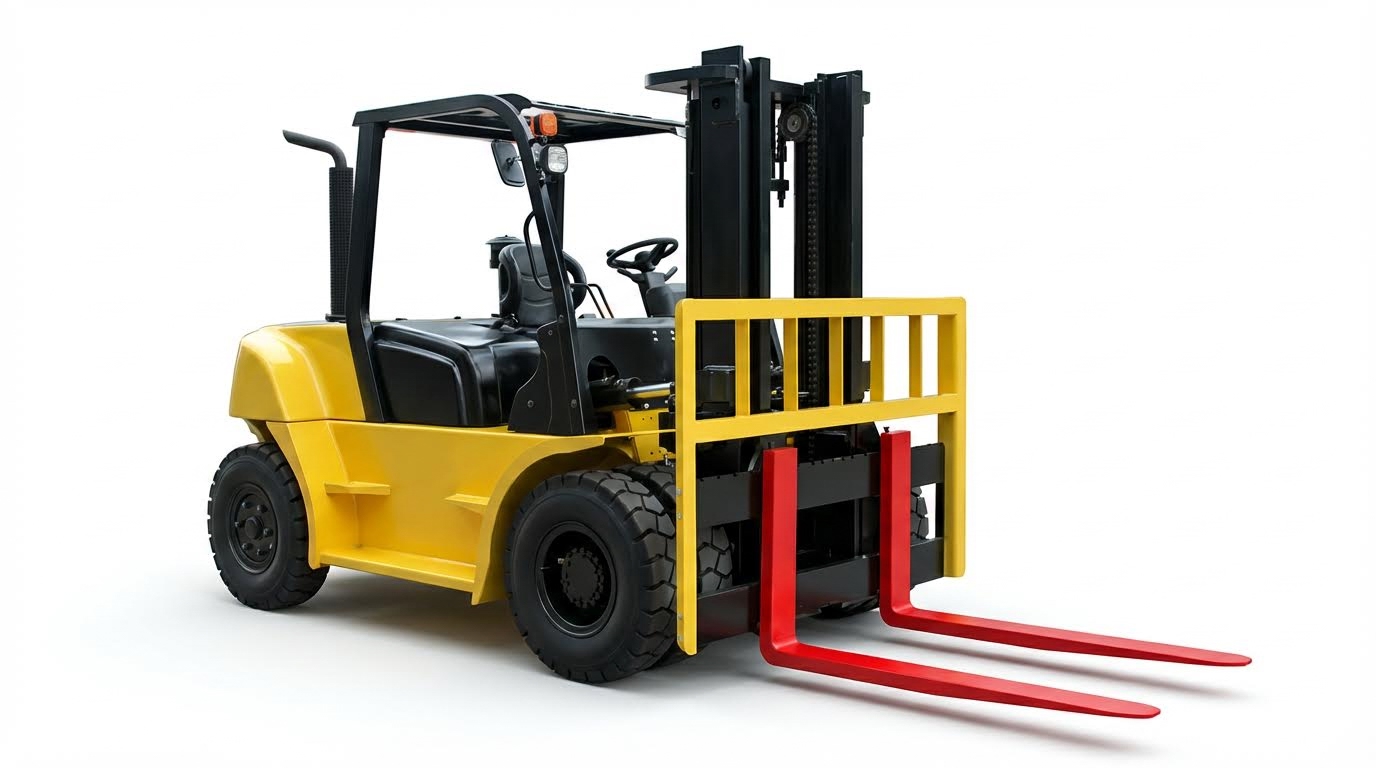
W tej sekcji wyjaśniono, jak bezpiecznie podnosić bardzo długie palety, ustawiając pozycję wideł, głębokość wsuwania i wyrównanie tak, aby efektywny środek ciężkości ładunku mieścił się w granicach znamionowego udźwigu wózka.
Obliczanie efektywnego środka ciężkości dla długich palet
Obliczenie efektywnego środka ciężkości w przypadku palet o bardzo długim przekroju oznacza obliczenie rzeczywistej odległości od czoła wideł do łącznego środka ciężkości przed porównaniem jej z tabliczką znamionową.
W przypadku palet o bardzo długim przekroju efektywny środek ciężkości ładunku to odległość w poziomie od czoła wideł do łącznego środka ciężkości palety i produktu. W przypadku równomiernie rozłożonego ładunku, nominalny środek ciężkości znajduje się w punkcie L/2 od końca palety, gdzie L to długość palety. Jeśli widły wchodzą do punktu D od bliższego końca, odległość od czoła wideł do środka ciężkości ładunku wynosi (L/2 − D), powiększona o ewentualne przesunięcie wynikające z nawisu lub asymetrii. Tę metodę obliczeń opisują wytyczne OSHA dotyczące obsługi ładunków . Za każdym razem, gdy zmieniasz długość palety, nawis lub długość wideł, musisz ponownie obliczyć tę wartość i porównać ją z nominalnym środkiem ciężkości ładunku wózka podanym na tabliczce udźwigu.
- Określ długość palety (L): Zmierz całkowitą długość palety w mm – linia bazowa dla geometrii środka obciążenia.
- Zmierz głębokość włożenia widelca (D): Zmierz, jak daleko widły wjeżdżają pod paletę – kontroluje, jak daleko środek ciężkości znajduje się przed powierzchnią widelca.
- Oblicz L/2 − D: Odejmij wstawienie od połowy długości – podaje podstawowy efektywny środek ciężkości obciążenia dla obciążeń równomiernych.
- Dodaj przesunięcia nawisu/asymetrii: Uwzględnij wszelkie wystające produkty lub nierówne ułożenie w stosy – uchwytuje rzeczywiste położenie środka ciężkości.
- Porównaj z tabliczką znamionową: Sprawdź pod kątem znamionowego środka ciężkości i masy – potwierdza, czy ciężarówka może legalnie i bezpiecznie podnieść tę bardzo długą paletę.
Przykładowy sposób działania: zmiana długości palety
Załóżmy, że ciężarówka ma udźwig nominalny 2,000 kg przy środku ciężkości ładunku 600 mm. Standardowa paleta o szerokości 1,200 mm, w pełni wprowadzona widłami o szerokości 1,150 mm, daje D ≈ 1,150 mm i L/2 = 600 mm. Efektywny środek ciężkości ładunku jest niewielki i mieści się w granicach normy. Jeśli zmienisz paletę na 2,400 mm i wprowadzisz widły tylko na szerokość 1,200 mm, L/2 będzie wynosić 1,200 mm, a D 1,200 mm, więc nominalny środek ciężkości znajduje się blisko czoła wideł. Każdy nawis lub nierówne ułożenie ładunku może łatwo przesunąć efektywny środek ciężkości ładunku poza 600 mm, zmuszając do zmniejszenia masy ładunku lub wyboru sprzętu przeznaczonego do długich ładunków.
💡 Uwaga inżyniera terenowego: Kiedy operatorzy pytają, jak podnieść bardzo długie ładunki paletowe „tylko ten jeden raz”, nalegam na szkicowanie L/2 − D na papierze. Widząc, że przesunięcie środka ciężkości o 200–300 mm może zniwelować połowę udźwigu znamionowego, zazwyczaj powstrzymuję niebezpieczne podnoszenie jeszcze przed jego rozpoczęciem.
Zastosowanie reguły 80% wkładania wideł w praktyce
W praktyce stosowanie zasady 80% wsunięcia wideł oznacza wjeżdżanie widłami pod co najmniej 80% głębokości palety, tak aby środek ciężkości ładunku pozostał z tyłu, a końcówki wideł nie uległy przeciążeniu.
Wytyczne branżowe stanowią, że widły powinny być wsunięte na pełną głębokość, o ile to możliwe, lub na co najmniej 80% głębokości palety. W przypadku palety o szerokości 1,165 mm oznacza to około 900–1,165 mm zagłębienia. OSHA zauważa, że niewystarczające wsunięcie widły przesuwa środek ciężkości ładunku do przodu, przeciąża końcówki wideł i zwiększa ryzyko przewrócenia . Te same wytyczne wyjaśniają, że płytkie wsunięcie koncentruje nacisk na czołowe deski pokładu i podłużnice, zwiększając ryzyko pęknięcia lub przebicia.
| Głębokość palety (mm) | Minimalne włożenie 80% (mm) | Typowy zakres pełnego wsuwania (mm) | Wpływ operacyjny |
|---|---|---|---|
| 1,000 | 800 | 950-1,000 | Pasuje do standardowych widelców, utrzymuje środek ciężkości blisko wózka. |
| 1,165 | 900-1,000 | 1,100-1,165 | Typowa „australijska” paleta; w przypadku głębokości wsunięcia poniżej 900 mm ryzyko obciążenia końcówki i uszkodzenia pokładu gwałtownie wzrasta. |
| 2,400 (bardzo długi) | 1,920 | 2,200-2,400 | Zazwyczaj wymaga długich lub wysuwanych wideł; płytkie wsunięcie wideł sprawia, że długie palety wydają się „giętkie” i niestabilne. |
- Najpierw skoncentruj się na pełnej głębokości: Zawsze staraj się wsunąć widelec całkowicie, aż pięta zbliży się do przeciwległego pokładu – maksymalizuje margines stabilności.
- Nigdy poniżej 80%: Traktuj 80% głębokości palety jako absolutne minimum – zapobiega przesunięciu się efektywnego środka ciężkości do przodu.
- Użyj oznaczeń na końcówkach wideł: Namaluj oznaczenia 80% i 100% na widelcach – umożliwia operatorom szybką kontrolę wizualną przed podnoszeniem.
- Standaryzacja dla każdej rodziny palet: Określ minimalne włożenie dla każdego typu palety i długości wideł – eliminuje domysły na podłodze.
- Ponowne sprawdzenie po częściowym wpisie: Jeżeli przeszkody blokują pełne wejście, należy ponownie obliczyć środek ciężkości ładunku i zmniejszyć masę ładunku – zapobiega niespodziewanym przewróceniom.
Badania wykazały, że wizualne pomoce, takie jak namalowane ślady wideł i linie na podłodze, pomagały operatorom szybciej i dokładniej oceniać głębokość wsuwania palety, oszczędzając 4–7 sekund na dotknięcie palety i poprawiając spójność. Zgłaszane korzyści sięgały 1.1–1.9 godzin oszczędności na wózek na zmianę , przy jednoczesnym zmniejszeniu uszkodzeń palet.
💡 Uwaga inżyniera terenowego: W chłodniach i na zakurzonych placach składowych zalecam wyraźne, kontrastowe oznaczenia na końcach wideł dla punktu 80%. Operatorzy często pracują z zaparowanymi osłonami lub przy słabym oświetleniu; jeśli nie widzą wyraźnie oznaczenia z odległości 5–6 m, nie docenią jego płytkiego położenia, a długie palety zaczną się „kiwać” podczas hamowania.
Rozstaw wideł, podparcie podłużnicy i tryby awarii palety
Prawidłowe rozstawienie wideł i ich ustawienie pod podłużnicami lub blokami zapobiega pękaniu pokładu, rozszczepianiu się podłużnic i nagłej utracie ładunku podczas obsługi bardzo długich palet.
Decydując o sposobie podnoszenia bardzo długich ładunków paletowych, widły powinny znajdować się bezpośrednio pod liniami konstrukcyjnymi, takimi jak podłużnice lub bloki, a nie gdziekolwiek pod podłogą. Wytyczne OSHA podkreślają, że prawidłowy rozstaw pod tymi elementami minimalizuje ugięcie i skręcanie podłogą . W przypadku palet z podłużnicami z nacięciami, widły muszą znajdować się w strefach nacięć, aby uniknąć rozerwania podłużnic. Standardowe prace powinny określać ustawienia rozstawu wideł dla każdego projektu palety, a w idealnym przypadku wózki masztu powinny posiadać znaki odniesienia, aby operatorzy mogli szybko i powtarzalnie ustawiać rozstaw.
| Problem z konfiguracją wideł | Typowy tryb awarii | Objaw ze świata rzeczywistego | Najlepsza dla / Strategia zapobiegania |
|---|---|---|---|
| Widelce ustawione zbyt blisko siebie | Uginanie się i pękanie centralnego pokładu | Paleta w kształcie „banana”; produkt przechyla się na boki | Zwiększ rozpiętość, aby móc siedzieć pod zewnętrznymi podłużnicami lub blokami. |
| Widły poza podłużnicami | Pęknięcia na górnych deskach tarasu przy krawędziach | Deski ścinają się podczas podnoszenia; nagłe opadnięcie jednej strony | Przesuń widły do środka, aby wyrównać je ze środkami podłużnic. |
| Widły nie znajdują się w strefie karbu (palety dwukierunkowe) | Rozłupywanie wstęgi podłużnej | Słyszalne trzaski; paleta przechyla się lub zapada podczas przechylania | Przeszkol operatorów w zakresie wizualnego potwierdzania obecności wideł w okienku nacięcia. |
| Nierówna wysokość lub skręcenie wideł | Zmiażdżenie bloku lub biegacza po jednej stronie | Załaduj kamienie podczas hamowania lub pokonywania zakrętów | Sprawdź widły i wózek; wygięte widły wycofaj z użytku. |
- Ustaw rozpiętość tak, aby pasowała do podłużnic: Wyrównaj ostrza wideł pod głównymi podłużnicami lub rzędami bloków – ładunek przechodzi przez najsztywniejsze części palety.
- Szanuj projekt wejścia: W przypadku palet dwukierunkowych widły należy trzymać w miejscach z nacięciami – zapobiega rozszczepianiu się cienkich pasów podłużnych.
- W razie potrzeby należy stosować pozycjonery hydrauliczne: W przypadku palet o różnej szerokości hydrauliczne pozycjonery wideł umożliwiają operatorom regulację rozstawu z kabiny – utrzymuje wsparcie strukturalne bez konieczności wielokrotnego demontażu.
- Zwróć uwagę na kołysanie i skrzypienie: Jakiekolwiek kołysanie lub głośne trzaski podczas przechylania masztu lub jazdy po nierównym podłożu – jest wczesny sygnał ostrzegawczy przed uszkodzeniem pokładu lub podłużnicy.
- Ustawienia dokumentu: Zalecane rozstawy wideł należy zaznaczyć na słupkach regałowych lub arkuszach SOP – sprawia, że prawidłowe pozycjonowanie staje się powtarzalnym nawykiem.
Typowe usterki, gdy operatorzy ignorują zasadę 80% wsuwania i prawidłowego rozstawu wideł, obejmują przebicie końcówek wideł przez deski górne, pękanie desek dolnych oraz zgniatanie podłużnic lub bloków pod obciążeniem mimośrodowym. Usterki te często zbiegają się z kołysaniem lub przechylaniem się ładunków, szczególnie podczas przechylania masztu lub jazdy po nierównym podłożu. Dlatego OSHA zaleca, aby inżynierowie określili minimalne głębokości wsuwania i zasady pozycjonowania wideł w standardowych instrukcjach roboczych dla każdej kombinacji palety i wideł.
💡 Uwaga inżyniera terenowego: W przypadku długich, ciężkich palet traktuję każdy słyszalny „trzask” podczas podnoszenia jako nieudane podnoszenie. Postaw ładunek, ustaw widły bliżej podłużnic i sprawdź paletę. Ponowne użycie pękniętej platformy pod ładunkiem o wadze 2,000 kg to sposób na przekształcenie drobnej wady w całkowity wyciek i potencjalny uraz.
Wybór osprzętu i sprzętu do długich ładunków
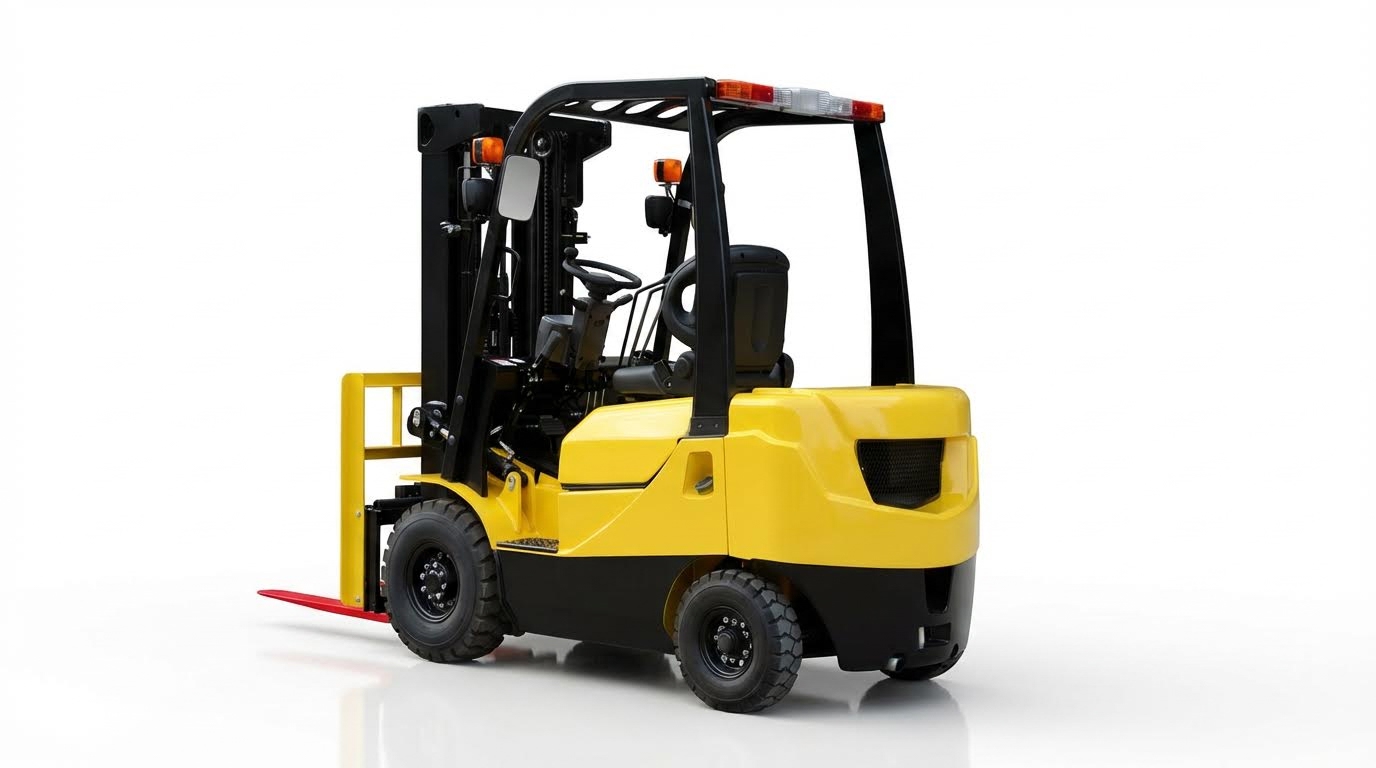
Wybierając osprzęt i sprzęt do podnoszenia długich ładunków, należy dopasować widły, wózki i przenośniki tak, aby efektywny środek ciężkości ładunku, stabilność i prześwity mieściły się w bezpiecznych granicach, gdy zdecydujesz, jak podnosić bardzo długie ładunki paletowe.
- Cel: Utrzymuj łączoną pojemność układu ciężarówka-osprzęt-ładunek w granicach nośności znamionowej – Zapobiega przewróceniu się pojazdu do przodu i uszkodzeniom konstrukcji.
- Metoda: Użyj osprzętu, który kontroluje rozstaw wideł, zasięg i kierunek jazdy – Sprawia, że długie ładunki zachowują się przewidywalnie.
- Integracja: Projektowanie interfejsów z przenośnikami i wózkami AGV – Eliminuje zaczepy, upadki i uszkodzenia powstałe w wyniku uderzeń.
💡 Uwaga inżyniera terenowego: Każdy osprzęt należy traktować jako dodatkową „długość wysięgnika”. Nawet kilkaset milimetrów dodatkowego przedniego wysięgu może znacznie zmniejszyć udźwig, dlatego zawsze należy sprawdzić zaktualizowaną tabliczkę z informacją o udźwigu przed podnoszeniem długich palet.
Hydrauliczne pozycjonery wideł i wysuwane widły
Hydrauliczne pozycjonery wideł i wysuwane widły pomagają kontrolować odstępy między widłami i głębokość zaczepienia, dzięki czemu bardzo długie palety pozostają w bezpiecznych granicach środka ciężkości ładunku, jednocześnie minimalizując uszkodzenia palet i czas obsługi.
- Kluczowa rola: Dopasuj rozstaw wideł i długość do każdej palety – Zmniejsza pękanie pokładu i przeciążenia podłużnic.
- Kiedy był potrzebny: Różne szerokości palet, asymetryczne opakowania, głębokie regały lub podwójne układanie – Umożliwia jednemu samochodowi ciężarowemu bezpieczny transport wielu jednostek magazynowych.
| Typ załącznika | Główna funkcja | Typowe specyfikacje / efekty | Wpływ operacyjny na długie palety |
|---|---|---|---|
| Hydrauliczny pozycjoner wideł | Regulacja rozstawu wideł z kabiny | Utrzymuje widły pod podłużnicami/blokami, aby ograniczyć ugięcie pokładu Wytyczne OSHA | Szybka zmiana szerokości wideł w zależności od typu palet; poprawia stabilność przy podnoszeniu bardzo długich palet o zmiennej szerokości. |
| Widły rozsuwane (teleskopowe) | Zwiększ efektywną długość wideł | Można rozciągnąć do około 150% długości podstawowej wideł; wymaga ponownego obliczenia środka ciężkości Odniesienie do załącznika | Sięgaj przez długie palety, do głębokich regałów lub obsługuj regały o podwójnej głębokości, spełniając przy tym zasadę 80% wkładania. |
- Hydrauliczne pozycjonery wideł: Umożliwia regulację rozstawu wideł w kabinie, tak aby każdy widelec znajdował się pod konstrukcją nośną, np. podłużnicą lub blokiem, co pozwala zachować efektywny środek ciężkości ładunku w granicach udźwigu wózka i zmniejsza skręcanie na palecie. Wskazówki terenowe.
- Rozsuwane widełki: Zapewnij większy zasięg, aby widły mogły dopasować się do głębokości palety; inżynierowie muszą ponownie obliczyć efektywny środek ciężkości ładunku (L/2 − D plus ewentualny wystający element) i zastosować obniżoną nośność przed podnoszeniem Notatka inżynierska.
- 80% wkładki z elementami wysuwanymi: Nawet przy użyciu wideł teleskopowych nadal dążysz do wykorzystania co najmniej 80% głębokości palety (na przykład około 900 mm na palecie o szerokości 1,165 mm), aby uniknąć przeciążenia końcówek wideł i zapobiec pękaniu pokładu Zasada 80%.
- Nośność i wysięg: Każdy pozycjoner wideł lub mechanizm teleskopowy dodaje masę i przesuwa ładunek dalej do przodu, dlatego przed wyborem sposobu podnoszenia bardzo długich ładunków paletowych za pomocą danego wózka należy sprawdzić nośność masztu i wózka oraz skorzystać z zaktualizowanej tabliczki znamionowej. Wpływ na pojemność.
Jak wybierać między widelcem stałym a wysuwanym
Używaj stałych, długich wideł, gdy głębokość palet i regały są spójne, a wózki zawsze podjeżdżają z tej samej strony. Wybierz widły wysuwane, gdy musisz sięgnąć do głębokich regałów, nad przenośnikami lub obsługiwać palety o różnej głębokości bez zmiany wózka. Zawsze upewnij się, że wysuwane widły nadal umożliwiają co najmniej 80% zajęcie palety i utrzymują efektywny środek ciężkości ładunku w granicach znamionowych.
Wózki wielokierunkowe i widły montowane na ładowarce
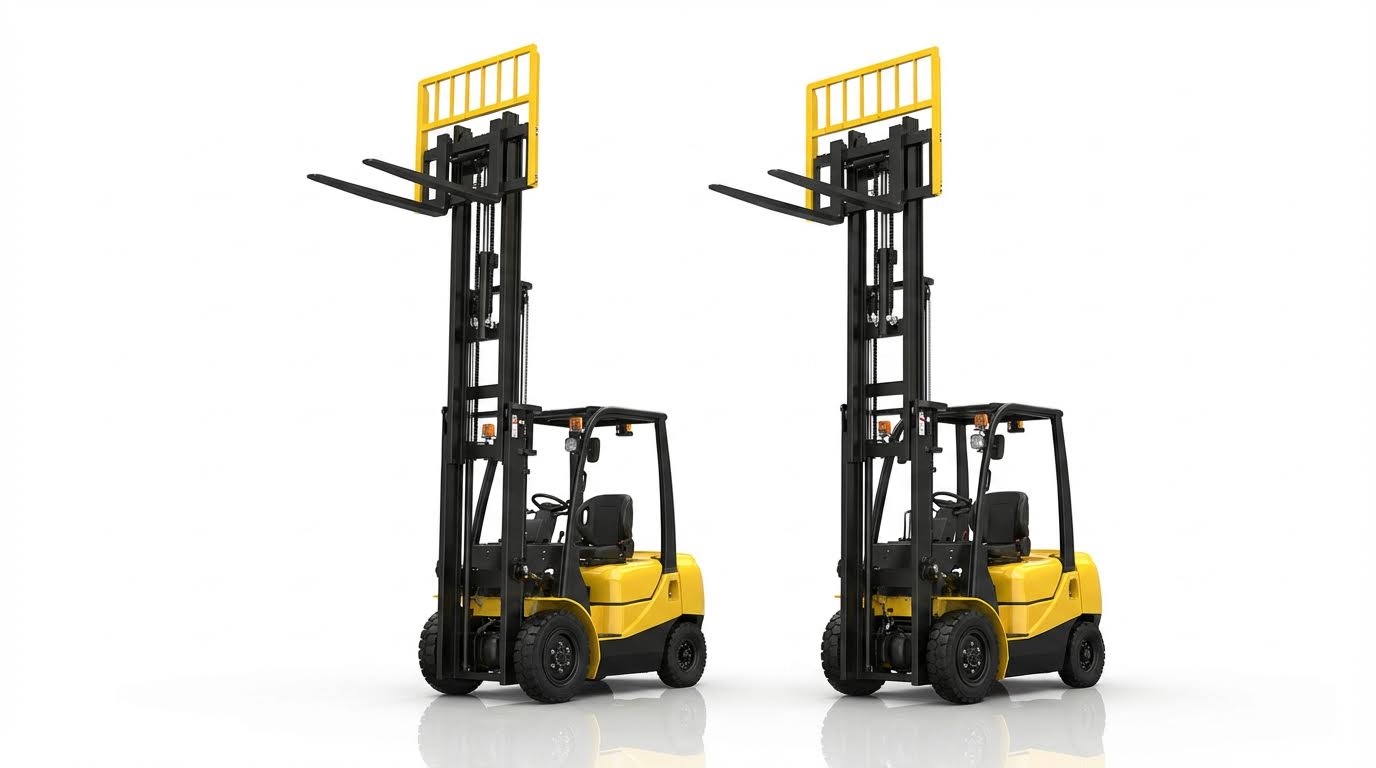
Wielokierunkowe wózki widłowe i widły paletowe montowane na ładowarce umożliwiają przenoszenie wyjątkowo długich palet na ciasnych placach lub w trudnych warunkach zewnętrznych, gdzie tradycyjne wózki widłowe z przeciwwagą mają problemy ze względu na promień skrętu i warunki gruntowe.
- Ciężarówki wielokierunkowe: Rozwiąż problemy związane z szerokością przejścia i zawracaniem, poruszając się bokiem lub po przekątnej z ładunkiem.
- Widły montowane na ładowarce: Przenoszenie długich, ciężkich lub nierównych ładunków na zewnątrz, gdzie używane są ładowarki kołowe lub teleskopowe.
| Rodzaj wyposażenia | Typowa zdolność | Najlepszy dla… | Wpływ operacyjny |
|---|---|---|---|
| Wózek widłowy wielokierunkowy | Udźwig ok. 1,800–25 000 kg; wysokość podnoszenia >4 m Zakres wydajności | Długie palety, drewno, stal lub paczki paneli w wąskich korytarzach | Umożliwia przemieszczanie się wzdłuż boku ciężarówki, skracając szerokość korytarza w porównaniu z konwencjonalnymi ciężarówkami podczas planowania sposobu podnoszenia bardzo długich palet na regałach. |
| Widły paletowe montowane na ładowarce | Długość zęba ok. 1,200–2,400 mm; szerokość wózka >1,800 mm Prowadzenie wideł ładowarki | Zewnętrzne place, wiązki rur, belki prefabrykowane, długie palety na nierównym podłożu | Szeroka rama zapewnia lepszą stabilność boczną; należy jednak sprawdzić wykresy stabilności ładowarki przy każdej wysokości i zasięgu wysięgnika. |
- W jaki sposób pomagają wózki wielokierunkowe: Poruszają się wzdłużnie, poprzecznie i po przekątnej, dzięki czemu ładunek może pozostać wzdłuż podwozia, podczas gdy wózek porusza się bokiem, co znacznie zmniejsza wymaganą szerokość korytarza dla długich palet w porównaniu ze standardowymi wózkami widłowymi z przeciwwagą Optymalizacja korytarza.
- Strefa bezpieczeństwa: Ponieważ długie ładunki podczas ruchu bocznego kołyszą się w poprzek przejścia, w przypadku stosowania ciężarówek wielokierunkowych należy określić strefy wyłączone z ruchu pieszych i ograniczenia prędkości na obszarach o ruchu mieszanym Praktyka bezpieczeństwa.
- Geometria wideł montowanych na ładowarce: Nieruchome, kute zęby zapewniają przewidywalną geometrię ładunków paletyzowanych, natomiast opcjonalne, ruchome zęby są odpowiednie do nieregularnych wiązek, które muszą ułożyć się płasko na nierównym terenie Rodzaje zębów.
- Sprawdzanie stabilności ładowarek: Inżynierowie muszą sprawdzić znamionowe udźwigi ładowarki przy użyciu wideł na zamierzonej wysokości wysięgnika i zasięgu, ponieważ długie palety często znajdują się dalej niż łyżki i mogą szybko przekroczyć limity stabilności, jeśli operatorzy wyjdą za daleko Stabilność ładowarki.
Kiedy przejść ze standardowych wózków widłowych na wózki wielokierunkowe
Rozważ wózki wielokierunkowe, gdy długość najdłuższej palety lub paczki jest zbliżona do szerokości korytarza lub większa, lub gdy operatorzy często wykonują zawracanie w wielu punktach. Jeśli zawracanie z długimi ładunkami regularnie zmusza do pracy z prześwitem poniżej 300–400 mm na końcach korytarza, wózek wielokierunkowy zazwyczaj stanowi bezpieczniejsze i bardziej wydajne rozwiązanie.
💡 Uwaga inżyniera terenowego: W ciasnych magazynach często widzę operatorów „oszukujących”, podnosząc długie palety wyżej, aby ominąć regały podczas ciasnych zakrętów. Wózki wielokierunkowe eliminują tę pokusę, pozwalając ładunkowi poruszać się bokiem na niskiej, stabilnej wysokości.
Integracja z przenośnikami, pojazdami AGV i systemami automatycznymi
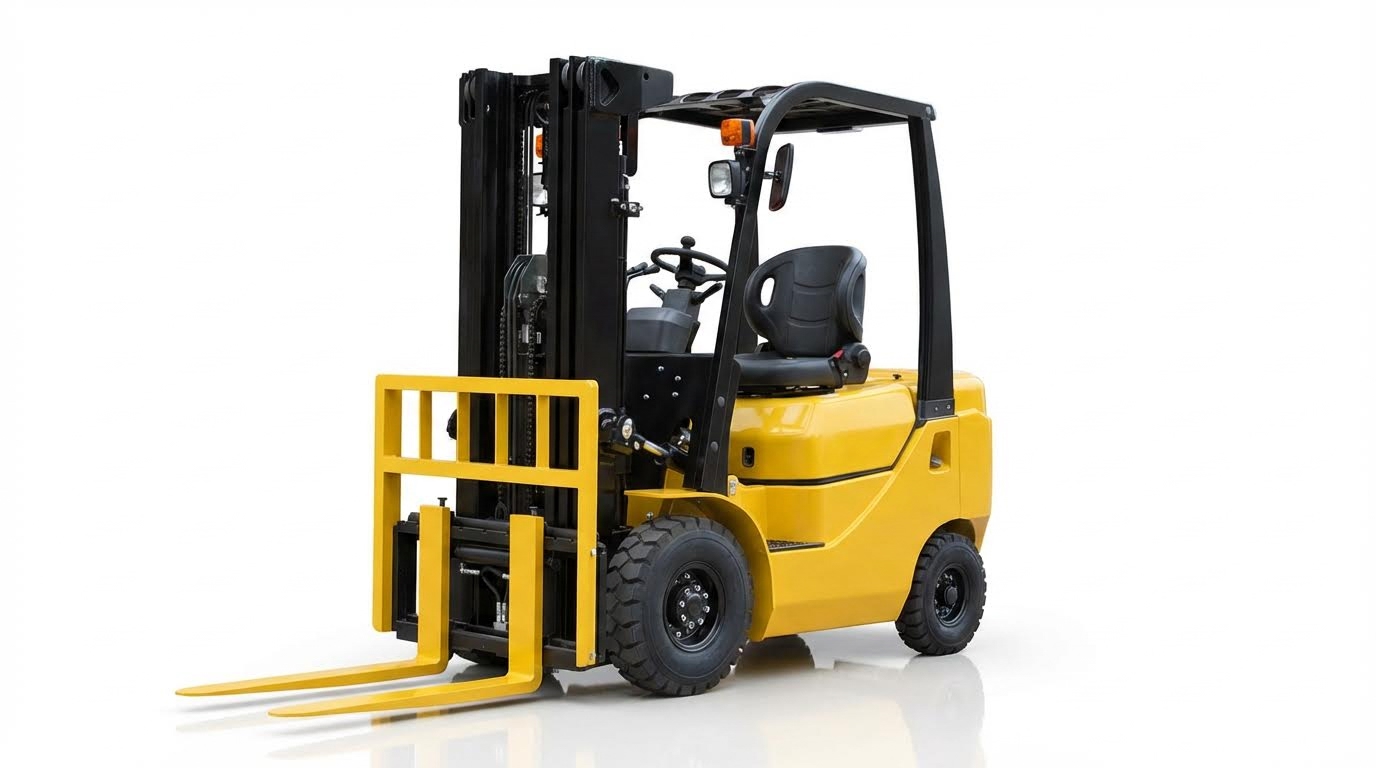
Integracja wózków widłowych i osprzętu do transportu długich ładunków z przenośnikami, wózkami AGV i innymi systemami automatyki wymaga dopasowania wysokości, szerokości i logiki sterowania, aby bardzo długie palety mogły być przemieszczane płynnie, bez zaczepiania się, przewracania lub niebezpiecznej interakcji z człowiekiem.
- Najpierw geometria: Dopasuj szerokość i wysokość przenośnika oraz warunki wejścia do geometrii palety i wideł.
- Sterowanie drugie: Za pomocą sterowania strefowego i czujników można oddzielić długie ładunki i zapewnić ich stabilność.
| Aspekt projektowy | Typowe wytyczne inżynierskie | Wpływ operacyjny na długie palety |
|---|---|---|
| Szerokość przenośnika | Szerokość palety + ok. 100–150 mm; dla palety o długości 1,200 mm transportowanej wzdłużnie, typowa szerokość przenośnika wynosi ok. 1,350 mm Wytyczne dotyczące szerokości | Zapewnia tolerancję prowadzenia i prześwit boczny, dzięki czemu bardzo długie palety nie ocierają się o ramy boczne ani nie wspinają się na nie. |
| Boisko rolkowe | Pod każdym wózkiem paletowym należy umieścić co najmniej trzy rolki; w odstępach około 75–100 mm w przypadku palet podłużnych, do 100–150 mm w przypadku palet z pełnym dnem Odległość między podporami | Zapobiega nadmiernemu uginaniu się palet pomiędzy rolkami i zmniejsza ryzyko pękania pokładu przy dużych rozpiętościach. |
| Wysokość podawania/odprowadzania | Dopasuj wysokość wózka widłowego, AGV lub stołu podnośnego do około ±10 mm; użyj stożkowych płyt wejściowych i pionowych szczelin o szerokości 3–5 mm Projekt interfejsu | Zmniejsza uderzenia w punktach przeładunkowych i zapobiega zawieszaniu się palet podczas odkładania bardzo długich palet. |
| Długość strefy (ciśnienie zerowe) | Długość strefy nieznacznie większa niż najdłuższa paleta, typowa długość palety +200–300 mm Określanie wielkości strefy | Utrzymuje długie palety oddzielnie, tak aby się nie stykały, nawet w przypadku wystających lub elastycznych opakowań. |
- Wytrzymałość przenośnika rolkowego: Bardzo długie palety powodują większe momenty zginające i obciążenia dynamiczne, dlatego rozpiętości podpór muszą mieścić się w dopuszczalnych granicach ugięcia palety, zwykle poniżej L/200, aby uniknąć trwałego uginania się lub pękania Kryteria ugięcia.
- Strefy zbliżania się ciężarówek: Podjazdy wózków widłowych do przenośników powinny zapewniać 1,500–3,000 mm wolnego miejsca, aby operatorzy mogli ustawić wózek prostopadle i umieścić długie palety bez przekosu, co jest kluczowe przy podejmowaniu decyzji o bezpiecznym podnoszeniu bardzo długich ładunków paletowych na automatyzację Wymagania dotyczące fartucha.
- Akumulacja ciśnienia zerowego: Podział przenośnika na niezależnie sterowane strefy zapobiega kontaktowi między paletami; czujniki zatrzymują strefy przed uderzeniem, chroniąc elastyczne lub zwisające długie ładunki przed teleskopowaniem lub przesuwaniem Kontrola strefy.
- Sprzęt bezpieczeństwa: Linki do awaryjnego zatrzymania, stałe osłony wokół napędów i
Końcowe uwagi dotyczące bezpiecznego i zgodnego z przepisami transportu długich ładunków
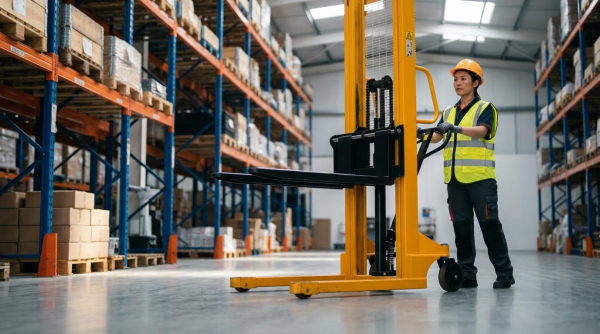
Bezpieczne i zgodne z przepisami postępowanie z paletami o bardzo długim rozstawie sprowadza się do trzech czynników: przestrzegania ograniczeń środka ciężkości ładunku, standaryzacji obsługi wideł oraz dopasowania sprzętu do trasy i miejsca styku. Ta sekcja przekształca teorię „jak podnosić palety o bardzo długim rozstawie” w codzienne zasady.
Przekształć zasady projektowania w pracę standardową
Pisemna, wizualna praca standardowa to najszybszy sposób, aby zapewnić powtarzalność bezpiecznego obchodzenia się z długimi ładunkami podczas różnych zmian i lokalizacji.
- Zdefiniuj rodziny palet: Grupuj palety według długości, szerokości i rodzaju wejścia – umożliwia wstępne zdefiniowanie zasad rozstawiania wideł i wstawiania.
- Naprawa minimalnego włożenia widelca: Udokumentuj wartości „≥80% głębokości” w mm dla każdego typu palety – eliminuje domysły dotyczące ciężarówki.
- Wymień zatwierdzony sprzęt: Zaznacz na mapie, które ciężarówki, osprzęt i trasy są dozwolone dla każdej palety – zapobiega przeciążaniu maszyn marginalnych.
- Uwzględnij kontrole centrów załadunku: Dodaj prosty przykład L/2 − D do każdej procedury operacyjnej – przypomina operatorom, dlaczego płytkie wejście jest niebezpieczne.
- Określ pochylenie masztu i wysokość podnoszenia: Wymagaj, aby ładunki były nisko (≈100–200 mm) i maszt był lekko cofnięty podczas jazdy – poprawia stabilność długich ładunków.
Przykładowe standardowe elementy pracy do uwzględnienia
Pokaż zdjęcia przedstawiające prawidłowe i nieprawidłowe wkładanie wideł, diagramy dopuszczalnego rozstawu wideł dla każdej palety oraz prostą tabelę maksymalnej masy ładunku w zależności od długości palety dla typowych samochodów ciężarowych.
💡 Uwaga inżyniera terenowego: Kiedy sformalizowaliśmy procedury operacyjne dla długich palet, największym sukcesem był zakaz podnoszenia palet „tylko z przechylaniem” na krótkich odcinkach. Większość przechyleń palet o długości 3–4 m miała miejsce na odcinku poniżej 10 m, gdzie operatorzy uważali, że pełne włożenie palety „nie jest tego warte”. Utrwalmy tę zasadę.
Użyj pomocy wizualnych i czujników, aby kierować operatorami
Wskazówki wizualne i podstawowe czujniki znacznie zmniejszają ryzyko popełnienia błędów w ocenie sytuacji podczas podnoszenia długich palet w zatłoczonych przejściach.
- Oznaczenia na końcówce wideł: Namaluj linie wstawiania 80% i 100% na zębach – operatorzy mogą na pierwszy rzut oka sprawdzić, czy są one wystarczająco głębokie.
- Znaki odniesienia wagonu: Zaznacz wspólne rozstawy wideł na wózku – pomaga w równomiernym ustawieniu wideł pod podłużnicami lub blokami.
- Linie podłogowe i regałowe: Użyj namalowanych linii dla punktów zatrzymania i centrów palet – zmniejsza liczbę nierównych podejść do regałów i przenośników.
- Czujniki obciążenia: Na trasach o wysokim ryzyku należy używać czujników obciążenia i nachylenia, aby uruchamiać alarm w przypadku przekroczenia znamionowej ładowności lub obrysu – dodaje zabezpieczenie w przypadku zmiany palet lub ładunków.
- Wykrywanie bliskości: Czujniki na wejściu przenośnika lub krawędziach doku mogą automatycznie zwalniać ciężarówki – zmniejsza obciążenia udarowe na paletach o bardzo dużej długości.
Badania wykazały oszczędność 4–7 sekund na dotknięcie palety przez operatorów korzystających z pomocy wizualnych, co przekłada się na oszczędność 1.1–1.9 godziny na wózek w czasie zmiany, a jednocześnie poprawia dokładność i bezpieczeństwo układania. Poprawa czasu i dokładności dzięki pomocy wizualnej
Dostosuj szkolenie, licencjonowanie i nadzór do ryzyka związanego z ładunkami długodystansowymi
Szkolenie i nadzór muszą wyraźnie obejmować kwestie związane z obsługą długich ładunków; ogólne szkolenie z obsługi wózków widłowych nie jest wystarczające w przypadku palet o bardzo długich ładunkach.
- Szkolenia oparte na scenariuszach: Uwzględnij ćwiczenia z paletami o wymiarach 3–4 m, obciążeniami przesuniętymi i częściowym wstawianiem – operatorzy odczuwają zmianę stabilności.
- Moduły specyficzne dla załączników: Szkolenie na pozycjonerach hydraulicznych, widłach wysuwanych i wózkach wielokierunkowych – każdy zmienia środek ciężkości ładunku i sposób jego obsługi.
- Interfejsy przenośników i AGV: Naucz prawidłowej prędkości podejścia, ustawiania się w linii prostej i kontroli przekazywania – zapobiega zacięciom i uszkodzeniom palet podczas transferów.
- Cykle odświeżające: Przeprowadź krótkie powtórki po niemalże niebezpiecznych sytuacjach lub zapoznaj się z nowymi typami palet – utrzymuje aktualne umiejętności „jak podnosić bardzo długie palety”.
- Audyty nadzorcze: Nadzorcy powinni wyrywkowo sprawdzać głębokość wsunięcia wideł, pochylenie masztu i wysokość jazdy – wzmacnia standardy na sali.
Kluczowe tematy do dodania do treningu z dużym obciążeniem
Wyjaśnij koncepcję środka ciężkości ładunku (L/2 − D) za pomocą prostych szkiców, pokaż prawdziwe palety uszkodzone w wyniku płytkiego wsunięcia i poprowadź operatorów przez proces odczytywania tabliczek znamionowych w niestandardowych środkach ciężkości ładunku.
💡 Uwaga inżyniera terenowego: W chłodniach i na placach zewnętrznych nalegam na krótkie, sezonowe powtórki. Śliskie podłogi i długie palety zmieniają drogę hamowania i sposób manewrowania; operatorzy muszą na nowo uczyć się bezpiecznych prędkości i kątów skrętu, gdy zmieniają się warunki.
Interfejsy i trasy inżynierskie, nie tylko windy
Bezpieczny transport długich ładunków zależy od całej trasy i projektu interfejsu: korytarze, drzwi, doki i przenośniki muszą być dostosowane do kombinacji palet i wózków widłowych.
- Sprawdź odstępy między przejściami i drzwiami: Upewnij się, że długie ładunki mogą się obracać i przechodzić z zachowaniem co najmniej 100–150 mm luzu bocznego – zapobiega uderzeniom bocznym i uszkodzeniom krawędzi palet.
- Dopasuj szerokość i wysokość przenośnika: Przenośniki rolkowe powinny być szersze o 100–150 mm od palety i mieć wysokość dostosowaną do tolerancji ±10 mm. pozwala uniknąć zacięć i przenoszenia dużych obciążeń.
- Zapewnij miejsce na płycie postojowej: Utrzymuj odstęp 1,500–3,000 mm przy przenośnikach taśmowych i dokach – zapewnia miejsce na prostowanie długich palet.
- Strefy przenośników sterujących: Stosuj akumulację bezciśnieniową ze strefami dłuższymi od palety o 200–300 mm – zapobiega tworzeniu się mostków między strefami w przypadku długich palet.
- Punkty zaczepienia strażnika: Zamontuj osłony palców o szerokości 100–150 mm i wyłączniki awaryjne z linką wzdłuż przenośników – chroni personel w pobliżu przemieszczających się długich ładunków.
Przenośniki rolkowe do palet o bardzo dużej długości powinny mieć co najmniej trzy rolki pod każdym wózkiem paletowym, przy czym odstęp między rolkami wynosi zazwyczaj 75–100 mm dla palet podłużnych i do 100–150 mm dla palet z pełnym dnem. Wymiary przenośnika i wskazówki dotyczące interfejsu
💡 Uwaga inżyniera terenowego: Większość „tajemniczych” uszkodzeń palet, które badałem, nie miała miejsca na regale, lecz na wadliwych stykach, gdzie długa paleta napotkała lukę lub uderzyła w stopień. Napraw styki, a wskaźnik uszkodzeń regału zazwyczaj również spadnie.
Zawsze przestrzegaj ograniczeń środka ciężkości i ładowności
W przypadku palet o bardzo dużej długości nie można negocjować przestrzegania ograniczeń środka ciężkości ładunku i płyty nośności; niewielkie zmiany głębokości wsuwania lub wystającego elementu mogą spowodować przekroczenie bezpiecznego zakresu.
- Przelicz, gdy długość się zmienia: Każda zmiana długości palety L lub włożenia wideł D wymaga przeprowadzenia nowej kontroli efektywnego środka ciężkości ładunku – zapobiega cichym przeciążeniom.
- Weź pod uwagę nawis i asymetrię: Traktuj wystające i wysokie, przesunięte ładunki jako dodatkową odległość od czoła wideł – Przesuwają środek ciężkości do przodu.
- Obniż stawkę za załączniki: Pozycjonery hydrauliczne i wysuwane widły zwiększają przedni zwis – Zawsze należy używać tabliczki znamionowej dotyczącej konkretnego osprzętu.
- Zakaz wyjątków typu „szybki podwóz”: Zastosuj te same zasady do krótkich boczników, co do długich przebiegów – Większość incydentów ma miejsce podczas „szybkich” przeprowadzek.
- Użyj właściwego typu ciężarówki: W przypadku bardzo długich lub ciężkich palet należy określić wózki wielokierunkowe lub widły montowane na ładowarce za pomocą odpowiednich wykresów – wózki przeciwwagowe nie są rozwiązaniem uniwersalnym.
Efektywny środek ciężkości ładunku dla palet o bardzo długim kącie to odległość od czoła wideł do łącznego środka ciężkości, często wyrażana jako (L/2 − D) powiększona o ewentualne przesunięcie wynikające z nawisu lub asymetrii. Jeśli wartość ta przekracza wartość znamionową wózka, operatorzy muszą zmniejszyć masę ładunku, wydłużyć zasięg wideł lub wybrać sprzęt przeznaczony do długich ładunków. Wytyczne OSHA dotyczące środka ciężkości ładunku i ładowności
💡 Uwaga inżyniera terenowego: Radzę traktować tabliczki znamionowe udźwigu jako sztywne limity, a obliczenia inżynierskie jako margines bezpieczeństwa. Jeśli szybkie obliczenia wskazują, że jesteś „blisko”, załóż, że jesteś na granicy i zmień metodę – głębsze widły, inny wózek lub podziel ładunek.
Złóż wszystko razem: prosta lista kontrolna dotycząca długich palet
Krótka lista kontrolna na ciężarówce pomaga operatorom stosować się do wszystkich tych wskazówek za każdym razem, gdy podejmują decyzję o sposobie podnoszenia bardzo długich palet.
- Krok 1: Potwierdź rodzaj i długość palety – wybierz właściwy SOP i rozstaw wideł.
- Krok 2: Sprawdź ładowność ciężarówki i osprzętu – zapewnić znamionową nośność przy przewidywanym środku ciężkości obciążenia.
- Krok 3: Ustaw rozstaw wideł i zaplanuj wstawianie – cel ≥80% głębokości palety, pod podłużnicami lub blokami.
- Krok 4: Podejdź do kwadratu i wbij piłkę do znaku – utrzymuje środek ciężkości wewnątrz trójkąta stabilnego.
- Krok 5: Podnieś lekko, odchyl do tyłu i jedź powoli z nisko opuszczonym ładunkiem – minimalizuje ryzyko przewrócenia się i kołysania.
- Krok 6: Umieścić delikatnie i zapewnić pełne podparcie na regałach lub przenośnikach – zapobiega uszkodzeniom w wyniku uderzeń i powstawaniu mostków.
💡 Uwaga inżyniera terenowego: Gdy umieścisz tę listę kontrolną na ciężarówce (na laminowanej karcie lub na ekranie) i uzupełnisz ją czytelnymi oznaczeniami na podłodze i procedurami operacyjnymi (SOP), obsługa długich palet przestanie być „czarną magią”, a stanie się kolejnym kontrolowanym procesem.
Końcowe uwagi dotyczące bezpiecznego i zgodnego z przepisami transportu długich ładunków
Bezpieczna obsługa długich palet zależy od traktowania geometrii, pojemności i projektu trasy jako jednego, powiązanego systemu. Długość palety, wsunięcie wideł i wysięg określają efektywny środek ciężkości ładunku. Ta odległość decyduje następnie, czy wózek, osprzęt lub układ przenośnika jest bezpieczny, czy też przekracza już granice stabilności. Gdy zespoły ignorują to powiązanie, ryzyko przewrócenia się i uszkodzenia palet gwałtownie rośnie.
Operacje powinny utrwalić kluczowe zasady w standardowej pracy. Zdefiniuj rodziny palet, minimalny odstęp między widłami w milimetrach oraz zatwierdzone kombinacje wózka i osprzętu. Używaj oznaczeń wideł, numerów karetki i linii podłogi, aby operatorzy widzieli prawidłowe wsuwanie i rozsuwanie, a nie zgadywali. Poprzyj to szkoleniem, które wyjaśnia ideę L/2 − D w prostych szkicach i pokazuje rzeczywiste przykłady awarii.
Inżynierowie muszą również zaprojektować korytarze, drzwi, doki i przenośniki wokół najdłuższej palety, a nie przeciętnej. Prawidłowa szerokość przenośnika, rozstaw rolek i długość strefy zapobiegają mostkowaniu i uszkodzeniom spowodowanym uderzeniami. Wózki wielokierunkowe lub widły montowane na ładowarce powinny obsługiwać bardzo długie lub ciężkie palety, z którymi standardowe wózki z przeciwwagą mają problemy.
Najlepsza praktyka jest jasna: traktuj tabliczkę znamionową jako sztywne ograniczenie, przeliczaj środek ciężkości ładunku przy każdej zmianie geometrii i nigdy nie dopuszczaj „szybkich” wyjątków. Gdy sprzęt, procedury i szkolenia Atomoving są zgodne z tymi zasadami, obsługa długich palet staje się stabilna, przewidywalna i zgodna z przepisami.
Najczęściej zadawane pytania
Jakiego sprzętu mogę użyć do podniesienia bardzo długiej palety?
Aby podnieść bardzo długą paletę, możesz użyć specjalistycznego sprzętu do transportu materiałów przeznaczonego do ładunków ponadgabarytowych. Dostępne opcje to:
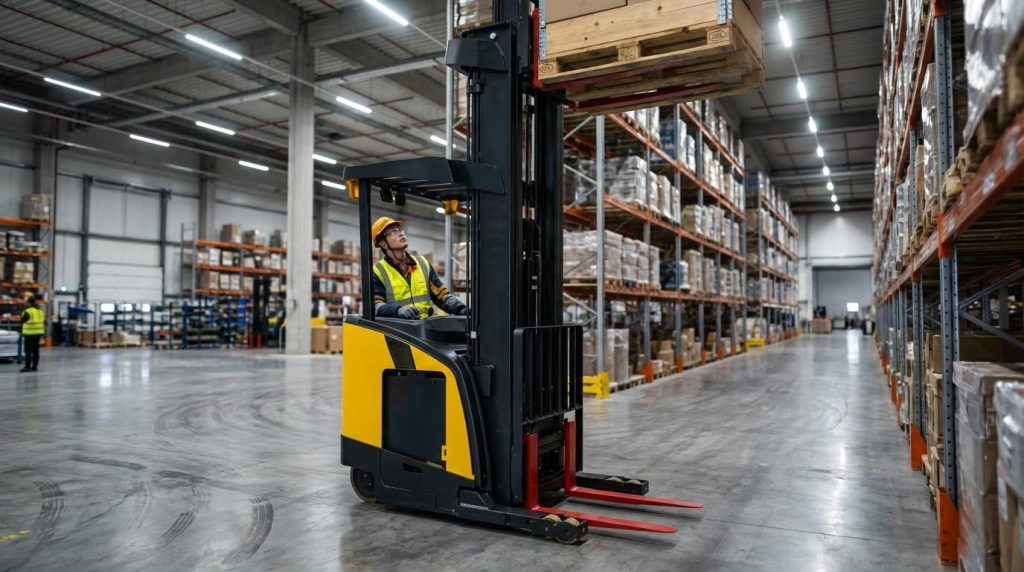
- Wózki widłowe z wysuwanym masztem: Idealne do wąskich przejść i wysokiego składowania; przy odpowiedniej regulacji wideł mogą obsługiwać dłuższe palety.
- Wózki jezdniowe dla pieszych: Nadaje się do podnoszenia i transportu długich palet w magazynach o ograniczonej przestrzeni.
- Pociągi holownicze: Przydatne przy przemieszczaniu wielu palet lub palet o dużych gabarytach na większe odległości w obrębie obiektu.
Aby zapewnić bezpieczną pracę, upewnij się, że udźwig urządzenia odpowiada wadze palety. Przewodnik po alternatywach dla wózków widłowych.
Jak mogę bezpiecznie przenosić bardzo długą paletę bez wózka widłowego?
Ręczne przenoszenie bardzo długiej palety wymaga odpowiedniej techniki i pracy zespołowej. Wykonaj następujące kroki:
- Użyj Wózek 4-kołowy or wózek ręczny aby podtrzymać ciężar palety i zachować równowagę.
- Zadbaj o to, aby w pracę zaangażowane były co najmniej dwie osoby, aby równomiernie rozłożyć wysiłek.
- Aby uniknąć kontuzji, trzymaj plecy prosto i podnoś ciężar nogami.
Unikaj skręcania pleców podczas tego procesu i trzymaj paletę blisko ciała, aby zapewnić stabilność. Aby skorzystać z profesjonalnych rozwiązań, rozważ wypożyczenie odpowiedniego sprzętu od zaufanych dostawców, takich jak Atomoving.