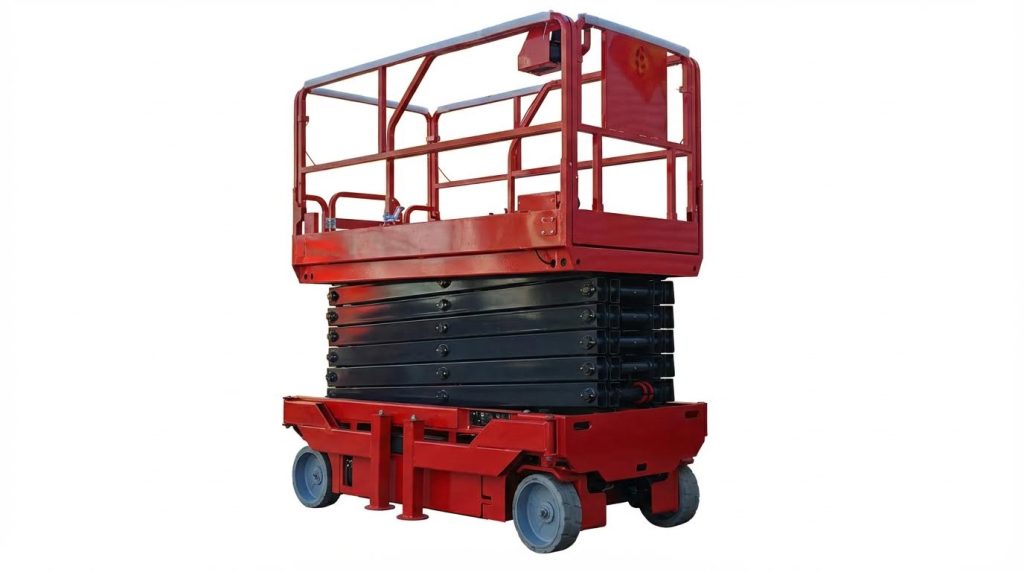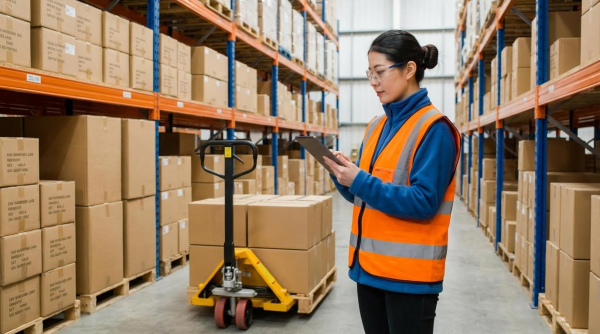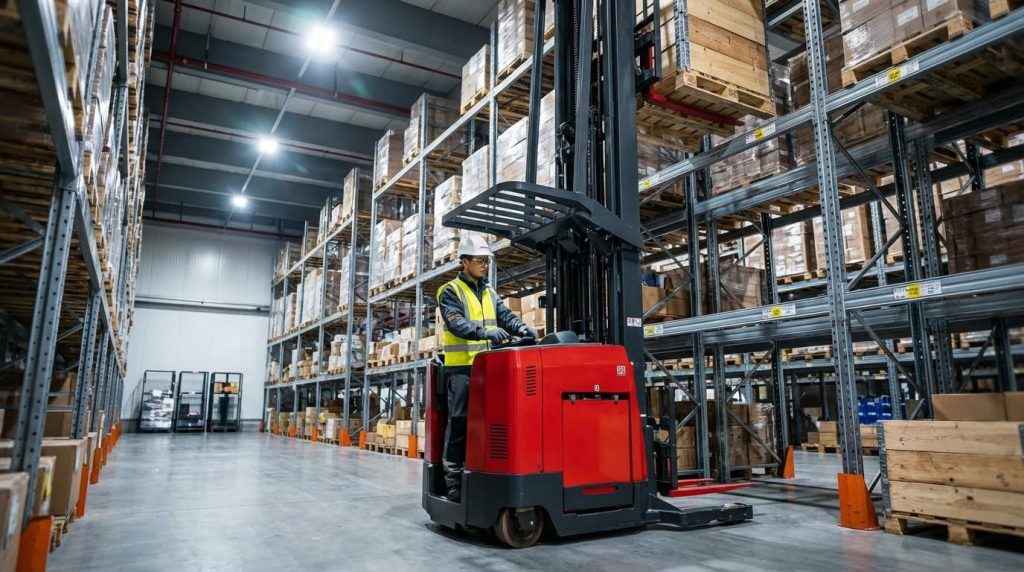
Jeśli zastanawiasz się, co podnosi ładunki na palety w nowoczesnych magazynach, odpowiedzią są roboty, wózki widłowe, wózki paletowe i ergonomiczne pozycjonery. Ten przewodnik przedstawia główne typy maszyn, ich bezpieczne zakresy robocze w kg i m oraz sposób ich dopasowania do ładunków, korytarzy i docelowych przepustowości, aby zapewnić niezawodną i zgodną ze standardami obsługę palet.
Dopasowywanie maszyn do obciążeń, układów i przepływów pracy
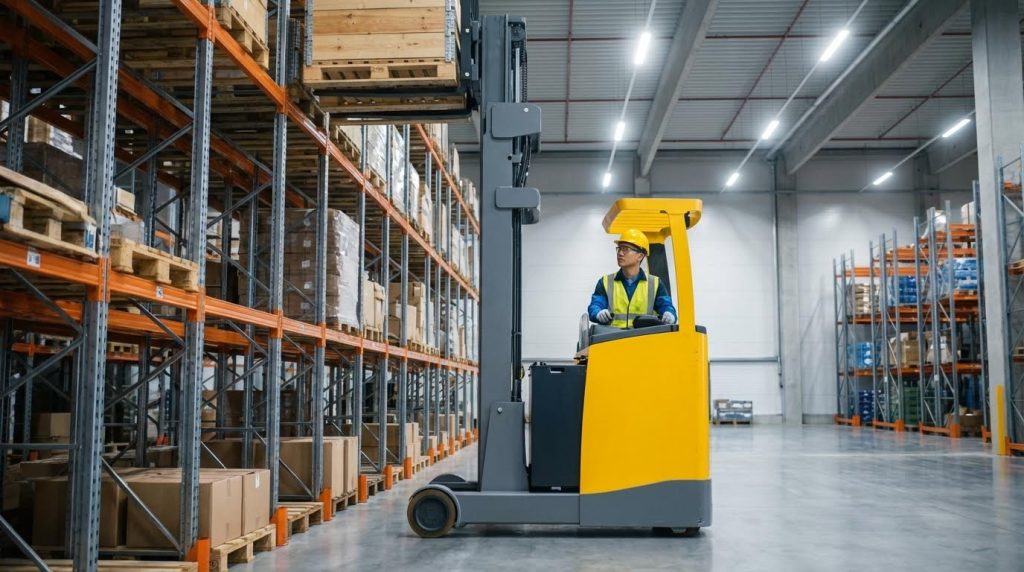
Dopasowanie sposobu podnoszenia ładunków na palety do ładunku, budynku i przepływu pracy zapobiega powstawaniu wąskich gardeł, uszkodzeniom i niebezpiecznym operacjom. Właściwy wybór opiera się na określeniu limitów obciążenia, korytarza i regałów, a następnie zbilansowaniu kosztów cyklu życia i zużycia energii.
- Zacznij od obciążenia: Masa, zajmowana powierzchnia i sztywność opakowania decydują o tym, czy ręczne wózki paletowe, wózki widłowe lub robotyczne paletyzatory są odpowiednie – pozwala to uniknąć niedoszacowania lub przeszacowania parametrów sprzętu.
- Szanuj obudowę budynku: Szerokość przejścia, wysokość drzwi i jakość podłogi ograniczają, jakie wózki lub roboty mogą bezpiecznie korzystać z danej przestrzeni – zapobiega to powstawaniu „idealnych na papierze” projektów, które okazują się klapą już pierwszego dnia.
- Projektowanie uwzględniające przepływ pracy: Przyjmowanie, składowanie, kompletowanie i wydawanie towarów – wszystkie te procesy mają różne potrzeby w zakresie obsługi – często potrzebna jest mała flota, a nie jedna „bohaterska” maszyna.
- Pomyśl o koszcie transportu jednej palety: Koszty energii, konserwacji i pracy zwykle przewyższają cenę zakupu – w ten sposób można uczciwie porównać opcje ręczne, półautomatyczne i w pełni zautomatyzowane.
💡 Uwaga inżyniera terenowego: W razie wątpliwości, przed przejrzeniem broszur, przejrzyj proces z miarką krawiecką i stoperem. Rzeczywiste szerokości alejek, promienie skrętu i rzeczywista liczba pobrań na godzinę szybko pozwolą na wykluczenie lub zatwierdzenie maszyn.
Ocena ograniczeń obciążenia, korytarza i regałów
Ocena ograniczeń obciążenia, korytarza i regałów oznacza przekształcenie fizycznych ograniczeń w sztywne reguły wyboru tego, co podnosi ładunki na palety. Każda maszyna, która ma zostać przetestowana, musi spełniać te ograniczenia z pewnym marginesem, a nie tylko na podstawie specyfikacji.
| Typ ograniczenia | Kluczowe parametry do pomiaru | Typowe implikacje sprzętowe | Wpływ operacyjny |
|---|---|---|---|
| Masa ładunku i powierzchnia | Masa jednostkowa ładunku (kg), rozmiar palety (mm × mm) | Roboty paletyzujące obsługują ładunki o wadze 30–800 kg na raz w tym miejscu; ręczne układarki palet a układarki zazwyczaj pracują z obciążeniem do około 2,000 kg w tym miejscu. | Zapewnia, że maszyna może podnosić najcięższe jednostki SKU bez obniżania parametrów znamionowych lub konieczności wielokrotnego podnoszenia. |
| Stabilność ładunku i sztywność opakowania | Wysokość środka ciężkości, rodzaj opakowania (torba, pudełko, bęben), owinięcie/pasowanie | Roboty paletyzujące opierają się na systemie EOAT dopasowanym do opakowania i sztywności w tym miejscu; wózki widłowe i układarki tracą udźwig w miarę zwiększania wysokości podnoszenia w tym miejscu. | Zmniejsza ryzyko poślizgu lub przewrócenia, szczególnie przy podnoszeniu na dużą wysokość lub w czasie transportu. |
| Szerokość przejścia | Wolna przestrzeń (mm) między stojakami lub przeszkodami | Standardowe wózki widłowe wymagają szerszych przejść niż wózki wieżowe o bardzo wąskich przejściach, które mogą pracować w przejściach tylko nieznacznie szerszych niż wózek paletowy. w tym miejscu. | Określa, czy można zwiększyć gęstość pamięci masowej, czy też należy zaakceptować niższą gęstość pamięci masowej w celu zapewnienia możliwości manewrowania. |
| Wysokość podnoszenia / regały | Wysokość górnej belki (m), wysokość najniższej belki (mm), rozstaw belek | Wózki podnośnikowe zwykle podnoszą ciężary o wysokości 1.5–3 m w tym miejscupodczas gdy wózki widłowe i wózki widłowe mogą przekraczać 10 m w tym miejscu. | Zapobiega zaniżaniu wysokości masztu i gwarantuje bezpieczny, efektywny dostęp do wszystkich poziomów regałów. |
| Wymagania dotyczące przepustowości | Liczba skrzyń lub palet na godzinę w każdym węźle | Roboty paletyzujące mogą osiągnąć wydajność około 30 skrzynek na minutę w tym miejscu, daleko poza ręczne wózki paletowe lub wózki widłowe. | Pokazuje, w jakich przypadkach ręczna obsługa stanie się wąskim gardłem, a w jakich przypadkach automatyzacja się opłaci. |
| Bliskość operatora i ergonomia | Wysokość podnoszenia, zasięg, częstotliwość dotknięć ręcznych | Pozycjonery palet i stoły podnośne utrzymują górną warstwę na wysokości pasa i umożliwiają automatyczne poziomowanie w przypadku zmian obciążenia w tym miejscu. | Zmniejsza konieczność zginania i skręcania, zmniejszając zmęczenie i ryzyko urazów układu mięśniowo-szkieletowego. |
- Zdefiniuj swoje „obciążenie projektowe”: Użyj najcięższej, najwyższej i najmniej stabilnej palety, jaką kiedykolwiek będziesz obsługiwać – określa minimalne wymagania dotyczące bezpiecznego podnoszenia ładunków na palety.
- Sprawdź kompatybilność z regałami: Upewnij się, że wymiary wideł, pochylenie masztu i mechanizmy zasięgu są zgodne z odstępami i prześwitami belki – pozwala to uniknąć czasochłonnych ruchów „tasowania”.
- Rozważ systemy naprowadzania: W przypadku bardzo wąskich przejść należy rozważyć zastosowanie prowadnicy przewodowej lub szynowej na wózkach wieżowych – chroni regały i przyspiesza przemieszczanie się w ciasnych przestrzeniach.
Jak szybko przeprowadzić inspekcję obiektu przed określeniem sprzętu
Przejrzyj każdą alejkę i etap procesu. Zmierz szerokości alejek, otwory drzwiowe, strefy nawrotu i wysokość wszystkich regałów. Zwróć uwagę na nachylenia podłogi, odpływy i uszkodzony beton. Rejestruj maksymalną liczbę palet przyjmowanych i przyjmowanych na godzinę na dokach, stanowiskach roboczych i w magazynach. Ta prosta analiza zapobiega wyborowi sprzętu, który technicznie „pasuje” na papierze, ale blokuje się w rzeczywistej pracy.
💡 Uwaga inżyniera terenowego: Jeśli zbliżasz się do limitu szerokości korytarza lub wysokości podnoszenia, traktuj specyfikację katalogową jako najlepszy scenariusz. Dodaj co najmniej 100–150 mm marginesu bezpieczeństwa na prześwitach i załóż pewne obniżenie udźwigu na maksymalnej wysokości, aby zachować realistyczny zakres bezpieczeństwa.
Całkowity koszt posiadania, zużycie energii i strategia konserwacji
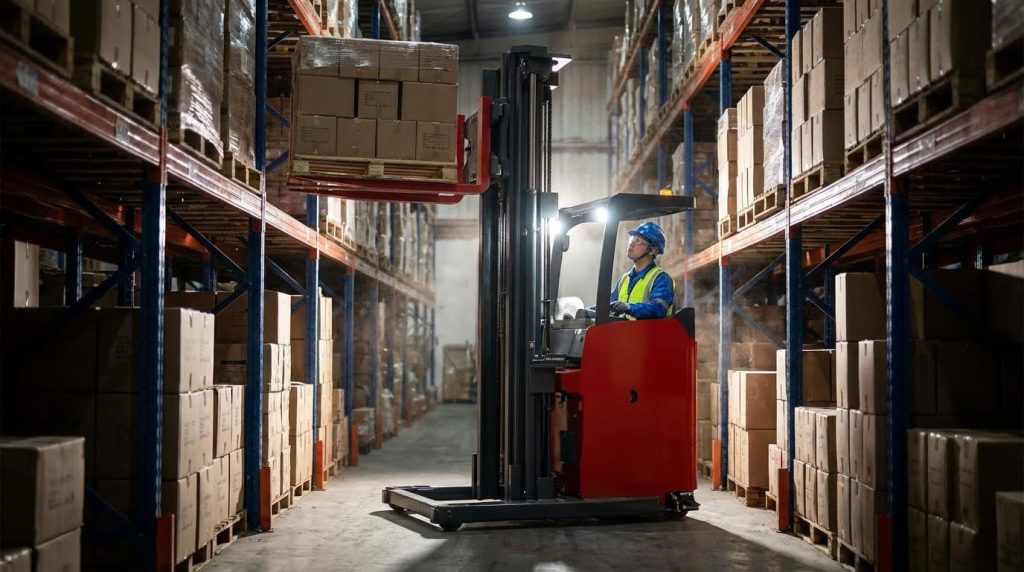
Całkowity koszt posiadania (TCO), zużycie energii i strategia konserwacji przekształcają jednorazowy zakup w przewidywalny koszt transportu palet. Porównujesz różne maszyny podnoszące ładunki na palety pod kątem kosztu cyklu życia, a nie ceny katalogowej.
| Option | Typowy przypadek użycia | Profil energetyczny | Profil konserwacji | Najlepszy dla… |
|---|---|---|---|---|
| Ręczne wózki paletowe | Krótkie ruchy, mała głośność, płaskie podłogi | Brak energii napędowej; tylko wysiłek ludzki | Bardzo niskie, głównie koła i uszczelnienia hydrauliczne | Małe firmy, w których siła robocza jest tania, a wolumeny produkcji wynoszą kilka palet na godzinę. |
| Elektryczne wózki paletowe / wózki podnośnikowe | Niska do średniej wysokości (≈1.5–3 m) i umiarkowana przepustowość w tym miejscu | Zasilanie bateryjne; umiarkowane zużycie kWh na zmianę | Regularna konserwacja akumulatora, hamulców, hydrauliki; prostsze niż w przypadku dużych wózków widłowych | Małe i średnie magazyny wymagające podnośnika elektrycznego, ale nie pełnej możliwości obsługi wózka widłowego. |
| Wózki widłowe / wózki widłowe z wysuwanym masztem | Obciążenia średnie i ciężkie, regały wielopoziomowe do 10 m i więcej w tym miejscu | Większe zużycie energii; jednostki elektryczne często wykorzystują regeneracyjne obniżanie zużycia energii w celu wydłużenia żywotności baterii w tym miejscu | Planowany serwis hydrauliki, masztów, hamulców i elektroniki | Magazyny wysokiego składowania i doki, w których prędkość i wysokość podnoszenia mają kluczowe znaczenie. |
| Roboty paletyzujące / coboty | Paletyzacja końcowa o masie od 30 do 800 kg z wydajnością do 30 skrzyń/min w tym miejscu | Napędy elektryczne; stałe, przewidywalne kWh na paletę; często niższe zużycie energii na jednostkę niż w przypadku napędu ręcznego przy pełnym wykorzystaniu | Wymaga konserwacji zapobiegawczej robotów, EOAT i przenośników; narzędzia AI mogą przewidywać awarie na podstawie danych z silników i czujników w tym miejscu | Linie produkcyjne o dużej przepustowości, w których oszczędność pracy i spójność składowania uzasadniają automatyzację. |
| Pozycjonery palet / stoły podnośne | Ergonomiczny załadunek/rozładunek na stałych stanowiskach | Przerywane użycie energii elektrycznej, hydraulicznej lub pneumatycznej w tym miejscu | Niskie do umiarkowanego; skup się na cylindrach, przewodach i elementach sterujących | Zmniejszenie obciążenia związanego z ręcznym składaniem lub rozkładaniem palet przez cały dzień. |
- Oblicz koszt transportu jednej palety: Dodaj energię, konserwację i pracę; podziel na palety w ciągu okresu eksploatacji sprzętu – to pokazuje, czy automatyzacja rzeczywiście jest lepsza od opcji manualnych.
- Wykorzystaj funkcje regeneracyjne: Wózki widłowe i paletyzatory elektryczne z funkcją regeneracyjnego opuszczania obniżają pobór energii netto – wydłuża to czas pracy baterii i redukuje infrastrukturę ładowania.
- W miarę możliwości stosuj konserwację predykcyjną: Wspomagany sztuczną inteligencją monitoring prądu, temperatury, wibracji i liczby cykli pozwala przewidywać awarie, zanim zatrzymają linię w tym miejscu - chroni to przepustowość.
- Dostosuj okna konserwacyjne do produkcji: Zaplanuj serwis w czasie zmian o niskim zapotrzebowaniu lub zmian – Dzięki temu Twoje najważniejsze zasoby do podnoszenia palet będą dostępne w przypadku gwałtownego wzrostu zamówień.
Jak integracja WMS i automatyzacji wpływa na koszty cyklu życia
Gdy robotyczne paletyzatory, wózki widłowe i pozycjonery integrują się z przenośnikami i systemem WMS, system może przypisywać jednostki magazynowe (SKU) do identyfikatorów palet, automatycznie przełączać schematy i równoważyć pracę na różnych liniach . To ogranicza konieczność ręcznego skanowania, błędnego załadunku i poprawek, co często pozwala zaoszczędzić więcej pieniędzy w dłuższej perspektywie niż niewielkie różnice w cenie zakupu maszyny.
💡 Uwaga inżyniera terenowego: Gdy budżet jest ograniczony, często wybieram jeden lub dwa wózki elektryczne o wyższej specyfikacji zamiast kilku tańszych jednostek. Lepsza efektywność energetyczna, funkcje odzyskiwania energii i krótszy czas nieplanowanych przestojów zazwyczaj przekładają się na dłuższą żywotność wózka, szczególnie w przypadku pracy wielozmianowej.
Ostatnie przemyślenia na temat wyboru sprzętu do podnoszenia palet
Ograniczenia techniczne dotyczące obciążenia, geometrii i stabilności to coś więcej niż tylko wypełnianie arkuszy danych. Definiują one rzeczywisty zakres bezpieczeństwa. Przestrzegając tych ograniczeń, zmniejszasz ryzyko przewrócenia się, upuszczenia ładunku i uderzenia w regał, jednocześnie zachowując przewidywalność przepustowości.
Zacznij od największego „obciążenia projektowego” oraz najwęższych korytarzy i wymiarów regałów. Wybierz wózki paletowe, układarki, wózki widłowe i paletyzatory, które mieszczą się w tych granicach, z wyraźnym marginesem na maksymalnej wysokości i zasięgu. To chroni operatorów i produkty nawet w przypadku zużycia podłóg, uszkodzenia palet lub słabego opakowania.
Następnie spójrz poza cenę zakupu. Porównaj opcje pod kątem kosztu transportu palety, uwzględniając energię, robociznę i konserwację. W miarę możliwości korzystaj z funkcji regeneracji, połączeń WMS i konserwacji predykcyjnej. Te narzędzia zapewniają dostępność sprzętu Atomoving i podobnego w okresach szczytowego zapotrzebowania, a także obniżają koszty energii i serwisu w całym okresie użytkowania.
Najlepsza praktyka jest prosta. Zmierz swoją lokalizację, zdefiniuj sztywne zasady i przetestuj każdą maszynę kandydującą pod ich kątem. Zbuduj małą, dobrze dopasowaną flotę zamiast gonić za jednym „wszystkim” wózkiem. Gdy zespoły inżynieryjne, operacyjne i ds. bezpieczeństwa stosują tę metodę, sprzęt do podnoszenia palet pozostaje bezpieczny, wydajny i stabilny finansowo przez cały okres użytkowania.
Najczęściej zadawane pytania
Jaka maszyna podnosi ładunki na palety?
Wózek paletowy, znany również jako wózek paletowy lub pompa paletowa, to narzędzie służące do podnoszenia i przemieszczania palet. Jest to najprostszy typ wózka widłowego, idealny do transportu konwencjonalnych ładunków na paletach i paletach paletowych. Informacje o wózku paletowym.
Jak nazywa się maszyna do kompletacji palet?
Wózki kompletacyjne to urządzenia do transportu bliskiego, służące do kompletowania i transportu towarów z regałów półkowych lub paletowych, co ułatwia realizację zamówień w magazynach. Technicznie rzecz biorąc, wózki kompletacyjne to rodzaj wózka widłowego. Przewodnik po wózkach kompletacyjnych.