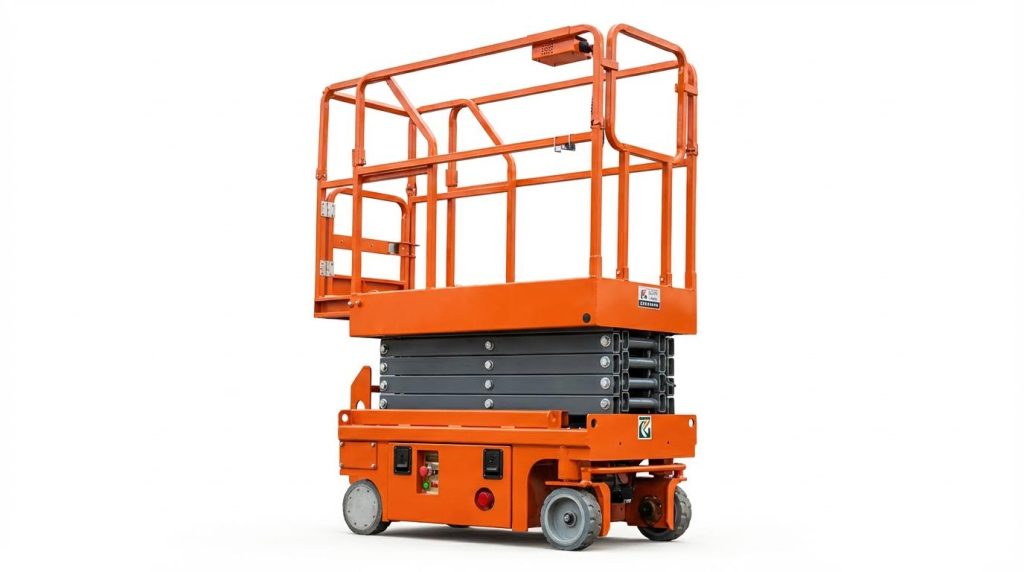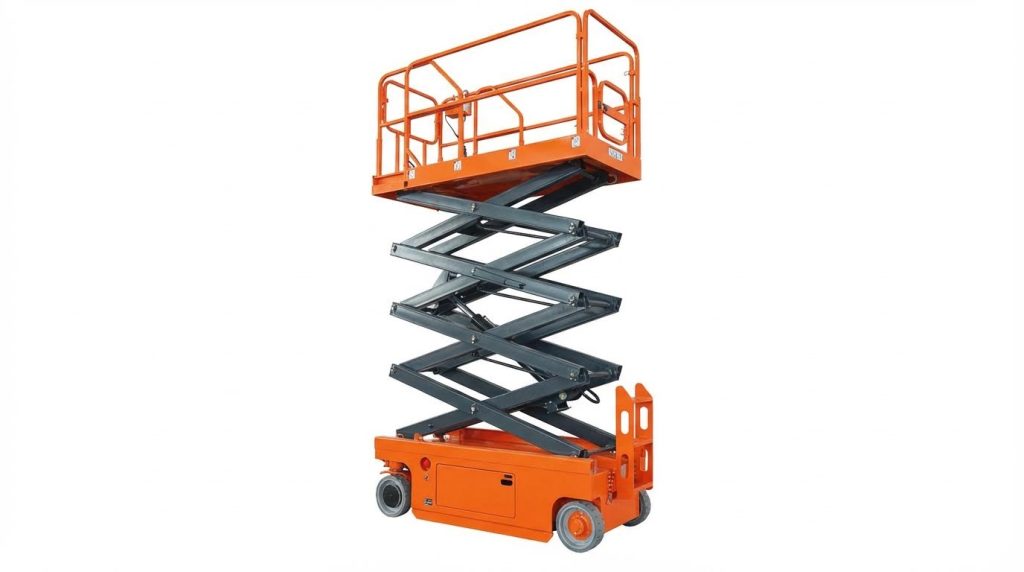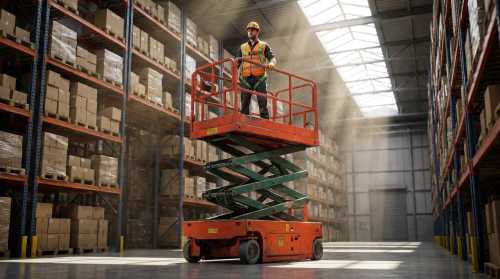
Uma plataforma elevatória tesoura de 19 pés eleva a plataforma a cerca de 5.79 m, mas a altura real de trabalho se aproxima de 7.79 m, considerando o alcance do operador. Este guia detalha a altura que uma plataforma elevatória tesoura de 19 pés atinge na prática, como a altura da plataforma e a altura de trabalho são definidas e o que isso significa para o planejamento de trabalho seguro em armazéns e canteiros de obras.
Definindo a altura da plataforma e a altura de trabalho
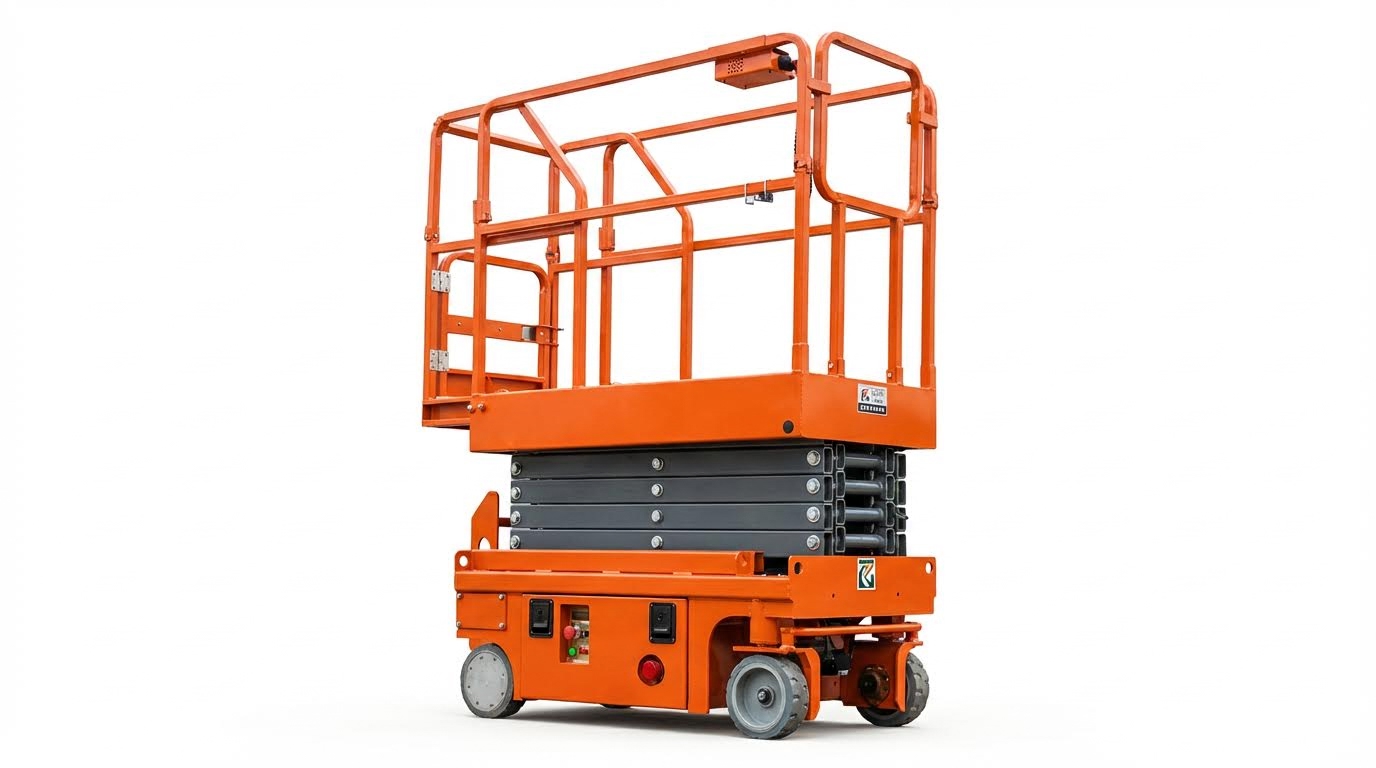
Para quem pergunta qual a altura máxima que uma plataforma elevatória tesoura de 19 polegadas alcança, o importante é diferenciar a altura da plataforma da altura de trabalho, pois o número na ficha técnica não corresponde à altura que você realmente consegue alcançar.
Nesta seção, traduzimos a etiqueta "19 pés" para a altura real da plataforma em metros e, em seguida, para uma altura de trabalho realista com base no alcance médio de um operador, para que você possa ver rapidamente se uma unidade de 19 pés terá altura suficiente em relação ao teto, às estantes ou à fachada.
💡 Nota do Engenheiro de Campo: Sempre dimensione a plataforma elevatória para a tarefa mais alta, não para a média. Em trabalhos reais, você perde de 100 a 200 mm de alcance efetivo ao se posicionar com cuidado longe de sprinklers, luminárias ou revestimentos frágeis.
O que “19 pés” realmente significa em uma ficha técnica.
Em uma ficha técnica, "plataforma elevatória tesoura de 19 pés" significa que a altura máxima da plataforma é de cerca de 5.79 m, e não a altura total de trabalho. Esses 5.79 m representam a distância vertical do piso ao piso da plataforma quando esta está totalmente elevada. Os dados de origem mostram uma altura máxima da plataforma de 5.79 m (19 pés) para modelos típicos.
Compreender isso esclarece a maior parte da confusão sobre a altura máxima que uma plataforma elevatória tesoura de 19 polegadas atinge, porque a indústria nomeia as plataformas pela altura da plataforma, enquanto os operadores pensam em termos de alcance dos dedos ou das ferramentas.
| Etiqueta de especificação | Significado técnico | Valor típico para uma unidade de “19 pés” | Impacto Operacional |
|---|---|---|---|
| Altura da plataforma | Plataforma do piso ao deck, totalmente elevada. | ≈5.79 m (19 pés) referência | Determina a altura em que seus pés ficam em relação ao chão. |
| Altura da máquina (recolhida) | Do chão ao trilho superior com a plataforma rebaixada | ≈2.11 m (6 pés e 11 polegadas) em uma unidade típica de 19 pés. referência | Determina se o elevador passa por cima de portas e mezaninos durante o movimento. |
| Modelo de “altura” no marketing | Nome abreviado baseado na altura da plataforma | “19 pés” = ≈5.79 m de altura da plataforma | Utilizada para seleção rápida, mas frequentemente confundida com altura de trabalho. |
| Altura de trabalho | Altura da plataforma + alcance do operador | ≈7.79 m (25 pés) para um elevador de 19 pés referência | Melhor estimativa da altura máxima que as mãos/ferramentas podem alcançar com segurança. |
- Distinção principal: “19 pés” responde à altura da plataforma – não o ponto máximo em que você pode trabalhar.
- Consistência da ficha técnica: Fabricantes do mundo todo seguem essa nomenclatura, portanto, uma unidade de 19 pés em uma região terá altura de plataforma semelhante em outra. Útil para a padronização da frota.
- Conversão métrica: 19 pés ≈ 5.79 m – É crucial quando as plantas do terreno e as alturas do teto estão em mm ou m.
Por que a altura da plataforma é usada em vez da altura de trabalho?
A altura da plataforma é uma geometria fixa e mensurável da máquina, enquanto a altura de trabalho depende da estatura, postura e tarefa do operador. Utilizar a altura da plataforma na ficha técnica evita controvérsias e mantém as comparações entre modelos objetivas.
Como a altura de trabalho é calculada na prática
Na prática, a altura de trabalho é calculada como a altura da plataforma mais cerca de 2.0 m do alcance do operador, razão pela qual uma plataforma de 5.79 m em um elevador de 19 pés resulta em aproximadamente 7.79 m de altura de trabalho. As diretrizes do setor consideram a altura de trabalho como a altura da plataforma + 2 m para refletir o alcance médio de uma pessoa em pé. A referência define explicitamente essa fórmula, e os dados para 19 pés confirmam que uma altura de plataforma de 5.79 m resulta em cerca de 7.79 m (25 pés) de altura de trabalho.
| Parâmetro | Regra de Polegar | Exemplo para elevador de 19 pés | Melhor para… |
|---|---|---|---|
| limite de alcance do operador | Aproximadamente 2.0 m foram adicionados à altura da plataforma. referência | 5.79 m + 2.0 m ≈ 7.79 m | Faça um teste rápido para ver se você consegue tocar um teto de 7.5 a 7.8 metros de altura. |
| Altura de trabalho (definição) | Altura máxima segura para uso das mãos/ferramentas por um operador de estatura média. | ≈7.79 m (25 pés) em um elevador de 19 pés referência | Escolha entre 19 pés e o tamanho imediatamente superior para o seu edifício. |
| Altura do teto/alvo | Deve ser ≤ altura de trabalho, com margem de 0.3–0.5 m. | Luminárias de 7.2 m sob um teto de 7.5 m são realistas. | Planejamento das alturas de instalação de iluminação, sprinklers e dutos. |
- Regra: Se o ponto de trabalho mais alto estiver acima de ≈7.5 m, um elevador de 19 pés estará no seu limite – Considere a próxima classe de altura.
- Margem de segurança: Mantenha uma folga de pelo menos 300 a 500 mm abaixo da altura de trabalho teórica. Isso permite uma postura confortável e evita o alongamento excessivo.
- Normas: As diretrizes alinhadas com as práticas da OSHA/ANSI pressupõem esse alcance de 2 m, mas os operadores ainda precisam de treinamento completo e devem permanecer dentro dos guarda-corpos. Os guarda-corpos são a principal proteção contra quedas. Referência
Método rápido em campo para verificar se um elevador de 19 pés é alto o suficiente.
1) Consulte os desenhos para obter a altura máxima de trabalho (por exemplo, tubulação principal de sprinklers a 7.3 m). 2) Subtraia 2.0 m para o alcance → altura da plataforma necessária ≈ 5.3 m. 3) Compare com a altura da plataforma de 5.79 m de um elevador de 19 pés. Se a altura da plataforma necessária estiver dentro de 300 a 500 mm da altura máxima do elevador, escolha um tamanho maior para maior conforto e segurança.
Especificações principais de uma plataforma elevatória tesoura típica de 19 pés.
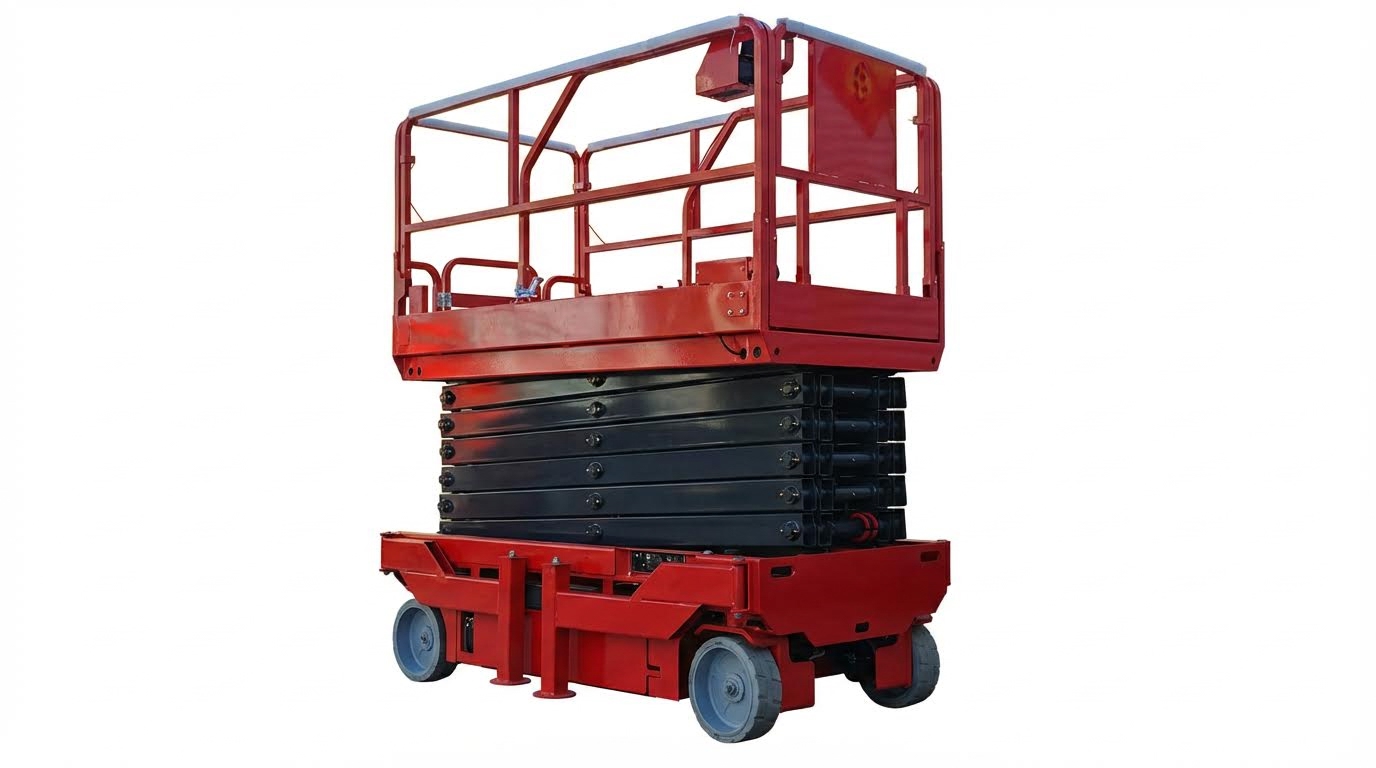
Uma plataforma elevatória tesoura elétrica típica de 19 pés atinge uma altura de plataforma de aproximadamente 5.79 m e uma altura de trabalho de 7.79 m, com largura estreita, capacidade de 227 a 250 kg e alimentação por bateria otimizada para aplicações internas em pisos planos. Quando as pessoas perguntam "qual a altura máxima que uma plataforma elevatória tesoura de 19 pés alcança?", essas especificações fornecem a resposta prática.
| Categoria de especificação | Faixa/valor típico | Impacto Operacional |
|---|---|---|
| Altura máxima da plataforma | 5.79 m (19 ft) | Permite posicionar os pés a aproximadamente 5.8 m; essencial para estruturas de suporte, tetos e instalações elétricas, hidráulicas e de ar condicionado. dados de especificação |
| Altura máxima de trabalho | 7.79 m (25 ft) | Responde à pergunta “qual a altura máxima que uma plataforma elevatória tesoura de 19 polegadas atinge” em uso real, incluindo o alcance do operador. dados de especificação |
| Capacidade da plataforma | 227–250 kg (500–550 libras) | Transporta com segurança dois trabalhadores, além de ferramentas e materiais leves. referência de capacidade |
| capacidade de extensão do deck | ≈113 kg (250 libras) | Limita a quantidade de peso que você pode empurrar para a seção deslizante. classificação de extensão |
| Largura armazenada | 0.76–0.81 m (30–32 pol.) | Compatível com portas comerciais padrão de 0.91 m (36 pol.) e corredores estreitos. dados dimensionais |
| Comprimento armazenado | 1.83–1.88 m (72–74 pol.) | Importante para instalação em docas de carga e elevadores pequenos. dados dimensionais |
| Altura quando recolhido (trilhos dobrados) | 1.65–2.02 m (65–79.6 pol.) | Determina se você consegue empurrá-lo por portas baixas ou para dentro de caminhões. dados dimensionais |
| Tamanho da plataforma | 0.76 m × 1.83 m (30 pol × 72 pol) | Permite que dois trabalhadores passem em segurança sem se esticarem demais. tamanho da plataforma |
| comprimento de extensão do deck | ≈0.91 m (36 pol.) | Permite alcançar objetos por cima de esteiras transportadoras, parapeitos ou vigas de suporte. especificação de extensão |
| peso da máquina | 1,180–1,477 kg (2,600–3,255 libras) | Realiza verificações de carga no piso de mezaninos e lajes antigas. faixa de peso |
| A fonte de alimentação | 24–48 V CC elétrico | Funcionamento silencioso e sem emissões para uso interno. dados de energia |
| Tempo de execução típico | 6–8 h AGM, 10–14 h íon de lítio | Cobre um turno completo com lítio, mesmo com deslocamentos e uso de elevadores. dados de tempo de execução |
| Capacidade de subida (guardado) | 20-25% | Seguro para rampas de caminhões e acessos a docas quando não estiver elevado. capacidade de nivelamento |
| Velocidade de condução (recolhida) | ≈4.8 km/h (3.0 mph) | Equilibra produtividade e controle em armazéns movimentados. especificação de velocidade |
💡 Nota do Engenheiro de Campo: Considere a altura de trabalho de 7.79 m como um alcance máximo, não como um ponto de referência para dimensionar as estruturas. Para tarefas rotineiras, projete o ponto de trabalho superior de 300 a 600 mm abaixo dessa altura, para que os operadores não precisem se esticar ou se inclinar em direção aos guarda-corpos.
Capacidade da plataforma, extensão e zoneamento de carga
As classificações de plataforma e extensão em uma plataforma elevatória tesoura de 19 pés controlam quantas pessoas, ferramentas e materiais você pode enviar com segurança até a altura máxima.
- Capacidade da plataforma: 227–250 kg (500–550 libras) – Suporta dois trabalhadores de porte médio, além de ferramentas manuais e materiais leves, sem sobrecarga. Referência de capacidade
- Capacidade de extensão: ≈113 kg (250 libras) – Limita o peso na plataforma deslizante para que a estrutura em balanço permaneça dentro dos limites de tensão projetados. Classificação de extensão
- Distribuição de carga: Mantenha os objetos pesados dentro do carro – Reduz o momento de tombamento e mantém o centro de gravidade dentro da distância entre eixos em altura.
- Cargas dinâmicas: Proibido saltar ou sofrer impactos repentinos – Impede que cargas de impacto excedam brevemente a capacidade estática e sobrecarreguem os pinos e braços articulados.
Como planejar cargas na plataforma
Coloque a caixa de ferramentas ou a pilha de materiais mais pesada perto do centro da plataforma principal, não na extensão. Se precisar colocar peso na extensão, mantenha-se bem abaixo do limite de 113 kg e evite empilhar itens acima da altura da cintura, pois isso eleva o centro de gravidade combinado.
Dimensões, peso e manobrabilidade em corredores estreitos
O tamanho compacto e o peso de uma plataforma elevatória tesoura de 19 pés determinam se ela passa por portas, faz curvas em corredores e permanece dentro dos limites de carga do piso.
- Largura 0.76–0.81 m: - Desliza por portas comerciais padrão de 0.91 m com margem de segurança para batentes e para-choques. Design de largura estreita
- Comprimento 1.83–1.88 m: - Permite posicionar o elevador em corredores transversais e docas de armazém típicos sem bloquear o tráfego.
- Altura quando recolhido: 1.65–2.02 m: - Permite a passagem sob a maioria das vigas internas e a entrada em caminhões baú ou elevadores de carga.
- Peso da máquina: 1,180–1,477 kg: - É necessário verificar a resistência da laje, especialmente em mezaninos ou pisos de concreto mais antigos com 100 mm de espessura. Dados de peso
Do ponto de vista da manobrabilidade, muitos modelos de 19 pés também oferecem raios de giro reduzidos e velocidades de condução controladas para auxiliar em corredores de 2.4 a 2.7 m.
Verificar se os corredores são adequados.
Meça a largura do corredor livre entre os montantes das estantes porta-paletes, não entre as cargas dos paletes. Você precisa de espaço suficiente para o chassi de 0.76 a 0.81 m, mais pelo menos 600 a 800 mm de cada lado para girar e evitar que os montantes se choquem contra ele quando a estante estiver elevada.
Tendências relacionadas à fonte de alimentação, tempo de execução e eficiência energética
As plataformas elevatórias tesoura modernas de 19 pés utilizam energia elétrica, com baterias AGM ou de lítio que equilibram o tempo de funcionamento, o tempo de carregamento e o custo total de propriedade.
- Tensão: 24–48 V CC – Fornecimento padronizado para carregadores industriais compactos e sistemas seguros de baixa tensão. Especificações de potência
- Tempo de execução do AGM: 6 a 8 horas – Abrange um turno típico com ciclos moderados de condução e elevação de veículos. Dados de tempo de execução
- Tempo de execução do lítio: 10 a 14 horas – Permite operações em vários turnos com cobrança de oportunidade e tempo de inatividade mínimo. Dados de íon-lítio
- Economia de energia: Até 70% mais econômico que o diesel – Reduz os custos operacionais e o calor em espaços fechados. Comparação de energia
- Nível de ruído: <70 dB – Adequado para escritórios ocupados, comércio varejista e trabalho noturno em armazéns. Dados de ruído
💡 Nota do Engenheiro de Campo: Se você opera próximo à altura máxima de trabalho da plataforma elevatória de 7.79 m durante todo o dia, escolha baterias de lítio com carregamento rápido. A queda de tensão em baterias AGM desgastadas se manifesta inicialmente como uma velocidade de elevação lenta em grandes alturas, o que frustra os operadores e os leva a comportamentos inseguros, como "só mais um alcance".
Por que os elevadores elétricos de 19 pés são preferidos em ambientes internos?
As plataformas elevatórias elétricas tipo tesoura não produzem gases de escape, minimizam o risco de incêndio em torno de papelão e plástico e mantêm o ruído suficientemente baixo para permitir a comunicação por voz. Combinadas com a largura reduzida e os controles precisos, essas características as tornam a escolha ideal para armazéns, lojas e construções internas, onde é necessário alcançar uma altura de trabalho de cerca de 7.5 a 8 metros.
Encontrando o elevador de 19 pés ideal para sua aplicação.
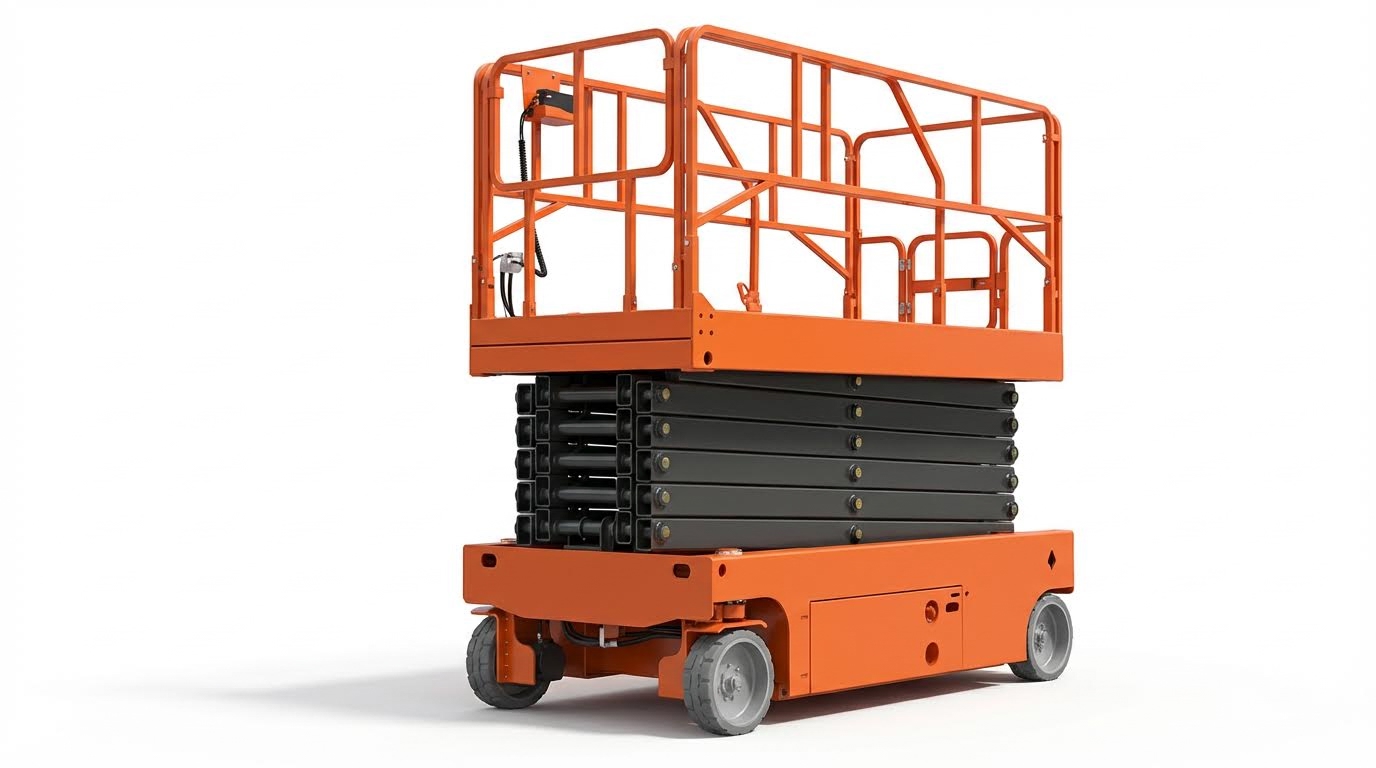
Uma plataforma elevatória tesoura de 19 pés é adequada para trabalhos internos em pisos firmes, com altura de trabalho de até aproximadamente 7.8 m, mas é preciso adequar seu alcance, capacidade e limites de piso à sua tarefa específica para garantir segurança e produtividade.
Aplicações em altura em armazéns e na construção civil.
Para a pergunta “qual a altura máxima que uma plataforma elevatória tesoura de 19 pés alcança?”, você deve considerar uma altura de plataforma em torno de 5.79 m e uma altura de trabalho realista em torno de 7.79 m para a maioria dos operadores. Os modelos típicos de 19 pés atingem 5.79 m de altura de plataforma e 7.79 m de altura de trabalho , o que é suficiente para muitos tetos e estantes internas.
- Trabalhos em tetos com altura de até aproximadamente 7.5 m: Iluminação, sprinklers e calhas de cabos em armazéns ou lojas de varejo padrão – Utiliza toda a altura de trabalho de 7.79 m sem precisar se esticar demais.
- Com uma viga superior de até aproximadamente 6 metros: Separação de pedidos e reposição de estoque – O operador fica posicionado abaixo da viga superior, mantendo os guarda-corpos na altura do peito.
- Tetos para escritórios e estabelecimentos comerciais de pequeno porte (3–4.5 m): Difusores de sistemas HVAC, alarmes de incêndio, pintura – Levante raramente com extensão completa, o que melhora a sensação de estabilidade e a velocidade.
- Acabamentos de construção interior: Placas de gesso cartonado, grelhas de teto, isolamento – A capacidade da plataforma, de aproximadamente 227 a 250 kg, suporta dois trabalhadores mais materiais. A capacidade típica de uma plataforma de 19 pés é de 227 a 250 kg.
- Rotas de serviço e manutenção: Reparos em transportadores, acesso a máquinas, tubulações – Com uma largura estreita de 0.76 a 0.81 m, passa por portas de 0.9 m e corredores estreitos. As larguras comuns são de 0.76 a 0.81 m.
| Tipo de Tarefa | Altura típica do teto/parte superior (m) | Uma plataforma de 5.79 m (19 pés) é adequada? | Impacto Operacional |
|---|---|---|---|
| Estantes padrão para armazém | 5-6 m | Sim | Alcance confortável até a viga superior a uma altura de trabalho de 7.79 m. |
| Tetos para lojas/supermercados | 4-6 m | Sim | Ideal para iluminação, sinalização e sistemas de climatização sem a necessidade de extensão total constante. |
| Pequenas indústrias/oficinas | 4-5 m | Sim | Ampla margem de altura; o foco é a manobrabilidade em torno das máquinas. |
| Centros logísticos de grande altura | 10-12 m | Não | Requer um elevador mais alto; um de 19 pés não alcança os níveis superiores com segurança. |
| Fachadas exteriores de edifícios (3–4 andares) | 9–12 m+ | Não | É necessário um guindaste tesoura ou plataforma elevatória articulada maior; a altura de trabalho de 7.79 m é insuficiente. |
Como decidir se 19 pés é uma altura suficiente?
Meça em metros o ponto mais alto em que você precisa trabalhar (teto, duto, luminária). Subtraia cerca de 1.0 a 1.2 m para o alcance do seu braço acima da cabeça. O resultado é a altura mínima da plataforma necessária. Se esse valor for superior a 5.8 m, uma plataforma de 19 pés (5,8 m) é insuficiente.
💡 Nota do Engenheiro de Campo: Quando os usuários perguntam “qual a altura máxima que uma plataforma elevatória tesoura de 19 pés alcança?”, eu também verifico o que há sob o ponto de trabalho. Se houver uma borda de mezanino, esteira transportadora ou proteção da máquina, você pode perder efetivamente de 0.5 a 1.0 m de altura útil, pois precisa se afastar da obstrução. Nesses casos, opte por um modelo de tamanho maior em vez de forçar a plataforma de 19 pés ao seu limite.
Segurança, normas e planejamento de manutenção
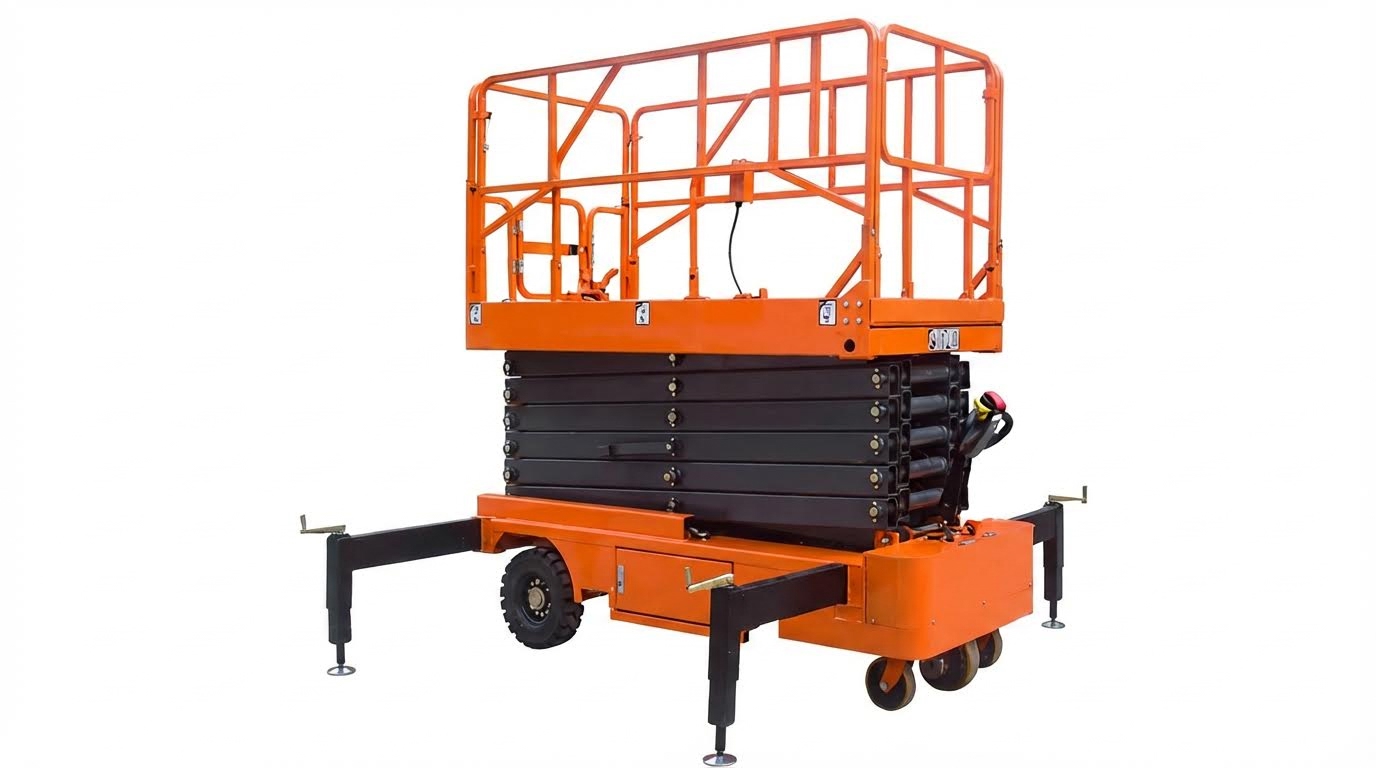
A utilização segura de uma plataforma elevatória tesoura de 19 pés depende do respeito à sua altura nominal, carga, condições do piso e do cumprimento de um plano de manutenção estruturado, alinhado com as diretrizes da OSHA/ANSI. A máquina pode ser muito segura se a altura da plataforma e a altura de trabalho forem respeitadas corretamente.
- Respeite a plataforma em relação à altura de trabalho: A plataforma tem cerca de 5.79 m; a altura de trabalho é de cerca de 7.79 m, incluindo o alcance do operador. Nunca suba em corrimãos ou objetos para ganhar altura extra. A altura de trabalho típica de 19 pés é de 7.79 m.
- Respeite os limites de carga: Mantenha o peso total de pessoas e ferramentas entre 227 e 250 kg na plataforma principal e cerca de 113 kg na plataforma extensível. Previne sobrecarga estrutural e risco de tombamento. As capacidades típicas da plataforma e da extensão são de 227 a 250 kg e 113 kg, respectivamente.
- Utilizar somente em terreno firme e nivelado: As tomadas elétricas padrão de 19 pés são para uso exclusivo em superfícies planas e sólidas, em ambientes internos ou áreas pavimentadas. Terrenos irregulares ou macios exigem modelos para terrenos acidentados. Unidades internas são para superfícies firmes e niveladas.
- Controle de inclinações quando armazenado: A capacidade de subida geralmente é de apenas 20 a 25% com a plataforma abaixada. Não tente dirigir em rampas ou docas elevadas. A capacidade de inclinação típica de 19 pés é de 20 a 25%.
- Respeite os limites de vento para a altura de trabalho: Não opere ao ar livre com ventos acima de aproximadamente 12.5 m/s, em conformidade com as orientações comuns para plataformas elevadas. Reduz o risco de oscilação e tombamento em altura máxima. As orientações alertam para o risco de uso em ventos acima de 12.5 m/s.
- Treinar e certificar operadores: Os operadores devem ser treinados em controles, descida de emergência e planos de resgate, em conformidade com as normas da OSHA/ANSI. A maioria dos incidentes resulta de uso indevido, e não de falha mecânica. Diretrizes para treinamento de estresse e proteção contra quedas
- Verificações diárias e semanais: Inspecione diariamente os pneus, controles, alarmes e guarda-corpos; limpe a plataforma e verifique semanalmente o nível da água das baterias de chumbo-ácido. Detecta falhas antes que elas causem tempo de inatividade ou acidentes. As tarefas típicas de manutenção diária e semanal são definidas.
- Manutenção mensal e anual: Lubrifique os pontos de desgaste, teste as funções de segurança e inspecione as linhas hidráulicas mensalmente; realize inspeção e diagnóstico profissional anualmente. Prolonga a vida útil da máquina e preserva seu valor de revenda. Recomenda-se a realização de verificações mensais e anuais estruturadas.
Sistemas de segurança típicos em uma plataforma elevatória tesoura de 19 pés.
As unidades padrão de 19 pés incluem guarda-corpos, pontos de ancoragem para talabartes, freios automáticos, proteção contra buracos, buzinas, luzes intermitentes e sensores de sobrecarga para proteger operadores e pedestres. Esses recursos só funcionam se forem testados e não desativados. Os equipamentos de segurança típicos estão listados para os modelos de 19 pés.
💡 Nota do Engenheiro de Campo: Em obras reais, o abuso mais comum que observo é dirigir com a plataforma elevatória na altura máxima para "economizar tempo". Embora uma plataforma de 5,8 metros (19 pés) possa se mover quando elevada, considere isso apenas como uma função de posicionamento preciso. Planeje seu trabalho para dirigir no nível do chão e, em seguida, elevar a plataforma; isso reduz drasticamente os incidentes de quase colisão em torno de estantes e portas.
Considerações finais sobre a escolha de uma plataforma elevatória tesoura de 19 pés.
Uma plataforma elevatória tesoura de 19 pés proporciona uma altura de plataforma próxima a 5.79 m e uma altura de trabalho próxima a 7.79 m, mas a segurança no uso depende de como esses valores são aplicados. Engenheiros e supervisores devem considerar a altura da plataforma como um limite fixo da máquina e a altura de trabalho como uma ferramenta de planejamento, não como uma meta que os operadores devem se esticar para alcançar. Ao dimensionar as tarefas corretamente, evita-se que os operadores precisem se esticar demais, subir em objetos ou se apoiar em guarda-corpos.
A capacidade, os limites de extensão da plataforma e a distribuição da carga controlam a estabilidade. Se os itens pesados forem mantidos na parte interna da plataforma, com peso entre 227 e 250 kg na plataforma principal e cerca de 113 kg na extensão, o centro de gravidade permanecerá dentro da distância entre eixos, mesmo na altura máxima. A largura compacta e as velocidades de deslocamento controladas permitem que o elevador trabalhe em corredores estreitos, mas somente se os pisos forem firmes, nivelados e adequados ao peso da máquina.
Para a maioria dos trabalhos internos com altura de até aproximadamente 7.5 m, uma plataforma elevatória elétrica de 19 pés da Atomoving é uma excelente opção padrão. A melhor prática é simples: meça a altura máxima que você precisa alcançar, subtraia o alcance necessário, verifique os limites do piso e do corredor e, em seguida, escolha a plataforma elevatória menor que ofereça uma margem de altura de pelo menos 300 a 500 mm e que se adeque ao seu programa de manutenção e treinamento.
Perguntas frequentes
Qual a altura máxima que uma plataforma elevatória tesoura de 19 pés alcança?
Uma plataforma elevatória tesoura de 19 pés normalmente tem uma altura de plataforma de 19 pés (5.8 metros) e uma altura máxima de trabalho de 25 pés (7.6 metros). A altura de trabalho inclui a altura da plataforma mais o alcance médio de um operador. Especificações da plataforma elevatória tesoura.
Qual é a plataforma elevatória tesoura mais alta?
As plataformas elevatórias tesoura mais altas disponíveis no mercado podem atingir alturas de até 12.2 metros (40 pés), com alturas de trabalho em torno de 14 metros (46 pés). No entanto, modelos padrão, como a plataforma elevatória tesoura de 5,8 metros (19 pés), são mais comuns para projetos de manutenção em ambientes internos e externos. Guia de Locação da Herc.