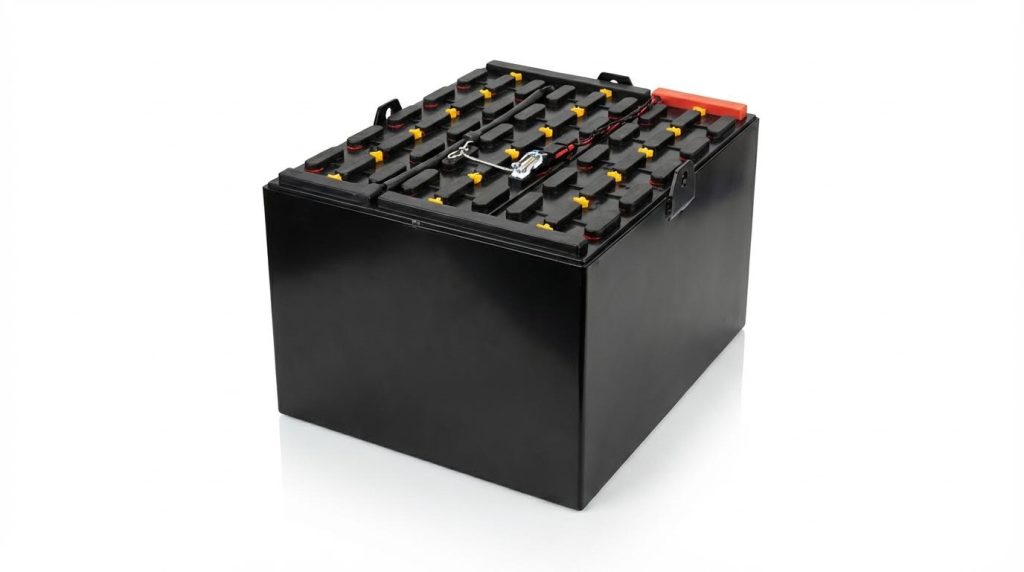
Se você está se perguntando quem pode carregar e trocar as baterias de empilhadeiras elétricas, a resposta é simples: somente pessoal treinado e autorizado. Este guia explica o treinamento, as normas de segurança e os padrões das instalações necessários para manter a conformidade e proteger sua equipe. Você verá como os requisitos da OSHA, a tecnologia de baterias e os procedimentos práticos no chão de fábrica se interligam. Use-o como um modelo para projetar áreas de carregamento seguras, treinar operadores e reduzir os riscos associados a sistemas de baterias de alta energia.
Quem está autorizado a carregar e trocar baterias?
Somente os funcionários que receberam treinamento formal, foram avaliados e certificados pelo empregador como "autorizados" para carregar e trocar baterias em empilhadeiras elétricas. Todos os demais devem manter-se afastados do processo de carregamento/troca e da área designada para baterias.
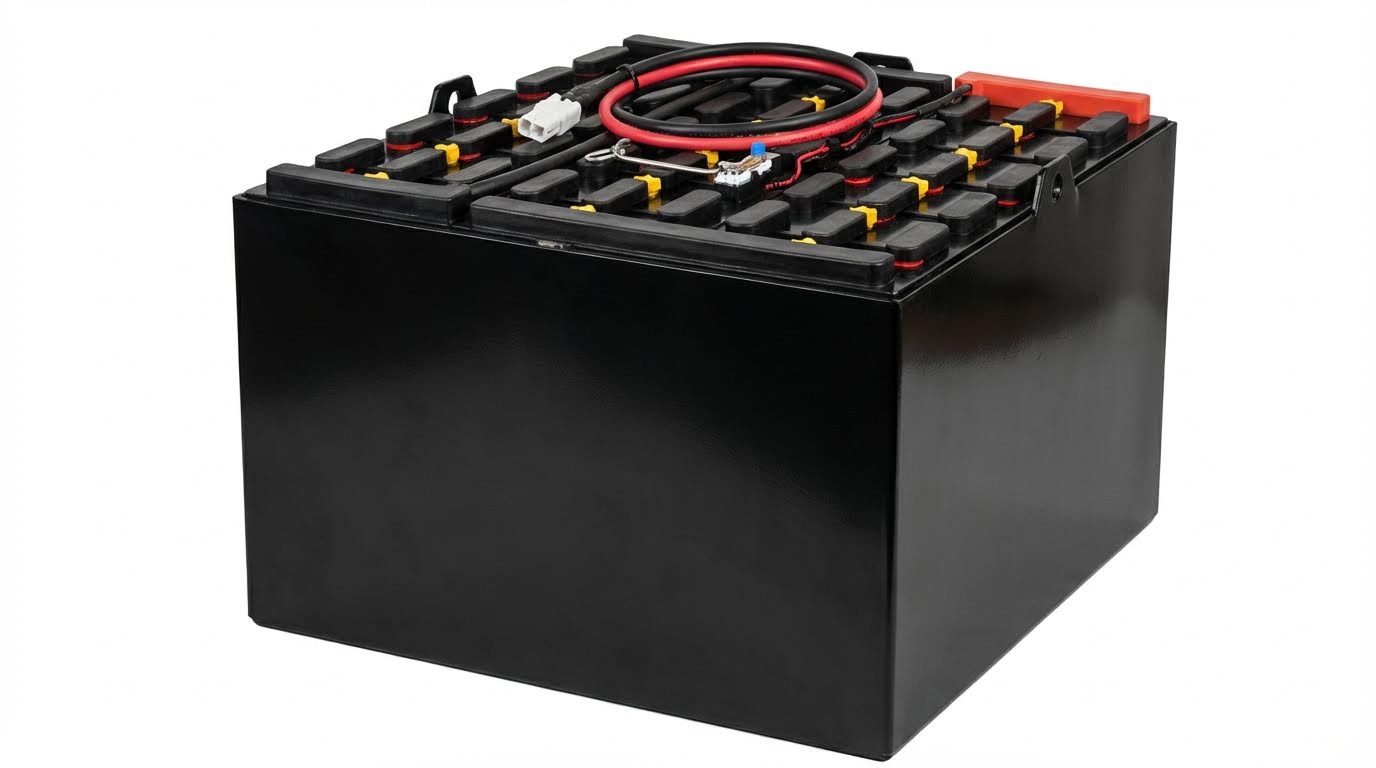
Na prática, isso significa que seu programa escrito deve definir quem tem permissão para manusear as baterias de tração, qual treinamento essas pessoas receberam e como você controla o acesso aos carregadores, salas de baterias e dispositivos de elevação. O objetivo é prevenir queimaduras por ácido, explosões de hidrogênio e lesões por esmagamento/eletricidade causadas por baterias de 500 a 2,000 kg.
Requisitos da OSHA para pessoal “treinado e autorizado”
A OSHA exige que apenas pessoal treinado e autorizado manuseie baterias de empilhadeiras industriais, incluindo tarefas de carregamento, troca e manutenção. Isso se aplica diretamente à questão de quem pode carregar e trocar as baterias de empilhadeiras elétricas.
- Requisito de treinamento formal: A norma OSHA 1910.178(g)(1) exige treinamento formal para qualquer pessoa que manuseie baterias de empilhadeiras industriais – Você não pode atribuir essa tarefa ocasionalmente a funcionários sem treinamento. Consulte o resumo baseado na OSHA
- Âmbito das competências: O treinamento deve abranger segurança elétrica, gerenciamento de carga, ventilação de hidrogênio, resposta a derramamentos e uso de EPIs. Não se trata apenas de "como conectar um carregador". Referência
- Intervalo de recertificação: A certificação deve ser renovada pelo menos a cada três anos, ou antes, após um incidente ou uma grande alteração de equipamento. Isso mantém as habilidades atualizadas para novas tecnologias químicas, como a de íon-lítio. Detalhes
- Riscos específicos das baterias: O treinamento deve abordar queimaduras por ácido, ignição por hidrogênio e riscos no manuseio de baterias pesadas; as baterias de empilhadeiras elétricas geralmente pesam de 500 a 2,000 kg. Uma mochila que cai no chão pode esmagar os pés, os bagageiros ou a estrutura do caminhão. Referência de peso da bateria
- Bloqueio/Etiquetagem (LOTO): O pessoal autorizado deve conhecer os procedimentos de bloqueio e etiquetagem (LOTO) para isolamento dos disjuntores da bateria principal antes da manutenção. Isso impede arcos elétricos de 48 a 80 V que podem fornecer 100 A ou mais. orientações de bloqueio e etiquetagem
- Fiscalização do uso de EPIs: A OSHA exige o uso de luvas resistentes a ácidos, proteção ocular com classificação ANSI e calçado de segurança ao trocar ou carregar baterias. Isso é especialmente crítico em torno de baterias de chumbo-ácido abertas e neutralizadores de derramamento. Resumo de EPI
- Penalidades em caso de descumprimento: Permitir que trabalhadores sem treinamento carreguem ou troquem baterias pode acarretar multas da OSHA de até US$ 15,625 por violação, além de possível responsabilidade criminal em caso de lesões. Isso transforma um "atalho" em um sério risco legal. Referência à penalidade
💡 Nota do Engenheiro de Campo: Quando os auditores visitam uma instalação, uma das primeiras perguntas que fazem é: “Quem está autorizado a carregar e trocar essas baterias?” Se todos os seus funcionários de campo derem respostas diferentes, você já tem um problema de conformidade, mesmo antes de inspecionarem os carregadores.
Que documentação comprova que alguém está "autorizado"?
Mantenha uma matriz simples listando cada trabalhador, a data do treinamento inicial sobre baterias, os tópicos abordados (carregamento, troca, resposta a derramamentos, bloqueio e etiquetagem) e a data da última reciclagem. Anexe cópias dos registros ou certificados de treinamento. Mantenha esta matriz acessível perto do escritório de segurança ou da sala de baterias.
Competências Essenciais para Operadores de Baterias
O pessoal autorizado deve demonstrar competências específicas antes de ser autorizado a carregar ou trocar baterias em empilhadeiras elétricas. Essas competências abrangem etapas técnicas, reconhecimento de riscos e ações de emergência.
| Área de Competência | O que o trabalhador deve ser capaz de fazer | Impacto Operacional |
|---|---|---|
| Identificação da bateria | Saiba diferenciar baterias de chumbo-ácido de baterias de íon-lítio e conheça as marcações de voltagem/classe. | Impede o uso de carregadores ou configurações incorretas, reduzindo o risco de incêndio e danos. |
| Procedimentos de cobrança | Siga a sequência correta: posicione o caminhão, acione o freio, conecte o carregador com a polaridade correta e respeite os limites de corrente (ex.: aberturas seladas <≈25 A). | Prolonga a vida útil da bateria e evita o sobreaquecimento ou a saída de gases durante o carregamento. Referência de procedimento da OSHA |
| Controle de hidrogênio | Explique por que as tampas de ventilação devem funcionar, as coberturas devem estar abertas e a ventilação deve ser mantida desobstruída durante o carregamento de baterias de chumbo-ácido. | Reduz o risco de explosão causado pelo acúmulo de hidrogênio em salas de baterias. Segurança do hidrogênio |
| Seleção e utilização de EPIs | Escolha e utilize corretamente óculos de proteção, protetor facial, luvas resistentes a ácidos, avental e calçados de segurança para cada tarefa. | Minimiza lesões nos olhos, na pele e nos pés causadas por respingos e queda de componentes. orientações sobre EPI |
| Manuseio manual e mecânico | Utilize vigas de elevação ou equipamentos apropriados; nunca utilize correntes que possam deformar as caixas. Compreenda a faixa de peso (aproximadamente 500–2,000 kg). | Previne lesões nas costas e danos estruturais em baterias e caminhões. Referência de peso |
| Resposta a derramamento | Use carbonato de sódio/bicarbonato de sódio para neutralizar o ácido sulfúrico, confirme o pH entre 6 e 8 e descarte de acordo com as normas locais. | Transforma um derrame de alto risco em uma limpeza controlada, evitando incêndios e violações ambientais. Procedimento de derramamento |
| Uso de lava-olhos e solução salina de emergência | Após exposição a ácidos, lave imediatamente os olhos e a pele com água em abundância por 15 minutos e procure ajuda médica. | Limita a gravidade das queimaduras químicas e auxilia no cumprimento das normas da OSHA para instalações de emergência. Requisitos para lava-olhos |
| Verificações específicas para lítio | Reconhecer alarmes do BMS ou do carregador, calor anormal ou fumaça, e saber quando interromper o carregamento e evacuar a área. | Reduz o risco de fuga térmica e incêndio em baterias de lítio de alta energia. Orientações sobre o lítio |
- Inspeção diária da área: Os responsáveis autorizados devem verificar se a zona de carregamento está livre de materiais combustíveis, se as vias de ventilação estão desobstruídas e se os cabos/conectores estão intactos antes de iniciar qualquer carregamento. Esta é a sua última linha de defesa contra pequenas falhas que podem se transformar em incidentes. Referência de inspeção
- Entendendo as regras de “proibido fumar / proibido acender faíscas”: Os trabalhadores devem estar cientes de que fumar, chamas abertas e arcos elétricos desprotegidos são proibidos nas áreas de carregamento devido à presença de hidrogênio e vapores inflamáveis. Este é um comportamento de segurança inegociável. Regras da área
💡 Nota do Engenheiro de Campo: Um teste rápido de competência que eu uso: peça ao operador que explique o que ele faria se uma célula começasse a liberar muito gás ou se uma bateria de lítio apresentasse uma falha e esquentasse. Se ele não conseguir dar uma resposta clara e passo a passo, ele não está pronto para trabalhar sozinho.
Teste prático mínimo antes de autorizar alguém
Peça ao estagiário que execute um ciclo completo supervisionado: inspeção pré-uso, conexão segura, início do carregamento, verificação durante o carregamento e desligamento, além de uma simulação de derramamento usando neutralizador. Utilize uma lista de verificação e solicite a assinatura do estagiário assim que cada etapa for concluída corretamente.
Funções: Operadores, Manutenção e Serviço Externo
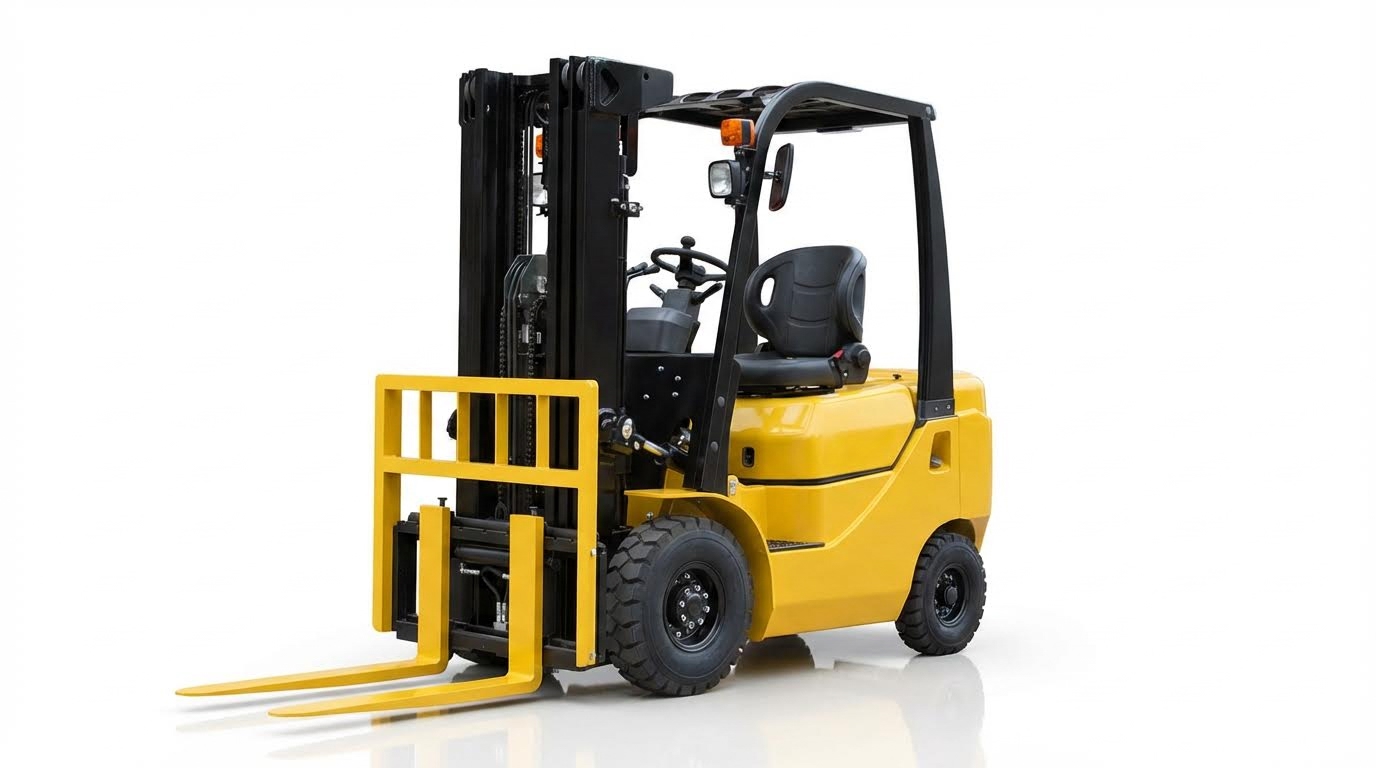
Em uma instalação em conformidade com as normas, quem pode carregar e trocar as baterias de empilhadeiras elétricas depende da sua função, do nível de treinamento recebido e da tecnologia de bateria utilizada. Nem todas as funções exigem o mesmo nível de autorização.
| Tipo | Nível de autorização típico | O que eles podem fazer | Melhor para… |
|---|---|---|---|
| Operadores de empilhadeira | Certificação básica para manuseio de baterias após treinamento em conformidade com as normas da OSHA. | Realizar carregamentos de rotina, inspeções visuais básicas e (onde o projeto permitir) trocas simples de baterias usando equipamentos fixos. | Frotas pequenas ou de turno único, onde os operadores gerenciam sua própria energia entre os turnos. |
| Manutenção interna / técnicos | Autorização avançada com treinamento mais aprofundado em elétrica e mecânica. | Lidar com alterações complexas, solucionar problemas em carregadores, executar procedimentos de bloqueio e etiquetagem (LOTO) e coordenar a resposta a derramamentos ou o isolamento de baterias danificadas. | Armazéns de médio a grande porte com múltiplos carregadores e composições químicas variadas. |
| Prestadores de serviços externos | Autorização especializada, geralmente certificada pelo fabricante original (OEM). | Trabalhar com baterias de íon-lítio complexas, programação de BMS, reparos em nível de módulo e remoção/descarte em fim de vida útil. | Instalações que utilizam sistemas de lítio de alta tensão ou que não possuem conhecimento técnico interno em elétrica. Referência de divisão de funções |
| Supervisores/gerentes | Supervisão do programa, sem envolvimento direto por padrão. | Aprovar treinamentos, manter listas de autorização, garantir que os EPIs e kits para derramamentos estejam em estoque e fazer cumprir as regras da área. | Qualquer local que precise demonstrar conformidade com as normas da OSHA e rastreabilidade da autorização. |
- Operadoras como carregadoras primárias: Muitas instalações autorizam os operadores a conectar e desconectar os carregadores após o treinamento, pois o carregamento é uma tarefa diária vinculada às trocas de turno. Isso mantém os caminhões disponíveis sem a necessidade de esperar pela equipe de manutenção.
- Manutenção para trocas de baterias de grande porte: Nos casos em que as baterias são extraídas lateralmente ou requerem guindastes/rolos, somente técnicos de manutenção ou profissionais com treinamento específico devem realizar as alterações. Eles entendem os caminhos de carga e os limites dos equipamentos para embalagens de 500 a 2,000 kg.
- Especialistas externos em lítio: Para grandes sistemas de íon-lítio, técnicos externos geralmente cuidam da substituição das baterias e da manutenção do BMS (Sistema de Gerenciamento de Base). Fiação incorreta ou verificação incompleta do equilíbrio de tensão podem danificar os controladores ou causar eventos térmicos. Requisitos de lítio
💡 Nota do Engenheiro de Campo: Uma regra prática: se a tarefa envolver abrir a caixa da bateria, burlar os mecanismos de segurança ou tocar em qualquer componente interno de uma bateria de lítio, considere-a como "exclusiva para técnicos externos ou seniores". O carregamento rotineiro por plugue pode ser realizado por um operador, mas qualquer atividade além disso exige habilidades especializadas.
Como controlar quem realmente realiza o trabalho com baterias no chão de fábrica
Utilize controles simples: painéis de carregamento com chave, crachás de acesso para salas de baterias e sinalização indicando “Somente pessoal autorizado”. Treine os supervisores para que interrompam e orientem qualquer pessoa que esteja trabalhando com baterias sem os EPIs adequados ou a devida autorização.
Normas técnicas de segurança para áreas de carregamento de baterias
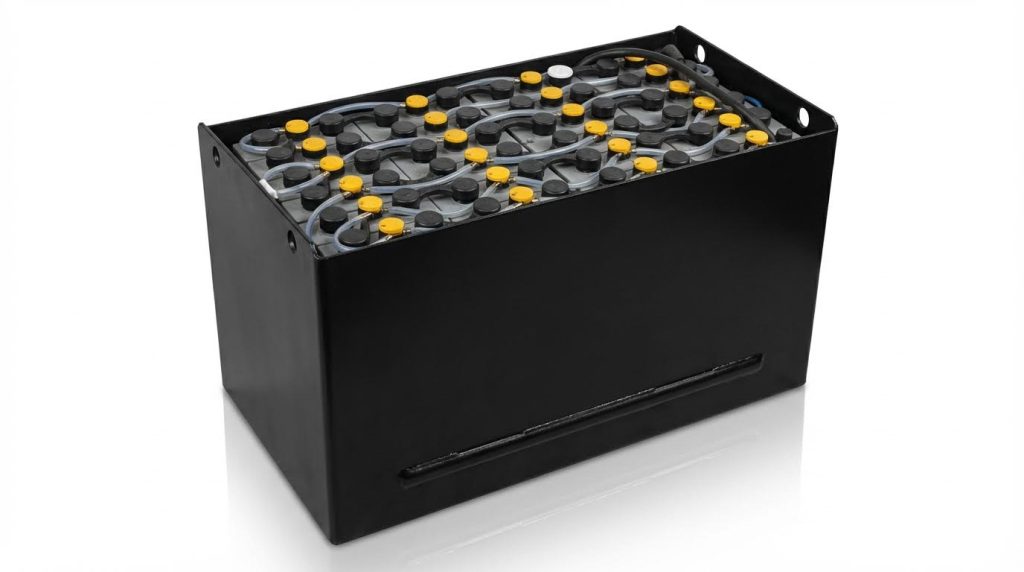
As normas técnicas de segurança para áreas de carregamento de baterias de empilhadeiras definem como projetar, ventilar, equipar e proteger a zona, de forma que apenas pessoas treinadas e aptas a carregar e trocar baterias em empilhadeiras elétricas possam trabalhar ali com segurança e dentro da lei.
Essas normas controlam os riscos relacionados a gás hidrogênio, choque elétrico, incêndio, exposição a ácido e manuseio manual de baterias de 500 a 2,000 kg e estão na base de todas as políticas de "treinamento e autorização" em armazéns ou fábricas.
Layout, ventilação e controle de hidrogênio
As normas de layout, ventilação e controle de hidrogênio garantem que a área de carregamento seja fisicamente separada, claramente demarcada e ventilada, de modo que o gás hidrogênio proveniente do carregamento de baterias de chumbo-ácido nunca atinja níveis explosivos.
Um layout em conformidade também reforça as regras internas sobre quem pode carregar e trocar as baterias das empilhadeiras elétricas, tornando a zona claramente restrita e fácil de supervisionar.
| Elemento de Design | Requisito fundamental / Boas práticas | Impacto Operacional |
|---|---|---|
| Zona de carregamento designada | Área exclusiva, separada do tráfego e de materiais combustíveis, com marcações claras no piso e sinalização de acesso restrito. Ferramenta eletrônica da OSHA | Impede a entrada de pedestres e funcionários não treinados; reduz danos por impacto e a propagação do fogo. |
| Zona de exclusão | Sem bagunça, paletes ou armazenamento em frente aos carregadores e racks de baterias. Ferramenta eletrônica da OSHA | Permite o posicionamento seguro do caminhão, a extração da bateria e o acesso de emergência. |
| Ventilação para hidrogênio | Fluxo de ar adequado para evitar o acúmulo de hidrogênio proveniente do carregamento de baterias de chumbo-ácido; as aberturas de ventilação e os ventiladores não devem ser bloqueados. Diretrizes de ventilação da OSHA | Reduz o risco de explosão; apoia a conformidade com OSHA 1910.178(g)(4). Segurança da ventilação de hidrogênio |
| Abra as tampas das baterias | Mantenha as tampas das baterias abertas durante o carregamento para permitir a saída do calor e dos gases. Procedimentos de cobrança | Melhora o resfriamento e a dissipação de hidrogênio em espaços confinados. |
| É proibido fumar / fontes de ignição | Placas bem visíveis com os dizeres “Proibido Fumar” e “Proibido Usar Chamas Abertas”; proibição de trabalhos a quente e ferramentas que produzam faíscas na área. Requisitos de área da bateria | Impede a ignição de misturas de hidrogênio e ar perto de baterias com sistema de ventilação. |
- Separe a área: Utilize linhas e barreiras pintadas – Isso deixa claro onde apenas operadores de baterias treinados podem entrar.
- Proteja as vias de fluxo de ar: Mantenha ventiladores, venezianas e aberturas de ventilação do teto desobstruídos – A obstrução das saídas de ar é uma causa comum de acúmulo de hidrogênio.
- Controle de tráfego: Rota porta-paletes e empilhadeiras ao redor, e não através, da área de carregamento – Reduz os danos por colisão e impacto aos carregadores.
- Padronizar a sinalização: Utilize a mesma redação: “Acesso restrito a pessoal autorizado” – vincula o espaço físico à sua política sobre quem pode carregar e trocar as baterias das empilhadeiras elétricas.
Como verificar se a sua ventilação é adequada
Trabalhe com um engenheiro qualificado para calcular a geração de hidrogênio a partir da capacidade da sua bateria instalada e compare-a com a taxa de ventilação mecânica ou natural. Verifique se as trocas de ar por hora permanecem suficientes mesmo com as portas fechadas e as barreiras de inverno instaladas.
💡 Nota do Engenheiro de Campo: Em climas frios, cortinas de tiras de plástico e portas de doca fechadas podem obstruir silenciosamente o fluxo de ar. A cada inverno, verifique se o hidrogênio proveniente do carregamento de baterias de chumbo-ácido ainda tem uma via de escape desobstruída; caso contrário, reduza o número de carregadores simultâneos ou aumente a capacidade dos ventiladores.
Proteção elétrica, bloqueio e etiquetagem (LOTO) e classificações de equipamentos.
As normas de proteção elétrica, bloqueio/etiquetagem (LOTO) e classificação de equipamentos garantem que carregadores, cabos e tomadas sejam dimensionados, aterrados e isolados para que os manipuladores de baterias não sejam expostos a circuitos energizados de alta corrente.
Este é o princípio fundamental de qualquer política que defina quem pode carregar e trocar as baterias de empilhadeiras elétricas, pois somente pessoas treinadas nesses riscos elétricos devem manusear o sistema.
| Aspecto de segurança elétrica | Requisito/Prática Fundamental | Impacto Operacional |
|---|---|---|
| Dimensionamento e aterramento de circuitos | Os carregadores devem ser conectados a circuitos dimensionados corretamente, aterrados e com dispositivos de proteção adequados. Segurança da estação de carregamento | Previne o superaquecimento da fiação, disparos indesejados e incêndios. |
| Condição do cabo e do conector | Inspecione diariamente para verificar se há danos, superaquecimento e conectores soltos ou contaminados. Protocolos de inspeção diária | Reduz a formação de arcos elétricos, o mau contato e as falhas de conectores. |
| LOTO para manutenção | Isole os disjuntores da bateria principal e siga os procedimentos de bloqueio/etiquetagem antes de qualquer manutenção; remova joias para evitar circuitos acidentais. Procedimentos LOTO | Previne choques elétricos ou queimaduras fatais ao trabalhar em sistemas de alta corrente de 24 a 80 V. |
| Sequência de conexão | Conecte primeiro o terminal positivo (+) e depois o negativo (-); verifique a polaridade antes de energizar. Procedimentos de cobrança | Minimiza a formação de arcos elétricos e protege os controladores do caminhão contra danos por inversão de polaridade. |
| Limites atuais para aberturas seladas | Não recarregue baterias com aberturas seladas com corrente superior a 25 A. Orientação sobre limites atuais | Previne sobrepressão, falha na ventilação e danos térmicos. |
| Verificações de baterias de lítio | Após instalar as baterias de lítio, verifique o equilíbrio da tensão e siga as instruções do fabricante do equipamento original (OEM) quanto à polaridade e ao sistema de gerenciamento de bateria (BMS). Verificações de equilíbrio de tensão | Protege baterias de alto valor e componentes eletrônicos de caminhões contra fiação incorreta. |
- Utilize apenas equipamentos homologados: A tensão e a corrente do carregador devem ser compatíveis com a bateria e a fonte de alimentação. Previne o sobreaquecimento crônico e a falha prematura.
- Formalizar a LOTO: Trate as baterias de alta capacidade como qualquer outra fonte de energia – O bloqueio e etiquetagem (LOTO) deve constar no procedimento escrito, e não ser apenas "senso comum".
- Restringir o acesso aos painéis: Mantenha os quadros de distribuição e as configurações do carregador bloqueados – Somente eletricistas e técnicos de baterias certificados devem ajustá-las.
- Treinamento sobre riscos de arco elétrico: Ressalte que tensões de 48 a 80 V, com centenas de amperes, podem causar queimaduras graves. Isso reforça o motivo pelo qual apenas funcionários treinados podem conectar ou desconectar.
Lista de verificação diária de segurança elétrica para operadores
Antes de conectar o carregador, os operadores devem verificar se: a área de carregamento está livre de materiais combustíveis, as aberturas de ventilação do carregador estão desobstruídas, os cabos não apresentam cortes ou condutores expostos, os conectores estão limpos e totalmente encaixados e se não há alarmes ativos no sistema de gerenciamento predial (BMS) ou no carregador. Protocolos de inspeção diária.
💡 Nota do Engenheiro de Campo: A maioria dos incidentes elétricos graves que presenciei não ocorreu durante o carregamento normal; aconteceram quando funcionários "prestativos" e sem treinamento tentaram mexer em um conector energizado ou rearmar um disjuntor desarmado. Um bom sistema de bloqueio e etiquetagem (LOTO) e regras de acesso rigorosas valem mais do que o carregador mais sofisticado.
Equipamentos de emergência, lava-olhos e resposta a derramamentos
Equipamentos de emergência, lava-olhos e normas de resposta a derramamentos garantem que, quando algo der errado — respingos de ácido, fumaça ou um derramamento —, o pessoal treinado tenha os equipamentos e os procedimentos para controlá-lo rapidamente.
Esses requisitos influenciam diretamente sua decisão sobre quem pode carregar e trocar as baterias das empilhadeiras elétricas, pois somente pessoas treinadas para usar esse equipamento de emergência devem trabalhar na área de carregamento.
| Disposições de Emergência | Requisito/Prática Fundamental | Impacto Operacional | |||||||||||||||||||||||
|---|---|---|---|---|---|---|---|---|---|---|---|---|---|---|---|---|---|---|---|---|---|---|---|---|---|
| Instalações para lavagem ocular e de enxágue | Estações de lavagem rápida ou descarga devem estar localizadas na área de trabalho, com capacidade para fornecer 15 minutos de fluxo contínuo; lava-olhos a aproximadamente 7.5 m (25 pés). Instalações de emergência Especificações do lava-olhos | Permite a lavagem imediata após respingos de ácido, reduzindo a gravidade das lesões. | |||||||||||||||||||||||
| Kits para derramamento e neutralizadores | Disponibilize carbonato de sódio ou bicarbonato de sódio para neutralizar derramamentos de ácido sulfúrico; cumpra as normas de comunicação de riscos da OSHA. manuseio de derramamento de ácido Requisitos do kit de contenção de derramamentos | Permite a neutralização segura e rápida de vazamentos de baterias danificadas. | |||||||||||||||||||||||
| Proteção contra fogo | Disponibilize extintores de pó químico seco, CO₂ ou espuma na área de carregamento. proteção contra incêndio na área da bateria | Permite a resposta imediata a incêndios elétricos ou relacionados ao hidrogênio. | |||||||||||||||||||||||
| EPI para atendimento de emergências | Protetor facial com óculos de proteção, luvas resistentes a ácidos, avental/roupa resistente a ácidos e calçados de segurança para quem manuseia baterias ou líquidos derramados. EPI para manuseio de baterias | Reduz queimaduras durante atividades normais de trabalho e limpeza. | |||||||||||||||||||||||
| Procedimentos de emergência | Procedimentos escritos para respingos de ácido, derramamentos, superaquecimento e fumaça de baterias de lítio, incluindo interromper o carregamento, evacuar a área e notificar os serviços de emergência. Procedimentos de segurança para baterias de chumbo-ácido e lítio em empilhadeiras
Os procedimentos de segurança para baterias de chumbo-ácido e lítio em empilhadeiras protegem as pessoas contra queimaduras por ácido, choque elétrico, incêndios e esmagamento de membros, e definem quem pode carregar e trocar as baterias em empilhadeiras elétricas de acordo com as normas da OSHA (Administração de Segurança e Saúde Ocupacional). Esta seção explica os métodos passo a passo, o que fazer de diferente com as baterias de lítio e como usar corretamente os EPIs e os equipamentos de elevação para que apenas funcionários treinados e autorizados manuseiem esses sistemas de alta energia com segurança. Instruções passo a passo para carregar e trocar baterias de chumbo-ácido.O carregamento e a troca de baterias de chumbo-ácido em empilhadeiras são procedimentos controlados que devem ser seguidos por pessoal treinado para evitar explosões de hidrogênio, queimaduras por ácido e falhas elétricas. Estas etapas pressupõem uma área de carregamento designada com ventilação, lava-olhos, proteção contra incêndio e materiais de contenção de derramamentos instalados. Somente trabalhadores treinados e autorizados devem executar as tarefas. Fonte
Reação a derramamentos e respingos de ácido durante o carregamentoEm caso de derramamento de ácido sulfúrico, neutralize com carbonato de sódio ou bicarbonato de sódio na proporção de aproximadamente 0.45 kg para cada 3.8 L de água até que a efervescência cesse e o pH atinja 6–8. Em seguida, absorva o produto e descarte-o de acordo com as normas locais. Em caso de contato com os olhos ou a pele, lave com água em abundância por pelo menos 15 minutos em um lava-olhos ou posto de atendimento médico e procure assistência médica.
Manuseio específico de íons de lítio e verificações do BMSAs baterias de íon-lítio para empilhadeiras exigem um controle mais rigoroso dos riscos elétricos, do status do BMS (Sistema de Gerenciamento de Bateria) e do comportamento térmico, e geralmente apenas pessoal treinado pelo fabricante ou com certificação específica deve trocá-las ou realizar manutenção. Em comparação com as baterias de chumbo - ácido, as baterias de lítio operam com voltagens mais altas, armazenam mais energia por kg e dependem muito do seu Sistema de Gerenciamento de Bateria (BMS) para segurança. O manuseio incorreto pode danificar os controladores ou causar eventos térmicos.
Uso de EPIs, manuseio manual e equipamentos de elevação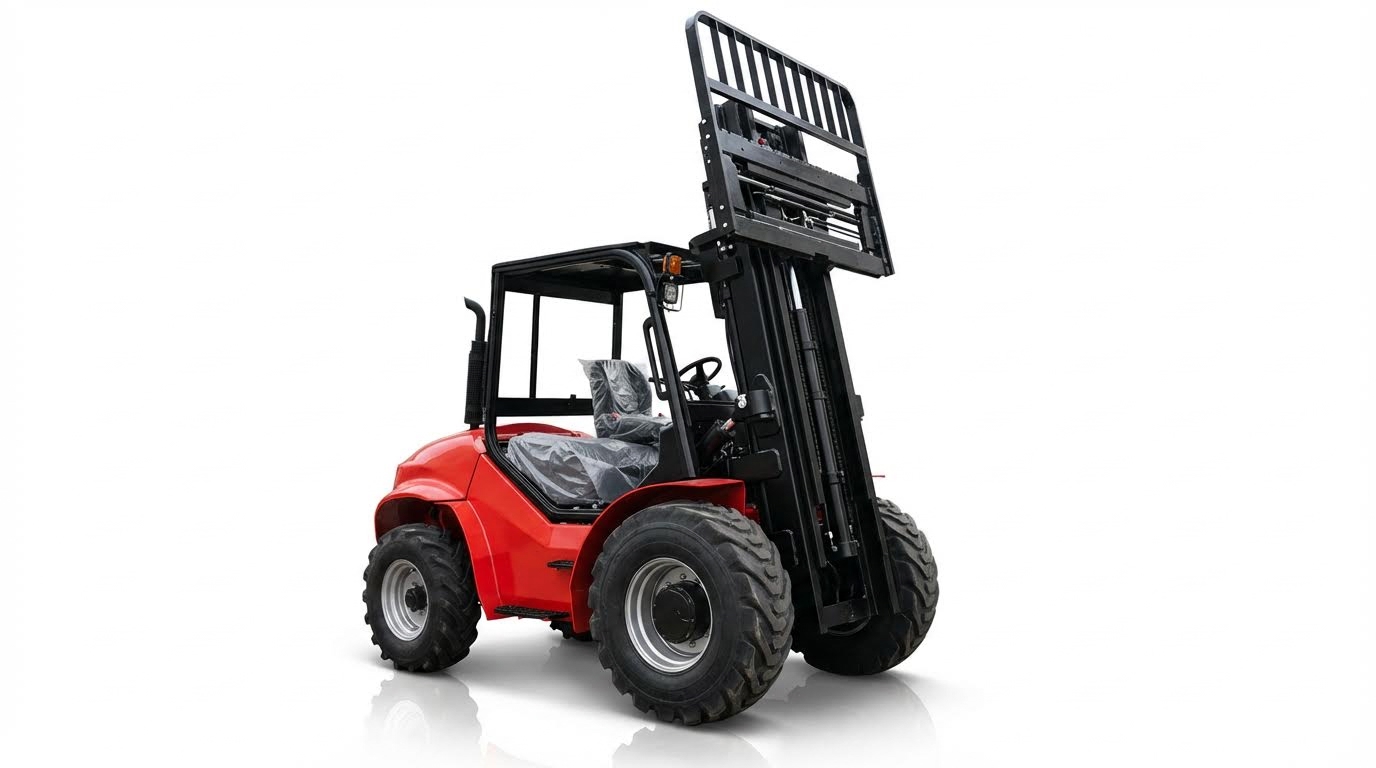 O uso de EPIs (Equipamentos de Proteção Individual), técnicas de manuseio manual e a seleção adequada de equipamentos de elevação são o que transformam procedimentos escritos em proteção real quando os trabalhadores movimentam baterias de 500 a 2,000 kg e trabalham perto de ácido e terminais energizados. Esses controles também definem na prática quem pode carregar e trocar as baterias das empilhadeiras elétricas: somente pessoas treinadas para usar os EPIs e ferramentas mecânicas adequadas devem manusear esses conjuntos de baterias.
|