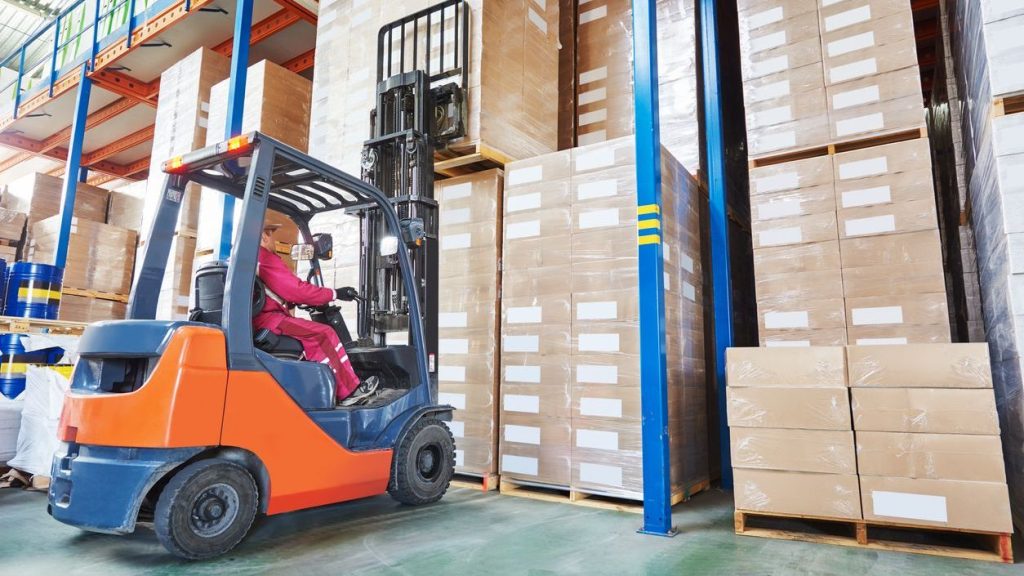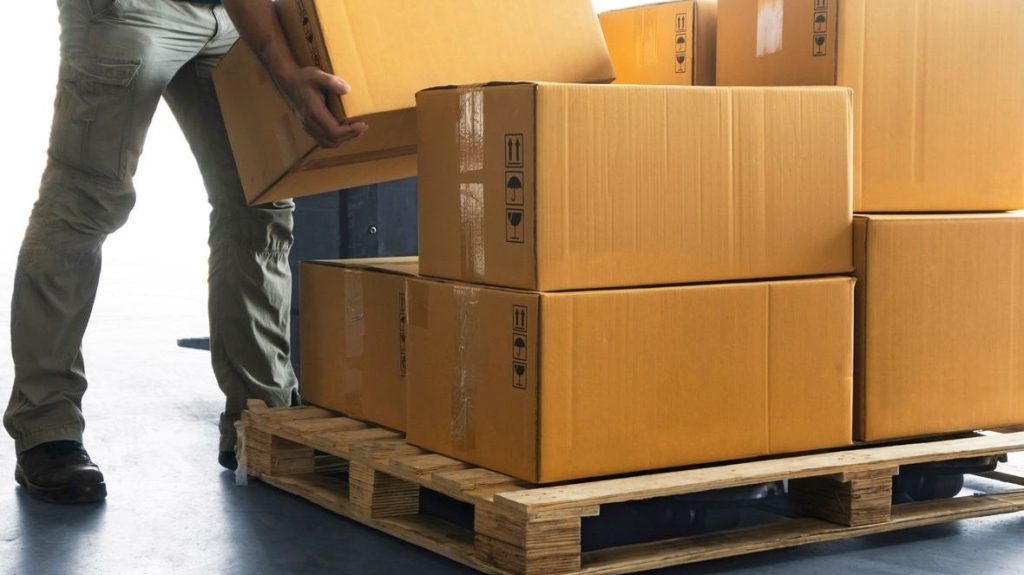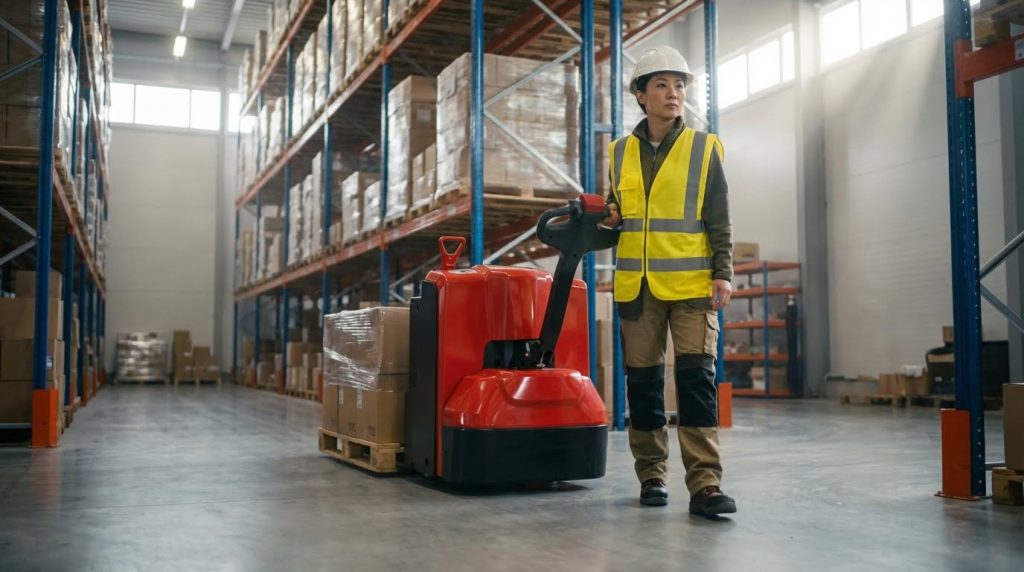
Если вас интересует, как поднимать паллеты на складе, ответ варьируется от простых гидравлических тележек до полностью автоматизированных систем. В этом руководстве сравнивается, как тележки, штабелеры, вилочные погрузчики и автоматизированные транспортные средства (AGV) фактически перемещают паллеты на реальных складах. Вы увидите типичные грузоподъемности, высоту подъема, пределы безопасности и где каждый вариант имеет смысл. Используйте его, чтобы подобрать правильный метод подъема в соответствии с вашими проходами, высотой стеллажей и целевыми показателями производительности.
Основные способы подъема и перемещения поддонов
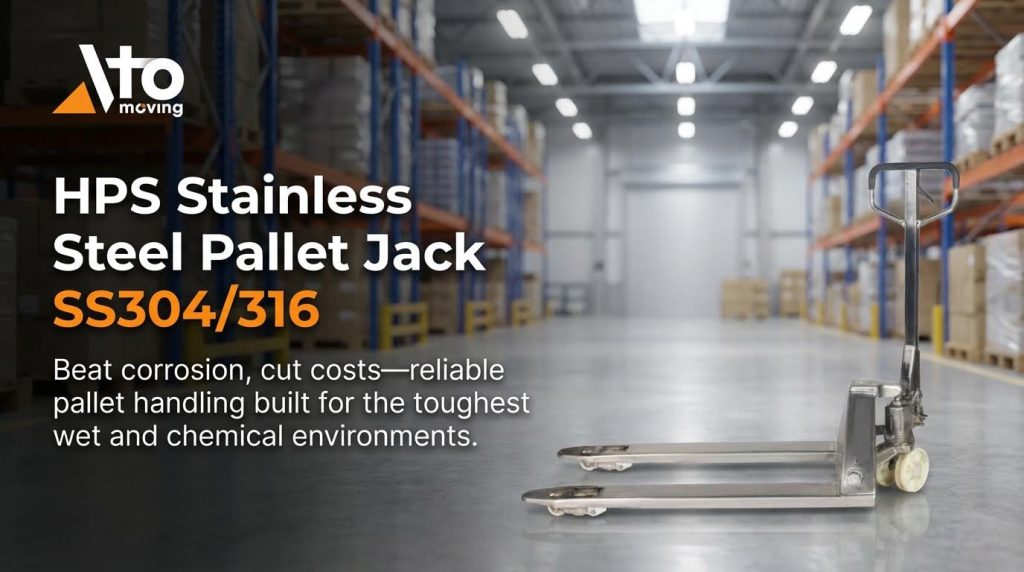
Основные способы подъема и перемещения поддонов на складе зависят от высоты и расстояния подъема. Если вы спрашиваете, что наиболее эффективно поднимает поддоны, ответ варьируется от простых гидравлических тележек на уровне пола до штабелеров и вилочных погрузчиков для вертикального хранения.
На самом базовом уровне, гидравлические тележки используются для наземной транспортировки, а штабелеры, вилочные погрузчики и автоматизированные системы берут на себя эту функцию, когда требуется высота, вылет стрелы или высокая производительность.
- Подъемники для поддонов: Подъем грузов с уровня земли и короткие горизонтальные перемещения – Самая низкая стоимость, без необходимости доступа к стеллажам.
- Укладчики: Вертикальный подъем на стеллажи низкого и среднего размера – Используйте высоту, не покупая полноценный вилочный погрузчик.
- Вилочные погрузчики и ричтраки: Высотные стеллажные системы и смешанные работы в помещении и на открытом воздухе – Идеально подходит для тяжелых грузов и высоких складских помещений.
- Автоматизированные транспортные средства/Автоматизированные медицинские роботы/Автоматизированные поисково-спасательные системы: Автоматизированная система подъема и хранения паллет – для операций с большим объемом работы и минимальным количеством ручного вмешательства.
💡 Примечание инженера-полевого специалиста: при выборе оборудования для подъема паллет на вашем складе, исходя из самого высокого положения паллеты и самого узкого прохода. Эти два ограничения обычно сразу же исключают половину случаев неправильного выбора оборудования.
Как гидравлические тележки поднимают и перемещают грузы на уровне пола.
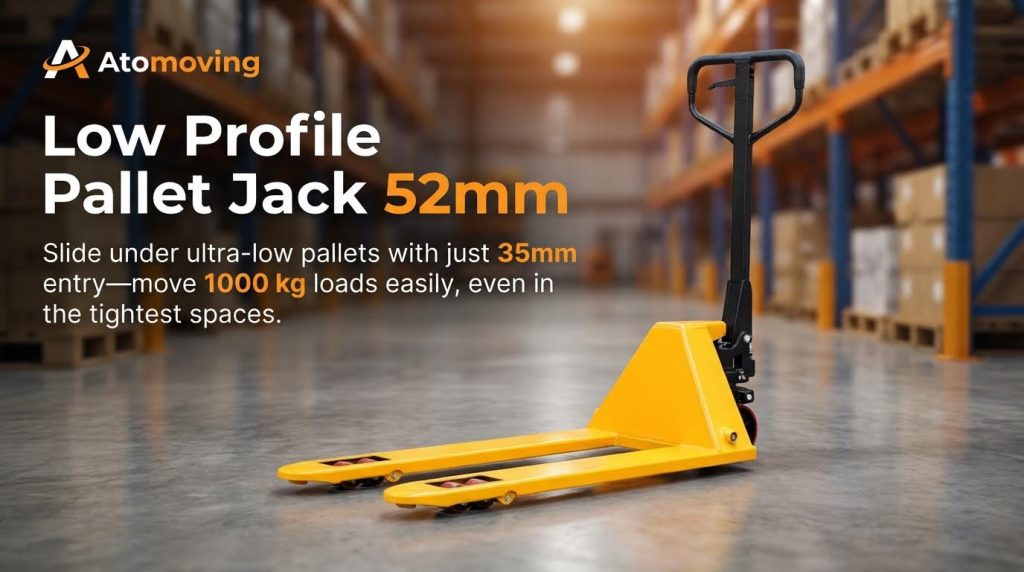
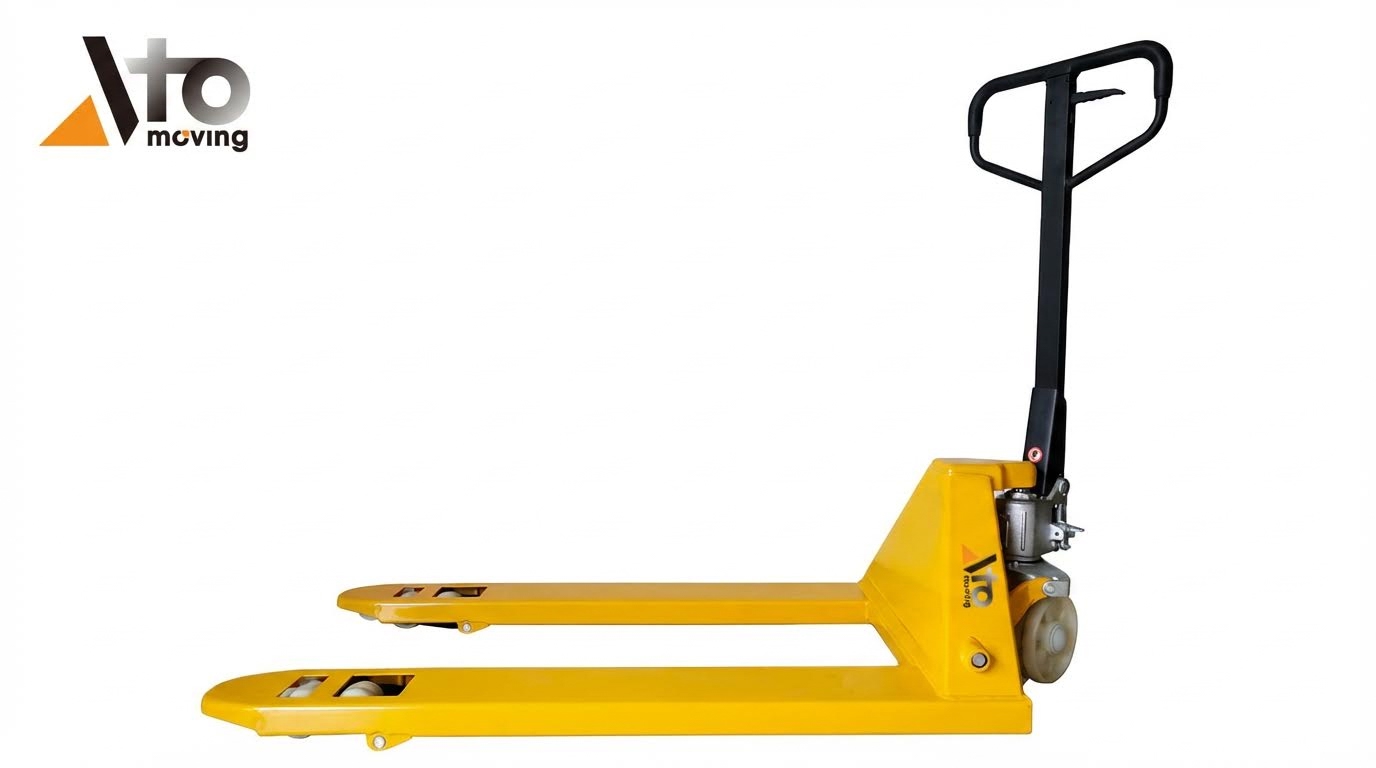
Гидравлические тележки поднимают поддоны на уровне пола, приподнимая их ровно настолько, чтобы они могли перекатиться, обычно на 50–200 мм, а затем перемещая их горизонтально. Это самый простой ответ на вопрос о том, как поднимать поддоны при коротких перемещениях на небольшой высоте на складе.
Как ручные, так и электрические тележки для поддонов используют небольшой гидравлический контур для подъема вил под поддон, но они различаются по мощности, грузоподъемности и эргономике.
| Характеристика | Ручной домкрат для поддонов | Электрический домкрат для поддонов | Операционное воздействие |
|---|---|---|---|
| Типичная высота лифта над полом. | ≈50–200 мм диапазон гидравлического подъема | Аналогичные (≈50–200 мм) | Достаточно для устранения неровностей пола и заполнения погрузочных площадок, но не для штабелирования. |
| Типичная емкость | 1,000-2,500 кг Номинальная нагрузка | 2,500-3,500 кг Номинальная нагрузка | Электрические погрузчики перемещают более тяжелые поддоны и работают на более крутых погрузочных платформах. |
| Источник питания | Человек толкает/тянет с помощью ручного гидравлического насоса | Тяговые и подъемные двигатели с питанием от батарей электропривод | Электрический привод снижает нагрузку при длительных поездках и интенсивной работе. |
| Лучшее приложение | <50 перемещений паллет в день, короткие расстояния руководство по использованию | >50 перемещений паллет в день, маршруты средней и большой протяженности. руководство по использованию | Подберите оптимальный режим работы, чтобы избежать перегрузки или недоиспользования батарей. |
| Возможность штабелирования | Ничто | Ничто | Только наземный транспорт; подача на высокие стеллажи невозможна. |
С механической точки зрения, гидравлические тележки поднимают поддоны с помощью компактного гидравлического цилиндра. Накачивание рычага создает давление в масле, которое выдвигает поршень и поднимает каретку вил на несколько сантиметров.
Как только поддон отрывается от пола, полиуретановые или нейлоновые колеса принимают на себя всю нагрузку. Это переносит трение со скольжения по древесине на вращение на подшипниках, значительно уменьшая усилие толкания-тяги на ровной бетонной поверхности.
- Минимальный подъем: Поднимите только настолько, чтобы преодолеть неровности. Более низкий центр тяжести и лучшая устойчивость.
- Расположите нагрузку по центру: Перенесите вес на колеса вилки. снижает риск опрокидывания на поворотах.
- Полная установка вилки: Полностью вставьте вилы под платформу поддона. Предотвращает поломку досок и падение грузов.
- Проверьте состояние поддона: Отбраковывайте поддоны с трещинами или намокшие поддоны. предотвращает внезапные отказы под нагрузкой руководство по состоянию поддонов.
Как состояние поддонов влияет на безопасность при подъеме тяжестей
Гидравлические тележки концентрируют нагрузку на вилочных колесах и под балками. Треснувшие доски, незакрепленные гвозди или гнилая древесина могут обрушиться при подъеме груза весом 1,500–2,000 кг, поэтому изоляция поврежденных поддонов в обозначенной зоне имеет важное значение для безопасной работы. Подробные правила обращения с поддонами.
- Выбор между ручным и электрическим приводом: Ручной режим используется для легких, коротких работ; электрический — для тяжелых, частых перемещений. критерий выбора – обеспечивает баланс между капитальными затратами и здоровьем операторов.
- Правила безопасного вождения: Тяните по ровным поверхностям, толкайте по склонам, избегайте крутых поворотов. правила эксплуатации – Предотвращает самопроизвольное движение и опрокидывание.
- Предварительные проверки перед использованием: Перед использованием осмотрите вилы, колеса, гидравлику и тормоза. контрольный список проверок – снижает количество сбоев во время смены.
💡 Примечание инженера по эксплуатации: Если операторы жалуются на напряжение в запястьях, плечах или спине, ваша проблема редко сводится только к «тренировкам». Обычно это означает, что вы используете ручные тележки, тогда как использование электрической тележки для поддонов или низкорамного штабелера теперь оправдано количеством поддонов и расстоянием перемещения.
Вертикальный подъем с помощью штабелеров и мачтовой конструкции
Штабелеры поднимают поддоны вертикально с помощью мачты и вилочного погрузчика, обычно на высоту до 4–6 м, занимая промежуточное положение между гидравлическими тележками и полноценными вилочными погрузчиками. Когда спрашивают, что позволяет поднимать поддоны на низкие или средние стеллажи без покупки вилочного погрузчика, обычно отвечают: штабелеры.
Для подъема каретки вдоль направляющей мачты используются ручные, полуэлектрические или полностью электрические гидравлические системы, а опоры или противовесы обеспечивают устойчивость тележки.
| Характеристика | Типичный диапазон производительности штабелера | По сравнению с гидравлической тележкой | Подходит для… |
|---|---|---|---|
| Высота подъема | До 4–6 м типичная высота мачты | Значительно больше (по сравнению с 50–200 мм) | Подающие стеллажи высотой в 2–5 уровней. |
| Грузоподъемность | ≈1,000–2,000 кг Номинальная нагрузка | Аналогично тяжелым гидравлическим тележкам | Поддоны средней и большой тяжести на небольших складах. |
| Тип мачты | Простая, двух- или трехсекционная направляющая мачта | На гидравлических тележках ничего нет | Выбор между ограничениями по свободному подъему и ограничениями по общей высоте. |
| Метод стабильности | Выносные опоры и/или противовес структурный дизайн | Низкий подъем, поэтому более простая рама. | Удержание центра тяжести внутри треугольника устойчивости на высоте. |
| Эргономика | Усилитель рулевого управления, регулируемые органы управления эргономические особенности | Простая рукоятка руля | Снижение утомляемости при многократных циклах подъема/складирования грузов. |
С инженерной точки зрения, мачта штабелера преобразует усилие гидравлического цилиндра в вертикальное движение каретки посредством цепей или цилиндров прямого действия. Чем выше поднимается поддон, тем больше центр тяжести смещается от основания, уменьшая зону устойчивости.
Именно поэтому штабелеры обычно ограничены высотой 4–6 м и грузоподъемностью 1,000–2,000 кг, в то время как для более высоких и тяжелых работ используются вилочные погрузчики с выдвижной стрелой и противовесом.
- Использование вертикального пространства: Штабелеры позволяют использовать кубический объем, а не только площадь пола. сравнение высоты подъема – Идеально подходит для небольших складских помещений с высокой арендной платой.
- Улучшенная устойчивость на возвышении: Прочная рама и противовес снижают риск опрокидывания на высоте. функции безопасности – Это безопаснее, чем "перенапрягаться" с помощью импровизированного снаряжения.
- Эргономичный подъем: Подъемник с электроприводом позволяет операторам избегать зон с глубокими изгибами. эргономические рекомендации – снижает риск травм спины и плеч.
Почему конструкция мачты влияет на высоту вашего здания
Если на вашем складе низкие двери или антресоли, общая высота мачты в полностью выдвинутом состоянии может быть ограничивающим фактором. Двухсекционные мачты обеспечивают умеренную высоту при более простой конструкции, в то время как трехсекционные мачты обеспечивают большую грузоподъемность в более коротком сложенном состоянии, что полезно в случаях, когда высота потолка ограничена, но вам все еще необходимы стеллажи высотой 4–6 м.
- Системы безопасности: Современные штабелеры обычно оснащены системами защиты от падения, опрокидывания, тормозами и сигнализацией. набор функций безопасности – Обеспечьте безопасность людей, находящихся вблизи поднятых грузов.
- Нагрузка здания: Перед подъемом тяжестей крайне важно равномерное распределение веса и отсутствие выступающих частей. правила формирования нагрузки – Предотвращает раскачивание мачты и падение продукции.
- Профилактическое обслуживание: Контроль состояния мачтовых цепей, гидравлики и кодов ошибок предотвращает застревание грузов на высоте. профилактическое обслуживание – критически важен для обеспечения бесперебойной работы в оживленных проходах между стеллажами.
💡 Примечание для инженера-полевого работника: Если вы регулярно поднимаете грузы на высоту более 3 м, рассматривайте каждый поддон как потенциальный объект падения. Незначительные проблемы — неравномерная нагрузка, поврежденный поддон, изношенная цепь мачты — становятся событиями высокого риска, поэтому ваши проверки и дисциплина при формировании груза должны быть гораздо строже, чем при работе с наземными гидравлическими тележками.
Подбор подъемного оборудования для складских задач.
Выбор оборудования для подъема паллетов под конкретные задачи на складе означает баланс между производительностью, трудозатратами и безопасностью, а также капитальными затратами, планировкой проходов и высотой стеллажей. Цель – минимизация затрат на безопасное перемещение одной паллеты в течение всего срока службы системы.
Выбор с учетом производительности, графика смен и совокупной стоимости владения.
Производительность, время работы и общая стоимость владения (TCO) определяют, останетесь ли вы с ручным управлением, перейдете на электропривод или обосноваете автоматизацию подъема паллетов на вашем складе.
Ручная коробка передач подходит для небольшого количества паллет и коротких смен. Электрические погрузчики и вилочные погрузчики подходят для многосменной работы. Автоматизированные транспортные средства (AGV), автономные мобильные роботы (AMR) и автоматизированные системы хранения и поиска (ASRS) окупаются только тогда, когда объемы паллет и затраты на рабочую силу становятся достаточно высокими.
| Тип решения | Типичный вариант использования | Производительность / час / единица | Capex Band | Влияние труда | Операционное воздействие |
|---|---|---|---|---|---|
| Ручной домкрат для поддонов | Небольшие магазины, погрузочно-разгрузочные работы, грузовики | До ~20 поддонов (низкая интенсивность) | Очень низкий уровень (на уровне ручной тележки) | Без снижения скорости; полностью ручное управление | Лучше всего подходит для мест, где количество ежедневных перемещений не превышает 50, а расстояния поездок небольшие. Ручные домкраты подходят для легких грузов и небольшого количества паллет в день.. |
| Электрическая тележка для поддонов | Погрузка/разгрузка, перегрузка, дальние рейсы | 20–40 поддонов (в зависимости от оператора) | Низкий–средний | Снижает усилие при толкании/тяге, поддерживает более высокие циклы. | Как раз тогда, когда количество ежедневных перемещений превышает 50, а расстояния поездок средние или большие. Электрические агрегаты подходят для обработки грузов с высокой частотой.. |
| Штабелер (ручной/электрический) | Стеллажи низкого и среднего размера высотой до 4–6 м. | 10–25 поддонов | Средний | Один оператор; некоторое время на ходьбу. | Подходит для случаев, когда необходимо поднимать поддоны на стеллажи, но объемы работы не оправдывают использование полного вилочного погрузчика. Штабелеры поднимают 1,000–2,000 кг на высоту до ~4–6 м.. |
| Вилочные погрузчики (противовесные / ричтрак) | Основные обязанности по обработке паллет, все смены. | 25–40 поддонов | Средний–высокий | Заменяет несколько операторов, работающих вручную. | Идеально подходит для смешанных работ в помещении и на открытом воздухе, а также для работы на высоких стеллажах. Вилочные погрузчики с противовесом перемещают грузы весом от 1,500 до 5,000+ кг на расстоянии 3–8 м.. |
| AGV | Стационарные, высокообъемные потоки паллет | 15–30 поддонов | ~800 000–3 000 000 сингапурских долларов за проект | Сокращение числа операторов с 2 до 4 на смену. | Идеально подходит для стабильных, повторяющихся маршрутов. Автоматизированные транспортные средства (AGV) следуют по фиксированным маршрутам и вписываются в высокообъемные, предсказуемые потоки.. |
| АМР | Динамическая компоновка, смешанный трафик | 8–20 поддонов | ~800 000–3 000 000 сингапурских долларов за проект | Сокращение числа операторов с 2 до 4 на смену. | Подходит для изменения планировки. Автономные мобильные роботы (AMR) адаптируются с помощью SLAM и встроенной системы планирования траектории.. |
| АВКР | Складские помещения высокой плотности с высокими потолками. | 20–60 поддонов на проход | ~800 000–3 000 000 сингапурских долларов за проект | Сокращение числа операторов с 4 до 8 на смену. | Для максимальной вместимости на м² и круглосуточной работы. Автоматизированные системы хранения и поиска (ASRS) позволяют сократить занимаемую площадь на 40–60%.. |
- Приоритет — пропускная способность: Рассчитывайте размер оборудования в соответствии с пиковой производительностью (количество паллет в час) – Это предотвращает образование узких мест на погрузочных площадках и в зонах комплектации заказов.
- Схема смены: Односменная работа с небольшим объемом заказов может оставаться ручной; многосменная работа или работа более 20 часов в день предпочтительнее с использованием механических или автоматизированных систем. Вы избегаете усталости и затрат на сверхурочную работу.
- Общая стоимость владения, а не цена на ценнике: Включите в стоимость одного поддона затраты на электроэнергию, техническое обслуживание, оплату труда и время простоя. Зачастую это делает электромобили или автоматизированные транспортные средства/мобильные роботы более привлекательными, чем кажется на первый взгляд.
- Масштабируемость. Автоматизированные транспортные средства/многофункциональные роботы масштабируются путем добавления единиц, в то время как автоматизированные системы поиска и хранения масштабируются путем добавления проходов. Это влияет на то, как вы будете поэтапно инвестировать средства по мере роста объёма. как отмечено для автоматизированных систем.
- Устойчивость маршрута: Фиксированные, повторяющиеся потоки подходят для автоматизированных транспортных средств (AGV); изменяющиеся маршруты и ассортимент продукции подходят для автономных мобильных роботов (AMR). Это позволяет поддерживать высокий уровень загрузки и сокращать время простоя.
Как рассчитать производительность по поддонам в час и подобрать подходящее оборудование
Начните с количества паллет, поступающих, отправляемых и перемещаемых внутри компании в день. Разделите на эффективное рабочее время (за вычетом перерывов и технического обслуживания). Сравните полученное количество паллет в час с диапазонами, указанными в таблице. Добавьте 20–30% запаса на пиковые нагрузки и рост.
💡 Примечание инженера по эксплуатации: При работе в 2-3 смены простои из-за проблем с батареями и техническим обслуживанием становятся скрытыми факторами, снижающими производительность. Два небольших электропогрузчика с поэтапной зарядкой часто перевозят больше паллет в день при более низкой общей стоимости владения, чем один большой агрегат, который постоянно ждет батареи или техника.
Безопасность, соответствие стандартам и эргономика оператора
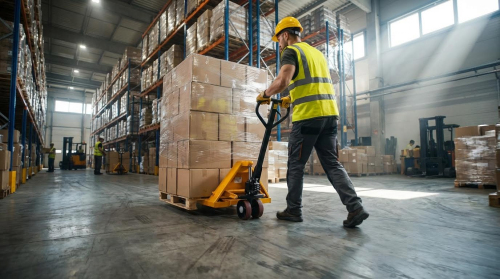
Правила техники безопасности, состояние поддонов и эргономика определяют, действительно ли подъем поддонов снижает риск или же незаметно увеличивает количество несчастных случаев и исков о компенсации.
Даже самый лучший грузовик выйдет из строя, если поддоны потрескались, грузы плохо упакованы или операторы работают вне зоны комфорта в течение 8–10 часов.
- Состояние поддона: Поддоны должны быть чистыми, сухими и без трещин и гвоздей. Это предотвращает застревание вил и падение грузов. путем изоляции поврежденных поддонов для ремонта или утилизации..
- Нагрузка здания: Расположите груз по центру, минимизируя выступающие части, а тяжелые предметы разместите низко и по центру. Это снижает вероятность опрокидывания и повреждения упаковки во время транспортировки. в соответствии с рекомендациями по безопасной обработке поддонов..
- Выбор оборудования против задачи: Ручные домкраты подходят для легких грузов, коротких расстояний и менее 50 перемещений в день; электрические погрузчики подходят для более высоких нагрузок и циклов работы. это приводит физические требования в соответствие с возможностями человека. как указано для выбора между ручным и электрическим приводом.
- Проверка перед использованием: Проверьте вилы, колеса, гидравлику, а также (для электромобилей) батареи и аварийные тормоза. Это позволяет выявлять дефекты до того, как они превратятся в аварии. неисправные устройства выведены из эксплуатации..
- Правила безопасной эксплуатации: Вилы должны быть полностью вставлены, не превышайте номинальную грузоподъемность, поднимайтесь только до уровня пола, избегайте резких поворотов. Это позволяет сохранить целостность треугольника устойчивости во время движения. как это было подчеркнуто при работе с гидравлической тележкой..
- Эргономика: Выполняйте упражнения на уровне середины бедра и локтя, сводя к минимуму скручивания. Это снижает нагрузку на спину и плечи. с помощью штабелеров и подъемных столов, удерживающих верхний слой на уровне пояса..
- Современные функции безопасности: Используйте эргономичные поручни, надежные тормоза, защиту для ног и системы контроля доступа. Это снижает риск травм от сдавливания и случаев использования неподготовленными людьми. как рекомендуется для гидравлических тележек.
- Снижение рисков автоматизации: Автоматизированные транспортные средства (AGV) и автономные мобильные роботы (AMR) сокращают количество ручных операций и происшествий на 30–60%. Это зачастую самая веская нефинансовая причина для автоматизации. согласно исследованиям рентабельности инвестиций в автоматизацию.
Взаимосвязь безопасности, стандартов и выбора оборудования.
Как только вы определите, какое оборудование используется для подъема поддонов в каждой зоне (домкраты, штабелеры, вилочные погрузчики, автоматизированные транспортные средства), сопоставьте это с вашими процедурами техники безопасности и требованиями ISO/OSHA. Затем добавьте в стандартные операционные процедуры и обучение проверки перед использованием, правила формирования груза и эргономические ограничения, чтобы выбранное оборудование действительно обеспечивало ожидаемые показатели безопасности.
💡 Примечание инженера по работе на объекте: Большинство «проблем с оборудованием», с которыми я сталкивался на складах, на самом деле были связаны с проблемами при формировании паллет и грузов. Исправление качества паллет, свесов и натяжения обмотки часто стабилизировало работу больше, чем замена ручной тележки на механизированную.
Заключительные мысли о выборе оборудования для подъема поддонов
Гидравлические тележки, штабелеры, вилочные погрузчики и автоматизированные системы подчиняются одним и тем же законам физики. Нагрузка, высота и геометрия устанавливают жесткие ограничения. Грамотное проектирование использует эти ограничения в своих интересах, а не борется с ними.
На уровне пола низкий подъем и короткие перемещения позволяют поддерживать низкий центр тяжести и минимизировать риски. При подъеме на большую высоту конструкция мачты, колесная база и противовес должны обеспечивать целостность треугольника устойчивости. Некачественная укладка поддонов или неправильная погрузка могут привести к поломке даже самого лучшего погрузчика, особенно на высоте более 3 метров.
Правильный выбор оборудования для подъема паллет на вашем складе начинается с данных, а не с каталогов. Составьте карту пикового количества паллет в час, высоты стеллажей, ширины проходов и графика смен. Затем выберите наиболее простой инструмент, который с запасом прочности удовлетворяет этим потребностям.
Ручные домкраты подходят для легких, коротких и малообъемных работ. Штабелеры позволяют использовать вертикальное пространство без полной стоимости погрузчика. Погрузчики справляются с тяжелыми, высокими и комбинированными задачами. Автоматизированные транспортные средства (AGV), автономные мобильные роботы (AMR) и автоматизированные системы хранения и поиска (ASRS) целесообразны в условиях стабильных потоков и нехватки рабочей силы.
Лучшая практика очевидна. Относитесь к качеству поддонов, формированию грузов и проверкам перед использованием так же серьезно, как и к покупке оборудования. Сочетайте продуманную конструкцию, реалистичную эргономику и строгие правила техники безопасности. Применяя эти принципы, любое оборудование для подъема поддонов на вашем складе повысит производительность и снизит риски на долгие годы, независимо от того, выберете ли вы простые погрузчики или передовые решения от Atomoving.
Часто задаваемые вопросы
Как называется устройство, поднимающее поддоны?
Оборудование, обычно используемое для подъема поддонов, называется гидравлической тележкой. Она оснащена вилами, колесами и ручкой, позволяющими просунуть вилы под поддон и поднять его для перемещения. После подъема поддон можно толкать или тянуть к месту назначения. Типы гидравлических тележек.
Как поднять поддон без вилочного погрузчика?
Если у вас нет доступа к вилочному погрузчику, вы можете использовать штабелер для поддонов, также известный как самоходный штабелер. Эта машина работает аналогично электрической тележке для поддонов, но включает в себя мачту для подъема поддонов на большую высоту. Она особенно полезна в узких местах или зонах с пешеходным движением. Альтернативы вилочному погрузчику.
Какие меры безопасности следует соблюдать при работе с поддонами?
При подъеме тяжелых поддонов всегда используйте правильную технику, чтобы избежать травм. Для устойчивости расставьте ноги на ширине плеч, держите верхнюю часть спины прямо и избегайте наклонов в пояснице. Кроме того, убедитесь, что поддоны надежно уложены, чтобы предотвратить скольжение или обрушение, как это рекомендуется в соответствии с рекомендациями OSHA. Советы по безопасному подъему.