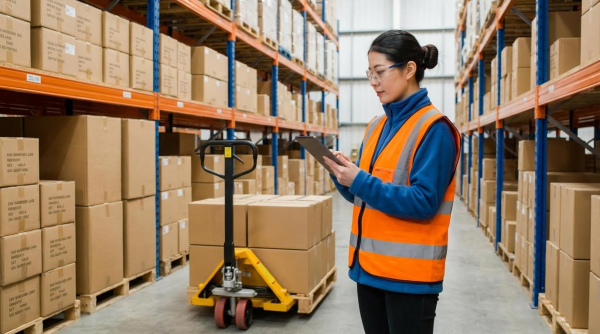
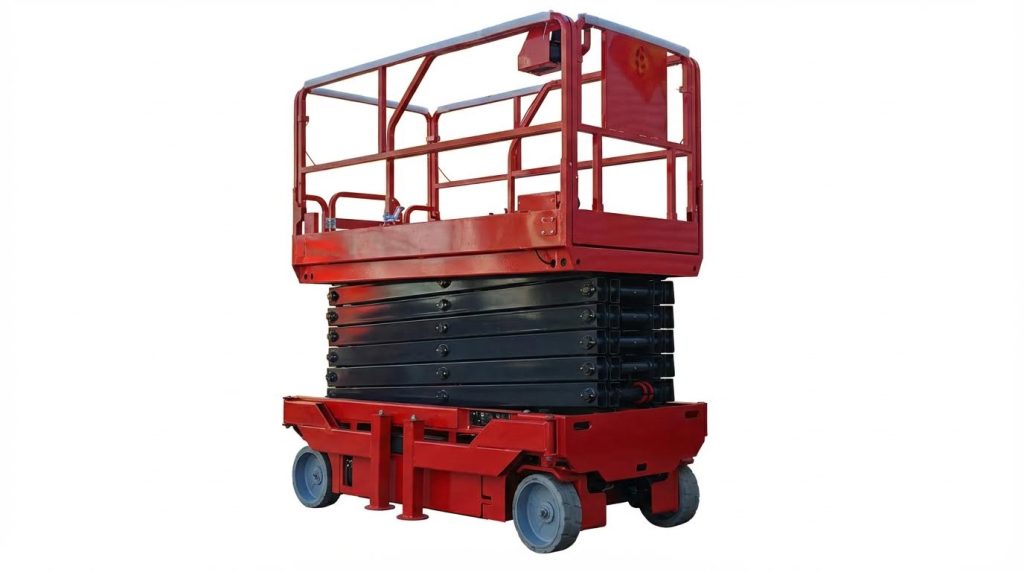
Safe pallet loading into trucks is the process of moving palletized loads into trailers while controlling risk to people, product, and equipment. This guide explains how to you lift pallets into a truck using forklifts, pallet jacks, and manual methods, and where each method makes sense. You will see how capacity, stability, maneuverability, and total cost of ownership change between options, based on real load-handling and trailer-loading practices. By the end, you will be able to match the right equipment and method to your dock, trailer types, and volume so you improve safety, throughput, and compliance with OSHA/ISO standards.
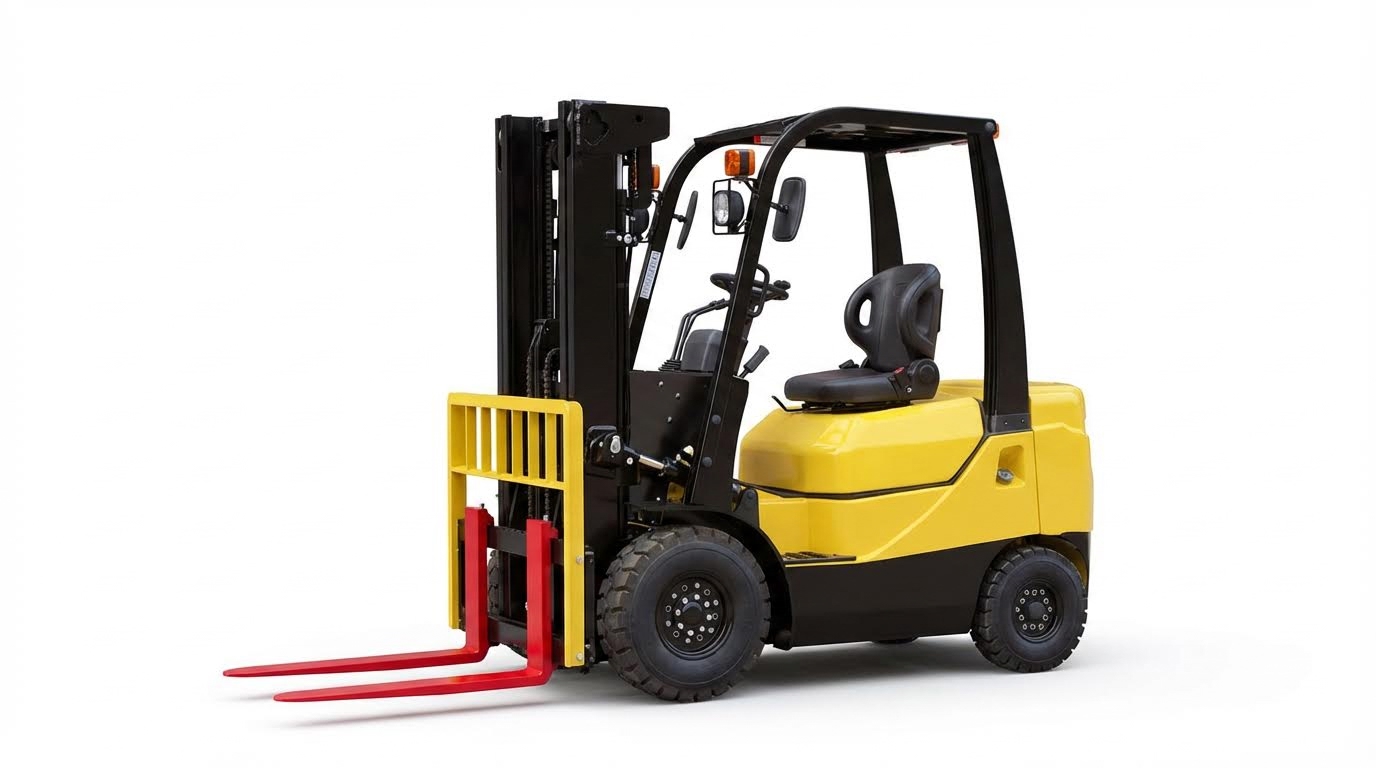
Core Methods For Lifting Pallets Into Trucks
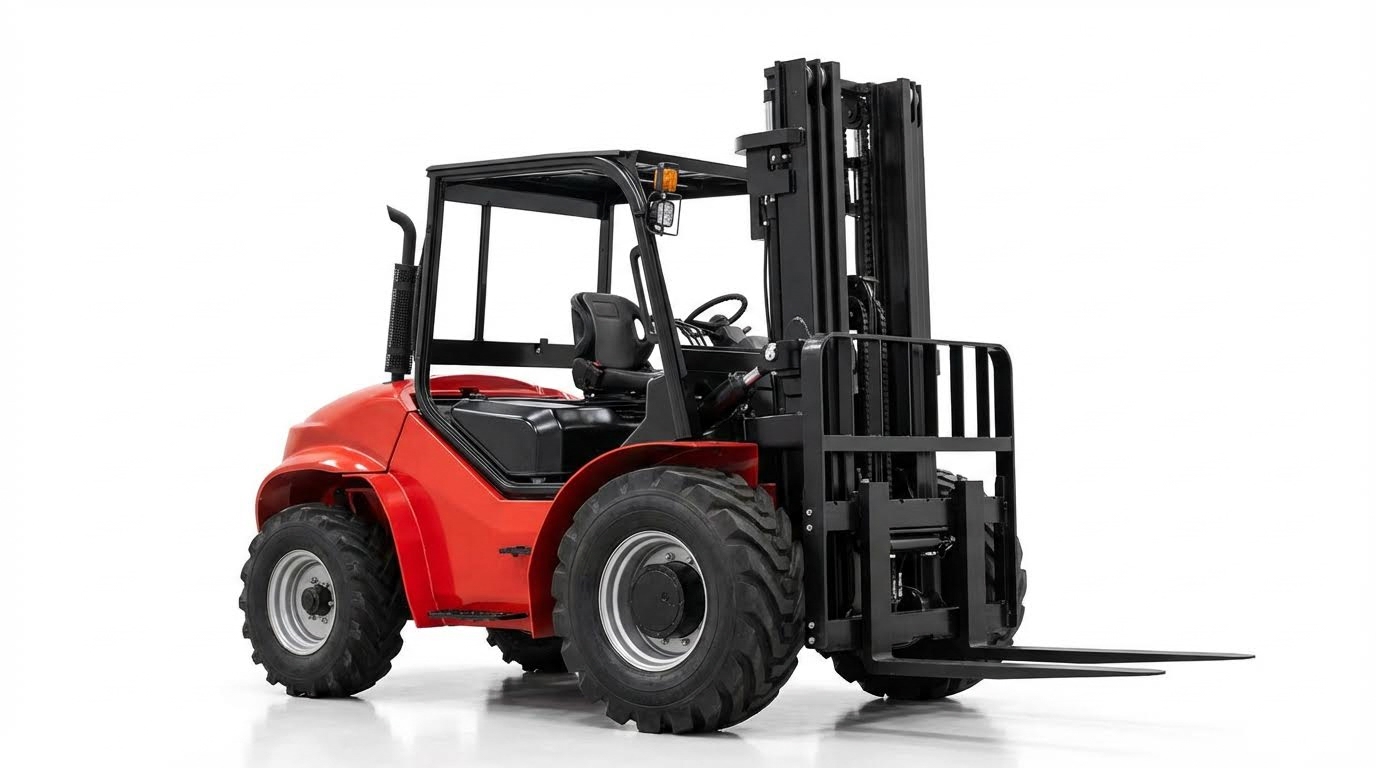
Core pallet lifting methods for how to you lift pallets into a truck are forklifts, pallet jacks, and manual handling aids, each optimized for different lift heights, trailer conditions, volumes, and safety requirements.
This section explains where forklifts and pallet jacks are the right tool, how they physically move pallets into trailers, and what that means for safety, throughput, and operator workload.
Forklifts For Dock And Trailer Loading
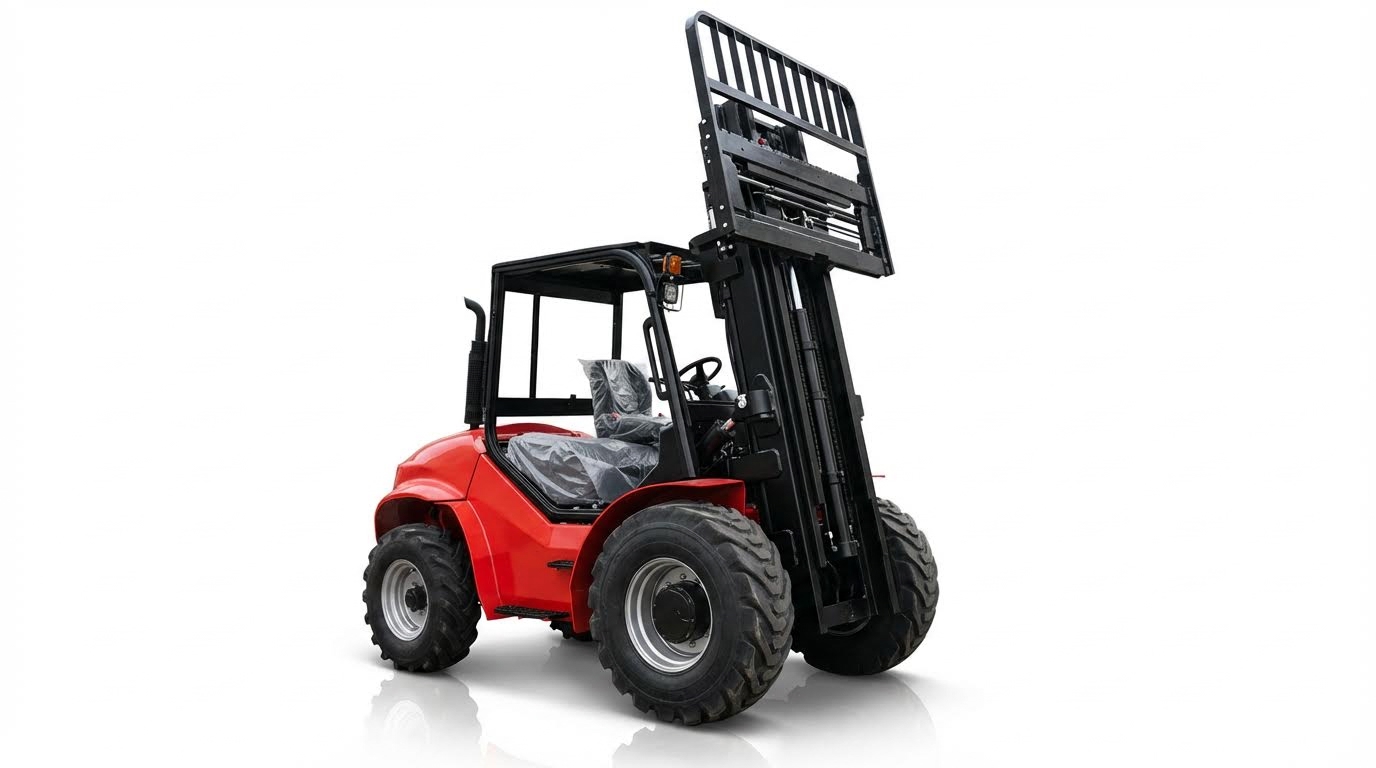
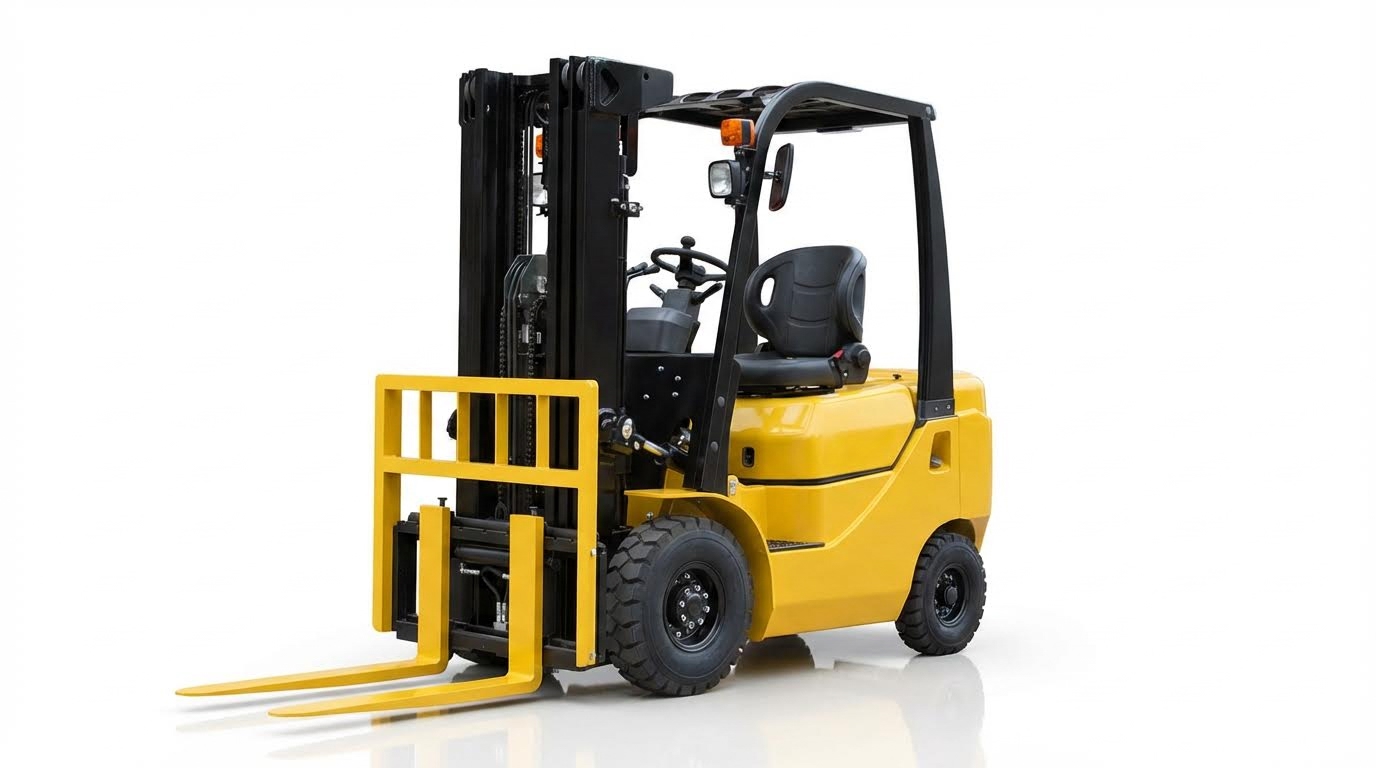
Forklifts are powered industrial trucks designed to lift pallets vertically and drive them into trailers, making them the primary method for loading palletized freight at docks when floors and dockboards can support their weight.
Forklifts answer the question of how to you lift pallets into a truck when you need to move heavy unit loads quickly from dock to trailer, especially at standard dock height with levelers or dockboards in place.
- Primary role: Move fully built pallets from staging to the dock and into trailers in one movement, including stacking when trailer height and load plan allow.
- Vertical reach: Traditional forklifts can raise pallets to over 6 m (20 ft), enabling high stacking inside trailers or feeding high racking before truck loading. Source: lifting height comparison
- Load handling: Forklifts handle 1,500–11,000 kg (3,000–25,000 lbs) depending on class, matching heavy palletized freight and dense loads. Source: load capacity ranges
- Trailer entry safety: OSHA requires chocking wheels, setting brakes, and securing dockboards before driving into trailers or railcars to prevent movement and collapse under the forklift’s concentrated axle loads. Source: OSHA trailer entry guidance
- Load approach and fork use: Operators must approach square to the pallet, insert forks fully (at least two‑thirds of the load length), and keep the heaviest part of the load against the carriage to maintain truck stability. Source: OSHA load handling
- Travel position: Inside trailers, forklifts should travel with the mast slightly tilted back and the pallet 100–200 mm (4–8 in) above the floor to avoid catching on deck boards while keeping the center of gravity low. Source: OSHA lifting and lowering
- Where forklifts fit best: High-volume docks, palletized outbound freight, standard-height docks with levelers, and operations that also stack pallets in racking between truck turns.
💡 Field Engineer’s Note: Never assume a trailer floor will hold a forklift plus load; soft or rotten floor boards can collapse under the concentrated wheel loads, so always inspect floors and lock the trailer before entry.
Step-by-step: Using a forklift to load pallets into a truck safely
- Secure the trailer: Set tractor brakes, apply wheel chocks, and position/lock the dock leveler or dockboard rated for combined forklift and load weight.
- Inspect the floor: Visually check trailer floor boards for rot, holes, or deflection; if in doubt, tag the trailer and do not enter with a forklift.
- Prepare the pallet: Confirm pallet condition, wrapping, and weight; verify it is within the forklift’s rated capacity and load center limits. Source: load center definition
- Pick up the pallet: Approach square, level forks, insert fully under the pallet, lift 100–200 mm above floor, and tilt back slightly to seat the load against the backrest.
- Enter the trailer: Drive straight over the dockboard, sound horn, control speed, and keep forks low to maintain a low center of gravity inside the confined trailer.
- Position the pallet: Drive to the planned position, stop, level mast, move slowly forward, then lower the pallet to the floor before backing out straight.
- Repeat and lock out: Continue loading to the planned pattern, then exit, lower forks, set parking brake, and remove/secure dock equipment according to site procedure.
Pallet Jacks For Short Lift, Horizontal Moves
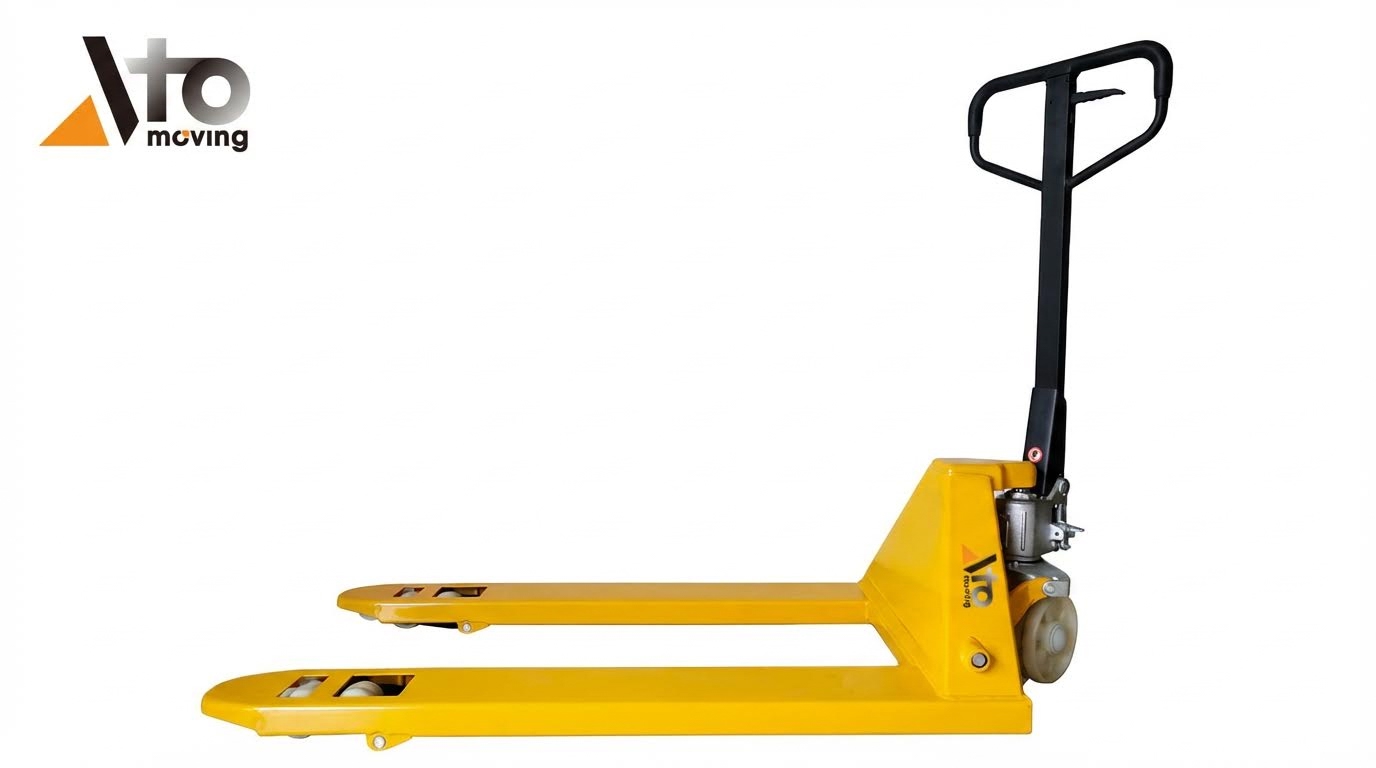
Pallet jacks are low-lift trucks that raise pallets just enough to roll them, making them ideal for short lifts, horizontal moves, and hand-loading pallets into trucks where forklifts are impractical or not allowed.
In practical terms, pallet jacks solve how to you lift pallets into a truck when you only need to clear the floor by a few centimeters and push or ride pallets into the trailer over a dockboard or directly from ground level.
- Lift height: Manual and electric pallet jacks typically raise pallets less than 200 mm (≈8 in), just enough to clear the floor and dockboards, not for stacking. Source: lifting height comparison
- Typical use in trucks: Roll pallets from dock into trailers via dockboards, reposition pallets inside trailers, or load from ground where a tail-lift or ramp is provided.
- Capacity: Manual pallet trucks often carry around 2,300–2,500 kg (5,000–5,500 lbs), comparable to many counterbalance forklifts for single pallets, but only at low lift heights. Source: pallet truck capacity
- Maneuverability: Compact chassis and tight turning radius make pallet jacks ideal in narrow trailers and congested docks, reducing product and wall damage. Source: maneuverability comparison
- Best-fit scenarios: Light-to-medium volume loading, retail or parcel trailers with tight spaces, operations without forklift access, and last-metre positioning of pallets after forklift drop-off at the dock.
- Environmental and cost benefits: Manual units have negligible energy use; electric pallet jacks use electricity instead of combustion engines, supporting lower emissions and operating costs. Source: environmental impact of pallet jacks
Step-by-step: Using a pallet jack to move pallets into a truck
- Prepare the path: Ensure dockboard or ramp is properly seated and rated for pallet plus jack plus operator; clear debris from the dock and trailer floor.
- Inspect the pallet jack: Check wheels, handle, hydraulic pump, and any emergency stop (for electric jacks) before use. Source: pre-shift inspection practices
- Engage the pallet: Center the forks on the pallet openings, push fully under the pallet, then pump the handle (manual) or use lift control (electric) until the pallet clears the floor.
- Move toward the trailer: For manual jacks, pull when starting and on ramps for better control; keep speed low and forks just high enough to avoid catching.
- Cross the dockboard: Travel straight across, avoid turning on the plate, and watch for deflection or movement; keep body clear of pinch points at the dock edge.
- Position inside the trailer: Steer the pallet to its planned position, then lower it fully to the floor before withdrawing the forks smoothly.
- Exit and repeat: Back out carefully, maintaining three-point contact on ramps and transitions, then repeat until the trailer is loaded to the plan.
💡 Field Engineer’s Note: On slight dock slopes, a fully loaded manual pallet jack can exceed 300 kg of push/pull force; always control direction on ramps and never let the load “run” you into or out of a trailer.
“”
Choosing The Right Method For Your Operation
Choosing the right method to lift pallets into a truck means matching equipment (forklifts, pallet jacks, or manual methods) to your volume, trailer type, labor profile, and safety/ergonomic limits, not just buying what’s cheapest.
💡 Field Engineer’s Note: Decide your method at the dock design stage. Most “bad” loading processes come from forcing the wrong equipment into the wrong trailer geometry, not from operator performance.
Matching method to volume and trailer type
Matching method to volume and trailer type is the core decision that determines whether forklifts, pallet jacks, conveyors, or manual labor are the safest and most cost‑effective way for how to you lift pallets into a truck.
| Operating Scenario | Typical Trailer / Container | Recommended Primary Method | Why It Fits (Field Impact) |
|---|---|---|---|
| Low volume (≤10 pallets/shift) | Standard dock-height trailer with dock leveler | Manual pallet jack | Keeps capital cost low while still allowing safe palletized loading when you only enter the trailer a few times per shift. |
| Medium volume (10–60 pallets/shift) | Dock-height trailers, good dock equipment | Electric pallet jack or compact forklift | Balances speed and safety; electric pallet jacks are optimized for horizontal moves and short lift into trailers in typical truck loading. |
| High volume (60+ pallets/shift per door) | Dock-height, repetitive routes | Counterbalance or reach-type forklifts + staged pallets | Maximizes pallets/hour; forklifts can handle 1–2 pallets per trip and are essential when you also stack vertically in the warehouse. |
| Floor-loaded cartons (no pallets) | Standard trailers or containers | Conveyors + manual case handling | Floor loading packs more product but is labor-intensive; telescopic/accordion conveyors reduce walking and handling distance while keeping cases flowing into the trailer for manual loaders. |
| Very high, steady volume (e.g., e‑commerce hubs) | Standardized trailers, long operating hours | Automated loading/unloading systems | Robotic or automated systems significantly increase unloading speed and reduce labor costs, but only pay off when trailer turns and volumes are consistently high across shifts. |
| Mixed freight, variable volume | Combination of dock-height and containers | Forklift + pallet jacks + conveyors (hybrid) | Gives flexibility: forklifts for palletized lanes, pallet jacks for tight trailers, and conveyors for dense floor-loaded imports. |
When planning how to you lift pallets into a truck, you also need to check the trailer floor strength, dockboard rating, and legal road weight limits so your chosen method does not overload the structure or vehicle during palletized or floor-loaded operations.
How volume changes your payback math
At low volumes, labor dominates total cost, so simple pallet jacks or even manual case loading can be acceptable. As pallet count per shift rises, travel distance and touches per pallet dominate, making forklifts, conveyors, or automation more economical despite higher capital cost.
Labor, training, and ergonomics considerations
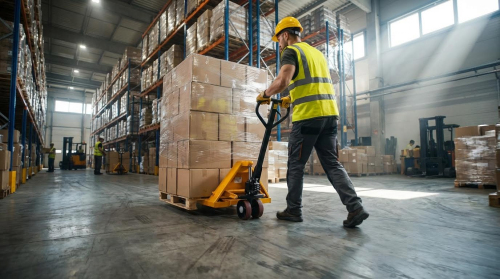
Labor, training, and ergonomics determine whether your chosen pallet lifting method is sustainable, OSHA-compliant, and realistic for the workforce you actually have, not the workforce you wish you had.
- Training requirements: Pallet trucks generally need minimal familiarization, while forklifts require formal instruction, practical evaluation, and periodic re‑evaluation under OSHA powered industrial truck rules including recertification after incidents.
- Manual handling exposure: Floor-loaded operations and building pallets inside trailers drive very high case-handling counts, increasing fatigue, variability in load times, and musculoskeletal risk for workers who must repeatedly lift, twist, and reach with cartons over long shifts.
- Use of conveyors to cut walking: Telescopic and accordion conveyors bring cartons to the worker inside the trailer, reducing walking distance and the need to carry loads across the trailer floor, which improves throughput and lowers fatigue and injury risk in high-volume docks.
- Pre-shift inspections and PPE: Whatever method you choose, operators should complete pre‑shift checks on powered equipment and use appropriate PPE such as safety footwear, high‑visibility garments, and eye protection to maintain safe operations around docks and trailers.
- Skill mix and turnover: If you have high staff turnover, relying heavily on certified forklift drivers can become a bottleneck; in these cases, designing your process so more of the work is done with pallet jacks or conveyors can stabilize performance.
💡 Field Engineer’s Note: If injury rates are climbing, look at where people bend and twist, not just where they drive. Switching from floor-loaded to palletized freight, or adding a telescopic conveyor, often cuts both claims and loading time.
When a forklift is the safer choice than “just using more people”
Once a trailer routinely takes more than 45–60 minutes to load by hand, adding more people usually just increases congestion and risk. A single trained forklift operator loading palletized freight can standardize travel paths, reduce handling touches, and keep workers out of the deepest, hardest-to-ventilate parts of the trailer.
Final Thoughts On Selecting Pallet Lifting Equipment
Safe pallet loading depends on basic engineering facts, not preference. Load weight, load center, floor strength, and aisle width set hard limits on what you can do inside a trailer. Forklifts give speed and vertical reach, but they impose high point loads into dockboards and trailer floors. Pallet jacks reduce weight and complexity, but they still need rated plates, sound floors, and controlled slopes to stay safe.
The right method also depends on volume and labor. Low-volume docks can rely on manual pallet jacks. High-volume doors usually need forklifts or automation to keep people out of deep trailer zones and cut touches per pallet. Across all methods, OSHA rules on powered trucks, training, and inspections must anchor your program.
As a best practice, start with a dock and trailer survey. Confirm structural limits, traffic patterns, and real push/pull forces. Then match equipment to that reality, using forklifts, pallet jacks, conveyors, or hybrids where they fit best. Finally, lock in standard work, pre‑shift checks, and ergonomic controls. If you follow that sequence, you will raise throughput, lower injury risk, and create a loading process that stays stable as your operation grows with Atomoving solutions.
Frequently Asked Questions
What device is used to move pallets into a truck?
A pallet jack, also known as a pallet truck, is commonly used to lift and move pallets. It’s a basic tool designed for moving palletized loads in warehouses and similar environments. For loading pallets into a truck, you can use either manual or electric pallet jacks depending on the weight and frequency of the task. Pallet Jack Guide.
How to lift a pallet into a truck without a forklift?
If you don’t have access to a forklift, there are several alternatives:
- Use manual or electric pallet jacks to move the pallet close to the truck.
- Employ ramps to bridge the gap between the ground and the truck bed. This allows the pallet jack to roll the pallet into the truck.
- Use moving dollies with wheels to help maneuver the pallet into place.
- Secure the pallet using straps or ropes once inside the truck to prevent movement during transit.