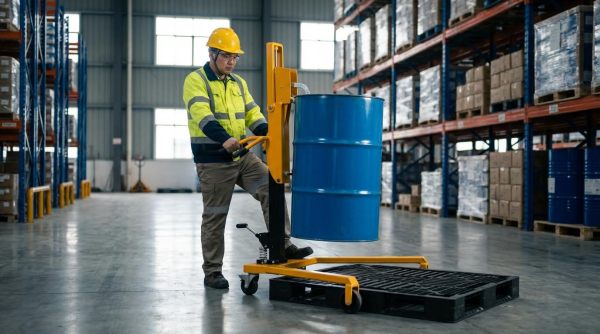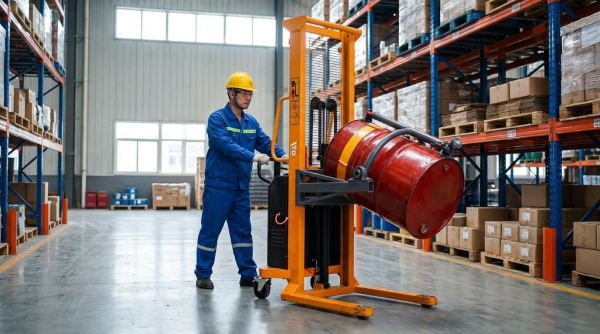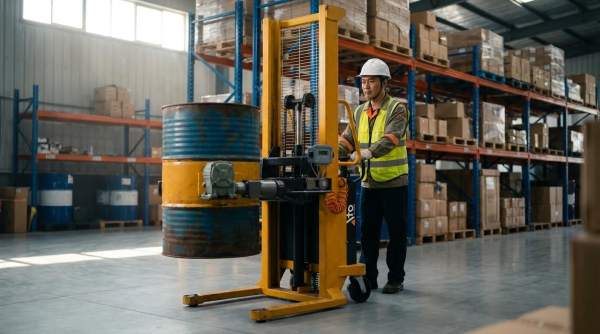
Drum lifters and drum hoists are mechanical devices that safely lift, move, and position filled drums in warehouses and industrial plants. They reduce manual handling strain, control load swing, and keep operators clear of crush zones while transferring heavy drums that often weigh 200–450 kg. This guide explains drum lifter types, typical capacities, compatibility with steel, plastic, and fiber drums, and how to use a drum lifter and hoist safely in line with OSHA/ISO hoisting practices. You will learn equipment selection, rated-load checks, step‑by‑step operating procedures, and maintenance and inspection routines that keep incident rates and downtime low.
Fundamentals Of Drum Lifters And Drum Hoists
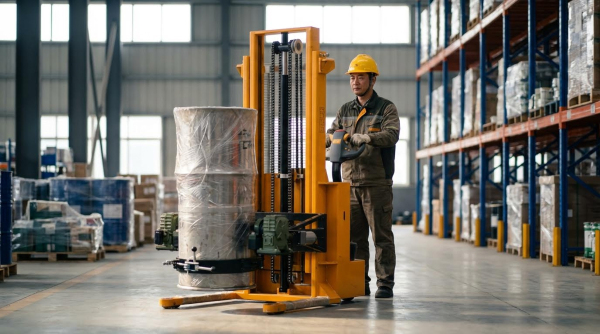
Fundamentals of drum lifters and hoists explain what these devices do, which drum sizes they handle, and the basic safety and compatibility limits you must respect before deciding how to use a drum lifter in your warehouse.
Drum lifters and drum hoists are engineered attachments and lifting devices that grip and raise liquid or bulk-material drums so they can be moved, stacked, poured, or loaded with controlled force. They interface between a hoist or crane hook and the drum rim or body, so the physics of grip location, drum diameter, and center of gravity directly affect safety and stability. Understanding fundamentals is the first step in deciding how to use a drum lifter without exceeding rated capacity, damaging drums, or violating OSHA/hoist safety rules.
Most warehouse incidents with drums come from mismatched equipment—using a lifter on the wrong drum type, lifting off‑center, or pairing a lifter with an undersized hoist. This section clarifies what drum lifters and hoists actually do in warehouse workflows, then maps common drum sizes and materials to realistic compatibility limits so supervisors can write safe, practical SOPs.
Drum lifter and hoist functions in warehouses
Drum lifter and hoist functions in warehouses are to grip, lift, and position drums so operators can move hazardous or heavy contents with minimal manual effort, controlled load paths, and compliance to hoist safety rules.
In a warehouse, drum lifters are passive mechanical attachments that engage under the drum’s top rim or around its body, while drum hoists provide the powered vertical lift via chain, wire rope, or mechanical gearing. A common configuration is a self‑adjusting tong‑style drum lifter that grips closed‑head steel, plastic, or fiber drums when the crane or hoist hook is raised, automatically matching drum width before lifting based on the tong mechanism description.
Functionally, the lifter converts vertical tension in the hoist line into clamping force on the drum, while the hoist manages vertical motion, braking, and holding. This division of roles is why hoist regulations address moving parts, controls, and power‑loss behavior, while the lifter data focuses on drum geometry and capacity. Electric or base‑mounted drum hoists must meet design, installation, and operational requirements specified by the manufacturer and applicable regulations, including guarding exposed moving parts and ensuring controls are within easy reach of the operator station as outlined in 29 CFR 1926.553.
- Vertical lifting and staging: Hoists raise drums from pallets, containment decks, or floor level to mezzanines, racks, or truck beds, reducing manual handling and improving pick/put-away rates.
- Transfer between process points: Lifters move drums from receiving to decanting, mixing, or filling lines, maintaining closed‑head integrity where contents are hazardous or spill‑sensitive.
- Loading into confined areas: Floor cranes and shop cranes with drum lifters navigate narrow aisles and doorways, placing drums into tight equipment clearances with far less strain than manual or truck‑fork methods as described for floor cranes.
- Safe holding and braking: Hoist brake systems must hold suspended drums reliably; failure to verify brake performance is a root cause in many hoist‑related incidents according to hoist safety inspections guidance.
- Remote and powered control: For electric hoists, overspeed protection, power‑failure disconnects, and automatic stop on control failure are mandatory safeguards when handling suspended drums over people or equipment per OSHA hoist regulations.
💡 Field Engineer’s Note: Treat the drum lifter and hoist as a single system—your safe working load is the lower of the lifter rating, hoist rating, and drum packing limit, not any one number in isolation.
Why “how to use a drum lifter” always starts with hoist checks
Understanding how to use a drum lifter safely starts with the hoist, because a perfect grip on the drum is useless if the hoist brake slips or an unguarded moving part catches clothing. Daily inspections should check gears, hooks, chains, and controls, and verify the hoist can lift and hold a light test load (typically 10–20% of rated capacity) without slippage or unusual noise as recommended in hoist inspection procedures.
Drum types, sizes, and compatibility limits
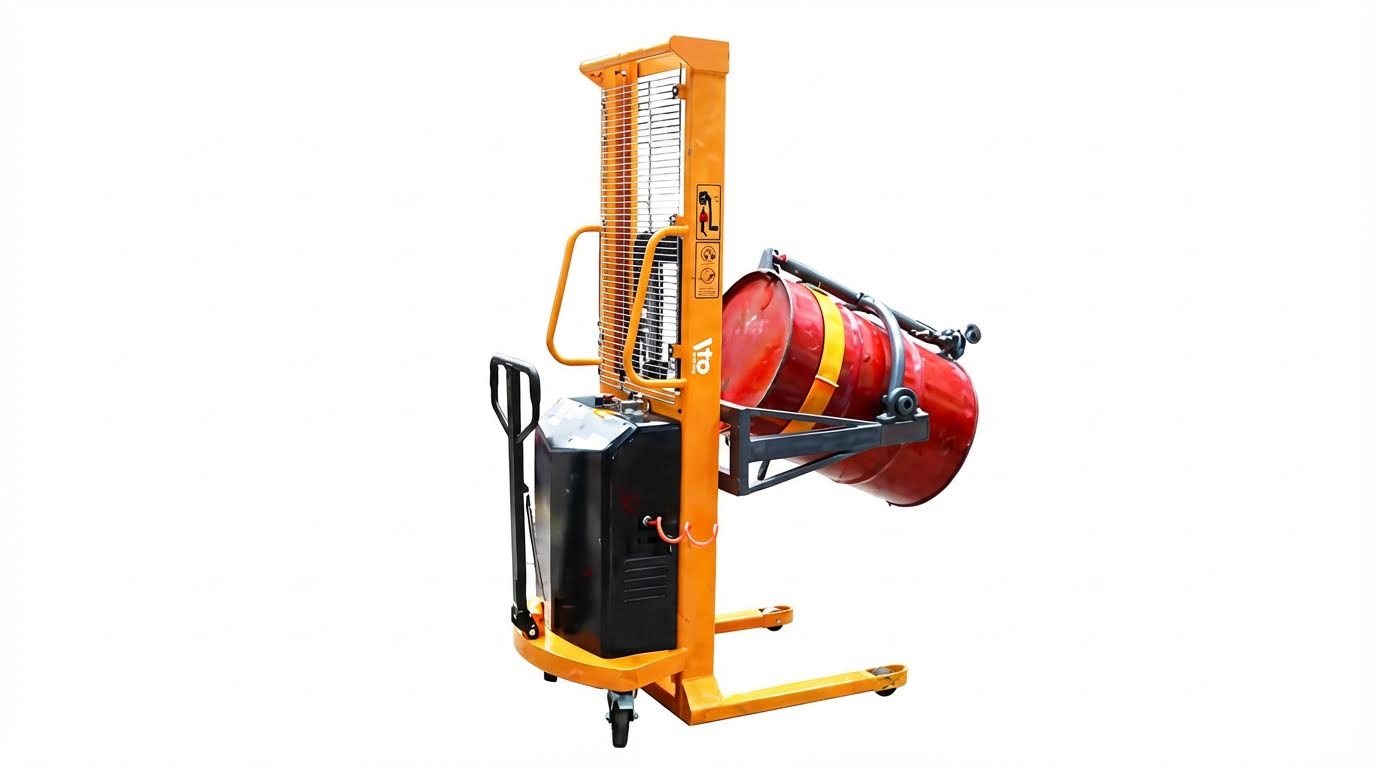
Drum types, sizes, and compatibility limits define which steel, plastic, or fiber drums a given lifter can safely grip, based on drum diameter, rim design, and the lifter’s rated capacity and geometry constraints.
Most rim‑grip drum lifters are designed for common industrial drum sizes and engage under the top rim of closed‑head drums. Typical units accommodate drums from about 18–26 in (≈ 460–660 mm) in diameter, covering standard 208–220 L (55‑gallon) steel, plastic, and many fiber drums per published drum lifter specifications. Load ratings of around 1,000 lb (≈ 454 kg) are common for these lifters, but the usable limit is always the lowest of lifter capacity, hoist capacity, and drum packing limit.
| Parameter | Typical Range / Requirement | What It Applies To | Field Impact |
|---|---|---|---|
| Supported drum materials | Steel, plastic, fiber (rimmed) | Self‑adjusting tong‑style drum lifters per lifter description | Lets one attachment handle multiple drum types, but only if each has a compatible rim and is within rated weight. |
| Drum diameter range | ≈ 460–660 mm (18–26 in) | Rim‑engaging drum lifters as specified | Ensures the tongs can self‑adjust and fully seat; out‑of‑range drums risk partial grip and drop. |
| Rated drum weight | Up to ≈ 454 kg (1,000 lb) | Many standard drum lifters per capacity rating | Defines maximum safe drum mass; exceeding this overloads both lifter and hoist, increasing failure risk. |
| Rim engagement clearance | Bottom of drum rim within ≈ 25 mm (1 in) of top | Rim‑grip lifters on closed‑head drums per safety requirement | Guarantees the tongs bear on full rim height; larger gaps can let the drum slip out under load. |
| Drum closure condition | Lid fully secured, within packing limit | Closed‑head drums of any material per operating instructions | Prevents lid blow‑off or leakage when lifting; overfilled drums can deform and compromise the rim. |
| Hoist and system compliance | Meets manufacturer and regulatory requirements | Base‑mounted drum hoists and lifting systems under 29 CFR 1926.553 | Ensures the whole lifting system (not just the lifter) is rated and inspected for drum handling. |
Compatibility limits are not only geometric; they include inspection and condition limits on the hoist and rigging. Chains that have elongated beyond allowed tolerances, hooks that have opened or twisted past specified angles, or suspension bolts that have been reused after removal must all be taken out of service before lifting drums. For example, chains should be replaced if an 11‑pitch section is more than 1.5% longer than new or if any link is bent, cracked, or heavily corroded, and hooks must be removed if throat opening growth exceeds about 5% or twist exceeds 10° according to hoist maintenance guidelines.
- Check drum geometry: Verify diameter and rim profile are within the lifter’s published range before you even attach the hook.
- Respect packing limits: Never exceed the drum manufacturer’s maximum fill weight; the lifter rating does not upgrade a marginal drum.
- Inspect hoist and rigging: Ensure chains, hooks, and suspension hardware meet wear limits and have passed the required frequent and periodic inspections.
- Confirm secure closure: For closed‑head drums, confirm bungs or lids are tight so internal pressure and contents remain controlled during lift.
- Avoid side loading: Operate the hoist vertically; side pulls twist hooks and can unseat rim‑grip lifters, especially on plastic and fiber drums.
💡 Field Engineer’s Note: When you plan how to use a drum lifter for a new product line, start with the drum spec sheet—rim style, wall thickness, and maximum gross weight often decide whether a rim‑grip lifter is acceptable or you need a band‑type or cradle solution.
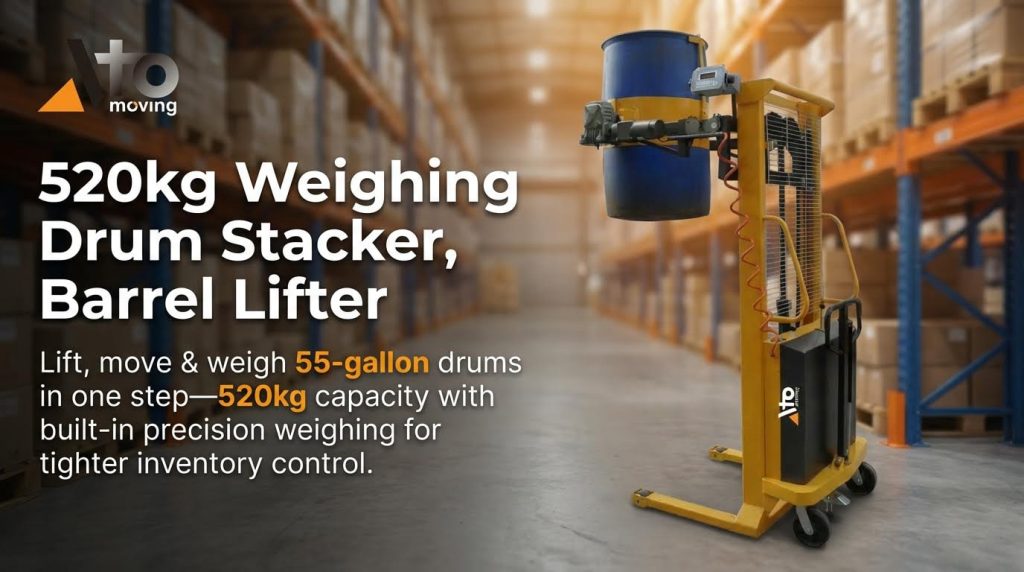
For additional equipment options, consider using a hydraulic drum stacker, drum dolly or drum handler to enhance your material handling capabilities.
Selection, Integration, And Maintenance Practices
Selection, integration, and maintenance of drum lifters and hoists means matching the device to your drum mix, hoist, and floor conditions, then enforcing structured inspection and wear limits to keep lifting operations safe and compliant.
This section connects the theory of how to use a drum lifter with the practical realities of choosing the right design, integrating it into your hoist or crane, and maintaining it so rated capacity and safety margins are preserved over time.
💡 Field Engineer’s Note: Most drum-lifter “near misses” I see are not from bad hardware but from using a good lifter on the wrong drum type, or with a hoist that’s poorly inspected and overloaded by “just a little.”
Choosing drum lifters for your applications
Choosing drum lifters for your applications means systematically matching drum type, drum geometry, and hoist capability to the lifter’s rated capacity, engagement style, and operating environment before you train operators on how to use a drum lifter safely.
Start selection with your drum mix: steel, plastic, or fiber, and whether they have a strong top rim. Drum lifters that engage under the top rim can handle common rimmed steel, plastic, or fiber drums within about 460–660 mm diameter ranges for typical 18–26″ drums. If your plant uses different diameters or open-top drums, you may need adjustable or strap-type lifters instead of rim-only designs.
| Selection Factor | Typical Options / Limits | Field Impact |
|---|---|---|
| Drum material & rim type | Rimmed steel, plastic, or fiber drums with compatible rim profile for specific lifters | Ensures the lifter actually “bites” the rim instead of slipping off under load. |
| Drum diameter range | Approx. 460–660 mm (18–26″) for many rim-grip lifters as specified | Prevents partial engagement; oversized or undersized drums can pop free when lifted. |
| Rated capacity of lifter | Commonly around 454 kg (1,000 lbs) for some models per manufacturer data | Must exceed the heaviest filled drum weight, including worst‑case product density. |
| Hoist / crane compatibility | Overhead hoist, jib crane, or floor crane integration for ergonomic handling | Determines reach, aisle clearance, and whether you can move drums through doors and tight aisles. |
| Engagement mechanism | Self‑adjusting tong-type, manual adjustment, or strap / clamp designs for different drums | Impacts how forgiving the lifter is to operator centering errors and mixed drum sizes. |
| Drum closure condition | Closed-head with secured lid and contents not exceeding packing limit per safety guidance | Prevents lid blow‑off or product spillage when the drum is suspended. |
| Vertical geometry requirement | Bottom of rim within ~25 mm (1″) of drum top on some designs for correct seating | Ensures the lifter seats fully on the rim and doesn’t “walk off” under load. |
| Environment & frequency | Corrosive, outdoor, washdown vs. dry warehouse; light vs. heavy cycles | Drives material choice (coatings, stainless) and whether you need higher‑duty components. |
When you plan how to use a drum lifter day‑to‑day, you must also think about the host equipment. Floor cranes (shop cranes) can move drums through standard doors, narrow aisles, and even elevators while reducing manual strain compared to lift trucks according to ergonomic guidance. Overhead hoists excel where you have fixed transfer points and want to keep travel paths clear.
How to quickly check if a drum is suitable for a rim-grip lifter
1) Confirm there is a continuous, undamaged top rim. 2) Measure diameter and confirm it falls within the lifter’s stated range. 3) Check that the bottom of the rim is within about 25 mm of the drum top where required. 4) Verify the lid is fully clamped and the product weight does not exceed packing and lifter limits.
💡 Field Engineer’s Note: If operators routinely “fight” the lifter to get it to grab a drum, it’s usually a compatibility problem, not operator error—fix the spec, or you’ll eventually see a dropped drum.
Hoist inspections, wear limits, and compliance
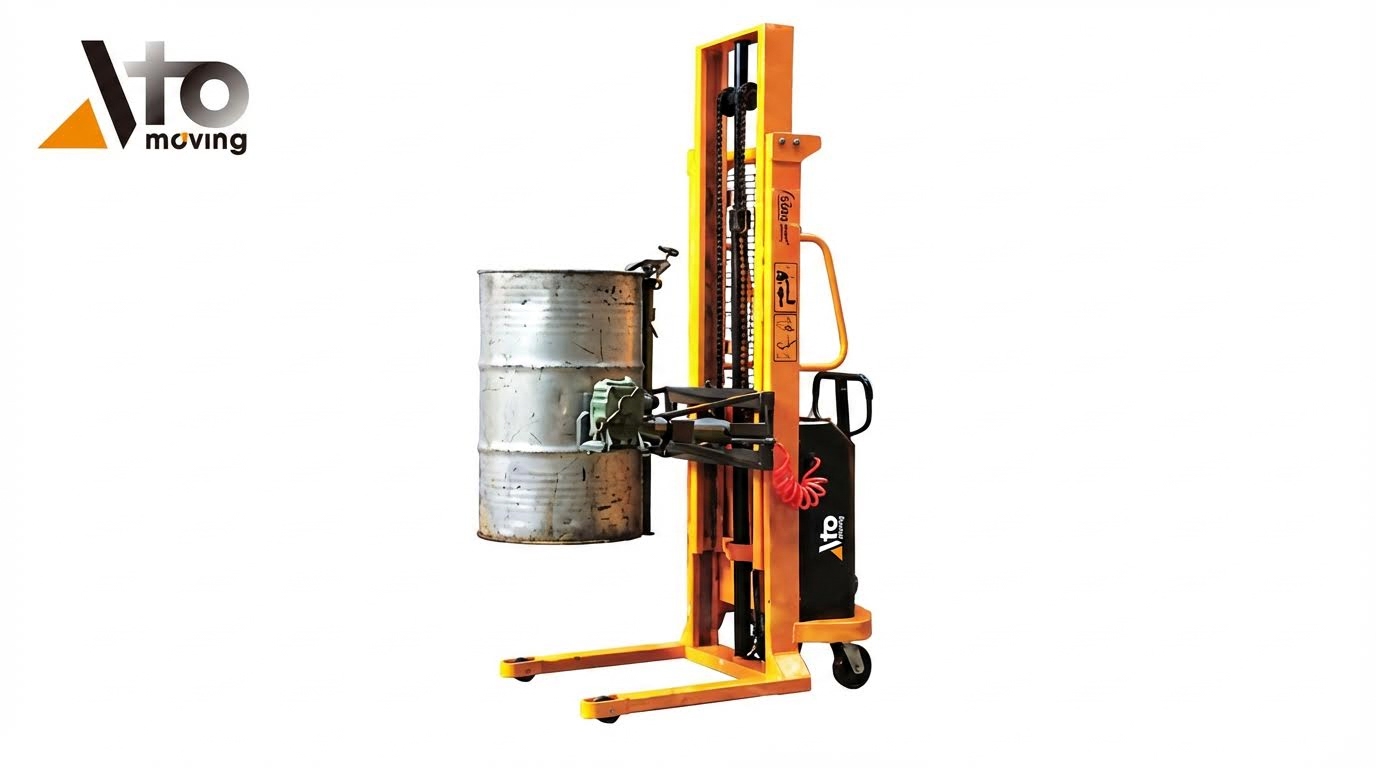
Hoist inspections, wear limits, and compliance are about enforcing structured daily and periodic checks on chains, hooks, brakes, and controls so the hoist–lifter system safely carries rated drum loads without surprise failures or OSHA issues.
Regulations for base‑mounted drum hoists require guarding exposed moving parts, proper control placement, power‑failure protection for electric hoists, overspeed devices where applicable, and automatic stopping for remote controls per 29 CFR 1926.553. Manufacturers’ requirements for design, installation, inspection, and maintenance must be followed as a condition of compliant use.
- Frequent inspections (daily to monthly): Check hooks for cracks or deformation, chains for lubrication and damage, pendant pushbuttons for smooth return, and cords for cuts or abrasion while verifying brakes can hold a light test load as outlined in maintenance plans.
- Periodic inspections (quarterly to annually): Have qualified personnel check suspension bolts, frames, and brackets for cracks, inspect liftwheel pockets and guides for wear, examine brake assemblies, trolley wheels, and electrical contacts for pitting or corrosion per recommended checklists.
- Pre-operation hoist checks: Before a shift, visually inspect for cracks, corrosion, or misalignment and confirm lubrication on gears and moving parts; load tests verify the hoist can lift its rated capacity without abnormal strain or noise per pre-operation protocols.
- Manual gear rotation & brake verification: Rotating gears by hand (with motor disengaged) reveals binding or stiffness, while lifting 10–20% of capacity and stopping mid‑lift confirms that brakes set instantly without slip or burning smell as safety checks recommend.
- Load chain wear limits: Replace chains if wire diameter falls below 90% of nominal, if an 11‑pitch section elongates more than about 1.5%, or if any pitch grows more than 5%; bent, cracked, or corroded links are cause for immediate removal per detailed criteria.
- Hook deformation limits: Remove hooks from service if twist exceeds roughly 10°, section loss is more than 10%, or throat opening grows beyond about 5% (and never more than 6 mm); latches must fully close over the tip as hook standards specify.
- Suspension hardware replacement: Replace suspension bolts whenever the suspension is removed to avoid fatigue or hidden damage from reuse in critical load paths per maintenance advice.
- Lubrication and cleanliness: Apply manufacturer‑specified grease to pulleys, bearings, gears, and chains to reduce friction and heat, and keep the hoist area clean of debris, dirt, and spilled oil to prevent slip hazards and mechanical contamination per hoist maintenance tips.
- Operator training & procedures: Training must cover correct vertical lifting (no side pulls), not using chains as slings or choke hitches, placing loads in the hook bowl, and avoiding using travel limits as operational stops per operational guidelines, plus emergency procedures and hazard recognition as training programs recommend.
Neglecting these inspections has real consequences: hoist failures from seized gears or brake issues have caused dropped loads, injuries, and OSHA penalties where manual rotation checks and routine inspections were skipped as incident analyses show. OSHA further expects daily inspections before hoist use, documented monthly load tests, and annual evaluations by qualified technicians to maintain compliance and avoid fines per compliance guidance.
Quick field checklist before lifting a drum
- Verify capacity: Confirm drum weight is below both the drum lifter’s and hoist’s rated capacities and within the drum’s packing limit.
- Inspect hoist & lifter: Walk‑around check of hooks, chains, controls, and lifter engagement surfaces for obvious damage or deformation.
- Check drum condition: Make sure the rim is undamaged, the lid is secured, and there are no leaks or bulges.
- Test lift: Take up slack slowly, lift a few centimeters, and stop to confirm the brake holds and the drum is seated securely.
- Proceed with move: Only after the test lift is stable should you raise to full travel height and move along a clear path.
💡 Field Engineer’s Note: If your inspection program is “paper only,” assume your real risk is much higher—randomly observe one shift of drum lifts and compare what’s actually done to your written procedure.
Final Considerations For Safe, Efficient Drum Handling
Safe drum handling depends on treating the drum, lifter, hoist, and floor layout as one engineered system. Geometry, rated capacity, and inspection rules are not paperwork; they directly control whether a suspended drum stays under control or ends up on the floor. When you match lifter type to drum diameter, rim profile, and closure style, you remove most unplanned releases before they can occur.
Hoist inspections, wear limits, and brake checks then protect that grip. Chains, hooks, and suspension hardware that stay within tight dimensional tolerances give you predictable behavior under load. Daily functional tests catch stiffness, slipping, or noise before a full drum is in the air. Trained operators close the loop by lifting vertically, avoiding side pulls, and performing short test lifts.
The best practice for operations and engineering teams is simple: write one integrated SOP that covers drum specs, lifter selection, hoist inspections, and step‑by‑step moves, then audit it in the field. Use Atomoving drum handling equipment that clearly states geometry and capacity limits, and back it with disciplined inspection and training. When you do this, you cut strain injuries, spills, and downtime while moving drums faster and with higher confidence.
Frequently Asked Questions
How to Use a Drum Lifter?
A drum lifter is designed to safely lift and transport heavy drums. Start by positioning the lifter near the drum. Ensure the gripping mechanism is aligned with the drum’s rim or designated lifting point. Securely attach the lifter to the drum, then use the controls to lift it gently off the ground. Always keep the load balanced and move slowly to prevent accidents. For more details on safe material handling practices, check Safe Load Handling Guide.
What Are the Benefits of Using a Drum Lifter?
Using a drum lifter improves safety and efficiency in material handling. It reduces manual labor, minimizing the risk of injuries. Drum lifters provide stability during transport, preventing spills or damage to the drum’s contents. They also allow for precise placement of drums in tight spaces. For additional insights into equipment benefits, visit Drum Riser Advantages.