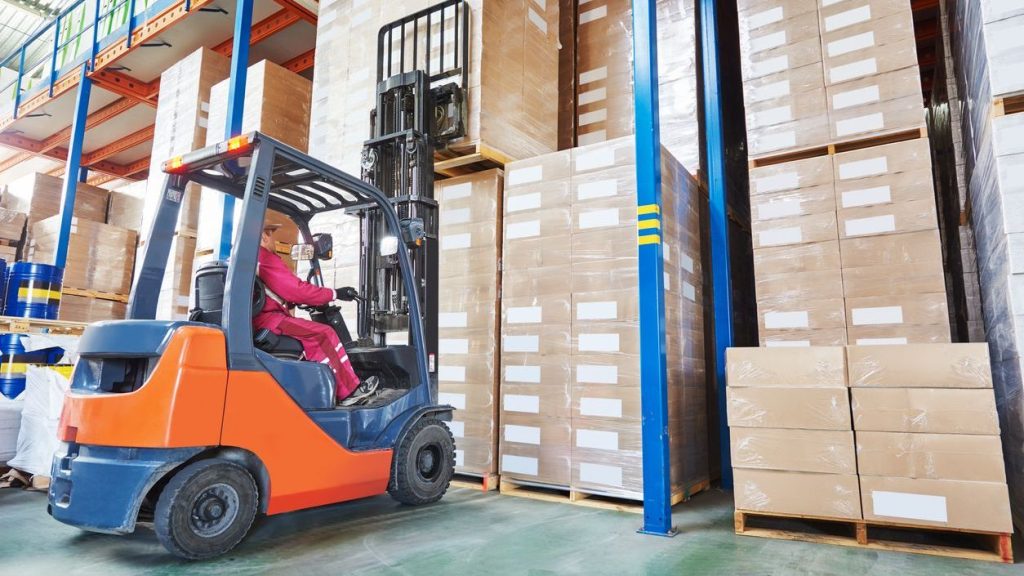
Whether a pallet truck is classed as lifting equipment depends on how high it raises the load, how it is used, and which regulation applies, not just on the fact it has forks and hydraulics. This matters because once a pallet truck meets the legal definition of lifting equipment, your duties jump sharply: you move from simple pre-use checks into formal “thorough examinations,” written schemes, and stricter training and documentation. In this guide, we break down when a pallet truck crosses that line under LOLER, PUWER and OSHA, what that means for inspections and operator competence, and how engineering design (lift height, capacity, stability and technology) affects risk. By the end, you will be able to answer “is a pallet truck classed as lifting equipment?” for each truck in your fleet and set the right inspection, training, and maintenance regime for safe, compliant operation.
When Pallet Trucks Become Lifting Equipment
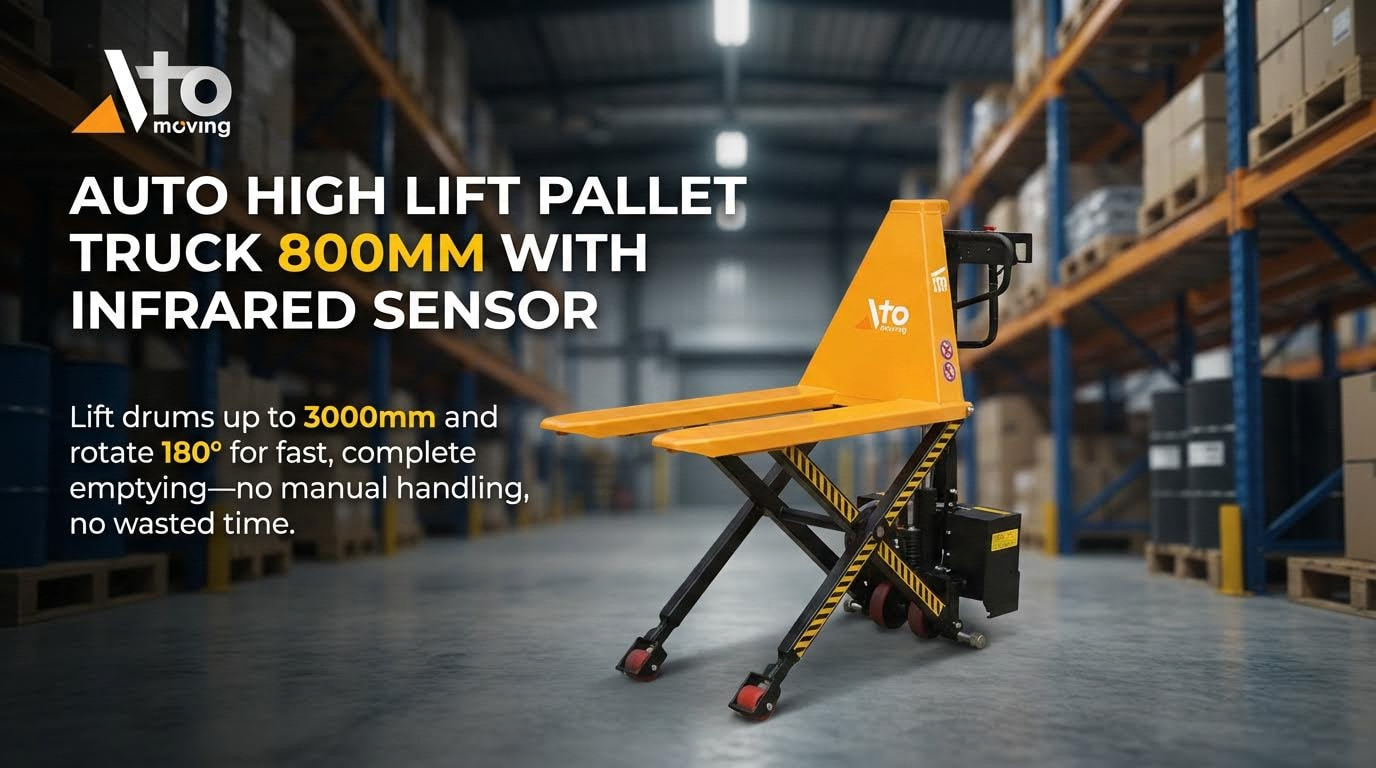
Pallet trucks become lifting equipment when they raise a load high enough that a fall could cause injury, which is the practical trigger for LOLER-type duties and the core test when asking “is a pallet truck classed as lifting equipment”.
In practice, regulators look less at the label “pallet truck” and more at what the truck actually does with the load. Once you move beyond a few centimetres of lift for rolling and into genuine elevation for storage or work positioning, you cross into lifting-equipment territory with extra inspection and documentation duties.
💡 Field Engineer’s Note: When you are unsure, assume the stricter regime applies; it is cheaper to over‑inspect than to defend a missed LOLER classification after an incident.
Definitions Under LOLER, PUWER And OSHA
Regulators define pallet trucks as lifting equipment when their primary function includes elevating loads off their support to a height where a drop presents a foreseeable risk of injury, triggering LOLER/OSHA-style lifting rules in addition to general machinery duties.
- LOLER (UK/EU): Treats equipment as “lifting” when it lifts or lowers loads, especially where a fall could cause injury; high‑lift pallet trucks and stackers clearly fall under this regime. High‑lift pallet trucks and stackers used for storage or work positioning are therefore treated as lifting equipment requiring thorough examination by a competent person.
- PUWER (UK): Applies to virtually all pallet trucks—manual and powered—as work equipment, covering suitability, guarding, maintenance, and training; low‑lift pallet trucks that stay under roughly 250–300 mm are typically managed under PUWER alone rather than LOLER. Hand pallet trucks under about 300 mm lift are generally not treated as lifting equipment under LOLER.
- OSHA (US) – Powered Units: Powered pallet trucks are regulated as powered industrial trucks under 29 CFR 1910.178, with formal training, evaluation, and written records required. Elevating models that raise loads to racking or work height are treated operationally like other lifting trucks. OSHA 1910.178 sets the baseline for powered pallet truck competency and documentation.
- OSHA – Manual Units: Manual pallet trucks are not specifically covered by 1910.178, but employers still have a General Duty obligation to control hazards, meaning you must address load stability, floor condition, and ergonomic risks even without a powered‑truck certificate. Manual pallet trucks are still expected to be safe, maintained, and used by trained operators.
- Core classification test: In both UK and US practice, the real question is whether the truck only lifts enough to roll (transport) or whether it lifts to a height where a drop causes harm; the latter is where it is treated as lifting equipment with stricter examination rules.
How this links to “is a pallet truck classed as lifting equipment” in audits
Auditors will usually start by mapping each truck type to its maximum lift and use case. Low‑lift warehouse trucks used only for floor‑level transport are recorded under general work‑equipment controls, while high‑lift or stacker‑type pallet trucks are added to the lifting‑equipment register with dated thorough examinations and a named competent person.
Low-Lift Vs High-Lift Pallet Trucks
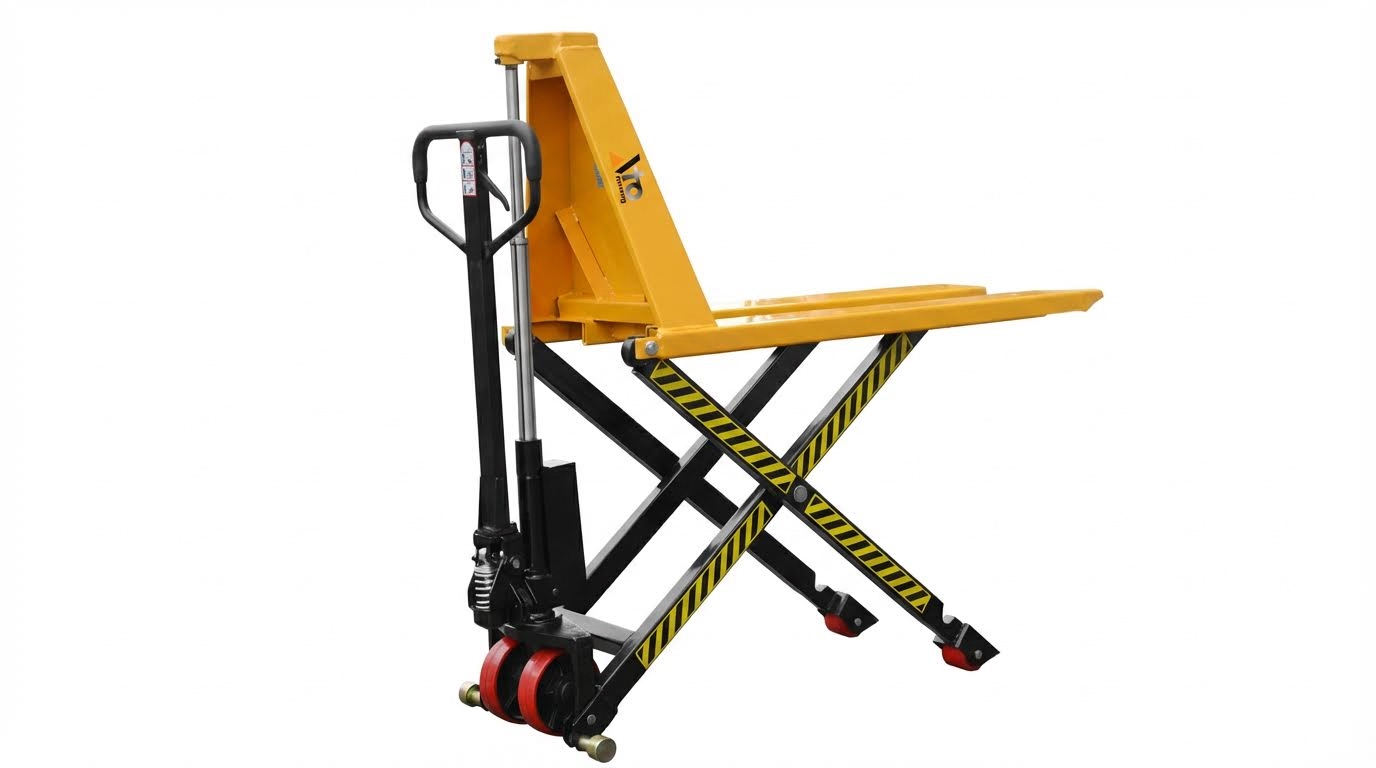
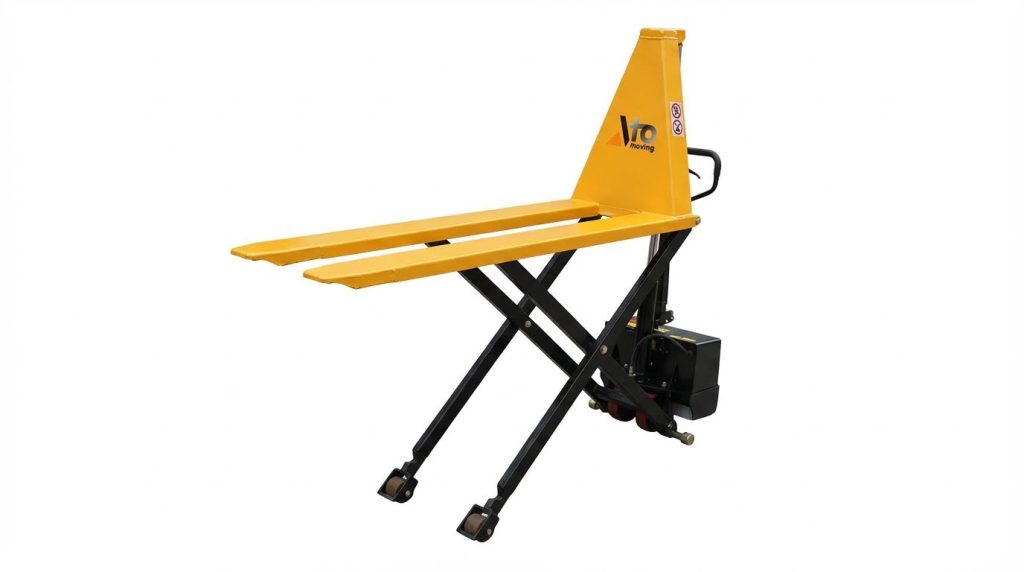
Low-lift pallet trucks rarely count as lifting equipment because they only raise loads just enough to travel, while high‑lift pallet trucks and stackers almost always count as lifting equipment due to their greater lift height and injury potential.
| Type | Typical Lift Height | Regulatory Treatment | Practical Use Case | Field Impact |
|---|---|---|---|---|
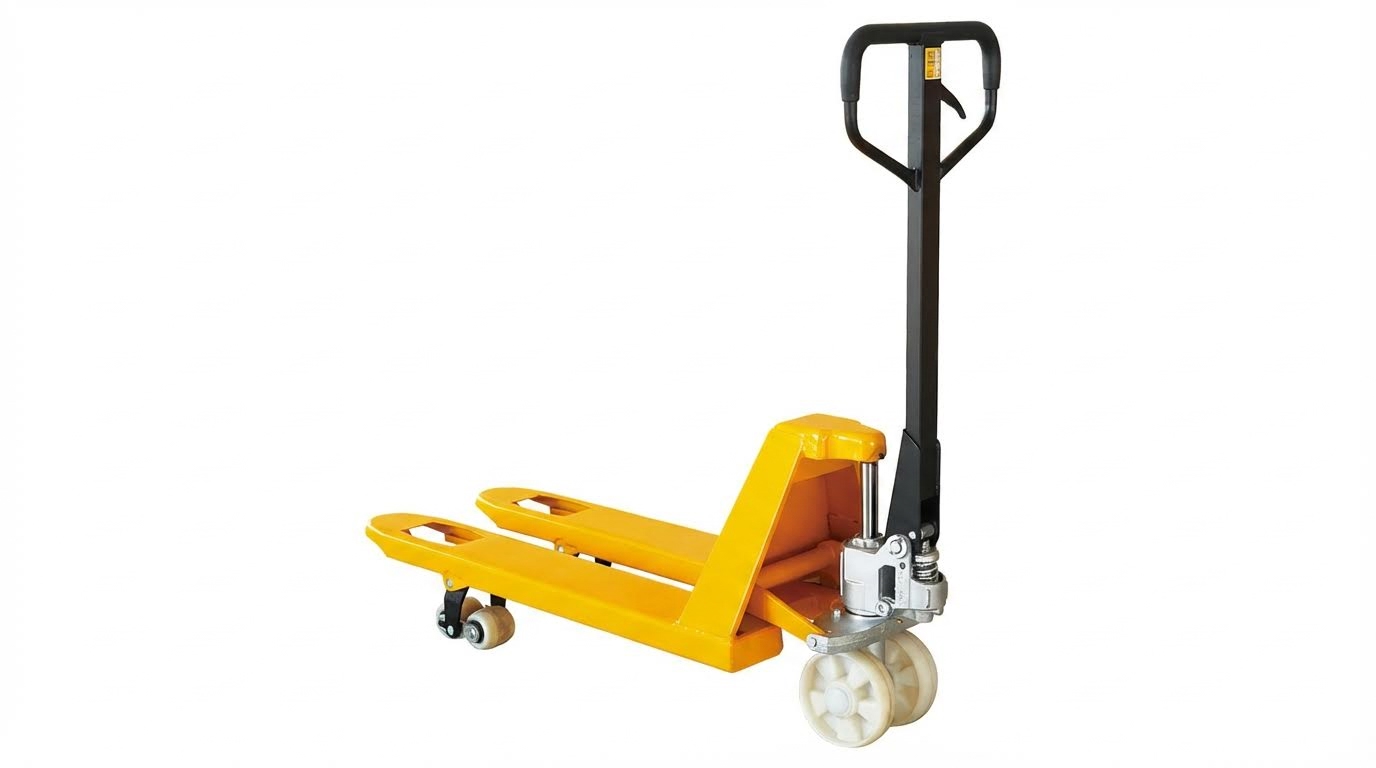
| Low‑lift manual pallet truck | ≈ 80–250 mm off floor | Generally under PUWER/work‑equipment rules; usually not LOLER lifting equipment if under ≈300 mm for standard hand trucks | Short‑range transport at floor level—dock to staging, staging to line | Lower formal inspection burden, but still needs daily checks and basic operator training; ergonomics and floor quality dominate risk. |
| Low‑lift powered pallet truck | ≈ 80–250 mm | OSHA powered industrial truck (1910.178) plus PUWER‑type duties; not usually LOLER lifting equipment if lift is minimal for short‑range transport | Higher‑throughput floor transport, loading docks, cross‑docking | Requires formal operator certification, documented inspections, and attention to speed, visibility, and pedestrian separation. |
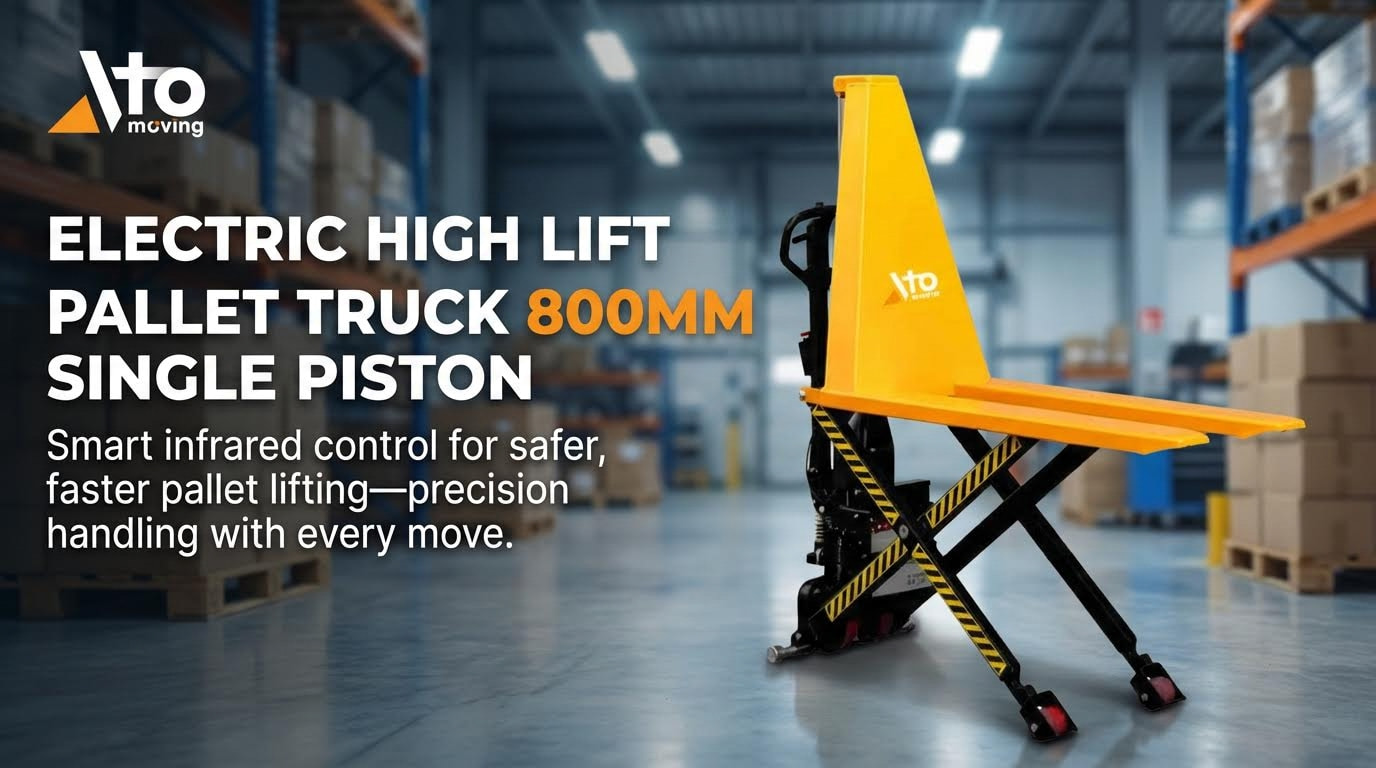
| High‑lift pallet truck (manual or powered) | Often 700–800 mm or more (bench/working height) | Generally treated as lifting equipment under LOLER once loads are raised to working height where a drop can injure high-lift pallet truck | Raising pallets to ergonomic working height at lines, packing benches, or low‑level storage | Triggers thorough examinations, formal defect reporting, and tighter control of load stability and operator positioning. |
| Pallet stacker / pedestrian stacker | Up to several metres (racking height) | Clearly lifting equipment under LOLER; powered industrial truck under OSHA; subject to thorough examination intervals battery-powered stacker | Storing and retrieving pallets in racking, mezzanines, or elevated platforms | Highest risk and highest control level: strict capacity adherence, operator licensing, and engineered traffic management are essential. |
From a compliance standpoint, the “borderline” is the low‑lift truck that only raises the pallet enough to roll. As soon as that same chassis is given a mast or scissor arrangement to reach working or storage height, the unit effectively moves category in the eyes of regulators.
💡 Field Engineer’s Note: I advise sites to catalogue trucks by maximum lift height in millimetres; once you see anything above simple floor‑clearance, you treat it as lifting equipment in your register and LOLER‑style scheme.
Risk Thresholds: Lift Height, Load And Injury Potential
The real threshold for “lifting equipment” classification is where lift height, load mass, and operator exposure combine so that a dropped load could realistically injure someone, which is why even modest extra height can change how a pallet truck is regulated.
| Risk Factor | Typical Range / Situation | Regulatory Effect | Field Impact |
|---|---|---|---|
| Lift height | < 250–300 mm vs. > 300 mm up to working/racking height | Below ≈300 mm, many hand pallet trucks are managed under PUWER only; above this, especially at working or storage heights, they are treated as lifting equipment under LOLER electric platform stacker | Even an extra 300–400 mm can turn a “transport‑only” truck into one that can cause crush injuries if the pallet drops off the forks. |
| Load mass (rated capacity) | ≈1,500–3,000 kg for many pallet trucks hydraulic pallet truck | Higher capacities increase kinetic energy and crush potential, pushing regulators to expect lifting‑equipment‑level controls where elevation is significant manual pallet jack | Heavy, dense loads at chest height are far more likely to cause serious injury than lighter, low‑level loads, so they demand stricter inspection and competence standards. |
| Load stability | Tall, shrink‑wrapped, or irregular stacks vs. low, compact loads | Unstable loads at height are more prone to topple, which regulators view as a clear lifting hazard needing thorough examination and tighter operating rules | Operators must be trained to restrain tall stacks and to reject obviously unstable loads from high‑lift pallet trucks or stackers. |
| Operator proximity | Pedestrian operators working close to forks and pallets | Where the operator is within the drop zone, regulators are more likely to treat the truck as lifting equipment and expect LOLER‑style documentation and controls | Pedestrian high‑lift trucks used at benches or lines put the operator’s feet and legs directly in the risk area if the load slips or the hydraulics fail. |
| Frequency of lifting | Occasional vs. repeated elevation to working/storage height | Regular lifting to height increases exposure, making it harder to argue that the truck is “just transport”; this supports classing it as lifting equipment in risk assessments | High‑cycle use (e.g. feeding a packing line) justifies more frequent inspections and possibly shorter intervals than the default 12‑month thorough examination for non‑person lifting drum dolly. |
Using this in a practical “is a pallet truck classed as lifting equipment” decision
Walk the site and list each pallet truck with its maximum lift height in mm and its typical load in kg. If the truck ever raises more than a few centimetres purely for rolling, and especially if it feeds racking or benches, treat it as lifting equipment: add it to the lifting‑equipment register, implement thorough examinations by a competent person, and align operator training with lifting‑equipment risk rather than treating it as simple low‑level transport.
Compliance Duties: Inspection, Training And Documentation

Compliance duties for pallet trucks link directly to whether a pallet truck is classed as lifting equipment, driving how often you inspect it, how you train operators, and what records you must retain.
When a safety manager asks “is a pallet truck classed as lifting equipment?”, they are really asking what inspection regime, training depth, and paperwork the law expects. If a pallet truck lifts a load high enough that a drop could cause injury, regulators treat it as lifting equipment under LOLER-style rules, triggering formal thorough examinations and tighter documentation. Low-lift hand trucks that only raise loads around 200–250 mm typically sit outside LOLER but always fall under PUWER/OSHA general machinery duties, so you still need structured pre-use checks, basic training, and maintenance records.
💡 Field Engineer’s Note: In investigations, the first documents inspectors ask for are training records, pre-use check sheets, and last thorough examination reports—if you cannot produce them, they often assume the checks never happened.
Thorough Examinations And Preventive Maintenance
Thorough examinations and preventive maintenance are formal, scheduled inspections and servicing that prove a pallet truck remains safe, especially once it is treated as lifting equipment under LOLER-type rules.
Where is a pallet truck classed as lifting equipment, such as high-lift units and stackers that raise loads well above 300 mm, it must undergo periodic “thorough examinations” by a competent person, with written reports kept and acted upon. Hand pallet trucks that raise less than about 300 mm are generally not treated as lifting equipment under LOLER and instead sit under PUWER, but they still require a preventive maintenance schedule and documented repairs to control hydraulic, wheel, and structural failures. Typical thorough examination intervals are 12 months for lifting equipment not used to lift people, or as defined in a written scheme by a competent person.
| Requirement | Typical Practice / Standard | What Is Checked | Field Impact |
|---|---|---|---|
| Regulatory trigger | LOLER-type rules when lift height >≈300 mm and injury risk exists (high-lift and stackers) | Classification of truck vs. task | Determines if you need formal thorough examinations or just PUWER-style maintenance. |
| Thorough examination interval | Every 12 months if not lifting people, or per written scheme for lifting equipment | Structure, forks, hydraulics, wheels, safety devices | Prevents catastrophic failures like fork snaps or mast collapse during elevated work. |
| Preventive maintenance schedule | Daily, weekly, monthly tasks following manufacturer guidance for all pallet trucks | Lubrication, hydraulic oil, wheel wear, brake function | Reduces unplanned downtime and keeps push/pull forces within ergonomic limits. |
| Hydraulic system checks | Monthly detailed inspection, plus checks when faults appear (oil, seals, air) | Leaks, jerky lift, sinking under load | Prevents sudden loss of height that can drop or destabilise loads. |
| Fork and frame integrity | Routine visual checks plus periodic NDT or detailed inspection in harsh duty | Cracks, bent tips, loss of parallelism on forks and frame | Prevents progressive fatigue leading to sudden fork or frame failure under load. |
| Wheel and bearing checks | Daily debris checks; weekly spin tests for rough bearings | Flat spots, embedded debris, noisy bearings | Maintains low rolling resistance and directional control, reducing strain injuries. |
| Documentation | Keep examination reports and maintenance records available | Dates, defects found, repairs completed | Provides legal defence and helps spot recurring design or usage issues. |
How thorough examinations differ from routine servicing
A thorough examination is a legal, safety-focused inspection by a competent person, aimed at structural and functional integrity. Routine servicing focuses on keeping the truck working—oil, grease, adjustments—but may not meet the legal standard for a “thorough examination” where LOLER-type rules apply.
Pre-Use Checks, Defect Isolation And Lockout/Tagout
Pre-use checks and defect isolation are fast, operator-led inspections plus strict removal-from-service rules that stop unsafe pallet trucks being used, regardless of whether LOLER applies.
Even when the answer to “is a pallet truck classed as lifting equipment?” is no (for example, a low-lift hand truck under 300 mm), regulators still expect structured pre-use checks and lockout/tagout-style isolation of any defective unit. Typical guidance requires operators to scan forks, frame, handle, wheels, hydraulics, and controls before each shift, and to immediately tag and park out-of-service any pallet truck with visible damage, leaks, or abnormal operation. OSHA-aligned protocols emphasise that defective equipment must not be used until repaired and verified safe.
- Perform a 30-second visual walk-around: Check forks, frame, and tiller for cracks, bent sections, loose or missing fasteners, and obvious impact damage. A quick scan catches most serious defects.
- Inspect wheels and castors: Look for flat spots, embedded debris, chunking, or misalignment. Spin wheels where possible to detect rough or noisy bearings that indicate internal damage.
- Check hydraulics and lift function: For manual units, pump the handle with a test load; for powered units, operate lift controls. The load should raise smoothly and hold without sinking or jerks, and there must be no visible oil leaks.
- Verify steering, brakes and controls: Move the truck slowly to confirm steering response and brake function. On powered pallet trucks, test all travel directions, emergency stop, horn, and warning devices as required by powered industrial truck rules.
- Confirm nameplate and capacity labels: Ensure the rating plate is legible so operators can match loads to rated capacity and load centre. If labels are missing, the truck should be removed from service until re-marked.
- Isolate any defective truck immediately: If you find cracks, leaks, control faults, or missing safety devices, remove the key (if fitted), tag the unit “Do Not Use,” and physically park it in a designated quarantine area.
- Apply lockout/tagout where required: For powered units, follow your lockout/tagout procedure—disconnect batteries or mains supply and apply locks/tags before maintenance, consistent with OSHA energy control principles.
- Report and record the defect: Log defects on a pre-use checklist or digital app, notify supervision, and ensure repairs are signed off by a competent technician before the truck returns to service.
💡 Field Engineer’s Note: Most serious pallet truck failures I’ve seen—fork snaps, wheel detachments—showed visible warning signs for weeks. A disciplined 30-second pre-use check would have caught almost all of them.
Operator Competence, Certification And Refresher Training
Operator competence and certification ensure that anyone using pallet trucks understands capacity limits, stability, and controls, with training depth scaling up once the truck is treated as lifting equipment or as a powered industrial truck.
Under OSHA 29 CFR 1910.178, powered pallet trucks are powered industrial trucks, so operators require formal training, evaluation, and written certification, typically renewed every three years. Certification cycles normally include refresher training after incidents, unsafe operation, or significant changes in the workplace. In the UK and similar regimes, PUWER applies to both manual and powered pallet trucks, with more intensive training where the pallet truck is classed as lifting equipment under LOLER (for example high-lift units used to elevate loads to working height).
- Risk-based training depth: Manual low-lift trucks still require instruction on safe push/pull forces, load positioning, and ramp use, while high-lift and powered units need full lifting-equipment and PIT-style training.
- Core syllabus topics: Training covers rated capacity, load centre, stability triangle concepts, correct fork spacing and full insertion, low travel height, speed control, and avoiding overhanging or unstable loads. Load handling modules emphasise centre of gravity and tip-over prevention.
- Environment-specific hazards: Operators must be trained on ramps, dock edges, lifts, confined aisles, and pedestrian interaction. Guidance includes travelling with forks just 20–50 mm above the floor and keeping forks lowered when stationary.
- Battery and charging safety (powered units): For electric pallet trucks, training includes battery inspection, safe charging in ventilated areas, cable and connector checks, and avoiding ignition sources near charging points. Battery care modules also touch on route planning and tyre condition for energy efficiency.
- Certification validity and refreshers: In OSHA jurisdictions, evaluations and certifications are typically required at least every three years, with mandatory refreshers after accidents or observed unsafe behaviour. Comparable schemes in the UK register operators for about three years and issue expiry reminders.
- Documentation and record-keeping: Employers must retain training records, evaluation forms, and certificates to demonstrate due diligence, especially where the pallet truck is classed as lifting equipment and subject to stricter scrutiny.
- PPE and behavioural expectations: Training should reinforce use of safety footwear, high-visibility clothing, and no-ride rules on pallet trucks, alongside housekeeping standards to keep travel paths clear.
Why training still matters for “simple” manual pallet trucks
Manual pallet trucks look simple, but they can handle 2,500–3,000 kg loads. Poor technique—like pulling instead of pushing, or taking heavy loads sideways on slopes—creates high musculoskeletal and crush risks. Even if LOLER does not apply, PUWER and OSHA’s General Duty Clause expect you to control these risks through training and supervision.
Engineering Choices: Design, Stability And Technology
Engineering choices for pallet trucks determine whether is a pallet truck classed as lifting equipment, how stable it remains under load, and what inspection, training and maintenance regimes you must apply under LOLER, PUWER and OSHA.
This section links the hardware design of pallet trucks to their legal status as lifting equipment. When you change capacity, lift height, wheel type or drive technology, you change both the physics of stability and the regulatory duties that follow.
💡 Field Engineer’s Note: The moment you increase lift height or add powered drive, you move from “simple handling aid” into “mobile lifting equipment” territory – and your inspection, training and documentation burden jumps sharply.
Load Capacity, Load Center And Stability Limits
Load capacity, load center and lift height jointly decide when a pallet truck is classed as lifting equipment and how close you are to tip‑over or structural failure in real warehouse conditions.
| Parameter | Typical Range / Rule | Regulatory / Design Impact | Field Impact |
|---|---|---|---|
| Rated capacity (manual low‑lift) | 2,500–3,000 kg for standard units [source] | Usually treated as handling equipment under PUWER, not LOLER, if lift <300 mm [source] | Safe for floor‑level transport if loads are stable and within pallet footprint. |
| Rated capacity (powered / high‑lift) | Often 1,000–2,000 kg, with higher lift heights [source] | Once lifting to storage or working heights, generally classed as lifting equipment under LOLER. | Requires capacity discipline and formal training similar to other industrial trucks. |
| Lift height – low‑lift trucks | Typically <250–300 mm just to clear the floor [source] | Borderline for “lifting equipment”; usually managed under PUWER, not LOLER. | Risk is mainly crush injuries to feet and instability on slopes, not high‑level falls. |
| Lift height – high‑lift / stackers | Raises load clear of support for stacking or work positioning [source] | Clearly treated as lifting equipment: LOLER thorough examinations and written schemes apply. | Falling‑load risk is significant; stability envelope must be respected at all times. |
| Load center distance | Set by manufacturer; must be followed for rated capacity [source] | Defines safe moment (load × distance) before tipping or structural overload. | Overhanging or uneven loads effectively increase load center and can cause sudden instability. |
| Load placement and distribution | Load must be centered within pallet footprint and between forks [source] | Misplaced loads can breach the design stability even when within nameplate capacity. | Operators must visually confirm no big overhangs, gaps, or offset stacks before moving. |
| Stack height / load shape | Tall or irregular stacks must be restrained (straps, wrap) [source] | Increases overturning moment and falling‑load risk, especially on turns or gradients. | Unrestrained tall loads can “walk” off the pallet with vibration or emergency stops. |
From a design standpoint, the question “is a pallet truck classed as lifting equipment?” turns on how far and how high it carries the load. Low‑lift units that only raise 20–50 mm to roll are usually treated as load‑moving aids, whereas high‑lift and stacker designs that elevate loads to racking or bench height clearly fall into lifting‑equipment territory and trigger LOLER thorough examination duties [source].
How operators should read the capacity plate in practice
The capacity plate assumes a specific load center and a stable, wrapped pallet. If you see heavy overhang, liquids, IBCs, or loose stacked cartons, you should treat the “real” safe capacity as lower than the nameplate and reduce speed and lift height accordingly.
Hydraulics, Wheels, Brakes And Structural Integrity
Hydraulic quality, wheel design, braking and frame strength control how safely a pallet truck carries its rated load and whether it performs like simple handling gear or higher‑risk lifting equipment needing closer LOLER‑style control.
- Hydraulic system condition: Clean oil, intact seals and air‑free circuits are essential to hold loads without creep; jerky lifting or sinking forks indicate wear or contamination and require repair or removal from service [source].
- Hydraulic maintenance intervals: Planned maintenance should follow manufacturer guidance with tasks such as checking hydraulic oil levels, replacing seals, and lubricating pivot points to keep lifting smooth and predictable [source].
- Wheel and bearing health: Daily checks for embedded debris and weekly spinning tests for noise or roughness prevent tracking problems and sudden steering losses; wheel damage also increases push‑pull forces and operator strain [source].
- Brakes on powered units: For powered pallet trucks regulated as powered industrial trucks under OSHA 29 CFR 1910.178, service and parking brakes must reliably control the truck on ramps and during emergency stops, directly affecting stopping distance and collision risk [source].
- Fork structure and frame integrity: Regular inspection for cracks, bent tips, or loss of fork parallelism is essential because deformation changes load paths, reduces real capacity and can precipitate sudden failure under load [source].
- Ground contact and floor interaction: The combination of wheel material and floor condition governs rolling resistance and shock loads into the frame; poor floors or hard wheels amplify impacts, accelerating fatigue in welds and hydraulic components.
- Inspection frequency: All pallet trucks should receive daily or pre‑shift checks of forks, wheels, axles, hydraulics and controls, with high‑lift units treated as lifting equipment also undergoing periodic thorough examinations by a competent person [source].
💡 Field Engineer’s Note: If a pallet truck slowly sinks under a parked load, treat it as a lifting‑equipment defect, not a nuisance. That same leak or valve fault can turn into a sudden drop when someone’s hands or feet are in the danger zone.
Typical pre‑use structural and hydraulic checks (30–60 seconds)
- Visual frame scan: Walk around the truck, looking for bent arms, cracked welds or twisted handles.
- Fork condition: Sight down each fork for bends; check tips and heels for cracks or distortion.
- Wheel and axle check: Remove visible debris, spin load wheels where possible, and confirm no missing fasteners.
- Hydraulic test: Pump to raise a test load, hold for 30–60 seconds, and watch for sinking or jerky movement.
- Control feel: For powered units, test brakes, directional controls and emergency stop before entering traffic areas.
Electric Drive, Batteries, Telematics And Predictive Care
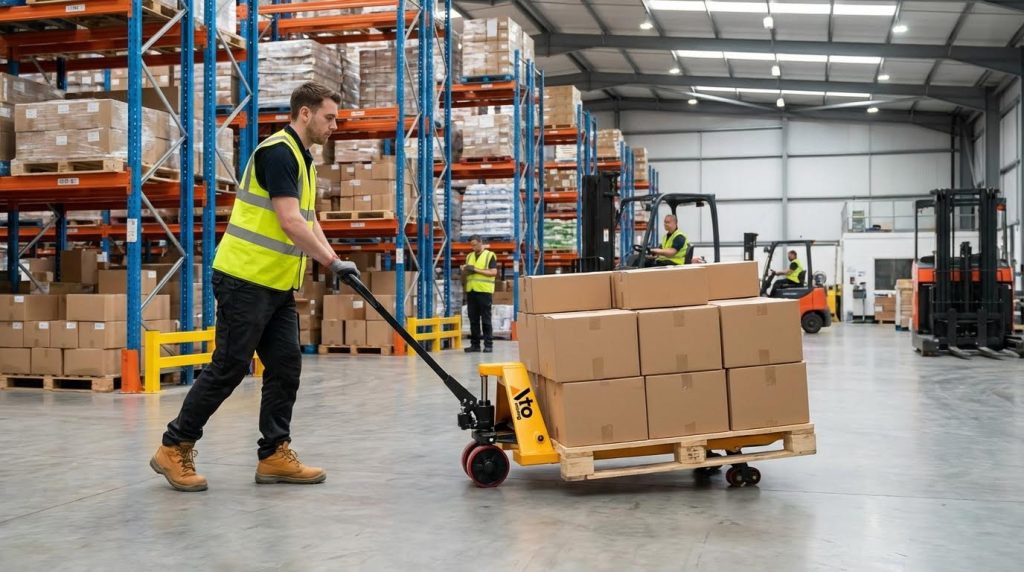
Electric drive, battery systems and telematics transform a basic pallet truck into a powered industrial truck with higher kinetic energy, more complex failure modes, and stronger arguments that it should be managed as lifting equipment with full OSHA/LOLER controls.
- Electric drive and OSHA classification: Powered pallet trucks fall under OSHA 29 CFR 1910.178 as powered industrial trucks, demanding formal operator certification, documented evaluations and structured pre‑use inspections of controls, brakes and warning devices [source].
- Battery condition and safety: Operators must inspect state of charge, cables, connectors and housings, watching for swelling, leaks or corrosion, and must follow safe charging procedures in ventilated, ignition‑free areas to prevent fires or explosions [source].
- Energy efficiency and route planning: Keeping wheels and tires in good condition and planning efficient travel routes reduces current peaks, extends battery life and maintains consistent performance across the shift [source].
- Telematics for usage and impacts: Modern systems log operating hours, impact events and battery health, allowing maintenance teams to move from time‑based to condition‑based servicing and to identify abuse or high‑risk driving patterns early [source].
- Predictive maintenance and sensors: Onboard sensors and digital dashboards help spot anomalies such as rising motor temperatures, uneven wheel wear or abnormal shock loads, supporting predictive maintenance strategies that keep lifting systems safe and available [source].
- Training depth for powered vs manual: While manual trucks fall mainly under general duty and PUWER, powered pallet trucks require structured training covering controls, stability limits, rated capacity and safe practices such as low‑fork travel and controlled speed [source].
💡 Field Engineer’s Note: If a truck has a battery, a drive motor and lifts enough to hurt someone if the load drops, treat it operationally as lifting equipment – your procedures should match the highest credible risk, not the lowest legal interpretation.
How telematics data supports LOLER/PUWER compliance
Telematics hour‑meters and impact logs give objective evidence of usage intensity, which you can use to justify shorter thorough‑examination intervals for hard‑used high‑lift trucks and to trigger targeted refresher training for operators with repeated impact events.
Final Considerations For Safe And Compliant Use
Pallet trucks only become lifting equipment when they raise loads high enough that a fall can injure. That single point drives your legal duties, but safe use always depends on engineering limits and operator behaviour working together. Lift height, rated capacity and load centre set the stability envelope. Hydraulics, wheels, brakes and frame strength decide whether the truck can safely carry that load through real floors, gradients and impacts. Training, pre‑use checks and thorough examinations verify that people respect those limits and that the hardware still matches its nameplate.
Operations and engineering teams should first classify every truck by maximum lift height and use case, then decide which fall under LOLER‑style lifting rules and which stay under general work‑equipment duties. Next, lock in matching regimes: daily operator checks, preventive maintenance, and, where classed as lifting equipment, scheduled thorough examinations by a competent person. Finally, align operator training depth with risk, and keep clear records to prove control of load, geometry and condition over time. If in doubt, follow the stricter standard. Over‑controlling a pallet truck costs less than one dropped‑load incident, and it keeps both your people and your Atomoving equipment in safe, reliable service.
Frequently Asked Questions
Is a pallet truck considered lifting equipment?
Yes, a pallet truck is classified as lifting equipment. It is designed to lift pallets slightly off the ground to move them from one location to another. This type of equipment falls under regulations like LOLER (Lifting Operations and Lifting Equipment Regulations) in the UK. Manutan UK Blog.
What qualifies as lifting equipment?
Lifting equipment refers to any machine or device used to lift, lower, or move heavy objects. Examples include hydraulic jacks, cranes, hoists, winches, and rigging systems. Pallet trucks are among the most commonly used pieces of lifting equipment in various workplaces. Lifting Equipment Guide.
Why is PUWER inspection important for pallet trucks?
PUWER (Provision and Use of Work Equipment Regulations) inspections ensure that lifting equipment, including pallet trucks, remains safe and compliant in the workplace. Regular inspections help prevent accidents and maintain operational efficiency. PUWER Inspection Info.