

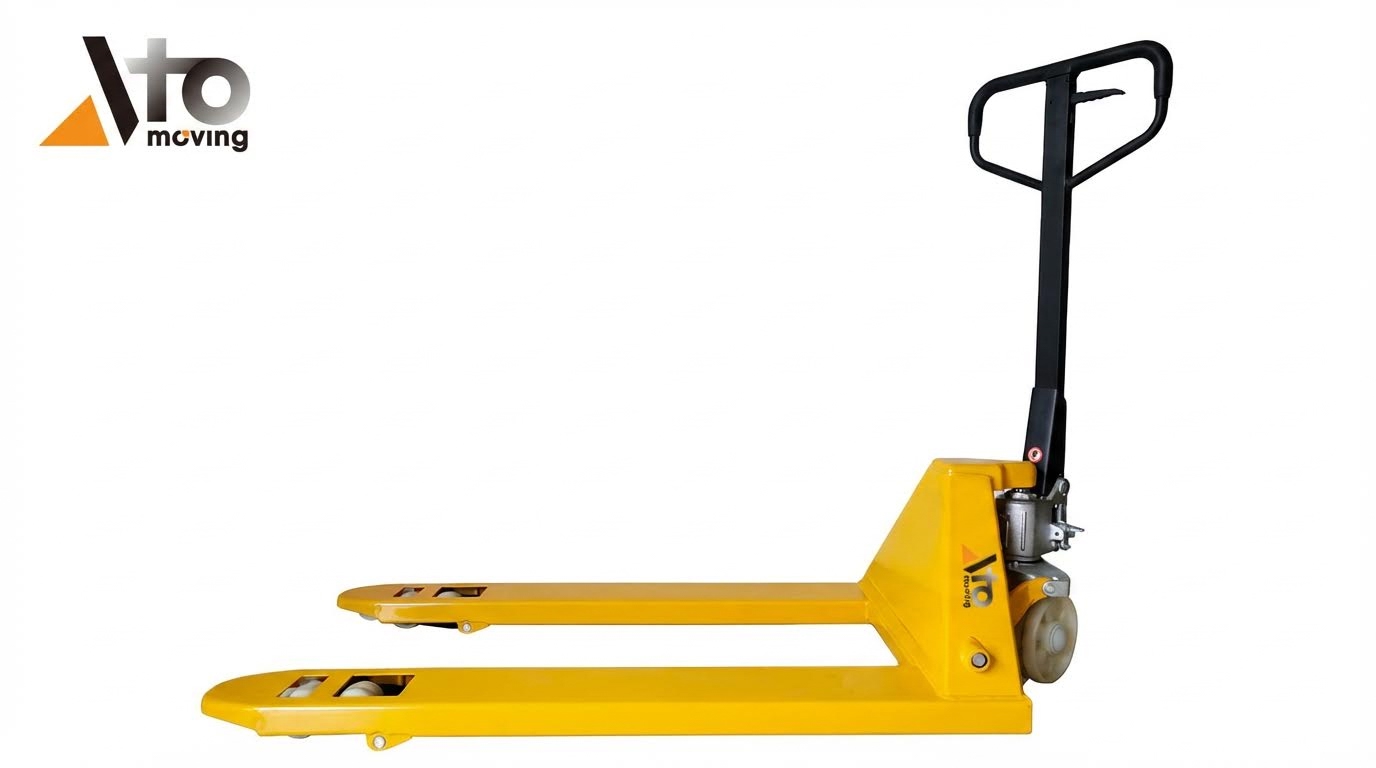
Learning how to unload pallets from a truck without a forklift starts with choosing the right mix of pallet jacks, stackers, dollies, and simple lever tools. This guide walks you through safe, efficient options so you can match equipment, layout, and budget while keeping loads stable and operators protected.
“”
“”
Matching Unloading Equipment To Your Operation
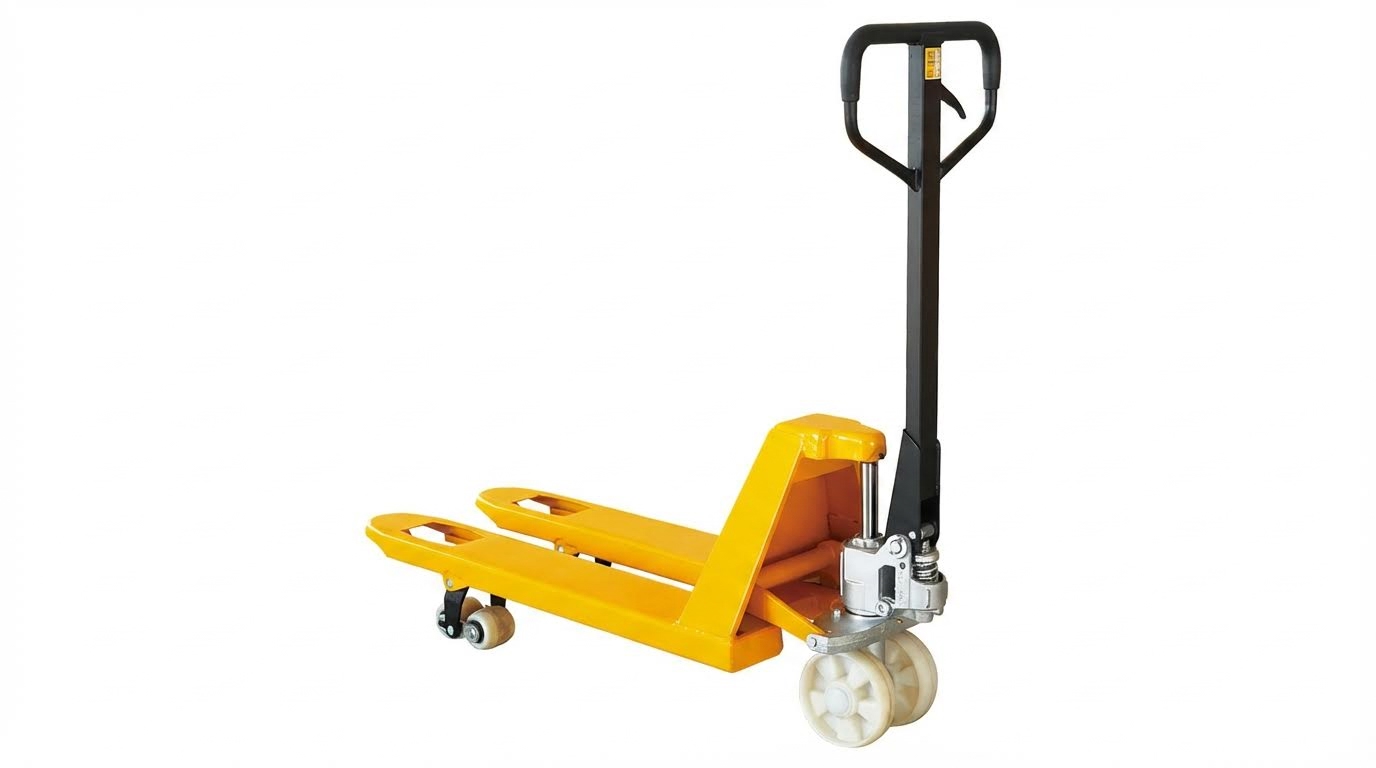
Choosing the right pallet handling gear starts with your site, truck type, and load profile, not the catalog. This section shows how to unload pallets from a truck without a forklift by matching equipment to real constraints.
Assessing site layout and truck interface
Correctly reading your yard, doors, and trailer types is the fastest way to narrow safe, efficient options for how to unload pallets from a truck without a forklift.
- Dock height and access: Measure floor-to-truck height – confirms if manual pallet jack alone work or if you need lift tables or stackers.
- Aisle and doorway width: Check clear width in mm – avoids buying equipment that cannot turn or even enter the space.
- Ramp and yard gradients: Note any slopes – manual pallet jacks struggle and become unsafe beyond mild inclines.
- Trailer type and floor: Curtain-sider, box truck, container – determines if you can side-unload, need dock levelers, or must work fully inside the truck.
- Pallet flow per day: Count pallets per shift – indicates whether manual tools are enough or powered units are justified.
- Surface quality: Check for potholes, expansion joints, grates – critical for small wheels on pallet jacks versus larger all‑terrain wheels.
| Site / Truck Condition | Typical Measurement / Feature | Recommended Equipment Type | Operational Impact |
|---|---|---|---|
| Short, level dock with standard trailers | Dock ≈ 1.2 m high, smooth floor | Manual or electric pallet jacks | Direct roll-on/roll-off unloading; minimal extra gear if loads ≤ about 2,000 kg per pallet for manual jacks. |
| No dock, ground-level unloading | Truck bed ≈ 1.1–1.3 m above ground | Scissor lift platform or self-lifting pallet loader | Raises or lowers pallets between truck deck and ground without a forklift, for loads around 700–1,000 kg or more depending on model. |
| Narrow internal aisles | Aisles ≈ 1.8–2.2 m wide | Compact electric pallet jacks or stackers | Short turning radius improves maneuverability in tight aisles while still handling 1–3 ton loads for typical stackers. |
| Outdoor yard, rough surfaces | Gravel, asphalt patches, drains | All‑terrain pallet trucks or drum dollies | Larger rubber wheels and dolly platforms cope better with uneven ground than small steel rollers on outdoor surfaces. |
| High-volume, repetitive routes | Dozens of pallets per route | Electric pallet jacks or conveyor floor systems | Powered movement and automated floors cut manual effort and speed up unloading of up to about 1,800 kg pallets per position. |
How to take the right measurements on site
Use a tape measure to record: dock height from yard to dock floor in mm, door clear width and height, narrowest aisle width, and any ramp length and height difference to estimate gradient (height ÷ length). Photograph tight corners and obstructions so your equipment supplier can check turning paths.
💡 Field Engineer’s Note: If your unloading path includes even a slight slope from the dock into the warehouse, test it with a fully loaded manual pallet jack before committing. On gradients above roughly 2–3%, operators often lose control on wet or dusty floors, and you may need powered drive or a winch system instead.
Safety, standards, and total cost of ownership
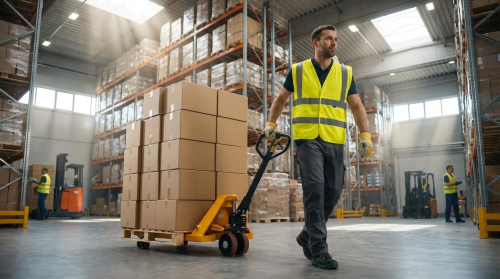
Balancing safety rules, compliance, and lifetime cost is what turns a “cheap” pallet tool into a reliable system for how to unload pallets from a truck without a forklift.
- Capacity margin: Choose equipment with 10–15% more capacity than your heaviest pallet – prevents overloads and extends component life.
- Cycle intensity: Estimate lifts and moves per shift – high cycles justify electric units with better ergonomics and uptime.
- Energy and charging: Plan battery type and charging zone – avoids dead trucks blocking docks during peak unloading.
- Service access: Check how easily you can access wheels, hydraulics, and chains – reduces downtime and service labor.
- Operator training: Include handling, pre-use checks, and emergency procedures – cuts accident risk and meets safety regulations.
| Equipment Type | Typical Capacity Range | Key Safety / Standard Considerations | Total Cost of Ownership (TCO) Notes |
|---|---|---|---|
| Manual pallet jacks | ≈1,000–2,000 kg per pallet for typical models | Train staff on push vs pull, stopping distances, and avoiding slopes; inspect forks and wheels daily. | Lowest purchase cost; minimal maintenance; higher ergonomic strain and slower unloading on high-volume docks. |
| Electric pallet jacks | Similar or slightly higher than manual, often up to ≈3,600 kg for many units | Pre-shift checks of brakes, controls, and battery; speed control in congested dock areas. | Higher purchase cost; much lower operator fatigue; better for frequent unloading or long runs. |
| Manual and powered stackers | ≈1,000–3,000 kg; lift to 1.6–4.5 m or more depending on model | Respect rated height and load; ensure clear visibility; follow local rules similar to those for pedestrian-operated trucks. | Cheaper than forklifts yet support vertical storage; best where you both unload trucks and feed racking. |
| Hydraulic scissor lift platforms | ≈6,000–10,000 kg capacity for heavy-duty models in loading applications | Guardrails, toe boards, interlocks, and emergency stops; follow national lifting-platform standards and lockout/tagout rules. | Higher capital cost; very long service life when maintained; dramatically reduces manual lifting and fall risks at docks. |
| Conveyor floor / gravity roller systems | ≈500–1,500 kg per pallet on gravity rollers and up to about 1,800 kg on some conveyor floors | Guard pinch points; control slope (2–5% typical) to limit runaway loads; use chocks and stops. | Excellent for repetitive routes; low energy use; requires some engineering and installation cost. |
Battery choices and maintenance planning
Lithium-ion batteries typically offer 8–10 hours runtime with sub‑1‑hour full charges, while lead-acid versions last around 4–6 hours and need about 8 hours to recharge in pallet stackers and similar gear. Building preventive maintenance into your schedule about every 250 operating hours can cut annual repair costs by roughly 40%, especially for chains, wheels, and hydraulic components.
- Apply a 10–15% capacity buffer: If your heaviest pallet is 1,200 kg, target at least 1,350 kg rated capacity – accommodates pallet weight variation and dynamic loads as recommended for stackers.
- Factor in training and procedures: Safe pallet unloading requires training on condition checks, load securing, and never exceeding rated capacity for both manual and electric tools.
- Look beyond sticker price: When comparing options for how to unload pallets from a truck without a forklift, estimate fuel or electricity, maintenance parts, and lost time from breakdowns over 5–7 years – that is your true cost per pallet moved.
💡 Field Engineer’s Note: In many small warehouses, one well-chosen electric pallet jack plus a simple dock or scissor lift outperforms a cheap fleet of manual jacks. Once daily volume climbs above roughly 30–40 pallets, the extra speed and reduced strain usually pay back the electric unit in 12–24 months through fewer injuries and faster truck turnarounds.
Final Thoughts On Forklift-Free Pallet Unloading
Safe unloading without forklifts depends on how well your equipment fits your site, loads, and flow, not on catalog claims. Dock height, aisle width, gradients, and surface quality all limit what a pallet jack, stacker, or lift platform can do without losing control or stability. When you measure these details and map the full travel path, you avoid dead ends, stuck loads, and side-tip risks.
Engineering choices then follow clear rules. Keep a 10–15% capacity buffer above your heaviest pallet. Match cycle intensity to power source so batteries and operators both last the full shift. Design in guarding, speed control, and clear procedures so a single mistake does not turn into a serious injury.
The best practice is to treat unloading as a system. Combine the right mix of manual jacks, electric units, lift platforms, or conveyors so each handles the job it does best. Build training, inspections, and preventive maintenance into daily work. When you do this, a forklift-free setup from Atomoving can move pallets just as safely and often faster, with lower lifetime cost and less strain on your team.
Frequently Asked Questions
How to unload pallets from a truck without a forklift?
There are several safe and efficient methods to unload pallets from a truck without using a forklift. Manual pallet jacks, stackers, and carts are commonly used tools for this task. These devices allow you to move heavy pallet loads easily and safely.
- Use a manual pallet jack to slide under the pallet and lift it off the truck bed.
- Employ a stacker for lifting and moving heavier loads that a manual pallet jack cannot handle.
- Utilize carts designed for heavy objects to transport pallets once they’re off the truck.
For more detailed guidance, check out this manual pallet handling guide.
What can I use instead of a forklift?
If a forklift is not available, there are multiple alternatives you can consider for material handling tasks:
- Low lift pallet trucks and electric pallet trucks for moving pallets on the ground level.
- Pedestrian stackers and high lift trucks for stacking and lifting loads to higher levels.
- Reach trucks and narrow-aisle trucks for operating in tight spaces.
- Tugger trains with towing vehicles and trailers for transporting multiple pallets at once.
- Stationary conveyor technology like conveyor belts or roller conveyors for automated movement within a facility.
Learn more about these options in this comprehensive forklift alternatives article.