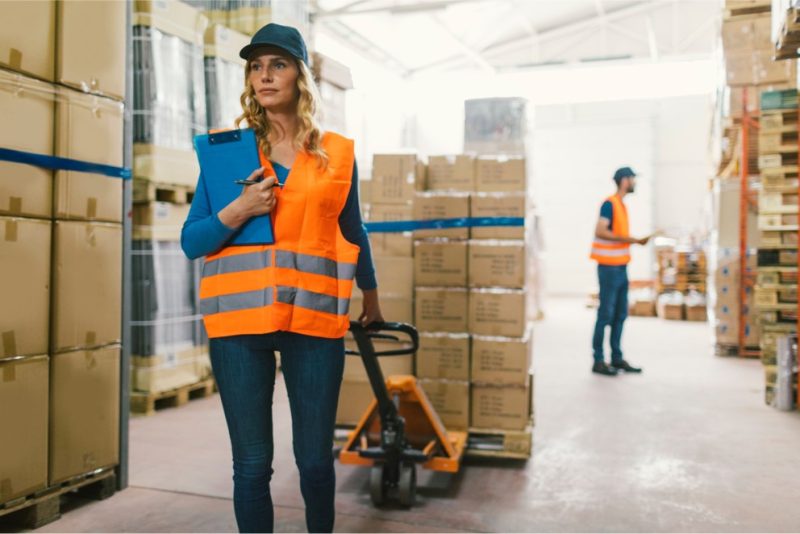
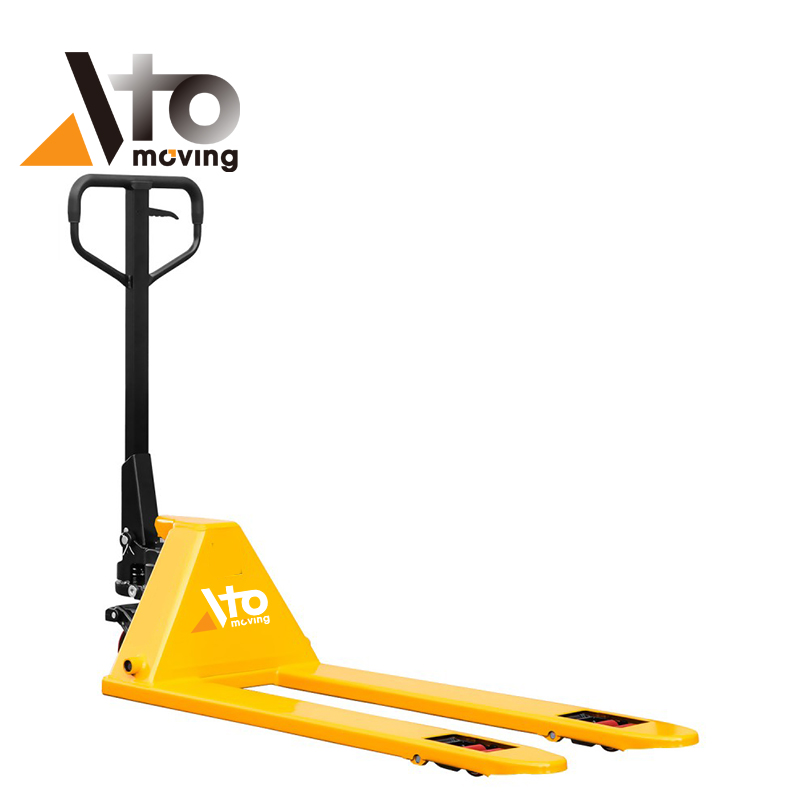
Knowing how to lift a heavy pallet safely starts with matching the load to the right equipment, not your back. This guide walks through pallet ratings, manual limits, and engineered solutions so you can move 200–900 kg pallets with control, compliance, and minimal risk. You will see how pallet jacks, forklifts, and advanced systems compare, plus what inspections and training are non‑negotiable. Use it as a practical blueprint to cut injuries and damage while keeping throughput high.
Fundamentals Of Safely Lifting Heavy Pallets
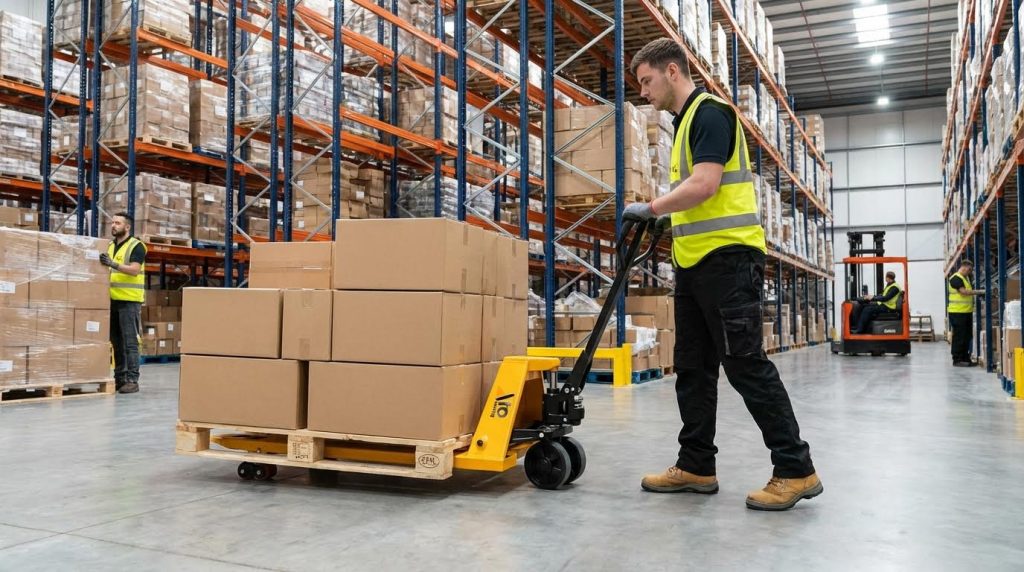
Fundamentals for how to lift a heavy pallet safely start with knowing the pallet’s rating, respecting human limits, and inspecting both the pallet and work area before any equipment moves. Get these wrong and no manual pallet jack can save you.
Understanding pallet and load ratings
Understanding pallet and load ratings is the first step in deciding how to lift a heavy pallet without breaking the deck boards or your equipment. You must know both what the pallet weighs and what it is allowed to carry.
| Item | Typical Value / Rule | Operational Impact |
|---|---|---|
| Empty wooden pallet mass | 18–32 kg | Affects manual handling; many empty pallets already exceed safe one-person lift for some workers. Reference |
| Empty plastic pallet mass | 9–14 kg | Lighter to reposition manually but still awkward; treat as a bulky load. Reference |
| Typical warehouse pallet load | 225–900 kg | Almost always needs mechanical equipment; defines minimum truck capacity. Reference |
| Forklift capacity range | ≈1,360–22,700 kg (3,000–50,000 lb) | Choose truck class to exceed your heaviest pallet plus attachment weight. Reference |
| Manual pallet truck capacity | ≈2,270–2,500 kg (5,000–5,500 lb) | Enough for most warehouse pallets but not for oversized or dense loads. Reference |
- Check pallet rating plate or spec sheet: Never guess capacity – prevents sudden pallet collapse under a heavy load.
- Confirm load mass before lifting: Use scales or packing data – ensures the combined pallet + load stays within pallet and truck limits.
- Account for dynamic forces: Start/stop and bumps increase effective load – you need margin above the static pallet weight.
- Match equipment to worst-case pallet: Size trucks for your heaviest, highest, most off‑centre load – avoids overload when conditions are less than ideal.
How to quickly estimate if a pallet is “heavy” for manual handling
If a pallet plus load clearly exceeds about 25 kg and cannot be held close to the body, treat it as a mechanical-lift job and plan how to lift a heavy pallet using hydraulic pallet trucks, stackers, or forklifts instead of people.
💡 Field Engineer’s Note: When you run at 80–90% of rated pallet or truck capacity all day, minor defects (cracked boards, soft timber, worn forks) become critical. Build at least a 20% safety margin into your pallet and truck selection, especially on rough floors and dock plates.
Manual handling limits and ergonomics
Manual handling limits and ergonomics define when humans should stop lifting and when equipment must take over for a heavy pallet. Ignoring these limits trades short-term speed for long-term injury costs.
- Respect single-person lift limits: Keep one‑person lifts at roughly 22.7 kg or less where possible – reduces back and shoulder injuries. Reference
- Use leg muscles, not the spine: Bend knees, keep back straight, hold load close – transfers force into stronger leg muscles instead of lumbar discs. Reference
- Plan team lifts for awkward loads: Use two or more people with a clear leader – balances the load and synchronises effort on bulky palletised items. Reference
- Use rolling or sliding aids instead of pure lifting: Dollies, rolling platforms, or controlled dragging – convert vertical lifting strain into lower horizontal pushing forces. Reference
- Train workers regularly: Provide ergonomic lifting instruction at least quarterly – keeps best practice fresh and reduces bad habits creeping in. Reference
Rolling and dragging options when no pallet jack is available
Rolling platforms: Use thick plywood with corner castor wheels sized so each wheel’s rating exceeds a generous share of the pallet + load weight. Reference
Dragging with ropes or sheets: For short moves only, secure the rope or sheet so it cannot slip, keep the pull low and close to the torso, and stop immediately if the load snags or shifts. Reference
💡 Field Engineer’s Note: The real ergonomic killer is repetition, not the one‑off big lift. If someone is nudging, pulling, or pivoting pallets dozens of times per shift, even “light” 15–20 kg adjustments justify adding low‑cost aids like lever bars, skates, or small powered pallet jacks.
Pre-use pallet and area inspections
Pre‑use pallet and area inspections are your last line of defence before you lift a heavy pallet with equipment. You are checking that the pallet, truck, and floor will all behave as expected under load.
- Inspect the pallet before every use: Look for cracks, splinters, broken or missing boards, and any structural damage – prevents sudden failure under a heavy load. Reference
- Verify load does not exceed pallet rating: Compare expected load with pallet capacity – avoids over‑stressing the deck and stringers. Reference
- Check storage and travel surfaces: Ensure firm, level floors, clearances, and no obvious damage – reduces risk of tipping or collapse when the pallet is raised or moved. Reference
- Inspect powered equipment daily: For forklifts and powered pallet trucks, complete a pre‑operation checklist on forks, mast, chains, hydraulics, tyres, brakes, steering, lights, horn, and safety devices – ensures the machine can safely handle rated loads. Checklist Pre‑operation guide
- Confirm PPE and signage: Gloves, safety footwear, and clear warning markings around lift zones – protect hands and feet from splinters, crush points, and dropped loads. Reference
Quick pre-lift route check when planning how to lift a heavy pallet
Walk the intended route and check for spills, slopes, loose dock plates, low door headers, and tight turns. Remove obstacles before moving the pallet and confirm there is enough space to turn and set the pallet down safely. Reference
💡 Field Engineer’s Note: Most “mystery” pallet failures I investigated started with a small defect everyone had seen but ignored: a cracked lead board, a soft corner, or a bent fork tip. Building a 30‑second visual check into every lift cycle is one of the cheapest risk controls you can implement.
Comparing Key Equipment For Heavy Pallet Lifting

This section compares the main equipment options so you can decide how to lift a heavy pallet safely, efficiently, and within your site’s limits for space, height, and operator skill.
When choosing equipment, always start from your load: typical warehouse pallets carry about 225–900 kg, while the pallet itself weighs 18–32 kg for wood and 9–14 kg for plastic. These ranges define the minimum capacity your equipment must safely handle. From there, match capacity, lift height, aisle width, and duty cycle to the right tool.
💡 Field Engineer’s Note: For loads above roughly 700–800 kg or for shifts longer than 2–3 hours, manual options become a strain risk and productivity bottleneck. At that point, powered trucks or forklifts usually pay for themselves in reduced injuries and faster turns.
Manual pallet jacks vs. powered pallet trucks
Manual and powered pallet trucks both move heavy pallets at floor level, but they differ sharply in capacity, ergonomics, and suitability for long distances or high-throughput operations.
| Feature | Manual pallet jack | Powered pallet truck | Operational impact for how to lift a heavy pallet |
|---|---|---|---|
| Typical load capacity | ≈ 2,270–2,500 kg (5,000–5,500 lb) capacity data | Similar or slightly higher than manual units | Covers most 225–900 kg warehouse pallets with good safety margin. |
| Lift height | Just enough to clear floor, typically < 200 mm (< 8 in) | Same low-lift range | Only for ground-level transport, not stacking. |
| Power source | Human push/pull and pump | Electric drive and lift | Powered units reduce strain on legs, shoulders, and back. |
| Maneuverability | Very tight turning radius; excellent in narrow aisles maneuverability | Very tight turning radius, especially walkie units | Ideal where aisles are < 2.4 m and racking is dense. |
| Operator effort | High effort for heavy loads, ramps, and long distances | Low effort; truck does the pulling and lifting | Powered is safer for frequent handling of heavy pallets. |
| Training requirement | Minimal; short demonstration often sufficient training | Moderate; still simpler than forklifts | Good entry-level powered option for small teams. |
| Purchase cost | ≈ USD 250–1,000 pricing | ≈ USD 2,000–5,000 | Manual suits low-budget, low-throughput sites; powered suits growing operations. |
| Maintenance | Very low; few moving parts maintenance | Moderate; batteries, electrics, hydraulics | Plan for battery care and periodic service on powered units. |
| Best for… | Occasional moves, short distances, light-to-medium duty | High-frequency pallet moves, docks, and production lines | Choose powered when operators complain of fatigue or throughput is constrained. |
- Ergonomics: Manual jacks rely on leg and upper-body strength – this increases strain when you regularly move pallets near 900 kg or on gradients.
- Surface conditions: Both types need firm, level floors – rough concrete or slopes make manual jacks far harder and risk runaway loads.
- Visibility and control: Walk-behind powered trucks keep the operator beside the load – this improves visibility in tight aisles compared to ride-on machines.
- Battery runtime (powered): Electric jacks are limited by battery capacity – plan charging or opportunity-charging to avoid mid-shift downtime.
When a pallet jack is not enough for how to lift a heavy pallet
If your pallets frequently exceed about 1,500–1,800 kg, must travel long distances, or need to be placed into racking above floor level, you should move up to stackers or forklifts. A pallet jack only lifts low and cannot safely place loads at height.
Forklifts, stackers, and high-lift solutions
Forklifts and stackers are the primary high-lift options when you need to raise heavy pallets above 200 mm, especially for racking, truck loading, and multi-level storage.
| Feature | Stackers / high-lift pallet trucks | Counterbalance / reach forklifts | Operational impact for how to lift a heavy pallet |
|---|---|---|---|
| Typical capacity range | ≈ 1,000–1,600 kg (common manual/electric stackers) | ≈ 1,360–2,270 kg (3,000–5,000 lb) standard; up to ≈ 11,300 kg (25,000 lb) or more for heavy models capacityheavy loads | Forklifts handle the heaviest pallets and attachments; stackers suit moderate weights. |
| Lift height | Up to ≈ 2.5–4.0 m depending on model | Commonly up to ≈ 6–10.5 m (20–35 ft) or more lift height | Forklifts are essential for high-bay racking and multi-level storage. |
| Power source | Manual pump or electric | Electric, LPG/propane, diesel, gasoline power options | Electric suits indoor work; IC engines suit outdoor, heavy-duty cycles. |
| Maneuverability | Compact, good in narrow aisles but slower than pallet jacks | Larger turning radius; some compact models for tighter aisles maneuverability | Check aisle width vs truck spec; forklifts need more space and clear travel paths. |
| Operator training | More training than pallet jacks; often in-house familiarization | Formal training and certification required due to higher risk training | Factor in training time and compliance with powered industrial truck rules. |
| Purchase cost | Typically below forklifts; varies widely by lift and power | ≈ USD 15,000–35,000+ for many models pricing | Forklifts are a capital asset; justify via throughput, utilization, and safety gains. |
| Maintenance complexity | Moderate; hydraulics, mast, possibly batteries | High; hydraulics, mast, brakes, engine or drive, safety systems maintenance | Plan preventive maintenance and daily pre-use checks to avoid failures under load. |
| Safety features | Basic guards, emergency stop on powered types | Advanced: stability control, cameras, alarms, etc. safety features | Forklifts mitigate tip-over and collision risks when used correctly and maintained. |
| Best for… | Medium-height racking, light industrial, small warehouses | High-bay warehouses, docks, yards, and heavy industry | Use forklifts when you need high lift, outdoor work, or heavy attachments. |
- Daily inspection: Forklifts and powered stackers must be inspected before use or each shift – check forks, mast, chains, hydraulics, tires, brakes, steering, and safety devices. Pre-operation guidance
- Load stability: Keep the heaviest side of the pallet nearest the mast and never exceed the rated capacity – this reduces tip-over risk and mast or fork damage. Load stability advice
- Speed control: Drive forklifts at controlled speeds, especially on turns and ramps – fast cornering can topple a 900 kg pallet even when within rated capacity. Speed and stability
- Visibility: If the load blocks your view, travel in reverse or use a signaler – this is critical in mixed traffic areas with pedestrians. Visibility guidance
Key forklift pre-use checklist items
Before lifting any heavy pallet, check overhead guard, mast, lift chains, forks, tires, hydraulic fluid, brakes, steering, horn, lights, and seat belts. Remove any truck with leaks, cracks, or safety defects from service until repaired. Detailed checklist
Attachments, AGVs, and emerging technologies
Attachments, automated guided vehicles (AGVs), and newer technologies expand how to lift a heavy pallet by improving control, handling non-standard loads, and reducing direct human exposure to risk.
| Solution type | Typical examples | Main benefit | Operational impact for heavy pallets | ||||||||||||||||||||||||||||||||||||||||||||||||||||||||||||||||||||||||||||||||
|---|---|---|---|---|---|---|---|---|---|---|---|---|---|---|---|---|---|---|---|---|---|---|---|---|---|---|---|---|---|---|---|---|---|---|---|---|---|---|---|---|---|---|---|---|---|---|---|---|---|---|---|---|---|---|---|---|---|---|---|---|---|---|---|---|---|---|---|---|---|---|---|---|---|---|---|---|---|---|---|---|---|---|---|
| Forklift attachments | Side shifters, clamps, rotators, drum handlers, carpet poles attachments | Adapt a standard forklift to many load types | Allow safe handling of drums, rolls, and unstable loads that would be risky on bare forks. | ||||||||||||||||||||||||||||||||||||||||||||||||||||||||||||||||||||||||||||||||
| AGVs / automated pallet movers | Laser-guided or tape-guided pallet trucks and tuggers | Automate repetitive pallet moves | Reduce operator fatigue and exposure in long, repetitive routes; require good floor and traffic design. | ||||||||||||||||||||||||||||||||||||||||||||||||||||||||||||||||||||||||||||||||
| Warehouse navigation tech | Cameras, sensors, speed limiters, geo-fencing | Improve collision avoidance and traffic control | Helps maintain safe speeds and clearances in busy mixed-traffic aisles. | ||||||||||||||||||||||||||||||||||||||||||||||||||||||||||||||||||||||||||||||||
| Onboard weighing / scales | Pallet jacks or forklifts with integrated scales | Instant verification of load weight | Prevents overloading pallets or
Engineering A Safe Equipment Selection Strategy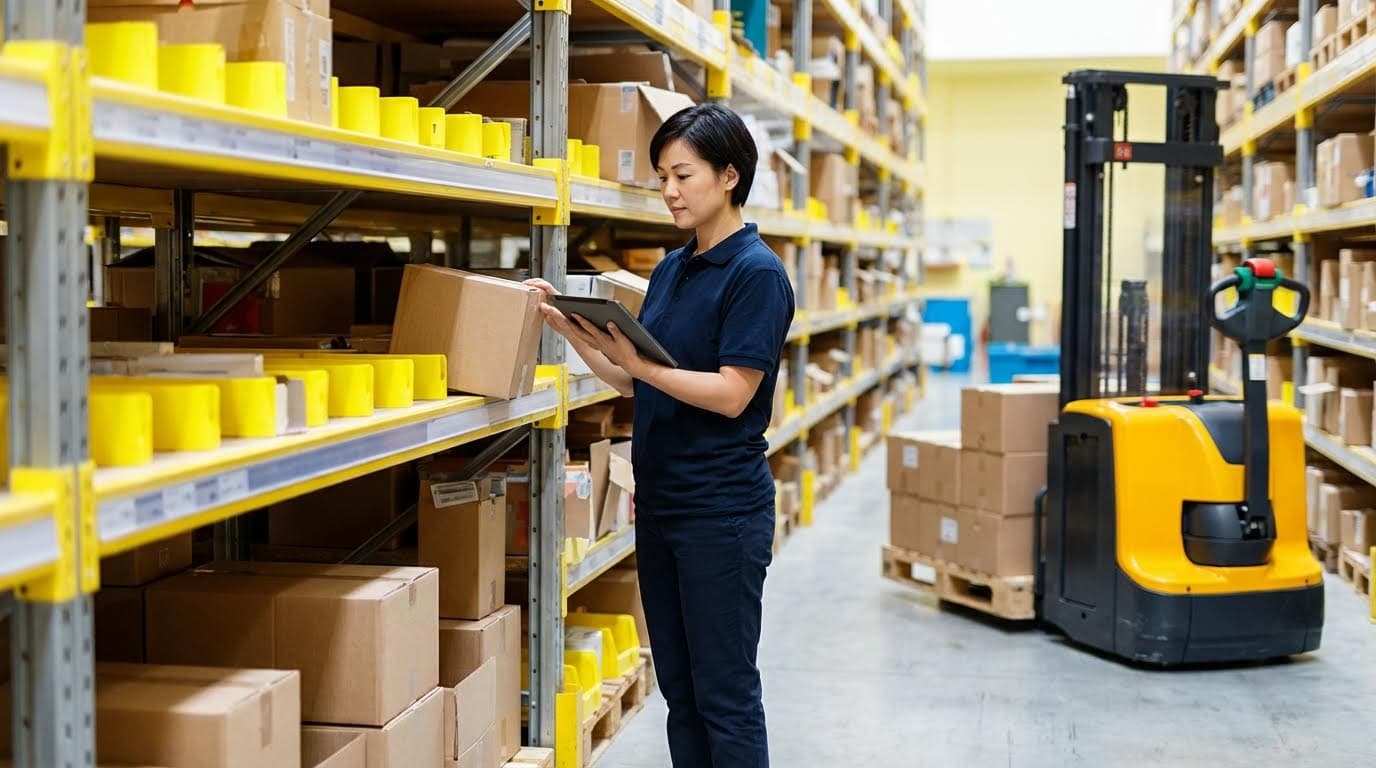 Engineering a safe equipment selection strategy means turning “how to lift a heavy pallet” into a repeatable, standards-based decision that matches load, height, space, and compliance requirements every single time. In practice, that means defining your worst-case pallet, mapping your building constraints, then choosing and maintaining equipment that stays inside both its rated capacity and your regulatory obligations. Matching load, height, and aisle constraintsMatching load, height, and aisle constraints is about choosing the lightest, simplest tool that can safely handle your heaviest pallet, highest lift, and tightest aisle without exceeding any rating. This is the engineering core of how to lift a heavy pallet safely: quantify the task first, then let the numbers pick the equipment, not habit or convenience.
How to translate “how to lift a heavy pallet” into a quick field decision1) Weigh or estimate the load, 2) confirm pallet condition, 3) check lift height and aisle width, 4) select the lightest tool that meets all three without exceeding any rating.
Safety, compliance, and inspection requirements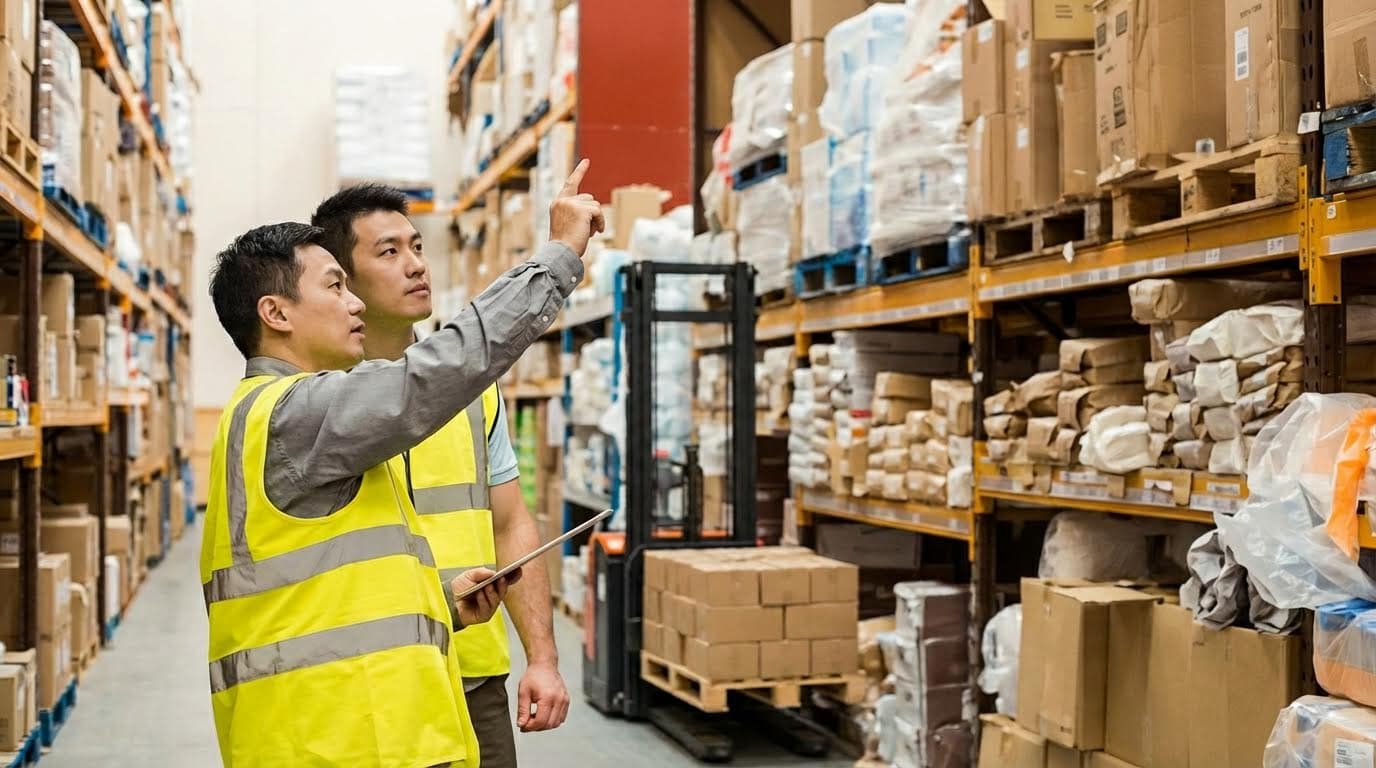 Safety, compliance, and inspection requirements ensure that once you pick the right equipment to lift heavy pallets, it stays safe and legal through daily checks, training, and documented maintenance. This is where many operations fail on how to lift a heavy pallet: the tool is correctly sized, but poorly inspected, badly driven, or out of compliance with standards.
Minimum daily forklift inspection items for heavy pallet workAt a minimum, check: forks and mast (cracks, bends), chains and rollers (wear, lubrication), hydraulics (leaks), tires (cuts, chunks), brakes and steering, horn and lights, seat belt, and nameplate visibility before moving any heavy pallet.
Final Considerations For Heavy Pallet Lifting Safety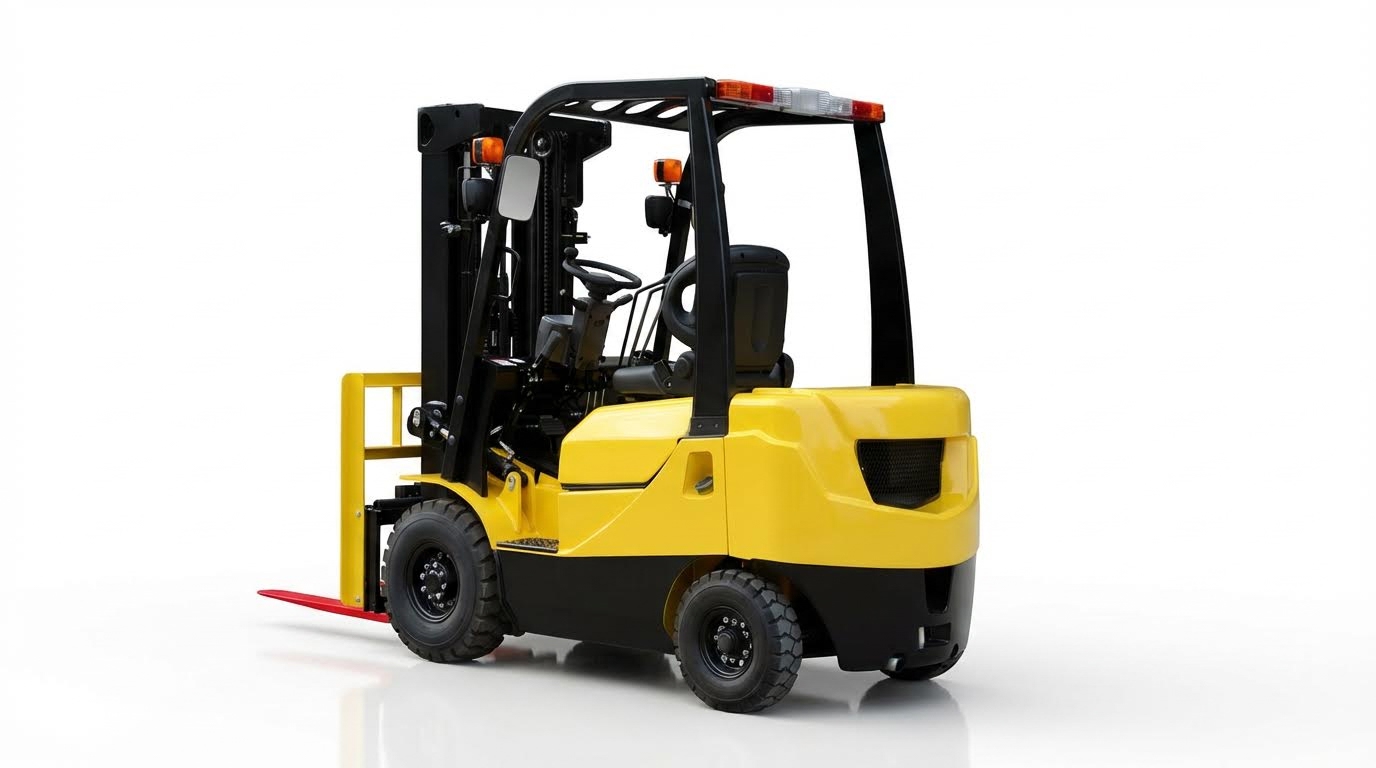 The safest answer to how to lift a heavy pallet is to combine the right equipment, disciplined inspections, trained operators, and strict respect for load limits and site conditions every single shift. Use this section as a final checklist before you sign off any pallet-handling procedure or invest in new equipment. 1. Non‑negotiable checks before lifting any heavy palletBefore you move or lift a heavy pallet, you must confirm the pallet, load, and equipment are all within their safe working limits.
How to quickly sanity‑check load weight on siteIf you do not have a scale, add the known pallet weight (usually 18–32 kg for wood, 9–14 kg for plastic) to the approximate product weight per unit times quantity. If you are within 10–15% of equipment or pallet rating, treat it as at the limit and choose higher‑capacity equipment or split the load. Typical pallet and load weights 2. Human limits: when not to lift manuallyWhen planning how to lift a heavy pallet, you should assume a single person should not manually lift more than about 23 kg and design the task around equipment, not muscle.
Red‑flag scenarios for manual handlingAvoid manual lifting entirely when pallets are unstable, above mid‑thigh height, more than arm’s length away, or must be twisted/turned while carried. In these cases, use pallet jacks, stackers, forklifts, or engineered aids. 3. Equipment discipline: forklifts, pallet jacks, and aidsHeavy pallet safety depends on consistent pre‑operation checks and conservative driving practices for every powered or manual handling device.
When you have no pallet jack or forklift availableIf you must move a pallet without standard equipment, use engineered aids, not brute force. Rolling platforms made from thick plywood and casters with capacity comfortably above the pallet plus load are effective on smooth floors. Lever bars or roller crowbars can raise one edge just enough to insert skids or dollies, but only after checking the pallet edge for loose or cracked boards. Dragging with ropes or sheets should be a last resort for short distances: secure the attachment to prevent slippage, inspect the route, and pull using body weight with the rope kept low and close to the torso. Stop immediately if the load snags or shifts. Alternative movement methods 4. Compliance, fire safety, and periodic reviewsLong‑term heavy pallet safety relies on regular audits against standards, fire‑protection rules, and your own internal procedures.
5. Turning this into a simple on‑site checklistTo operationalize how to lift a heavy pallet safely, convert the principles above into a short laminated checklist kept at each dock, aisle, or staging area.
If your team can consistently tick every line on that checklist, you are very close to best‑practice performance for heavy pallet lifting safety.  Final Considerations For Heavy Pallet Lifting SafetySafe heavy pallet lifting depends on one simple rule: let engineering limits, not convenience, decide how you move every load. You must treat pallet condition, load weight, lift height, aisle width, and floor quality as hard design inputs, then choose the lightest equipment that stays well inside its ratings. That is how you prevent tip-overs, pallet failures, and chronic strain injuries. Manual handling should end at about 23 kg per person. Above that, you switch to pallet jacks, stackers, forklifts, or engineered aids and then enforce daily inspections, PPE, and speed control. This keeps human effort in a safe band while machines handle the mass and height. For operations and engineering teams, the best practice is to lock these ideas into a short, visible checklist at each dock and aisle. Define your worst-case pallet, standardize pre-use checks, tag out unsafe trucks, and review compliance and storage layouts on a fixed schedule. If your team can follow that loop every shift, supported by suitable Atomoving equipment, you will cut injuries and damage while protecting throughput and legal compliance. Frequently Asked QuestionsWhat is the best way to lift a heavy pallet?Lifting a heavy pallet can be done safely using equipment like manual pallet jacks, electric pallet jacks, or stackers. These tools allow you to move heavy loads without relying on physical strength. For proper lifting technique, always use your legs and knees instead of your back to avoid injuries. Pallet Moving Tips. How can you lift a pallet if you don’t have a forklift?If you don’t have access to a forklift, alternatives like manual pallet jacks or electric pallet jacks are effective. These tools provide stability and reduce the risk of injury when moving heavy pallets. Always ensure the pallet is balanced and secure before moving it. Forklift Alternatives Guide. What safety tips should you follow when lifting heavy pallets manually?When lifting heavy pallets manually, place your feet shoulder-width apart for balance, keep your upper back straight, and lift with your legs. Avoid twisting your body while lifting, and consider using straps or chains for additional support. Safe Lifting Practices. |