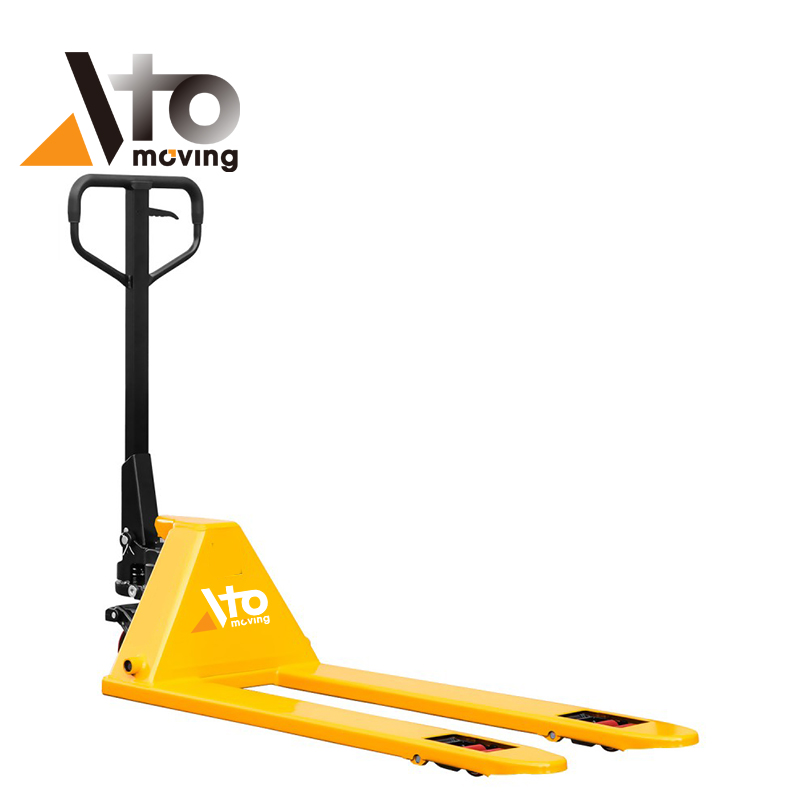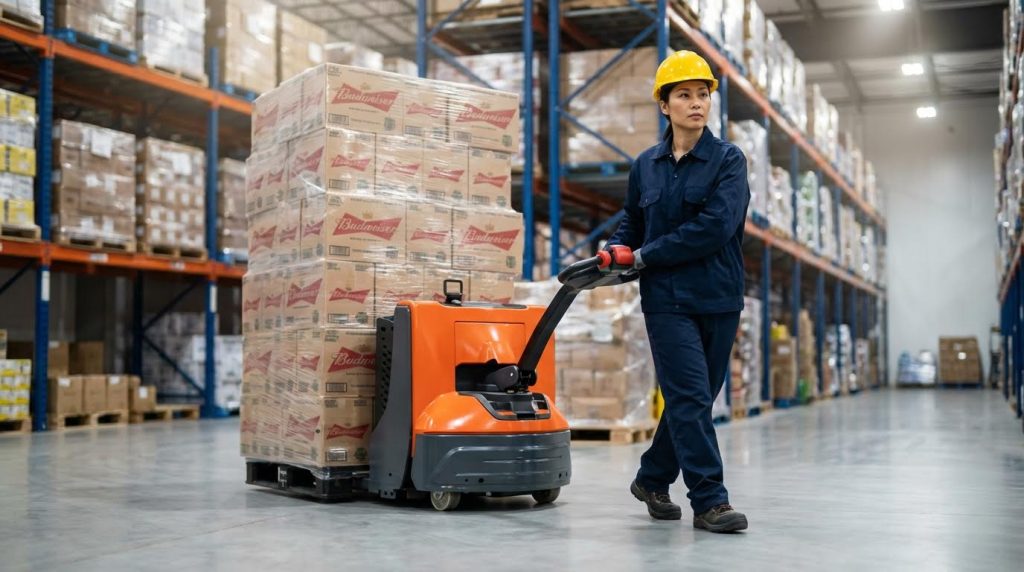
Knowing how to fill pallet jack with oil correctly keeps your jack lifting smoothly, prevents seal damage, and cuts costly downtime. This guide walks you through oil choice, step‑by‑step filling, bleeding air, and simple checks so your pallet jack stays safe, reliable, and within spec.

Understanding Pallet Jack Hydraulic Oil Basics

This section explains how the pallet jack’s hydraulic circuit works and why oil level and viscosity are critical before you even start thinking about how to fill pallet jack with oil safely and correctly.
How the pallet jack hydraulic system works
The pallet jack hydraulic system converts your handle strokes into high-pressure oil flow that lifts the forks smoothly and holds loads safely at height.
Inside the hydraulic unit you typically find a small pump, reservoir, check valves, a lowering valve, and a single-acting lift cylinder. When you pump the handle, the pump draws oil from the reservoir and pushes it into the cylinder, forcing the piston out and raising the forks. When you move the control lever to LOWER, a valve opens and lets oil flow back to the reservoir so the forks descend in a controlled way. If oil volume is too low or air is trapped, the pump cannot build stable pressure, so the forks lift slowly, jerk, or fail to reach full height. Typical symptoms include sluggish or jerky lifting, reduced maximum lift height, and forks that sink under load, all of which signal that an oil check or refill is needed. Typical hydraulic symptoms and refill guidance also highlight that visible oil seepage around seals is an early warning of system issues.
- Pump and reservoir: Handle strokes pressurise oil – Generates the force that actually lifts the load.
- Lift cylinder: Converts oil pressure into linear motion – Raises forks in a straight, controlled path.
- Check valves: Hold pressure when you stop pumping – Prevents forks from dropping under load.
- Lowering valve: Releases oil back to tank – Controls fork descent speed for safety.
- Seals and hoses: Keep oil in and contaminants out – Maintain pressure and reduce wear.
How low or aerated oil changes system behaviour
Low oil level lets air enter the pump inlet. Air compresses more than oil, so fork movement becomes spongy and jerky. After refilling, cycling the tow bar 10–15 times helps vent this air from the system for stable lifting. Refill and bleeding procedures emphasise this venting step.
💡 Field Engineer’s Note: If a jack fails to lift after storage, do not assume it is “dead.” First check the oil level and then bleed air by pumping with the lever in the LOWER position; trapped air is a very common culprit in lightly used equipment. Standard bleeding practice confirms this simple fix.
Why correct oil level and grade matter
Correct oil level and viscosity grade are essential because they control lifting speed, load holding, component wear, and long-term safety of the pallet jack.
Hydraulic oil in a pallet jack lubricates moving parts, transmits pressure, and protects internal surfaces from rust and wear. If the level is too low, friction and wear increase, which can damage the pump, valves, and seals and eventually lead to hydraulic failure and unsafe operation. Proper oil maintenance therefore prevents damage, avoids unexpected downtime, and extends equipment life. Guidance on the importance of oil level and condition stresses that correct filling is a core safety task, not just a convenience.
| Factor | Typical Recommendation | Engineering Reason | Operational Impact |
|---|---|---|---|
| Oil level in reservoir | About 1–2 cm below filler opening when forks are fully lowered Recommended fill level | Leaves expansion space for oil as it warms and moves. | Prevents overpressure that can blow seals and cause leaks during use. |
| Viscosity grade (ISO VG) | ISO 22, 32, or 46 depending on climate and load Common viscosity grades | Matches flow resistance to temperature and pressure. | Ensures smooth lifting in winter and stable film strength under heavy loads. |
| Indoor, moderate climate | ISO VG32 hydraulic oil (≈30 cSt at 40°C) ISO 32 usage guidance | Balanced flow and lubrication at typical warehouse temperatures. | Standard choice for most indoor pallet jacks; predictable lift response. |
| Cold storage or low ambient temperature | ISO VG22 for easier cold start flow Cold environment recommendation | Lower viscosity reduces thickening at low temperatures. | Prevents slow or non-responsive lifting in refrigerated areas. |
| High temperature or heavy-duty use | ISO VG46 for stronger film at higher operating temperatures Warm climate and heavy load guidance | Higher viscosity maintains lubrication under higher thermal and load stress. | Reduces wear and maintains lift capacity during intensive shifts. |
| Additives (anti-wear, anti-foam, rust inhibitors) | High-quality hydraulic oil with AW, anti-foam, and corrosion protection additives Additive package overview | Protects surfaces, prevents air bubbles, and resists rust. | Extends service life of pumps, valves, and cylinders in damp or high-cycle operations. |
| Oil type compatibility | Non-detergent hydraulic oil, typically ISO 32–46 or 10W industrial hydraulic oil Oil selection guidelines | Matches seal materials and hydraulic design; avoids aggressive detergents. | Prevents seal swelling, softening, or cracking that can cause chronic leaks. |
Using the wrong oil type or viscosity can be as harmful as running the system low. Automotive engine oils or cooking oils should be avoided because their detergent and additive packages are not designed for small hydraulic systems and can attack seals or create foam. Oil selection guidance also stresses compatibility with common NBR seal materials to reduce leak risk.
- Correct level: 1–2 cm below the filler when forks are down – Leaves space for thermal expansion and avoids seal overload.
- Correct grade: ISO 22 / 32 / 46 to suit climate – Keeps lifting speed predictable and reduces pump strain.
- Clean oil: No milky colour or visible debris – Prevents water-induced rust and abrasive wear inside the cylinder.
- Right additives: Anti-wear and anti-foam – Protect against high-pressure contact and air-induced cavitation.
- Right base oil: Non-detergent hydraulic, not engine oil – Maintains seal health and system stability over years.
Why this matters before you learn how to fill pallet jack with oil
Understanding level and viscosity first ensures that when you actually perform the refill, you choose an oil that flows correctly in your temperature range, protects components, and does not over-stress seals. That way, the fill procedure restores performance instead of creating new problems.
💡 Field Engineer’s Note: In mixed-climate warehouses, I standardised on ISO 32 for indoor jacks and ISO 22 only for deep-freeze units. Mixing grades between these fleets led to repeated complaints about “slow jacks” on cold mornings until we separated oils by zone, exactly as viscosity guidance recommends. Climate-based viscosity recommendations support this practice.
Step-By-Step Procedure To Fill Pallet Jack Oil
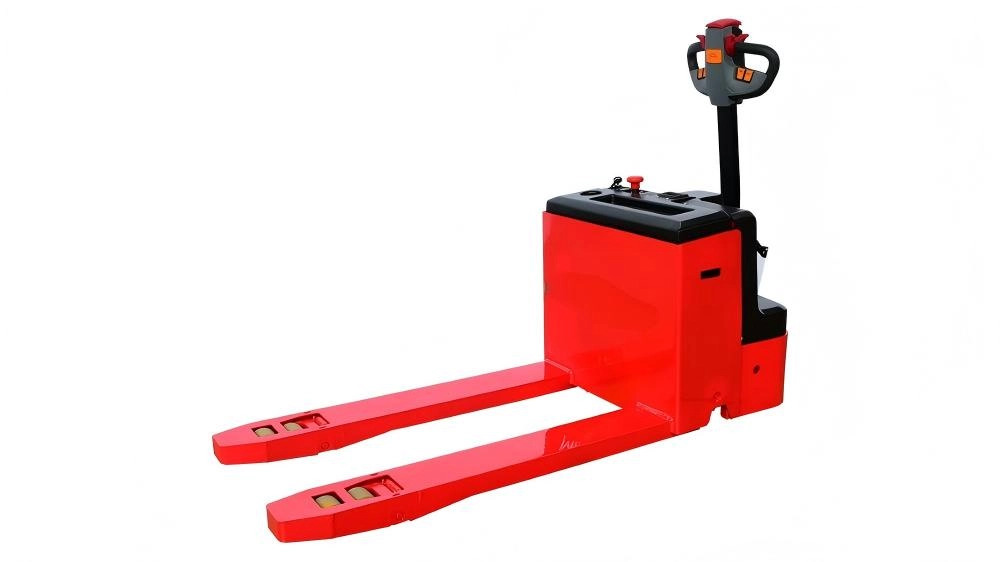
This section gives a clear, safe, workshop-ready procedure for how to fill pallet jack with oil without causing leaks, trapped air, or hydraulic failure. Follow each step in order and never exceed the reservoir level.
Preparing the jack and safe work area
This stage makes the pallet jack stable, clean, and safe so you do not trap dirt in the hydraulics or risk the truck rolling while open.
- Flat, level floor: Position the pallet jack on a solid, level surface – prevents rolling and keeps oil level readings accurate.
- Forks fully lowered: Pump the handle to raise slightly if needed, then move the control lever to LOWER until the forks sit on the floor – this returns oil to the reservoir and reduces internal pressure.
- Neutral handle position: Leave the control lever in NEUTRAL once fully lowered – avoids unintended lifting or lowering while you work.
- Chock the wheels if on slight slope: Place blocks behind/ in front of steering wheels – stops unplanned movement during filling.
- Clean around the hydraulic unit: Wipe dust, grit, and grease from the pump body and filler area – reduces contamination that accelerates wear and seal failure in the hydraulic circuit.
- Personal protection: Wear safety glasses and light gloves – protects skin and eyes from oil splashes when opening the filler plug.
- Correct oil ready: Prepare the specified non‑detergent hydraulic oil (commonly ISO VG 32–46) in a clean container – prevents last‑minute mistakes with wrong oil types that can damage seals and internal parts.
Why the forks must be fully lowered before filling
With forks raised, some oil sits in the cylinder. If you fill in that state, once you lower the forks later, the returning oil can overfill the reservoir and overload seals, leading to leaks and messy overflow.
💡 Field Engineer’s Note: In busy warehouses, technicians often top up oil with dirt still on the pump body. That grit rides in with the oil and starts scoring the cylinder bore. Take 60 seconds to clean; it easily adds years to a hydraulic unit.
Locating the filler plug and checking oil level
This step identifies the correct fill port and confirms whether you actually need oil, avoiding both overfilling and mis-filling another opening like a bleed screw.
- Locate the hydraulic unit: Stand at the handle and look at the base where the tow bar meets the frame – this block is the pump and reservoir assembly.
- Find the filler plug: Look for a small screw plug or plastic cap on top or side of the pump body, often slotted for a flat screwdriver – this is where oil is added according to service guides.
- Clean the plug area again: Wipe directly around the plug before opening – stops loose dirt falling into the reservoir when the plug comes out and contaminating the oil.
- Remove the filler plug carefully: Use the correct flat screwdriver or hex key, press firmly, and turn slowly – prevents stripping the head or cracking a plastic cap.
- Check current oil level: With forks still fully lowered, look into the opening or dip a clean cable tie or small rod straight down – oil should sit roughly 10–20 mm below the bottom of the filler hole, not flush with the top to avoid overfilling.
- Assess oil condition: Look at colour and clarity on the dip rod or tie – milky oil signals water, dark or gritty oil means wear debris and contamination and calls for a full change.
- Decide: top up or full change: If level is low but oil is clean, you can top up. If milky or very dark, plan a drain and refill instead – this prevents running with contaminated fluid that increases friction and wear and can cause hydraulic failure.
How much oil does a pallet jack usually hold?
Most manual pallet jacks use about 0.3–0.4 litres of hydraulic oil in total, with recommended working levels around 0.3 litres for a typical refill, depending on model and manufacturer guidance. Always confirm in the operator manual.
💡 Field Engineer’s Note: If you cannot clearly see the oil level, shine a small torch across the opening, not straight down. The sideways light makes the oil surface and any bubbles much easier to see in a dark reservoir.
Filling, bleeding air, and post-fill testing
This final stage explains exactly how to fill pallet jack with oil to the correct level, remove trapped air, and verify smooth lifting before returning the jack to service.
- Step 1: Set up a clean filling tool – Use a small clean funnel or hand pump dedicated only to hydraulic oil – this minimizes dirt and moisture entry that would otherwise force more frequent maintenance due to contamination.
- Step 2: Add oil slowly – Pour or pump the correct ISO grade oil (commonly ISO 32 around 30 cSt at 40°C) in small amounts – slow filling reduces foaming and air entrapment in the reservoir which can cause jerky lifting.
- Step 3: Watch the level frequently – Pause every few seconds and check the level at the filler opening – stop when the oil sits about 10–20 mm below the hole, not right to the top, to avoid overfilling and seal stress.
- Step 4: Refit the filler plug – Once at the correct level, clean any spilled oil, then reinstall and snug the plug – this prevents leakage and keeps airborne dust from entering the reservoir.
- Step 5: Bleed air from the system – With the control lever in the LOWER position, pump the handle several full strokes (10–15) – this circulates oil and purges air pockets that cause spongy or jerky lifting from the hydraulic circuit.
- Step 6: Function test under no load – Move the control to RAISE and pump the handle through its full stroke several times – the forks should rise smoothly and evenly without jerks or pauses if air has been bled correctly.
- Step 7: Check for leaks – Inspect around the pump, filler plug, and cylinder rod while cycling the jack – any fresh oil seepage points to overfilling or worn seals that need attention before the jack returns to service.
- Step 8: Light load test – Place a moderate load on the forks and raise to full height, then hold for 1–2 minutes – forks should not sink noticeably; sinking indicates internal leakage or remaining air that needs further diagnosis and possibly seal replacement.
- Step 9: Final wipe-down and documentation – Clean any residual oil from the frame and record the date and type of oil used – this supports maintenance tracking and compliance with inspection schedules for future servicing.
What if the jack still lifts poorly after filling?
If lifting is still slow or jerky after proper filling and bleeding, check again for air by cycling the handle more times with the lever in LOWER. Persistent issues, sinking forks, or visible leaks usually mean worn seals or internal valve problems that require repair or replacement rather than more oil.
💡 Field Engineer’s Note: Most “mystery” lifting problems after a refill come from overfilling. As the oil warms, it expands and has nowhere to go but past the seals. Always leave that 10–20 mm air gap below the filler hole; it is your expansion buffer.
Choosing Oil, Maintenance Intervals, And Troubleshooting
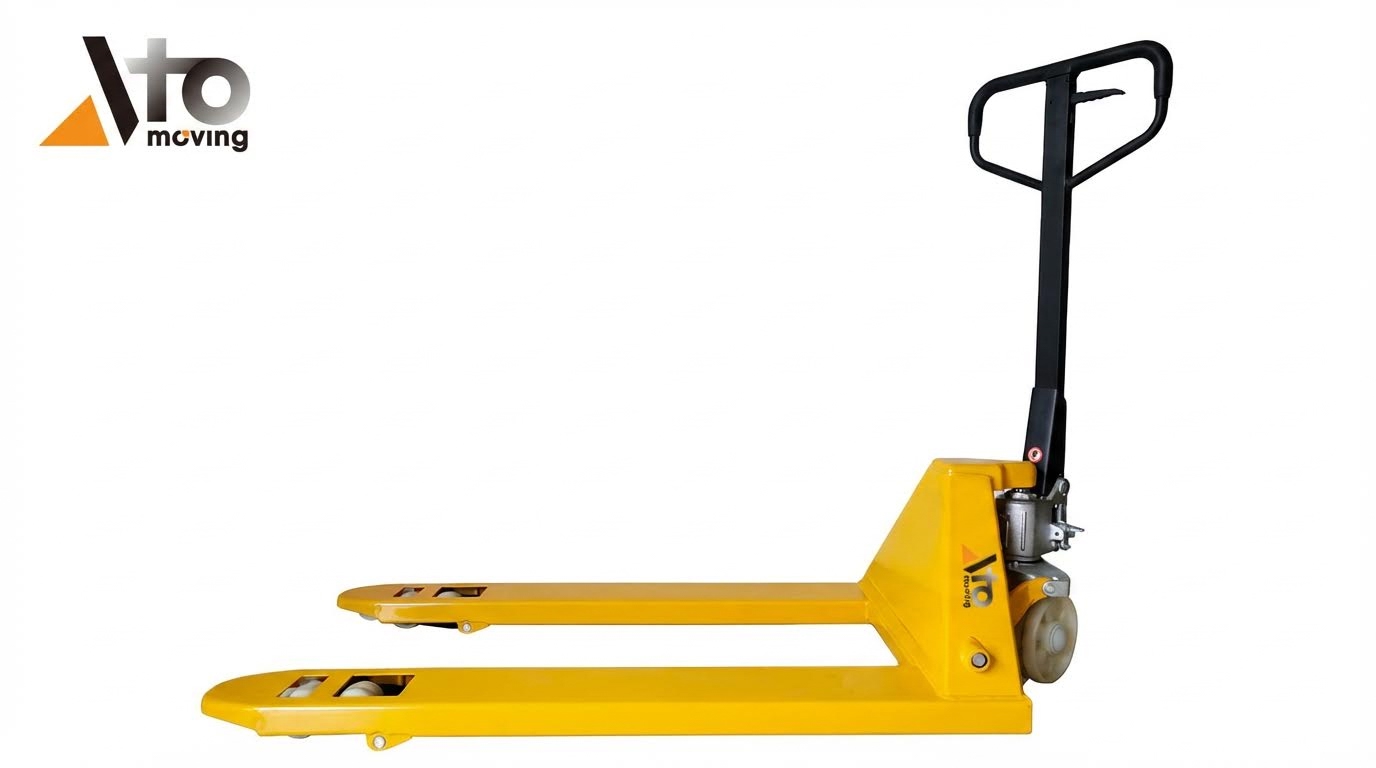
This section explains which hydraulic oil to use, how often to inspect it, and how to avoid or fix problems when you learn how to fill pallet jack with oil correctly. Getting these three areas right prevents leaks, jerky lifting, and unexpected jack failure.
Selecting the right hydraulic oil and viscosity
The right oil for a pallet jack is a non‑detergent hydraulic oil with the correct ISO viscosity grade for your climate and duty cycle. Using the wrong grade or type reduces lift performance and can damage seals.
| ISO Grade / Type | Typical Use Case | Temperature / Environment | Key Additives & Features | Operational Impact |
|---|---|---|---|---|
| ISO 22 | Indoor cold stores, unheated warehouses | Colder climates; helps flow at low temperature | Anti‑wear, anti‑foam, rust inhibitors described for pallet jack oils | Easier pumping in cold conditions; reduces sluggish lifting at low temperatures. |
| ISO 32 | Standard indoor pallet jacks | Moderate climates; typical warehouse use | Recommended around 30 cSt at 40°C (ISO VG32) for many manual trucks for pallet trucks | Balanced flow and film strength; smooth, consistent lifting for most users. |
| ISO 46 | Heavier loads, warmer environments | Higher ambient temperatures | Higher film strength, anti‑wear and rust protection noted for pallet jack service | Better protection under heavy use; may feel stiffer to pump when cold. |
| Non‑detergent hydraulic oil (10W industrial) | General replacement oil when manual specifies 10W | Follow manufacturer’s temperature range | Formulated without engine‑oil detergents that attack seals as recommended | Safe for typical NBR seals; avoids foaming and sludge from wrong oil types. |
| Oils with seal conditioners / stop‑leak | Aging jacks with minor seepage | Any, but only as temporary measure | Seal conditioners or stop‑leak additives mentioned for minor leaks | Can slow small leaks, but worn seals should still be replaced for long‑term reliability. |
- Use non‑detergent hydraulic oil: Follow the operator’s manual, typically ISO 32–46 or 10W hydraulic oil – prevents seal damage that engine oils can cause. Source
- Match climate to viscosity: ISO 22 for cold, ISO 32 for normal indoor, ISO 46 for warmer or heavy‑duty use – keeps pumping effort and lift speed consistent. Source
- Check seal compatibility: Confirm oil is suitable for NBR or the seal material used – avoids swelling, cracking, and leaks. Source
- Prefer oils with anti‑wear & anti‑foam additives: These protect high‑pressure parts and limit air bubbles – reduces cavitation and jerky lifting. Source
💡 Field Engineer’s Note: In cold rooms, a jack filled with ISO 46 often feels “dead” on the first strokes. Dropping to ISO 22 or a low‑temperature ISO 32 usually restores normal lift without over‑pumping.
How oil choice links to how to fill pallet jack with oil
When you plan how to fill pallet jack with oil, decide the ISO grade first, then measure roughly 0.3–0.4 L capacity as many manual jacks specify about 0.3–0.4 liters of ISO VG32 oil at 40°C. One refill guide and another maintenance source for pallet trucks both indicate around 0.3–0.4 L capacity.
Inspection intervals and contamination control
Hydraulic oil in a pallet jack should be checked regularly and kept clean to prevent wear, leaks, and sudden loss of lifting capacity. A simple schedule and good housekeeping around the filler plug are usually enough.
| Task | Recommended Frequency | What to Check / Do | Reason / Operational Impact |
|---|---|---|---|
| Daily quick check | Every shift or day | Visual leak check, debris removal, 3‑pump hydraulic test described in daily routine | Spots low oil or trapped air early; avoids sudden failure under load. |
| Weekly lubrication & visual check | Weekly | Grease wheels, axles, pivot joints; tighten fasteners; look for sinking forks and weekly checks | Reduces friction and wear; keeps structure tight so hydraulics work correctly. |
| Monthly oil inspection | Monthly | Check oil level and colour; inspect seals and hydraulic unit for seepage or rust and monthly guidance | Detects contamination or slow leaks before they cause failures. |
| Oil level check (formal) | Every 6 months | Verify level with filler plug removed; top up if low recommended interval | Keeps reservoir at correct volume, avoiding cavitation and jerky lifting. |
| Oil replacement | At least annually for frequently used jacks | Drain, flush if needed, refill with fresh hydraulic oil; replace sooner if oil is milky or very dark for change intervals | Removes water and dirt; restores full protection for pump and cylinder. |
- Keep oil containers sealed and off the floor: Store drums and bottles closed and elevated – reduces dust and moisture getting into the oil. Source
- Use dedicated clean funnels or transfer pumps: Never share with engine oils – prevents cross‑contamination and seal‑attacking additives entering the jack. Source
- Wipe around the filler plug before opening: Remove dirt first – stops grit dropping directly into the hydraulic circuit when you refill. Source
- Repair leaking seals promptly: Do not just keep topping up – continuous leaks pull in more dirt and moisture, accelerating wear and increasing maintenance cost. Source
💡 Field Engineer’s Note: If you see “sweating” around the ram or pump body, treat it as contamination risk, not just a cosmetic issue. Small leaks drag dust into the seals; cleaning and resealing early is cheaper than a full pump replacement later.
Linking inspection to how to fill pallet jack with oil
When you follow the monthly inspection and see low level or milky oil, that is your trigger to apply the full procedure for how to fill pallet jack with oil, including draining, refilling, and bleeding air according to the refill guides. One guide and another maintenance article on correct refilling both stress inspection before refilling.
Common filling mistakes and how to avoid them
Most pallet jack hydraulic problems come from a few repeat mistakes when refilling: wrong oil, overfilling, poor bleeding, and ignoring early warning signs. Avoiding these errors keeps the jack safe and predictable.
 Final Thoughts On Reliable Pallet Jack Oil MaintenanceCorrect hydraulic oil maintenance turns a pallet jack from a fragile tool into a predictable lifting asset. The right oil grade, filled to the correct level, lets the pump build stable pressure and keeps seals within their design load. Clean handling and careful bleeding then remove air and grit, which are the main hidden causes of jerky motion and early wear.For operations teams, the message is simple. Standardise oil types by zone, train staff to always lower forks before checking level, and enforce the 10–20 mm air gap below the filler. Combine this with a short monthly inspection and an annual oil change. These habits cut breakdowns and protect operators from unexpected sink or surge under load.For engineering and maintenance leaders, treat the hydraulic circuit as a safety component, not a consumable. Set clear intervals, use dedicated clean tools, and repair weeping seals instead of topping up forever. When you follow the filling and inspection steps described in this guide, your Atomoving pallet jacks will lift smoothly, hold rated loads, and stay in service longer with lower life‑cycle cost.Frequently Asked QuestionsHow to Fill a Pallet Jack with Oil?To fill a pallet jack with oil, first ensure the operating lever is set to the “lower” position while standing behind the tow bar. Do not loosen or remove the oil cap during this process. Squeeze the handle and pump the jack several times to allow air in the hydraulics to escape. This helps prevent airlocks that can affect performance. Once the system is bled, locate the suction hose and carefully fill it with hydraulic oil until full. Reinstall the suction hose on the barb fitting and tighten the clamp securely. At this point, the pump is primed and ready for use. Pallet Jack Maintenance Guide.What Should You Do If Your Pallet Jack Won’t Lift?If your pallet jack won’t lift, it may be due to air trapped in the hydraulic system or insufficient oil. Begin by setting the operating lever to “lower” and pump the jack several times to release trapped air. If the issue persists, check the oil level and refill the hydraulic system as needed. Ensure all connections, including the suction hose, are secure and free of leaks. Proper maintenance, such as regular oil checks, can prevent most lifting issues. For additional troubleshooting steps, consult a professional or refer to equipment guidelines. Hydraulic Pump Priming Tips.
| Mistake | What Happens | Prevention / Fix | Operational Impact |
|---|---|---|---|
| Using engine oil or cooking oil | Seal damage, sludge, poor lubrication warns against this | Use only non‑detergent hydraulic oil in the ISO grade specified by the manual. | Reduces breakdown risk and keeps lifting smooth under rated loads. |
| Overfilling reservoir | Seal stress, higher internal pressure, leaks notes overfilling issues |