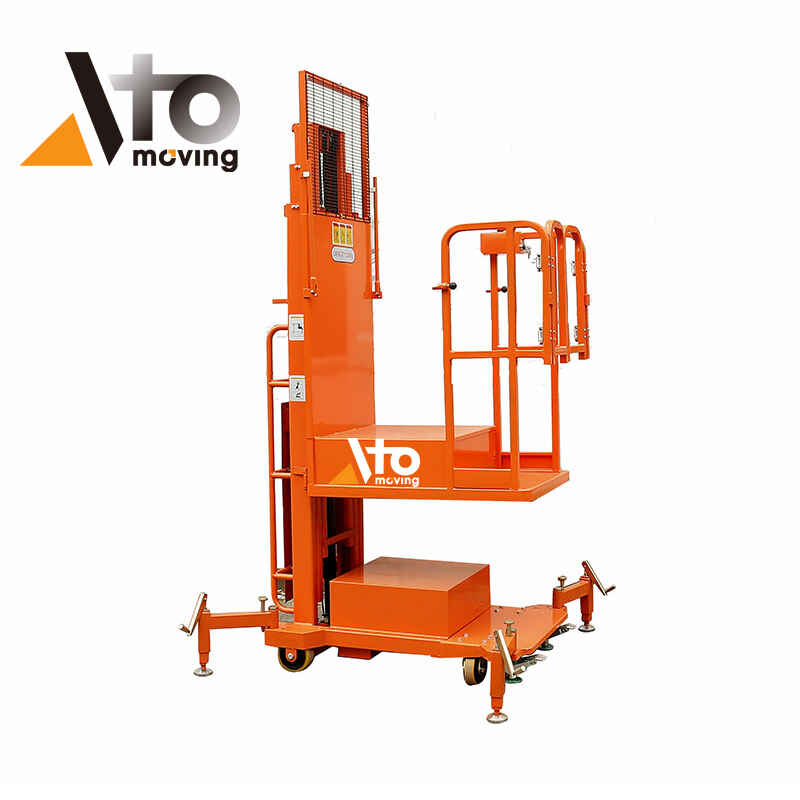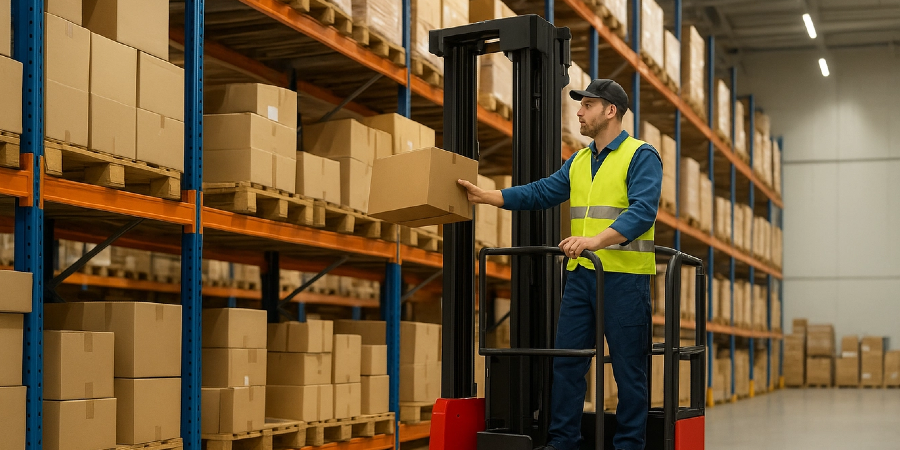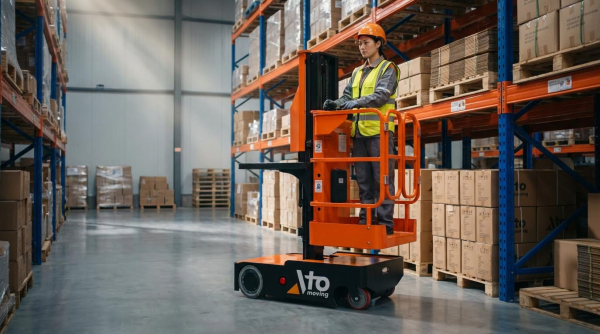
Automated order picking systems use robots, smart storage, and digital picking aids to raise throughput, accuracy, and labor efficiency in warehouses. This guide explains the core technologies, how to design workflows, and how to model payback and ROI over time. You will see where AMRs, AS/RS, and semi-automated tools fit by order volume, SKU complexity, and facility constraints. The goal is to help you select a system that delivers measurable units-per-hour gains, safer ergonomics, and a justifiable investment horizon.
Core Concepts In Automated Order Picking
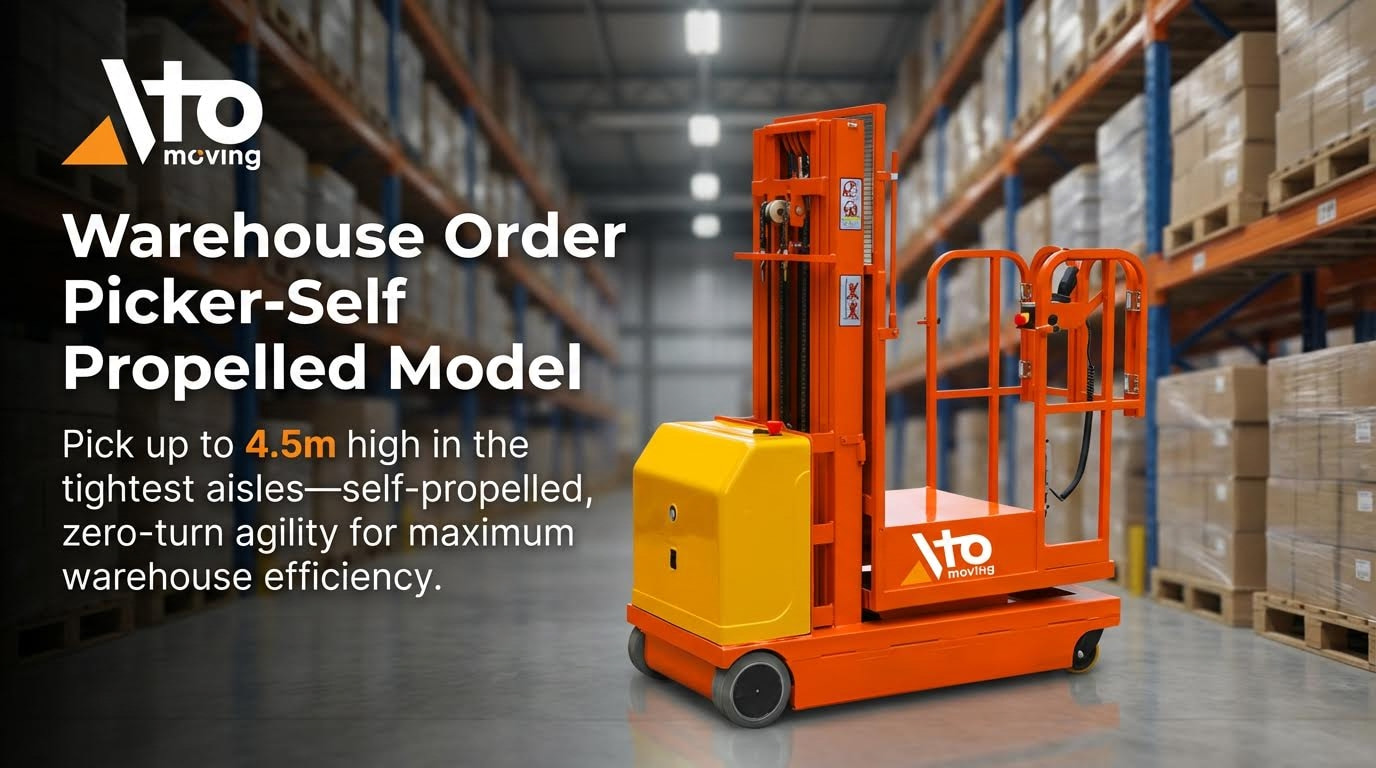
Core concepts in automated order picking systems define how you move from manual walking-and-searching to engineered, measurable flows of goods, data, and labor. This section frames the tiers of automation, the enabling technologies, and the benchmarks you should design around.
Manual, semi-automated, and fully automated tiers
Manual, semi-automated, and fully automated tiers describe a maturity ladder from paper-based picking to high-density, goods-to-person robotic systems. Understanding each tier lets you right-size automation instead of over-engineering your first project.
| Tier | Typical Technology | Pick Rate (per picker/station) | Error Rate | Labor Dependence | Operational Impact / Best For… |
|---|---|---|---|---|---|
| Manual | Paper lists, basic RF scanners | ≈60–80 lines/hour reported range | ≈1–3% | Very high | Startups or <300 orders/day where flexibility matters more than labor cost. |
| Semi-automated | Voice, RF, pick-to-light | ≈100–120 lines/hour with voice; +20–35% vs manual documented uplift | 25–40% fewer errors vs manual | High, but more productive | Growing sites bridging to automation; good under ≈1,000 orders/day. |
| Fully automated (AMR-assisted) | AMR goods-to-person, robotic picking aids | ≈300–400 lines/hour per station, some AMRs at 70–80 picks/hour each cited performance | <0.5% | Medium; robots cut walking but humans still handle exceptions | 1,000–5,000+ orders/day; high labor cost or tight SLAs. |
| Fully automated (AS/RS-centric) | Shuttles, cube-based ASRS, integrated robotics | Up to hundreds of totes/hour per station; 284–2,430 bins/hour at system level reported range | ≈0.1% or lower | Low; staff supervise and handle exceptions | 5,000+ orders/day, high land cost, or cold storage where human exposure must be minimized. |
- Manual systems: People walk to inventory with lists or scanners – lowest capex, highest travel time and fatigue.
- Semi-automated systems: Voice, RF, or lights guide people – same walking, but faster decisions and fewer mis-picks.
- Fully automated AMR systems: Robots bring shelves/totes to people – cuts travel, stabilizes throughput, supports 24/7 work.
- Fully automated AS/RS: Storage and retrieval are machine-driven – maximizes m² utilization and consistency, but needs careful engineering and volume to justify.
When to move up a tier
Below ≈300 orders/day, optimized manual or semi-automated picking is usually enough. Goods-to-person AMRs become economical above ≈1,000 orders/day, while large AS/RS or multi-level shuttles fit 5,000+ orders/day and expensive floor space. These thresholds are widely cited, but you still need a site-specific ROI model.
💡 Field Engineer’s Note: When you jump tiers, your bottleneck often shifts from walking time to induction, exception handling, or packing. Always re-balance headcount at pack and replenishment; otherwise your shiny automated order picking systems just move the queue from the aisle to the dock.
Key technologies: AMRs, AS/RS, and picking aids
Key technologies in automated order picking systems fall into three buckets: mobile robots, storage/retrieval machines, and human-assist picking aids. You typically combine these rather than betting on a single “silver bullet.”
| Technology | Core Function | Typical Performance | Where It Fits | Operational Impact / Best For… |
|---|---|---|---|---|
| Autonomous Mobile Robots (AMRs) | Move totes, racks, or orders between storage and pickers | ≈70–80 picks/hour per AMR; up to 12 hours runtime per charge; payloads up to ≈200 kg (450 lb) reported specs | Goods-to-person, assisted pallet picking, replenishment, buffering, sortation | Cuts walking distance, smooths peaks, and scales by adding units; ideal in 6–10 m high buildings. |
| Cube-based AS/RS | High-density bin storage in a grid, robots on top retrieve bins | Storage density +70–75% vs standard racking; 284–2,430 bins/hour depending on robot count and ports documented range | Each-pick and case-pick in high-SKU, high-order environments | Maximizes m³ utilization; good where land is expensive or expansion is constrained. |
| Shuttle-based AS/RS | Shuttles run in rack lanes, handing trays/totes to lifts | ≈500–800 trays/hour per station reported range | High-throughput case or tote handling, tight SLAs | Very fast access to any slot; strong fit for 24/7 e‑commerce and retail replenishment. |
| AMR-based goods-to-person shelving | AMRs lift or tug shelving to pick stations | Throughput scales with fleet; dispatch spacing ≈2 s between AMRs in shared aisles noted practice | Retrofit of existing shelving, variable SKU profiles | Turns static shelving into dynamic storage with minimal fixed steel and flexible layouts. |
| RF/barcode systems | Scan-based confirmation of locations, SKUs, quantities | Productivity +10–15%, near-perfect scan accuracy reported improvement | Baseline digital control for manual and semi-automated sites | Reduces mis-picks and provides data for future automation design. |
| Voice-directed picking | Audio instructions to pickers via headset | ≈35% productivity increase vs paper; ≈100–120 picks/hour typical reported benefits | High-line-count orders, cold storage, hands-busy work | Hands-free operation with better focus; strong first step before full automation. |
| Pick-to-light | Lights and displays show where and how much to pick | Large cuts in search time; strong in dense each-pick zones documented use | E‑commerce each-pick, sort-to-order walls | Very fast training and visual verification; ideal near pack walls and consolidation areas. |
- AMRs: Mobile platforms that cut walking and cart pulling – flexible, scalable, and well-suited to brownfield sites.
- AS/RS (cube or shuttle): Fixed storage machinery – high capex, very high density and speed.
- Picking aids (voice, RF, lights): Digital overlays on manual work – cheap lever to stabilize accuracy before robots arrive.
- Physical AI in AMRs: Onboard models that choose optimal pick and path actions – improves speed and collision avoidance in dense layouts. Recent platforms use this approach.
Energy, ergonomics, and runtime
Modern AMRs now run up to ≈12 hours on a charge, with some lithium-ion packs hot-swappable to avoid downtime. Recent hardware generations doubled battery capacity and handle payloads around 200 kg, taking over the heavy pulling that causes musculoskeletal injuries. Cube-based AS/RS fleets are also efficient; 10 robots can draw power comparable to a household vacuum cleaner, which helps long-term TCO.
💡 Field Engineer’s Note: In retrofits, AMRs plus voice or pick-to-light often beat a full AS/RS on payback because you keep your existing racking. Use AS/RS when you need vertical reach and density more than aisle flexibility.
Throughput, accuracy, and labor benchmarks
Throughput, accuracy, and labor benchmarks give you hard numbers to compare automated order picking systems and to size your own design. You should translate marketing claims into lines per hour, errors per 10,000 lines, and pickers per 1,000 orders.
| Metric | Manual Baseline | Semi-automated (Voice / RF / Lights) | AMR-Assisted | AS/RS-Centric | Operational Interpretation |
|---|---|---|---|---|---|
| Throughput (lines/hour per resource) | ≈60–80 lines/hour per picker reported | ≈100–120 lines/hour with voice; +20–35% vs manual with aids | ≈300–400 lines/hour per station; ≈70–80 picks/hour per AMR | Up to hundreds of totes/hour per station; 284–2,430 bins/hour system-wide | Use these as planning bands for Units Per Hour (UPH) when modeling staffing and peak days. |
| Error rate (mis-picks as % of lines) | ≈1–3% | 25–40% reduction vs manual; often <1% | <0.5% typical | ≈0.1% or lower | Each 1% error on 10,000 lines/day is 100 fixes, reships, and support touches. |
| Labor reduction vs manual | Baseline | Better UPH, but similar headcount | Picking labor −40–60% within ≈18 months reported outcome | Further reduction; staff focus on supervision and exceptions | Labor savings often drive 2.5–4 year payback on mid-scale automation projects. |
| Space utilization | Baseline selective racking | Unchanged | Improved if AMRs allow narrower aisles and higher racks | +40–85% storage density vs shelving using vertical space up to ≈12 m reported gains | Higher density lets you delay building expansions or new sites. |
- Throughput: Design for peak, not average – if peak is 2–3× average, your system must maintain UPH under congestion.
- Accuracy
Technical Design Of Automated Picking Workflows
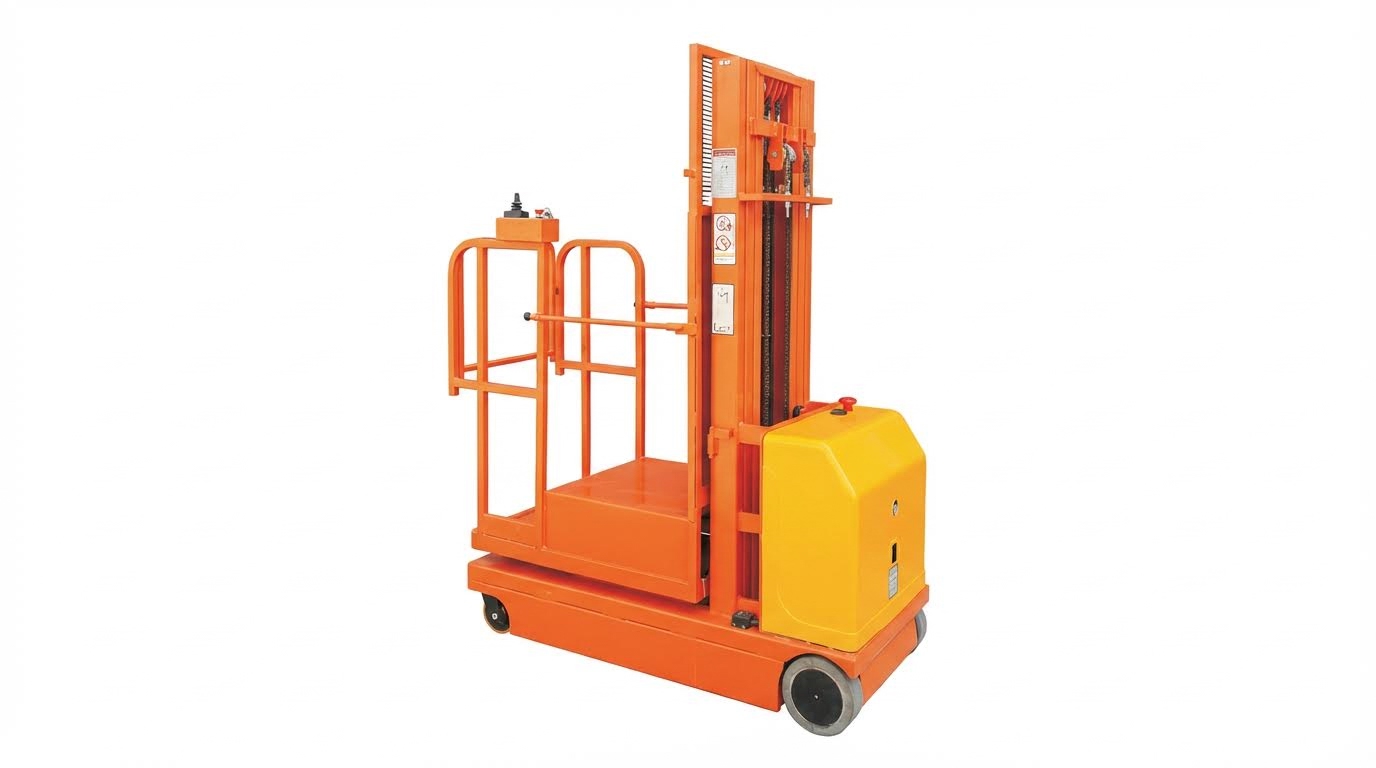
Technical design for automated order picking systems links storage geometry, AMR orchestration, and workstation layout to hard targets for units per hour, accuracy, and labor. Get the architecture wrong, and no amount of software will recover your throughput.
Goods-to-person vs person-to-goods architectures
Goods-to-person and person-to-goods are two fundamental layout philosophies that dictate travel distance, storage density, and how automation plugs into your warehouse. Choosing between them is the first structural decision in designing automated warehouse order picker systems.
Architecture How It Works Typical Technologies Performance Characteristics Operational Impact Person-to-goods Pickers walk or ride to static storage locations to pick items. Manual shelving, RF/barcode, voice, pick-to-light ≈60–120 picks/hour per picker with 1–3% error for basic systems reported in industry studies. Low CapEx, high walking time, easier to re-slot but limited peak throughput. Goods-to-person (GTP) Storage systems or robots bring totes/racks to ergonomic pick stations. AMR-based GTP, shuttle AS/RS, cube-based ASRS 300–400 picks/hour per station with error rates below 0.5% in automated setups for many installations. High density and UPH, higher CapEx, requires engineered workflows and WMS/WES integration. Hybrid Fast movers in person-to-goods zones, long-tail SKUs in GTP or ASRS. AMRs plus manual aisles, conveyor links Balances travel reduction with flexible picking; often used in brownfield sites. Lets you phase into automation while keeping flexible areas for odd SKUs or peaks. - Travel Distance: Goods-to-person removes most walking – this is usually the single biggest UPH lever in existing buildings.
- Storage Density: High-bay or cube-based ASRS can raise density by 40–85% vs. shelving by using vertical space up to ≈12 m in many projects – critical where floor area is constrained.
- Labor Profile: Person-to-goods scales linearly with heads; GTP concentrates work at stations – easier to staff and cross-train.
- SKU Profile: Highly variable, irregular SKUs often stay in person-to-goods or AMR-assisted zones – piece-picking robots still struggle with odd shapes.
How to pick an architecture for your site
Below ≈300 orders/day, well-optimized person-to-goods with RF or voice is usually enough. Above ≈1,000 orders/day, AMR or GTP becomes cost-effective, and beyond ≈5,000 orders/day, shuttle or full AS/RS is often justified for capacity and labor stability. These ranges align with published order volume guidelines for automation selection.
💡 Field Engineer’s Note: When retrofitting GTP into an existing warehouse, I first map current walk paths and heat-map congestion. If you cannot cut average walk distance per line by at least 50%, your goods-to-person design is probably under-sized or poorly slotted.
AMR orchestration: Find Me, Follow Me, Meet Me
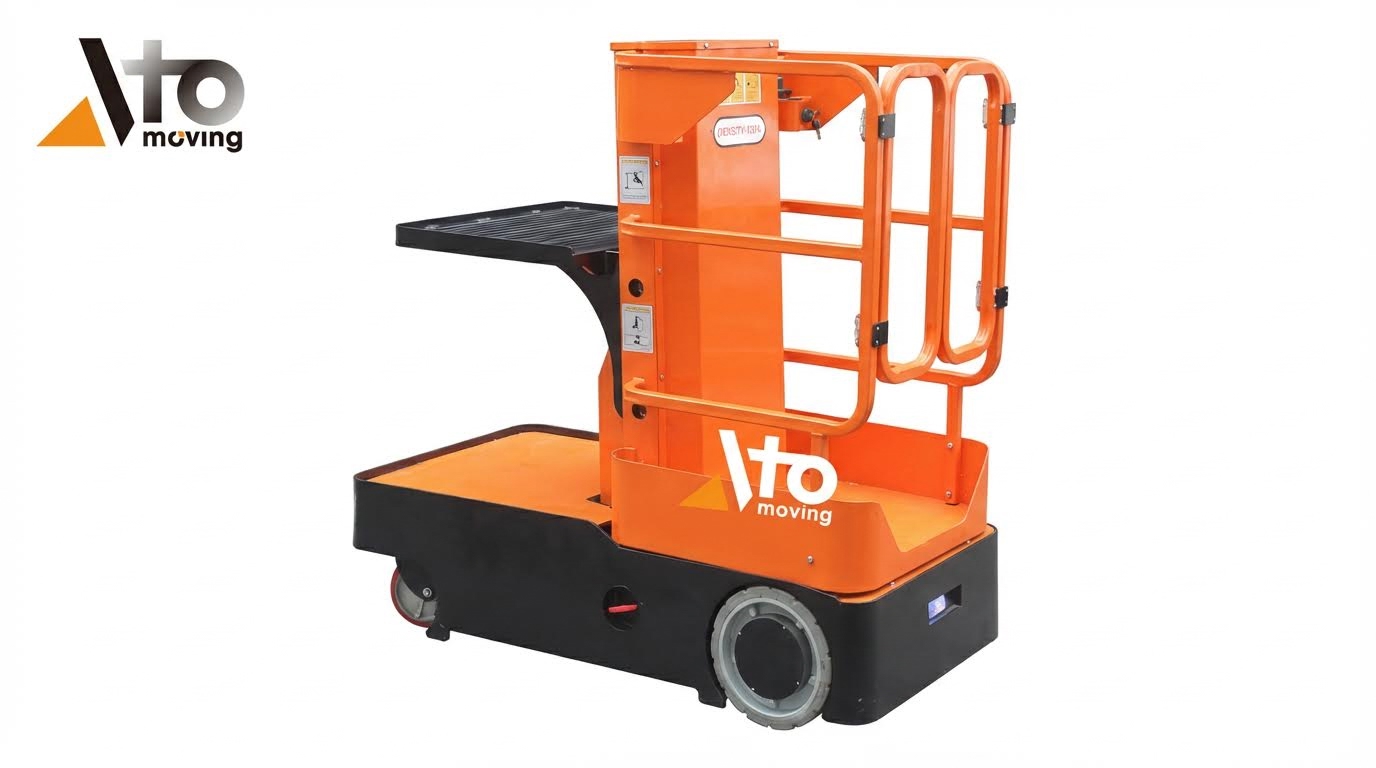
Find Me, Follow Me, and Meet Me are three orchestration patterns that define how humans and AMRs share work in automated order picking systems. The model you choose drives picker travel, robot fleet size, and station design.
Model Human Role Robot Role Strengths Best For… Find Me Picker walks within a zone and locates an AMR when needed. Acts as mobile cart or tote carrier within the zone. Simpler logic, low change to human routines. Brownfield sites with fixed layout and moderate volumes. Follow Me Picker walks; AMR follows and carries picked items. Reduces cart-pushing and manual transport. Cuts physical strain; reduces non-value-added handling. Long pick paths where walking is unavoidable. Meet Me Picker and AMR run separate, coordinated tasks. AMR moves totes/orders between zones and stations. Minimizes idle time; decouples human and robot workflows. High-throughput, multi-zone operations needing tight orchestration. Legacy AMR deployments mainly used Find Me and Follow Me models, where pickers still relied on the robot for guidance and movement, keeping humans in the loop for most navigation decisions as described in industry articles. Meet Me orchestration uses software to coordinate humans and AMRs as separate but synchronized resources, with pickers receiving instructions via mobile devices while robots shuttle totes between zones and stations in documented solutions.
- Travel Reduction: AMR-assisted workflows can cut worker travel and intervention dramatically, with AMRs handling repetitive transport tasks – this directly boosts picks per hour and lowers fatigue according to reported deployments.
- Picker Productivity: Advanced AMR picking solutions commonly achieve ≈70–80 picks/hour per robot, matching human productivity but running 24/7 for some systems.
- Ergonomics: AMRs that carry up to ≈200 kg payloads remove the need for push-pull forces on heavy carts – this reduces strain injuries and supports older or smaller workers as highlighted in case material.
- Battery & Uptime: Modern AMRs with doubled battery capacity can run up to ≈12 hours on a charge and support hot-swapping – critical when you design for 2–3 shifts and seasonal peaks in published specifications.
Design tips for AMR traffic and aisle layout
AMRs often share aisles and workstations with 2-second spacing between robots to avoid blocking and maintain stable UPH as described for collaborative fleets. Narrow aisles (≈1.8–3.0 m) raise storage density but demand careful congestion control and charging strategies to keep robots from queuing.
💡 Field Engineer’s Note: In high-volume sites, Meet Me only pays off if your WMS/WES can release work in small, continuous waves. If orders drop in big batches, you will see AMRs bunching at pick faces and starving some stations while others are overloaded.
Cube, shuttle, and AMR-based ASRS design factors
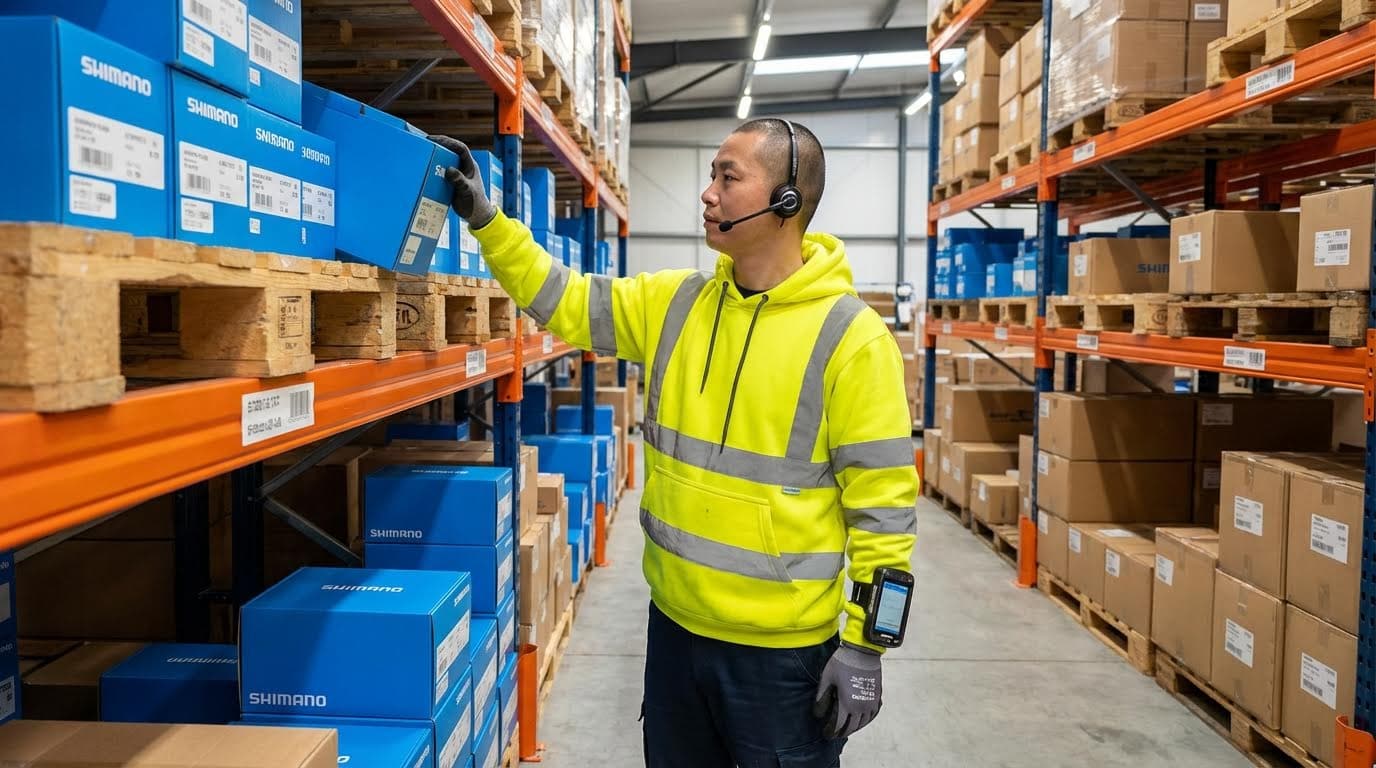
Cube, shuttle, and AMR-based ASRS are three dominant storage engines behind goods-to-person automated order picking systems. Each has distinct geometry, throughput scaling, and energy behavior that must align with your SKU profile and service levels.
System Type Storage Geometry Typical Throughput Energy / Infrastructure Best For… Cube-based ASRS Bins stacked in vertical columns within an aluminum grid; no internal aisles. ≈284–2430 bins/hour depending on grid size and robot count in reported systems. Fleet of small robots with low aggregate power; 10 robots can draw similar power to a household vacuum cleaner. High-density storage where floor space is expensive and order lines are medium to high. Shuttle-based ASRS Trays/totes stored in long rack lanes with shuttles on each level and vertical lifts. ≈500–800 trays/hour per station in many configurations according to industry data. More fixed mechanical infrastructure; higher concentrated power and maintenance at lifts. Very high-throughput SLAs with predictable SKU trays and tight cut-off times. AMR-based ASRS / GTP AMRs move under/around racks or shelving, lifting and carrying bins or racks. Throughput scales with AMR fleet and station count; each station can reach 300–400 picks/hour in well-designed setups for automated systems. Moderate fixed infrastructure; relies on charging points and floor quality instead of heavy steel grids. Brownfield retrofits, mixed SKU shapes, and operations needing layout flexibility. Cube-based ASRS eliminates internal aisles by stacking bins in a tight grid, which can increase storage capacity by ≈70–75% over conventional racking when well-designed as reported in engineering case studies. Modular grids and robot fleets allow staged expansion: you can add modules and robots over time without large shutdowns. Shuttle systems, by contrast, use dedicated shuttles per level and lifts at aisle ends, giving very fast access to any location within a lane and supporting high-throughput stations where cut-off times are tight.
AMR-based goods-to-person turns static shelving into a semi-ASRS by having robots navigate aisles, pick up bins or racks with simple lift modules, and deliver them to pick stations. This reduces walking distance and raises lines per hour without the heavy fixed steel and conveyor networks of traditional ASRS according to warehouse design resources. Advanced AMRs with “picking-in-motion” can start traveling to the next destination as soon as they retrieve a tote, completing the pick on the move and cutting 15–20 seconds per pick cycle compared to stationary methods as described for some systems.
- Scalability: Cube-based and AMR systems are naturally modular – ideal when you need to grow capacity in phases without major shutdowns.
- Energy & TCO: Low fleet energy in cube-based systems helps hit aggressive energy-per-line and TCO targets compared to conveyor-heavy layouts – important in regions with high electricity prices.
- SKU Fit: Shuttles and cube-based ASRS work best with totes or trays within a defined size/weight envelope; AMR-based GTP tolerates more variation – useful for e-commerce each-pick with many carton sizes.
- Vertical Reach: When paired with complementary systems, AMRs can store and retrieve items up to about 6 m high – this recovers vertical cube in existing buildings without full high-bay construction as noted in product information.
Linking ASRS design to slotting and ergonomics
Slotting logic should push A-movers into the fastest access locations in any ASRS: near the top of cube stacks, closest shuttle levels, or shortest AMR paths. Fast movers should sit at waist height in GTP stations to maximize ergonomic speed and sustain high UPH, while C-movers can occupy higher or lower positions with longer retrieval times Engineering Selection, Sizing, And ROI Modeling
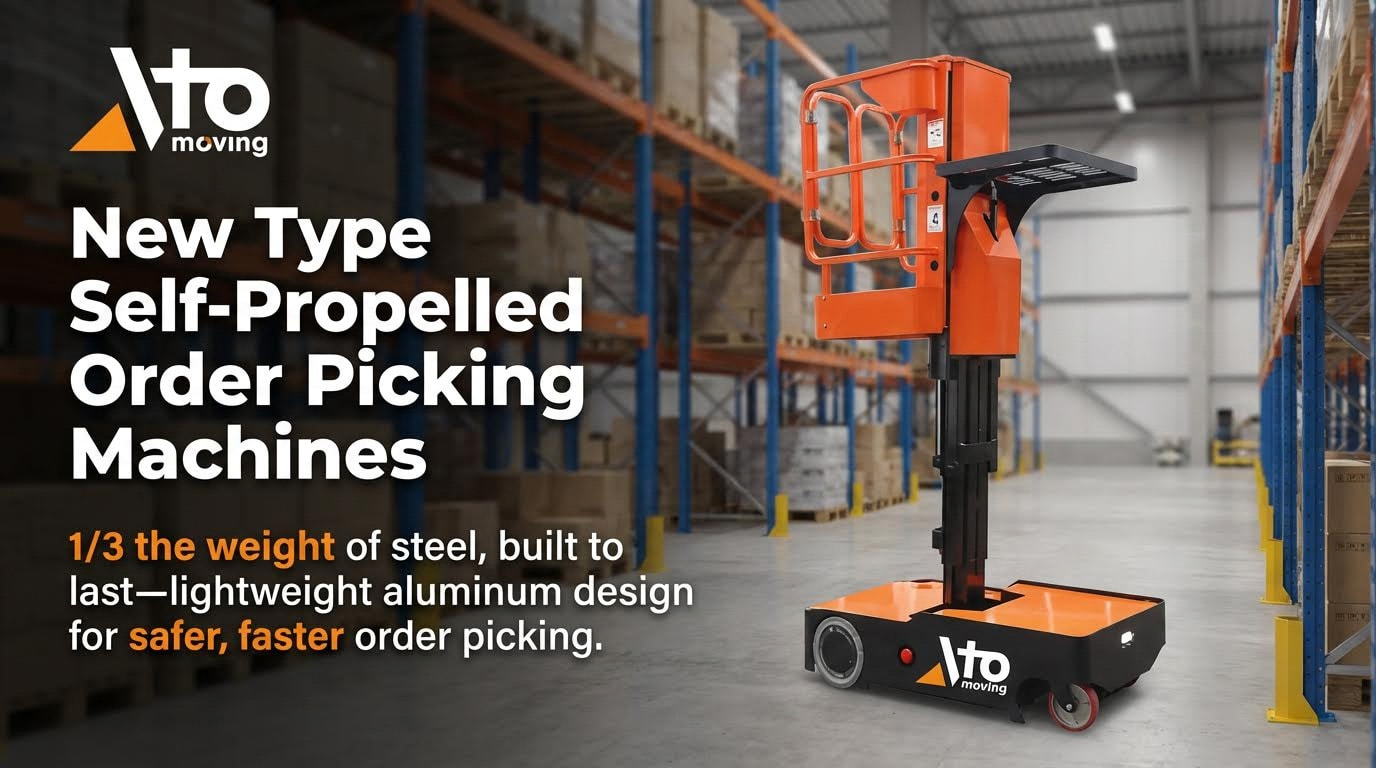
Engineering selection for automated order picking systems starts with hard numbers: order volume, SKU mix, building limits, labor costs, and required service levels, then converts them into capacity, layout, and ROI models over 3–10 years.
Order volume, SKU mix, and facility constraints
Order volume, SKU mix, and facility constraints determine whether you stay manual, go AMR-assisted, or invest in shuttle/cube AS/RS for warehouse order picker systems.
Use the decision thresholds and constraints below as an engineering pre-filter before you talk to vendors or start layout design.
Design Driver Typical Threshold / Range Implication For System Type Operational Impact Daily orders < 300 orders/day Optimized manual with RF, barcode, or voice guidance Capex-light, 60–120 picks/hour per picker with 10–35% productivity gain from digital aids compared to paper Daily orders ≈ 1,000+ orders/day Goods-to-person and AMR-based systems become cost-effective 300–400 picks/hour per station with <0.5% error rates; walking distance drops sharply versus manual Daily orders 5,000+ orders/day Full AS/RS or multi-layer shuttle/cube systems Supports high peak UPH and very low error (<0.1%) for large e‑commerce or retail DCs at scale SKU count & complexity Few thousand, regular shapes Robotic piece-picking arms and tightly slotted AS/RS High automation of each-pick; stable gripping and vision performance on consistent SKUs for cartons, bottles, etc. SKU count & complexity Tens of thousands, irregular AMR-assisted human picking Humans handle edge cases and odd packaging; AMRs cut travel and cart pulling time by 40–60% within 18 months Space / storage density Need +40–85% storage vs current shelving AS/RS using vertical height (up to ≈12 m and above) Cube or shuttle systems reclaim floor by going vertical and eliminating internal aisles for dense storage Temperature Cold storage (≈1–4°C) or frozen (< -18°C) AS/RS and shuttles preferred over manual Automation mitigates 3–5× higher labor turnover and endurance limits in sub‑zero zones common in cold storage Capex vs Opex Limited upfront budget RaaS AMRs, voice, pick‑to‑light Start around $0.10–$0.25 per pick in RaaS models, then phase into heavier automation later as volume grows - Order profile: Look at lines per order and cube per order – batch-friendly orders favor goods-to-person and sortation.
- Peak factor: Size for 2–3× average daily orders – avoids SLA failures in peak weeks.
- Service level: Tight same-day cut-offs – push design toward high-throughput shuttles or cube AS/RS.
- Building envelope: Clear height, column grid, floor flatness – may rule out some AS/RS or dictate AMR-based systems.
How to translate orders per day into station count
Estimate picks per day, divide by realistic picks/hour per station (e.g., 300–400 for AMR/ASRS stations), then divide by effective working hours per shift. Always apply a 15–25% buffer for breaks, congestion, and exceptions.
💡 Field Engineer’s Note: In cold rooms and freezers, prioritize shuttle or cube AS/RS over person-in-aisle AMR fleets. Battery performance drops in low temperatures, and even small gradients or ice patches can cause traction issues that never show up in a clean, ambient demo facility.
Slotting, ergonomics, and aisle design for UPH
Slotting, ergonomics, and aisle design tune the same automation hardware to deliver much higher units per hour (UPH) without adding robots or people.
Think of this as the “software and layout” layer on top of your order picking machines that converts raw capacity into real throughput.
Design Lever Key Practice Quantified Effect Operational Impact ABC slotting Classify SKUs as A/B/C by demand A‑items closest to pick stations, C‑items furthest Cuts average travel per line and boosts picks/hour, especially in manual and AMR-assisted zones without extra hardware Vertical placement Place fast movers at 900–1,300 mm (waist level) Slow movers in lower or higher bins Improves ergonomic speed, reduces bending and reaching, supports sustained high UPH over long shifts Dynamic slotting Monthly review for high-demand SKUs Quarterly for medium/low SKUs Prevents “slot drift” that silently erodes throughput as demand patterns change over seasons or promotions Proximity to pack High-velocity SKUs near packing/shipping Shorter pick-to-ship path Especially powerful with batch picking and sortation; reduces total cycle time per order not just pick time Mixed unit-size racks Combine large, medium, small slots Higher storage utilization Reduces wasted volume per location and improves travel efficiency for varied product sizes across the pick face Aisle width Wide (≥ 3.7 m), narrow (1.8–3.0 m), very narrow (≤ 1.5 m) Trade-off between density and traffic Wide aisles favor forklifts and bulk; very narrow aisles push you toward AGVs/AS/RS to avoid congestion and maintain UPH Aisle geometry Angled aisles in high-traffic zones Less head-on conflict Reduces congestion near high-velocity zones and packing areas during peaks without adding robots Buffers Multi-deep buffer racks between storage and pick Smooths bursty retrievals Reduces congestion at AS/RS ports or AMR drop-off points and stabilizes station UPH during peaks - Digital aids: RF/barcode scanning delivers 10–15% productivity gains with near-perfect scan accuracy – good baseline even before full automation. These systems also reduce keying errors.
- Voice picking: Around 35% productivity increase vs paper lists – strong for dense each-pick and high line-count orders. Hands and eyes stay on the product.
- Pick-to-light: Visual cues at locations – cuts search time and training time for repetitive, high-density zones. Ideal for e‑commerce each-pick.
How UPH ties back to station and robot count
Start from required orders per hour and lines per order. Convert to lines per hour. Divide by realistic UPH per station (after slotting and ergonomics improvements), then confirm that AS/RS ports, AMR fleet dispatch intervals, and sorters can feed that rate with 10–20% headroom.
💡 Field Engineer’s Note: In narrow-aisle AMR deployments, the limiting factor is often robot-to-robot spacing, not motor speed. If your dispatch logic keeps only 2 seconds between AMRs in a shared aisle, extra robots just queue; better slotting and angled aisles can add more UPH than buying more units.
TCO, RaaS models, and 3–10 year ROI horizons
TCO and ROI modeling for automated order picking systems must include labor, space, energy, maintenance, and financing (CapEx vs RaaS), evaluated over at least a 3–10 year horizon.
The tables below help you frame the business case in numbers instead of vendor claims.
System Tier Typical Performance Cost / Model ROI / TCO Impact Manual with RF / voice / PTL 60–80 picks/hour manual; 100–120 with voice; ≈35% productivity gain over paper for voice Low CapEx, mainly devices and software Good for <300 orders/day; fast payback by cutting errors and small labor savings. AMR-assisted picking 70–8 Final Considerations For Modern Warehouse Automation
Final decisions on automated order picking systems should balance technology capability, site constraints, and realistic ROI, not just headline pick rates. This section pulls the engineering and business threads together into concrete decision filters.
1. Decide Where You Sit On The Automation Spectrum
The first consideration is choosing the right tier of automation for your volume, labor market, and risk tolerance. You rarely need to jump straight from paper picking to a fully robotic grid.
- Manual (digitally assisted): RF or barcode plus basic WMS – Good for sub‑300 orders/day and low capital budgets.
- Semi‑automated: Voice, pick‑to‑light, cart AMRs – Best balance of cost and speed for growing operations.
- Fully automated: AMR goods‑to‑person and AS/RS – High throughput and density for 1,000–5,000+ orders/day.
Manual systems with scan or voice guidance already lift productivity 20–35% and cut errors 25–40% compared with paper lists for low to mid volumes. Fully automated order picking systems reach 300–400 picks per hour per station with error rates under 0.5% or even 0.1% in AS/RS environments, but they demand more capital and integration effort.
💡 Field Engineer’s Note: When in doubt, design the building, power, and IT backbone as “automation ready,” then phase in technology. It is much cheaper to overspec floor flatness and network today than to rebuild for robots in three years.
2. Match System Type To Order Profiles And SKU Mix
The second consideration is aligning technology with order volume, line count, and SKU variability. Over‑specifying automation for simple profiles, or under‑specifying for complex ones, kills ROI.
Operational Profile Recommended System Tier Why It Fits Operational Impact < 300 orders/day, mixed SKUs Manual + RF / voice Low volume cannot amortize heavy CapEx 10–35% productivity gain without layout changes ≈ 1,000+ orders/day AMR goods‑to‑person, pick‑to‑light Travel reduction and batching matter more than raw speed 40–60% labor reduction and shorter lead times 5,000+ orders/day, tight SLAs Shuttle or cube AS/RS + high‑speed sortation High, predictable throughput and dense storage Supports same‑day cut‑offs with compact footprint Irregular packaging, 10k+ SKUs AMR‑assisted human picking Robotic arms struggle with odd shapes Humans handle exceptions; robots cut walking Guidelines show goods‑to‑person and AMR systems become economical above roughly 1,000 orders per day, while full AS/RS or multi‑layer shuttles suit 5,000+ orders per day operations based on typical order volumes. For highly irregular SKUs, AMR‑assisted human picking remains more flexible than fully robotic piece picking.
How SKU shape and packaging affect system choice
Regular cartons and polybags suit robotic gripping and cube‑based AS/RS bins. Long, fragile, or unstable items are usually better in shuttle trays, pallet flow, or manual zones fed by AMRs.
3. Engineer For Density, Travel, And Aisle Performance
The third consideration is physical geometry: storage density, travel paths, and aisle design directly define the ceiling on units per hour your automated order picking systems can reach.
Design Lever Typical Range / Option Effect On System Best For… Cube‑based AS/RS ≈ 70–75% more capacity than racks Eliminates internal aisles using stacked bins High‑SKU e‑commerce in space‑constrained sites Shuttle AS/RS ≈ 500–800 trays/hour/station Fast access along long lanes via level shuttles High‑throughput, tight SLA operations AMR goods‑to‑person Travel spacing ≈ 2 s between robots Turns static shelving into mobile storage Brownfield retrofits with existing racks Aisle width ≈ 1.8–3.7 m (6–12 ft) Wider aisles ease traffic, reduce density Forklift and bulk zones Very narrow aisles ≤ 1.5 m (≤ 5 ft) Maximizes density, needs guided/automated trucks AS/RS and AGV corridors Cube‑based AS/RS grids can increase storage capacity by about 70–75% versus conventional racking when engineered correctly, with throughput scaling mainly via robot and port count according to cube‑based AS/RS data. AMR fleets share aisles and workstations with dispatch logic maintaining roughly 2‑second intervals between robots to avoid blocking, making congestion control in narrow aisles critical for stable UPH.
💡 Field Engineer’s Note: Before buying more robots, simulate aisle congestion. In many brownfield sites, a 200 mm change in cross‑aisle spacing or relocating one buffer rack adds more UPH than a whole extra AMR.
4. Design Human–Robot Interaction For Safety And Ergonomics
The fourth consideration is how people and machines share tasks, travel paths, and work heights. Poor ergonomics quietly erodes the theoretical gains of any automated order picking system.
- Ergonomic pick heights: Store fast movers at waist level – Reduces bending and reaching, supports sustained high UPH.
- Heavy load handling: Use AMRs or carts for 200–400 kg payloads – Protects workers from push/pull strain.
- Assisted guidance: Voice, RF, or lights – Cuts search time and cognitive load in dense zones.
Modern AMRs routinely handle payloads around 200 kg (≈ 450 lb) with configurable shelving, taking over the job of pulling heavy carts and improving ergonomics for human pickers in assisted picking workflows. Voice‑directed systems have delivered about 35% productivity gains compared with paper lists, especially in dense, high‑line‑count orders based on picking aid studies.
Safety and standards considerations
Plan for pedestrian/AMR separation, visual and audible alerts, and emergency stop access. Reference relevant local safety standards (e.g., ISO, OSHA, EN) and ensure risk assessments are updated when you change layouts or speeds.
💡 Field Engineer’s Note: In practice, fatigue shows up as rising error rates after 4–6 hours. If your “automated” design still forces operators to bend, twist, or drag loads, your real‑world UPH will undershoot the model by 10–20%.
5. Plan Power, IT, And Resilience Upfront
The fifth consideration is infrastructure: floor, power, network, and software integration determine whether your automated order picking systems can run 24/7 with predictable uptime.
- Floor and building: Check flatness, slab thickness, and ceiling height – Critical for AS/RS masts, shuttles, and precise AMR navigation.
- Power and charging: Reserve capacity and locations – Supports 12‑hour AMR shifts and hot‑swap charging with minimal dead travel.
- Networks and WMS: Design for latency and redundancy – Prevents orchestration stalls and robot “traffic jams.”
Latest AMR platforms offer roughly 12 hours of continuous operation on a single charge, with lithium‑ion batteries that can cover up to two shifts and support hot‑swapping during operations to minimize downtime according to recent AMR releases. Implementation experience shows that WMS integration, data cleansing, and testing often consume 20–30% of project time, and that maintenance, redundancy, and manual fallback procedures must be designed from the start for peak season resilience in automation projects.
💡 Field Engineer’s Note: Treat Wi‑Fi like a conveyor: it is a piece of material handling equipment. Dead zones and overloaded access points will cap your UPH just as surely as a jammed sorter.
6. Use Phased Investment And RaaS To Manage Risk
The sixth consideration is financial: structure your automation path so you learn quickly, protect cash, and keep options open as your business changes.
Phase Typical Technologies Investment Style Operational Impact Phase 1 RF/barcode, voice, pick‑to‑light Low CapEx, fast deployment 10–35% throughput gain, better accuracy Phase 2 AMR carts, meet‑me workflows RaaS or lease, minimal construction 40–60% less walking and labor reduction Phase 3 AS/RS (cube or shuttle), high‑speed sortation CapEx with 7–10 year horizon High density, stable high UPH, lower cost per line Robotics‑as‑a‑Service models, with monthly rates from around USD 1,900 per robot and per‑pick leasing costs on the order of USD 0.10–0.25, reduce upfront barriers and let you scale fleets as demand grows for some AMR offerings and broader RaaS guidance. Many mid‑scale automation projects reached break‑even in roughly 2.5–4 years, with full ROI over a 7–10 year asset life, driven by labor savings, error reduction, and better space utilization.
💡 Field Engineer’s Note: In boardroom discussions, anchor decisions on “cost per shipped line” over 3–10 years, not on robot day rates or headline pick speeds. That metric forces you to account for maintenance, energy, floor space, and people.
7. Prepare For Future Flexibility And AI‑Driven Optimization
The final consideration is future‑proofing: automated order picking systems should adapt to SKU, channel, and volume shifts, not lock you into one static flow.
- Modular hardware: Choose systems where you can add robots, ports, or grid modules – Lets capacity grow with demand.
- Configurable software: Use orchestration that supports “Find Me,” “Follow Me,” and “Meet Me” modes – Allows you to rebalance human and robot work as labor or volume changes.
- AI and analytics: Leverage slotting logic and Physical AI – Continuously optimizes paths, storage, and picking sequences.
Modern AMRs powered by advanced AI and “Physical AI” increasingly make human‑like decisions about picking, navigating, and interacting with other robots to maximize speed and throughput according to recent product data. Orchestration models such as “Meet Me” decouple human and robot workflows, reducing downtime and allowing you to fine‑tune labor versus automation as conditions evolve in hybrid fulfillment designs.
💡 Field Engineer’s Note: When evaluating vendors, ask to see how slotting rules, pick paths, and robot behaviors can be changed by your team without custom code. Long‑term, that agility matters more than any single spec on a datasheet.
Final Considerations For Modern Warehouse Automation
Automated order picking systems only deliver their promised gains when you treat them as engineered production systems, not isolated gadgets. Architecture, storage geometry, AMR orchestration, and slotting all work together to cut travel, raise density, and stabilize units per hour. At the same time, ergonomics, aisle design, and safety rules protect people so performance stays high across full shifts and peak seasons.
The practical path is usually phased. Start with digital aids and clear benchmarks. Add AMR-assisted workflows to remove walking and heavy handling. Move to goods-to-person or AS/RS when order volume, space pressure, and labor cost justify higher capital. At each step, size for peak, not average, and check that WMS, networks, and power can sustain 24/7 use.
Operations and engineering teams should anchor decisions on cost per shipped line over 3–10 years, not on headline pick rates. Use realistic pick, error, and labor assumptions, then stress-test congestion and failure modes. Choose modular hardware, configurable software, and RaaS options where they fit, so you can scale or re-balance later. With this approach, Atomoving solutions can slot into a broader, future-ready automation roadmap instead of becoming a one-off project.
Please provide the `{reference}` array so I can parse and filter the data to generate the FAQ section.