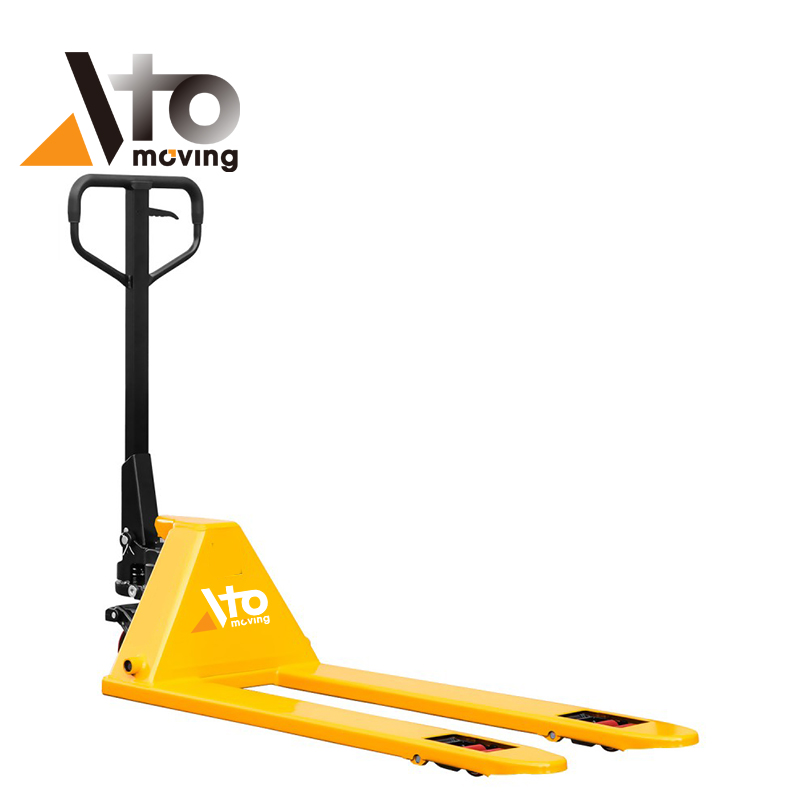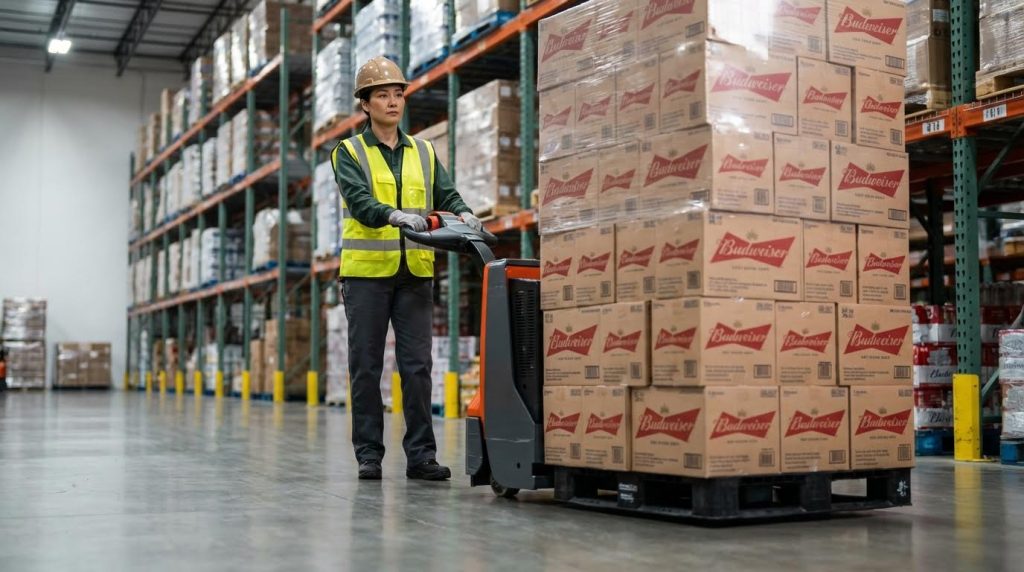
OSHA classifies only powered pallet jacks as powered industrial trucks; manual pallet jacks are not. This article explains exactly when a pallet jack becomes a “powered industrial truck,” what that triggers under 29 CFR 1910.178, and how to stay compliant in real facilities.
If you are asking “is a pallet jack a powered industrial truck,” the answer depends on its power source and function. We will break down OSHA definitions, training and inspection rules, and how to choose and maintain the right pallet jack for safe, efficient material handling.
How OSHA Classifies Pallet Jacks Under 29 CFR 1910.178
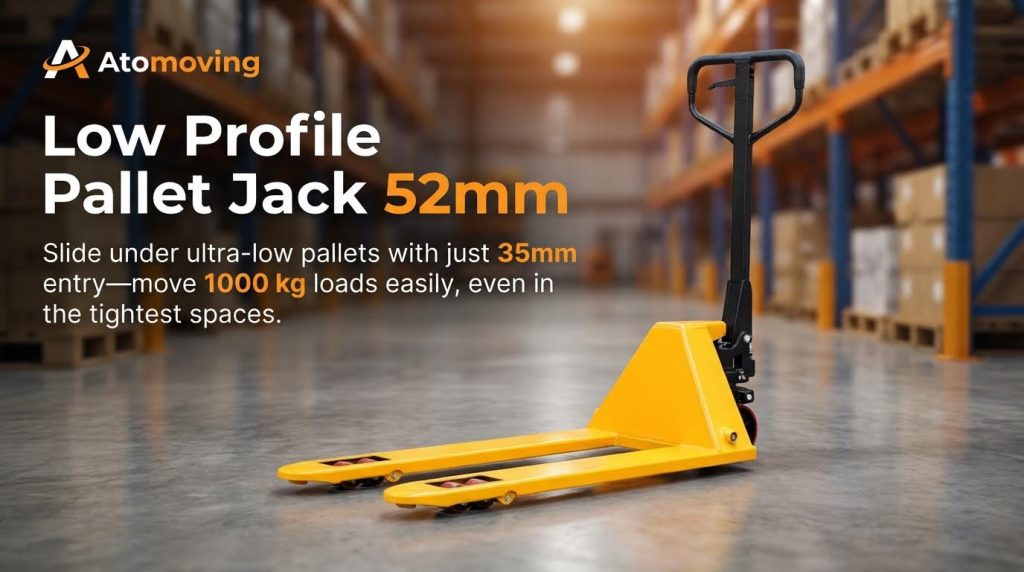
OSHA classifies only powered pallet jacks as powered industrial trucks under 29 CFR 1910.178, while purely manual pallet jacks fall outside this PIT standard but still require basic safety training. This distinction drives your training, documentation, and inspection obligations.
If you are asking “is a pallet jack a powered industrial truck,” OSHA’s answer depends on whether it has its own power source for travel or lifting. Electric pallet jacks are PITs; hand pallet trucks are not.
| Equipment Type | Power Source | OSHA PIT Status (1910.178) | Typical Use Case | Operational Impact |
|---|---|---|---|---|
| Manual pallet jack | Human push / pump | Not a powered industrial truck | Short moves, light–medium loads | No PIT certification, but still needs site-specific training |
| Electric walkie pallet jack | Onboard electric motor | Powered industrial truck (Class III) | Dock work, 10–40 m runs, heavier pallets | Full PIT training, inspections, and documentation required |
| Electric walkie-rider pallet jack | Onboard electric motor, rider platform | Powered industrial truck (Class III) | Longer horizontal runs, high-throughput docks | Higher speed and kinetic energy, stricter traffic controls |
💡 Field Engineer’s Note: In mixed fleets, label powered units clearly at eye level as “Powered Industrial Truck – Training Required.” This prevents supervisors from informally assigning powered jacks to unqualified staff during peak shifts.
OSHA definition of a powered industrial truck
Under OSHA, a powered industrial truck is any mobile, power-driven vehicle used to move or lift materials, which explicitly includes electric pallet jacks. This legal definition is what turns many pallet jacks into PITs.
OSHA’s 29 CFR 1910.178 defines a powered industrial truck as a mobile, power-driven vehicle used to carry, push, pull, lift, stack, or tier material. Electric pallet jacks meet this definition and are treated as powered industrial trucks under the standard because they use onboard power to move loads.
- Mobile, power-driven vehicle: Uses an electric drive motor and battery – clearly not “manual-only” handling.
- Used to carry/push/pull/lift: Designed to move palletized loads on forks – same functional envelope as low-lift trucks.
- Covered by 1910.178: Falls under PIT rules for training, inspections, and operation – comparable obligations to forklifts.
Why the legal definition matters in practice
Once a pallet jack meets OSHA’s powered industrial truck definition, you must implement PIT operator training, evaluations, written records, and pre-use inspections. Failing to do so risks both incidents and citations during audits.
Manual vs. electric pallet jacks under OSHA
OSHA treats manual pallet jacks as non-powered equipment outside the PIT rule, while electric pallet jacks are powered industrial trucks that require full OSHA-compliant certification and controls.
Manual pallet jacks rely entirely on human force for travel and lifting, so OSHA does not classify them as powered industrial trucks and does not require PIT certification for their operators under 29 CFR 1910.178. However, electric pallet jacks use an onboard power source for movement or lifting and are explicitly treated as PITs, triggering the full training and evaluation requirements.
| Feature | Manual Pallet Jack | Electric Pallet Jack | Operational Impact |
|---|---|---|---|
| Power for travel / lift | Human effort only | Electric motor and hydraulics | Electric can move heavier loads over longer distances with less fatigue |
| OSHA PIT classification | Not a PIT | PIT under 29 CFR 1910.178 | Electric units require PIT program; manuals fall under general safety training |
| Certification requirement | No PIT certification required | Certification required before independent use | Extra admin and training time for powered units |
| Typical load range | Lower to medium, limited by human force | Higher, often up to about 2,300 kg in larger facilities | Electric units introduce higher kinetic energy and crush risk |
| Primary risks | Ergonomic strain, foot injuries | Struck-by, caught-between, higher-speed collisions | Electric units demand tighter traffic rules and supervision |
- Manual jack use: Still needs training on pushing vs. pulling, floor hazards, and load stability – reduces musculoskeletal injuries.
- Electric jack use: Requires formal instruction, practical training, and evaluation – aligns with PIT standard 1910.178.
- Age limits: Workers under 18 may use manual jacks but not powered industrial trucks – critical for staffing and HR compliance.
💡 Field Engineer’s Note: In audits, the fastest way inspectors spot noncompliance is seeing young workers or unbadged temps on electric pallet jacks. Keep a simple “Manual Only” rule for anyone not PIT-certified or under 18.
Class III truck classification for electric pallet jacks
OSHA places electric pallet jacks in the Class III powered industrial truck category, which covers electric pallet trucks and walkie-riders used for low-lift, horizontal transport of palletized loads.
Under 29 CFR 1910.178, electric pallet jacks are classified as Class III powered industrial trucks, a group that includes electric pallet trucks and walkie-riders designed for horizontal movement with low-lift forks rather than high stacking. As Class III trucks, they must meet the same core requirements as other PIT types: operator training, evaluation, documentation, and safe operating procedures.
| OSHA PIT Class | Typical Equipment | Lift / Travel Characteristics | Where Electric Pallet Jacks Fit | Best For… |
|---|---|---|---|---|
| Class I | Electric rider forklifts | High lift, counterbalanced | Not applicable | Racking up to several meters high |
| Class II | Electric narrow-aisle trucks | High lift, very tight aisles | Not applicable | Dense storage, narrow aisles |
| Class III | Electric pallet jacks, walkie-riders | Low-lift, horizontal transport | Electric pallet jacks are here | Dock work, staging, truck loading |
- Low-lift design: Forks raise loads just enough to clear the floor, typically 75–200 mm – optimized for horizontal moves, not stacking.
- Walk-behind or ride-on: Operator walks with the truck or stands on a platform – affects speed, stopping distance, and visibility.
- Same core PIT rules: Training, evaluations, and written records match other classes – no “lightweight” exemption just because they are low-lift.
What Class III status means for your safety program
Class III status means electric pallet jacks must be included in your powered industrial truck policy, operator roster, and training matrix. Pre-use inspections, maintenance scheduling, and incident investigations should treat them on par with forklifts, not as “just pallet jacks.”
💡 Field Engineer’s Note: Many facilities only badge forklift operators but forget to badge electric pallet jack operators. For OSHA, a Class III walkie that carries 1,500–2,300 kg at 5–6 km/h is every bit as regulated as a sit-down forklift.
Technical And Safety Requirements For Electric Pallet Jacks
Electric pallet jacks are treated as powered industrial trucks, so OSHA-level training, inspections, and load/speed controls are mandatory to manage their higher kinetic energy and crush risks. This section translates those rules into practical, day-to-day controls.
If you are asking “is a pallet jack a powered industrial truck,” the critical distinction is simple: manual pallet jacks are not, and that drives everything from operator age limits to inspection depth and documentation. Electric units therefore fall squarely under OSHA 29 CFR 1910.178 requirements for powered industrial trucks. OSHA’s definition of a powered industrial truck explicitly covers electric pallet jacks as mobile, power-driven vehicles used to move and lift loads.
💡 Field Engineer’s Note: Treat electric pallet jacks like “low-level forklifts,” not like heavy manual trucks. The moment you add a motor and battery, stopping distance, crush risk, and documentation expectations jump sharply—especially in tight 2.4–3.0 m warehouse aisles.
Operator training, age limits, and recertification
Electric pallet jack operators must be at least 18 years old and complete PIT-style training, evaluation, and 3‑year recertification because OSHA classifies them as powered industrial trucks.
OSHA requires a three-part training structure for powered pallet jacks: formal instruction, practical (hands‑on) training, and an employer-led performance evaluation on the actual equipment and in the real workplace conditions. Training content must cover controls, braking, turning radius, load handling, and emergency procedures.
- Powered vs. manual: Only powered pallet jacks require OSHA PIT certification – manual pallet jacks still need site-specific safety training but no formal PIT card.
- Minimum age 18: Workers under 18 may not operate powered pallet jacks – this aligns with child labor rules for powered industrial trucks.
- Formal instruction: Classroom or online modules (often ~2 hours) cover regulations, hazards, and safe procedures – creates a baseline understanding before hands-on work.
- Hands-on training: A qualified trainer demonstrates controls, inspections, maneuvering, and shutdown on the exact models used – reduces surprises when operators encounter different tiller heads or braking responses.
- Employer evaluation: The employer must observe and document performance on site – this is what actually makes someone “certified” for that facility and truck type.
- 3‑year reevaluation: Operators must be reevaluated at least every three years – prevents skills decay and captures changes in layout or processes.
- Refresher triggers: Required after an accident, near miss, unsafe driving, failed evaluation, new truck type, or major workplace changes – ties extra training to real risk signals.
Typical online powered pallet jack courses require passing quiz scores of about 80% and a final exam around 70% before the employer does the on‑truck assessment. OSHA 1910.178 makes the employer—not the course provider—ultimately responsible for that final evaluation.
How “is a pallet jack a powered industrial truck” changes your training plan
If you only run manual pallet jacks, you still train on pushing vs. pulling, slopes, and housekeeping, but you do not need PIT certification or 3‑year evaluations. The moment you introduce an electric pallet jack, you must implement a full PIT program: age control (18+), written training records, evaluations, and refresher rules.
Pre-use inspections and shift-based safety checks
Electric pallet jacks must be inspected at least daily or at the start of each shift, with any unsafe condition tagged out until repaired, because they are powered industrial trucks under OSHA.
OSHA expects powered pallet jacks to follow the same “daily or per-shift” inspection logic as other PITs. Guidance for electric pallet jacks calls out controls, brakes, forks, wheels, and battery condition as key inspection points, and other safety resources add hydraulics, leaks, and floor conditions.
| Inspection Item | What to Check | Typical Frequency | Operational Impact |
|---|---|---|---|
| Forks | Cracks, bends, misalignment, damaged tips | Start of each shift | Prevents fork failure under 1,500–2,300 kg loads and reduces dropped pallets. |
| Wheels & rollers | Flat spots, chunking, seized bearings | Start of each shift | Improves steering in 2.5–3.0 m aisles and reduces shock loads into the frame. |
| Hydraulics | Oil leaks, jerky lifting, abnormal noises | Start of each shift | Maintains smooth 100–200 mm lift range and avoids sudden drops. |
| Controls & brakes | Deadman switch, horn, travel, lift/lower, emergency reverse | Start of each shift | Ensures predictable stopping distance and crush protection near racking. |
| Battery & cables | Charge level, connectors, exposed wires, electrolyte levels (if applicable) | Start of each shift + during charging | Prevents mid‑shift shutdowns and arcing in charging areas. |
| Warning labels & nameplate | Legible capacity, safety decals, inspection tags | Weekly visual check | Lets operators verify load weight vs. capacity at a glance. |
| Environment / floor | Debris, wet spots, ice, ramps, dock gaps | Pre‑use walk‑through | Reduces slip, trip, and tip risks on 1–2% grades and at dock plates. |
- Tag out on defects: Any serious defect means “out of service” until fixed – running a cracked fork or leaking hydraulics under load is a direct tip/drop hazard.
- Standardized checklists: Use paper or digital forms for every shift – creates traceability and makes OSHA audits easier.
- Shift logic: In 24/7 sites, every operator starting a shift must confirm the truck’s condition – assumes damage can happen mid‑day, not just overnight.
- Battery and charger: Check cables, connectors, and charger indicators before use – avoids arcing and overheating in charging areas.
Pre‑use checks should also include verifying that the nameplate is present and legible so operators can compare estimated pallet mass against rated capacity. Safety guidance stresses that any defect found during inspection is grounds to pull the unit from service until repaired.
💡 Field Engineer’s Note: In cold storage (<0°C), hydraulic oil thickens and seals stiffen. Expect slower lift, more pump noise, and occasional “stiction” at full height. If operators report jerky lift or partial lowering, treat it as a defect and get maintenance involved—don’t let them “work around it” with extra throttle or manual shoving.
Battery charging and area safety essentials
Charging zones must have ventilation, spill control, and fire protection, with no smoking or open flames. Batteries should be secured during charging, and metallic tools kept away from exposed terminals to prevent short circuits. OSHA-aligned training also highlights hydrogen gas from flooded lead‑acid batteries, making ventilation critical.
Load rating, stability, and speed control parameters
Electric pallet jacks must operate within their rated load, maintain stable, low‑height travel, and obey strict speed limits, because their higher kinetic energy greatly increases tip, crush, and strike hazards.
Electric pallet jacks frequently handle loads up to roughly 2,300 kg and run longer duty cycles than manual units, so small mistakes in loading or speed quickly turn into serious incidents. Stability guidance emphasizes staying within the nameplate capacity, centering the load on the forks, and stacking with heavier pallets low and lighter pallets higher to reduce tipping.
| Control Parameter | Typical Practice / Range | Engineering Rationale | Best For… |
|---|---|---|---|
| Rated load | Up to ~2,300 kg (per nameplate) | Frame, axles, and hydraulics are designed for this max plus safety factor. | Ensuring the truck can stop and turn safely with full pallets. |
| Load position | Centered between forks, fully on pallet deck | Minimizes offset moments and keeps center of gravity inside wheelbase. | Preventing nose‑down tipping and pallet breakage. |
| Fork travel height | About 20–50 mm above floor while traveling | Clears minor floor defects while keeping CG low. | Moving through docks and aisles with uneven joints. |
| Stacking pattern | Heavier loads on lower tiers, lighter above | Lowers combined CG and reduces sway. | Building 1.4–1.8 m high pallet stacks without instability. |
| Speed – tight areas | ≈2.5 km/h in congested zones | Reduces stopping distance and pedestrian impact energy. | Cross-docks, pick tunnels, and blind corners. |
| Speed – open areas | Up to ≈6 km/h in clear aisles | Balances throughput with control on long runs. | Long warehouse aisles and staging lanes. |
| Traffic controls | Horn at intersections, floor markings, one‑way aisles | Improves visibility and reduces conflict points. | Mixed pedestrian/vehicle environments. |
- Nameplate discipline: Never exceed the rated capacity on the truck’s data plate – overloading compromises structural and braking safety margins.
- Load center awareness: Long or uneven loads can exceed safe load center even below rated weight – operators must consider geometry, not just kg.
- Speed zoning: Program lower speeds in high‑risk areas if your controls allow – automatic speed reduction is more reliable than relying on “be careful.”
- Pedestrian priority: Mark walkways and require yielding to pedestrians – electric jacks are quiet and can surprise people stepping out of aisles.
- Parking rules: Fully lower forks, neutralize controls, and avoid blocking exits or fire equipment – prevents trip hazards and unintended movement.
Some facilities use automated speed control systems that dynamically cap speed to about 2.5 km/h in tight, pedestrian-heavy zones and allow up to around 6 km/h in open areas. Speed and traffic guidance also stresses horn use at intersections and clear floor markings as low-cost controls.
💡 Field Engineer’s Note: The biggest missed risk with electric pallet jacks is long, slightly sloped runs—like 1–2% grades over 20–30 m to a dock. The truck feels fine at the start, but kinetic energy builds and stopping distance balloons. If you have ramps, treat them as “slow zones” and consider physical speed bumps or automatic speed limiting.
Environmental and ergonomic considerations
Uneven floors, debris, and slippery areas dramatically affect stability and stopping distance. In cold rooms, ice and condensation reduce friction, so operators should keep forks low and reduce speed. Ergonomically, pushing is safer than pulling for manual units, and for powered jacks, good handle height and control layout reduce wrist and shoulder strain over long shifts. Ergonomic guidance also recommends avoiding torso twisting under load—move your feet, not just your back.
Equipment Selection, Power Options, And Maintenance Strategy
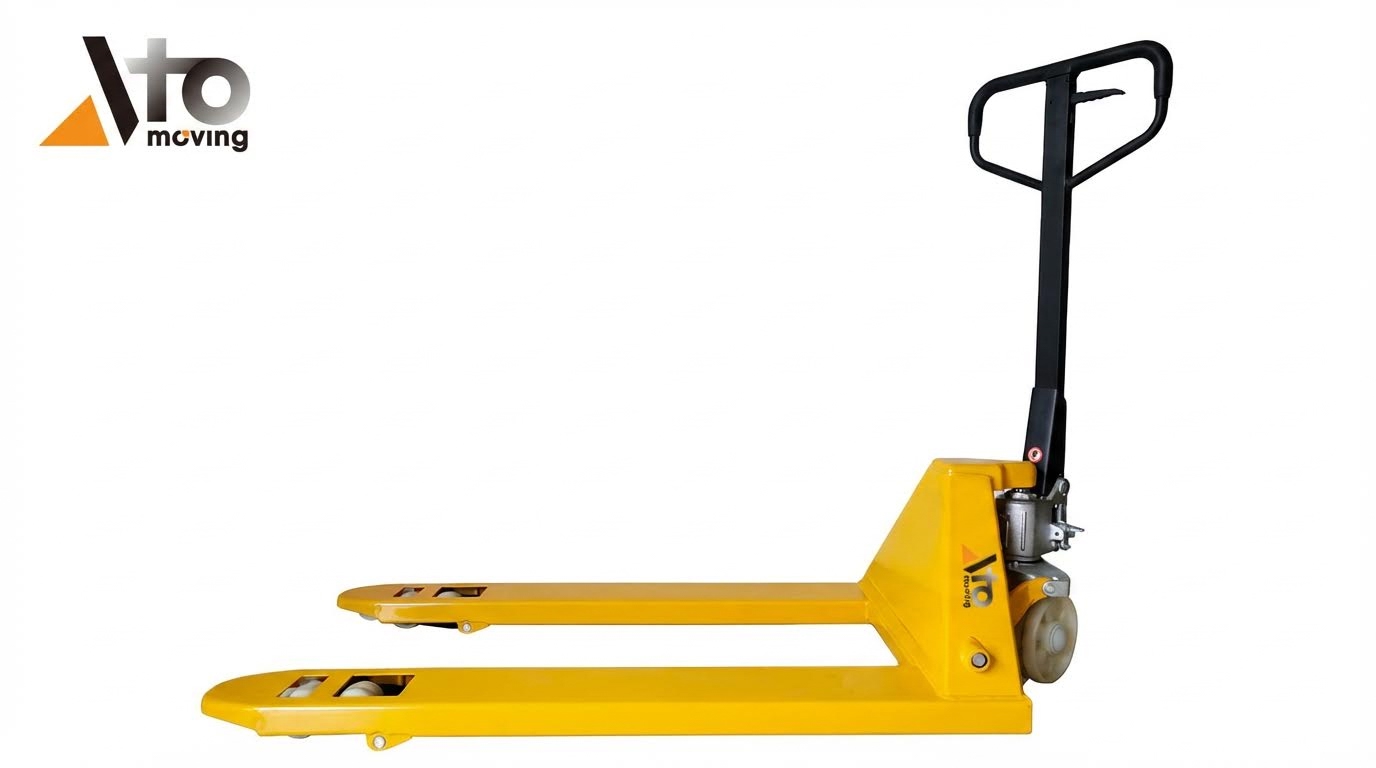
This section explains how to choose between manual pallet jacks and powered pallet jacks, select the right battery system, and build a maintenance strategy that minimizes downtime and total cost of ownership. It also reinforces when an electric pallet jack is a powered industrial truck under OSHA.
When to specify manual vs. powered pallet jacks
Manual pallet jacks suit short, light moves; powered pallet jacks suit heavier loads, longer runs, and higher utilization, and they are classified as powered industrial trucks under OSHA. Deciding correctly protects operators and reduces lifetime cost.
- Clarify OSHA status: Electric pallet jacks use onboard power for travel or lift – they are “powered industrial trucks” and trigger 29 CFR 1910.178 training and certification duties. OSHA pallet jack FAQ
- Differentiate manual units: Manual pallet jacks rely on human effort only – they are not powered industrial trucks and do not require PIT certification, though task training still matters. Classification guidance
- Use load and distance thresholds: Above roughly 1,000–1,500 kg loads or routine runs over 20–30 m – powered jacks reduce strain and injury risk compared with manual pushing.
- Match to throughput: High-volume docks and cross-docks with continuous shifts – benefit from powered units that handle up to about 2,300 kg with less fatigue and higher speed. Risk comparison
- Consider operator profile: Sites with many younger workers under 18 – may lean on manual jacks, because only adults can operate powered industrial trucks legally. OSHA PIT page
- Account for floor and slope: Uneven floors, ramps, or cold, slippery areas – favor powered units with controlled traction and braking rather than manual units that overload the operator. Floor condition guidance
- Use ergonomics as a gate: If pushing a manual jack regularly forces operators into twisting or high push forces – step up to powered jacks to reduce musculoskeletal injuries. Ergonomic tips
| Scenario | Recommended Jack Type | Typical Load & Distance | OSHA Classification Impact | Operational Impact |
|---|---|---|---|---|
| Occasional moves in small shops | Manual pallet jack | < 1,000 kg, < 15 m per move | Not a powered industrial truck | Low cost, minimal admin; rely on task training and good ergonomics. |
| High-volume dock operations | Electric pallet jack (walkie / rider) | Up to ~2,300 kg, frequent 30–80 m runs | Is a pallet jack a powered industrial truck? Yes, under OSHA Class III. | Higher throughput, requires PIT training, inspections, and battery care. |
| Retail backrooms with mixed staff ages | Mix of manual and a few electric units | Light to medium loads, short to medium runs | Manual: not PIT; Electric: PIT with 18+ operators only | Flexibility; must control who can operate powered units. |
| Cold storage / freezer applications | Electric pallet jack, cold-rated | Medium to heavy loads, longer travel | Powered industrial truck with added environmental risks | Improved safety and productivity on slippery floors; needs specific training. |
💡 Field Engineer’s Note: If you are still asking “is a pallet jack a powered industrial truck?” look at the energy source: once you add an onboard motor for lift or travel, you must treat it as a PIT and design the entire workflow—training, traffic routes, and charging—for that higher risk profile.
How to document your selection logic
Record why you chose manual or powered jacks in a simple risk assessment: note load ranges (kg), travel distances (m), operator demographics, floor conditions, and whether the equipment is a powered industrial truck under OSHA. This supports audits and future upgrades.
Battery technologies, charging safety, and duty cycles
Battery choice and charging rules determine how long powered pallet jacks can run per shift and how safely they operate. Getting this right avoids hydrogen hazards, dead trucks in aisles, and premature battery failure.
- Recognize charging-area hazards: Battery charging zones must have ventilation, spill control, and fire protection – to manage hydrogen gas, acid, and ignition risks. Charging safety guidance
- Control ignition sources: Prohibit smoking and open flames near charging – to avoid igniting hydrogen from flooded lead-acid batteries. Battery safety rules
- Secure batteries physically: Batteries must be restrained during charging – to prevent cable strain, connector damage, and electrolyte spills. Charging practices
- Follow maintenance routines: Lead-acid batteries need regular charging cycles and terminal checks – to avoid overheating and extend life. Battery maintenance tips
- Leverage opportunity charging: Lithium-ion packs tolerate frequent partial charges – ideal for multi-shift operations needing high availability. Charging strategies
| Battery Type | Key Characteristics | Charging Approach | Safety Focus | Operational Impact |
|---|---|---|---|---|
| Flooded lead-acid | Lower upfront cost; needs water top-up | Full charge cycles in dedicated area | Ventilation for hydrogen, spill control, PPE | Suited to single-shift or planned charging windows. |
| Sealed lead-acid / AGM | Less maintenance, limited venting | Similar to flooded but lower service load | Still avoid sparks; monitor temperature | Good for moderate duty where maintenance staff is limited. |
| Lithium-ion | Higher cost, fast and opportunity charging | Short top-up charges during breaks | Follow manufacturer BMS and charger rules | Maximizes uptime in multi-shift, high-throughput sites. |
Duty cycle planning in simple steps
1) Map average and peak daily run hours per truck. 2) Choose battery type that can deliver those hours with 20–30% reserve. 3) Schedule charging around breaks so trucks never block aisles mid-shift. 4) Train operators to report low battery early, not when they are already stranded.
💡 Field Engineer’s Note: In real warehouses, many “battery problems” are actually charging-discipline problems. A clear, posted charging schedule and color-coded battery state indicators often improve uptime more than upgrading the battery chemistry itself.
IoT monitoring, predictive maintenance, and TCO impact
IoT-enabled pallet jacks and structured maintenance cut unplanned downtime, extend component life, and reduce total cost per pallet moved. They also strengthen compliance for powered industrial trucks.
- Instrument critical components: IoT sensors can track wheel wear, hydraulic pressure, and battery health – to detect failures before they stop a truck. IoT benefits
- Automate maintenance triggers: Predictive programs use sensor data to schedule service – replacing reactive “run-to-failure” with planned downtime. Predictive maintenance
- Standardize pre-use checks: Digital checklists for PITs prompt operators to inspect forks, wheels, hydraulics, and controls every shift – supporting OSHA expectations for powered industrial trucks. Inspection practices
- Improve accountability: Automated logs tie impacts, overloads, and near-misses to user IDs – supporting targeted retraining instead of blanket rules. Compliance tracking
- Track TCO per pallet moved: Combining IoT data with maintenance and energy costs – shows whether powered pallet jacks are delivering the expected cost per tonne-kilometre.
| IoT / Maintenance Feature | What It Monitors | Primary Benefit | TCO Impact |
|---|---|---|---|
| Wheel and fork sensors | Wear, cracks, overload events | Prevent catastrophic fork or wheel failures | Reduces damage claims and emergency repairs. |
| Battery analytics | State of charge, temperature, cycles | Optimizes charging and extends battery life | Lowers energy cost and replacement frequency. |
| Usage and impact logging | Driving hours, shocks, speed | Targets unsafe behavior and misuse | Cuts collision damage and downtime. |
| Digital inspection checklists | Completion, defects found | Ensures daily PIT checks actually happen | Reduces OSHA risk and catches issues early. |
Basic maintenance framework for powered pallet jacks
For any pallet jack that is a powered industrial truck, build a layered program: 1) Operator pre-use inspections each shift. 2) Weekly lubrication and visible damage checks. 3) Monthly or quarterly technician service, including hydraulics and electricals. 4) Annual deep inspection aligned with OEM guidance. Log all work against the truck ID.
💡 Field Engineer’s Note: The cheapest pallet jack on paper often becomes the most expensive if you skip data and maintenance. A mid-range powered unit with IoT and a disciplined service plan usually beats low-cost trucks that fail in peak season and idle a dock for hours.
Key Compliance Takeaways For Pallet Jack Operations
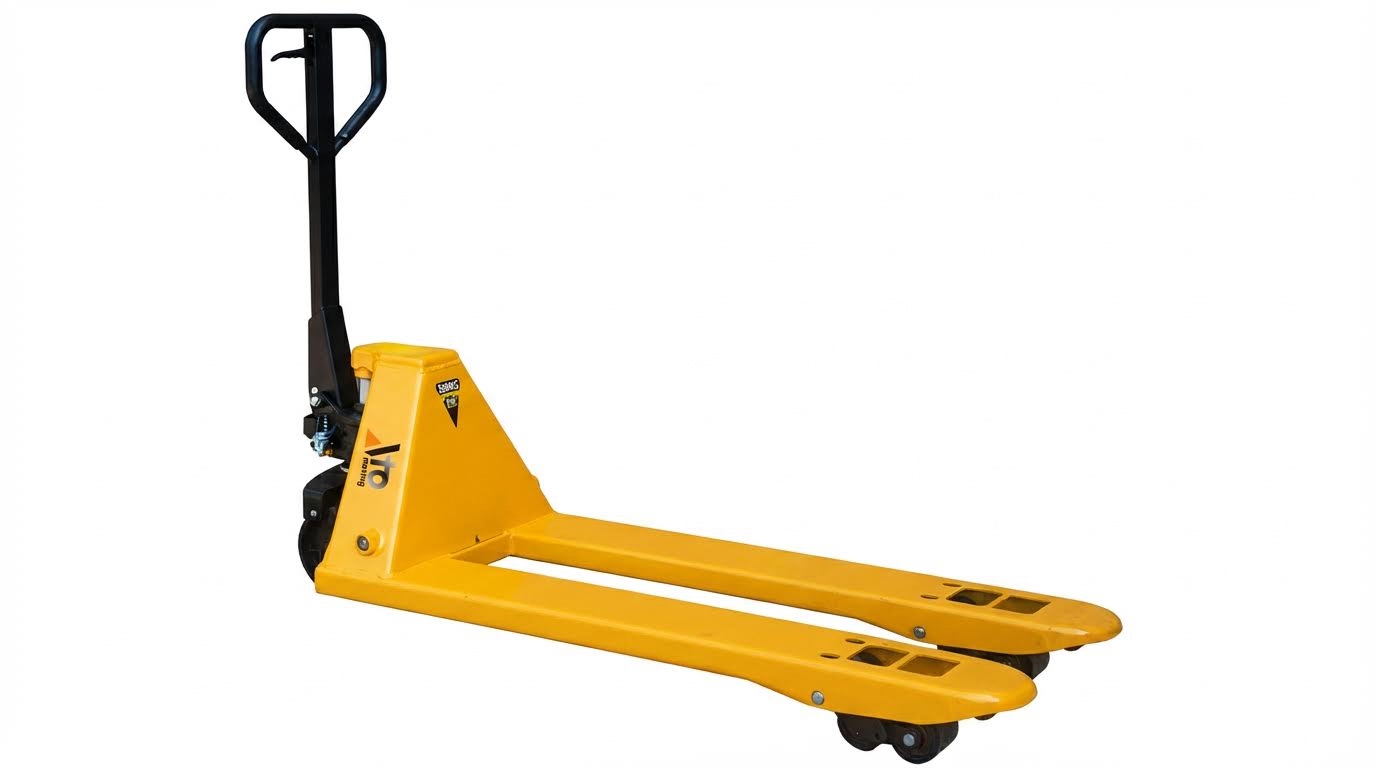
Key compliance takeaways are: only powered units are powered industrial trucks, training and inspections are mandatory, and safe loading, speed control, and battery practices are non‑negotiable for OSHA-compliant pallet jack operations.
- Know the classification: Only powered pallet jacks are PITs – Clarifies “is a pallet jack a powered industrial truck” for your policy and training scope.
- Separate rules for manual vs. electric: Manual jacks are not PITs; electric jacks are Class III PITs – Prevents over- or under-training different user groups.
- Certification is PIT-only: Certification applies to powered units, not manual – Avoids unnecessary courses while still meeting 29 CFR 1910.178.
- Age limits matter: Only workers ≥18 years may operate powered jacks – Keeps you aligned with OSHA and child labor rules.
- Training is a three-part process: Formal theory, hands-on practice, and evaluation are all required – Reduces kinetic energy risks from 2,000+ kg loads.
- Reevaluate at least every three years: Trigger refreshers after incidents or major changes – Keeps skills and documentation current.
- Daily or per-shift inspections: Check forks, wheels, controls, and batteries before use – Catches cracks, leaks, and brake faults before they injure someone.
- Tag out unsafe equipment: Remove defective pallet jacks from service until repaired – Prevents “just one more run” accidents.
- Respect the nameplate: Never exceed rated capacity or load center – Maintains stability and avoids tip-overs.
- Build stable loads: Center weight, avoid overhang, heavier pallets low – Improves control and braking distance in tight aisles.
- Control speed by zone: Slow in pedestrian areas, faster only in clear lanes – Cuts strike and crush incidents at intersections and docks.
- Define traffic rules: Right-of-way, horn use, and floor markings – Standardizes behavior across shifts and temp staff.
- Battery charging is a controlled area: Ventilation, no flames, spill kits in place – Reduces fire and explosion risk from charging operations.
- Maintain batteries correctly: Follow charging and inspection routines – Prevents breakdowns and sudden power loss under load.
- Match equipment to task: Use powered jacks for long runs and heavy pallets – Improves throughput and reduces musculoskeletal injuries.
- Ergonomics still count: Push manual jacks, use neutral wrist posture on handles – Lowers strain injuries over thousands of cycles.
- Floor conditions are part of compliance: Keep routes clean, dry, and even – Improves traction and reduces tip, slip, and trip events.
- Document everything: Keep records of training, evaluations, and inspections – Demonstrates due diligence during audits or investigations.
- Use checklists and SOPs: Standardize inspections, driving rules, and parking – Makes safe operation the default, not the exception.
- Plan for technology: Consider IoT and speed-limiting features – Adds data-driven control over high-risk pallet jack operations.
💡 Field Engineer’s Note: In most incident reviews I’ve seen, the root cause was not “is a pallet jack a powered industrial truck” on paper, but missing basics: no pre-shift check, no clear speed rules, or an uncertified operator on a powered unit.
Key Compliance Takeaways For Pallet Jack Operations
OSHA classification, engineering limits, and daily discipline all work together to keep pallet jack operations safe and efficient. Once a pallet jack has onboard power, it becomes a powered industrial truck, so leadership must treat it like a low‑level forklift, not an upgraded manual cart. That means only trained adults operate it, every shift starts with a documented inspection, and no one exceeds the nameplate rating or safe load center.
Geometry and physics drive the real risk. Heavy pallets, long loads, tight aisles, and slight slopes quickly increase kinetic energy and stopping distance. You control that risk by keeping forks low in travel, centering loads, zoning speeds, and giving pedestrians clear right‑of‑way. Battery choice and charging rules then decide whether powered units stay safe and available through full shifts.
The most effective programs align equipment selection, training, inspections, and maintenance into one PIT framework. Use manual jacks for short, lighter moves and powered Class III units where loads, distances, or duty cycles justify the higher energy. Back this with IoT monitoring and structured service. Facilities that follow these practices with Atomoving pallet jacks cut injuries, avoid citations, and lower total cost per pallet moved.
Frequently Asked Questions
Is a pallet jack considered a powered industrial truck?
Yes, according to OSHA, electric pallet jacks are classified as powered industrial trucks, placing them in the same category as forklifts. This classification means they require similar certification and training under OSHA regulation 29 CFR 1910.178. Pallet Jack Certification Guide.
What is included in the term “powered industrial truck”?
Powered industrial trucks (PITs) include forklifts, tractors, platform lift trucks, motorized hand trucks, and other specialized industrial trucks powered by electric motors or internal combustion engines. However, this term excludes compressed air or nonflammable compressed gas-operated trucks and farm vehicles. Powered Industrial Truck Definition.