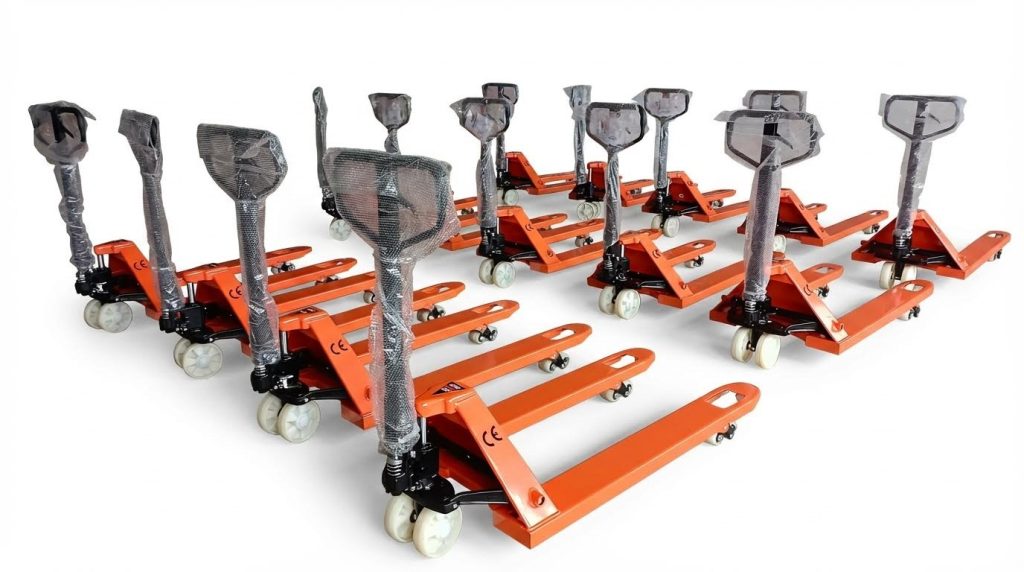
Pallet jacks are vital tools in industrial and warehouse settings, enabling efficient material handling. This guide covers essential topics from operational principles to maintenance, safety training, and emerging trends. Engineers and plant managers will find detailed insights to optimize pallet jack use, ensuring productivity and workplace safety.
The article is structured into four main sections: key operating principles, inspection and maintenance protocols, safety training requirements, and a summary of best practices with future trends. Each section provides technical guidance tailored for professional application in demanding environments.
Key Principles for Operating Manual and Electric Pallet Jacks
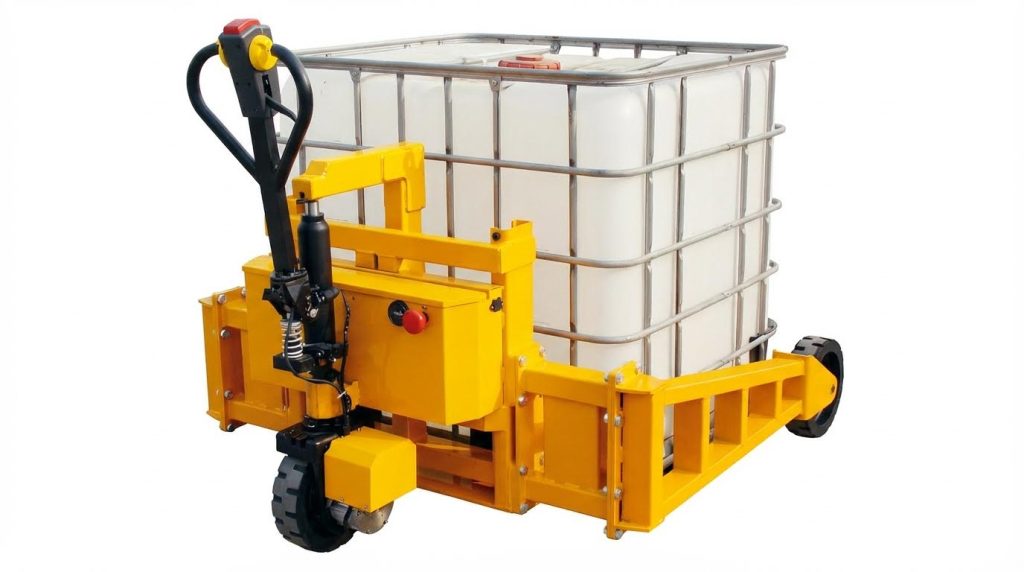
Understanding Pallet Jack Components and Controls
Pallet jacks consist primarily of forks, a hydraulic pump, wheels, and a handle with control levers. Manual pallet jacks use a lever-operated hydraulic system to lift loads, while electric models incorporate battery-powered motors for lifting and propulsion. Operators must familiarize themselves with the control layout, including the lift, lower, and drive functions, to ensure precise handling. Proper knowledge of these components enhances operational efficiency and reduces mechanical wear.
Correct Techniques for Lifting and Moving Loads
To lift a load, position the forks fully under the pallet and pump the handle to raise the load 2 to 3 inches off the ground. When moving, maintain a steady pace and avoid sudden starts or stops to prevent load shifts. Operators should keep the handle close to the body to optimize control and reduce fatigue. It is essential to verify the load does not exceed the pallet jack’s rated capacity, typically ranging from 2,000 to 5,000 kilograms.
Navigating Inclines, Tight Spaces, and Obstacles Safely
When ascending or descending ramps, operators should move slowly and maintain control, positioning the load uphill when moving on inclines. In tight spaces, use short, deliberate movements and ensure clear visibility around the pallet jack. Avoid obstacles by planning routes in advance and keeping the forks lowered during transit for stability. Proper navigation techniques minimize the risk of tipping and collisions.
Load Stability: Center of Gravity and Weight Distribution
Maintaining load stability requires understanding the center of gravity and even weight distribution on the pallet. Place heavier items at the bottom and toward the center to lower the center of gravity. Uneven loads increase the risk of tipping and damage to goods. Operators should inspect loads before lifting to confirm secure placement and use additional securing methods if necessary.
Inspection and Maintenance Protocols for Optimal Performance
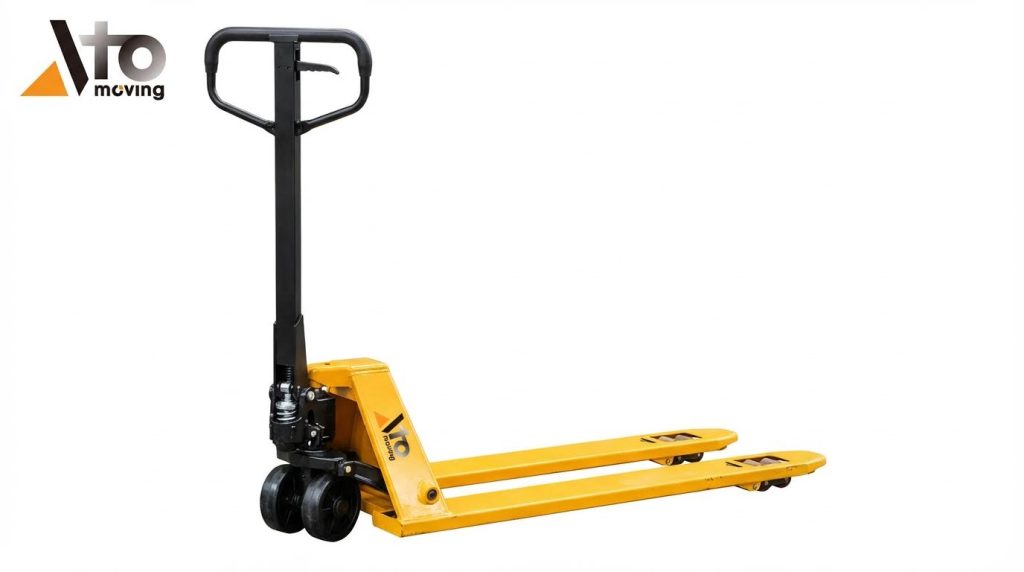
Daily and Weekly Visual and Functional Checks
Regular inspections are critical to ensure pallet jacks operate safely and efficiently. Daily visual checks should include examining the forks, wheels, and handle for visible damage or wear. Functional tests must verify smooth steering, lifting, and lowering operations without abnormal noises or resistance. Weekly comprehensive checks can identify developing issues early, reducing the risk of unexpected failures during use.
Hydraulic System Testing and Lubrication Practices
The hydraulic system requires routine testing to confirm proper pressure and leak-free operation. Operators should check for fluid levels and inspect seals for signs of wear or damage. Lubrication of moving parts, such as the pump piston and linkage joints, is essential to maintain smooth lifting and lowering functions. Using manufacturer-recommended lubricants and adhering to maintenance schedules prolongs hydraulic component lifespan.
Wheel, Fork, and Frame Condition Monitoring
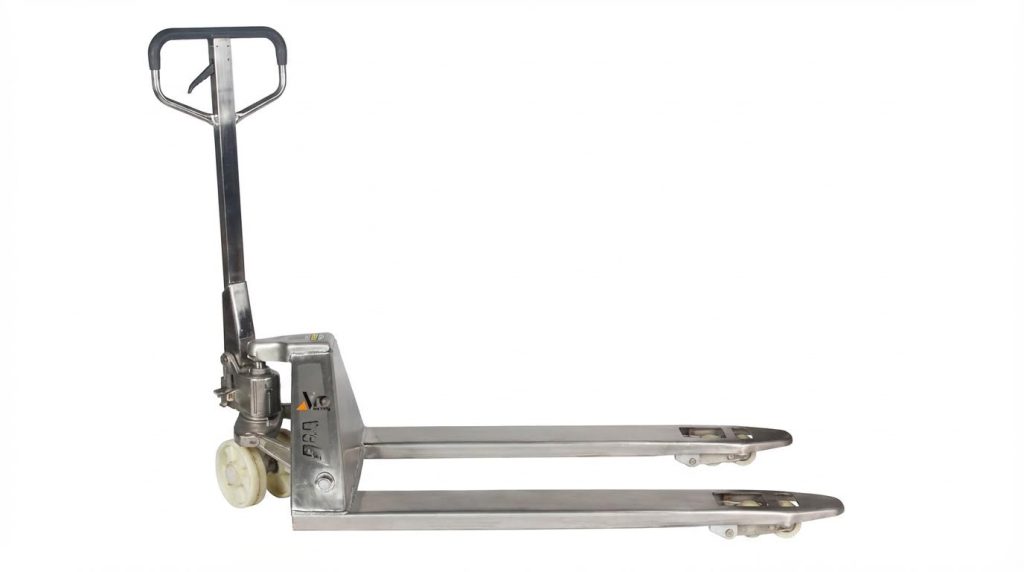
Wheels must be inspected for flat spots, cracks, or excessive wear that can impair maneuverability and load stability. Forks should be checked for bends, cracks, and surface corrosion that can compromise load handling. The frame requires examination for structural integrity, including weld quality and signs of deformation. Timely replacement of worn components prevents accidents and maintains operational reliability.
Scheduled Deep Cleaning and Rust Prevention Measures
Periodic deep cleaning removes dirt, grease, and debris that can accelerate wear or hide defects. Cleaning should include all moving parts and hydraulic components, using appropriate solvents and tools. Rust prevention involves applying protective coatings or rust inhibitors, especially in humid or corrosive environments. Maintaining a clean, rust-free pallet jack ensures consistent performance and extends service life.
Safety Training and Compliance for Operators
Essential Training Modules and Certification Requirements
Operators must complete structured training modules covering pallet jack mechanics, safe operation, and emergency procedures. Certification ensures operators understand load limits, control functions, and workplace hazards. Regulatory bodies often mandate periodic refresher courses to maintain compliance and operational proficiency.
Common Hazards and Preventative Handling Techniques
Typical hazards include tipping loads, collisions, and operator fatigue. Preventative measures involve adhering to load capacity, maintaining clear paths, and avoiding sudden movements. Operators should be trained to recognize unstable loads and to use controlled speeds to reduce accident risk.
Use of Personal Protective Equipment and Spotters
Personal protective equipment (PPE) such as steel-toed boots, gloves, and high-visibility vests is essential for operator safety. Spotters assist in congested or obstructed areas, improving visibility and communication. Their presence reduces blind spots and helps prevent accidents during complex maneuvers.
Best Practices for Operating in Dynamic Work Environments
Operators should continuously assess their surroundings for changing conditions like pedestrian traffic and equipment movement. Implementing standardized hand signals and communication protocols enhances coordination. Regular safety briefings and adherence to site-specific rules contribute to maintaining a safe operational environment.
Summary of Best Practices and Emerging Trends in Pallet Jack Use
Efficient pallet jack operation hinges on adherence to established best practices that ensure safety and prolong equipment lifespan. Regular inspections, operator training, and maintenance protocols remain critical for optimal performance. Emerging trends include integration of advanced sensor technologies to monitor load stability and automated safety features that reduce operator error.
Industry implications suggest a shift towards more intelligent pallet jacks equipped with IoT connectivity for real-time condition monitoring. This evolution supports predictive maintenance and enhances workplace safety by alerting operators to potential hazards early. Furthermore, ergonomic design improvements are increasingly prioritized to reduce operator fatigue and injury risk.
Practical implementation requires balancing investment in new technologies with training programs that update operator skills. Facilities must ensure compliance with safety standards while adapting to technological advancements. The transition to electric and semi-automated pallet jacks presents opportunities for efficiency gains but demands rigorous operator certification and ongoing safety audits.
Overall, the technology evolution in pallet jack use reflects a trend toward smarter, safer, and more efficient material handling solutions. Organizations that integrate these innovations while maintaining rigorous safety and maintenance protocols will achieve better operational outcomes and reduce workplace incidents.