Warehouse picking efficiency is critical for supply chain performance and cost control. This article explores engineering solutions and technologies that improve speed and accuracy in picking operations. We cover automation, workflow design, software integration, and summarize key strategies for optimized warehouse performance.
Advanced Automation Technologies for Faster Picking
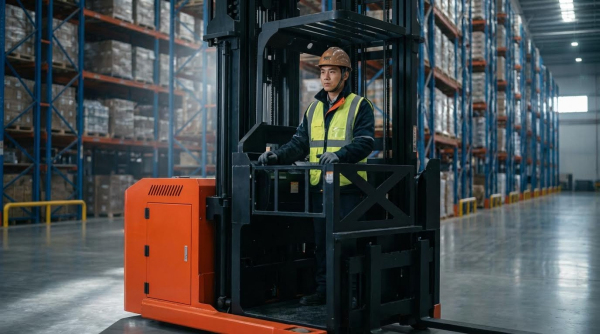
Robotic Goods-to-Person Systems and AI Integration
Robotic goods-to-person systems use automated shuttles and conveyors to deliver items directly to operators, minimizing walking time. Integration with AI algorithms enables dynamic task allocation and route optimization, enhancing throughput. These systems reduce picking errors by presenting items in ergonomic positions and verifying picks with vision systems.
Autonomous Mobile Robots (AMRs) in Pick Operations
AMRs navigate warehouse floors independently using lidar and SLAM technologies, transporting goods between storage and picking zones. Their flexibility allows seamless integration into existing workflows without fixed infrastructure. AMRs increase operational speed by continuously moving items, reducing idle time for human pickers.
Automated Depalletising and Palletising Technologies
Automated depalletising systems employ robotic arms and vision-guided grippers to unload goods from pallets with high precision. Palletising robots stack items efficiently, optimizing space and load stability. These technologies improve cycle times and reduce manual labor, particularly for repetitive or heavy tasks.
Incremental Automation Strategies for Scalable Upgrades
Incremental automation allows warehouses to adopt new technologies stepwise, aligning investments with operational growth. Modular systems enable gradual integration of robots, conveyors, and software controls. This approach mitigates risk and ensures compatibility with legacy equipment while steadily improving picking speed and accuracy.
Optimizing Picking Methods and Workflow Design
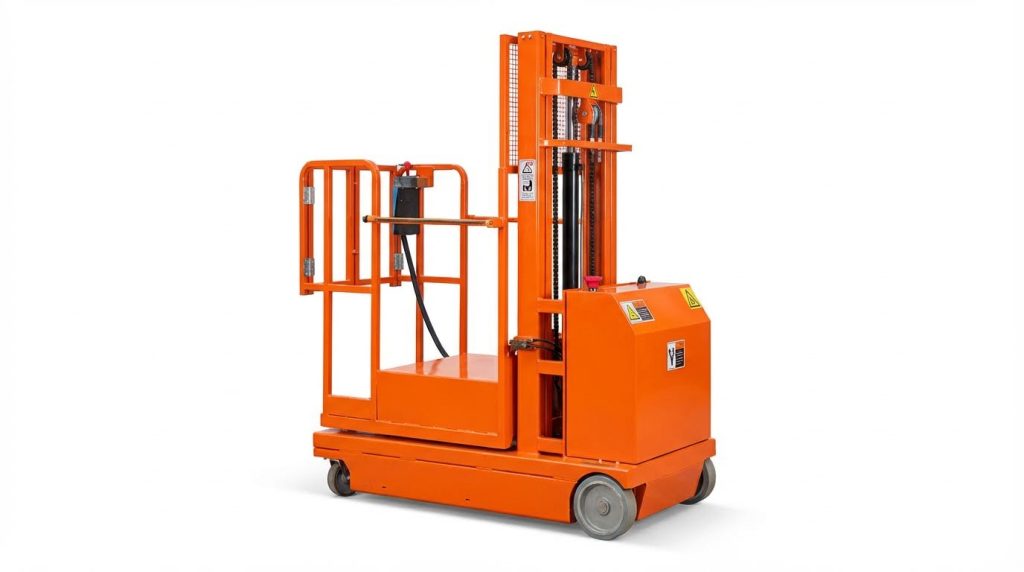
Batch, Zone, and Wave Picking Techniques Explained
Batch picking consolidates multiple orders into a single picking run, reducing travel time and increasing throughput. Zone picking assigns operators to specific warehouse areas, minimizing walking distances and improving specialization. Wave picking schedules order releases in waves, synchronizing picking with shipping schedules to optimize labor and equipment utilization. Each technique suits different order profiles and warehouse layouts, enabling tailored workflow improvements.
Pick-to-Light and Voice Picking Systems for Operator Efficiency
Pick-to-light systems use illuminated displays at pick locations to guide operators, significantly reducing errors and speeding up the picking process. Voice picking employs speech-directed technology, allowing hands-free operation and improving accuracy through real-time feedback. Both systems enhance operator productivity by minimizing cognitive load and streamlining task execution, especially in high-volume environments.
Customizable Workstations and Ergonomic Considerations
Ergonomically designed workstations reduce operator fatigue and injury risk by optimizing reach, posture, and movement. Adjustable shelving, anti-fatigue mats, and sit-stand options accommodate varied operator needs. Customization supports different picking methods and product types, enhancing comfort and efficiency. Ergonomic improvements have been shown to increase picking speed and accuracy while lowering absenteeism.
Data-Driven Workflow Optimization and Bottleneck Reduction
Data analytics identify workflow inefficiencies and bottlenecks by analyzing pick times, travel distances, and order patterns. Real-time monitoring enables dynamic task reassignment and resource allocation to balance workloads. Predictive analytics forecast demand fluctuations, supporting proactive staffing and inventory positioning. Implementing data-driven strategies results in measurable gains in throughput and reduced operational costs.
Software and Systems for Precision and Control
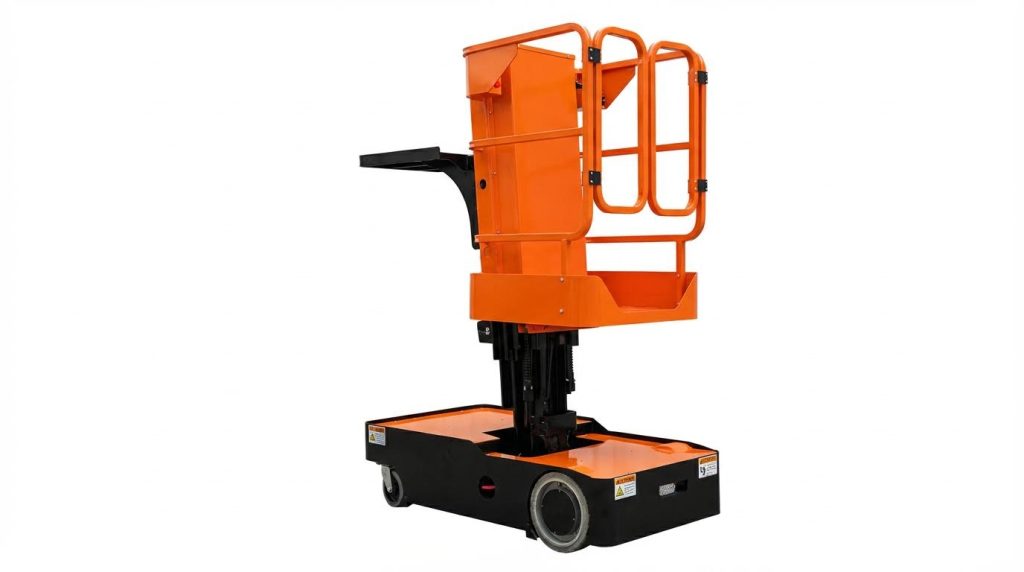
Warehouse Execution Systems (WES) and Integration with WMS/ERP
Warehouse Execution Systems (WES) coordinate real-time warehouse activities, bridging Warehouse Management Systems (WMS) and Enterprise Resource Planning (ERP) platforms. This integration streamlines order picking machines, inventory management, and labor allocation. WES enhances responsiveness by dynamically adjusting workflows based on current operational status, reducing delays and errors. The result is improved throughput and accuracy in picking operations.
Real-Time Monitoring, Analytics, and Predictive Maintenance
Real-time monitoring systems collect data from equipment and workflows, enabling immediate detection of performance issues. Advanced analytics process this data to identify trends and inefficiencies, supporting continuous improvement initiatives. Predictive maintenance leverages these insights to forecast equipment failures before they occur, minimizing downtime. Together, these technologies optimize operational reliability and maintain consistent picking speeds.
Automated Dimensioning, Scanning, and Labeling Technologies
Automated dimensioning systems measure package size and weight precisely, facilitating accurate order fulfillment and shipping. Integrated scanning technologies verify item identity and location, reducing mispicks and inventory discrepancies. Automated labeling applies correct shipping or inventory labels without manual intervention, accelerating processing times. These technologies ensure high accuracy and traceability throughout the picking process.
Fleet and Workflow Management Software for Robotic Systems
Fleet management software coordinates Autonomous Mobile Robots (AMRs) and other robotic assets, optimizing routes and task assignments. Workflow management platforms integrate robotic operations with human activities, ensuring seamless collaboration. These systems adapt to dynamic conditions, balancing workloads to prevent bottlenecks. The coordinated control of robotic fleets enhances operational efficiency and picking precision.
Summary of Key Strategies to Improve Picking Performance
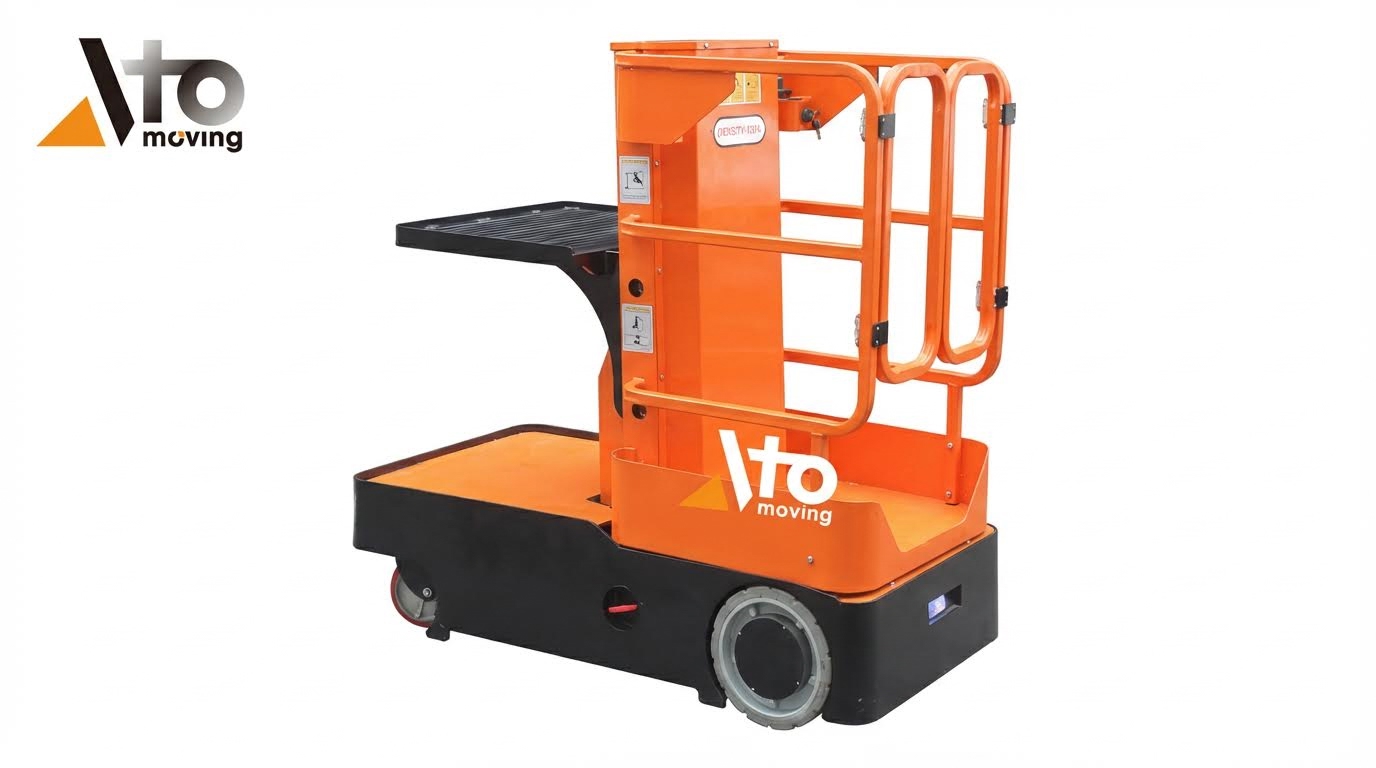
Enhancing warehouse picking speed and accuracy requires a multifaceted approach combining advanced automation, optimized workflows, and integrated software systems. Automation technologies such as robotic goods-to-person systems and autonomous mobile robots have significantly increased throughput while reducing human error. Optimized picking methods, including batch and wave picking, supported by ergonomic workstations and real-time data analytics, further streamline operations.
Software solutions like Warehouse Execution Systems (WES) integrated with Warehouse Management Systems (WMS) and Enterprise Resource Planning (ERP) enable precise control and coordination. Real-time monitoring and predictive maintenance minimize downtime and maintain consistent performance levels. Automated dimensioning and scanning technologies ensure accuracy in order fulfillment, while fleet management software optimizes robotic system deployment.
Looking forward, the industry is moving toward scalable, incremental automation that allows phased implementation without disrupting existing processes. Future trends focus on greater AI integration for predictive analytics and adaptive workflows. Practical implementation requires balancing capital investment with operational benefits, ensuring compliance with safety and regulatory standards. This balanced approach supports sustainable improvements in warehouse efficiency and accuracy over time.