Warehouse picking safety and equipment operation best practices covered in this article addressed regulatory safety standards, safe use of order pickers and stackers, and the role of automation and maintenance in risk reduction. The full outline examined OSHA walking-working surface rules, hazard identification, PPE, signage, and emergency preparedness specific to picking areas.
Subsequent sections discussed operator training, licensing, job hazard analysis, pre-shift inspections, load control, fall protection, and traffic management, with detailed guidance for electric stackers. The article also explored cobots, goods-to-person and layer picker systems, WMS, pick-to-light, wearables, and structured maintenance programs with predictive and scheduled inspections. It concluded with a practical implementation roadmap for facilities to integrate these measures into a coherent, auditable safety management system.
Core Safety Standards For Warehouse Picking
OSHA Walking-Working Surfaces And Fall Risks
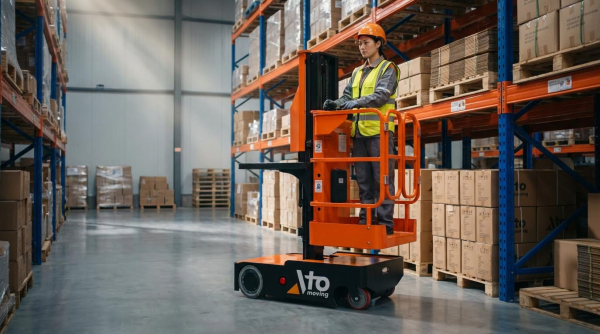
OSHA standards for walking-working surfaces required warehouses to keep aisles, floors, and platforms free of hazards. Facilities needed regular inspections to detect spills, uneven surfaces, loose debris, and damaged floor plates. In picking zones, fall risks increased near docks, mezzanines, and elevated pick modules. Guardrails, toe boards, and clearly marked edges reduced the probability of falls from height. Operators also followed speed limits and stopping distances when approaching dock plates or ramps. Documented corrective actions after each inspection supported regulatory compliance and reduced repeat hazards.
Hazard Identification For Picking And Storage Areas
Systematic hazard identification in picking and storage areas focused on task, environment, and equipment. Typical risks included slips from leaking packaging, trips on loose stretch wrap, and impacts with MHE in narrow aisles. Job hazard analyses broke down activities such as case picking, layer picking, and replenishment to identify pinch points, overhead obstructions, and unstable loads. Facilities used digital or paper checklists to log blocked emergency exits, poorly stacked pallets, and congested pick faces. Periodic walkthroughs with supervisors, operators, and safety representatives ensured that findings translated into engineering controls, procedural changes, or targeted training.
PPE, Signage, And Safety Meeting Requirements
Warehouse picking operations relied on baseline PPE such as safety shoes with toe protection, high-visibility vests, and hard hats where overhead loads existed. Eye protection and cut-resistant gloves were specified where carton cutting, strapping, or sharp packaging created laceration risks. Signage communicated speed limits, pedestrian walkways, truck routes, and restricted areas around charging stations and docks. OSHA-required programs, including hazard communication and PPE assessments, defined when respirators, hearing protection, or fall arrest systems were necessary. Regular safety meetings reinforced these requirements, reviewed recent near-misses, and refreshed topics like forklift right-of-way and manual handling techniques. Supervisors documented attendance and action items to demonstrate due diligence and continuous improvement.
Emergency And Fire Protection In Picking Zones
Emergency and fire protection in picking areas depended on a written emergency action plan aligned with OSHA rules. The plan specified evacuation routes, alarm types, assembly points, and roles for fire wardens and first responders inside the facility. Fire safety engineering included correctly rated extinguishers, automatic sprinklers, and clear access to hose reels and hydrants. Operators received training on when to attempt incipient-stage firefighting and when to evacuate immediately. High-risk locations such as battery charging areas had strict no-smoking rules, ventilation requirements, and designated PPE. Regular drills, inspection of alarms and extinguishers, and review of incident reports ensured that picking zones stayed prepared for fires, chemical releases, or medical emergencies.
Safe Operation Of Order Pickers And Stackers
Operator Training, Licensing, And Job Hazard Analysis
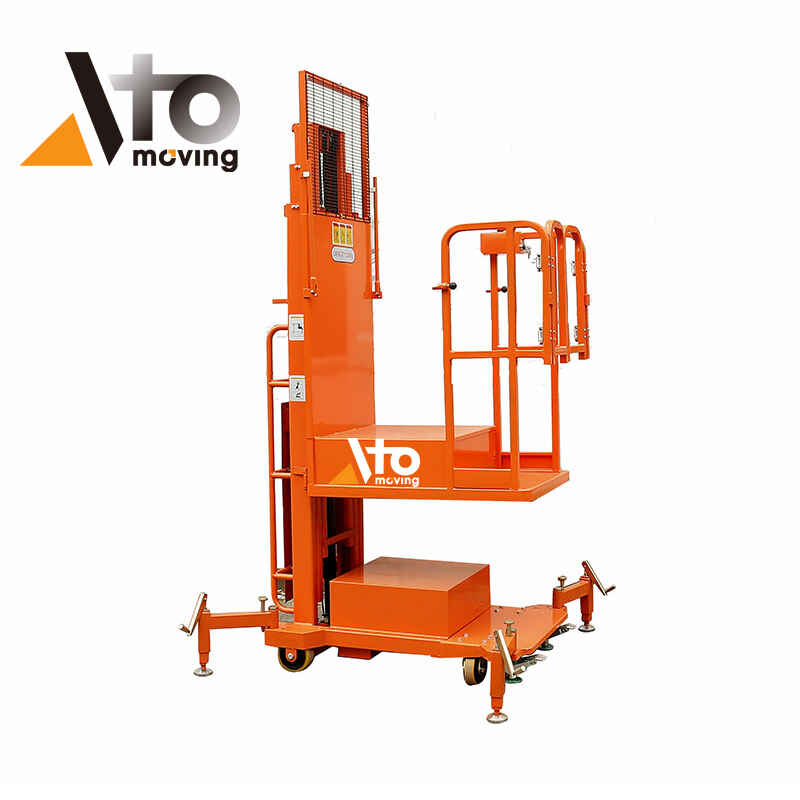
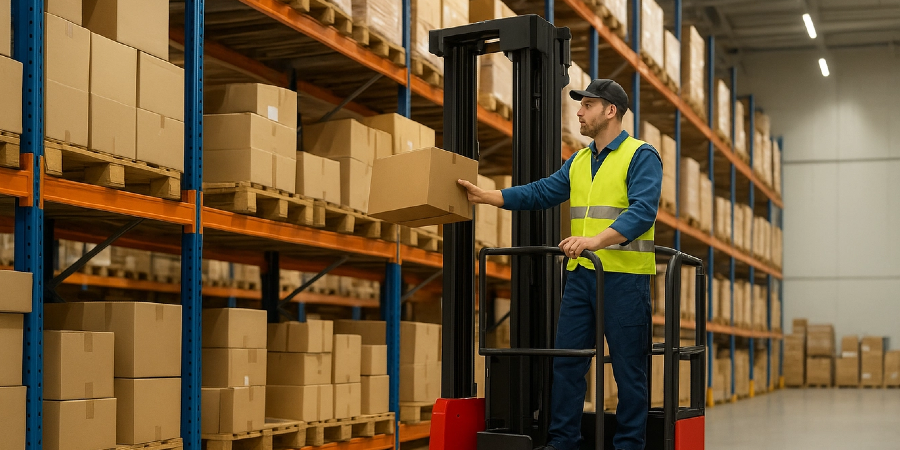
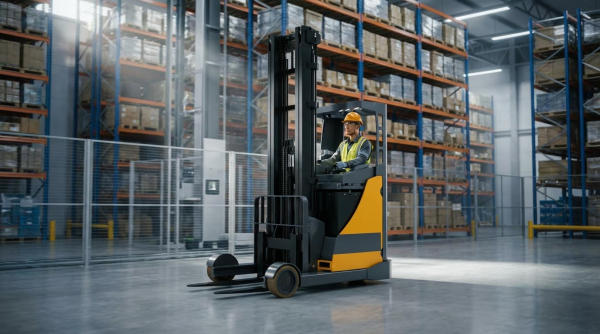
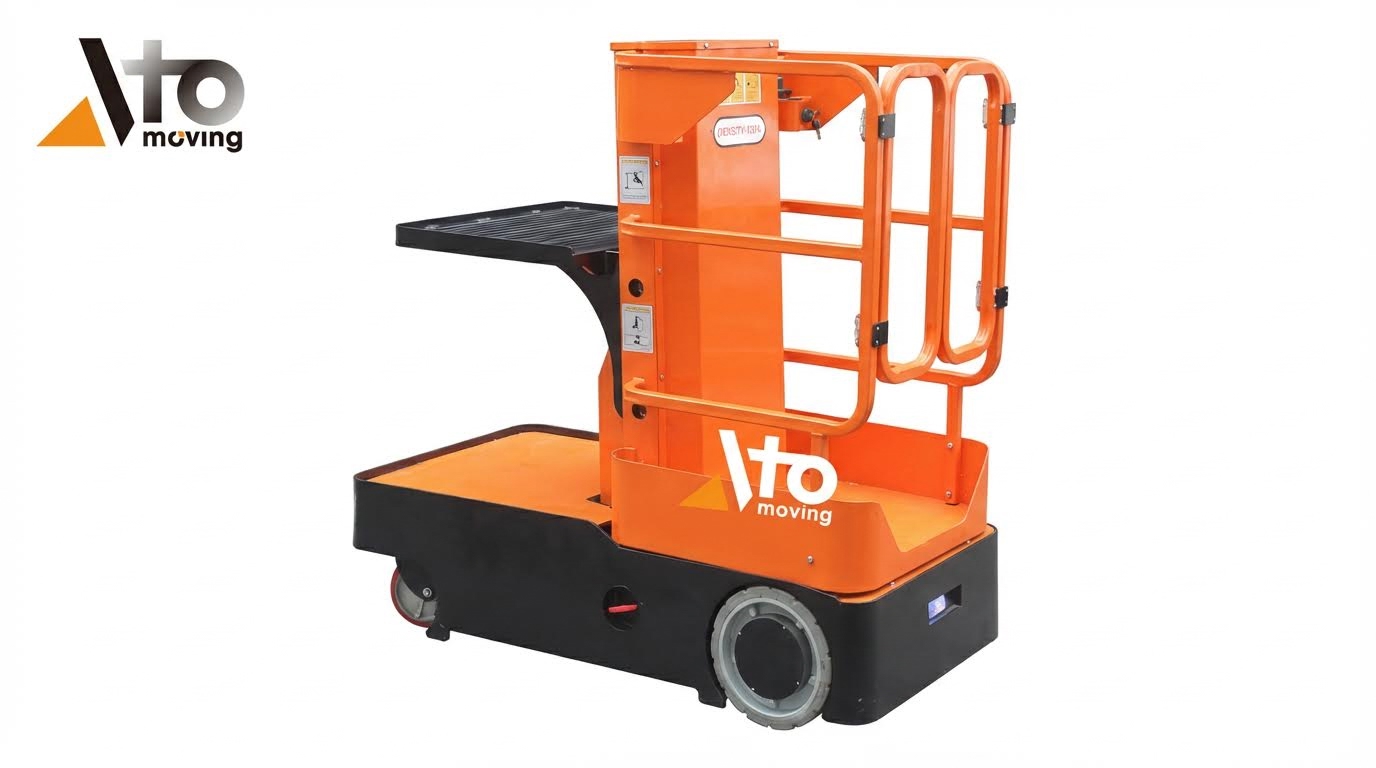
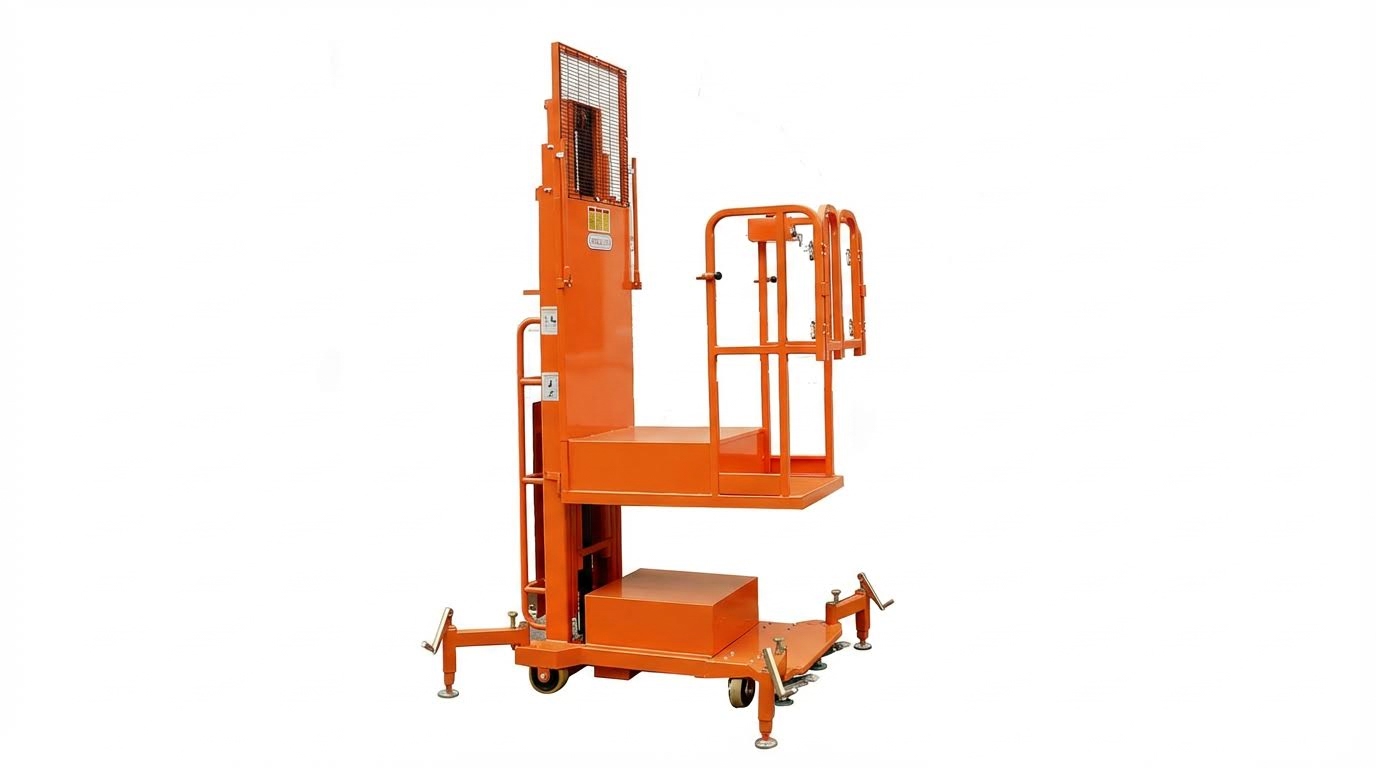
Order pickers and stackers operated in warehouses fell under OSHA’s powered industrial truck rules as of 2025. Order pickers belonged to Class II electric motor narrow aisle trucks, which required formal training, evaluation, and certification before solo use. Effective training covered control functions, stability principles, load handling, emergency procedures, and site-specific traffic rules. Programs also addressed safe stacking patterns, clearances near racking, and interaction with automated systems. A structured job hazard analysis (JHA) identified task-level risks such as maneuvering in congested aisles, working near docks, crossing ramps, and passing under overhead obstructions. The JHA output guided SOPs, speed limits, pedestrian routes, and required PPE, and it defined when spotters or additional controls were necessary. Refresher training followed incidents, near misses, or process changes, and employers documented all evaluations for regulatory compliance.
Pre-Shift Inspections And Load Capacity Control
Operators performed pre-shift inspections before using any order picker or stacker. They reviewed the logbook for previous defects, then checked structures, forks, guardrails, and platforms for cracks, deformation, or loose fasteners. Functional checks included steering, brakes, emergency stop, mast lift and lower, alarms, lights, and interlocks. Electric units required verification of battery charge, visible wiring, and hydraulic systems for leaks, with defects triggering immediate lockout and technician repair. Load capacity control relied on the manufacturer’s data plate, which stated rated capacity, load center, and allowable height. Operators considered the combined mass of load, operator, and tools, especially for order pickers with platforms. They avoided overloading, eccentric stacking, and unstable pallets, which increased tip-over risk. Loads were stacked evenly within pallet footprints, with shrink wrap or other restraints used when specified in site procedures.
Fall Protection And Traffic Management At Height
Order picker tasks introduced significant fall hazards because operators worked at elevation. Platforms incorporated guardrails, gates, and interlocks that prevented travel or elevation with gates open. Operators wore full-body harnesses with approved anchorage points when required by site rules or national regulations. Fall protection training covered inspection of harnesses, lanyards, and connectors, plus proper adjustment to avoid suspension trauma. Facilities implemented traffic management plans to separate pedestrians from powered equipment. Marked lanes, floor striping, mirrors at blind corners, and right-of-way rules reduced collision risk. Operators drove at reduced speed when elevated, maintained clear sightlines, and used horns near intersections and doorways. Supervisors enforced no-rider rules on order pickers and stackers and prohibited pedestrians from walking under raised loads or platforms. Mixed-traffic areas around docks and staging zones required extra vigilance, signage, and sometimes physical barriers.
Electric Stackers: Driving, Lifting, And Prohibited Actions
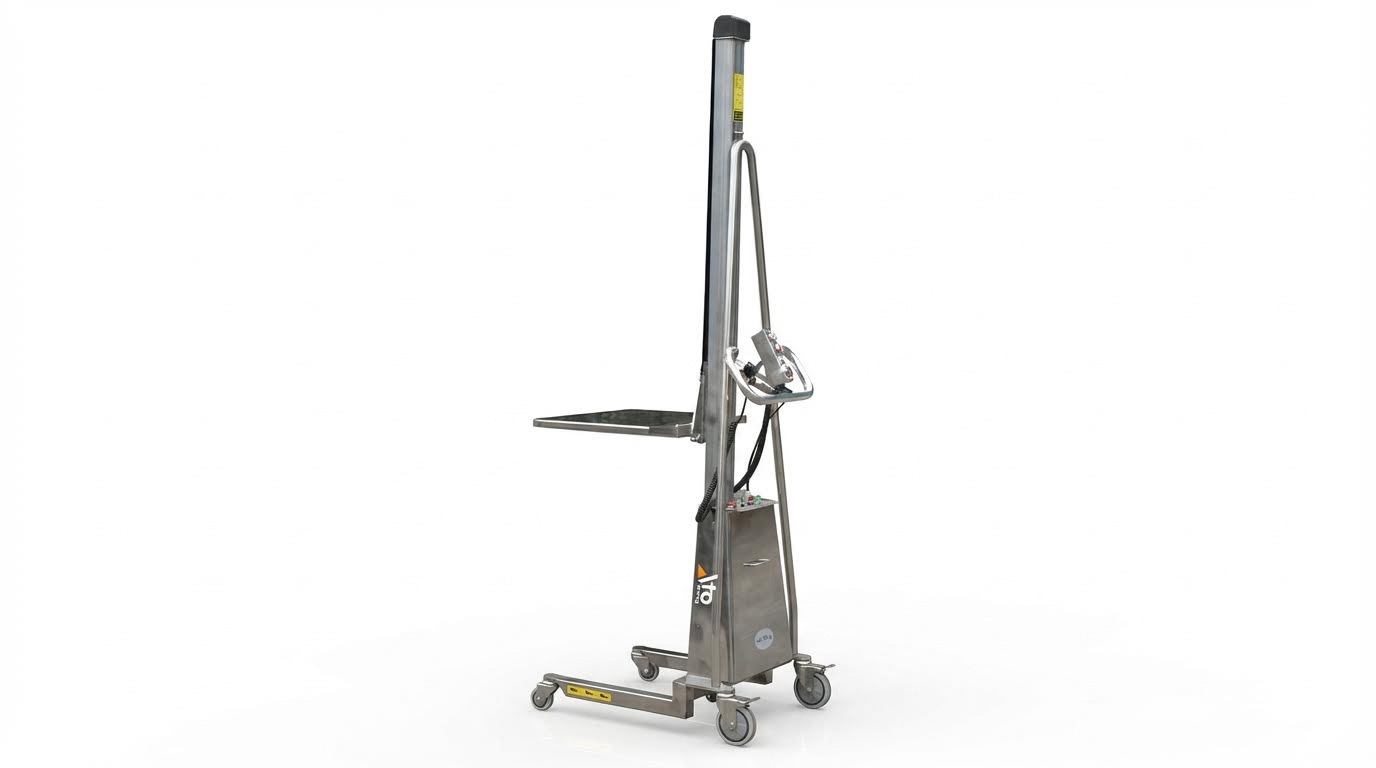
Safe operation of electric stackers depended on controlled driving and correct fork positioning. Operators kept forks approximately 0.10–0.20 m above the floor during travel and lowered them fully when parked. They held the tiller or control handle with both hands, accelerated smoothly, and avoided sharp turns or sudden braking, especially with raised loads. Before lifting, they aligned the stacker square to the pallet, inserted forks fully, and verified ground and rack conditions. Lifting and lowering occurred at low travel speeds, with operators checking for overhead obstructions and nearby personnel. Procedures prohibited overloading, uneven stacking, straddle use outside design, and travel with excessively elevated forks. Operators did not use stackers on ramps or steps unless equipment and procedures explicitly allowed
Technology, Automation, And Maintenance Programs
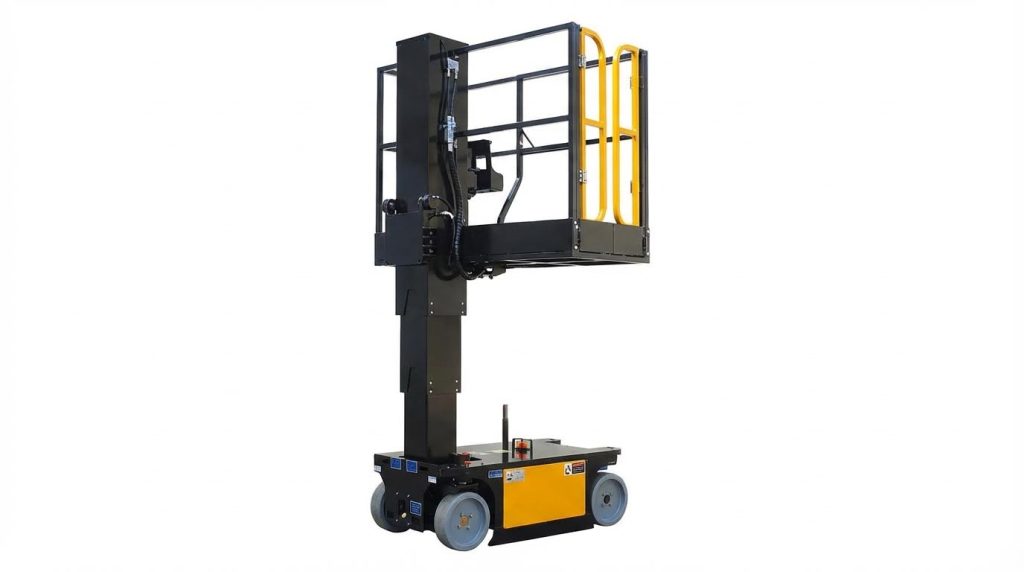
Technology in warehouse picking environments increased safety and throughput when facilities applied it systematically. Automation changed risk profiles, so engineering controls, software, and training had to evolve together. Effective programs combined collaborative robotics, advanced picking guidance, and structured maintenance to keep Material Handling Equipment (MHE) reliable. The following subsections described key technologies and program elements that supported safe, high-performance picking operations.
Cobots, Goods-To-Person, And Layer Picker Systems
Cobots and goods-to-person systems reduced manual travel and lifting, which lowered musculoskeletal disorder rates and collision exposure. Facilities used pick-and-place robots and collaborative robots to handle repetitive movements, while human workers focused on exception handling and quality checks. Goods-to-person systems moved totes or pallets via conveyors or shuttles to fixed picking stations, coordinated by a Warehouse Management System (WMS). Layer pickers added another level of automation by handling single product layers with clamping arms or vacuum heads instead of full pallets.
These systems required accurate load data, stable packaging, and defined interaction zones between people and machines. Engineers had to design guarding, light curtains, and safe speeds for cobots operating near workers, following risk assessments. For layer pickers, operators needed training on load configurations, center of gravity, and allowable product compressive forces to avoid damage. Integration with WMS allowed automated equipment to receive precise task instructions and return real-time status, which improved traceability and exception handling.
WMS, Pick-To-Light, And Wearables For Safe Picking
WMS platforms provided the digital backbone for safe and efficient picking by controlling inventory locations, task sequencing, and equipment interfaces. When combined with pick-to-light or voice-picking systems, they reduced search time and mispicks, which in turn reduced rushed behavior and near-misses. Pick-to-light modules indicated the correct location and quantity with lights and displays, keeping operators’ eyes on the work zone instead of paper lists. Voice systems allowed hands-free operation, which improved three-point contact and cart control during movement.
Wearables, including wrist terminals, scanners, and fatigue-monitoring devices, further enhanced safety. Facilities used wearables to track exposure to high-activity periods and trigger rest breaks before fatigue degraded situational awareness. Some systems generated automated alerts when workers entered restricted zones or approached hazardous equipment. Data from WMS and wearables allowed safety teams to analyze walking distances, congestion points, and pick density, then redesign layouts or slotting to reduce risk. All deployments still required privacy considerations and clear communication to maintain workforce trust.
Predictive Maintenance For MHE And Electric Stackers
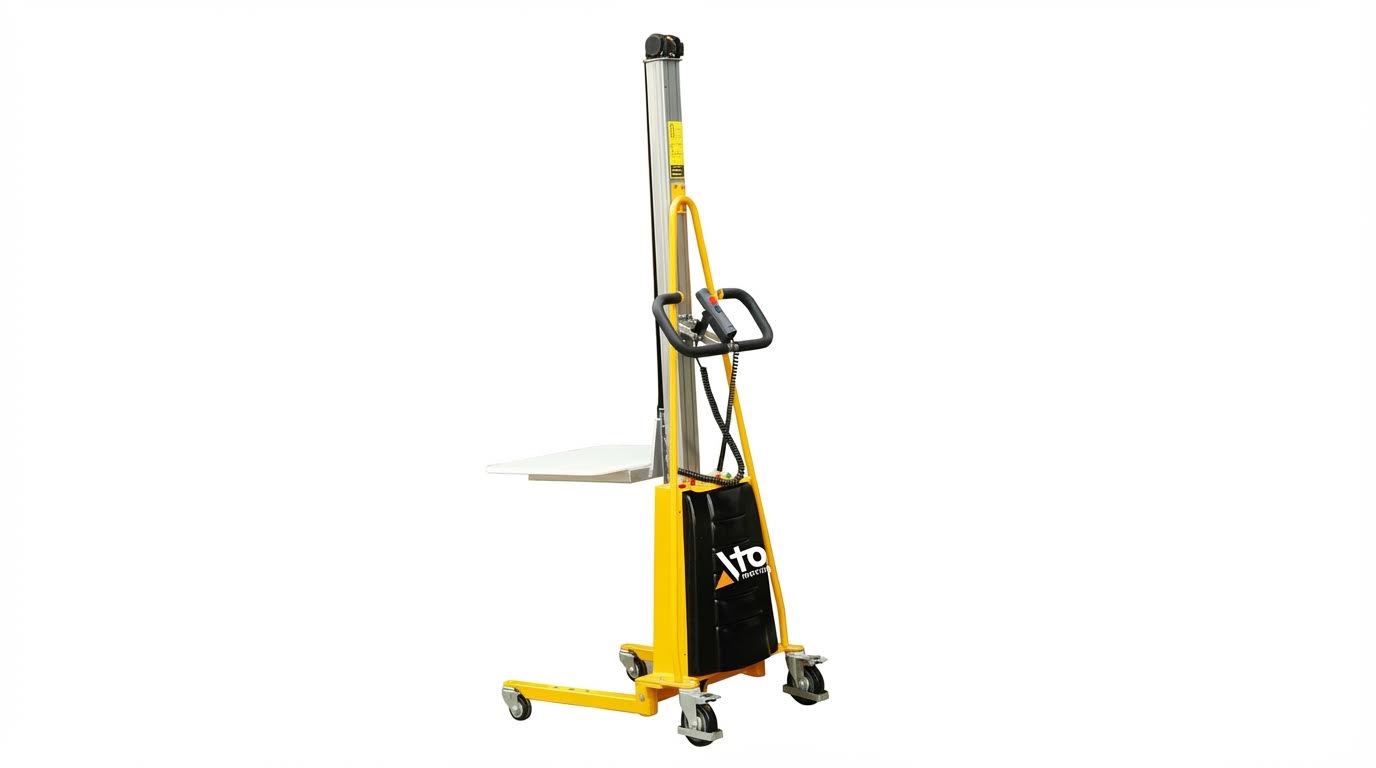
Predictive maintenance programs for MHE and electric stackers relied on condition monitoring instead of only calendar-based servicing. Facilities tracked parameters such as motor current, lift cycle counts, brake actuation frequency, and battery voltage trends to anticipate failures. For electric stackers, technicians monitored hydraulic oil levels, leakage rates, and lift speed changes as early indicators of valve or seal degradation. Sensor data, combined with maintenance history, fed algorithms that predicted component remaining useful life.
Predictive approaches reduced unplanned downtime in picking areas, which limited the temptation to overload remaining equipment or bypass safety devices. They also ensured braking systems, steering, and emergency stops remained within specification, which was critical in narrow aisles. Maintenance teams still complemented predictive tools with structured daily and weekly inspections for visible defects and safety device integrity. Clear escalation rules ensured that equipment with critical anomalies was locked out and tagged until repair.
Inspection Intervals, Records, And Troubleshooting
Effective maintenance programs defined inspection intervals at daily, weekly, monthly, and multi-month levels, aligned with manufacturer instructions and local regulations. Operators performed pre-shift checks that covered leaks, forks, controls, brakes, warning devices, and safety interlocks before entering picking zones. Technicians conducted deeper monthly and quarterly inspections of power supplies, chains, hydraulics, and electrical systems, documenting measurements such as brake clearances and hydraulic oil levels. Six-monthly or annual
Summary And Implementation Roadmap For Facilities
Facilities that handled warehouse picking operations safely combined regulatory compliance, engineered controls, and disciplined operating practices. Core programs aligned with OSHA requirements for walking-working surfaces, powered industrial trucks, hazard communication, PPE, and emergency action plans. These programs reduced slips, trips, falls, musculoskeletal disorders, forklift collisions, and fire incidents while supporting productivity and employee morale. Technology such as WMS, cobots, goods-to-person systems, wearables, and automated alerts further enhanced risk control when integrated into a structured safety management system.
From an industry perspective, facilities that invested in automation and advanced picking systems faced new interface risks between humans and machines. This shift required updated training, robust lockout/tag-out procedures, and clear zoning between automated cells and pedestrian routes. Future trends pointed toward wider use of machine learning for path optimization, predictive maintenance analytics for MHE, and deeper integration between safety data, WMS, and HR systems to monitor fatigue and training status. Regulatory expectations also moved toward better documentation, traceability of inspections, and demonstrable risk assessments such as job hazard analyses.
For implementation, facilities could phase improvements in three layers. First, they established baseline compliance: written SOPs, PPE standards, signage, emergency and fire plans, and operator licensing for order pickers and stackers. Second, they institutionalized routines: daily pre-shift checks, scheduled maintenance at monthly to six-month intervals, and recurring safety meetings that covered high-risk topics like working at height and charging stations. Third, they layered on technology: WMS-guided picking, pick-to-light or voice systems, wearables, and layer pickers or cobots where justified by volume and risk.
A balanced roadmap treated automation as a tool, not a substitute for fundamentals. Facilities that succeeded maintained conservative load limits, enforced speed and traffic rules, and required fall protection at height even when equipment included guardrails. They used inspection records, incident investigations, and near-miss reports to refine controls rather than rely solely on manufacturer claims. By combining engineering controls, disciplined behavior, and data-driven monitoring, warehouses created picking operations that were both safer and more resilient to future changes in demand and technology.