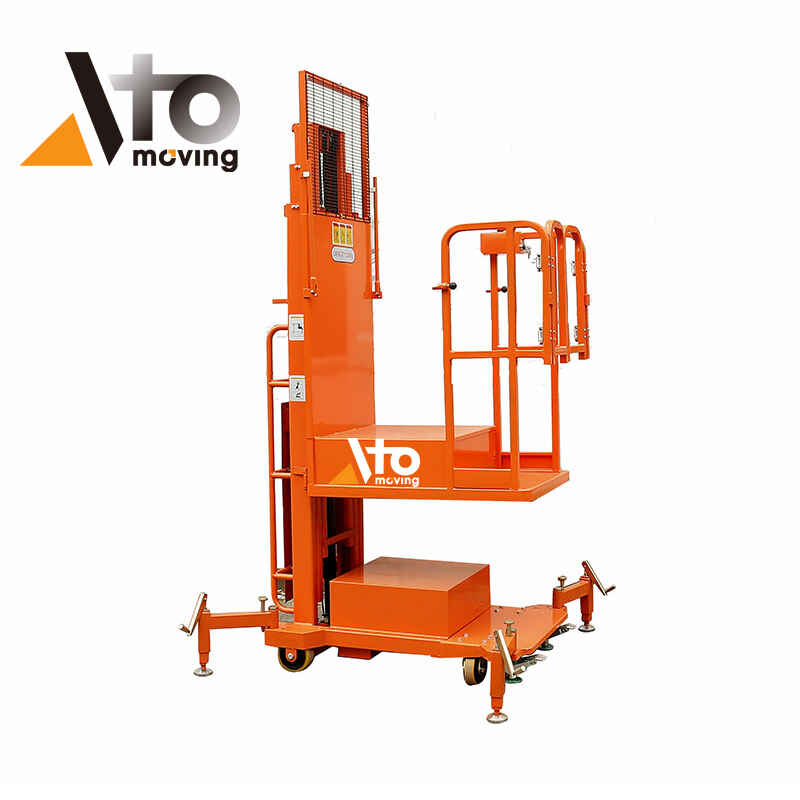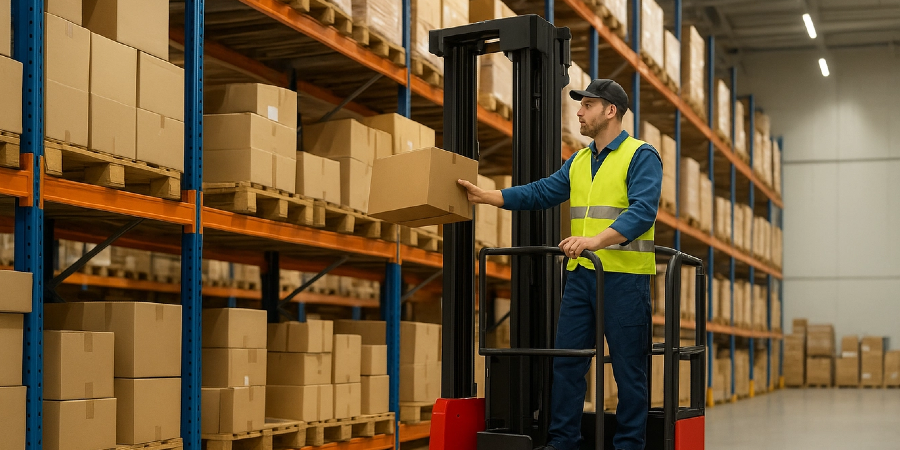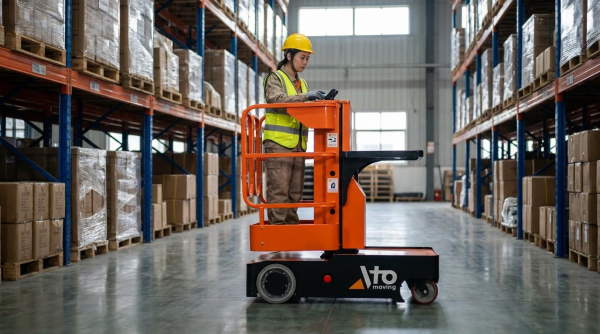
Cherry pickers and stock pickers reshaped how warehouses handled work at height and item-level picking. The full article examined their core functions, mechanical design, and performance criteria in modern material handling systems. It also covered regulatory compliance, safe operating procedures, and structured maintenance regimes that reduced downtime and incidents. Finally, it assessed how data analytics, automation, and integration with digital tools would influence the future of warehouse picking.
Core Functions Of Cherry Pickers And Stock Pickers
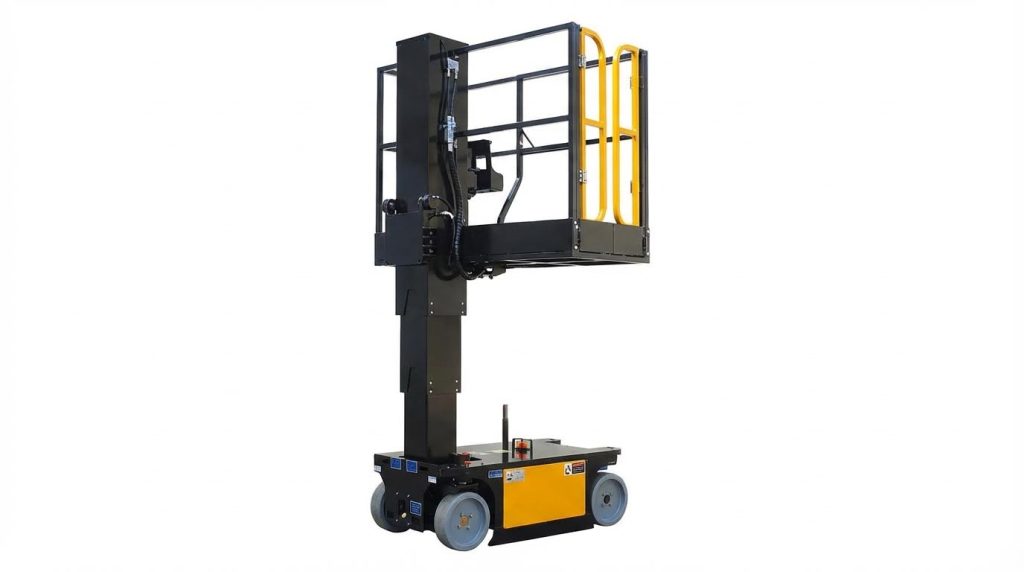
Definitions, Configurations, And Key Components
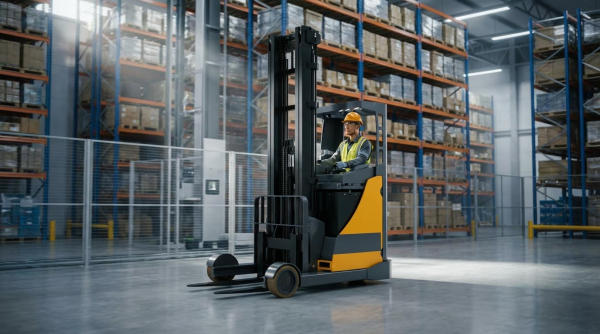
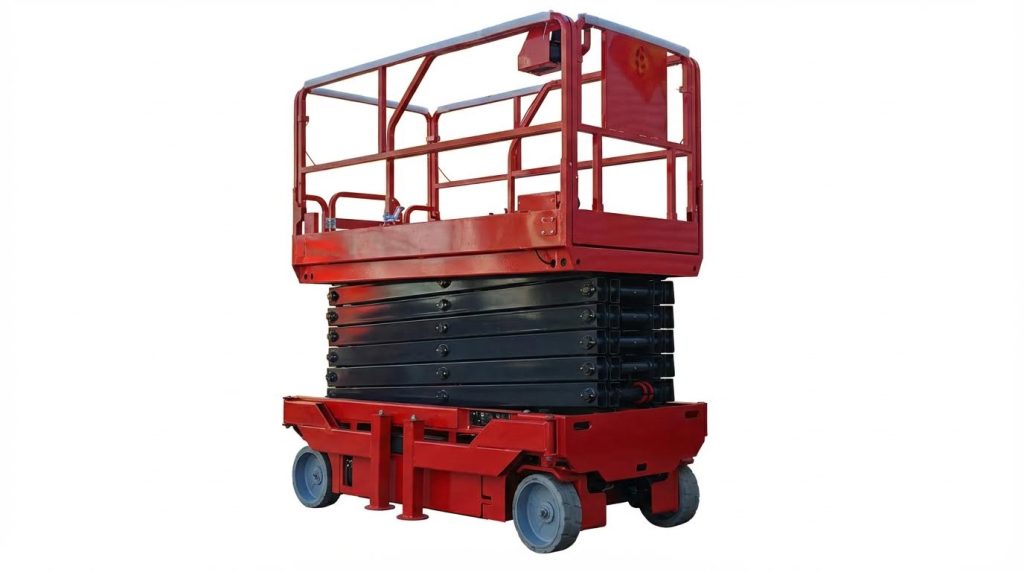
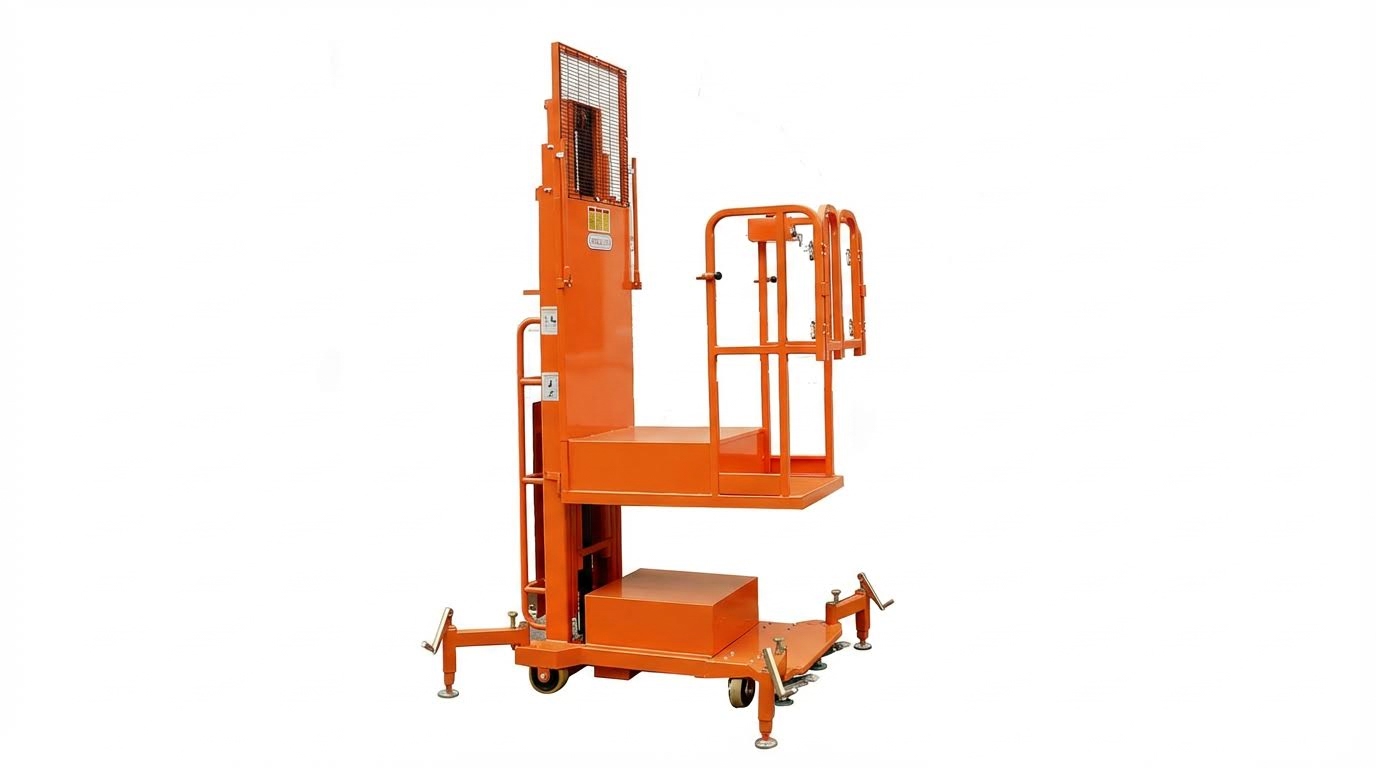
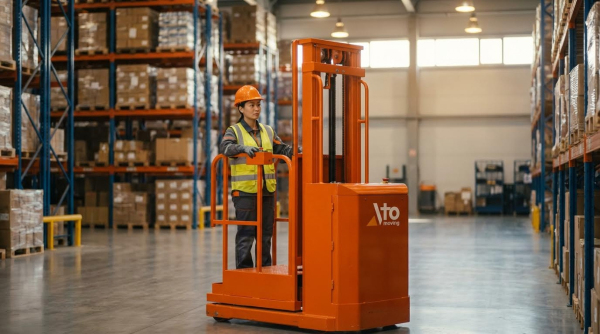
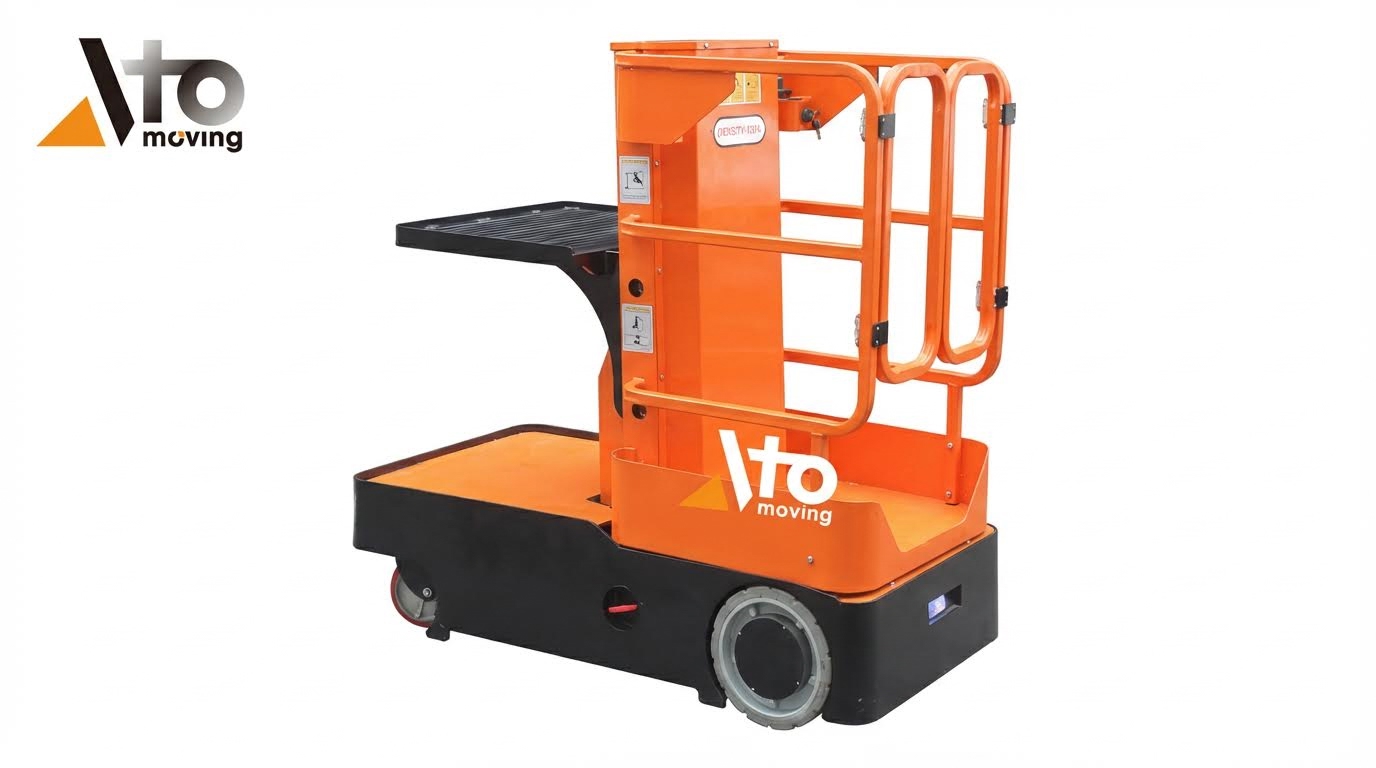
Cherry pickers in warehouses were mobile elevating work platforms that lifted an operator to pick individual items at height. Stock pickers, often called order picker forklifts, elevated both the operator and a small load platform for carton-level picking. Typical configurations included mast-type vertical lifts, articulated or telescopic booms, and guided rail systems in very-narrow-aisle (VNA) layouts. Core structural elements comprised chassis, mast or boom, operator platform with guardrails, and load deck or forks.
Powertrains used electric drive motors with battery packs, matched to hydraulic or electro-hydraulic lift systems. Control stations existed at the platform and sometimes at ground level, with joysticks, direction switches, deadman pedals, and emergency-stop buttons. Safety subsystems included interlocks, tilt and overload sensors, limit switches, and emergency lowering systems. Designers integrated fall protection anchorage points, handrails, and non-slip flooring to comply with work-at-height regulations.
Typical Warehouse Use Cases And Duty Cycles
Warehouses used cherry pickers and stock pickers primarily for case and each picking from racking above manual reach, often between 3 m and 12 m. Typical applications included e-commerce order fulfillment, spare parts picking, retail replenishment, and cycle counting at height. Operators performed frequent short lift cycles, moving between pick faces, stopping, elevating, picking, and descending repeatedly during a shift. This duty cycle imposed intermittent but repetitive lifting and travel demands rather than continuous full-height operation.
Electric stock pickers in high-bay facilities usually operated on multi-shift patterns, which required opportunity charging or battery change systems. Operators navigated narrow aisles with tight clearances, so precise low-speed control and good visibility were critical. Compared with pallet movers, these machines handled lower unit loads but much higher pick frequencies per hour. Duty cycles influenced component sizing, from hydraulic pump duty ratings to battery capacity and thermal management.
Comparing Cherry Pickers, Stock Pickers, And Layer Pickers
Cherry pickers and stock pickers both elevated operators, but they differed from layer pickers in how they handled product. Layer pickers stayed at floor level and used clamping arms or vacuum heads to remove full layers from palletized loads. This configuration enabled rapid layer-by-layer picking for building mixed-SKU pallets without lifting a person. In contrast, cherry and stock pickers moved the operator to the product, which suited item-level or case-level picking.
From a throughput perspective, layer pickers achieved higher picks per hour for homogeneous palletized product, especially in food and beverage or fast-moving consumer goods. Cherry and stock pickers offered greater flexibility for mixed storage profiles, irregular items, or slow movers where full-layer handling was inefficient. Risk profiles also differed: cherry and stock pickers concentrated on work-at-height hazards and fall protection, while layer pickers focused on clamping forces, vacuum integrity, and product stability. Modern warehouses increasingly combined all three technologies, using layer pickers for bulk layer handling and cherry or stock pickers for fine-grain order completion and exception handling.
Design, Selection, And Performance Criteria
Load Capacity, Lift Height, And Stability Envelope
Engineering selection of cherry pickers and stock pickers always started with rated load and lift height. Manufacturers defined a nominal capacity, for example 1 000 kg, at a specified load centre, typically 600 mm, and a maximum platform or fork height. Engineers evaluated the stability envelope, which described the permissible combination of load, outreach, and elevation before the centre of gravity approached the tipping line. Dynamic effects, such as braking, steering input, and mast articulation, reduced the effective stability margin compared with static calculations.
Warehouse layouts constrained required lift heights, aisle widths, and turning radii. For high-bay racking above 12 m, designers usually specified guided very-narrow-aisle order pickers with optimized mast deflection control. Duty cycle analysis considered pick density, average lift per cycle, and peak throughput to prevent oversizing or underspecifying machines. Compliance with standards for MEWPs and industrial trucks ensured that test methods for stability and capacity matched real operating conditions.
Powertrain, Hydraulics, And Energy Efficiency
Modern cherry pickers and stock pickers in warehouses predominantly used electric powertrains. Engineers selected between lead–acid batteries and lithium-ion systems based on shift length, opportunity charging capability, and lifecycle cost. Hydraulic circuits powered mast lift, platform elevation, and steering, and designers optimized pump displacement, valve characteristics, and line sizing to minimize throttling losses. Proper matching of electric motor speed–torque curves with hydraulic pump requirements improved overall system efficiency.
Energy management strategies included regenerative lowering and, where feasible, regenerative braking on drive wheels. Control algorithms limited simultaneous peak-demand functions such as fast drive with full-speed lift to avoid current spikes and voltage sag. Maintenance programs checked hydraulic fluid cleanliness, hose integrity, and cylinder seal condition because internal leakage directly reduced lifting efficiency and increased heat generation. Engineers also evaluated acoustic emissions and vibration from the powertrain to meet occupational health requirements.
Controls, Ergonomics, And Human–Machine Interface
Control architecture for cherry pickers and stock pickers combined ground controls with platform or operator-compartment controls. Designers implemented proportional joysticks or multi-function tillers to provide fine control of lift, travel, and steering, especially at height. Deadman switches and enable pedals ensured that motion stopped when the operator released the control interface. Human–machine interface layouts followed reach envelopes and force limits to reduce fatigue and repetitive strain injuries.
Ergonomic design addressed standing platforms, guardrails, and harness anchorage points in line with fall protection guidance. Visibility of forks, platform edges, and racking at full height influenced mast and guard design, as well as the placement of cameras or laser position indicators. Clear feedback through status lights, audible alarms, and display units helped operators interpret overload, tilt, or fault conditions quickly. Training materials and SOPs reflected the actual control logic and interface layout to avoid mode confusion.
Integration With WMS, AGVs, And Digital Twins
Integration with warehouse management systems (WMS) increasingly defined selection criteria for picking equipment. Cherry pickers and stock pickers could receive task assignments, pick locations, and load data via wireless terminals or handheld devices. Positioning aids, such as barcode readers, RFID, or aisle guidance systems, synchronized physical movements with digital inventory records. This linkage reduced picking errors and improved traceability for regulated sectors like pharmaceuticals and food.
Interfaces with automated guided vehicles (AGVs) and conveyor systems required defined transfer points, speed limits, and interlocks to prevent collisions. Data logging from truck controllers enabled creation of digital twins that represented utilization, energy consumption, and component stress over time. Engineers used these models to simulate layout changes, evaluate fleet sizing, and plan maintenance windows. Integration-ready machines, with open communication protocols and diagnostic connectivity, supported the transition toward more automated and data-driven warehouse operations.
Safe Operation, Inspection, And Maintenance
Regulatory Compliance And Operator Certification
Cherry pickers and stock pickers operated in warehouses fell under work-at-height and lifting-equipment regulations. In the United Kingdom, operators and employers complied with the Health and Safety at Work Act 1974, LOLER 1998, and the Work at Height Regulations 2005. Similar frameworks applied globally, requiring risk assessments, documented maintenance, and periodic thorough examinations at defined intervals, typically every six months for people-lifting equipment. Competent, trained operators held proof of training, such as IPAF Powered Access Licence (PAL) cards, valid for fixed periods like five years. Training covered MEWP categories, structural components, stability principles, pre-use inspections, and hazard recognition, including electrocution, crushing, and falls. Employers documented role-specific authorizations, ensured operators were medically fit, and enforced age limits, usually at least 16 years. Written procedures and training records demonstrated compliance during audits and incident investigations.
Pre-Use Checks, SOPs, And Hazard Assessments
Safe operation began with structured pre-use inspections before each shift. Operators reviewed previous logbook entries, then performed visual checks for leaks, structural damage, loose components, and tire or wheel condition. They tested steering, lift and lower functions, emergency stop, Deadman controls, lights, horns, and alarms, and verified battery charge, hydraulic fluid levels, and pressure indicators. Formal Safe Operating Procedures (SOPs) described step-by-step tasks, required personal protective equipment, and lockout conditions, and they supported both induction and refresher training. Competent persons customized SOP templates to reflect site-specific layouts, electrical hazards, racking clearances, and traffic management rules. Task-based hazard assessments identified electrocution risks from overhead lines, collision with racking, crushing at pinch points, and fall hazards at the platform. Controls included harnesses attached to approved anchorage points, controlled travel speed, exclusion zones, and clear communication protocols with ground staff.
Preventive Maintenance, LOTO, And Failure Modes
Preventive maintenance regimes followed manufacturer schedules and internal reliability targets. Daily tasks included cleaning, basic lubrication, and functional tests, while monthly inspections by qualified technicians covered power supplies, drive systems, chains, hydraulics or pneumatics, and all lifting components against specification. Six-monthly or annual strip-downs addressed wear, corrosion, and fatigue in structural members, mast sections, and boom pins, replacing underperforming parts before failure. Lockout/tagout (LOTO) procedures isolated electrical and hydraulic energy during maintenance, using physical locks, tags, and verification tests to prevent unexpected movement. Typical failure modes included hydraulic leaks causing slow or uneven lifting, battery degradation reducing duty cycles, sensor or switch faults disabling safety interlocks, and control wiring issues leading to erratic operation. Systematic maintenance reduced unplanned downtime, protected operators from mechanical or electrical hazards, and helped maintain regulatory inspection readiness.
Data-Driven Diagnostics And Predictive Maintenance
Modern cherry pickers, stock pickers, and related systems such as layer pickers increasingly incorporated onboard diagnostics and telemetry. Controllers recorded fault codes, operating hours, lift cycles, and overload events, which maintenance teams downloaded or transmitted wirelessly to fleet management platforms. Engineers analyzed trends in battery voltage, hydraulic pressures, motor currents, and temperature to detect early signs of wear or misalignment. Predictive maintenance models then estimated remaining useful life for key components, allowing planned replacements during low-demand periods. Integration with warehouse management systems linked equipment status to task allocation, avoiding dispatching units with pending faults to critical picking zones. Diagnostic data also fed back to design and safety teams, improving future specifications, control logic, and component selection. This data-driven approach reduced life-cycle costs, improved availability, and supported continuous improvement in warehouse safety performance.
Summary And Future Directions For Warehouse Picking
Cherry pickers, stock pickers, and related equipment formed the backbone of safe, efficient vertical picking in warehouses. Their effectiveness depended on correct selection for load, height, and duty cycle, combined with disciplined operator training and compliance with regulations such as LOLER, Work at Height Regulations, and general WHS or OSHA duties. Structured SOPs, pre-use inspections, and lockout/tagout programs reduced incidents involving falls, electrocution, collisions, and mechanical failures. Layer pickers and automated subsystems extended these principles to pallet-level and layer-level handling, improving throughput while reducing manual strain and product damage.
Future warehouse picking trends pointed toward higher integration and autonomy. Equipment increasingly connected to warehouse management systems and digital twins, allowing real-time task allocation, utilisation tracking, and simulation-based layout optimisation. Advanced sensors, machine learning, and condition monitoring supported predictive maintenance, reducing unplanned downtime and extending asset life. Energy-efficient powertrains and smarter charging strategies addressed sustainability and operating cost pressures, especially in high-throughput, multi-shift operations.
Practical implementation required phased roll-out, clear change management, and continuous operator upskilling. Sites needed robust data governance to use diagnostic and telematics data without overloading maintenance teams. A balanced approach combined proven semi electric order picker and warehouse order picker designs, rigorous SOPs, and selective automation where risk, volume, and variability justified investment. As automation expanded, human–machine interface design and competency management remained critical, ensuring operators, technicians, and supervisors could safely oversee increasingly complex, software-driven order picking machines.