
Pallet trucks underpinned high-throughput material handling in warehouses, manufacturing plants, and distribution centers. Safe, efficient use depended on matching truck type to the task, trained operators, and disciplined maintenance. This article outlined core operating principles, safety and regulatory expectations, and structured maintenance and battery care for both manual and electric pallet trucks. It also translated these technical points into strategic takeaways so facilities could reduce incidents, extend equipment life, and improve overall handling productivity.
Core Principles Of Pallet Truck Operation
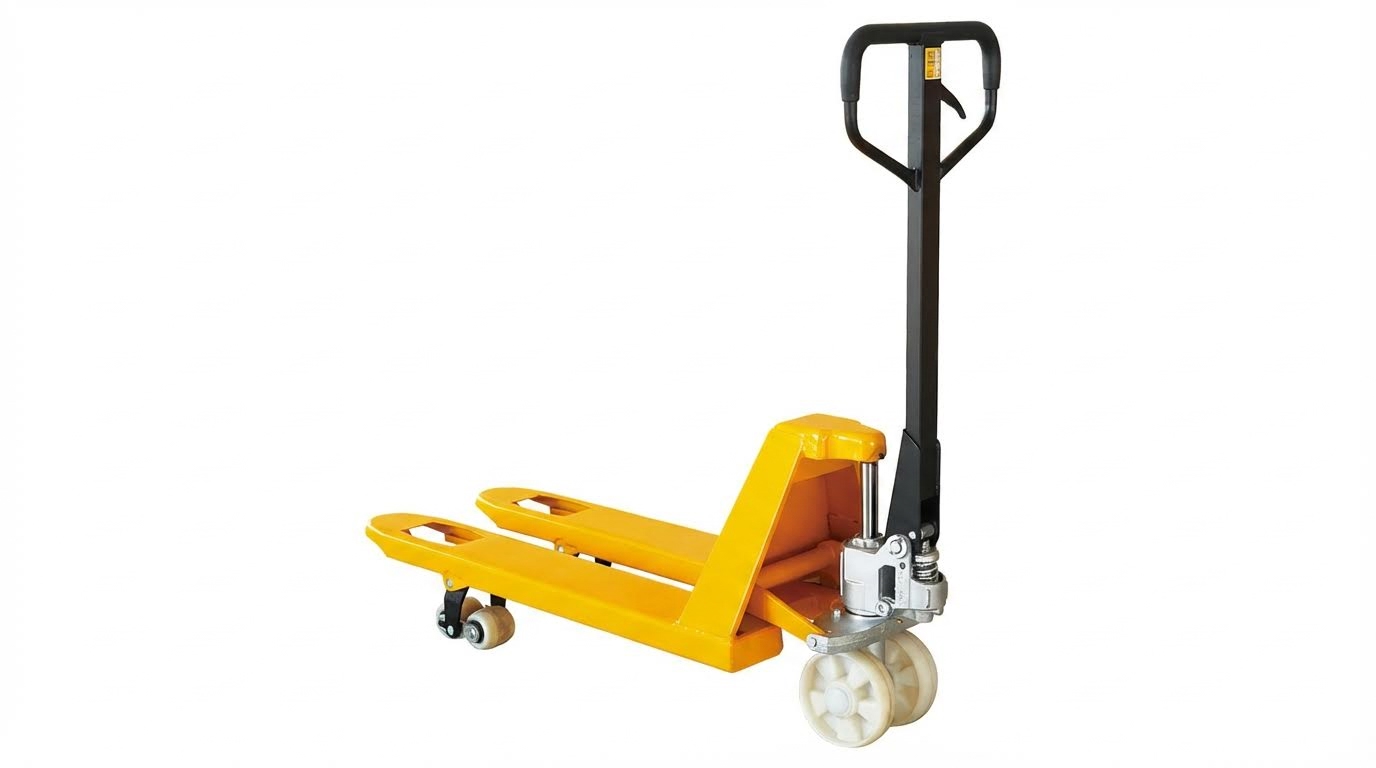
Manual Vs. Electric: Applications And Limits
Manual pallet trucks suited low-throughput operations, short travel distances, and occasional handling. Operators pushed rather than pulled to reduce strain and improve control. Electric pallet trucks and stackers supported higher throughput, longer runs, and frequent shifts in logistics and industrial facilities. They eliminated exhaust emissions and operated quietly, which benefited enclosed warehouses and food or pharma environments. Manual units relied on hydraulic hand pumps and operator force, so floor gradients and roughness limited capacity in practice. Electric units handled similar or higher nominal capacities but depended on battery condition, traction, and braking performance. Facilities selected between hand and powered types by analysing load mass, pallet dimensions, travel distance, ramp usage, and duty cycle.
Rated Capacity, Load Center, And Stability
Each pallet truck carried a rated capacity defined at a specified load center, usually 600 mm for standard pallets. Operators verified that planned loads did not exceed this rating under any operating condition. They positioned forks fully under the pallet so the load center aligned with the manufacturer’s specification. Off-center or overhanging loads shifted the combined center of gravity and reduced stability margins. Training courses covered truck stability triangles and the effect of mast height for powered stackers. Operators kept loads low and centered during travel to minimise overturning moments, especially when turning. They avoided sudden direction changes, hard braking, and side impacts, which could exceed lateral stability limits. Clear labelling of capacity and load center on the data plate supported safe decision-making.
Ergonomics And Operator Fatigue Management
Ergonomic operation reduced musculoskeletal disorders and improved shift productivity. Manual pallet truck users pushed with both hands at roughly waist height, using leg drive rather than back or arm strength. They limited single-move distances and avoided sustained pulling, which increased shoulder and lower-back loading. Electric pallet truck operators adjusted tiller arm height, kept neutral wrist positions, and walked with a natural stride beside the truck. Training programmes recommended regular micro-breaks and stretching routines for repetitive tasks. Facilities designed workflows to minimise unnecessary travel and tight maneuvers, which increased fatigue. Smooth floor surfaces, correct wheel materials, and adequate maintenance reduced rolling resistance and vibration exposure.
Ramps, Slopes, And Uneven Floor Navigation
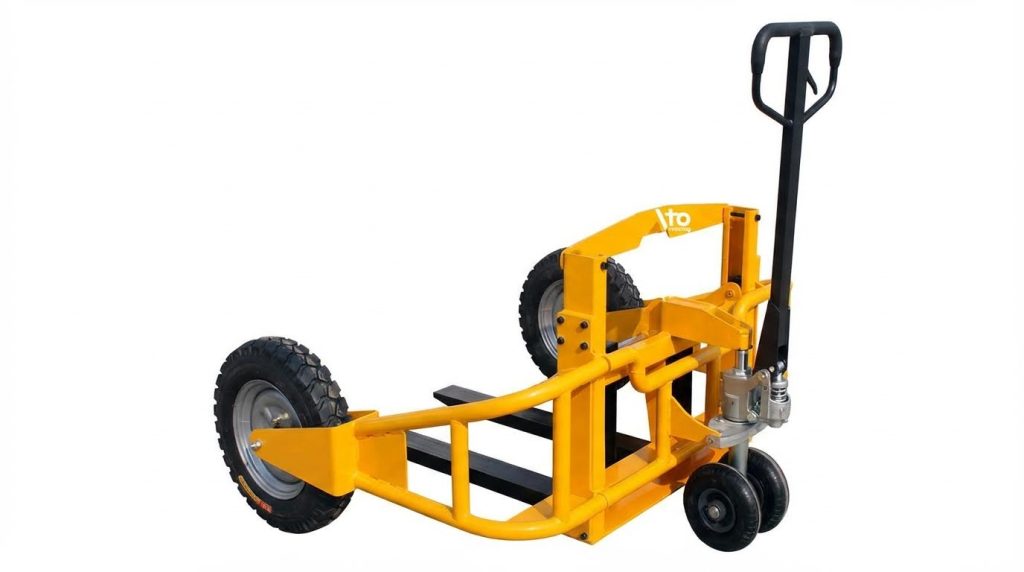
Ramps and uneven floors introduced additional stability and braking risks. Manual pallet truck operators travelled down slopes in reverse, keeping the truck below them to maintain control and avoid runaways. They avoided turning on ramps and kept forks low with the load facing uphill where possible. Electric pallet truck use on slopes followed manufacturer limits for maximum gradient under load and unladen. Operators used appropriate traction modes and avoided sudden acceleration or braking that could cause wheel slip. On rough or outdoor surfaces, facilities specified trucks with suitable wheels or pneumatic tyres to maintain contact and reduce shock loading. Pre-use route assessments identified damaged floors, thresholds, and dock plates that could destabilise loaded trucks. Clear procedures and signage around ramps, dock levellers, and transitions supported consistent, safe navigation.
Safety, Training, And Regulatory Compliance
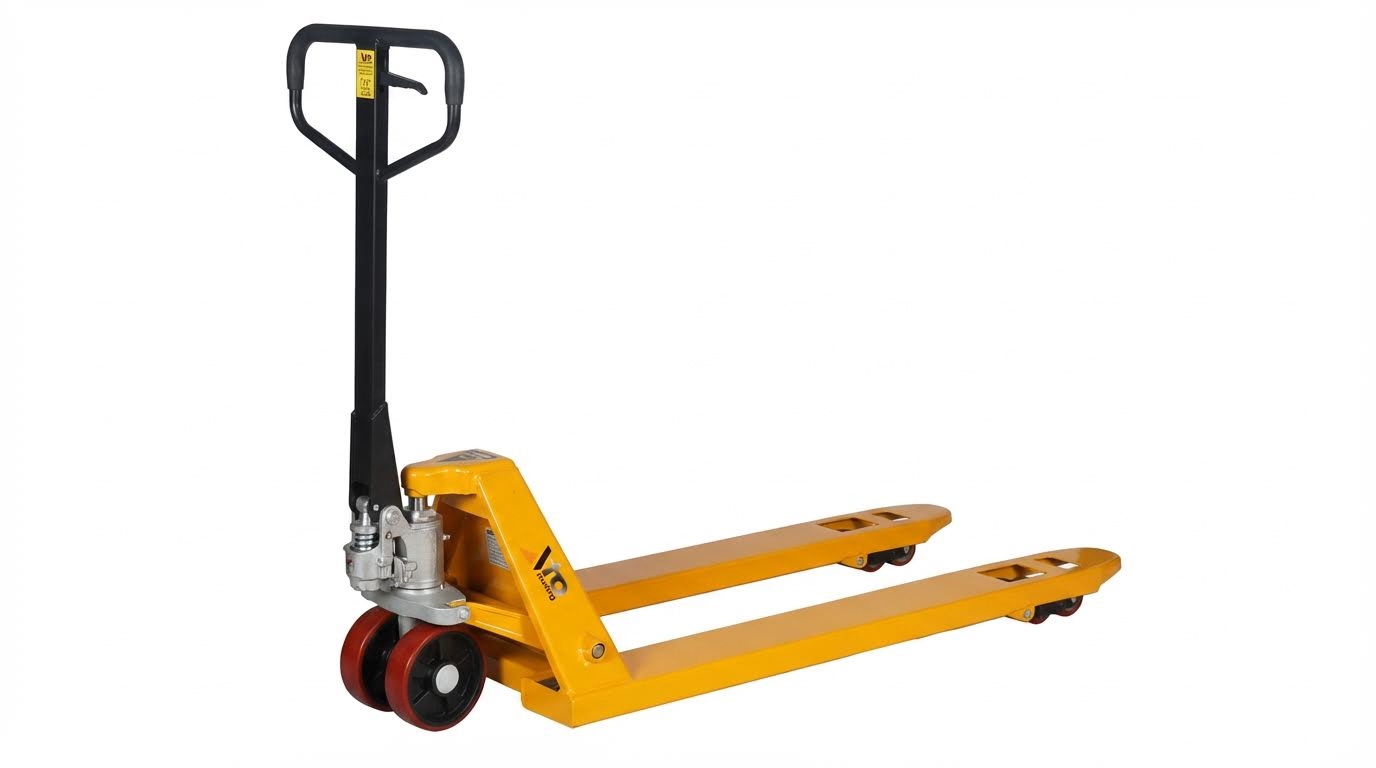
Safe pallet truck operation depended on structured processes, competent operators, and clear alignment with regulatory requirements. Facilities reduced incident rates when they embedded safety into daily routines, not only into policy documents. This section described how inspections, operating practices, and formal training combined into a defensible compliance framework. It also highlighted typical failure modes that led to avoidable injuries and equipment damage.
Pre-Use Inspection And Defect Reporting
Pre-use inspections formed the first control barrier against mechanical failure and unsafe operation. Operators checked forks for cracks, bending, or buckling, verified the hydraulic system for leaks, and confirmed smooth lifting and lowering. For electric pallet trucks and stackers, they inspected battery charge state, cable integrity, connectors, and verified that emergency stop, horn, lights, and any alarms functioned correctly. They also looked for wheel and tire wear, loose fasteners, damaged tiller heads, and tested mobility front-to-back and side-to-side to detect abnormal noises or vibration. Documented defect reporting routed issues to maintenance and prevented use of unsafe equipment, supporting legal defensibility and regulatory compliance.
Load Handling, Travel, And Parking Practices
Correct load handling started with verifying that planned loads did not exceed rated capacity at the specified load center. Operators centered pallets on the forks, fully inserted the forks, and secured unstable loads with straps or wrap to prevent shifting. During travel, best practice required pushing manual trucks instead of pulling for better visibility and joint loading, and keeping forks approximately 20–50 millimetres above the floor to avoid ground contact. On ramps, operators avoided turning, followed manufacturer guidance for powered units, and descended backward with manual trucks to maintain control. For parking, they fully lowered forks, neutralized controls, applied brakes where fitted, and left trucks in designated, obstruction-free areas away from emergency exits and pedestrian routes.
Operator Training Standards And Certification
Regulators required that powered pallet truck operators received formal, equipment-specific training and evaluation. In practice, structured courses covered stability principles, rated capacity and load centers, hydraulic operation, stacking and de-stacking, vehicle loading, and refuelling or recharging procedures. Accredited programs, such as RTITB-recognized courses in the United Kingdom or OSHA-aligned walkie rider training in North America, combined theory, practical exercises, and documented assessments. Certificates typically remained valid for a defined period, for example three years, after which refresher or conversion training updated skills and addressed changes in equipment or regulations. Facilities that maintained training records, test scores, and license expiry dates demonstrated due diligence and reduced liability after incidents.
Common Misuses And Incident Prevention
Incident analyses repeatedly showed similar misuse patterns with pallet trucks. Riding on forks or loads, overloading beyond nameplate capacity, and ignoring uneven weight distribution all increased tip-over and crush risks. Rushing in congested aisles, cutting corners blind, and operating on unsuitable slopes led to collisions and loss of control. Effective prevention combined engineered controls, such as clearly marked travel routes and speed-restricted areas, with behavioural controls like toolbox talks and safety campaigns. Regular refresher training emphasized hazard recognition, including damaged flooring, wet surfaces, and obstructed visibility, and reinforced mandatory pre-use checks. When operators felt empowered to stop work and report unsafe conditions without penalty, facilities achieved lower incident frequencies and more reliable pallet truck operation.
Maintenance, Batteries, And Lifecycle Management
Daily, Monthly, And Annual PM Checklists
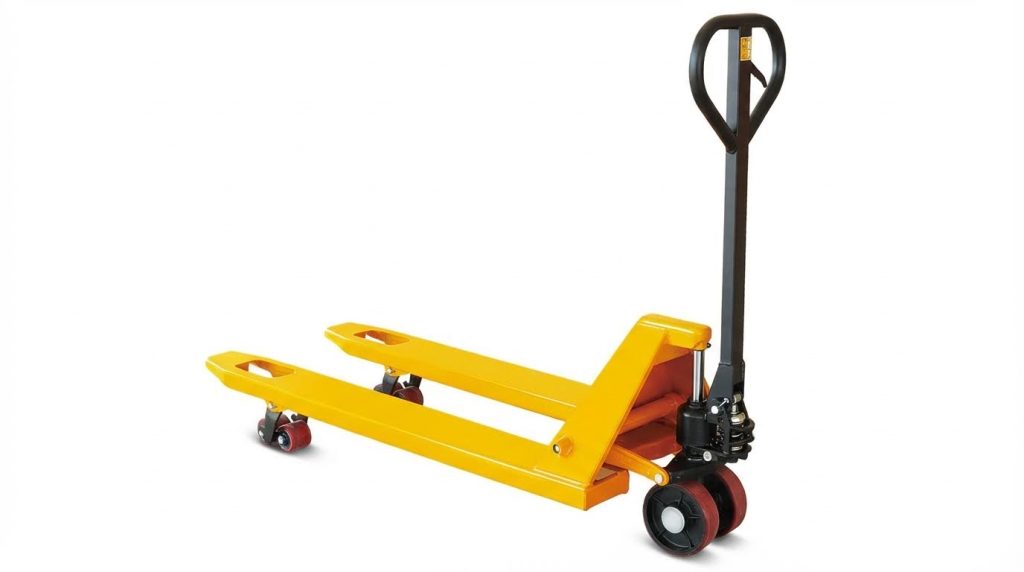
Preventive maintenance programs for pallet trucks relied on structured daily, monthly, and annual tasks. Daily checks typically covered forks, wheels, controls, hydraulic function, and battery charge status before each shift. Operators also verified absence of hydraulic leaks, abnormal noises during mobility tests, and correct operation of safety devices. Monthly tasks usually included lubricating wheels and axles, cleaning electrical compartments, and inspecting wiring and connectors for damage.
Annual or semi-annual inspections often followed a documented plan aligned with manufacturer recommendations and local regulations. These deeper inspections evaluated structural integrity, hydraulic system condition, brake and steering performance, and battery health trends. Facilities that logged each intervention built a maintenance history that supported lifecycle decisions and capital planning. A tiered checklist structure reduced unplanned downtime and extended service life.
Hydraulic, Structural, And Wheel Inspections
Hydraulic system checks focused on fluid level, cleanliness, and leakage at cylinders, hoses, and fittings. Operators tested lift and lowering smoothness under load to detect internal leakage or valve sticking. Structural inspections targeted forks, frame welds, tiller arms, and mounting points for cracks, deformation, or looseness. Any fork bending, buckling, or tip misalignment signaled overload history and required immediate evaluation.
Wheel and tire assessments included tread wear, flat spots, cuts, and embedded debris that could affect traction or tracking. For pneumatic tires, technicians confirmed inflation pressure matched specification to maintain stability and load rating. They also checked caster and drive wheels for free rotation, bearing play, and secure fastening. Systematic inspection of these elements helped preserve rated capacity and reduce incident risk.
Battery Technologies, Charging, And Storage
Electric pallet trucks typically used lead-acid or lithium-ion batteries, each with distinct maintenance needs. Lead-acid batteries required regular terminal cleaning to prevent corrosion and periodic electrolyte checks where applicable. Lithium-ion packs reduced routine maintenance but still needed monitoring for physical damage, connector wear, and proper battery management system operation. For both chemistries, operators followed manufacturer charging profiles to avoid deep discharge and overcharge.
Best practice kept batteries in cool, dry environments away from direct sunlight and freezing conditions. Facilities scheduled charging to reach full charge before shifts while avoiding frequent shallow top-ups that could shorten life for some chemistries. Quick-change or modular battery designs reduced downtime in multi-shift operations. Correct charging infrastructure and ventilation also supported compliance with electrical and fire safety requirements.
Data, Documentation, And Predictive Maintenance
Accurate maintenance records formed the backbone of lifecycle management for pallet trucks. Technicians logged inspections, component replacements, hydraulic repairs, and battery changes with dates, operating hours, and failure modes. This data allowed reliability analysis, identification of high-wear components, and optimization of spare parts inventories. Facilities could then refine PM intervals based on actual failure trends instead of fixed calendars alone.
More advanced operations integrated telematics or usage meters to track run hours, charge cycles, and fault codes. These data streams supported predictive maintenance, where interventions occurred before functional failure based on condition indicators. Combining sensor data with historical records enabled better budget forecasting and replacement timing decisions. Structured documentation also demonstrated regulatory compliance and supported incident investigations when needed.
Summary And Strategic Takeaways For Facilities
Safe, efficient pallet truck operation depended on integrating equipment choice, operator behavior, and structured maintenance. Facilities that aligned manual or electric pallet trucks and stackers with task profiles, floor conditions, and load characteristics reduced incidents and improved throughput. Applying strict rules for rated capacity, load center, and stability, combined with clear ramp and slope procedures, minimized tip‑over and load loss events.
From a safety and regulatory perspective, pre‑use inspections, defect reporting, and documented training formed the core control measures. RTITB‑aligned and OSHA‑aligned programs had standardized curricula covering stability, load handling, pre‑use checks, and emergency response, with certificates typically valid for three years. Facilities that embedded these requirements into site rules, supervision, and refresher cycles achieved more consistent compliance and lower incident frequency.
Lifecycle management of pallet trucks increasingly relied on preventive and predictive approaches. Daily and monthly PM checklists, combined with annual documented plans, extended asset life and reduced unplanned downtime. Battery‑centric practices, including correct charging windows, corrosion control, and temperature‑controlled storage, became critical as electric fleets expanded for zero‑emission indoor operation.
Strategically, facilities benefited from treating pallet trucks as part of an integrated material handling system rather than commodity tools. Using standardized inspection forms, electronic maintenance logs, and simple telemetry or hour‑meter data supported data‑driven replacement and right‑sizing decisions. Looking forward, trends such as higher‑energy lithium batteries, easier battery swaps, and more embedded diagnostics pointed toward lower lifecycle cost but higher expectations for technical discipline. Operations teams that invested in robust training, clear procedures, and disciplined maintenance were best positioned to exploit these technologies while maintaining a balanced, risk‑controlled environment.