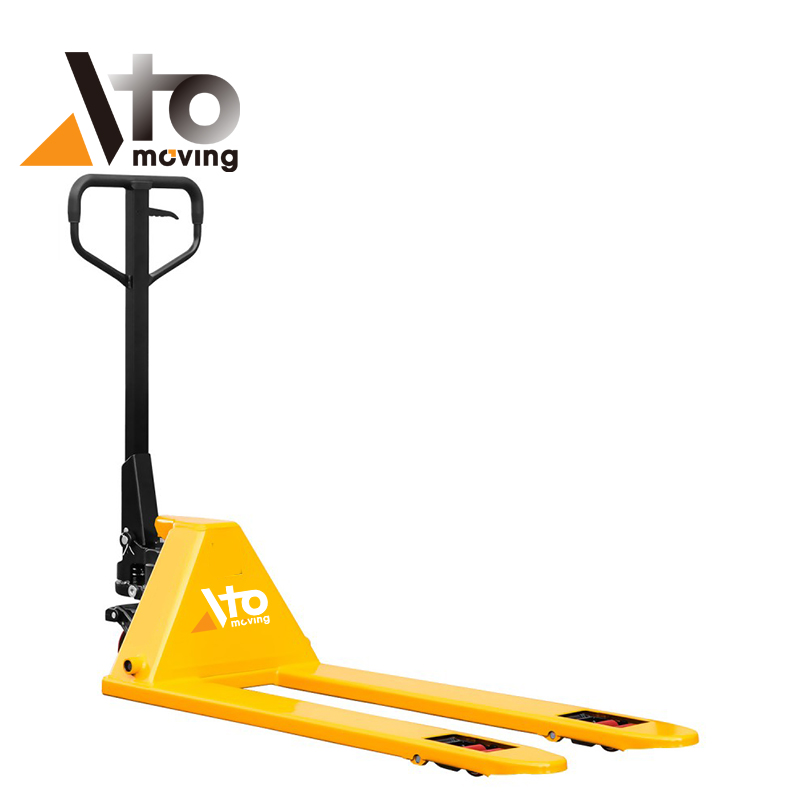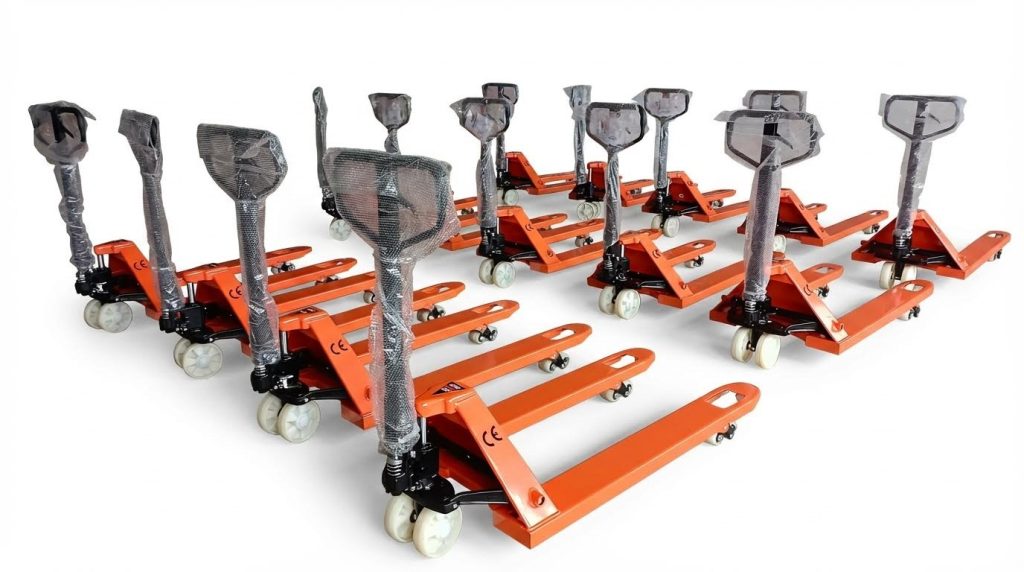
Pallet jacks played a central role in material handling, linking storage, production, and shipping with low-cost mobility. This article examined core operating principles, regulatory expectations, and practical maintenance for both manual and electric units. It also explored lifecycle cost control and emerging digital tools that affected reliability and safety. The sections that followed guided engineers, supervisors, and operators in building safer, more efficient pallet jack programs in modern plants.
Core Principles Of Pallet Jack Operation
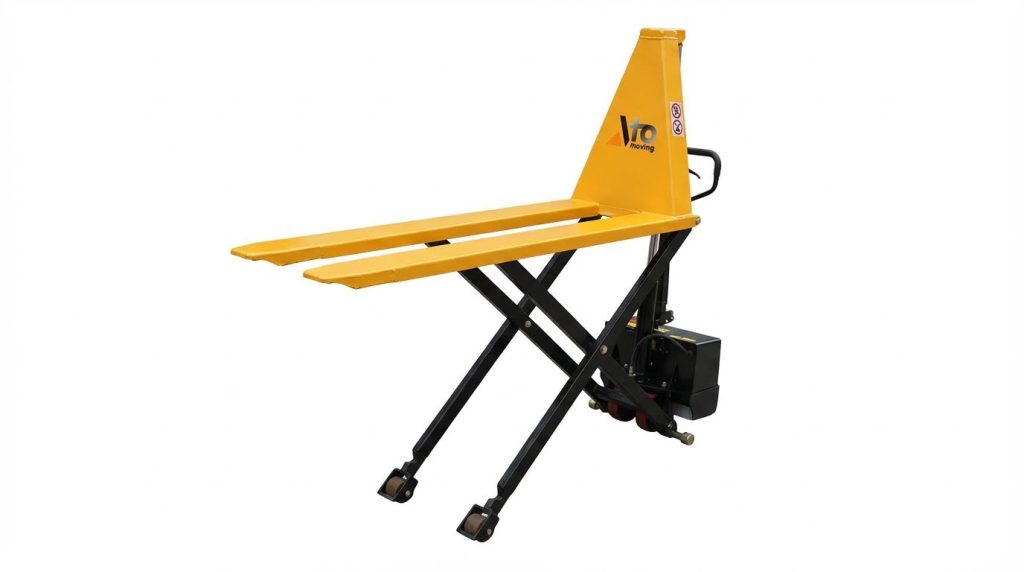
Core operating principles defined how facilities used pallet jacks efficiently and safely. These principles covered equipment selection, load handling, travel techniques, and adaptation to site conditions. Understanding these fundamentals reduced injury rates and unplanned downtime in logistics and manufacturing plants.
Manual Vs. Electric Pallet Jack Fundamentals
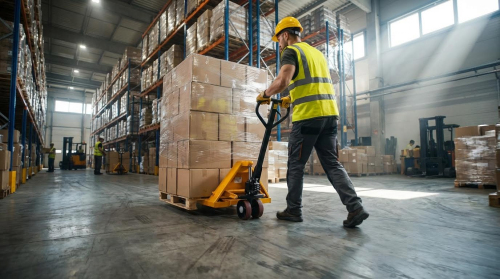
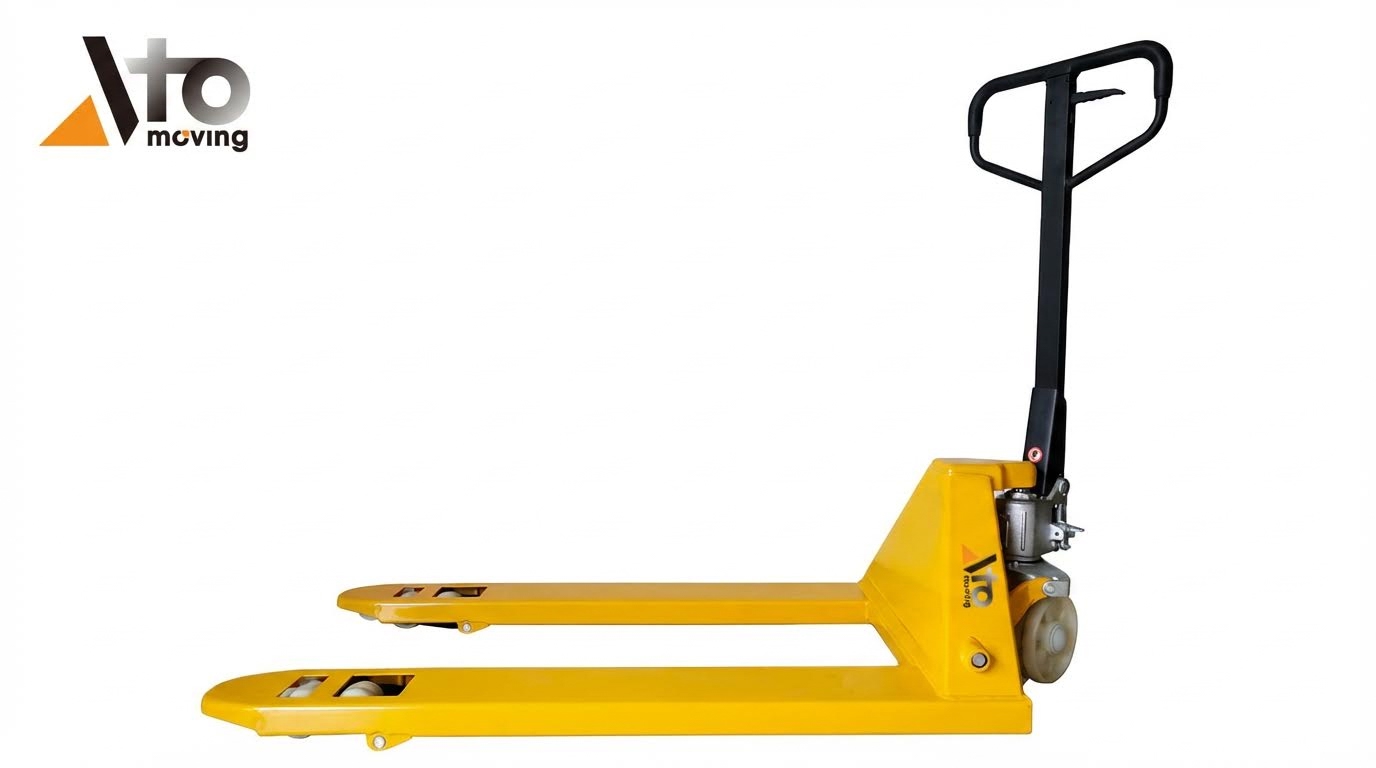
Manual pallet jacks relied on human force for traction and a compact hydraulic pump for lifting. Operators raised the load by pumping the drawbar and moved the truck by pushing or pulling the handle. These units suited short travel distances, moderate loads, and tight spaces where maneuverability mattered more than speed. Electric pallet jacks, classified as Class III powered industrial trucks, used an electric drive motor and powered lift to move heavier loads with less operator effort. Plants selected between manual and electric units based on load mass, cycle frequency, aisle length, and floor conditions.
Load Rating, Stability, And Center Of Gravity
The rated capacity of a pallet jack, typically 2 500–3 000 kg for standard models, defined the maximum allowable load at a specified load center. Exceeding this rating shifted the combined center of gravity beyond the stability triangle, increasing tip-over risk. Operators needed to center the load on the forks and ensure full fork insertion under the pallet to keep the center of gravity low and between the wheels. Unstable or top-heavy loads required wrapping or strapping to prevent shifting during acceleration, deceleration, and cornering. Plants reduced incidents by standardizing pallet types, using intact decks, and rejecting damaged pallets that could collapse under rated loads.
Safe Pallet Engagement, Lifting, And Travel
Safe operation started with pre-positioning the forks at pallet entry points and lowering them fully before insertion. The operator then drove or pushed straight into the pallet until the forks extended nearly to the opposite deckboard, supporting the load over their full length. Lifting occurred in small, controlled increments, raising the load only 20–50 mm above the floor to clear surface irregularities while maintaining stability. During travel, operators maintained a controlled walking pace, kept the route clear of obstacles, and used smooth steering inputs to avoid sudden lateral load shifts. At the destination, they stopped fully, lowered the forks completely, confirmed the pallet sat level and stable, and only then pulled the forks clear.
Operating On Ramps, Docks, And Elevators
Sloped surfaces, dock edges, and elevator thresholds introduced additional stability and braking challenges. On ramps, best practice required manual pallet jack operators to keep the load upgrade and descend backward, maintaining control and preventing runaway conditions. Turning on inclines remained prohibited because lateral forces combined with gravity could unweight one wheel set and cause tip-over. At loading docks, operators needed to verify dock plates or levelers carried the combined weight of jack, load, and operator, and to avoid operating near unprotected edges. In elevators, the load entered first and the operator confirmed the car’s rated capacity exceeded the total mass before moving. Plants codified these procedures in site rules to prevent roll-aways, edge drops, and elevator overload incidents.
Safety, Compliance, And Operator Training
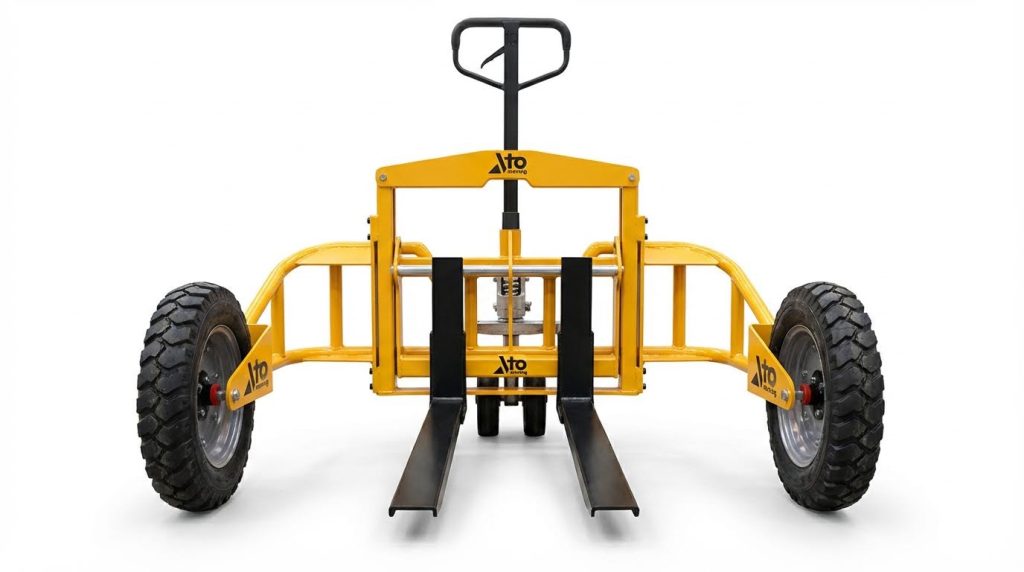
Safe pallet jack operation depended on a structured combination of regulatory compliance, engineered procedures, and disciplined operator behavior. Plants that treated pallet jacks as powered industrial equipment rather than simple carts achieved lower injury rates and less product damage. This section linked OSHA requirements with practical training content, inspection routines, and human-factor controls that reduced risk in busy logistics environments.
OSHA Rules For Manual And Electric Pallet Jacks
OSHA classified electric pallet jacks as Class III powered industrial trucks under 29 CFR 1910.178. Operators of these motorized units required formal instruction, practical training, and a documented performance evaluation, and they had to be at least 18 years old. In contrast, OSHA did not mandate formal certification for manual pallet jacks, but it still required employers to maintain safe conditions and provide adequate instruction. Refresher training became mandatory when operators caused incidents, had near-misses, changed equipment type, or demonstrated unsafe behavior. Compliance programs worked best when they combined OSHA’s baseline rules with site-specific hazards such as ramps, confined aisles, or mixed traffic with pedestrians and forklifts.
Pre-Use Checks, PPE, And Safe Work Practices
Pre-use inspections focused on structural integrity, hydraulics, and rolling elements. Operators checked forks for bending or cracks, wheels for debris, flat spots, or looseness, and the hydraulic system for leaks or jerky lifting. They verified that handles, controls, and brake functions operated smoothly before loading. Safe work practices required centering the load on the forks, keeping forks 2–5 cm above the floor during travel, and never exceeding the rated capacity on the data plate. Plants specified PPE such as safety shoes, gloves, and suitable workwear, and they enforced rules on low travel speed, clear visibility, and maintaining separation from pedestrians.
Common Operating Errors And How To Prevent Them
Frequent errors included overloading, poor weight distribution, and traveling with forks raised too high. These behaviors increased tipping risk and reduced steering control, particularly in tight aisles or near docks. Other unsafe practices involved riding on the pallet truck, running or turning sharply with a load, and pulling heavy loads downhill instead of controlling them from above the slope. Prevention strategies combined engineering and administrative controls: clear capacity labels, illustrated operating diagrams on the mast or handle, and floor markings at ramps and intersections. Supervisors reinforced correct techniques such as pushing rather than pulling when feasible, descending slopes backward with manual trucks, and stopping to straighten the truck before turning on inclines.
Designing Site-Specific Training And Signage
Effective training programs went beyond generic pallet jack instruction and reflected the plant’s actual layouts, loads, and traffic patterns. Employers mapped typical routes, ramps, dock interfaces, and elevator use, then built scenarios around those conditions, including maximum stack heights and mixed manual–electric traffic. Classroom modules covered stability principles, stopping distances, and emergency procedures, while hands-on evaluations verified that operators could perform inspections, negotiate ramps, and park equipment correctly. Plants supported training with visual aids: checklist posters at storage areas, warning signs at slopes and dock edges, and floor graphics indicating pedestrian zones and no-park areas. Periodic refresher sessions, incident reviews, and short toolbox talks helped keep safe pallet jack operation embedded in daily routines.
Maintenance, Lifecycle Costs, And New Technologies
Structured maintenance of pallet jacks directly influenced safety, uptime, and lifecycle cost. Plants that standardized daily, weekly, and monthly routines reduced unexpected failures and extended component life, especially hydraulics and wheels. At the same time, digital tools and telematics started to transform how facilities monitored usage, scheduled service, and managed fleets. This section linked practical maintenance routines with cost control strategies and emerging predictive technologies.
Daily, Weekly, And Monthly Maintenance Routines
Effective programs separated tasks by frequency to match typical wear patterns. Daily checks focused on quick visual scans of wheels, forks, and handles to detect debris, cracks, bends, or jerky pumping before operation. Operators cleaned forks and frames with rags and neutral cleaners, removed oil spills, and verified that the hydraulic pump lifted smoothly with three to six strokes. Weekly maintenance added lubrication of wheel axles with silicone spray, pivot joints with multipurpose oil, and center pivots with white lithium grease to stabilize steering effort.
Technicians also tightened fork bolts and handle base fasteners weekly, listening for rattles that indicated loosened joints. They performed load tests and wheel spin tests to identify worn bearings or failing seals under realistic conditions. Monthly routines included deeper scrubbing under forks and around axles, followed by thorough drying to limit corrosion. Maintenance teams inspected forks for bending, hydraulic housings for rust streaks or leaks, and wheels for flat spots or cracks, then applied corrosion inhibitors to exposed steel.
For electric pallet jacks, daily routines extended to battery inspection, cleaning terminals, and confirming that chargers operated correctly. Operators checked electrical harnesses and control heads for abrasion or damaged insulation after every shift. Storage practices also formed part of maintenance: plants parked trucks in dry, debris-free areas, lowered forks to the floor, and avoided pressure-washing hydraulics to prevent water ingress. These structured routines prevented over 80–90% of typical pallet jack failures and supported compliance with OSHA expectations for powered industrial trucks.
Diagnosing Hydraulics, Wheels, And Structural Wear
Systematic diagnosis started with clear symptoms: oil on the floor, sinking forks, uneven lifting, or noisy travel. For hydraulics, technicians performed a one-minute test by pumping the handle three times and observing lift speed and holding ability under load. Sluggish lifting suggested low or degraded hydraulic oil, air in the circuit, or internal seal wear. Persistent oil leaks around the pump body or ram indicated seal failure or pitted cylinder surfaces, which required overhaul or replacement rather than repeated topping-up.
Wheel and bearing issues appeared as increased rolling resistance, vibration, or visible flat spots. Spin tests, performed with the jack unloaded and raised, revealed roughness or wobble that pointed to worn bearings or bent axles. On rough concrete, polyurethane or nylon wheels wore faster, so plants monitored tread thickness and edge chipping closely. Structural wear centered on forks and frames; inspectors checked for permanent fork deflection, cracked welds, and twisted frames caused by chronic overloading or impacts.
Rust streaks on mast or pump housings signaled moisture ingress and potential wall thinning. Maintenance teams measured fork tip height relative to the heel to detect bending beyond manufacturer limits. If forks showed noticeable sag, hydraulic leaks persisted after seal replacement, or wheels still wobbled after axle changes, replacement of the entire jack became more economical and safer than further repair. Documented inspection criteria helped maintenance staff decide between repair and retirement, reducing the risk of catastrophic failures in service.
Reducing Total Cost Of Ownership And Downtime
Total cost of ownership (TCO) for pallet jacks combined purchase price, maintenance labor, spare parts, downtime, and incident-related costs. Plants reduced TCO by aligning jack selection with duty cycles: manual units for short, low-frequency moves, and electric models for heavier, repetitive flows. Under-sizing equipment increased fatigue and damage, while over-specifying raised capital cost without proportional benefit. Standardized daily checks and lubrication routines reduced emergency repairs and extended hydraulic and wheel life, which were major cost drivers.
Lifecycle planning treated wheels, bearings, seals, and hydraulic oil as consumables with defined replacement intervals. Facilities that tracked these intervals and bundled replacements during planned shutdowns minimized production disruption. Training operators to push instead of pull where feasible, keep forks 20–50 mm off the floor during travel, and avoid overloading reduced structural stress and wheel abrasion. Correct storage, including keeping handles upright and forks fully
Summary: Key Practices For Reliable Pallet Jack Use
Reliable pallet jack operation depended on three pillars: correct equipment selection, disciplined operating practices, and structured maintenance. Plants that matched manual or electric trucks to load, distance, and floor conditions reduced strain injuries and unplanned downtime. Keeping loads within rated capacity, centered on the forks, and lifted only 2–5 cm above the floor maintained stability and minimized tip-over risks. Consistent adherence to safe travel rules on ramps, docks, and in elevators further cut incident rates and protected both operators and bystanders.
Regulatory alignment with OSHA requirements remained essential, especially for powered pallet jacks classified as Class III forklifts. Formal training, evaluations, and periodic refresher sessions for motorized units, combined with documented site-specific instructions for manual trucks, created a defensible safety framework. Pre-use inspections of forks, wheels, and hydraulics, plus enforcement of PPE use and clear pedestrian separation, directly addressed the root causes of a large share of warehouse injuries. Clear signage, floor markings, and local procedures translated generic rules into practical, line-level behavior.
Lifecycle performance depended heavily on daily cleaning, lubrication, and hydraulic checks, supported by weekly and monthly deep inspections. Plants that measured failure modes and responded early to oil leaks, sinking forks, wheel flat spots, or bent frames avoided catastrophic breakdowns and secondary product damage. Emerging digital tools, including telematics, usage logging, and predictive maintenance analytics, offered additional control over utilization patterns and service intervals. A balanced approach, combining robust mechanical fundamentals with data-driven monitoring where justified, allowed facilities to extend asset life, lower total cost of ownership, and maintain high handling throughput without compromising safety.