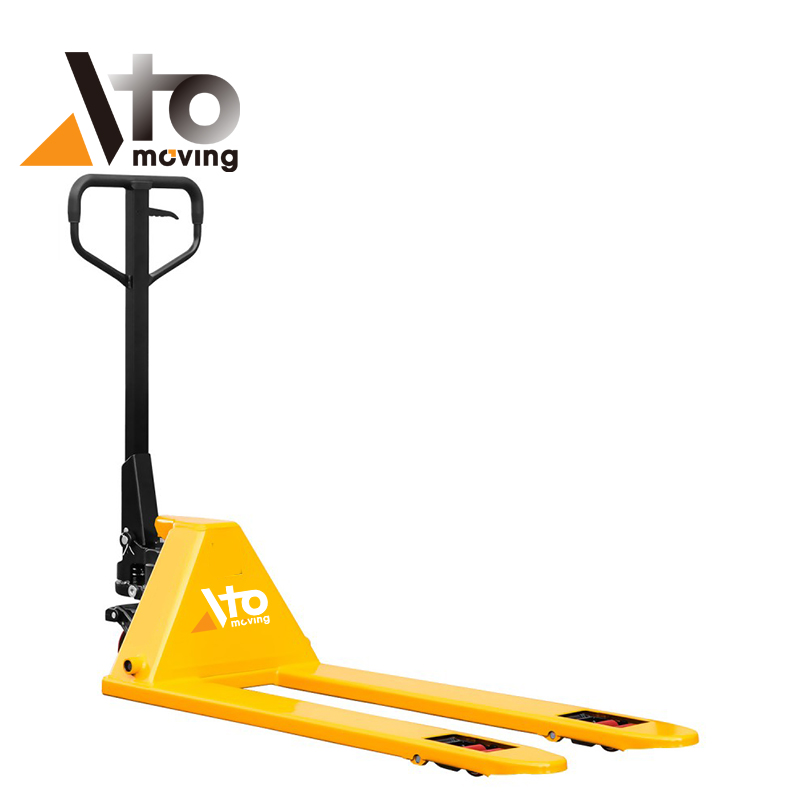
Pallet trucks supported efficient load handling in warehouses, factories, and distribution centers. Their lifting capacity, stability, and braking performance directly affected safety and throughput. This article examined how design parameters defined capacity, compared manual, electric, and engine-driven trucks, and outlined safe operation and maintenance practices across the equipment lifecycle. It concluded with practical selection guidelines so facility engineers and supervisors could match pallet truck types and ratings to their applications and risk profile.
Key Design Parameters For Pallet Truck Capacity
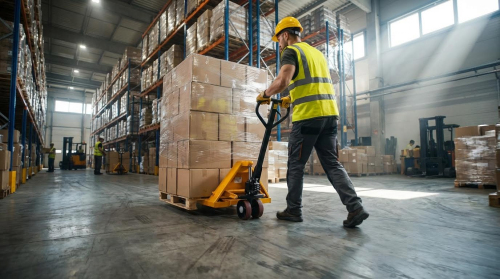
Engineers defined pallet truck capacity by a combination of structural strength, stability geometry, and drive performance. Rated load, fork geometry, lift system design, and dynamic behavior under motion all constrained the usable capacity envelope. Understanding these parameters allowed specifiers to match trucks to pallet standards, floor conditions, and required lift heights. The following subsections focused on how each design variable influenced safe, repeatable handling capacity.
Rated Load, Load Center, And Stability Triangle
Rated load defined the maximum mass that the manufacturer validated at a specified load center distance. Typical pallet trucks in the references had rated capacities between 1600 kg and 4000 kg, depending on drive type and configuration. Engineers usually defined the load center as half the fork length, measured from the fork heel to the load center of gravity. If the actual center of gravity shifted forward beyond this distance, the effective overturning moment increased and reduced safe capacity.
The stability triangle concept described the support polygon between the wheels or support points. For three-point support arrangements, the truck remained stable while the combined center of gravity of truck and load stayed inside this triangle. When operators exceeded rated capacity or used non-standard pallets, the composite center of gravity could move near an edge of the triangle, increasing tip risk during braking or turning. Standards and OEM data sheets therefore tied rated capacity to a defined load center and mast position to preserve adequate stability margins.
Fork Dimensions, Entrance Height, And Pallet Interface
Fork thickness, width, and length directly affected both capacity and pallet compatibility. The diesel engine pallet trucks cited used forks with a 45×125×1070 mm (s/e/l) geometry, which supported rated loads up to 3500 kg. Manual pallet trucks in the references offered fork lengths from 600 mm to 2400 mm and typical fork widths of 160 mm, except for narrow 125 mm variants for lighter 1600 kg models. Longer forks increased bending moments and deflection, so designers balanced length against section modulus and material strength.
Entrance height, or fork tip height in the lowered position, determined which pallet designs the truck could enter. Manual models showed entrance height ranges such as 75–83 mm or 85–93 mm, matching common European and ISO pallet clearances. A lower entrance height improved access to low-profile pallets but reduced available fork section for strength, which could limit capacity. Engineers also considered pallet stringer openings, deckboard spacing, and fork taper profile to minimize impact loads and prevent pallet damage during entry and exit.
Lift Height, Mast Design, And Gradeability Limits
Lift height requirements strongly influenced structural design and stability margins. Diesel pallet trucks in the data used a standard 2-stage mast with a maximum lifting height of 3000 mm. As lift height increased, the raised load’s center of gravity moved upward, amplifying overturning moments during acceleration, braking, and cornering. Mast channels, cross-members, and carriage plates therefore required sufficient stiffness to limit deflection and maintain fork levelness at full height.
Gradeability limits defined the maximum slope on which the truck could start and travel with or without load. The diesel unit achieved a maximum gradeability of 20% unladen, while electric pallet trucks operated at lower gradeability values, for example 17% empty and 9% loaded. Rated capacity often applied only on level floors; on ramps, the effective safe load could be lower due to additional longitudinal load transfer. Designers sized drive motors, brakes, and traction systems so that trucks could launch, stop, and hold on specified gradients without wheel slip or rollback, while maintaining hydraulic lifting performance.
Laden vs. Unladen Travel And Lift Performance
Pallet truck specifications always differentiated between laden and unladen performance because mass and inertia changed system behavior. The diesel pallet truck data showed travel speeds of 18 km/h laden and 19 km/h unladen, with lift speeds of 460 mm/s laden and 540 mm/s unladen. Electric ride-on pallet trucks operated at lower travel speeds, for example 5.0 km/h loaded and 6.0 km
Comparing Manual, Electric, And Engine Pallet Trucks
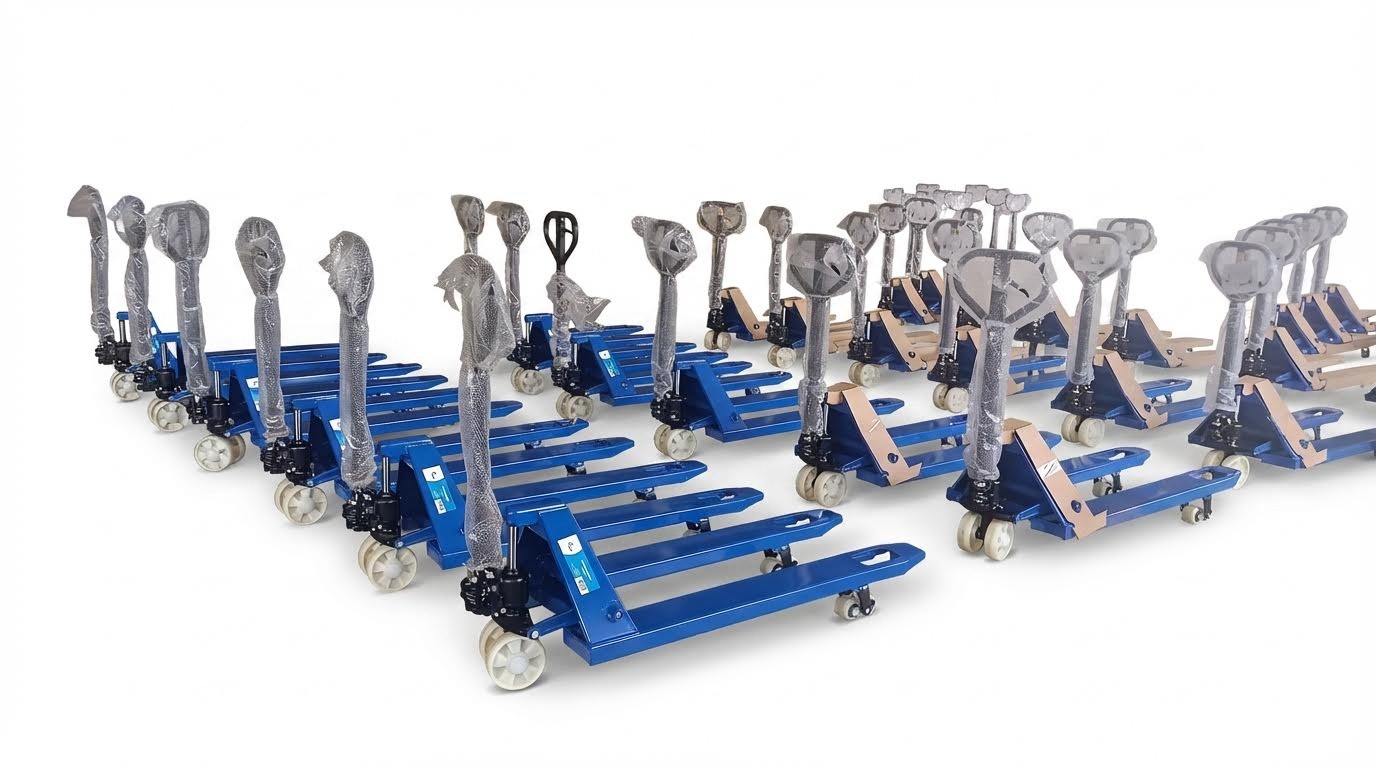
Modern facilities used manual, electric, and engine pallet trucks to cover distinct handling tasks. Each architecture delivered specific capacity ranges, travel speeds, and ergonomic characteristics. Comparing these platforms helped engineers align equipment selection with throughput, aisle geometry, and floor conditions. The following subsections focused on technical trade-offs that influenced safety, productivity, and lifecycle cost.
Manual Trucks: Limits Of Human-Powered Handling
Manual pallet trucks relied entirely on operator push and pull forces for traction and steering. Typical rated capacities ranged between 1600 kg and 3000 kg, as documented for Panther 1672/1682 up to Panther 3072/3082 models. Fork lengths spanned roughly 600 mm to 2400 mm, with entrance heights down to about 75 mm, which allowed entry into low-profile pallets. These trucks offered precise low-speed positioning but became ergonomically limiting over long distances or high-frequency cycles.
OSHA guidelines required operators to avoid overloading beyond the manufacturer’s rating, typically 2500–3000 kg for standard units. Human push forces increased sharply on rough concrete, slopes, and when using long forks with off-center loads. Polyurethane or nylon wheels wore faster on abrasive floors, which further increased rolling resistance and strain. Facilities therefore used manual trucks mainly for short shuttle moves, low daily hours, and areas with limited power availability.
Manual units offered low acquisition cost and simple maintenance, with daily visual checks and weekly lubrication sufficient for most duty cycles. However, dependence on operator strength introduced variability in performance and higher musculoskeletal risk. Upgrading to ergonomic steering systems and optimizing wheel compounds mitigated some limitations but did not remove the fundamental human power ceiling. For higher throughput or longer routes, electric assistance generally delivered safer and more consistent handling.
Electric Walkies And Ride-On Trucks: Duty Cycles And Speed
Electric pallet trucks replaced human traction with electric drive motors while retaining compact chassis dimensions. Ride-on models such as PPT-18 to PPT-40 covered capacities from 1800 kg up to 4000 kg, bridging the gap between manual trucks and forklifts. Travel speed typically reached about 6.0 km/h unladen and 5.0 km/h laden, which supported medium to high throughput over longer runs. Lifting cycles were short, with the PPT-40 raising loads in roughly 5.5 seconds and lowering in about 1.8–4.0 seconds depending on load.
Duty cycle planning required matching battery capacity and charger infrastructure to shift length and peak traffic. Facilities needed to consider gradeability, which for the referenced electric models reached about 17% unladen and 9% laden. These limits constrained safe operation on ramps and dock approaches, particularly with high center-of-gravity loads. Operators had to maintain reduced speeds on inclines and avoid sudden directional changes to preserve stability.
Electric walkies and ride-ons improved ergonomics by eliminating heavy pushing and pulling, which reduced operator fatigue and injury risk. However, they introduced new requirements for battery management, charger placement, and electrical safety. Proper training covered pre-use checks, emergency stop use, and speed control in congested aisles. In high-density warehouses, electric pallet trucks often formed the core of horizontal transport, feeding storage racks and shipping lanes with predictable cycle times.
Diesel And IC Trucks: High Lift And Outdoor Applications
Diesel and other internal combustion (IC) pallet trucks, often configured as high-lift forklifts, served heavier loads and outdoor environments. Example diesel units such as CPCD3030 and CPCD3530 carried rated loads of 3000 kg and 3500 kg respectively. Their masts reached lift heights of about 3000 mm with standard 2-stage designs, enabling stacking and truck loading at dock height and above. Fork dimensions around 45 mm by 125 mm by 1070 mm provided robust section modulus for high-load bending resistance.
Lifting speed for these IC trucks reached about 460 mm/s laden and 540 mm/s unladen, with lowering speeds near 450 mm/s and 420 mm/s. Travel speeds of roughly 18 km/h laden and 19 km/h unladen allowed rapid movement over yard areas and long internal routes. Gradeability unladen reached approximately 20%, which supported operation on ramps, outdoor yards, and uneven approaches. However, safe operation with loads on slopes still required conservative driving and strict adherence
Safe Operation, Maintenance, And Lifecycle Management

Safe pallet truck operation depended on disciplined procedures, appropriate technology, and consistent maintenance. Facilities that integrated safety, inspection, and training into daily routines reduced incidents and unplanned downtime. Modern fleets combined manual, electric, and engine-powered trucks, so managers needed harmonized standards across all equipment. Lifecycle management linked pre-use checks, servicing, and digital monitoring to extend asset life and preserve lifting capacity.
Pre-Use Checks, OSHA Practices, And Load Handling
Operators performed pre-use checks before each shift to detect visible defects and leaks. They inspected frames for cracks or deformation, forks for bending or warping, and wheels for flat spots, cracks, or debris. For powered trucks, they checked control functions, brakes, horn, emergency stop, and verified hydraulic response with a short test lift. OSHA-aligned practice required tagging out any truck with structural damage, hydraulic leaks, or faulty controls until repair.
Safe load handling started with respecting the rated capacity, typically 1600–3000 kg for manual models and up to 4000 kg for ride-on electric trucks. Operators confirmed the load weight, centered the load on both forks, and fully inserted the forks under the pallet. They approached the pallet slowly and squarely, then lifted smoothly to avoid shock loading of the hydraulic system. On slopes, guidance recommended keeping the load upgrade when feasible, moving at low speed, and avoiding steep or rough surfaces that reduced stability.
Best practice instructed operators to push manual trucks instead of pulling when possible, reducing musculoskeletal strain. Facilities prohibited riding on forks, running with loads, or taking sharp turns at speed. Loads required secure stacking and, where necessary, wrapping to prevent shifting during transport. Proper parking included lowering forks fully, returning controls to neutral, and storing manual jacks with handles upright to prevent tripping hazards.
Battery, Hydraulic, And Mechanical Maintenance Routines
Electric pallet trucks and stackers relied on disciplined battery care to maintain duty cycles and lifting performance. Operators checked charge level and connector integrity before use and followed manufacturer instructions on charging frequency and equalization. They avoided deep discharges below recommended thresholds, which shortened cell life and reduced available capacity under peak demand. Ventilated charging areas and correct cable management reduced fire and trip risks.
Hydraulic systems required regular oil level checks and leak inspections around pumps, cylinders, and hose connections. Technicians topped up hydraulic oil with the specified grade when sluggish lifting appeared, then investigated seals if sinking forks occurred under static load. They avoided contaminating the system with unsuitable fluids, because improvised lubricants clogged valves and damaged seals. Periodic bleeding of air from hydraulic circuits preserved consistent lifting speed and rated capacity.
Mechanical maintenance focused on wheels, axles, steering linkages, and pivot points. Weekly routines included lubricating wheel axles and pivot joints, tightening fork and handle fasteners, and checking for abnormal noise during travel. Monthly deep cleaning around forks and wheel housings removed compacted dirt that accelerated wear and corrosion. Facilities documented all interventions, which supported warranty claims and lifecycle cost analysis.
Predictive Maintenance, Sensors, And Digital Twins
Predictive maintenance strategies used operating data to anticipate failures before they caused downtime. Fleet managers equipped powered pallet trucks with hour meters, event logs, and sometimes integrated telematics modules. These devices recorded lift cycles, travel distance, overload events, and fault codes. Analysis of this data revealed patterns such as increased current draw during lifting, which indicated hydraulic or mechanical degradation.
Sensors on advanced trucks monitored battery voltage, temperature, and charge cycles to predict end-of-life and schedule replacements. Vibration and speed sensors on drive units and wheels helped detect bearing wear and misalignment. Some facilities implemented digital twins for high-value equipment, creating virtual models that reflected real usage and condition. The digital twin combined design data, maintenance history, and sensor inputs to simulate remaining useful life of key components.
Predictive approaches reduced emergency repairs and allowed maintenance windows to align with production schedules. They also supported right-sizing the fleet by showing true utilization for each truck. However, predictive systems still depended on disciplined data entry, accurate sensor calibration, and integration with computerized maintenance management systems. Without these, the models produced unreliable recommendations and eroded operator trust.
Training, Certification, And Incident Prevention
Summary And Practical Selection Guidelines
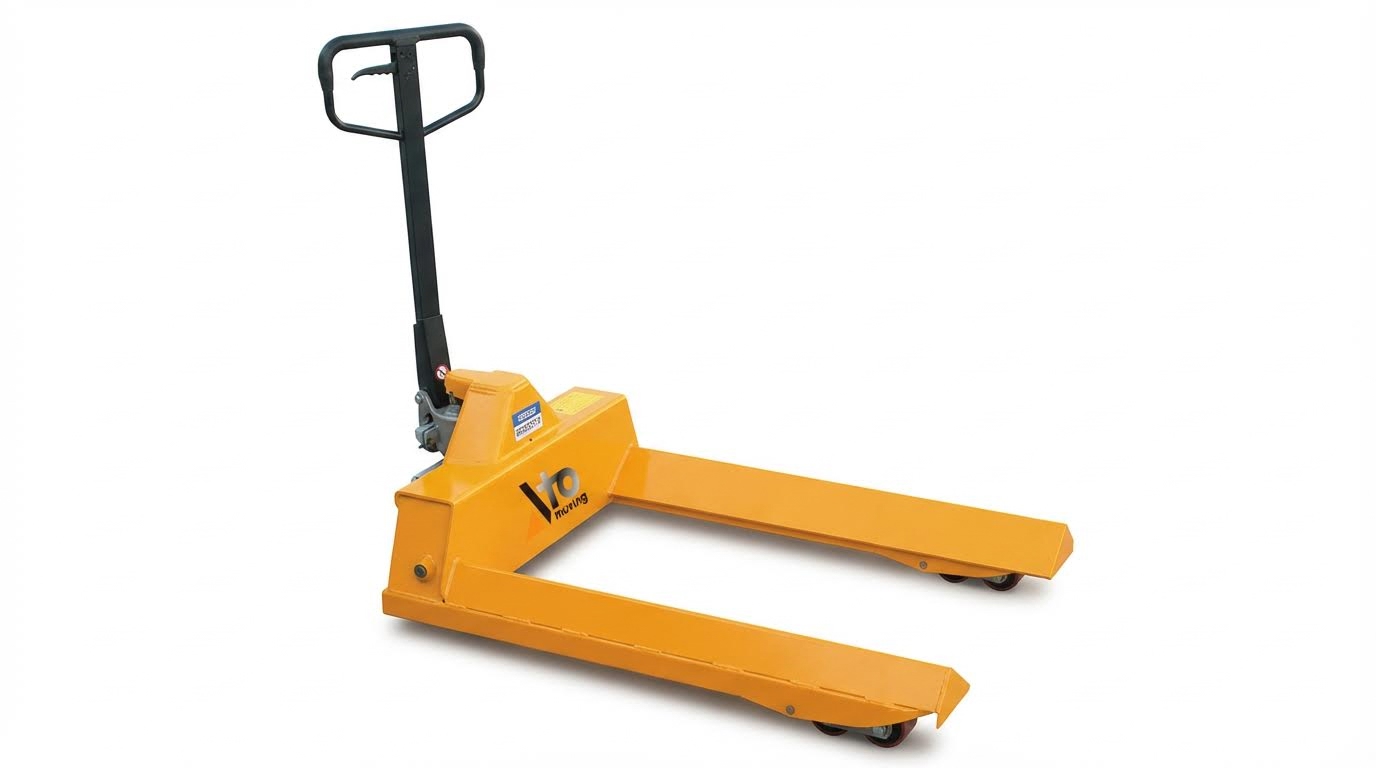
Pallet truck selection in modern facilities required a structured comparison of manual, electric, and engine-powered designs. Engineers and safety managers evaluated rated capacity, lift height, and gradeability against real duty cycles. They also considered operator exposure, maintenance regimes, and floor conditions to minimize whole‑life cost. The following guidelines summarized practical decision criteria.
From a technical perspective, rated load and load center defined the safe envelope for every truck type. Typical manual units operated between 1600 kg and 3000 kg, while electric ride‑on models reached 4000 kg, and diesel trucks handled up to 3500 kg with 3000 mm lift heights. Facilities matched these capacities to palletized SKU masses, stacking requirements, and racking clearances. Engineers also checked fork dimensions and entrance heights against pallet designs to avoid heel binding and tip overloading.
Operationally, manual trucks suited short horizontal moves on flat, smooth floors with low cycle counts and moderate loads. Electric walkies and ride‑ons fit high‑throughput warehouse aisles, where controlled travel speeds, defined gradeability, and efficient battery management supported continuous shifts. Diesel and IC pallet trucks worked best outdoors or in semi‑covered yards, where higher travel speeds, steeper ramps, and weather exposure justified combustion power, subject to local emissions and ventilation rules.
Lifecycle management combined daily inspections, scheduled lubrication, and periodic overhaul of hydraulics, wheels, and braking systems. Facilities increasingly adopted predictive approaches, using sensors and digital monitoring to detect abnormal vibration, temperature, or lift performance drift before failures. Training and certification remained central: operators learned to respect capacity limits, maintain load stability, and follow OSHA‑aligned practices for slopes, visibility, and emergency stops. Future trends pointed toward more telemetry, safer ergonomics, and tighter integration of pallet trucks with warehouse management systems, while the core engineering principles of capacity, stability, and controlled motion stayed unchanged.