Pallet lifting safety relied increasingly on engineered controls rather than individual strength or technique. This article examined how task design, equipment selection, and workplace layout affected loads, posture, and injury risk during pallet handling. It then explored how to design safer pallet lifting systems and workstations, including ergonomic heights, adjustable positioners, and powered aids. Subsequent sections addressed inspection and maintenance regimes, as well as digital safety management, training, and feedback loops. The article concluded with a practical roadmap that helped organizations implement safer pallet lifting practices in a structured, measurable way.
Engineering The Task: Pallet Lifting Risk Fundamentals
Engineering pallet lifting tasks required a structured understanding of load characteristics, human biomechanics, and equipment limits. Practitioners translated these factors into layout, tooling, and workflow requirements. This section framed the risk picture before detailed design, so later engineering controls could target the highest contributors to injury and loss.
Typical Pallet Loads, Postures, And Injury Modes
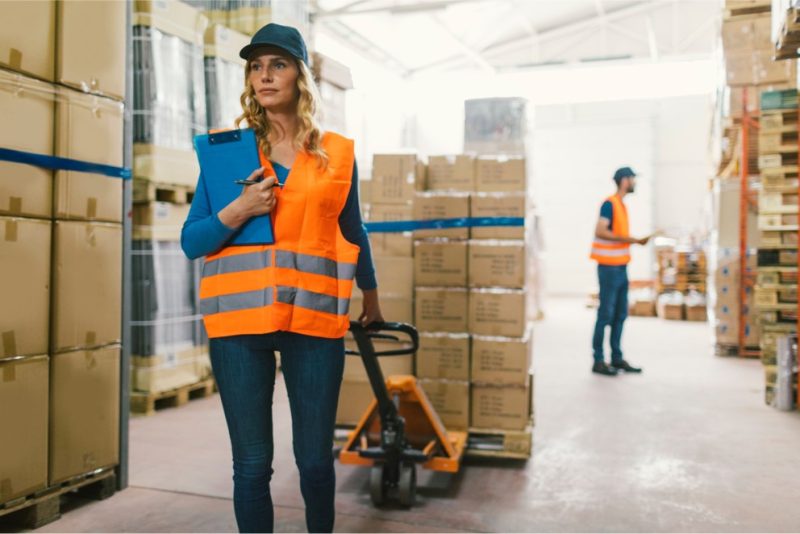
Warehouse and grocery operations typically handled case weights of 36–45 kg per pallet layer, with individual boxes often weighing 36–45 kg. In refrigerated and freezer areas, selectors frequently managed 36–45 kg loads on lower pallet levels. Operators often bent at the waist to place heavy cartons on the bottom layer, combining trunk flexion, forward reach, and twisting. This posture significantly increased lumbar disc compression and shear forces. Heaviest units were usually placed low for stability, which concentrated high-load lifts at the worst postures. Typical injury modes included acute lumbar strains, cumulative low-back disorders, shoulder impingement from elevated reaches, and lower-extremity fractures from impacts or pallet truck wheel run-overs. Hand and wrist disorders also occurred due to high push–pull forces on pallet jack tillers, especially over damaged floors or with flat-spotted wheels.
Regulatory Framework And Industry Standards
Regulatory frameworks for pallet lifting safety primarily referenced general materials-handling and powered industrial truck rules. Occupational safety regulations required employers to identify manual handling hazards, implement feasible engineering controls, and train employees in safe lifting techniques. For powered pallet trucks and stackers, standards aligned with forklift rules and required formal operator training, evaluation, and periodic refresher instruction. Guidance documents from agencies such as NIOSH provided evidence-based limits and cautions, for example noting that back belts had unproven effectiveness in preventing back injuries. Industry standards and best-practice courses covered ergonomics, pre-operational inspections, and safe operation of pallet jacks, stackers, and forklifts. These frameworks pushed organizations to formalize inspection checklists, competency assessments, and documentation of training and maintenance.
Manual Vs Powered Handling: Risk Trade-Offs
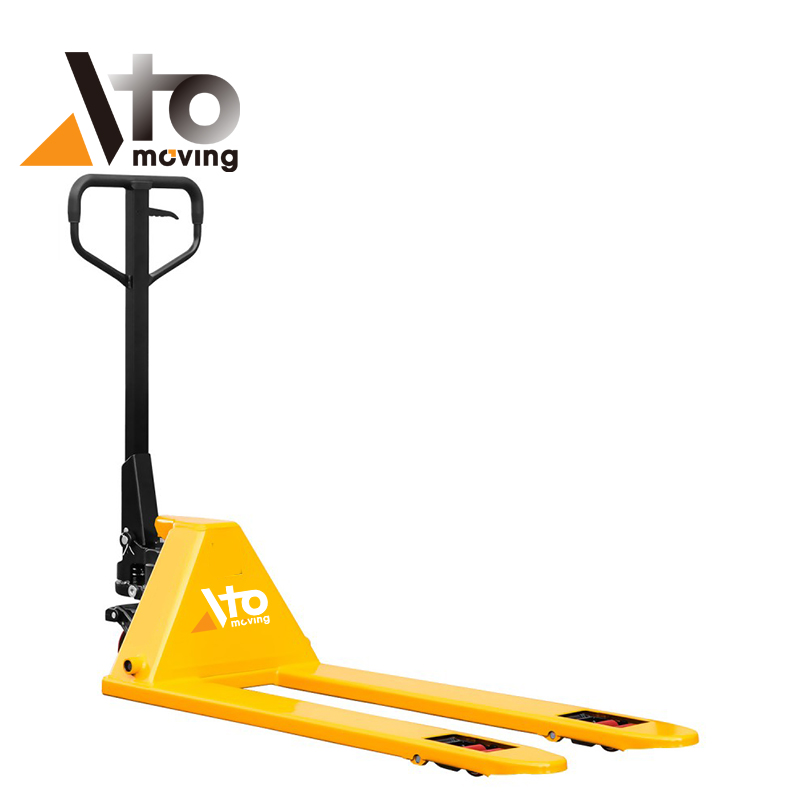
Manual pallet jacks and hand lifting exposed workers to high spinal loads, repetitive bending, and substantial push–pull forces. Incorrect technique, such as bending at the waist instead of the knees and lifting away from the body, increased injury probability. Powered pallet trucks and electric stackers reduced vertical lifting effort and often lowered cumulative spinal loading. However, they introduced different risks, including crush injuries, struck-by incidents, and whole-body vibration. Powered equipment also required higher operator skill, formal certification, and stricter pre-use checks. Engineering decisions therefore weighed reduced musculoskeletal strain against increased kinetic energy and potential collision severity. In practice, organizations often combined powered movement with engineered ergonomic controls, such as height-adjustable positioners, to minimize both overexertion and impact-related injuries.
Key Safety KPIs And Ergonomic Thresholds
Engineering teams tracked specific KPIs to quantify pallet lifting risk and control effectiveness. Common indicators included recordable musculoskeletal disorders per 100 full-time equivalents, lost-time injury frequency, and severity rates associated with materials handling. Task-level metrics focused on peak and sustained push–pull forces on pallet jacks, trunk flexion angles, and lift frequency per shift. Ergonomic guidelines typically targeted keeping most lifts within recommended weight limits at waist height and restricting trunk flexion beyond roughly 20–30 degrees for repetitive tasks. Designers also monitored pallet jack handle forces, aiming to keep them within accepted hand–arm limits under worst-case floor and load conditions. Additional KPIs included percentage of operators trained and certified, pre-use inspection completion rates, and closure time for maintenance findings. These quantitative thresholds allowed continuous improvement of workstation layouts, equipment specifications, and work methods.
Designing Safer Pallet Lifting Systems And Workstations
Engineering safer pallet lifting systems required a holistic view of task geometry, load characteristics, and operator capability. Effective workstation design reduced peak spinal loads, minimized awkward postures, and controlled push–pull forces during pallet handling. Safety engineers translated regulatory and ergonomic guidance into concrete dimensions, equipment choices, and layout rules. This section focused on how to configure heights, devices, and surfaces so operators stayed within evidence-based ergonomic thresholds during pallet lifting and transport.
Ergonomic Layouts: Heights, Reach, And Clearances
Ergonomic pallet workstations kept the primary handling zone between approximately 750 millimetres and 1 100 millimetres above the floor. This height band aligned with waist-to-elbow level for most adults and reduced trunk flexion beyond 20 degrees during lifting. In grocery warehousing, bottom pallet layers often sat near floor level, forcing repeated bending at the waist to place 35–45 kilogram boxes. Raising the lowest handling level using extra pallets, low platforms, or height-adjustable devices reduced cumulative lumbar loading.
Reach distances also required control. Designers typically limited horizontal reach to less than 450–500 millimetres for frequent lifts to maintain acceptable shoulder and low-back moments. This meant positioning pallets so operators did not lean over more than one box depth to place or retrieve loads. Adequate clearances around pallet positions, typically at least 900 millimetres for walkways and 1 200–1 500 millimetres in picking zones, allowed neutral foot placement and discouraged twisting.
Engineers evaluated approach paths for pallet jacks and stackers to avoid tight turns that forced torso rotation under load. Aligning pallets with primary travel aisles reduced the need to side-load or crab-walk products. Visual floor markings and standardized pallet footprints helped maintain consistent ergonomics across shifts. Where operators worked in cold rooms or freezers, designers considered bulkier PPE and reduced dexterity, increasing required clearances to maintain safe posture and stable footing.
Adjustable Pallet Positioners, Jack Lift Heights, And Stackers
Adjustable pallet positioners and high-lift pallet jacks allowed the load to stay within the preferred lifting zone throughout the build cycle. Standard manual pallet jacks historically lifted pallets by roughly 150–200 millimetres, leaving bottom layers near the floor. Some ergonomic pallet jacks and scissor-lift variants raised loads by about 200–250 millimetres, while specialized height-adjustable picking equipment elevated pallets 200–250 millimetres higher again, up to roughly 250 millimetres total fork stroke over floor level. This additional height significantly reduced forward bending when handling 35–45 kilogram cases.
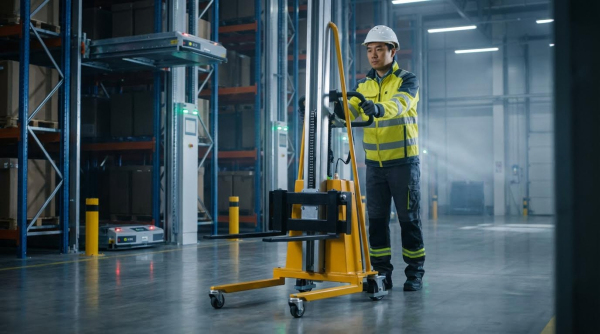
Engineers selected lift heights based on task analysis. For high-frequency case picking, scissor-lift tables or pallet positioners that tracked the pallet height as layers were added kept the top layer near waist level. Spring- or air-actuated positioners automatically maintained height as load mass changed, reducing the need for manual adjustments. In contrast, electric pallet stackers provided vertical positioning for full pallets, placing loads at racking beam levels while removing manual lifting entirely.
Designers matched equipment type to throughput and aisle geometry. Electric stackers with mast heights compatible with existing racking allowed vertical handling without forklifts in narrow aisles. However, they introduced new requirements for pre-use checks, stability assessment, and operator training. For mixed environments, engineers sometimes combined standard pallet jacks for transport with fixed height-adjustable palletizers at workstations, ensuring lifting occurred only at engineered stations rather than ad hoc floor locations.
Floor Quality, Wheel Selection, And Vibration Control
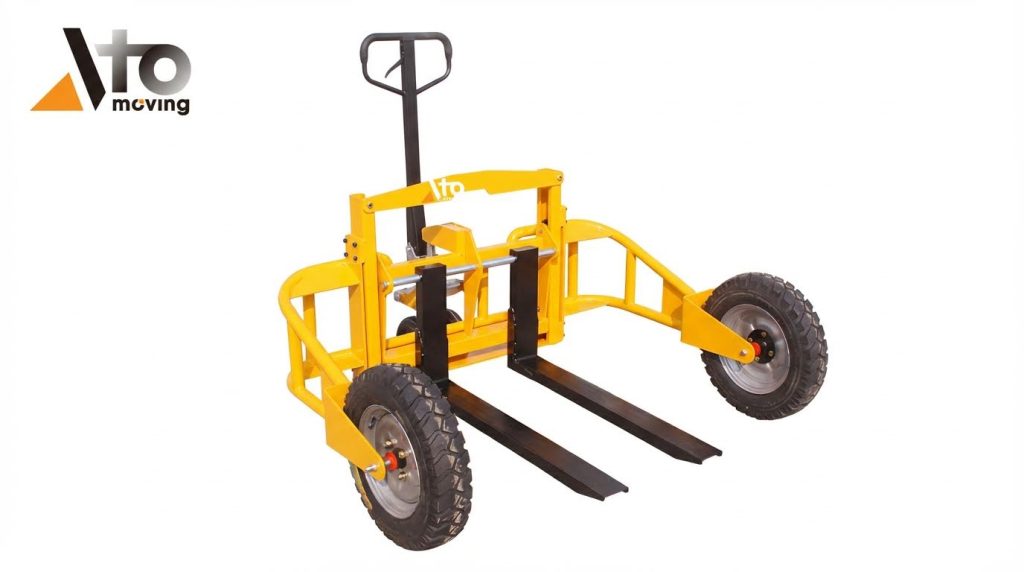
Floor condition directly influenced the hand and arm forces required to move pallet jacks and powered trucks. Solid rubber wheels on pallet jacks and forklifts developed flat spots under static loads, which increased rolling resistance and produced unstable load motion. Ruts, spalls, and surface irregularities in warehouse floors added impact loads to the operator’s hands and arms during steering and braking. These factors elevated ergonomic risk even when lifting tasks were well designed.
Engineering controls started with specifying flat, smooth, and non-slip concrete surfaces with tight tolerances on levelness and local slope. Regular floor maintenance removed protrusions and filled depressions that caused shock loads and whole-body vibration. Wheel material and diameter were selected based on floor hardness and expected loads; larger-diameter, high-quality polyurethane or rubber wheels reduced peak
Inspection, Maintenance, And Digital Safety Management
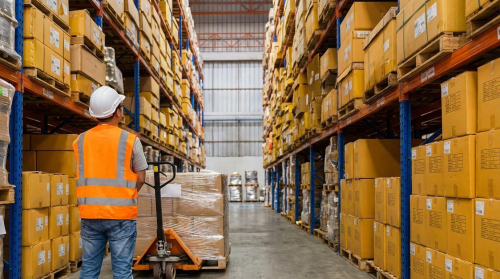
Inspection, maintenance, and digital safety management formed the backbone of reliable pallet lifting operations. Engineering-led programs linked pre-use checks, condition-based maintenance, and data capture to measurable reductions in injuries and unplanned downtime. Effective systems combined simple visual inspections with structured checklists, defect tagging, and traceable records that supported regulatory compliance and continuous improvement.
Pre-Use Checks For Pallet Jacks, Stackers, And Trucks
Pre-use checks verified that pallet jacks, electric stackers, and powered pallet trucks operated safely before loading. Operators inspected visible damage, loose parts, and contamination that could affect controls or stability. They examined forks for bending, cracks, or misalignment and confirmed that forks fully entered pallets without interference. Wheels and tires required inspection for flat spots, embedded debris, or uneven wear that could cause unstable loads or increased push forces.
For powered equipment, operators checked battery installation, charge status, and secure fastening, along with cables and connectors. They tested lift, lower, steering, and braking functions under no-load conditions, confirming smooth, predictable response and no abnormal noises or vibrations. Safety devices, including emergency stop buttons, warning labels, and guards, had to be present and legible. Any critical defect, such as damaged wheels, hydraulic leaks, or malfunctioning brakes, triggered immediate “out of service” tagging and reporting before use.
Hydraulic, Wheel, And Structural Maintenance Protocols
Structured maintenance protocols focused on hydraulic integrity, rolling components, and structural soundness. Weekly checks typically included hydraulic oil level verification against manufacturer specifications and inspection for external oil traces on hoses, cylinders, and seals. Low oil levels reduced lifting pressure and caused erratic fork motion, while air ingress from frequent tilting or uneven positioning led to lifting and lowering malfunctions.
Technicians bled hydraulic systems by cycling the control lever through lift and lower positions while pumping under no load, then re-testing with a load. Periodic oil changes removed dirt particles that could damage valves and seals; procedures used appropriate hydraulic oil, controlled draining, and seal inspection. Load rollers and fork rollers experienced high daily stress and required replacement when worn, chipped, or out-of-round. Proper replacement involved supporting the truck, removing pins and axles, installing new lubricated rollers, and verifying smooth travel.
Steering wheels and casters also required timely replacement to maintain maneuverability and reduce hand-arm forces. Structural inspections targeted cracks in fork heels, welds, and chassis, along with deformation from overloads. Any structural defect warranted immediate removal from service and assessment by qualified personnel, ensuring that repaired equipment met original rated capacity and safety factors.
AI-Driven Monitoring, Digital Checklists, And Twins
Digital safety management enhanced traditional inspection and maintenance regimes. Electronic pre-use checklists standardised inspection content, reduced omissions, and enabled real-time defect reporting with photos and timestamps. Systems stored inspection data with equipment identifiers, dates, and inspector details, supporting traceability and preventive maintenance planning. Automatic alerts notified maintenance teams when inspections flagged critical issues or when scheduled service intervals approached.
AI-driven analytics processed historical inspection, breakdown, and usage data to identify patterns such as recurring wheel failures on specific floor sections or increased hydraulic issues after certain duty cycles. These insights supported risk-based maintenance, floor repairs, and equipment specification changes. Digital twins of material handling assets and layouts modelled load paths, utilisation, and failure modes, allowing engineers to test alternative wheel materials, hydraulic component ratings, or traffic routes virtually.
Integration with warehouse management or fleet systems linked utilisation metrics to condition indicators, enabling more accurate service scheduling. Mobile devices gave operators guided inspection workflows with embedded reference images and acceptance criteria, reducing subjectivity. The combination of AI, digital records, and virtual models shifted safety management from reactive fault repair to predictive and prescriptive decision-making.
Training, Competency, And Incident Feedback Loops
Training and competency management underpinned the effectiveness of inspection and maintenance programs. Operators of forklifts and powered pallet trucks required formal certification that covered pre-operational checks, safe driving, load assessment, and emergency procedures. Manual pallet truck users benefited from shorter courses that focused on ergonomics, safe handling techniques, and basic inspection steps, since mishandling remained a major cause of preventable injuries.
High-quality courses addressed ergonomics, step-by-step lifting
Summary And Implementation Roadmap For Safer Pallet Lifting

Engineering controls for pallet lifting had reduced exposure to high spinal loads, awkward postures, and whole‑body vibration. Typical grocery and warehouse operations handled 80–100 pound units, often at floor level, which created high lumbar moments and frequent overexertion injuries. Powered jacks, stackers, pallet positioners, and cobot or mechanical palletizers kept loads closer to waist height and reduced manual lift frequency. Floor quality, wheel condition, and correctly specified lift heights, reaches, and clearances formed the backbone of a low-force, low-risk system.
Industry practice aligned with OSHA material handling rules and referenced NIOSH guidance, including the lack of evidence for back-belt effectiveness. Effective programs combined engineered workstations, height-adjustable equipment, and strict capacity control with structured pre-use inspections and planned maintenance. Weekly hydraulic checks, wheel and roller inspection, and bleeding procedures maintained low hand-arm forces and stable load handling. Digital checklists and inspection records demonstrated compliance, supported preventive maintenance, and reduced unexpected downtime.
Implementation in an operating site followed a staged roadmap. First, practitioners mapped current pallet flows, measured load weights, lift heights, push–pull forces, and documented incident history. Second, they prioritized controls that removed low-level lifts, such as pallet positioners on jacks, stacked empty pallets, or powered stackers sized to actual load envelopes. Third, they upgraded floors and wheel specifications where steering forces or vibration exceeded ergonomic guidelines. Parallel actions included deploying standardized pre-use inspection routines, digital reporting, and clear out-of-service rules for leaks, cracked components, or damaged wheels.
Training and competency development closed the loop. Operators learned ergonomically correct lifting, posture, and tiller-handling techniques, and they practiced recognizing early mechanical faults and unsafe conditions. Blended courses covered manual and powered equipment, regulatory basics, and site-specific rules, with reassessment cycles aligned to certificate validity periods. Over time, sites integrated incident data and near-miss reports into design reviews, driving iterative improvements to layouts, equipment selection, and maintenance intervals. This feedback-driven approach created a balanced evolution path, where automation and power assistance expanded gradually while preserving operator oversight and maintaining rigorous inspection and maintenance discipline.