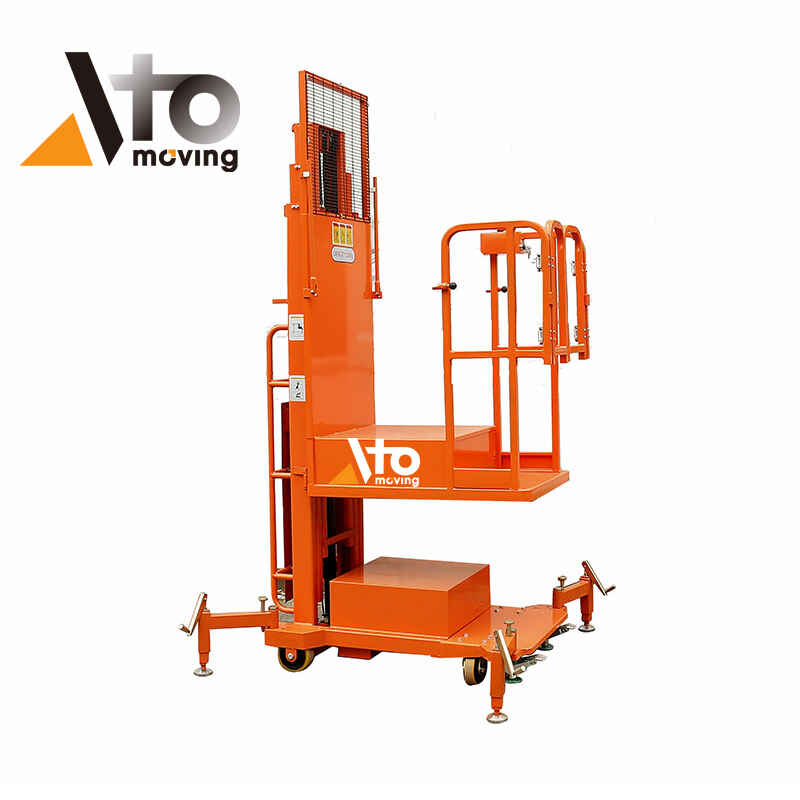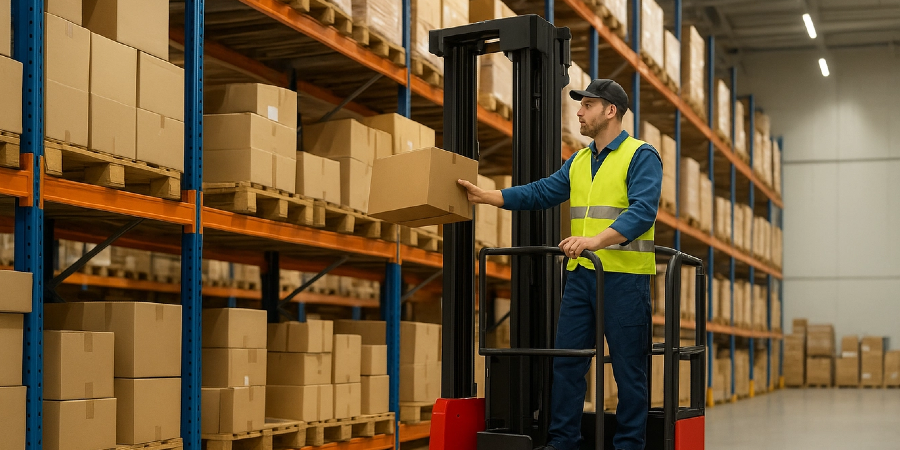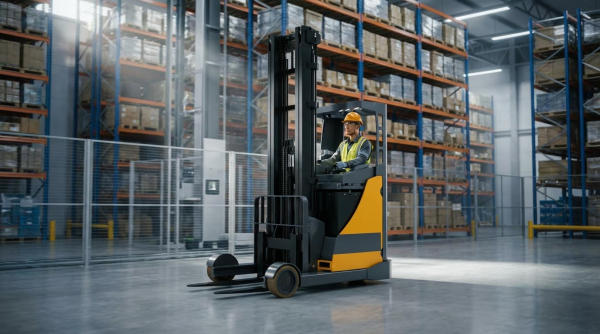
Warehouse cherry pickers and order picker trucks defined the modern approach to high-bay storage, person-up picking, and narrow-aisle handling. Engineers had to integrate lifting mechanics, human factors, and racking geometry to deliver safe, efficient systems. This article examined functional roles, OSHA-driven safety engineering, and SOP design for Class II order pickers and MEWP-type cherry pickers, including load ratings, fall protection, and traffic management. It also reviewed maintenance programs, from daily checks to predictive, sensor-based strategies, and concluded with engineering implications for warehouse layout, fleet sizing, and lifecycle cost control.
Functional Roles Of Order Pickers And Cherry Pickers
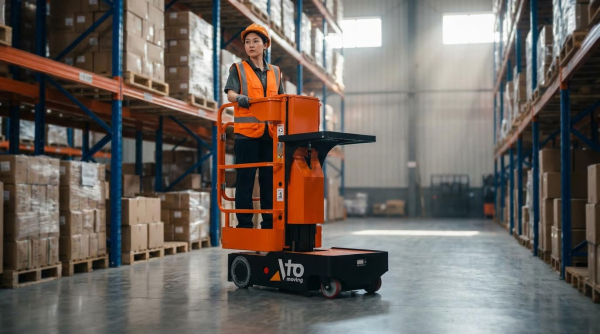
Order pickers and cherry pickers fulfilled distinct but overlapping roles in warehouse engineering. Order pickers, classified by OSHA as Class II electric motor narrow aisle lift trucks, elevated the operator into the rack to pick individual items or cases without pallets. Cherry pickers, as Mobile Elevating Work Platforms (MEWPs), primarily provided temporary access to height for tasks such as maintenance, cleaning, or non-routine stock work. Understanding these functional differences allowed engineers to specify the correct machine for throughput, safety, and space constraints.
Class II Order Pickers Versus MEWP Cherry Pickers
Class II order pickers integrated the lifting mechanism and operator platform into a narrow, counterbalanced truck optimized for racked storage aisles. They supported palletless picking, where the operator rode with the platform to shelf height and manually handled cartons or pieces. OSHA treated them as powered industrial trucks, so operator training covered truck stability, narrow-aisle maneuvering, and load plus operator mass within rated capacity. MEWP cherry pickers, by contrast, fell under work-at-height regulations and MEWP standards, emphasizing platform guardrails, fall arrest anchorage, and ground condition assessment. Engineers selected order pickers when the primary function was repetitive item picking, and cherry pickers when the primary function was temporary elevated access rather than continuous material flow.
Typical Warehouse Use Cases And Duty Cycles
Order pickers operated in high-frequency, repetitive duty cycles that supported order fulfillment, e-commerce piece picking, and case picking from high-bay racking. They typically ran multiple shifts, with daily pre-use checks, opportunity charging for batteries, and intensive steering and lift actuation in confined aisles. Cherry pickers in warehouses supported lower-frequency activities such as light fitting maintenance, sprinkler inspections, inventory audits, sign installation, and occasional access to upper rack levels. Their duty cycles involved longer idle periods, shorter drive distances, and more emphasis on safe positioning and outreach rather than high pick rates. Engineering specifications therefore prioritized high cycle durability, energy efficiency, and tight turning radius for order pickers, while stability envelopes, outreach limits, and ground bearing pressures dominated cherry picker selection.
Load Ratings, Centers, And Stability Considerations
Order picker capacities typically ranged up to about 1 360 kg, but engineers had to consider that the rating included the operator, tools, and picked load. Capacity charts defined allowable load at a specified load center, often 600 mm, and any shift of mass outward reduced the safe working load. Cherry pickers used a Safe Working Load (SWL) for the platform, also including personnel, tools, and materials, with strict limits to preserve overturning margins. Stability analysis for both machines considered center-of-gravity movement as the platform elevated and translated, especially when braking or turning. For order pickers in narrow aisles, mast deflection, rack impact risk, and floor flatness tolerance affected stability, while cherry pickers required assessment of ground slope, surface stiffness, and proximity to edges, docks, or ramps. Engineering controls such as speed limiting at height, interlocks, and overload sensors supported compliance with capacity and stability requirements.
Narrow Aisle Geometry And Racking Interface
Order picker trucks relied on carefully engineered aisle geometry that balanced storage density against maneuvering clearance. Aisle width had to accommodate truck chassis, platform overhang, required turning radius, and any guidance system such as wire guidance or rail guidance. Racking design and beam elevations influenced how easily operators accessed pick faces, dictated lift heights, and constrained mast and overhead guard dimensions. Engineers considered reach envelopes, visibility, and the risk of striking uprights when specifying truck mast tilt, side-shift, and speed limits. Cherry pickers interfaced differently with racking, usually approaching perpendicular or at offset angles for inspection or occasional picking, so they required more lateral clearance and overhead obstruction checks. As a result, dense very-narrow-aisle systems favored dedicated order pickers, while mixed-use or maintenance-intensive areas benefited from occasional cherry picker access with wider service aisles or cross-aisles.
Safety Engineering, OSHA Compliance, And SOP Design
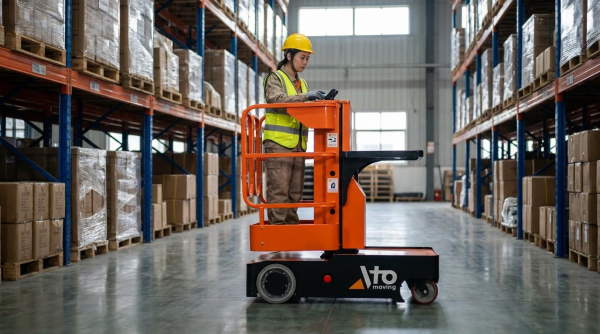
Safety engineering for warehouse cherry pickers and Class II order pickers relied on a systems approach. Engineers linked equipment design, OSHA rules, operator training, and SOPs into one control framework. The objective was to reduce fall, collision, and mechanical failure risks while maintaining throughput. This section focused on how regulatory requirements translated into practical engineering and procedural controls on the warehouse floor.
OSHA Class II Rules And Operator Training Content
OSHA classified order pickers as Class II electric motor narrow aisle trucks, so they fell under powered industrial truck regulations. Training programs covered hazard recognition, equipment limitations, and site-specific traffic rules. Content included capacity plate interpretation, combined weight calculations for operator, load, and tools, and the effect of elevated platforms on stability. Courses also addressed pre-use inspections, safe travel speeds, and emergency procedures such as power loss, platform entrapment, and ground-assisted lowering. Refresher training followed incidents, near misses, or equipment changes to keep operator competence aligned with current risk profiles.
Fall Protection, PFPE, And Traffic Management
Fall protection engineering treated the operator-platform system as a work-at-height environment. Designers integrated anchor points, guard rails, gates, and interlocks so harness lanyards could attach to certified tie-off points. PFPE policies specified full-body harnesses, energy-absorbing lanyards, helmets, gloves, high-visibility vests, and slip-resistant safety footwear, all correctly sized and adjusted. Traffic management plans divided warehouse floors into marked lanes, pedestrian zones, and exclusion areas around picking operations. Speed limits, right-of-way rules, and floor markings helped reduce conflicts between order pickers, forklifts, pedestrians, and other vehicles such as tugs or carts. Supervisors monitored compliance using observations, incident data, and periodic audits.
Pre-Operation Inspections And Job Hazard Analysis
Pre-operation inspections functioned as the first safety barrier against mechanical failure. Operators checked forks, platforms, masts, chains, rollers, hydraulic hoses, tires, batteries, controls, brakes, horns, alarms, and capacity plates before each shift. They removed damaged or leaking units from service and triggered lockout/tagout procedures when necessary. Job hazard analyses (JHAs) mapped task steps such as traveling, elevating, picking, and lowering to specific hazards. Analysts considered crowded aisles, uneven floors, docks, ramps, overhead obstructions, and mixed traffic. The JHA outputs drove engineering controls, signage, speed restrictions, and procedural rules, such as limiting elevation while traveling or banning operation in zones with inadequate floor capacity.
Writing Effective SOPs For Order Picking Tasks
Effective SOPs converted regulatory and engineering requirements into clear, sequenced instructions. Order picking SOPs defined preparation steps, including PPE checks, pre-shift inspections, and route planning. They described how operators verified item identity, quantities, and locations while staying within load and reach limits. Sections on driving behavior specified maximum speeds, turning practices in narrow aisles, and rules for keeping both hands on the controls while moving. SOPs also covered exception handling, such as damaged pallets, blocked aisles, or capacity conflicts, with escalation paths to supervisors. Document control practices ensured periodic review, version tracking, and alignment with manufacturer manuals and OSHA guidance, while quizzes and checklists verified operator understanding and implementation on the floor.
Maintenance, Inspection Routines, And Emerging Tech
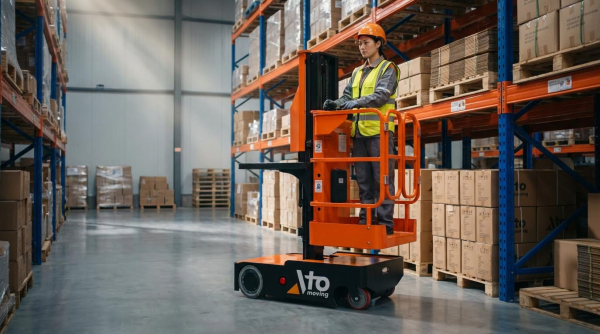
Maintenance engineering for cherry pickers and order picker trucks relied on structured inspection programs and disciplined execution. Warehouses that treated these machines as safety-critical assets achieved higher uptime and fewer incidents. Modern maintenance strategies combined classical preventive routines with data-driven monitoring and connected tools. This section examined how time-based programs, component health management, and emerging digital technologies interacted to support safe, economical fleet operation.
Daily, Monthly, And Six-Monthly Inspection Programs
Daily inspections focused on immediate operational safety and legal compliance. Operators checked forks, platforms, masts, chains, hydraulic hoses, tires, batteries, controls, and capacity plates for visible damage, leaks, or missing decals before each shift. They verified critical safety functions, including brakes, deadman switch, horn, backup alarm, emergency stop, and steering response, and removed defective units from service. These quick checks typically used manufacturer checklists integrated into logbooks or digital forms to create a traceable record.
Monthly inspections required a qualified technician or senior maintainer. The scope extended beyond visual checks to functional testing of power supply, drive system, motor–chain mechanisms, lifting components, and full range of motion against specifications. Technicians reviewed logbooks for recurring issues, confirmed torque on structural fasteners, inspected electrical terminations, and validated hydraulic performance under load. They documented findings in formal inspection reports, closed out operator-reported defects, and updated maintenance plans based on observed wear patterns.
Six-monthly programs typically involved partial strip-down and deeper diagnostics. Technicians inspected structural welds, mast rails, rollers, pins, and anchor points for cracks, deformation, or corrosion, and replaced worn components proactively. They reviewed manuals to confirm that maintenance intervals, fluids, and replacement parts matched manufacturer requirements and relevant standards. These visits also verified operator licenses, refresher training, and the suitability of PPE, linking technical condition with human factors. A structured cadence of daily, monthly, and six-monthly checks significantly reduced unexpected failures and supported regulatory inspections.
Battery, Hydraulic, And Structural Health Management
Electric order pickers relied on healthy traction batteries for safe and efficient operation. Good practice kept state of charge above roughly 20%, avoided opportunity charging that accelerated sulfation, and maintained clean, tight terminals free from corrosion. Maintenance teams monitored electrolyte levels for flooded cells, inspected cables for insulation damage, and ensured chargers matched battery chemistry and capacity. Consistent charging discipline extended runtime and reduced unplanned battery replacements.
Hydraulic systems powered mast lift, platform elevation, and steering functions. Weekly checks of oil level, hose integrity, fittings, and cylinder seals helped detect weeping leaks before they escalated into hose bursts or loss of control. Technicians sampled fluid when required to assess contamination and scheduled filter changes according to hours of operation rather than calendar time alone. They also inspected chain tension, sheaves, and anchor points, since mechanical and hydraulic subsystems shared loads during lifting.
Structural health management focused on components that defined the load path and fall protection envelope. Engineers and inspectors examined masts, platforms, guardrails, anchor points for PFPE, overhead guards, and welds for cracks, permanent deformation, and corrosion pitting. They paid particular attention to high-stress locations around fork heels, mast mounting points, and chassis corners. Any structural defect affecting capacity or stability required immediate derating or removal from service until repair and re-certification. Documented structural inspections aligned with manufacturer bulletins and applicable MEWP and industrial truck standards.
Digital Twins, Sensors, And Predictive Maintenance
Emerging technologies introduced sensor-based monitoring and digital twins into warehouse fleets. Order pickers and cherry pickers increasingly carried telematics modules that recorded usage hours, lift cycles, travel distance, impact events, and fault codes. Engineers used these data streams to refine maintenance intervals, shifting from fixed time-based schedules to condition-based tasks triggered by actual duty cycles. Load cells, tilt sensors, and mast position encoders further enriched the operational dataset.
Digital twins represented virtual models of each asset, combining design parameters, maintenance history, and real-time sensor inputs. These models allowed engineers to simulate wear accumulation on chains, bushings, and hydraulic components based on recorded loads and motion profiles. Predictive algorithms flagged outlier behavior, such as rising motor current, increasing hydraulic temperature, or abnormal vibration that preceded failures. Maintenance planners then scheduled targeted interventions during low-demand windows, improving uptime without over-servicing the fleet.
Integration with
Summary And Engineering Implications For Warehouses
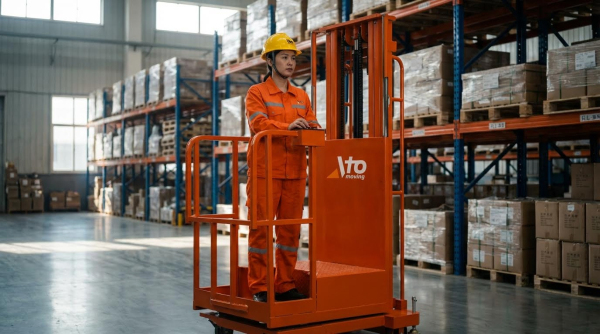
Engineering teams in warehouses treated order pickers and cherry pickers as safety-critical, load-bearing systems rather than simple access tools. The technical evidence showed that safe performance depended on tightly integrated design of structure, controls, fall protection, and operating procedures. OSHA classification of order pickers as Class II narrow-aisle lift trucks and cherry pickers as MEWPs drove requirements for formal operator training, documented inspections, and fall protection programs. Well-structured SOPs for order picking, pre-use checks, and emergency response linked human factors with mechanical and electrical design limits.
From an industry perspective, systematic daily, monthly, and six‑monthly inspection programs reduced accidents and unplanned downtime while extending asset life. Battery, hydraulic, and structural health management, combined with correct PPE and traffic management, created a defensible compliance posture and improved throughput in mixed-traffic warehouses. The introduction of sensors, connected checklists, and predictive maintenance, including digital-twin style monitoring, enabled earlier detection of overloads, leaks, and misuse patterns. This trend supported higher rack heights and tighter aisles without proportionally increasing risk.
For practical implementation, engineers needed to standardize checklists across fleets, align capacities and duty cycles with actual load spectra, and size fleets based on uptime data rather than nameplate ratings. Maintenance contracts, training curricula, and SOPs had to reference manufacturer limits, local regulations, and work-at-height rules such as rescue planning. Looking forward, convergence of telematics, condition monitoring, and analytics would gradually shift warehouses from reactive repair to engineered reliability management. Facilities that embedded these technologies into design reviews, equipment selection, and layout decisions would balance productivity gains with a stable, auditable safety envelope as warehouse automation and storage densities continued to evolve.