Warehouse order picker accuracy directly determined labor cost, service level, and profitability in modern distribution centers. This article examined how engineering principles, from process design to automation, systematically reduced mis-picks and returns. It covered KPI definitions, human and environmental factors, standardized workflows, and layout logic that stabilized operations. It also analyzed how digital systems, robotics, and AI-based analytics supported high-accuracy picking today and in future warehouse designs.
Engineering The Picking Process For High Accuracy
Engineering the picking process for accuracy required a systems view that linked people, processes, and technology. High-performing sites treated picking as an engineered flow, not a set of ad‑hoc tasks. They defined error types precisely, measured them with robust KPIs, and then redesigned layouts, routes, and workflows based on data. This section examined how to structure measurement and understand cost, human, and environmental drivers of accuracy.
Defining Picking Accuracy, Error Types, And KPIs
Picking accuracy described the proportion of orders or order lines shipped without errors. Engineers typically distinguished between order-level accuracy, line-level accuracy, and item-level accuracy, because each highlighted different failure modes. Error types included wrong SKU, wrong quantity, wrong unit of measure, wrong lot or batch, wrong serial number, and missed line items. Additional categories covered location errors, timing errors for time-definite shipments, and documentation or labeling mistakes.
Key performance indicators included picking accuracy rate, mis-pick rate per 1 000 order lines, and return rate due to fulfillment errors. Facilities also tracked cost per error, rework time, and the percentage of orders requiring re-picking or re-packing. Advanced operations monitored error density by zone, by picker, and by time of day to reveal systemic issues rather than blaming individuals. These KPIs fed continuous improvement loops, supporting objective evaluation of layout changes, technology deployments, and training programs.
Quantifying Cost Impacts Of Mis-Picks And Returns
Mis-picks and returns generated both direct and indirect costs that engineers needed to quantify. Direct costs included additional labor for re-picking, re-packing, and handling returns, plus extra transport for reshipments. There were also material costs from damaged goods, repackaging materials, and write-offs of non-resalable items. Indirect costs appeared as lost sales, penalty charges from key customers, and deterioration of service-level metrics.
A structured cost model allocated a standard cost to each error type, using time studies and financial data. For example, a wrong-SKU shipment for a domestic customer incurred specific handling minutes, transport charges, and administrative processing time. Aggregating these costs against mis-pick frequency allowed calculation of cost per 1 000 order lines or per shipped unit. This quantification justified investments in technologies such as barcode or RFID verification, voice-directed picking, and rules-based workflows in warehouse management systems. It also supported scenario analysis, comparing savings from error reduction against capital and operating expenditures.
Human Factors, Ergonomics, And Workload Management
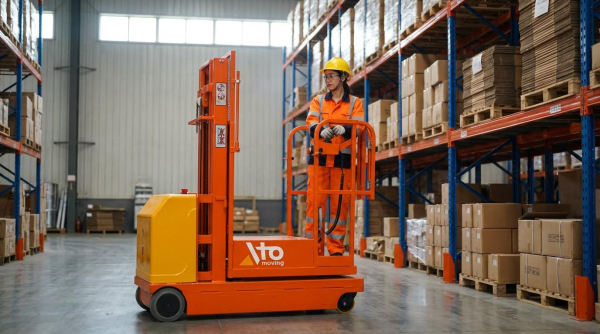
Human factors significantly influenced picking accuracy, as several studies showed links between fatigue, cognitive load, and error rates. Poor ergonomics increased physical strain, which reduced attention and elevated the probability of mis-reads or mis-grabs. Engineering interventions included designing pick faces at optimal reach zones, reducing bending and over-shoulder lifting, and standardizing tote heights. Adjustable workstations and well-designed mobile equipment further reduced musculoskeletal stress.
Workload management addressed cognitive and temporal aspects. Excessive pick rates, long shifts, and inadequate breaks correlated with higher mis-pick ratios, especially near shift ends. Balanced task assignment, rotation between zones, and realistic performance targets helped maintain concentration. Clear visual cues, standardized labels, and intuitive location coding simplified mental processing and shortened decision time. Training programs that emphasized error awareness, standard methods, and use of verification tools complemented ergonomic design, producing sustained accuracy gains.
Environmental Conditions And Their Effect On Errors
Environmental conditions such as lighting, temperature, and noise levels affected picker performance and error probability. Insufficient or uneven lighting increased misreading of labels and location numbers, especially in high-bay racking and dense shelving. Engineers specified illuminance levels appropriate for fine visual tasks and minimized glare on label surfaces and device screens. In cold or freezer environments, reduced dexterity and fogging could slow scanning and increase handling mistakes, requiring adapted equipment and procedures.
Temperature extremes and poor air quality contributed to fatigue and reduced concentration over a shift. Noise interfered with voice-directed systems and verbal communication, increasing confirmation errors. Layout choices, acoustic treatments, and equipment selection mitigated these effects. Clear walkways, sufficient aisle width, and clutter-free pick faces reduced trip hazards and unplanned detours that disrupted workflow. By treating environmental parameters as controllable design variables, warehouse engineers reduced error rates while improving worker comfort and safety.
Process Design, Layout, And Workflow Standardization
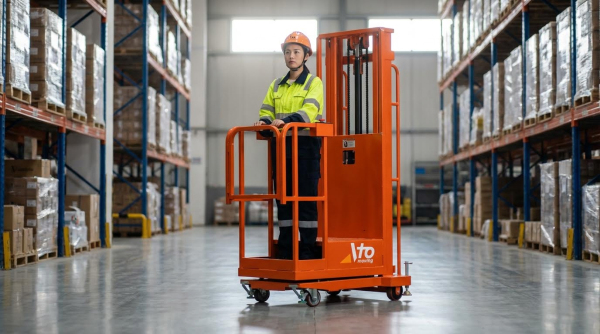
Process engineering determined how consistently a warehouse hit high picking accuracy targets. Well-structured layouts, standardized workflows, and disciplined housekeeping reduced cognitive load and eliminated ambiguous decisions at the pick face. By combining zoning, 5S, optimized routing, and formal quality gates, operations converted tribal knowledge into repeatable, auditable processes. This section explains how to design those elements so accuracy improved while throughput remained competitive.
Warehouse Zoning, 5S, And Location Numbering Logic
Effective zoning grouped SKUs by velocity, temperature class, handling constraints, or order affinity to shorten search and travel time. High-rotation items stayed closest to packing or dispatch, while slow movers shifted to peripheral or higher locations. Applying 5S at locations removed mixed storage, unclear labels, and obstructed access, which were frequent root causes of mis-picks. A structured location numbering scheme encoded zone, aisle, bay, level, and position, enabling unambiguous guidance by WMS, RF, or voice systems.
Locations required large, high-contrast identifiers readable from normal approach distances. Similar-looking or similarly coded items stayed physically separated to reduce visual confusion, as recommended by industrial engineering studies. Standardized bin sizes and clear front-facing labels minimized the chance of picking from the wrong compartment. Periodic audits of zoning, 5S adherence, and label legibility ensured the layout stayed aligned with changing demand patterns.
Route Optimization, Batch And Wave Picking Design
Route design controlled how pickers moved through zones and directly affected error exposure. Optimized paths minimized backtracking and cross-traffic, reducing fatigue and distraction, both known contributors to mis-picks. WMS-supported routing used algorithms that sequenced picks by proximity, SKU velocity, and order priority. This structured movement replaced ad hoc walking patterns that often produced skipped lines or wrong-location picks.
Batch and wave picking increased efficiency but required robust controls to protect accuracy. Orders in a batch or wave needed clear digital separation, with each tote, cart slot, or container tied to a single order or sub-order. Scanning items into waves and verifying container IDs prevented cross-allocation errors. Engineering teams tuned wave sizes, cut-off times, and zone combinations so pick density increased without overloading workers or causing congestion at merge and packing points.
SOPs, Checklists, And Double-Check Protocols
Standard operating procedures translated best practices into step-by-step instructions for every picking mode. Well-written SOPs specified scan sequences, verification steps, exception handling, and escalation paths. They reduced reliance on memory, which research showed became unreliable under high volume or time pressure. Visual SOPs at workstations reinforced training and helped temporary or rotating staff follow the same method.
Operational checklists supported SOPs by enforcing critical verifications at defined points, such as shift start, zone handover, or order completion. Checklists for pickers and supervisors included label checks, scan confirmation, and container ID verification. Double-check protocols, where a second worker or automated device verified high-risk orders, significantly cut errors for high-value or regulated shipments. Management adjusted the depth of double checks based on historical error patterns and KPI thresholds to balance cost and risk.
Quality Gates, Pre-Dispatch Review, And Error Feedback
Quality gates introduced formal control points where orders could not progress without passing defined checks. Typical gates existed after picking, after packing, and before loading. At each gate, barcode or RFID verification confirmed item, quantity, and destination, while WMS logic blocked mismatches. This staged approach ensured most errors were trapped inside the process rather than discovered by customers.
Pre-dispatch reviews focused on orders with higher risk profiles, such as first-time customers, complex multi-line orders, or previous complaint histories. Sampling plans combined automated checks with targeted manual inspections to keep workload manageable. Error feedback loops captured every mis-pick, short-ship, or wrong-label event with root-cause codes. Analysts reviewed patterns by SKU, location, shift, and picker to refine SOPs, training, zoning, and system rules. Over time, these feedback-driven adjustments turned quality gates from static inspections into a continuous improvement engine for picking accuracy.
Automation, Digital Systems, And Emerging Technologies
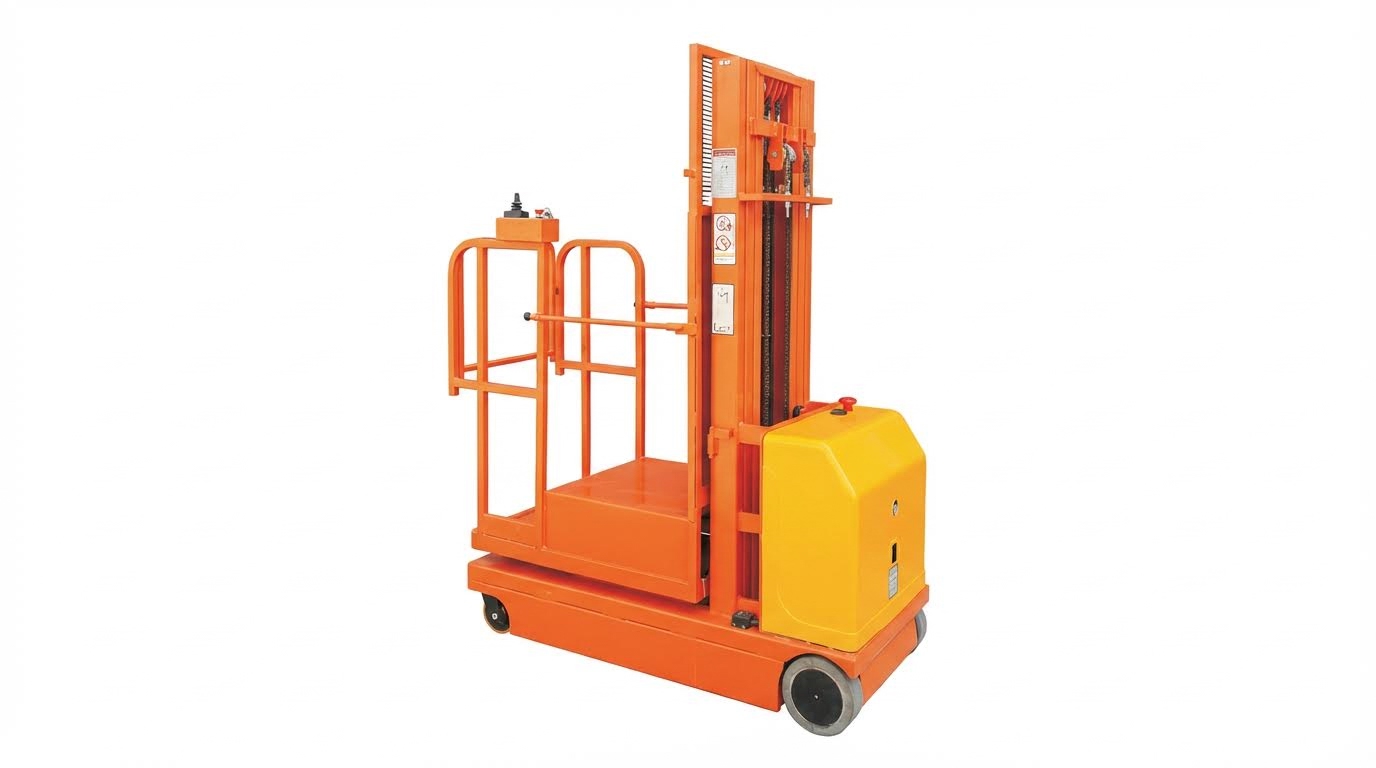
Automation and digital technologies reshaped warehouse picking accuracy and throughput over the last decade. Engineering teams increasingly treated software, sensors, and mechanized systems as an integrated control layer over manual work. The objective was not only higher speed but also deterministic, auditable accuracy at SKU, batch, and order level. This section analyzes core technology families and how they engineered error-proof picking flows.
Barcode, RFID, And RF Handheld Scanning Strategies
Barcode and RFID identification created a machine-readable link between item, location, and order. In engineered workflows, each pick step started with scanning the order or task ID, then the storage location, then the item, and finally the quantity if required. RF handheld terminals guided pickers through optimized routes and validated every scan in real time against WMS rules. This approach typically delivered 10–15% productivity gains versus paper lists while driving near-zero mis-identifications.
RFID tags enabled non-line-of-sight reading, useful for high-density or sealed packaging, but required careful antenna placement and shielding to avoid cross-reads. Engineers defined encoding schemes so that product ID, batch, and date codes remained unambiguous across systems. Cycle counting and reconciliation routines used barcode or RFID scans to detect inventory discrepancies early, reducing downstream picking errors. The key design trade-offs involved tag and infrastructure cost versus accuracy and speed requirements for each SKU family.
Pick-To-Light, Voice Picking, And Mobile Cart Systems
Pick-to-light and put-to-light systems used indicator lamps and numeric displays at storage locations to guide operators. Controllers illuminated the correct location, displayed quantity, and required a confirmation press, which eliminated most visual search and paper interpretation errors. These systems worked well for high-velocity SKUs and supported case or each picking with high throughput and accuracy. Engineers sized zones and channel counts to match order profiles and peak-hour volumes.
Voice-directed picking used headsets and speech recognition to deliver instructions and capture confirmations verbally. This allowed hands-free, eyes-up operation, reducing handling time and mis-reads of labels. Operations that adopted voice picking typically reported around 35% productivity improvement and significant accuracy gains in complex, high-SKU environments. Mobile picking carts combined these guidance technologies with onboard power and terminals, enabling efficient pick-to-cart operations in distant break-pack areas. Proper cart ergonomics and battery sizing minimized fatigue and unplanned downtime while sustaining accuracy.
WMS, Rules-Based Workflows, And Error-Proofing Logic
Warehouse Management Systems (WMS) acted as the central control layer for picking accuracy. Engineers configured rules-based workflows that governed location assignment, pick sequence, verification steps, and exception handling. The WMS could block picks from empty, frozen, or incorrect locations and enforce first-expiry-first-out rules for date-sensitive products. Automated checks compared scanned item, location, and quantity against the order line, stopping the process when mismatches occurred.
Structured workflows also supported batch and wave picking, where the system grouped orders by SKU velocity, route, or priority while preserving item-to-order traceability. Integrated packing workflows required barcode scans at consolidation and packing, preventing wrong-item or missing-item shipments. Error events, such as mis-picks or label mismatches, were logged with time, operator, and location metadata. Engineers analyzed this data to refine rules, adjust slotting, or trigger targeted training, turning the WMS into a continuous improvement engine for accuracy.
Robotics, AGVs, Digital Twins, And AI-Driven Analytics
Automated guided vehicles (AGVs) and autonomous mobile robots (AMRs) increasingly handled transport between storage and picking or packing points. This reduced walking distances and removed route-finding decisions from human operators, which lowered fatigue-related errors. Robotic picking systems, equipped with vision and grippers, handled repetitive or ergonomically challenging tasks with consistent accuracy, especially for standardized packaging. These systems interfaced with the WMS to receive tasks and report confirmations at item or case level.
Digital twins of warehouses modeled storage layouts, traffic flows, and picking strategies in a virtual environment. Engineers used these models to test slotting rules, wave strategies, and automation deployments before physical changes, reducing commissioning risk. AI-driven analytics processed historical pick, error, and sensor data to detect error hotspots, predict congestion, and recommend new rules or layouts. Over time, these analytics supported dynamic optimization, such as adjusting pick paths by real-time congestion or reassigning tasks to balance workloads while maintaining strict accuracy constraints.
Summary: Key Levers To Improve Picking Accuracy

High picking accuracy depended on the combined effect of process discipline, technology, and human-factor engineering. Operations that defined clear KPIs, standardized workflows, and enforced verification at each step consistently reduced mis-picks and returns. Advanced tools such as barcode and RFID systems, RF terminals, and voice or light-directed picking improved both speed and accuracy when integrated into a coherent process design. Automation and warehouse management software provided real-time visibility and rules-based controls that prevented errors from propagating downstream.
From an industry perspective, error reduction directly lowered logistics costs by cutting rework, returns, and customer service interventions. It also stabilized inventory records, which improved planning, replenishment, and capacity utilization. Future trends pointed toward deeper use of robotics, AGVs, and AI-driven analytics, supported by digital twins that allowed engineers to simulate layout changes, wave strategies, and staffing scenarios before implementation. These tools turned every discrepancy into structured data for continuous improvement and decision support.
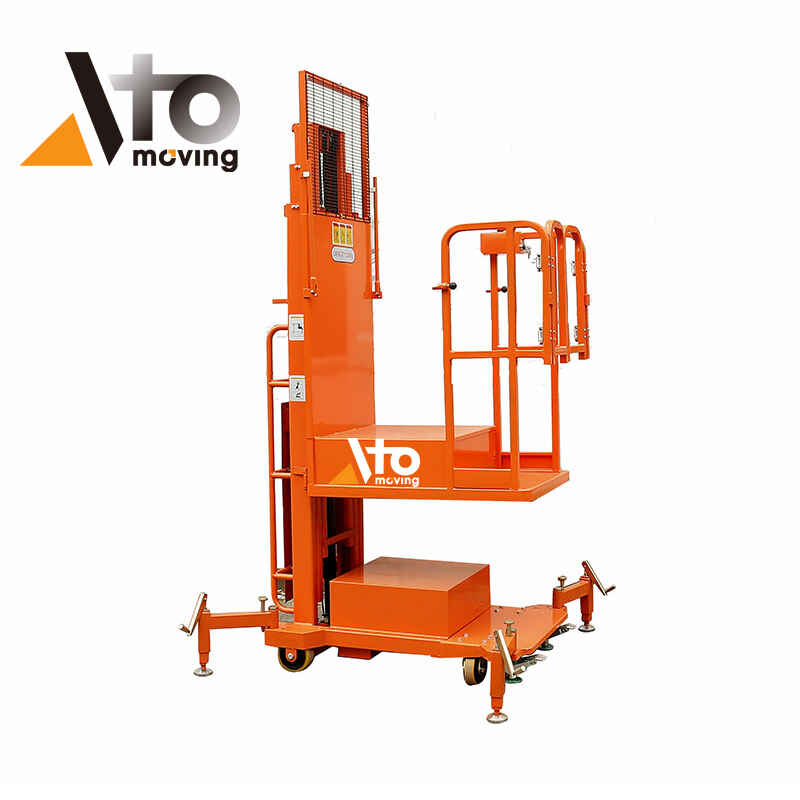
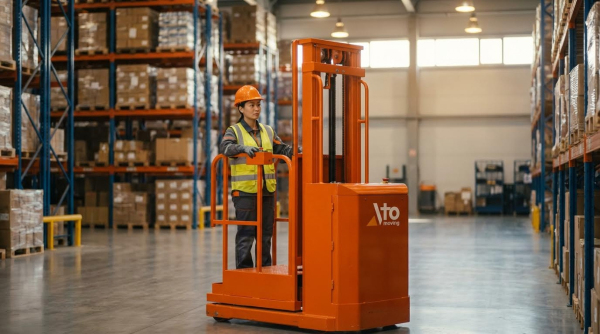
Practical implementation required phased deployment rather than big-bang changes. Sites typically started with 5S, zoning, clear location numbering, and SOPs, then layered in barcode verification, RF devices, and WMS workflows, followed by higher-level automation where volumes justified the investment. A balanced approach treated technology as an enabler, not a substitute, for training, ergonomics, and environmental optimization. Organizations that combined structured processes, appropriate digital systems, and rigorous feedback loops built scalable, resilient picking operations that maintained high accuracy even as order volumes and channel complexity increased. For instance, integrating tools like semi electric order picker, warehouse order picker, and order picking machines can significantly enhance operational efficiency.