Warehouse picking had become one of the highest-cost, highest-error activities in modern logistics, especially under e-commerce service expectations. This article examined how to engineer warehouse layouts, slotting, and storage systems to shorten pick paths and increase throughput. It then explored how WMS, WCS, analytics, and standardized picking methods created digital discipline around inventory, replenishment, and performance control. Finally, it addressed SOP design, safety, order picking machines, and maintenance practices, and concluded with a strategic roadmap to scale warehouse picking capability in a controlled, data-driven way.
Engineering The Warehouse For High-Performance Picking
Engineering a warehouse for high-performance picking required a coordinated approach to layout, storage media, and material flow. Designers focused on shortening travel paths, separating incompatible flows such as returns and picking, and aligning physical infrastructure with digital control from the Warehouse Management System (WMS). By combining appropriate slotting rules, storage systems, and automated transport such as conveyors or goods-to-person solutions, facilities increased throughput while reducing errors and injuries.
Layout Design For Short, Safe Pick Paths
Effective layouts minimized non-value-adding travel by aligning pick zones with the sequence of order preparation. Planners separated goods receipt, storage, replenishment, picking, packing, and returns into clearly defined areas with controlled interfaces. Returns workstations stayed physically segregated from active picking lanes to avoid stock contamination and uncontrolled inventory adjustments. Aisle widths, one-way traffic rules, and clearly signposted pedestrian routes reduced congestion and collision risk between operators and handling equipment. Software-optimized pick paths, supported by WMS or Warehouse Control Systems (WCS), sequenced locations to avoid backtracking and deadheading while respecting safety clearances.
Slotting Rules Based On Demand And SKU Physics
Slotting policies used quantitative demand data and physical SKU characteristics to set location rules. High-turnover SKUs occupied golden zones at waist-to-shoulder height and near main pick aisles to minimize bending and walking distance. Heavy or bulky items stayed in lower levels to reduce lifting risk and comply with ergonomic and safety guidance. WMS-driven slotting engines analyzed order history, seasonality, and product affinities to group SKUs frequently ordered together, reducing line changes per order. Periodic re-slotting based on actual order profiles ensured locations remained aligned with changing demand and prevented obsolete layouts from degrading performance.
Storage Systems For Case, Tote, And Pallet Picking
Choosing storage media depended on unit of pick, SKU variety, and required throughput. Carton flow racks supported high-density case and each picking by using gravity-fed lanes that kept front positions continuously replenished, cutting picker travel. Static shelving and rack with totes worked well for slower movers and kitting components, where accessibility and clear labeling were more critical than density. For pallet picking, single-SKU pallets in selective or drive-through racks enabled fast access, with high-consumption pallets stored at ground or first levels. Compact systems such as pallet flow or mobile racking freed floor space that operators could reallocate to expanded pick faces and consolidation areas.
Integrating Conveyors And Goods-To-Person Systems
Conveyors and goods-to-person systems reduced manual transport distances by automating the flow of goods to and from pick stations. Simple conveyor loops moved totes or cartons between picking, consolidation, and packing, allowing operators to stay within ergonomic work cells. More advanced goods-to-person solutions used shuttles, automated storage systems, or robotic shuttles to bring bins directly to pick faces, with the WMS orchestrating sequence and allocation. These systems increased line throughput by decoupling picker productivity from walking time and enabling higher pick density per square metre. Integration with WMS and WCS ensured synchronized replenishment, accurate location control, and real-time exception handling when locations emptied or orders changed. To further enhance efficiency, warehouses often integrate tools like walkie pallet truck, manual pallet jack, and hydraulic pallet truck.
Digital Control: WMS, WCS, And Data-Driven Picking
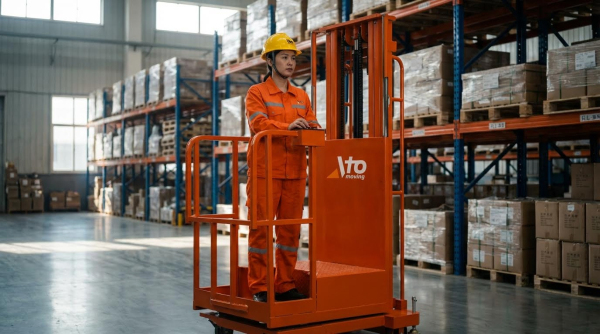
Digital control systems transformed order picking from a manual, paper-driven activity into a tightly orchestrated flow. Warehouse Management Systems (WMS) and Warehouse Control Systems (WCS) coordinated inventory, labor, and automation in real time. Data from these systems enabled continuous optimization of layout, slotting, and picking methods. A robust digital architecture became the backbone for standardized, high-throughput, low-error operations.
Standardized Picking Methods And WMS Workflows
A WMS standardized picking by enforcing predefined methods such as wave, batch, zone, and pick-to-tote. The system generated pick waves or tasks based on order priority, carrier cut-off, and resource availability, eliminating ad-hoc decision-making. Digital pick lists replaced paper, with RF, voice, or pick-to-light guidance that sequenced locations and quantities step by step. The WMS embedded SOPs into workflows, including confirmation scans, exception handling, and quality checks, which reduced variability and error rates. For e-commerce operations, the WMS also managed multi-stage flows, from pick to consolidation and packing, while avoiding cart mixing of SKUs from unrelated orders.
Real-Time Inventory, Replenishment, And Traceability
Real-time inventory control relied on every stock movement being recorded at the point of activity. The WMS tracked receipts, put-away, relocations, picks, cycle counts, and adjustments, maintaining a single source of truth for each SKU and bin. Operators used RF scanners or voice devices to confirm locations and quantities, which prevented situations where pickers arrived at empty slots. The system monitored safety stock and reorder points, generating replenishment tasks before pick faces ran dry and coordinating them with picking to minimize travel. Full traceability covered batch, lot, serial, and date codes where required, supporting regulatory compliance and rapid root-cause analysis for returns or quality claims.
KPI Frameworks For Cycle Time And Pick Accuracy
A structured KPI framework quantified the performance of picking and related processes. Core indicators included internal order cycle time, lines picked per labor hour, pick accuracy rate, and on-time shipment ratio. The WMS and associated analytics tools captured timestamps for order release, pick start, pick completion, packing, and dispatch, enabling precise cycle-time decomposition. Managers used dashboards to compare zones, shifts, and methods, identifying bottlenecks such as congestion, slow aisles, or underperforming stations. Automated reporting supported continuous improvement initiatives and Lean projects by providing objective evidence for layout changes, slotting revisions, or method adjustments.
ERP, WMS, And Analytics Integration Architecture
An integrated architecture linked ERP, WMS, WCS, and analytics platforms in a controlled data flow. The ERP released customer orders, purchase orders, and master data to the WMS, which translated them into warehouse tasks and picking waves. Two-way communication ensured that shipment confirmations, inventory changes, and status updates flowed back automatically, keeping financial and planning systems synchronized. The WCS interfaced with the WMS to execute conveyor routing, sortation, and goods-to-person sequences, while exposing equipment status and throughput metrics. On top, analytics or supply chain intelligence tools aggregated operational data to support demand forecasting, slotting simulations, and capacity planning, enabling data-driven strategic decisions rather than reactive firefighting.
Standard Work, Safety, And Robotics In Picking

Standardizing warehouse work around clear procedures, safe conditions, and appropriate automation created a stable base for high-performance picking. This section connected SOP design, ergonomics, robotics safety, and equipment inspection into one coherent operating system. It focused on reducing variation, protecting operators, and integrating robots and pick-assist technology without compromising control. The result was a framework that supported both manual and automated picking at industrial scale.
SOP Design For Consistent Pick, Pack, And Kitting
Standard operating procedures for picking, packing, and kitting defined the exact sequence, tools, and checks for each task. Effective SOPs used simple language, step-by-step actions, and clear decision points tied to WMS instructions and labels. They covered order release, pick list handling, tote or cart loading rules, verification steps, exception handling, and documentation flows. Regular reviews every 6–12 months aligned SOPs with layout changes, new SKUs, and revised picking strategies such as batch, wave, or zone picking. Integrating safety rules, like handling hazardous materials and operating semi electric order picker, ensured procedures complied with regulations and internal policies. Training programs, visual aids, and audits verified that operators followed SOPs consistently and that managers updated them based on KPI trends and incident reports.
Ergonomics, Lighting, And Visual Management
Ergonomic design of pick and pack stations reduced strain, improved speed, and lowered injury rates. Work surfaces sat at appropriate heights, with high-frequency SKUs located between knee and shoulder level to minimize bending and reaching. Carts, totes, RF scanners, and printers stayed within easy reach to avoid unnecessary walking and twisting. Adequate, uniform lighting allowed operators to read labels and verify SKUs quickly while reducing errors and eye fatigue. Visual management elements, such as clear aisle signposting, floor markings, rack labels, and standardized color codes, guided movement and reinforced safe traffic patterns. These visual cues also supported Lean initiatives by making abnormalities, blocked aisles, or misplaced inventory immediately visible to supervisors and operators.
Cobot, Robotic Cell, And Pick-Assist Safety Design
Safety engineering for robotic picking depended on the type of robot and its interaction with people. Industrial robot cells required physical guarding, interlocked gates, light curtains, or laser scanners in line with standards such as ISO 10218 and ISO 14120. The robot area typically included emergency stop devices that halted motion and allowed controlled access during maintenance or fault recovery. Collaborative robots operated at reduced speeds and forces but still demanded risk assessments of end-of-arm tools, sharp edges, and potential pinch points. In mixed environments with pick-to-light, conveyors, and cobots, designers used layered protection, including awareness barriers, warning signals, and well-defined pedestrian routes. Workstation zoning in the warehouse control system separated replenishment, picking, consolidation, and maintenance tasks, ensuring that procedures and access rules matched the specific hazards of each zone.
Order Picker And Equipment Inspection Standards
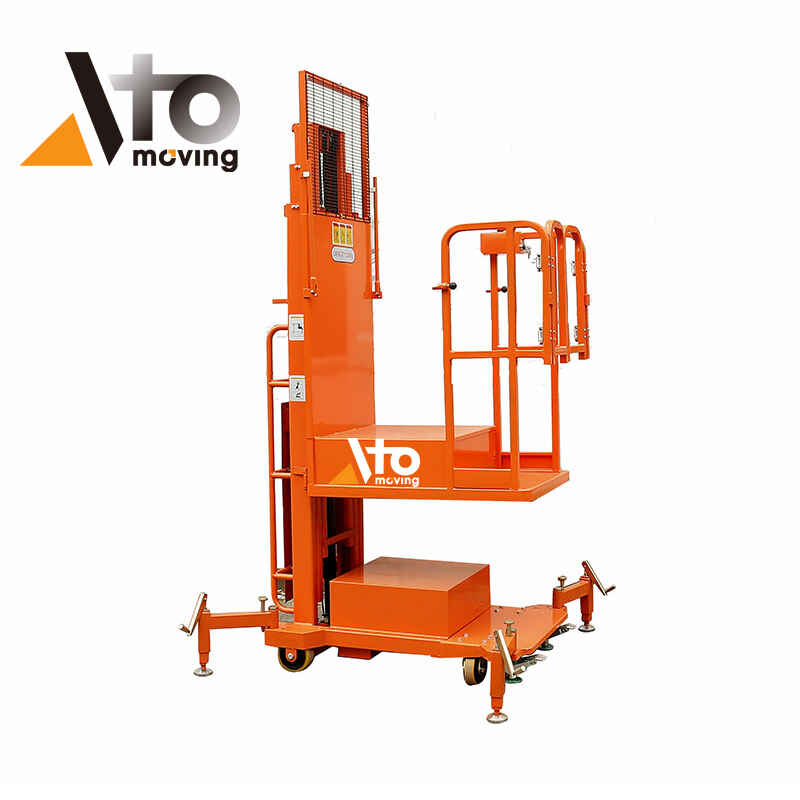
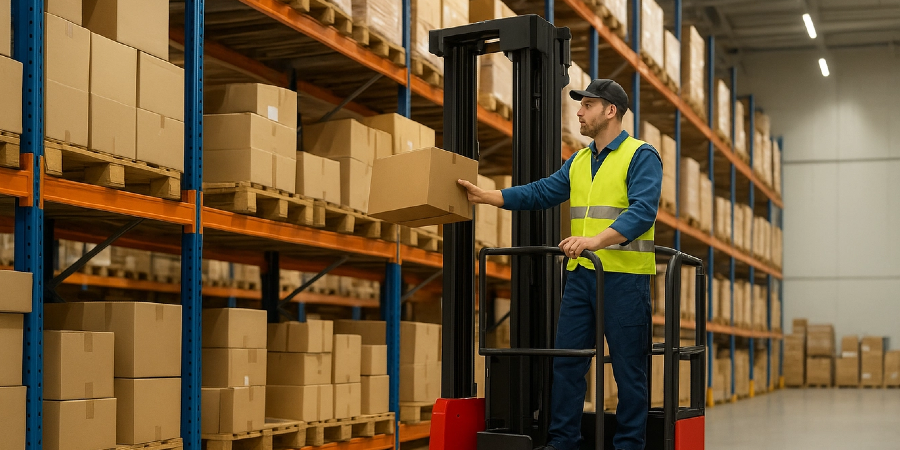
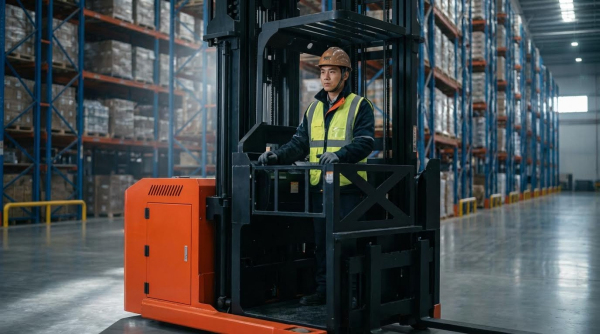
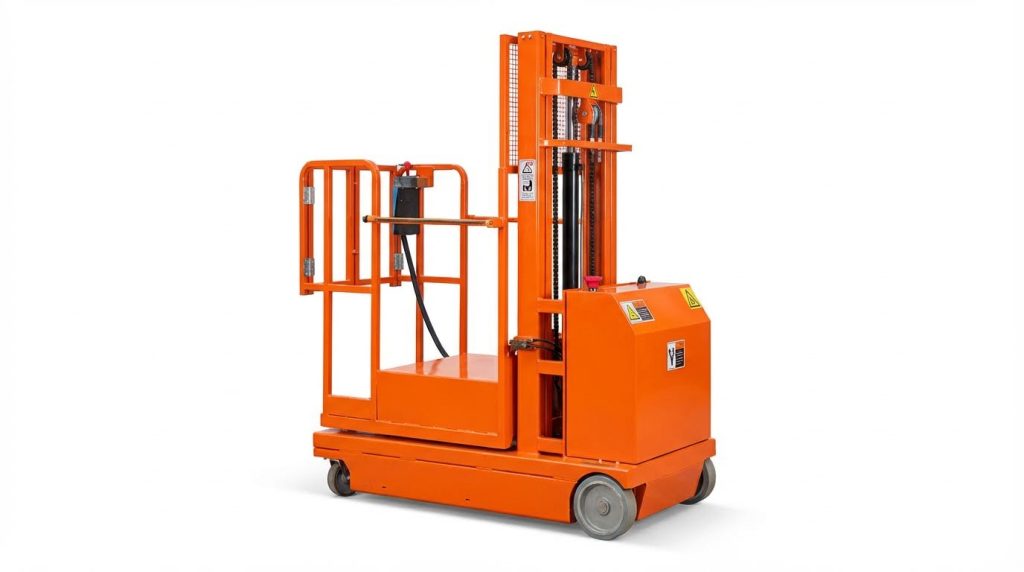
warehouse order picker trucks and other handling equipment followed structured inspection and maintenance standards to maintain reliability and safety. Operators performed daily pre-use checks on forks, masts, platforms, chains, and guardrails for cracks, deformation, or loose components. They inspected wheels and tires for damage and debris, verified steering and braking performance, and tested horns, lights, and emergency stop functions. Battery systems required correct charging practices, clean terminals, and electrolyte or indicator checks, while hydraulic circuits needed routine inspection for leaks, hose wear, and correct oil levels. Planned maintenance by qualified technicians, typically at least twice per year, included deeper inspections of electrical, mechanical, and control systems. Documented inspection records, tied into the WMS or maintenance software, supported regulatory compliance, reduced unplanned downtime, and ensured that picking processes remained stable even under high throughput conditions.
Summary And Strategic Roadmap For Warehouse Picking
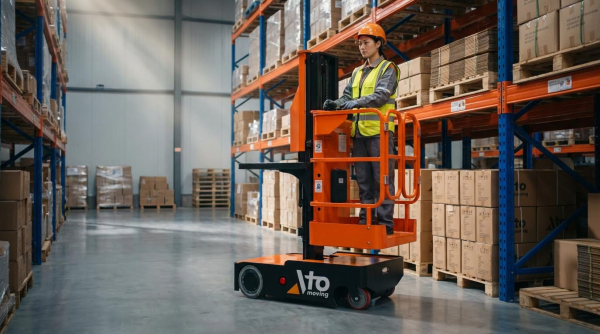
Warehouse picking optimization relied on three pillars: engineered layouts, digital control, and standardized work with robust safety. Facilities that combined short, safe pick paths, demand-based slotting, and suitable storage systems reduced travel time and picking errors significantly. Digitized control through integrated WMS, WCS, ERP, and analytics platforms standardized methods, stabilized inventory accuracy, and exposed bottlenecks in real time. Standard operating procedures, ergonomic design, and compliant robotic safety concepts then locked in performance while protecting operators.
Industry practice moved toward higher picking densities, shorter order cycle times, and elastic logistics capable of absorbing demand peaks. Goods-to-person systems, conveyors, and robotic or cobot-based pick-assist cells increasingly handled repetitive movements, while humans focused on exception handling, kitting, and quality-critical tasks. Future trends pointed to deeper use of predictive analytics for slotting and labor planning, wider deployment of vision-guided robotics, and tighter feedback loops between customer demand signals and warehouse execution.
Implementing this roadmap required a staged approach. Operators first stabilized standard work and safety, then digitized inventory, replenishment, and picking workflows, and finally layered in automation where process variation was low and volumes justified the investment. Engineering teams needed to validate layouts, storage concepts, and pick methods against quantifiable KPIs such as pick accuracy, lines per labor hour, and internal order cycle time. A balanced perspective treated technology as an enabler, not a substitute, for disciplined process design, continuous improvement, and rigorous maintenance of warehouse order picker equipment and robotic cells.