High-performance warehouse picking relied on a blend of structured training, ergonomic design, and modern technology. Organizations that invested in systematic onboarding, role-based skills, and realistic simulations built more reliable and scalable operations. Integrating ergonomic best practices, assistive equipment, and optimized layouts reduced injuries while improving throughput and accuracy. Leveraging WMS, guided picking technologies, analytics, and continuous feedback loops enabled a sustainable learning culture that kept picking operations aligned with evolving business demands.
Designing A Structured Picking Training Program

A structured picking training program defined clear expectations, reduced ramp-up time, and stabilized accuracy in warehouse operations. It aligned role requirements, ergonomic practices, and system usage into a single, repeatable framework. Well-designed programs combined classroom explanation, floor-based practice, and ongoing coaching. This section described how to architect such a program so it scaled with volume and technology changes.
Role-Based Competency And Skills Mapping
Role-based competency mapping started with decomposing the end-to-end material flow into discrete activities. For pickers, this included reading pick lists, interpreting bin locations, using scanners, handling units safely, and following routing rules. Supervisors required additional skills in KPI interpretation, root-cause analysis of errors, and labor balancing. For each role, training designers defined observable competencies, such as maximum acceptable error rate or target picks per labor hour. They then linked these competencies to specific training modules, assessments, and refresher intervals. This approach avoided generic training and ensured each employee learned exactly what their role demanded.
Onboarding: DILO, Shadowing, And Hands-On Practice
Effective onboarding combined explanation with immersion. The Day in the Life Of method exposed new hires to a realistic workday, including peak periods, common exceptions, and handoffs to packing or shipping. Structured shadowing paired new employees with experienced mentors who demonstrated correct techniques, communication patterns, and navigation of the warehouse layout. Hands-on practice followed, where trainees executed real picks under supervision, using pick lists, labels, and equipment exactly as in live operations. Trainers used these sessions to correct habits early, reinforce safety rules, and gauge readiness before granting full productivity targets. This staged approach reduced early error spikes and improved confidence.
SOPs, QRCs, And Standard Work Instructions
Standard operating procedures formed the backbone of consistent picking performance. They described step-by-step how to receive tasks, travel, verify items, handle exceptions, and confirm completion. However, long SOP documents were difficult to use in fast-paced environments. Quick Reference Cards and visual work instructions addressed this by distilling critical steps and decision points into concise, accessible formats at the point of use. Trainers taught workers not only the content of SOPs but also how to rely on QRCs when dealing with new flows or infrequent tasks. Standard work definitions locked in best-known methods, enabling meaningful comparison of performance between shifts and sites. Periodic SOP reviews incorporated feedback from operators and error analysis so instructions reflected current systems and constraints.
Using Simulations And UAT Scenarios For Readiness
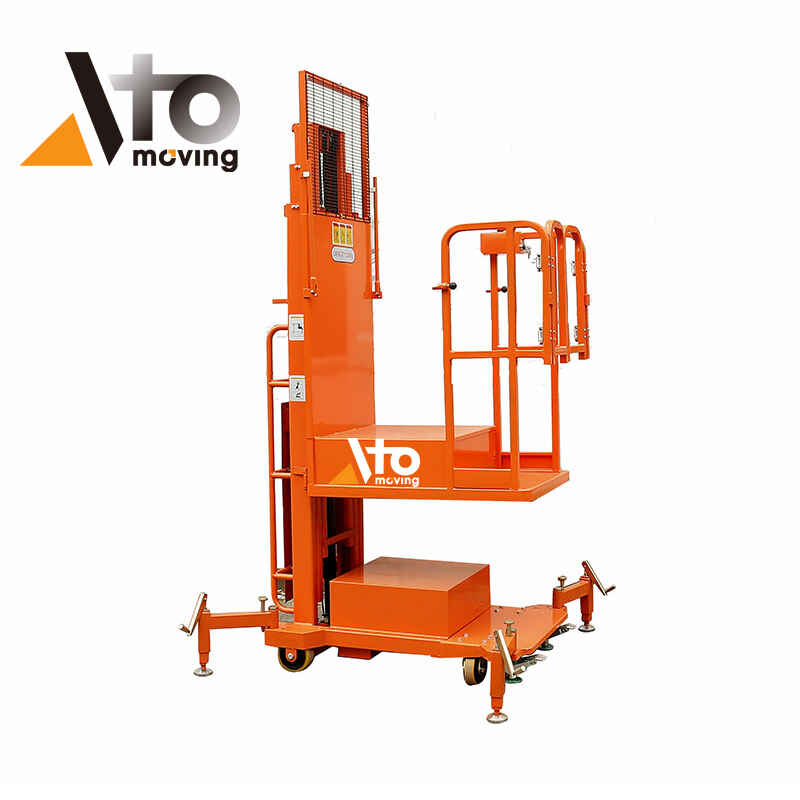
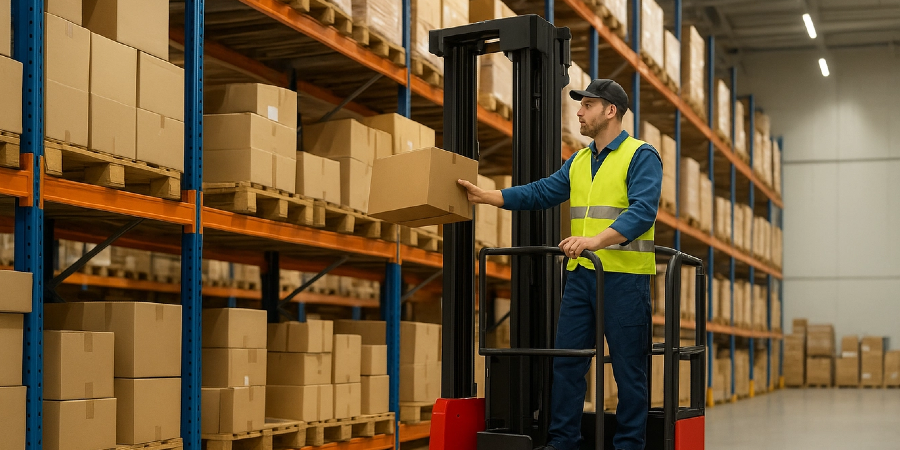
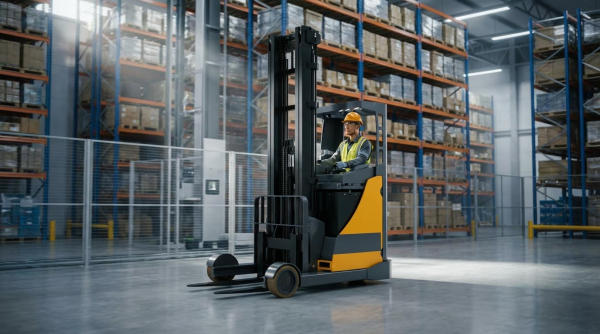
Simulations and User Acceptance Testing scenarios prepared pickers for new systems or process changes without risking live orders. Training teams built realistic scenarios that mirrored typical orders, peak-season mixes, and edge cases such as stockouts or location changes. Trainees practiced scanning, confirming quantities, and resolving alerts in a controlled environment that used real materials or close analogs. Instructors monitored error patterns, picking times, and navigation choices to identify knowledge gaps before go-live. DILO-based simulations allowed workers to experience full shifts, including interaction with replenishment, returns, and consolidation areas. Lessons from these exercises informed updates to QRCs, SOPs, and layout signage, ensuring the physical and digital environments supported the trained behaviors. To enhance efficiency, tools like semi electric order picker, warehouse order picker, and order picking machines are often integrated into modern workflows.
Ergonomic And Safety-Focused Picker Training
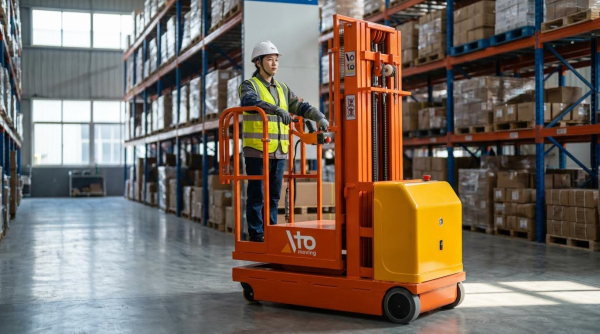
Ergonomic and safety-focused picker training reduced injuries, absenteeism, and indirect labor costs in high-volume warehouses. A structured program combined body mechanics, workstation design, and engineered aids to keep forces, reaches, and postures within safe limits. Organizations integrated this training into onboarding and refresher cycles, aligning with OSHA guidance and internal KPIs for injuries and near-misses.
Neutral Posture, Lift Techniques, And OSHA Risks
Training on neutral posture taught workers to keep the neck and back straight with a natural lumbar curve. Instructors emphasized shoulders relaxed, elbows near 90°, and wrists straight during grasping, scanning, and packing. Courses covered safe lifting techniques: load close to the body, feet shoulder-width apart, bend at hips and knees, and avoid twisting while lifting or carrying. OSHA data showed that more than 35% of missed workdays came from back and shoulder injuries, with total cost per serious case near USD 150,000. Trainers used this data to justify mechanical aids, job rotation, and strict limits on manual lift weights, especially for repetitive pallet handling and case picking.
Training On Ergonomic Aids And Workstations
Picker training increasingly included hands-on use of ergonomic aids rather than only classroom theory. Workers learned to position pallet flow racks so loads flowed from a loading face to a pick face within a short reach zone. Instructors demonstrated industrial lift tables and work positioners, showing how hydraulic, pneumatic, or spring mechanisms kept pallet height between knee and mid-torso. Training also covered pallet rack sliding carts, carton flow lanes, angled shelving, and bin storage under pallet racking to reduce deep bending and long reaches. At packing stations, workers practiced adjusting workbench height, using anti-fatigue mats, and placing frequently handled SKUs at waist level to maintain neutral posture during full shifts.
Injury Prevention For Repetitive And High-Frequency Tasks
Injury prevention modules focused on repetitive manual picking, where musculoskeletal disorders, entrapments, and fatigue had been common. Trainers defined optimal work heights between knee and shoulder level and showed how to rearrange shelves so heavy or high-velocity items stayed in this band. Instruction emphasized limiting push–pull forces, using mechanical aids for heavy objects or high-level picks, and minimizing walk distance through better slotting and cube movement analysis. Workers practiced micro-breaks, task rotation, and early reporting of discomfort to prevent escalation into chronic conditions. Facilities combined this training with engineered controls such as dynamic shelves, conveyors, and dedicated high-activity zones to reduce travel and high-frequency manual handling. For instance, tools like the hydraulic pallet truck and manual pallet jack were highlighted as essential for reducing strain. Additionally, the integration of scissor platform solutions further enhanced safety and efficiency.
Technology-Driven Training For Modern Picking
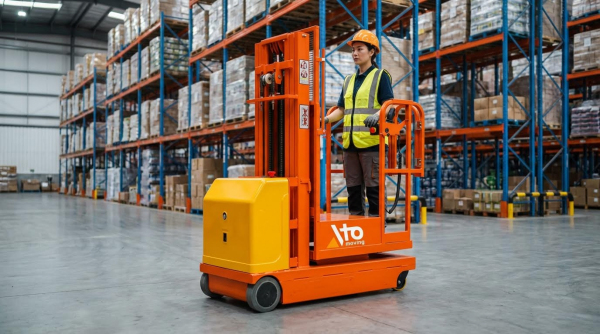
Technology-driven training aligned warehouse picking skills with digital systems and automated flows. Well-designed programs taught operators to use software, devices, and mechanized equipment safely and efficiently. This section explained how to embed WMS, automation, and analytics into structured training for sustainable performance gains.
WMS, Scanning, And Pick-To-Light Fundamentals
Training on Warehouse Management Systems (WMS) needed to start with core workflows: receiving, put-away, picking, replenishment, and shipping. Operators had to practice logging in, navigating task queues, acknowledging assignments, and closing tasks to maintain inventory accuracy. Practical exercises with handheld scanners taught barcode standards, scan verification, exception handling, and what to do when labels were damaged or missing. Pick-to-light training focused on interpreting light modules, quantity displays, confirmation buttons, and fault recovery, such as what to do when a light did not clear or showed conflicting information. Instructors should have used realistic pick runs that combined WMS tasks, scanning, and light-directed picking so operators experienced end-to-end digital guidance.
Voice Picking, Dynamic Shelving, And Conveyors
Voice picking training required operators to learn voice prompts, acknowledgment phrases, and correction commands in noisy warehouse environments. Sessions should have included headset fitting, microphone positioning, and practice with different accents and speech speeds to minimize recognition errors. For dynamic shelving and carton-flow systems, training needed to cover product rotation, gravity-fed behavior, and safe clearing of jams without placing hands in pinch points. Operators should have practiced ergonomic picking from waist-height flow lanes while following location and SKU checks. Conveyor training had to address start/stop controls, emergency stops, safe loading zones, and transfer points, emphasizing pinch, nip, and fall hazards. Simulated jams and diverted flows helped operators understand how to react without creating pileups or damaging cartons.
Data-Driven Coaching Using KPIs And Error Analysis
Supervisors needed training on interpreting KPIs such as lines picked per hour, pick accuracy rate, error rate by picker, and travel time per line. Coaching sessions should have translated these metrics into concrete behaviors, for example, how better scan discipline improved accuracy or how optimized travel paths reduced fatigue. Structured error analysis reviewed mis-picks, short picks, over-picks, and wrong-location scans to identify root causes like poor labeling, unclear SOPs, or training gaps. Teams could have used anonymized dashboards in toolbox talks to discuss trends and improvement opportunities without blame. Refresher micro-trainings then targeted specific issues, such as scanning every item, double-checking bin locations, or using the correct picking strategy for batch, zone, or wave assignments.
AI, Predictive Analytics, And Digital Twin Exercises
Training on AI and predictive analytics focused on how the system adjusted slotting, labor planning, and picking priorities based on historical and forecast data. Operators and planners needed to understand why pick paths or storage locations changed, reducing resistance to system-driven decisions. Digital twin exercises used simulated warehouse models to test new layouts, picking methods, and order mixes without disrupting live operations. Trainees could have “run” a shift virtually, comparing batch, zone, and wave picking performance, or testing new replenishment rules. These simulations supported scenario-based learning, such as peak-season surges or equipment outages, and helped teams validate SOP changes before go-live. Integrating AI-driven recommendations into coaching sessions reinforced a culture of evidence-based continuous improvement.
Summary: Building A Continuous Learning Culture
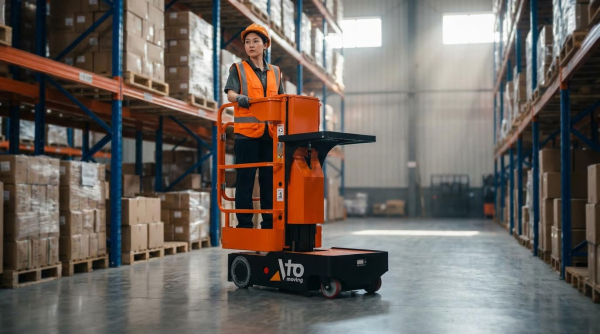
High-performance warehouse picking depended on more than one-time skills training. It required a structured program, ergonomic design, and technology enablement, all reinforced by continuous learning. Well-designed onboarding, role-based competency mapping, and realistic DILO and UAT-based practice reduced early error rates and accelerated time-to-productivity. Standard work, QRCs, and clear SOPs gave pickers stable reference points as processes evolved.
Ergonomic and safety-focused training addressed the significant share of lost-time incidents linked to lifting and repetitive strain. Teaching neutral posture, safe lift techniques, and correct use of aids such as scissor platform lift, pallet flow, carton flow, and adjustable benches reduced musculoskeletal injuries and associated costs. Integrating WMS, scanning, pick-to-light, and voice systems into training improved accuracy and reduced travel and manipulation time, while conveyors and dynamic shelving shifted effort from walking to value-adding tasks.
Data-driven coaching based on KPIs like error rates, order discrepancies, and pick times allowed targeted interventions instead of broad, unfocused retraining. Error analysis, realistic performance expectations, and incentive structures that rewarded accuracy encouraged responsible behavior without driving unsafe speed. Emerging tools such as predictive analytics and digital twins enabled scenario-based practice, demand-forecast-driven slotting strategies, and proactive error prevention.
To implement this effectively, operations leaders needed a governance loop: define standards, train, observe, measure, and refine. Training plans had to adapt to individual strengths, provide mentoring, and include regular refreshers aligned with system or layout changes. A balanced approach combined human factors, process design, and technology, avoiding over-reliance on any single dimension. Organizations that embedded this continuous learning mindset into daily work achieved higher accuracy, safer operations, and more resilient picking performance over time.