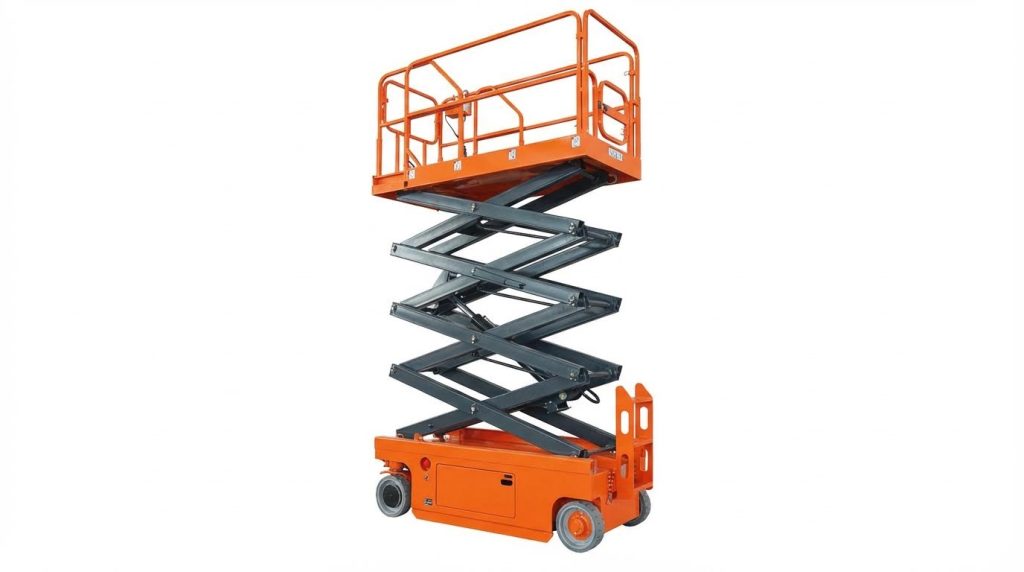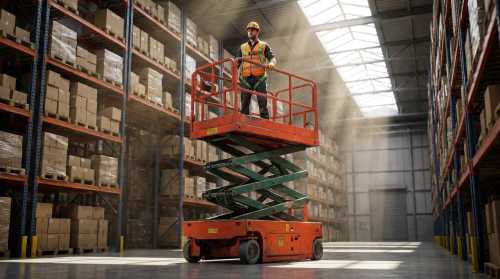
Scissor lift tables could work efficiently with standard pallets when engineers align platform geometry, pallet standards, and handling methods. This article examines key design interfaces, selection criteria, and safety practices that answer questions like “can scissor lifts work with standard pallets” in real industrial settings. It also covers how to match lift tables with pallet trucks and AGVs, and how to integrate automation, sensors, and digital twins for higher uptime. Finally, it consolidates best practices so engineers can specify, operate, and maintain pallet lift tables with predictable performance and regulatory compliance.
Key Design Interfaces With Standard Pallets
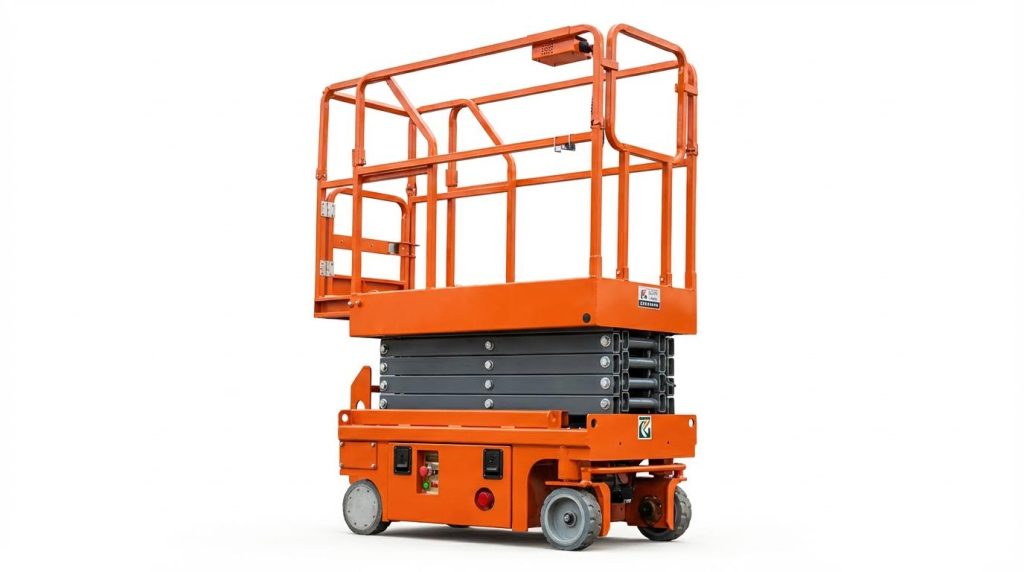
Engineers evaluating whether scissor lift tables can work with standard pallets must focus on platform geometry, approach conditions, and load behavior. Compatibility depends on how well the lift table interfaces with pallet footprints, pallet jacks, and automated vehicles. The following subsections describe the critical design interfaces that govern safe, efficient pallet handling and answer the practical question: can scissor lifts work with standard pallets in real industrial environments.
Common Platform Sizes And Pallet Standards
Scissor lift tables could work with standard pallets when platform dimensions match common pallet standards. Typical industrial lift platforms ranged from about 1 120 mm × 1 220 mm to 1 270 mm × 1 370 mm. These sizes accommodated North American 1 016 mm × 1 219 mm pallets and EUR 800 mm × 1 200 mm pallets with adequate edge clearance. Engineers should maintain at least 50 mm clearance on all sides to tolerate pallet position errors and truck steering deviations. For automated pallet handling, tighter tolerances were possible but required precise guidance and sensors. Designers must also verify that platform stiffness and deck thickness supported the full pallet footprint without local indentation or damage to pallet deck boards.
Beveled Edges, Ramps, And U-Shaped Platforms
Front-edge design strongly influenced whether scissor lift tables could work efficiently with standard pallets and pallet trucks. Beveled or chamfered leading edges reduced impact when a pallet jack or AGV entered the platform and lowered rolling resistance at the transition. For floor-level access, low-angle ramps enabled manual pallet jacks to bridge the lift table safely without excessive push force. U-shaped platforms allowed direct loading of pallets without a separate ramp because the pallet jack or AGV rolled into the central opening while the pallet sat on the two outer legs. This configuration suited EUR pallets and reduced tilting during loading, as the forks stayed nearly horizontal. Engineers should specify ramp angles below about 10–12 degrees to control ergonomic push forces and to comply with typical safety guidance.
Low-Profile Vs. Pit-Mounted Lift Configurations
Both low-profile and pit-mounted scissor lift tables could work with standard pallets, but the interface strategy differed. Low-profile lifts had a very small closed height, often around 80–90 mm, which allowed surface mounting without civil work. Access then relied on a ramp or a U-shaped platform for pallet jack entry. This solution fit retrofits and sites where pits were impossible or restricted by building codes. Pit-mounted lifts sat with the platform flush to the floor, eliminating the need for ramps and simplifying AGV or conveyor integration. However, pits required accurate construction, drainage planning, and edge protection. When answering whether a scissor lift can work with standard pallets in a given facility, engineers must balance pit construction cost, traffic patterns, and required closed height against ergonomic and process benefits.
Load Distribution, Deflection, And Stability
Compatibility with standard pallets extended beyond footprint matching to how the lift table carried the palletized load. Pallet loads rarely distributed perfectly; point loads from stacked containers or machinery created local stress concentrations. The platform must limit deflection under rated loads to maintain pallet stability and prevent rocking, especially at maximum travel height. Typical industrial tables supported capacities from about 1 000 kg to 3 000 kg, with some heavy-duty models higher, but engineers must check both uniform and eccentric load ratings. Off-center loading occurred frequently when operators placed pallets quickly or AGVs stopped with small offsets. Designers should verify stability against tipping for worst-case eccentric loading and tall stacks with a high center of gravity. Side-load restrictions, safety margins, and guard devices such as toe-kick plates and mechanical stops further reduced risk during pallet handling on scissor lift tables.
Selecting A Lift Table For Pallet Handling
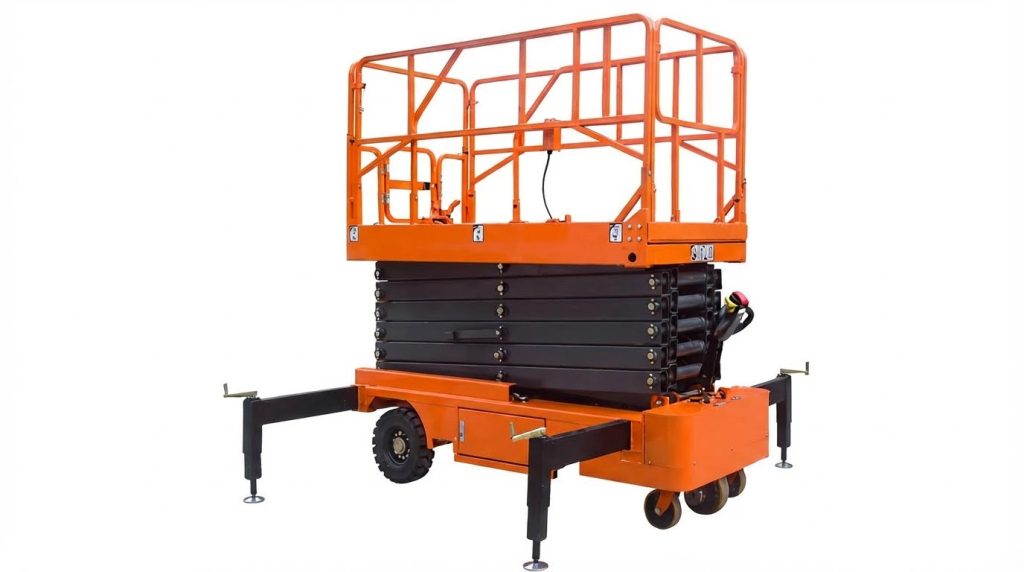
Engineers who ask “can scissor lifts work with standard pallets” need to translate that question into clear selection criteria. The right scissor lift table must match pallet formats, load cases, and the surrounding intralogistics system. This section explains how to specify capacity, geometry, environment, and drive technology so lift tables interface reliably with standard pallets and pallet-handling equipment.
Defining Load, Duty Cycle, And Travel Height
Start with the heaviest palletized load, including packaging and any fixtures. For standard EUR or ISO pallets, typical lift tables supported capacities between 1 000 kg and 3 000 kg, with some models above this range. Apply an engineering safety margin of at least 25% above the maximum expected pallet weight to accommodate dynamic effects and uneven loading. Define the duty cycle by lifts per hour, operating hours per shift, and shifts per day. High-duty applications in 24/7 logistics hubs required cylinders, bearings, and pumps rated for frequent cycling and adequate oil cooling. Specify minimum and maximum platform heights from the floor. Low-profile tables had collapsed heights near 85 mm, while extended-travel versions reached approximately 900 mm of vertical travel and about 980 mm top height. These values determined whether operators could work in an ergonomic “power zone” and whether underside access to loads was possible.
Matching Lift Geometry To Pallet Trucks And AGVs
Compatibility with standard pallets depends strongly on how pallet trucks, stackers, or AGVs interface with the platform. For floor-level loading without a pit, low-profile scissor platform lift tables allowed direct access using hand pallet trucks or electric pallet trucks. Square or rectangular platforms usually required a ramp; the slope length and angle had to suit the wheel diameter and ground clearance of the pallet truck. U-shaped platforms offered a different geometry: the pallet truck entered between the legs, and the pallet sat on the outer frame. This layout worked well with EUR pallets and reduced tilting during loading because forks did not need to climb a ramp. When integrating AGVs or automated pallet movers, engineers had to align platform dimensions, stop positions, and positioning tolerances with vehicle navigation accuracy. Guide rails, mechanical locators, or tapered edges helped repeatable docking and reduced collision risk. Check wheel loads from AGVs against the platform’s local deck and support structure capacity, not only the global rated load.
Environmental, Hygiene, And Regulatory Constraints
Service environment influenced both design and material selection. In dry indoor warehouses, standard painted steel hydraulic scissor lifts often provided adequate corrosion resistance. In food, beverage, or pharmaceutical facilities, designers preferred stainless steel construction, sealed pins, and smooth, cleanable surfaces to meet hygiene standards and hazard analysis and critical control point principles. Washdown areas required high ingress protection ratings for electrical enclosures and protected hydraulic components to prevent water ingress. For explosive atmospheres or areas with flammable vapors, engineers evaluated explosion protection requirements and sometimes specified pneumatic or specially rated electric drives instead of standard hydraulic power units. Regulatory frameworks such as EN 1570 or equivalent safety standards dictated requirements for guard spacing, toe protection (for example, kick-plates around the bottom frame), emergency stops, and safety clearances. Ambient temperature ranges and contamination levels also affected hydraulic oil selection, seal materials, and maintenance intervals.
Energy-Efficient Drives And Lifecycle Cost Factors
Energy efficiency answered a key part of the question “can scissor lifts work with standard pallets economically over time.” Hydraulic hydraulic pallet truck scissor lifts remained common because they delivered high force with compact power units; however, engineers reduced energy consumption through right-sized motors, high-efficiency pumps, and accumulator-assisted circuits. Regenerative or counterbalance concepts could lower energy use when lowering heavy pallets, especially in high-throughput operations. Comparing lifecycle cost required more than purchase price. Include energy consumption per lift, expected maintenance hours per year, cost of hydraulic oil changes, and typical component replacement cycles, for example after 200 000 lifts. Electrically driven screw or belt lifts, although less common for pallet tables, sometimes offered lower leakage risk and cleaner operation at the expense of different maintenance tasks. Standardized components, easy access to wear parts, and good diagnostic options reduced downtime cost. Over a ten-year horizon, these factors often outweighed small differences in initial investment when handling standard pallets at scale.
Safe Operation, Maintenance, And Digital Upgrades
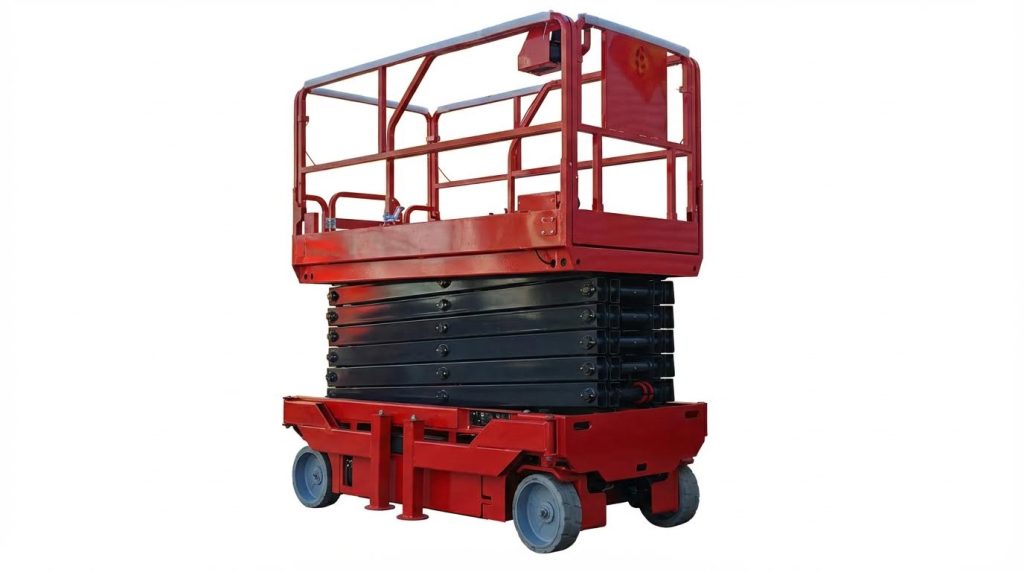
Safe use of scissor lift tables with standard pallets required disciplined operating procedures, structured maintenance, and increasingly, digital supervision. Engineers focused on limiting musculoskeletal loads, controlling mechanical wear, and using data to predict failures before they affected pallet-handling throughput.
Ergonomic Use And Pallet Stacking Practices
Scissor lift tables answered the question “can scissor lifts work with standard pallets” by placing pallet loads in the operator’s ergonomic power zone. Operators kept the top pallet layer roughly between 750 mm and 1,200 mm above floor level to reduce trunk flexion and shoulder elevation. When palletizing or depalletizing, they raised or lowered the table incrementally so that each handling layer stayed near this band. They avoided excessive vertical reaches, twisting while carrying loads, or stepping onto the platform, which reduced musculoskeletal disorder risk reported in warehousing statistics.
Safe stacking practice limited the stack height to maintain a low center of gravity relative to the platform. Engineers considered pallet footprint, load mass, and lift travel to calculate a maximum safe stack height, typically below the guardrail or visual reference marks. Operators centered pallets on the platform or U-shaped support legs and avoided cantilevered overhangs that could induce uneven scissor loading. For mixed-size cartons, heavier units went on the lower layers, with lighter, crush-resistant packaging on top to preserve stack stability during lift motion.
Facilities handling high stacks of standard pallets often combined low-profile lift tables with floor-level pallet jacks. The low building height, around 85 mm, allowed direct loading without a pit, which minimized trip hazards and simplified retrofits. Ramps or U-shaped platforms supported smooth entry of pallet jacks while keeping the approach angle shallow, which reduced push-pull forces. This configuration improved ergonomics and maintained compatibility with established pallet flows in manufacturing and distribution environments.
Inspection, Lubrication, And Component Replacement
Reliable handling of standard pallets on scissor lifts depended on a disciplined inspection and lubrication regime. Daily checks typically included visual inspection of the platform, scissor arms, and base frame for deformation, cracked welds, or loose fasteners. Operators looked for hydraulic oil leaks around cylinders, hoses, and fittings, and verified that safety devices such as toe-guards, emergency stops, and mechanical locks operated correctly. Any unusual noise, slow travel, or platform drift under load triggered immediate troubleshooting before further pallet movements.
Lubrication schedules focused on pivot pins, scissor arm bushings, rollers, and guide surfaces. Technicians applied manufacturer-approved lubricants at the specified intervals to minimize friction, reduce wear, and maintain repeatable lift motion under pallet loads up to 2,000 kg or more. Contaminated or insufficient lubrication increased backlash and deflection, which could compromise load stability, especially with tall pallet stacks. Hydraulic oil quality also mattered; periodic sampling and replacement at annual or 1,000-hour intervals helped prevent valve sticking and cylinder scoring.
Component replacement followed both time-based and cycle-based criteria. After defined lift cycles, operators or service partners replaced high-stress parts such as hydraulic valves, main contactors, and bearing bushes to keep performance within design tolerances. Battery-powered units required regular battery inspections for corrosion, case damage, and correct electrolyte levels, as well as adherence to charging procedures to avoid unexpected downtime during pallet-handling peaks. Documented maintenance records supported regulatory compliance and provided traceability when investigating incidents or planning upgrades.
Integrating Robots, Cobots, And Automated Conveyors
When answering “can scissor lifts work with standard pallets” in automated environments, engineers increasingly integrated lift tables with robots, cobots, and conveyor systems. The lift table established a controlled vertical interface so that robots or cobots could pick or place cartons on standard pallets at fixed heights. By synchronizing lift position with robot programs, systems maintained optimal reach envelopes and minimized robot joint torque, which extended robot life and improved cycle times. Guarding, interlocks, and safety-rated scanners ensured that human access remained controlled around the moving pallet loads.
In conveyorized layouts, scissor lift tables functioned as vertical transfer points between floor-level pallet infeed and elevated roller or chain conveyors. Some low-profile tables incorporated roller or chain decks on the platform, allowing automated transfer of loaded pallets once the table reached the target height. Control systems coordinated lift travel with conveyor start-stop logic to avoid impact loading or misalignment of pallet runners. Proper alignment features, such as side guides and center stops, helped maintain consistent pallet position for downstream automated storage or wrapping equipment.
Cobots working directly with operators benefited from scissor lifts that maintained a constant top-of-load height as layers were added or removed. This “auto-leveling” concept, implemented through sensors and closed-loop control, preserved ergonomic conditions for both human and robot. Interfaces used standard industrial communication protocols so that the lift table reported status, position, and fault codes to higher-level control systems. This integration reduced manual repositioning of pallets, shortened takt times, and supported flexible reconfiguration of pallet-handling cells as product mixes changed.
Sensors, Predictive Maintenance, And Digital Twins
Digitalization strengthened the answer to “can scissor lifts work with standard pallets” by improving uptime and safety through sensing and analytics. Engineers equipped scissor lift tables with position encoders, load cells, pressure sensors, and vibration or temperature sensors on critical components. These devices monitored actual load profiles versus rated capacity, detected overload attempts, and verified that pallets remained within the defined footprint. Safety controllers used sensor signals to enforce interlocks, such as preventing lift motion if toe-guards detected obstructions or if side barriers were open.
Predictive maintenance strategies processed sensor data and operating logs to estimate remaining useful life of hydraulic components, bearings, and structural joints. Algorithms correlated lift cycles, average pallet mass, and stroke length with wear models to flag components approaching end-of-life before failure. Maintenance teams received alerts to schedule interventions during planned downtime, which avoided unplanned stoppages in palletizing lines. This approach reduced life-cycle costs by targeting replacements based on condition rather than only on calendar intervals.
Digital twins of pallet-handling cells, including scissor lift tables, allowed engineers to simulate new pallet sizes, stack patterns, and duty cycles before physical changes. Virtual models evaluated deflection, stability margins, and robot reach at each lift height, which helped validate that the system could safely handle standard pallets under revised workflows. Over time, feedback from real sensors updated the digital twin, improving model fidelity and supporting continuous optimization. This closed loop between field data and simulation helped facilities maintain safe, efficient pallet handling as product portfolios and throughput requirements evolved.
Summary Of Best Practices For Pallet Lift Tables
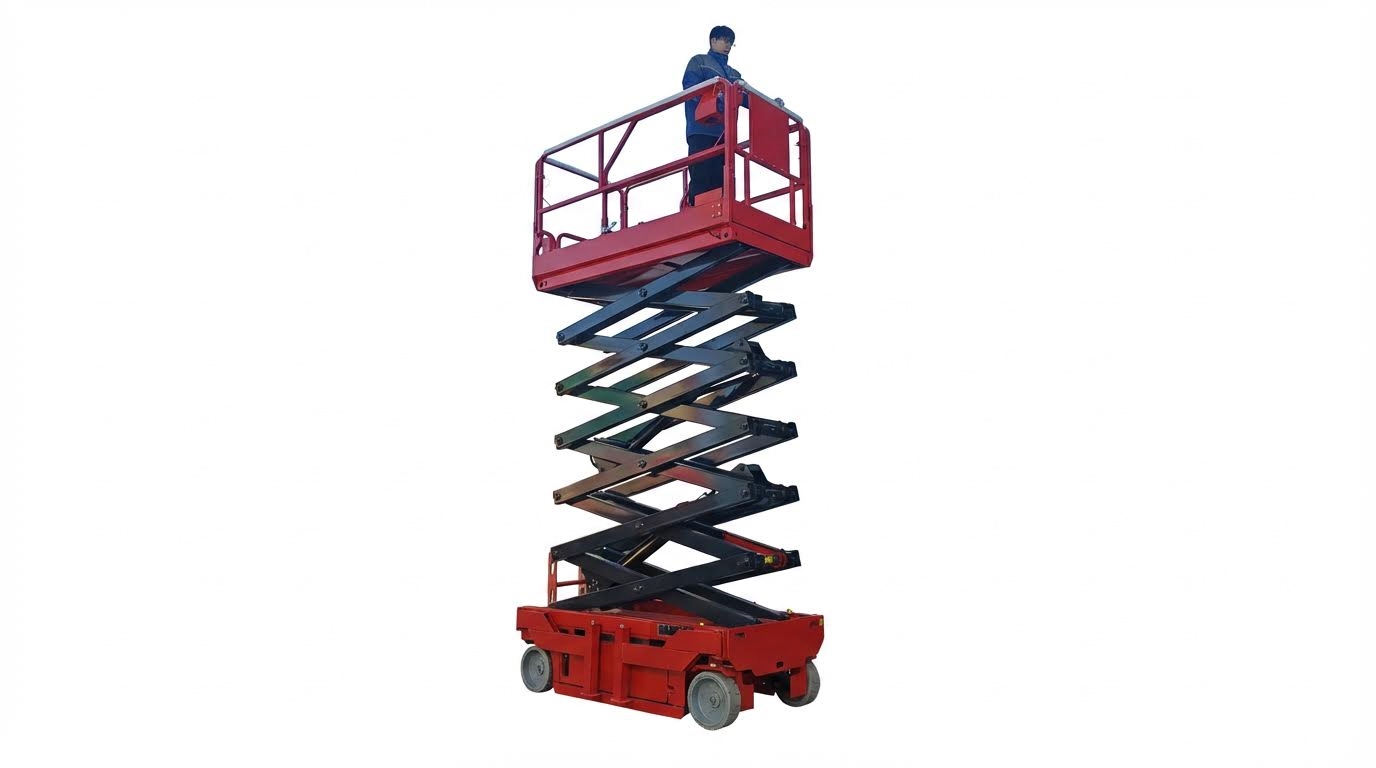
Scissor lift tables could work effectively with standard pallets when engineers treat compatibility as a system-level problem. Platform size, approach geometry, travel range, and load rating all had to align with typical pallet formats such as 1 200 mm × 800 mm and 1 200 mm × 1 000 mm. Low-profile or pit-mounted designs minimized step heights and allowed direct loading by pallet trucks, AGVs, or conveyors without unsafe improvisation. Correct specification and disciplined operation reduced musculoskeletal injury risk and unplanned downtime while increasing throughput.
From a design and selection standpoint, engineers needed to confirm that the platform footprint exceeded pallet dimensions with sufficient edge distance for stability. Travel height had to cover both ergonomic working levels and interface heights to racks, conveyors, or processing equipment. Load capacity and stiffness were critical; the lift had to support palletized loads up to 2 000 kg or more without excessive deflection that could destabilize stacked goods. Environmental and hygiene constraints, including washdown, corrosion exposure, and regulatory demands in food or pharma, often justified stainless or coated constructions and protected hydraulics.
Operational best practices focused on answering the practical question “can scissor lifts work with standard pallets safely every shift.” Operators should center the pallet, respect nameplate load limits, and avoid tall unstable stacks that raised the center of gravity. Routine inspections, lubrication, and scheduled component replacement based on operating hours or lift cycles preserved structural integrity and hydraulic performance. Digital upgrades such as sensors, interlocks, and predictive maintenance analytics supported higher availability and safer human–machine interaction. Looking ahead, closer integration with AGVs, robots, and digital twins would make pallet lift tables more autonomous, but the fundamentals would remain: correct sizing, controlled loading, and rigorous maintenance.