Transporting Class 3 flammable liquid drums required strict compliance with 49 CFR, OSHA, and modal dangerous goods codes. This article examined when and how you can double stack flammable 3 drums for transport without breaching structural, thermal, or ignition controls. It walked through the regulatory framework, engineering design criteria for drum and palletized loads, and operational practices that reduced shift, spills, and fire risk. The final section connected compliance priorities with practical design choices so operators could justify stacking decisions to regulators, insurers, and internal safety teams.
Regulatory Framework For Flammable Drum Transport
When shippers ask “can you double stack flammable 3 drums for transport,” the first filter is regulation. The answer depends on how 49 CFR, modal rules for vessel, rail, and road, and OSHA storage standards interact with your specific packaging and load design. This section explains how those rules constrain drum stacking height, stowage location, and ignition control so engineers and EHS managers can design compliant double‑stack configurations.
Key 49 CFR Provisions Impacting Drum Stacking
Title 49 CFR classified Class 3 liquids by flash point and packing group, then set packaging and stowage conditions accordingly. For non‑bulk steel drums, the regulations did not give a simple yes/no on “can you double stack flammable 3 drums for transport.” Instead, they required that packages withstand normal transport conditions without leakage, dangerous deformation, or loss of closure integrity. In practice, this meant the stacking pattern and height could not exceed the tested performance of the UN drum and outer packaging under Part 178. Shippers had to apply the general loading rules in Parts 174–177 to prevent shifting, maintain accessibility for fire response, and keep drums away from heat and ignition sources. Where drums had vents or safety relief devices, 49 CFR Part 176 required on‑deck stowage only for vessel transport, which effectively limited vertical stacking arrangements in enclosed holds.
Vessel, Rail, And Road Rules That Limit Stacking
Vessel rules under 49 CFR Part 176 and 46 CFR dangerous cargo provisions focused on stowage location, ventilation, and fire protection. Class 3 drums under deck above defined mass thresholds triggered requirements for vent duct fire screens, gas‑tight bulkhead closures, and prohibitions on gooseneck vent heads. These constraints often limited how high operators could stack drums while still maintaining effective ventilation and access. Rail provisions in Part 174 prohibited Class 3 liquids in certain car types, such as hopper bottom cars, and restricted flammable loads on cars with lighted heaters or non‑explosion‑proof apparatus. While they did not specify a maximum stack of “one or two high,” they required securement against shifting and protection from damage, which in practice capped drum stacking at the structural and securement capacity of the car and pallets. Road transport under Part 177 required secure blocking, bracing, and protection from ignition sources in closed vans or tank vehicles. Motor vehicles with heating or refrigeration systems on flatcars had additional temperature and electrical safety limits, which indirectly constrained stacked drum configurations that might impede airflow or inspection.
OSHA Storage Rules Versus In-Transit Conditions
OSHA 29 CFR 1926.152 governed storage and handling of flammable liquids at workplaces, not transport, but it strongly influenced how facilities staged double‑stacked drum loads before and after a trip. OSHA limited quantities outside approved cabinets, specified construction and capacity of storage rooms, and required ventilation, spill control, and separation distances between tanks. These rules did not directly answer whether you can double stack flammable 3 drums for transport, but they restricted how high drums could be stacked in warehouses and loading areas to maintain safe egress and fire‑resistance ratings. Venting and emergency relief provisions for tanks, along with requirements to control ignition sources such as hot work, smoking, or non‑rated electrical equipment, pushed engineers toward conservative stack heights and clear aisles. The contrast was that DOT rules focused on dynamic transport conditions, while OSHA focused on static storage; compliant operations had to satisfy both by designing drum stacks that remained stable and accessible from warehouse rack to trailer or container.
HHFT Requirements Relevant To Drum Shipments
High‑hazard flammable train (HHFT) rules applied primarily to trains transporting large volumes of Class 3 liquids in tank cars, not small lots of drums. However, they illustrated how regulators treated aggregated flammable liquid risk along a route. HHFT regulations imposed speed limits of 50 km/h to 80 km/h, more restrictive limits in high‑threat urban areas, and required enhanced braking systems, routing analysis, and DOT‑117 or equivalent tank car designs. For shippers using both drums and bulk rail, these rules affected network planning, transit times, and emergency response coordination. Notification requirements to State Emergency Response Commissions regarding HHFT routes and volumes encouraged integrated planning of drum traffic that might share corridors with bulk flammable trains. While HHFT rules did not set a numeric drum stacking limit, they reinforced the principle that as aggregate flammable volume increased, regulators expected more robust engineering controls, documentation, and contingency planning around any double‑stacked Class 3 drum loads. drum stacker, drum palletizer, and drum dolly solutions are examples of tools designed to assist in safe material handling.
Engineering Criteria For Double-Stacking Drum Loads
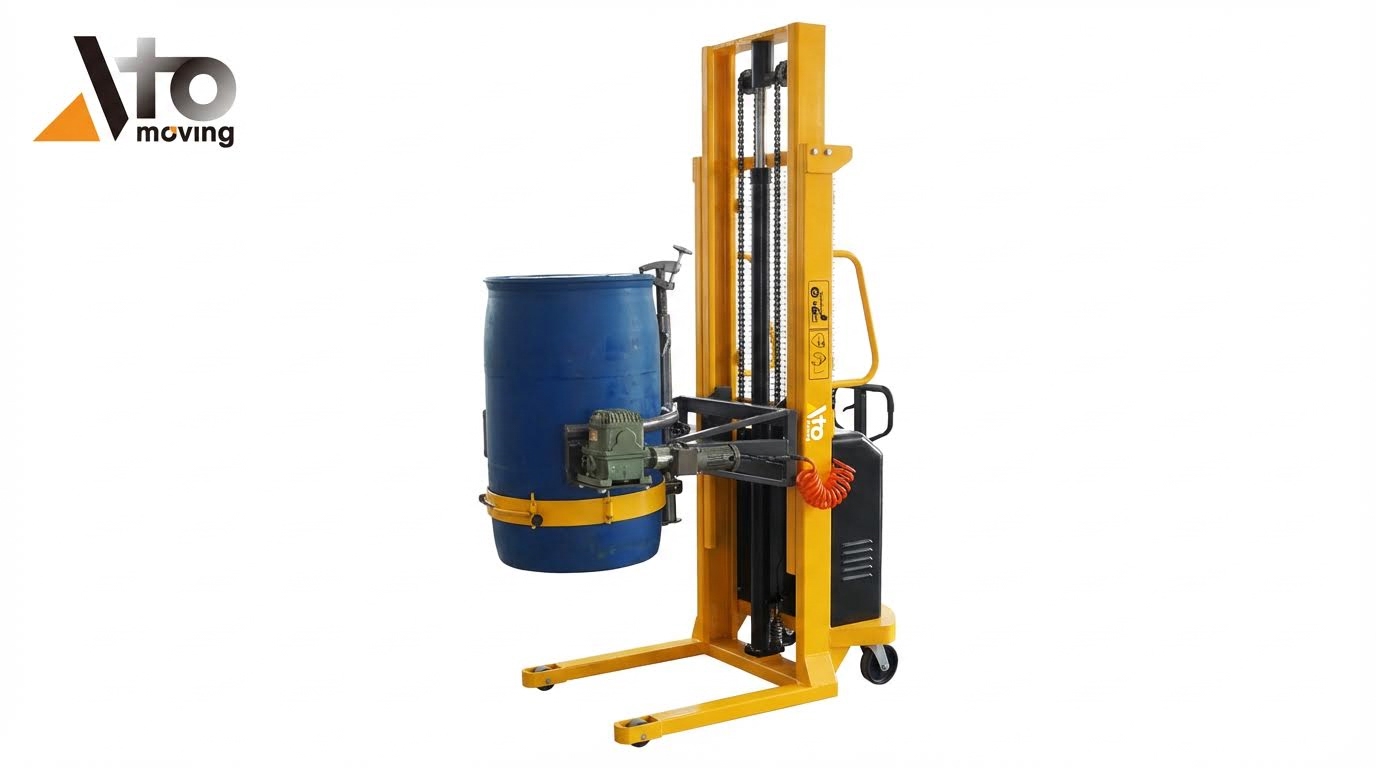
Engineering criteria for double-stacking Class 3 flammable liquid drums in transit determine whether the answer to “can you double stack flammable 3 drums for transport” is yes, no, or only under narrow conditions. Designers must verify drum strength, pallet and dunnage performance, securement systems, and thermal and ignition controls against 49 CFR and related standards. The goal is to maintain package integrity under static and dynamic loads, while also controlling fire, spill, and vapor risks across road, rail, and vessel modes.
Drum Structural Capacity And Stack Height Limits
Engineers start by confirming the drum’s performance rating under UN packaging tests, including stacking and drop tests for Class 3 liquids. The stacking test load normally reflects a defined stack height over 24 hours; in transit, dynamic accelerations from braking, coupling, or ship motion can exceed that static equivalent. For double-stacking, calculate the combined mass of upper-tier drums, pallets, and securement hardware, then compare to the certified stacking load with a conservative safety factor, often 1.5–2.0. Avoid point loading: ensure the upper pallet bears on the drum chimes or designed load paths, not on thin shell sections, to prevent local buckling or seam distortion.
Stack height limits depend on drum diameter, wall thickness, closure design, and fill level. Fully filled steel drums with tight-head closures typically tolerate higher compressive loads than plastic drums or open-head designs. However, regulations for flammable liquids still require that packaging remain “cool as reasonably practicable” and protected from ignition, so designers must limit stack height where ventilation or fire protection would be compromised. If vibration analysis or route conditions indicate high dynamic loads, treat double-stacking as conditional, requiring reduced vehicle speed, improved damping, or single stacking in high-risk segments.
Pallet, Dunnage, And Load Distribution Design
Pallet design often governs whether you can double stack flammable 3 drums for transport safely. Use pallets with adequate bending stiffness and deck board coverage so drum chimes sit on continuous or near-continuous bearing surfaces. For a double stack, verify pallet deflection under the full upper-tier load; excessive sag can shift load paths to drum sidewalls and overstress closures. Dunnage, such as timber, high-density foam, or molded plastic cradles, should distribute loads evenly, prevent drum rolling, and maintain vertical alignment between tiers.
Load distribution across the vehicle deck or container floor must keep axle loads and floor ratings within limits while minimizing eccentric masses. Place heavier drum groups low and near the longitudinal centerline to reduce rollover risk. Use anti-slip mats or friction-enhancing sheets under pallets where regulations allow, to limit sliding during emergency braking or ship motion. Avoid using dunnage that can absorb flammable liquids and become secondary fuel; select materials with low combustibility and compatible chemical resistance.
Securing Systems: Straps, Chains, And Blocking
Securing systems must hold stacked flammable liquid drums under longitudinal, lateral, and vertical accelerations defined by road, rail, or maritime codes. Engineers size webbing straps, chains, or tensioned ropes using design accelerations, typically 0.5–1.0 g longitudinal and 0.3–0.5 g lateral, and verify working load limits with appropriate safety factors. For double-stacked loads, vertical restraints become more critical; use over-the-top straps or net systems that clamp both tiers to the pallet or deck. Blocking and bracing, such as timber chocks or steel frames, should prevent pallet translation and rotation, especially at the ends of the load bay.
Securement layouts must also preserve drum markings, vent paths, and access for inspection during transit stops. Avoid strap contact with closures, bungs, or vent fittings that could be damaged under tension. For rail movements, consider additional requirements associated with high-hazard flammable trains, including routing controls and braking characteristics that influence dynamic loads on securement systems. Periodic inspection points along the route should be planned so operators can verify strap tension, chain integrity, and blocking stability without entering hazardous zones unnecessarily.
Venting, Cooling, And Ignition Source Controls
For Class 3 flammable liquids, double-stacked drums must still comply with requirements to stay cool and separated from ignition sources. Where drums incorporate vents or safety relief devices, stacking arrangements cannot obstruct vent discharge or create pockets where vapors accumulate. Regulations for vessel transport required on-deck stowage for vented packages unless specific exceptions applied, so double-stacking on deck must not shield lower drums from airflow or fire protection spray patterns. Thermal analysis should confirm that heat from solar gain, nearby machinery, or heaters does not push drum surface temperatures toward flash point conditions.
Ignition source control influences both stack design and equipment selection. Avoid locating double-stacked flammable drums near non-explosion-proof electrical apparatus, heaters, or open flames, consistent with 49 CFR and maritime rules. Maintain required separation distances from engine rooms, boiler spaces, and hot surfaces; if separation is not feasible, do not double stack and instead reduce load density. Ensure that grounding and bonding provisions remain accessible so operators can dissipate static charges during loading or unloading without disturbing the stacked configuration. Integrate these controls with fire detection and extinguishing coverage so that, if a leak or fire occurs, emergency systems can reach both tiers effectively.
Operational Best Practices For Safe Drum Handling
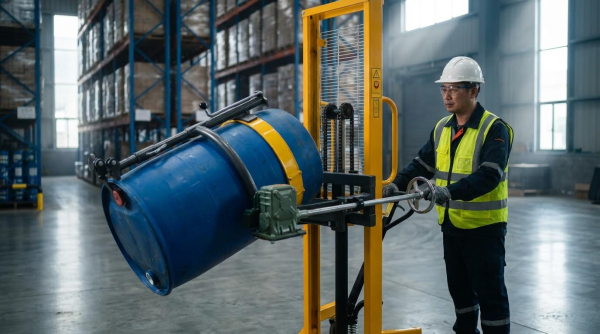
Operational controls answered the practical question “can you double stack flammable 3 drums for transport” by translating regulatory limits into day‑to‑day loading, inspection, and equipment practices. Effective operations focused on keeping Class 3 drums stable, cool, and secured, while ensuring trained personnel and suitable tools managed spill and fire risk. Digital logging and carbon tools increasingly supported documentation, routing, and optimization without compromising safety margins.
Loading Patterns To Prevent Shift And Overturn
Planners treated the question “can you double stack flammable 3 drums for transport” primarily as a load-stability and ignition-control problem. They arranged drums in tight, interlocked patterns on pallets, aligning chimes and keeping heavy drums at the bottom tier to lower the center of gravity. Where double-stacking was allowed by packaging tests and mode-specific rules, operators limited stack height and used anti-slip mats, friction-enhancing dunnage, and pallet overhang clearances under 25 mm to avoid edge loading. They filled voids with blocking or airbags and applied transverse and longitudinal restraints so accelerations from braking, shunting, or vessel motions could not cause drum shift or overturn. For Class 3 loads, they also maintained clearances from heaters, non-explosion-proof electrics, and other ignition sources specified in 49 CFR and marine rules.
Inspection, Training, And Spill Response Planning
Before loading, operators inspected each drum for corrosion, denting at chimes, bulging, or weeping closures, rejecting any package that could not safely support stacking loads. They verified UN performance markings, Class 3 labels, orientation arrows, and closure torque or locking rings, because regulatory stacking tests assumed closures were correctly fitted. Trained staff checked that double-stacked flammable liquid drums remained within tested stack loads and that lashings, chocks, and bunds stayed intact at intermediate stops. Training programs covered hazard recognition from labels, segregation rules, and the limits on heaters and electrical apparatus around Class 3 cargo. Spill response plans positioned sorbents, portable bunds, and compatible extinguishers close to loading points, and required prompt notification and containment if a drum leaked or toppled.
Equipment Selection, Maintenance, And Housekeeping
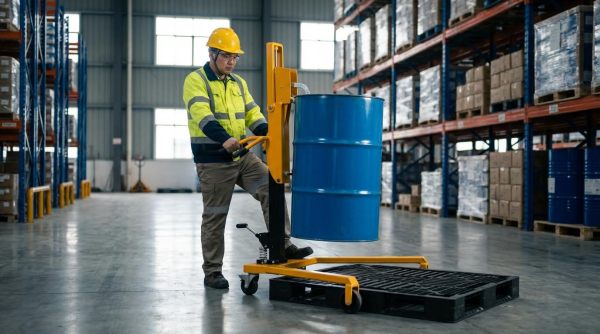
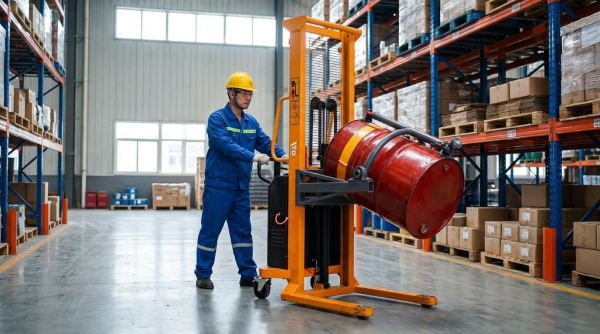
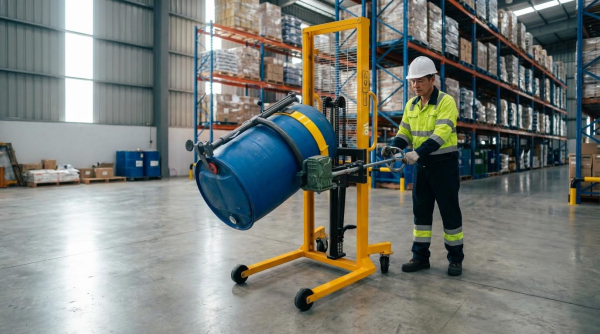
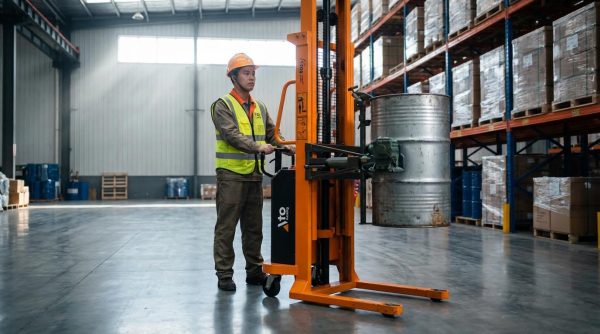
Operators used handling equipment rated for the combined mass of double-stacked drums and pallets, including dynamic factors from lifting and transport. Forks, clamps, and drum grippers had smooth, damage-free contact surfaces to avoid gouging shells or deforming chimes that carried stacking loads. Maintenance programs kept brakes, hydraulics, and steering systems in condition to avoid sudden shocks or drops that could rupture a drum, and verified that any electrical equipment in hazardous areas met explosion-proof requirements. Housekeeping standards required level, debris-free loading floors so pallets sat flat and drums did not rock under vibration. Facilities minimized ignition sources by enforcing no-smoking zones, controlling hot work, and grounding transfer equipment to limit static discharge around stacked Class 3 drums.
Digital Tools, Carbon Impact, And Data Logging
Digital load-planning tools helped engineers model whether they could double stack flammable 3 drums for transport on a specific lane while staying within axle loads, stack limits, and modal rules. Routing and fleet-management systems incorporated HHFT speed limits, urban-area restrictions, and temperature constraints to keep flammable liquids as cool as reasonably practicable. Carbon calculators and optimization platforms evaluated alternative routes, modes, and consolidation patterns, balancing lower emissions against constraints on stacking height, ventilation, and ignition-source separation. Data logging of temperature, vibration, and shock events provided evidence that double-stacked drum loads remained within design envelopes, and supported continuous improvement of loading patterns, securing methods, and equipment specifications.
Summary Of Compliance Priorities And Design Choices
Transport planners asking “can you double stack flammable 3 drums for transport” must treat the answer as conditional, not binary. Regulations did not prohibit double-stacking outright, but they required that any stacked configuration maintain package integrity, control ignition sources, and preserve vehicle stability. Across 49 CFR Parts 172, 173, and 176, plus OSHA 1926.152, the governing themes were containment, temperature control, and fire protection. Engineering decisions on drum strength, pallets, securement, and ventilation had to align with these legal constraints and with carrier-specific rules for road, rail, and vessel.
From a design standpoint, the primary compliance priority was to ensure that vertical loads from double-stacking stayed within the drum manufacturer’s tested stacking capacity and the packaging performance level authorized in the hazardous materials description. Pallet selection, dunnage layout, and load distribution needed to prevent point loading, deformation, or beam-filler conditions that violated maritime rules for Class 3 drums. Securement systems had to resist acceleration in all directions while avoiding damage to closures or venting devices, which could compromise leak-tightness or change stowage permissions, especially for vented drums that had to remain on deck.
Operationally, safe answers to “can you double stack flammable 3 drums for transport” depended on disciplined loading patterns, documented inspections, and trained personnel capable of spill response. Carriers of high-hazard flammable trains had to integrate routing, speed control, braking technology, and data reporting into their risk management, which influenced acceptable stacking practices in rail service. Digital tools and carbon calculators supported route and mode choices that balanced safety, cost, and emissions, but they did not override baseline safety requirements for cooling, ventilation, and separation from heat or ignition sources.
Looking ahead, stricter tank car standards, enhanced fire protection expectations, and growing emphasis on lifecycle emissions would continue to shape how engineering teams justified double-stacked drum configurations. The most robust approach combined conservative structural design, explicit verification of regulatory limits for each mode, and continuous monitoring of equipment condition and operating environments. In practice, the defensible position was that flammable liquid Class 3 drums could be double-stacked only when a documented engineering assessment showed that stacking loads, securement, and thermal conditions complied with all applicable transport and occupational safety rules.