Safe operation of stock picking machines in warehouses depends on understanding regulations, engineering controls, and disciplined work practices. This article explains how to use a stock picking machine within OSHA’s powered industrial truck framework, from operator training and job hazard analysis through fall protection and traffic management. It then details inspection routines, stability limits, and preventive maintenance that keep order pickers reliable and compliant. Finally, it summarizes best practices and emerging trends that influence future warehouse picking safety strategies.
Regulatory Duties And Operator Training
Regulatory compliance defined how to use a stock picking machine safely in warehouses. Employers had legal duties to classify equipment correctly, train operators, and document competence. Robust training and job hazard analysis reduced incidents during stock picking at height. This section explained the regulatory framework, core training content, certification practices, and structured hazard assessment for order picking machines tasks.
OSHA Classification And Legal Obligations
Regulators classified stock picking machines, or order pickers, as Class II electric motor narrow aisle lift trucks. This classification placed them under powered industrial truck requirements, including OSHA 29 CFR 1910.178 in the United States. Employers had to ensure operators received formal instruction, practical training, and an evaluation of performance before independent operation. Failure to meet these obligations exposed organizations to citations, fines, and potential liability after incidents. Legal duties also covered maintaining equipment in safe condition and removing defective trucks from service until qualified technicians repaired them. Written policies, documented training, and visible operating rules supported compliance and improved how to use a stock picking machine safely.
Core Elements Of Order Picker Training
Order picker training addressed both truck-related and workplace-related topics. Core content included machine controls, steering characteristics, braking distances, and operating limits at height. Programs covered pre-use inspections, capacity plate interpretation, and the interaction of load weight, lift height, and stability. Operators learned safe maneuvering in narrow aisles, speed management, and correct positioning at picking locations. Training also emphasized fall protection use, three-point contact when entering or exiting the platform, and keeping both hands on the controls while in motion. Site-specific modules explained traffic routes, pedestrian zones, dock layouts, and procedures for ramps and uneven floors. Emergency procedures, such as E‑stop use, power isolation, and response to mechanical failure, completed the curriculum.
Certification, Recordkeeping, And Refresher Cycles
After completing theory and practical instruction, operators underwent a formal evaluation before certification. Evaluations typically included a written knowledge test and an observed driving and picking exercise under realistic conditions. Successful operators received documented authorization, often listing the specific truck type, capacity range, and operating areas. Employers kept training records, test results, and authorization lists for inspection and internal audits. Refresher training occurred at defined intervals, commonly every three to five years, or sooner after an incident, near miss, or observed unsafe behavior. Changes in warehouse layout, introduction of new truck models, or modified work processes also triggered targeted refresher sessions. Periodic review of licenses and training records ensured only currently competent personnel used warehouse order picker.
Job Hazard Analysis For Picking Operations
A structured job hazard analysis (JHA) broke down each step of how to use a stock picking machine and identified associated risks. Analysts examined travel in narrow aisles, approach to racks, elevation to pick level, load handling, and descent and departure. Typical hazards included collisions with racking, pedestrians, or other trucks, contact with overhead obstructions, and loss of stability due to overloading or off-center loads. The JHA also considered environmental factors such as poor lighting, damaged flooring, ramps, and congested staging areas. Control measures then followed the hierarchy: engineering controls, administrative rules, and PPE. Examples included designated traffic lanes, speed limits, one-way systems in tight aisles, and restricted access zones below elevated platforms. Regular review of the JHA, especially after incidents or process changes, kept controls aligned with real operating conditions.
Engineering Controls, PPE, And Fall Protection
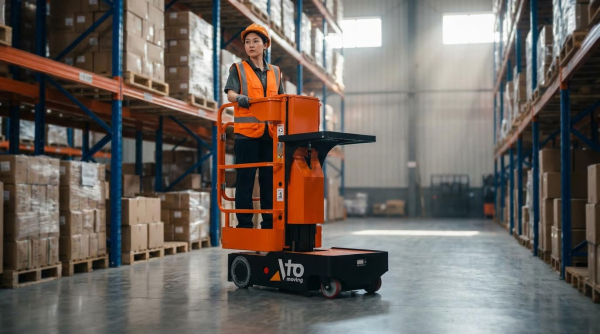
Engineering controls, personal protective equipment, and fall protection measures define how to use a order picking machines safely in real warehouses. These controls shape platform design, access systems, and interlocks that physically prevent unsafe states. PPE and fall arrest systems then provide a secondary layer of defense if an operator error or mechanical fault occurs. Traffic management policies complete the system by controlling how warehouse order picker interact with pedestrians and other vehicles.
Platform Design, Guardrails, And Interlocks
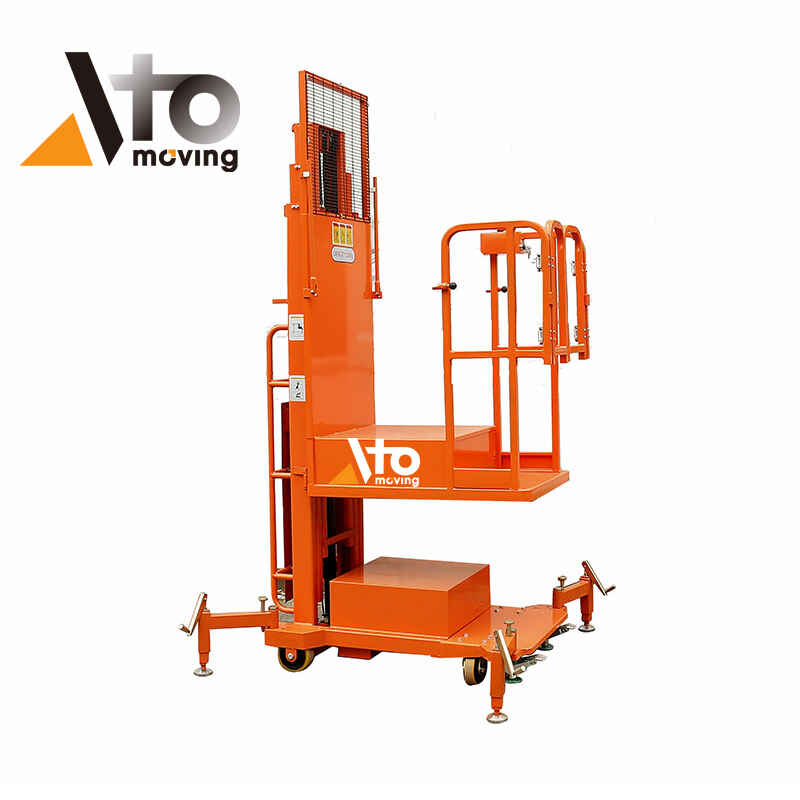
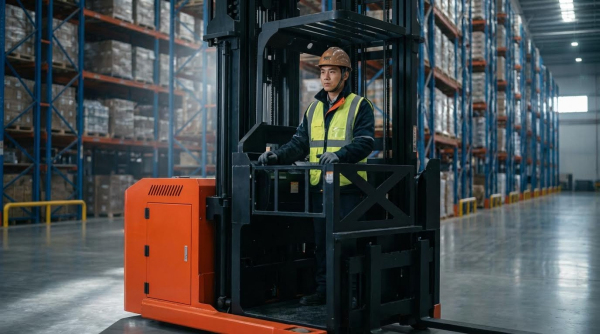
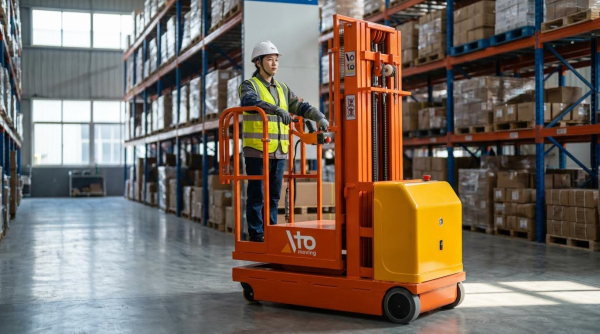
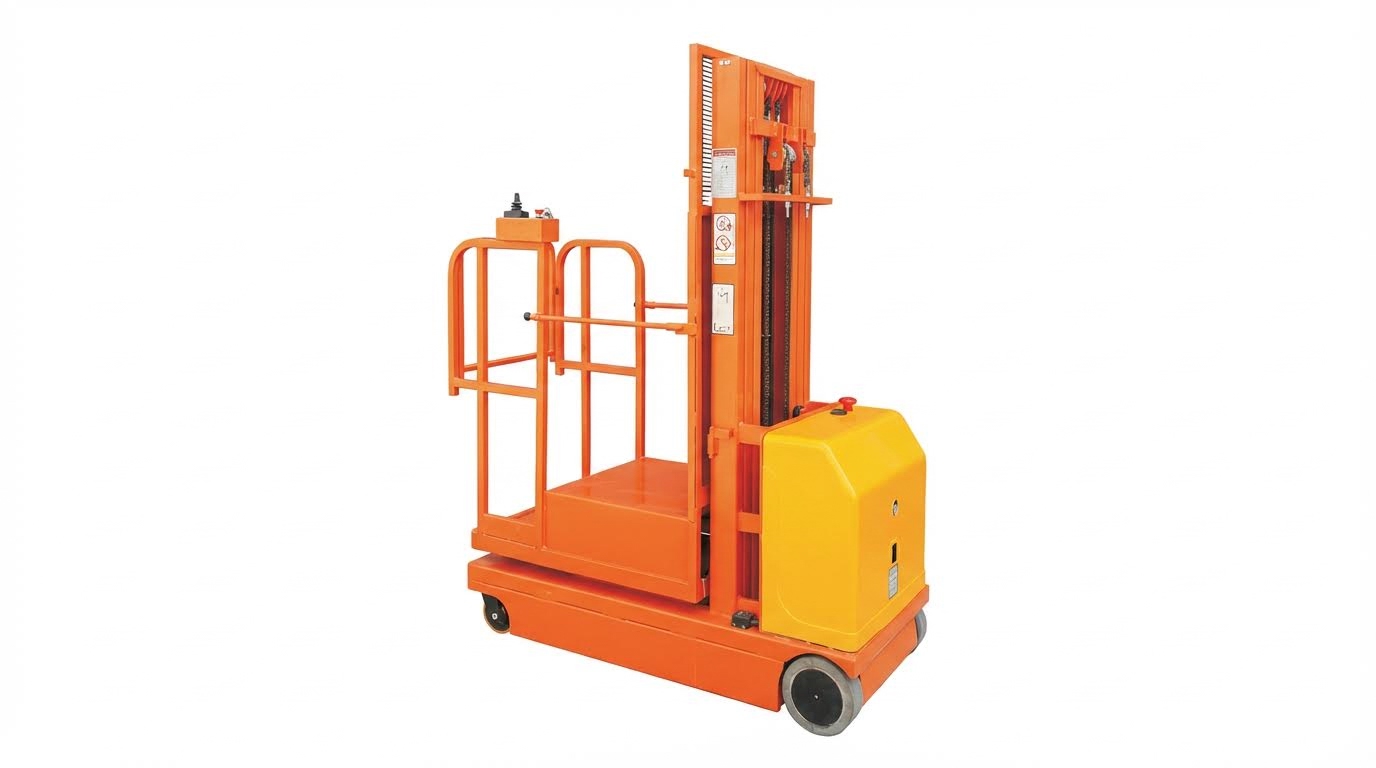
The working platform of a stock picking machine must provide a stable, enclosed area for the operator. Guardrails on all exposed sides, with mid-rails and toe-boards, reduce fall risks and prevent tools or cartons from dropping. Self-closing or latched gates at entry points discourage operators from riding with openings unsecured. Interlocks typically prevent lift or travel if gates are open, if the operator is not in the designated position, or if emergency stops are activated. When planning how to use a stock picking machine in narrow aisles, engineers should specify platforms sized to maintain minimum clearances from rack structures while still allowing safe body posture and reach.
Fall Arrest Systems And Tie-Off Practices
Fall arrest systems complement platform guardrails when operators work at height. Operators connect a full-body harness to an approved anchor point on the stock picking machine using an energy-absorbing lanyard or self-retracting lifeline. The tie-off point must withstand loads defined in relevant fall protection standards and remain above the operator’s center of gravity where practical. Training should cover pre-use inspection of harness webbing, stitching, buckles, and connectors, along with correct adjustment for each operator’s body size. When teaching how to use a stock picking machine, supervisors should enforce 100% tie-off whenever the platform can elevate above a defined threshold, and prohibit climbing on guardrails or leaning outside the platform envelope.
PPE Requirements For Warehouse Environments
Personal protective equipment supports engineering controls by addressing residual risks that cannot be fully engineered out. Typical PPE for stock picker operators includes safety goggles or glasses to protect against dust, packaging fragments, and impact from shifting items. Slip-resistant safety footwear with protective toe caps improves traction on potentially dusty or slightly oily warehouse floors and guards against crush injuries. High-visibility vests or garments make operators more conspicuous to other vehicle drivers in mixed-traffic aisles. Gloves with good grip assist in handling cartons and totes at height, while hard hats reduce risk from dislodged items on upper racks. Site-specific risk assessments may add hearing protection or respiratory protection where noise or airborne contaminants exceed regulatory limits.
Traffic Management And Mixed-Mode Operations
Effective traffic management is critical when stock picking machines operate alongside pedestrians, forklifts, and other vehicles. Warehouse layouts should incorporate clearly marked travel lanes, pedestrian-only walkways, and designated crossing points with high-visibility floor markings and signage. Speed limits, one-way systems in narrow aisles, and no-overtaking zones reduce collision risk when operators focus on vertical positioning and picking tasks. When instructing personnel on how to use a stock picking machine, procedures should require stopping and sounding an audible warning at intersections, blind corners, and dock approaches. Supervisors should integrate order picker routes into the overall warehouse traffic plan, using mirrors, physical barriers, and exclusion zones around high-risk areas such as loading docks and automated robot cells.
Safe Operating Procedures And Maintenance
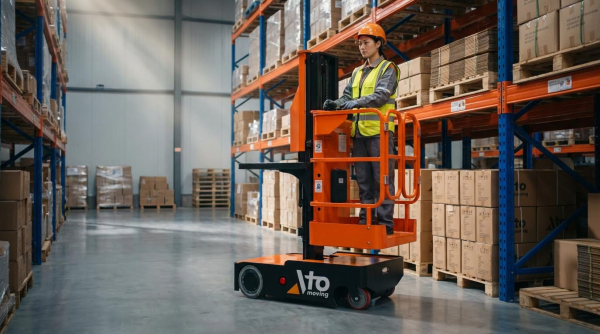
Safe operating procedures and disciplined maintenance practices defined how to use a stock picking machine without introducing avoidable risk. This section linked daily inspections, stability limits, driving rules, and structured maintenance into one integrated control system. When applied consistently, these controls reduced accidents, unplanned downtime, and structural damage to racking and equipment.
Pre-Use Inspections And Daily Checklists
Operators needed a structured checklist before every shift to keep order picking machines fit for use. Visual checks covered mast, platform, forks, and welds for cracks, deformation, or loose fasteners. Operators inspected guardrails, gates, and interlocks to confirm they latched and prevented unintended opening at height. Tires, wheels, and casters required checks for embedded debris, flat spots, and low pressure on applicable designs.
Functional tests followed. Operators verified steering response, lift and lower controls, and travel in both directions in a clear area. Brakes, deadman controls, horns, lights, alarms, and emergency stop devices had to operate correctly. Battery or power supply checks included charge level, cable condition, and connector security, with corrosion or damaged insulation flagged immediately.
Hydraulic components required inspection for leaks, damaged hoses, and unusual noises during operation. Any fluid on the floor around cylinders or fittings indicated a defect and triggered lockout until repair by a qualified technician. Operators recorded all findings in a logbook, referencing previous entries to see if minor issues were recurring. Equipment that failed any critical safety item on the checklist had to be tagged out and removed from service.
Load Rating, Stability, And Height Limitations
Understanding capacity limits was central to learning how to use a stock picking machine safely. Rated capacity, typically up to roughly 1 360 kilograms for common models, included the operator, the picked load, and any tools or accessories. Operators checked the data plate and manufacturer documentation, especially where separate ratings existed for the platform, auxiliary trays, and carry decks. Exceeding any of these ratings reduced stability and violated regulatory requirements.
Stability depended on center of gravity location as well as total mass. Operators kept loads within the designated footprint, avoided overhanging cartons that shifted the center of gravity, and stacked heavier items at floor level of the platform. Tall, unstable items required restraint using straps or containment systems. Lifting at or near maximum height demanded extra margin below rated capacity to account for dynamic effects such as braking or steering inputs.
Height limitations related to both equipment design and the warehouse environment. Operators verified maximum platform height on the nameplate and avoided operating near overhead obstructions, sprinklers, and lighting. Travel with the platform elevated had to follow site rules; in many facilities, operators minimized horizontal travel at height to reduce tip risk. On ramps or uneven floors, operators kept the platform lowered and respected any slope limits specified by the manufacturer. These practices maintained the machine within its intended stability envelope.
Driving, Lifting, And Pedestrian Awareness Rules
Safe driving rules formed the operational core of how to use a stock picking machine in active aisles. Operators maintained both hands on the controls whenever the machine moved, which improved fine positioning and protected arms from contact with racking. Speed limits matched floor conditions, aisle congestion, and visibility, with lower speeds near blind corners, intersections, and dock areas. Sudden acceleration, harsh braking, and rapid steering inputs were avoided to limit load shift and mast sway.
Operators followed defined traffic lanes and warehouse right-of-way rules. Pedestrian-only zones, crosswalks, and high-traffic staging areas required extra vigilance. Horns and warning devices alerted others at intersections, doorways, and rack ends. Operators never carried passengers on the platform or chassis and ensured no one stood under or directly beside the elevated platform. When visibility was restricted by racking or stacked goods, spotters or mirrors supported safer maneuvering.
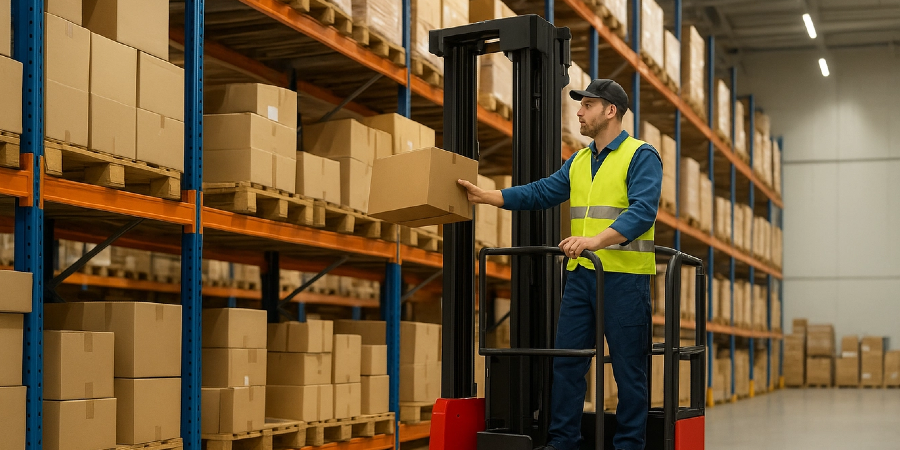
During lifting, operators confirmed the platform gate was closed and fall protection requirements were met before leaving ground level. They raised and lowered smoothly, avoiding abrupt stops that could destabilize the operator or load. Travel with the platform elevated stayed within site-specific procedures, often limited to short, controlled movements in a clear aisle. Operators continuously scanned for overhead obstructions, suspended utilities, and sprinkler piping. Combining these rules with clear communication protocols reduced collision and struck-by risks.
Preventive Maintenance And Technical Diagnostics
Preventive maintenance underpinned long-term safety and reliability of warehouse order picker machines. Daily operator checks fed into scheduled inspections by qualified technicians, typically monthly and semi-annually, depending on duty cycle. These inspections covered drive motors, steering systems, lifting chains, mast rails, hydraulic cylinders, electrical wiring, and control logic. Technicians measured wear against manufacturer tolerances and replaced components before failure.
Lubrication and cleaning routines reduced friction and contamination. Chains, bearings, and mast guides received appropriate lubricants at specified intervals, while platforms, controls, and sensor surfaces were kept free of dust and debris. Battery systems required periodic equalization charges, electrolyte level checks on flooded cells, and verification of charger performance. For electric stock pickers, technicians reviewed connectors, contactors, and insulation integrity to prevent faults.
Modern machines incorporated diagnostic codes and onboard monitoring that supported predictive maintenance. Operators reported warning lights, unusual noises, and performance changes immediately, allowing maintenance teams to interrogate error logs and sensor data. Findings from these diagnostics and inspection reports flowed back into engineering and safety reviews, closing the loop between field performance and design improvements. Documented maintenance histories also demonstrated regulatory compliance and informed replacement planning when units approached end-of-life.
Summary Of Best Practices And Future Trends
Safe strategies for how to use a stock picking machine relied on a layered approach: competent operators, engineered safeguards, and disciplined procedures. Operators needed formal training that met powered industrial truck regulations, practical evaluation, and periodic refreshers tied to incident history or equipment changes. Daily pre-use inspections, supported by structured checklists and logbooks, helped detect worn forks, damaged masts, hydraulic leaks, malfunctioning brakes, and faulty emergency stops before they caused incidents. Warehouses that enforced capacity limits, including the combined mass of operator, load, and tools, reduced tip-over and structural failure risks at height.
Fall protection remained central to warehouse order picker safety. Operators tied off to approved anchor points using full-body harnesses and lanyards, while guardrails, gates, and interlocks prevented platform egress when elevated. Clearly segregated traffic lanes, speed limits, and right-of-way rules controlled interactions between stock picking machines, forklifts, robots, and pedestrians. PPE such as high-visibility vests, safety footwear, gloves, eye protection, and hard hats addressed common impact, slip, and visibility hazards in dense racking environments.
From an engineering perspective, future trends in how to use a stock picking machine pointed toward greater automation and connectivity. Advanced sensors, cameras, and LiDAR supported collision avoidance, aisle positioning, and automatic speed reduction near pedestrians or intersections. Integration with warehouse management systems enabled optimized travel paths, dynamic slotting, and real-time load verification. Condition monitoring, onboard diagnostics, and connected maintenance platforms allowed predictive servicing based on vibration, hydraulic pressure, and error codes, rather than fixed intervals alone.
Warehouses planning new deployments considered compatibility between stock pickers, robotic picking cells, and fenced robot zones that complied with standards such as ISO 14120. Safe access procedures, lockable gates, and emergency-stop circuits needed careful design so that human entry, troubleshooting, and maintenance remained controlled yet efficient. A balanced view recognized that technology reduced incident potential but did not replace the need for robust training, clear procedures, and a strong safety culture. Organizations that combined engineered controls, disciplined operations, and data-driven improvement achieved higher throughput without sacrificing safety performance. Additionally, advancements in scissor platform lift designs and walkie pallet truck efficiency contributed to safer and more productive material handling workflows.