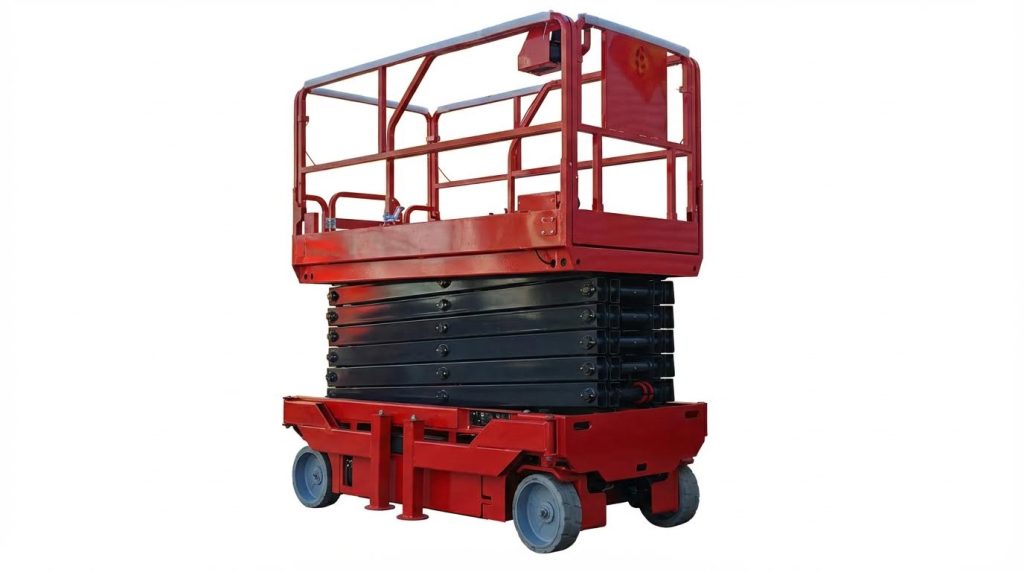
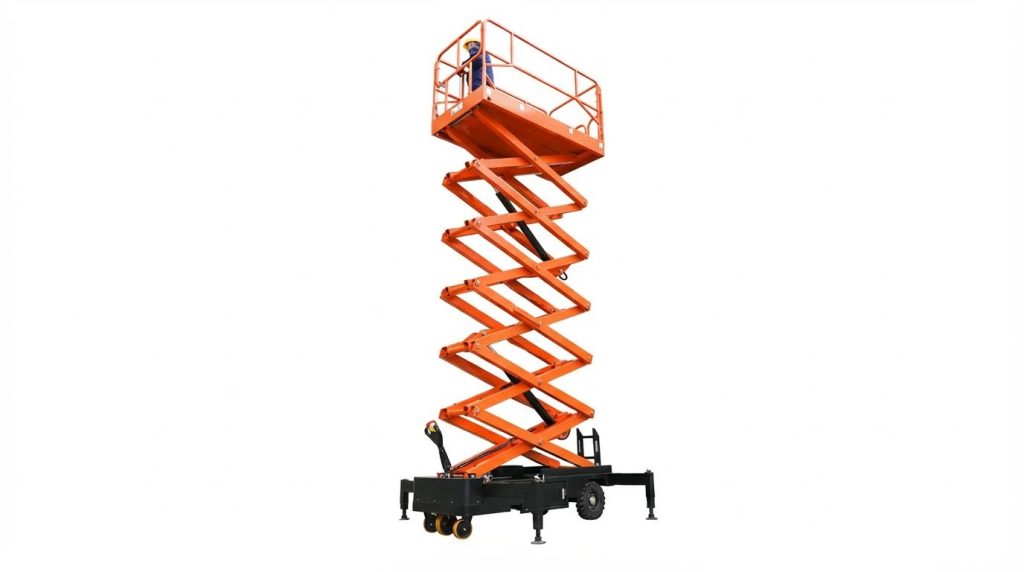
Safe, efficient material handling depended on correct selection, inspection, and operation of pallet lifters, stackers, and lifting or spreader beams. This article outlined how to use a pallet lifter and related devices, how to choose between pallet lifters and lifting beams, and how to match each tool to load characteristics and standards such as WLL and safety factors.
It also examined safe operation of pallet lifters and stackers, including pre-use checks, PPE, ergonomics, and basic hydraulic or battery troubleshooting. Finally, it covered correct application of lifting and spreader beams, from sling angles and labeling to planning complex lifts and maintaining certification, before summarizing best practices and future trends in lifting technology.
Core Functions And Selection Of Lifting Devices
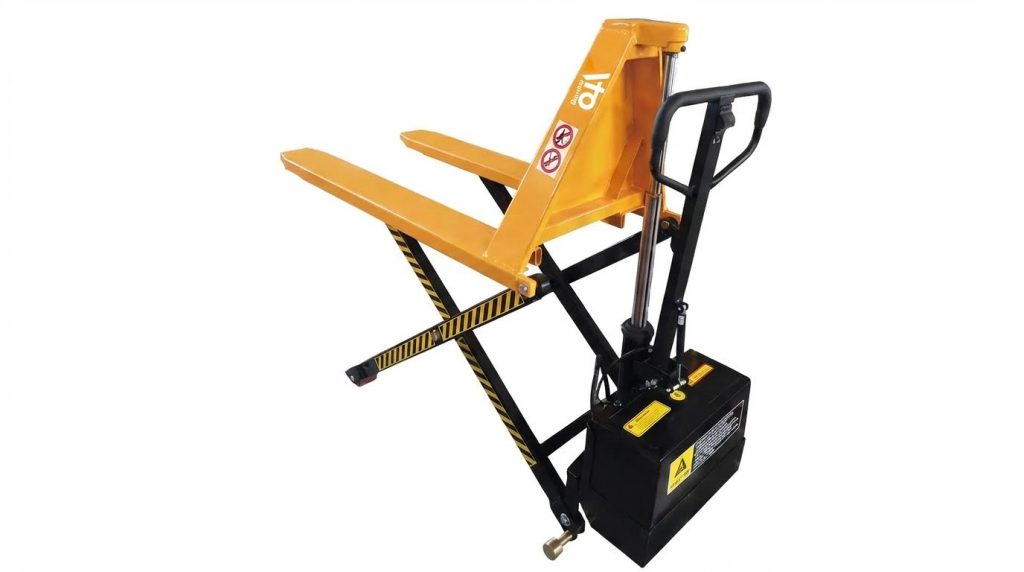
Core lifting devices such as pallet lifters and lifting beams played a critical role in safe vertical handling of palletized and non-palletized loads. Understanding their distinct functions, limits, and selection criteria helped engineers and supervisors decide how to use a pallet lifter correctly and when a lifting beam was more appropriate. Proper selection based on load geometry, center of gravity, and lifting environment reduced the risk of instability, overload, and structural failure. This section explained comparative use cases, key engineering criteria, and the role of standards, WLL, and safety factors in specifying lifting devices.
Pallet Lifters Vs. Lifting Beams: Use Cases
Pallet lifters were vertical lifting attachments that interfaced directly with pallets or skids using forks or tines. Operators typically used pallet lifters with overhead cranes or hoists when floor-access equipment like pallet jacks or stackers could not reach the load. Knowing how to use a pallet lifter started with matching fork spacing, entry height, and headroom to the pallet design and building constraints. Pallet lifters worked best for compact, relatively uniform loads where the center of gravity stayed between the forks and under the suspension point. They allowed single-point suspension while still supporting the pallet from below, which reduced damage compared with slinging around the load.
Lifting beams, by contrast, were structural members that redistributed load from one or more crane hooks to multiple lift points on the load. They suited long, wide, or offset loads where a single hook would create excessive bending or crush the structure. Spreader or lifting beams controlled sling angles and reduced compressive forces on fragile items such as fabrications, machinery frames, or containers. Engineers selected beams when they needed to control load attitude, reduce headroom, or connect to fixed padeyes or lugs. In projects, pallet lifters often handled packaged goods and unit loads, while lifting beams handled process equipment, structural elements, and awkward geometries.
Key Selection Criteria And Load Characteristics
Selecting the correct device started with a clear definition of load characteristics: mass, dimensions, center of gravity, stiffness, and pallet or attachment interface. For pallet lifters, engineers checked pallet type, fork pocket dimensions, minimum fork length, and required under-clearance. They calculated total lifted mass by adding load weight, pallet weight, and lifter self-weight, then compared this to the rated working load limit. Understanding how to use a pallet lifter safely also required verifying that the crane hook capacity exceeded this total, with suitable allowance for dynamic effects.
For lifting beams, selection focused on span length, number and position of lower lift points, and required sling angles. Long or flexible loads demanded beams that limited deflection and maintained near-level attitude under load. Engineers evaluated whether the load could tolerate compression or bending from slings alone; if not, a beam became mandatory. Environmental conditions such as outdoor use, low temperatures, or corrosive atmospheres influenced material choice and protective coatings. Headroom constraints in low-bay facilities often pushed designs toward compact lifting beams or low-headroom pallet lifters. In all cases, compatibility with existing hooks, shackles, and slings formed part of the selection checklist.
Standards, Ratings, WLL And Safety Factors
Lifting devices operated under strict regulatory frameworks, which defined design factors, testing, and labeling. Working Load Limit (WLL) or Safe Working Load (SWL) specified the maximum service load, derived from the device’s minimum breaking strength divided by a safety factor, typically between 3:1 and 5:1. For engineered lifting beams and pallet lifters, standards such as ASME B30.20 and relevant EN or ISO documents required proof testing, usually to 125% of rated load, before service. Engineers documented these tests and kept certificates with the equipment file.
Correct use of WLL was central to learning how to use a pallet lifter or lifting beam safely. Operators had to include the self-weight of the lifting device, rigging hardware, and any below-the-hook attachments in capacity calculations. Sling angles affected tension in slings attached to lifting beams; lower angles increased line tension and could overload individual lift points even when total load seemed acceptable. Labels on compliant devices showed WLL, device weight, serial number, and manufacturer identification; illegible or missing labels meant the device should be removed from service until inspected and relabeled. Periodic inspections by a competent person verified that corrosion, deformation, cracked welds, or unauthorized modifications had not compromised the original rating or safety factor.
Safe Operation Of Pallet Lifters And Stackers
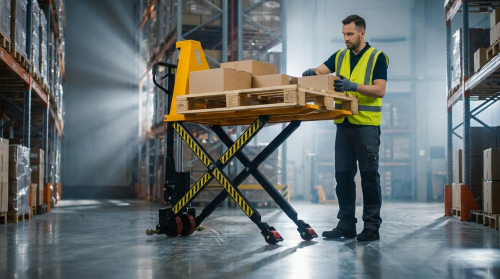
Safe operation of pallet lifters and stackers depended on disciplined pre-use checks, correct load handling, and structured training. Facilities that optimized how to use a pallet lifter also focused on ergonomics and basic troubleshooting to keep uptime high. The following subsections described practical, field-tested procedures that aligned with common regulatory expectations and manufacturer guidance.
Pre-Use Checks, Area Prep And PPE
Operators inspected pallet lifters and stackers before each shift. They checked forks, frames, welds, chains, and load wheels for cracks, deformation, or excessive wear. They cycled the controls through lift, lower, and travel functions to confirm smooth, predictable response. For powered units, they verified battery charge status, cable integrity, connectors, and emergency stop function.
Area preparation played a major role in safe operation and throughput. Operators cleared travel paths from debris, shrink wrap, broken pallets, and spilled product. They checked floor conditions for potholes, ramps, dock plates, and changes in level that could destabilize the load. In mixed-traffic zones, supervisors defined pedestrian walkways, one-way routes, and speed limits for pallet stackers.
Appropriate PPE reduced the severity of typical incidents. Safety footwear with protective toecaps protected against dropped loads and wheel impacts. High-visibility garments improved detection by other equipment operators at intersections and rack aisles. Depending on the site risk assessment, operators also used gloves, eye protection, and hard hats, especially near overhead lifting or racking.
Load Handling, Stability And Maneuvering
Knowing how to use a pallet lifter correctly started with accurate load assessment. Operators confirmed pallet integrity, checked for broken deck boards or stringers, and verified that load weight stayed within the rated capacity and working load limit. They centered the load on the forks and ensured both forks were fully inserted, with at least 75–100 mm clearance beyond the far pallet stringer where possible.
Stability depended on maintaining a low load height and a compact center of gravity. Operators raised the pallet only high enough to clear floor irregularities, typically 50–100 mm. They avoided sudden acceleration, braking, and sharp turns that created dynamic loading and side forces. On gradients, they kept the load on the uphill side and respected site-specific limits on slope.
In tight warehouse aisles, operators used deliberate, small steering inputs. They understood the turning radius of manual and electric stackers and how it changed with mast height and load length. They reduced speed before corners and intersections and kept clear sightlines, using spotters where visibility was restricted. When placing loads, they squared the pallet to the rack or floor mark before lowering to prevent edge damage and skewed stacking.
Ergonomics, Fatigue And Operator Training
Ergonomic operation significantly reduced musculoskeletal disorders. Operators pushed manual pallet lifters instead of pulling whenever feasible to keep the spine in a neutral position. They positioned their bodies close to the handle, with feet staggered, to use leg strength rather than back muscles. For powered stackers, they adjusted tiller arm height to keep wrists straight and shoulders relaxed.
Fatigue management policies improved safety statistics. Supervisors scheduled micro-breaks during repetitive handling tasks and rotated staff between high-exertion and lower-exertion roles. Clear rules limited maximum manual push or pull forces in accordance with internal ergonomics guidelines and applicable national standards. Lighting and floor contrast markings also helped reduce cognitive load during long shifts.
Structured training programs covered theory and hands-on practice. New operators learned equipment components, capacity plates, stability principles, and site traffic rules. Practical modules addressed starting, stopping, turning, stacking, and de-stacking under supervision. Refresher training reinforced correct techniques and updated staff on procedural or layout changes.
Competency assessments closed the loop. Trainers observed operators performing standard tasks, including confined-space maneuvering and emergency stops. They recorded deficiencies and prescribed targeted coaching. Documentation of training, evaluation results, and authorizations supported regulatory compliance and internal audit requirements.
Battery, Hydraulics And Basic Troubleshooting
Efficient battery management sustained performance of electric pallet lifters and stackers. Operators followed manufacturer charging curves, typically avoiding deep discharges below recommended thresholds. They connected and disconnected chargers with equipment powered off and inspected plugs for heat discoloration or damage. Ventilated charging areas controlled hydrogen accumulation for lead-acid batteries and complied with electrical safety rules.
Hydraulic systems required routine checks to ensure consistent lifting performance. Operators inspected cylinders, hoses, and seals for leaks and contamination. Maintenance staff verified hydraulic oil levels against sight glasses or dipsticks and used manufacturer-specified fluid grades. They bled trapped air from systems after component replacement or oil changes to prevent spongy lift response and erratic lowering.
Basic troubleshooting skills helped operators differentiate between user-correctable issues and faults needing specialists. Common symptoms included slow lifting, uneven lowering, steering difficulty, or reduced travel speed. Operators checked for obvious causes first, such as low battery charge, parking brake engagement, or obstructions around wheels and casters. They removed the equipment from service and tagged it if they detected structural damage, persistent leaks, or electrical faults.
Clear reporting channels accelerated repairs. Sites used standardized checklists or digital forms to log defects, including asset ID, fault description, and occurrence time. Maintenance teams prioritized issues based on risk to safety and operations. This systematic approach minimized unplanned downtime and kept pallet lifters and stackers operating within their original design parameters.
Correct Application Of Lifting And Spreader Beams
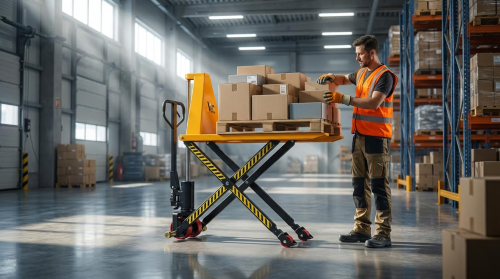
Correct application of lifting and spreader beams directly determines lift safety, structural integrity, and regulatory compliance. Engineers who understand beam behavior, sling geometry, and inspection rules can plan safe lifts and also optimize how to use a manual pallet jack in combined rigging systems. The following sections explain how beam design, inspection regimes, and lift planning interact, with practical rules that apply in workshops, warehouses, and construction sites.
Beam Design Roles, SWL/WLL And Sling Angles
Lifting beams and spreader beams performed distinct structural roles. A lifting beam mainly worked in bending and suited low‑headroom applications or loads requiring multiple lower lift points under a single upper hook. A spreader beam mainly worked in compression and tension, using slings at each end to maintain a near-vertical sling angle and reduce bending in the beam.
Safe working load (SWL) or working load limit (WLL) defined the maximum permissible load under specified conditions. Engineers selected beams so that actual applied load, including beam self‑weight and rigging hardware, never exceeded WLL. Typical design safety factors ranged from 3:1 to 5:1, depending on design standard and duty class. Any modification such as drilling new holes or welding attachments invalidated the original rating until a qualified engineer recertified the device.
Sling angle had a critical effect on tension in each leg. As the angle between sling and horizontal decreased below 45°, leg tension increased sharply and could exceed both sling WLL and beam design assumptions. Rigging plans therefore specified minimum sling angles, verified tension using vector calculations or rigging charts, and ensured shackle, hook, and beam lift‑point ratings exceeded calculated loads. When a hydraulic pallet truck hung beneath a beam, engineers included the lifter’s mass and its load in all capacity checks.
Inspection, Testing, Certification And Labels
Lifting and spreader beams required documented inspection and testing regimes aligned with standards such as OSHA 1910.184, ASME B30.20, EN 13155, and BS 7121. Pre‑use inspections focused on obvious defects: cracks, deformation, corrosion, damaged lugs, elongated holes, and missing retaining pins. Inspectors also verified that identification and capacity labels remained legible and matched the lift plan. Any beam with illegible or missing markings was removed from service until relabeled and re‑inspected.
Periodic inspections occurred at defined intervals, typically between monthly and annually depending on utilization and environment. A competent person checked welds, dimensions, straightness, and attachment points. For critical or heavily used beams, non‑destructive testing such as magnetic particle or ultrasonic testing verified internal integrity. Documentation of each inspection, including findings and corrective actions, formed part of the site’s lifting equipment register.
Proof testing validated new or substantially modified beams before first use. Custom lifting beams for high‑risk applications were typically proof‑tested to 125% of rated WLL according to standards such as OSHA 1926.251 or EN 13155. When several identical beams were manufactured in a batch, acceptance sampling methods according to ISO 2859 or ANSI/ASQC Z1.4 allowed reduced proof‑test quantities, but engineers still treated this as a controlled exception. Certificates recorded test load, duration, test method, and any permanent deformation measurement.
Labels on beams carried essential data: manufacturer or fabricator, unique serial number, WLL, beam self‑weight, design category, and sometimes sling configuration limits. Operators used this information when planning how to use a pallet lifter beneath a beam or when combining multiple beams in tandem crane operations. Without clear labels, risk assessments and lift calculations became speculative and non‑compliant.
Planning Lifts, Load Distribution And Tag Lines
Lift planning began with a clear definition of load mass, center of gravity, geometry, and attachment points. Engineers selected a lifting or spreader beam that matched these parameters and confirmed that crane, hoist, and any intermediate devices such as pallet lifters provided adequate capacity with margin. The total hook load always included load mass, beam self‑weight, shackles, slings, and auxiliary gear. Underestimation of rigging weight frequently led to inadvertent overloads.
Load distribution across lift points required particular attention. Each lug, shackle, or clamp had its own rating, which could be lower than the global beam WLL. Unequal sling lengths, off‑center centers of gravity, or adjustable lift points in incorrect positions could overload a single lug even when total load remained within WLL. Engineers used statics calculations or rigging software to check reactions at each point and adjusted sling lengths or lug positions to balance reactions.
Tag lines played a vital role in controlling long or wind‑sensitive loads. Riggers attached tag lines at suitable locations so ground personnel could control rotation and sway without placing hands near pinch points. Procedures required that tag line forces remained low enough not to upset load balance or exceed side‑load limits on hooks or pallet lifters suspended below beams. Lift plans also considered crane outreach, beam clearance from booms and structures, and avoidance of fouling under girders or runway beams.
Communication protocols underpinned safe execution. A designated lift supervisor coordinated crane operator, riggers, and any workers handling palletized loads under the beam. Standard hand signals or radios ensured precise instructions during hoisting, slewing, and landing. Before lifting, the team conducted a toolbox talk reviewing hazards, escape routes, and emergency stop procedures. This structured planning reduced improvisation and minimized the likelihood of side pulls, shock loading, or unstable landings.
Maintenance, Storage And Recertification Rules
Preventive maintenance preserved beam capacity and extended service life. Maintenance routines included cleaning surfaces, removing corrosion, touching up protective coatings, and lubricating moving parts such as adjustable lugs or clamp mechanisms. Technicians checked bolted joints for correct torque, verified that pins and retainers seated correctly, and replaced worn or distorted components. Any suspected structural damage triggered withdrawal from service and engineering assessment.
Proper storage conditions significantly reduced corrosion and mechanical damage. Facilities stored beams on dedicated racks or supports, off the floor and away from impact zones. Indoor, dry, and well‑ventilated locations limited moisture exposure and chemical attack. When beams were used with pallet lifters, rigging components such as chains, slings, and hooks were stored separately and inspected to the same standard as the beam. Clear labeling on storage racks helped operators select the correct beam for each job without trial and error.
Recertification occurred after significant events: major repairs, modifications, overload incidents, or at scheduled intervals defined by company procedures or national regulations. Recertification by a qualified engineer or accredited inspection body involved detailed visual examination, dimensional checks, and often renewed proof testing. The engineer then issued updated documentation and, if necessary, revised WLL or usage limitations. Integrating beam recertification with broader lifting equipment management systems ensured that cranes, pallet lifters, and beams operated as a coherent, traceable set of certified devices.
Summary Of Best Practices And Future Trends
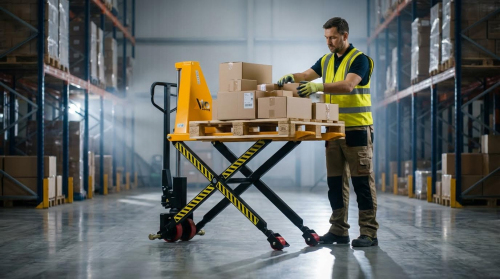
Safe, effective use of pallet lifters and lifting beams depended on rigorous inspection, correct device selection, and disciplined operating technique. Anyone learning how to use a pallet lifter needed to treat pre-use checks, PPE, and load assessment as non-negotiable steps. Operators had to keep loads within WLL, control sling angles on beams, and maintain stable, centered pallets during travel. Regular maintenance, including hydraulic checks, battery care, and formal inspections to FEM and ASME/OSHA requirements, reduced failures and unplanned downtime.
Industry practice moved toward more structured training, with operators drilled in ergonomics, fatigue management, and emergency procedures. Facilities increasingly used standardized checklists, digital maintenance logs, and clear labeling of WLL, serial numbers, and inspection dates on lifters and beams. This approach supported compliance with OSHA 1910.184, ASME B30.20, EN 13155, and FEM 4.004, while also improving equipment life-cycle cost.
Future trends pointed to greater integration of sensors and telematics in pallet lifters, stackers, and beams. Load cells, angle sensors, and access control systems would likely monitor overloads, sling angles, and operator authorization in real time. Predictive maintenance algorithms based on vibration, cycle counts, and hydraulic or battery condition would help schedule service before failures occurred. At the same time, the core best practices would remain unchanged: select the right lifting device, verify capacity, plan the lift, control the load path, and remove damaged equipment from service until a competent person recertified it.