Walkie lifts played a central role in modern warehouse material handling, bridging the gap between simple pallet jacks and full forklifts. This article defined what a walkie lift is, then contrasted walkie pallet jacks and walkie stackers in terms of function, design, and performance. It also examined how these walk-behind machines compared with forklifts and automated storage and retrieval systems in real plant layouts. Finally, it provided guidance on equipment selection, safety, integration, and future technology trends so engineers and operations leaders could choose the right walkie solution for their facilities.
Defining Walkie Lifts, Jacks, And Stackers
Engineers and warehouse planners often ask “what is a walkie lift” when comparing low-level transport tools with true stacking equipment. This section defines walkie lifts, walkie pallet jacks, and walkie stackers, and positions them against forklifts and automated storage solutions. By clarifying lift height, duty cycle, and automation level, it supports data-driven equipment selection and layout design in modern warehouses.
What Is A Walkie Lift In Modern Warehouses?
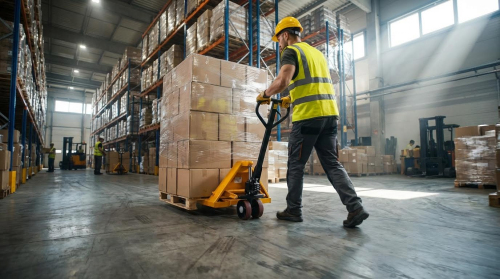
A walkie lift is a powered, pedestrian‑operated truck that moves and lifts palletized loads. The operator walks behind or beside the chassis and controls travel, lift, and braking via a tiller handle. Typical configurations use an electric drive motor, an electric or electro‑hydraulic lift system, and an on‑board traction battery. Modern warehouses used walkie lifts for dock work, replenishment, and short‑run put‑away where ride‑on forklifts were not justified. The term “walkie lift” often covered both low‑lift pallet movers and walk‑behind stackers, so engineers needed to specify lift height and mast type precisely.
Walkie Pallet Jacks: Function And Limits
Walkie pallet jacks answered “what is a walkie lift” at the lowest lift range. They transported pallets horizontally and raised them just enough for ground clearance. Standard electric walkie pallet jacks typically lifted forks up to about 200 mm, roughly 7.9 inches. Rated capacities usually ranged between 1 000 kg and 2 500 kg, depending on fork length and frame design. Their compact chassis and short turning radius allowed work inside trucks, in back‑of‑store areas, and in tight staging lanes. However, they could not stack pallets because the lift height stayed below rack beam levels. Engineers therefore specified them for truck loading, cross‑docking, and line feeding, not for vertical storage. Manual pallet jacks shared the same geometry but required human input for both traction and pump action, which limited sustained throughput and ergonomic performance.
Walkie Stackers: Function And Capabilities
Walkie stackers extended the “what is a walkie lift” definition into true vertical handling. They combined a walk‑behind chassis with a mast that lifted pallets to racking levels. Typical electric walkie stackers reached lift heights around 3 500 mm, and three‑stage masts sometimes achieved about 4 500 mm. Capacity commonly reduced with height, for example from 1 600 kg at low lift to lower values near full elevation, due to mast deflection and stability constraints. Their footprint remained narrower than counterbalance forklifts, so they operated efficiently in high‑density aisles. Engineers selected straddle‑leg, counterbalance, or reach‑style walkie stackers depending on pallet type and rack interface. These machines handled tasks such as first and second level put‑away, case‑pick replenishment, and work‑cell feeding where ride‑on reach trucks were unnecessary or aisles were too narrow.
How Walkies Differ From Forklifts And AS/RS
Clarifying “what is a walkie lift” requires comparison with forklifts and automated systems. Walkie lifts used pedestrian control and low travel speeds, while forklifts carried seated or standing operators at higher speeds and longer travel distances. Typical walkie pallet jacks and walkie stackers served lift heights up to roughly 4 500 mm, whereas reach trucks and turret trucks operated significantly higher in very narrow aisle racking. Automation level also differed. Walkie equipment relied on human navigation and load positioning, while stacker cranes in Automated Storage and Retrieval Systems executed fully automated pallet moves under Warehouse Management System control. Capital cost and infrastructure demands increased from walkies to forklifts to AS/RS, along with achievable throughput. Consequently, engineers positioned walkie lifts as flexible, low‑infrastructure tools for short‑haul, mixed‑task operations, and reserved AS/RS for stable, high‑volume, high‑density storage strategies.
Design And Performance: Jacks Vs. Stackers
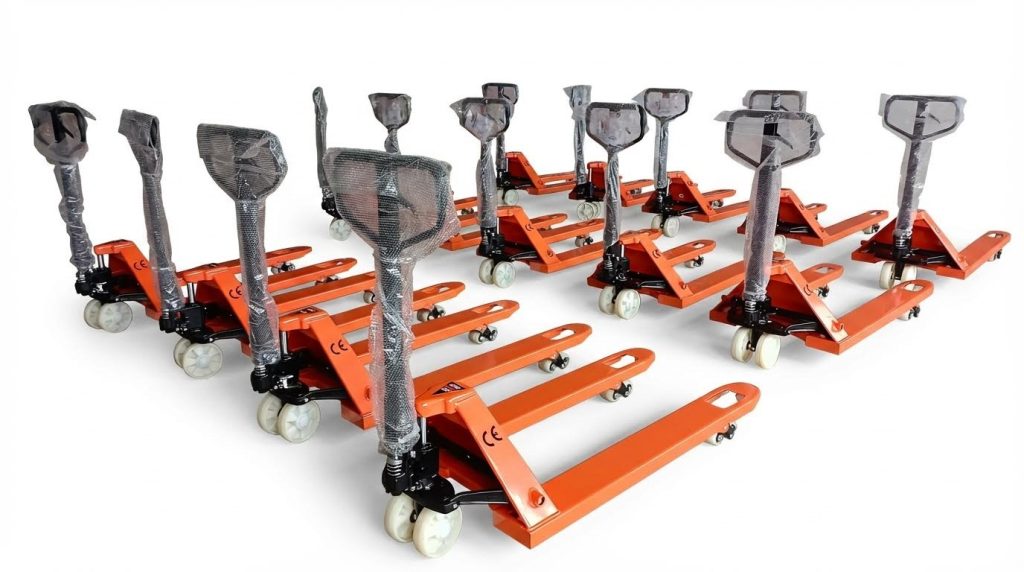
Understanding design and performance differences between walkie pallet jacks and walkie stackers is central to answering what is a walkie lift in engineering terms. Both belong to the broader walkie lift family, but their mechanical architectures, lift envelopes, and energy profiles target distinct warehouse tasks. This section compares their components, operating windows, and lifecycle economics so plant engineers can specify the right walkie solution for each material flow.
Key Mechanical Components And Powertrains
Walkie pallet jacks and walkie stackers shared a common architecture that included a powered drive wheel, steerable tiller, and electric traction motor. Walkie pallet jacks typically used a low-profile fork frame with a compact hydraulic pump and short lift cylinders that raised pallets approximately 200 millimetres. Walkie stackers incorporated a mast assembly with one, two, or three stages, plus longer lift cylinders and chains to achieve vertical stacking up to roughly 3.5 to 4.5 metres.
Both walkie types usually used 24-volt or 36-volt electric powertrains with separately excited or AC traction motors for precise low-speed control. Stackers often added proportional hydraulic valves and finer control logic because operators positioned loads at rack beam level. Structural design also differed: jacks relied on a low centre of gravity and wide fork spacing for stability, while stackers required reinforced chassis, outriggers, and counterbalance geometry to handle higher load centres. These mechanical differences defined how each walkie lift handled load, height, and duty cycle.
Lift Height, Capacity, And Duty Cycle Ranges
Standard walkie pallet jacks lifted only enough to clear floor irregularities, normally up to about 8 inches. Rated capacities commonly ranged from 1,000 kilograms to roughly 2,500 kilograms, optimised for horizontal transfer rather than vertical placement. Their recommended duty cycles suited truck loading, staging, and short shuttles where lift times remained brief and infrequent.
Walkie stackers operated in a different lift envelope. Typical single or two-stage masts reached around 3,000 to 3,500 millimetres, with high-lift three-stage designs extending to about 4,500 millimetres. Capacities often fell between 1,000 and 1,600 kilograms at standard load centres, derating at maximum height to preserve stability. Because stackers cycled hydraulics more intensively, their duty cycles and thermal limits for pumps and motors required closer engineering attention. Selecting between jacks and stackers therefore depended on required storage height, load mass distribution, and expected lift frequency across a shift.
Maneuverability In Narrow Aisles And Tight Bays
Walkie pallet jacks usually offered the smallest turning radius in the walkie lift family because of their short fork head and absent mast. Operators could rotate the chassis within narrow truck trailers and sales-floor aisles, especially with vertical tiller designs that allowed near-zero-radius pivots. Low fork height also reduced collision risk with low under-clearances and dock plates.
Walkie stackers sacrificed some manoeuvrability due to mast height, outriggers, and increased overall length. However, designers optimised wheelbases, caster arrangements, and tiller articulation to keep aisle requirements relatively narrow compared with sit-down forklifts. Clear-view masts and low-profile power units improved sightlines when working close to racks. When engineers evaluated what is a walkie lift for a narrow-aisle application, they typically compared the shorter effective length and trailer handling of pallet jacks against the vertical reach but slightly larger turning envelope of stackers.
Energy Use, Charging, And Lifecycle Cost Drivers
Energy consumption differed significantly between walkie pallet jacks and walkie stackers because vertical lifting demanded more hydraulic power. Jacks mainly consumed energy during acceleration, deceleration, and brief fork lifts, so smaller battery packs often supported a full shift in light to medium duty. Stackers required larger batteries to support repeated mast lifts, especially near maximum height and capacity where pump loads increased.
Historically, both equipment types used lead–acid traction batteries with charger strategies sized to shift patterns, though lithium-ion options expanded later due to faster charging and partial-charge tolerance. Lifecycle cost drivers included battery replacement intervals, tyre and wheel wear, hydraulic component life, and downtime from improper charging practices. Jacks usually offered lower acquisition cost and simpler maintenance, while stackers justified higher capital cost through vertical storage density and reduced need for larger forklifts. When specifying what is a walkie lift for a facility, engineers balanced energy profile, charging infrastructure, and total cost of ownership against required lift height and throughput.
Selection, Safety, And Integration In Plants
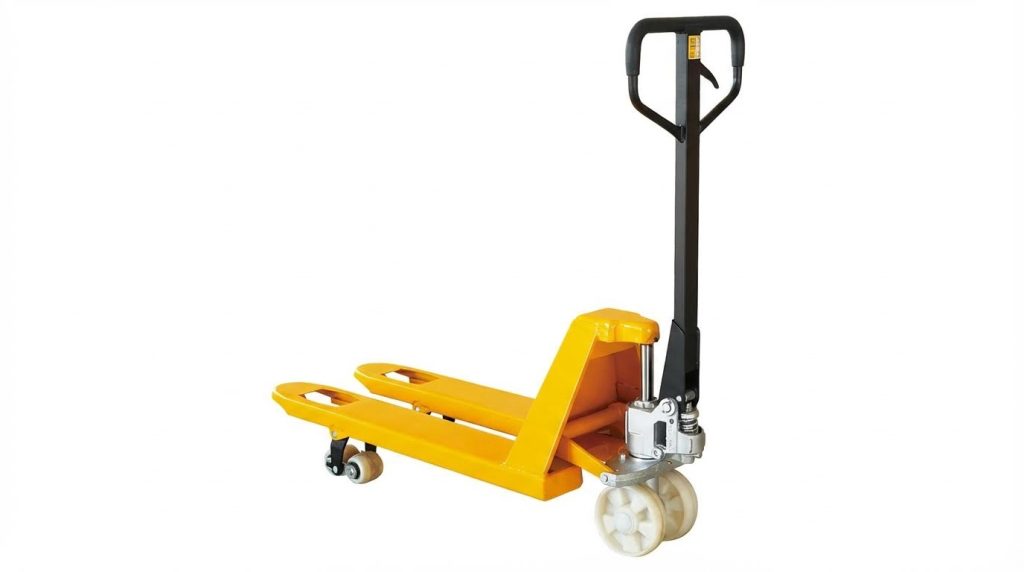
Plant engineers who ask “what is a walkie lift” usually need more than a definition. They must decide whether walkie pallet jacks or walkie stackers fit throughput, storage height, and safety requirements, then integrate these assets into existing layouts, maintenance programs, and digital systems.
Matching Equipment To Throughput And Storage Height
When defining what is a walkie lift for a given plant, engineers start with flow and elevation. Walkie pallet jacks suit low-bay operations where pallets move horizontally between docks, staging, and production cells, with lift heights limited to roughly 200 mm. They support moderate throughput, especially where operators handle frequent but short moves and racking heights stay below typical stacker ranges. Walkie stackers become the better choice when storage extends to 3 500 mm or higher and the plant needs true pallet stacking. They bridge the gap between simple jacks and counterbalance forklifts, enabling put-away and retrieval in medium-height racks without committing to full AS/RS infrastructure. For high-volume, high-density storage, engineers often pair walkie equipment with automated systems. Walkie jacks feed pallet infeed conveyors, while walkie stackers handle exception tasks around AS/RS aisles or mezzanines.
OSHA Compliance, Training, And Safe Operation
Clarifying what is a walkie lift in safety programs matters for regulatory compliance. In the United States, powered walkie pallet jacks and walkie stackers fall under OSHA’s powered industrial truck rules, which require formal training, evaluation, and periodic refreshers. Operators must understand rated capacity, load center, and lift-height limits, since walkie jacks only elevate enough for transport while stackers raise loads to racking levels. Safe operation procedures include pre-use inspections, verifying brake and emergency stop function, and maintaining clear sight lines around masts and loads. Plants should define speed limits by zone, restrict walkie stacker use in congested pedestrian areas, and enforce lockout/tagout for maintenance tasks. Documented training that distinguishes between manual pallet jacks, powered walkies, and higher-reach equipment reduces confusion and incident rates.
Maintenance Practices And Predictive Monitoring
Engineers who understand what is a walkie lift also recognize that lifecycle cost depends on disciplined maintenance. Walkie pallet jacks require routine checks of forks, wheels, and hydraulic units, with daily inspections catching debris, cracks, and leaks before they escalate. Walkie stackers add masts, chains, and electric traction systems, so plants must schedule lubrication, battery service, and periodic load tests. Standardized checklists covering tires, steering, controls, and lift mechanisms reduce unplanned downtime and extend component life. Predictive monitoring starts with simple metrics such as hours of use, charge cycles, and fault codes logged in a computerized maintenance management system. Plants can then adjust service intervals based on actual duty cycles, not generic recommendations, improving availability while controlling spare-part inventory.
Trends: IoT, Digital Twins, And Cobot Integration
Current answers to what is a walkie lift increasingly include connectivity and automation. IoT sensors on walkie pallet jacks and stackers capture shock events, temperature, and battery health, feeding dashboards that highlight misuse and emerging failures. Plants use this data to optimize charging strategies, reduce opportunity charging that shortens battery life, and refine fleet sizing. Digital twins of material flow models incorporate walkie equipment behavior, allowing engineers to simulate aisle widths, rack heights, and docking patterns before committing to layout changes. Integration with collaborative robots appears in palletizing cells, where cobots build loads and walkie lifts shuttle finished pallets to storage or shipping. This incremental automation approach lets facilities gain some benefits of AS/RS performance while retaining flexible, operator-guided walkie fleets.
Summary: Choosing The Right Walkie Solution
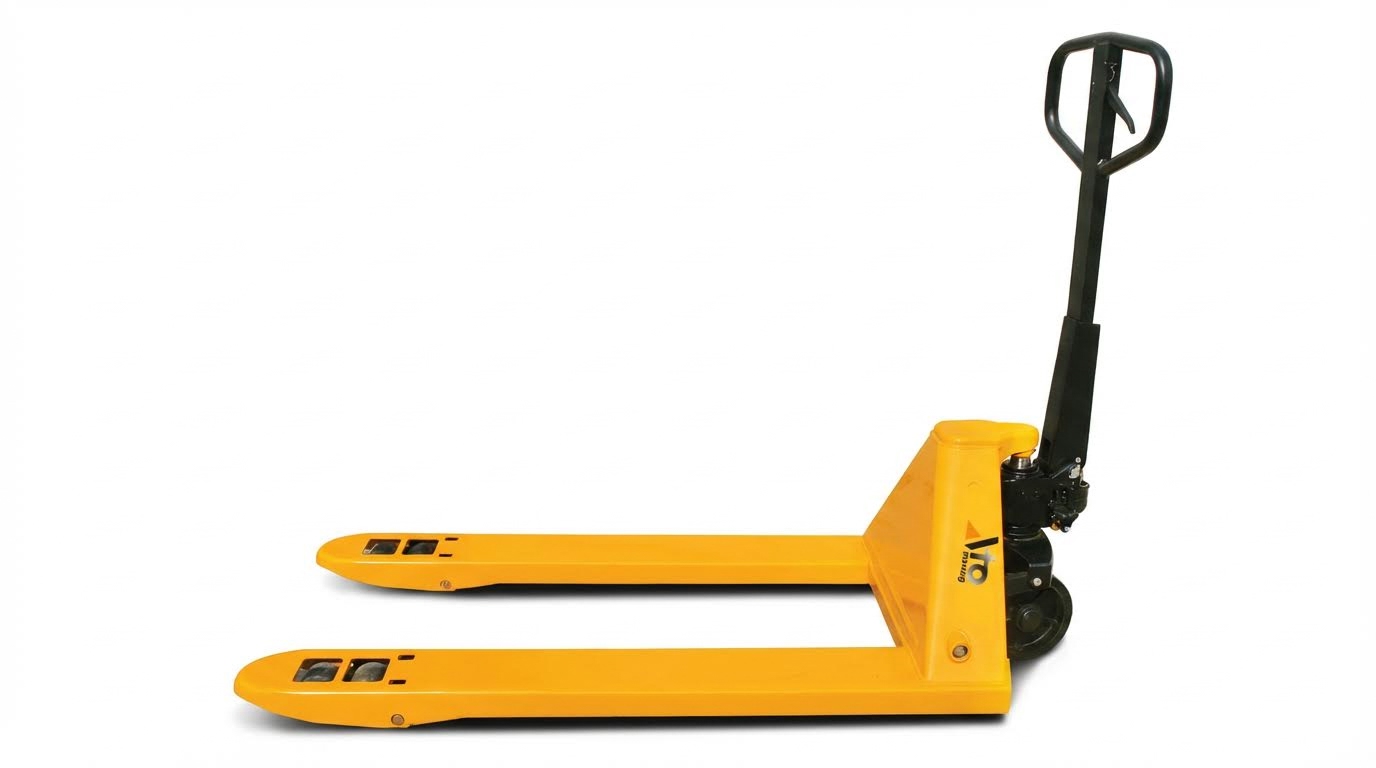
When operators ask “what is a walkie lift,” they usually mean a powered walk‑behind truck that bridges the gap between a simple pallet jack and a full counterbalance forklift. This summary brings together how walkie pallet jacks and walkie stackers differ in lift height, capacity, automation level, and lifecycle cost, and how they integrate with higher‑end systems such as AS/RS stacker cranes. Technically, walkie pallet jacks handled low‑level horizontal moves with lift heights around 200 mm, while walkie stackers extended that envelope into the 3 500–4 500 mm range for racked storage. Stacker cranes then pushed vertical reach and automation further, into multi‑level high‑density storage controlled by warehouse software.
From an engineering and operations standpoint, the right walkie solution depended on three primary drivers: required lift height, pallet throughput, and aisle geometry. Facilities with short horizontal runs, low racks, and limited capital typically selected walkie pallet jacks because of their low cost, simple training, and minimal charging infrastructure. Sites that needed regular put‑away and retrieval at medium heights, but did not justify full forklifts or cranes, favored walkie stackers, accepting higher unit cost in exchange for vertical storage density and improved cube utilization. High‑volume distribution centers and cold stores increasingly combined walkies at dock or picking zones with automated stacker cranes in deep storage, using walkies as the interface layer.
Safety and compliance remained non‑negotiable across all options. OSHA rules treated powered walk‑behind trucks as powered industrial trucks, so structured training, documented inspections, and clear speed and load policies were essential. Energy and lifecycle economics also mattered: battery selection, charging strategy, and maintenance discipline strongly influenced total cost per pallet moved. Looking ahead, walkie lifts were already integrating IoT sensors, diagnostic analytics, and, in advanced plants, digital twins for fleet right‑sizing and predictive maintenance. As collaborative robotics matured, engineers expected tighter coupling between walkies, cobots, and AS/RS, with walkie equipment acting as flexible, human‑supervised links inside increasingly automated intralogistics networks.