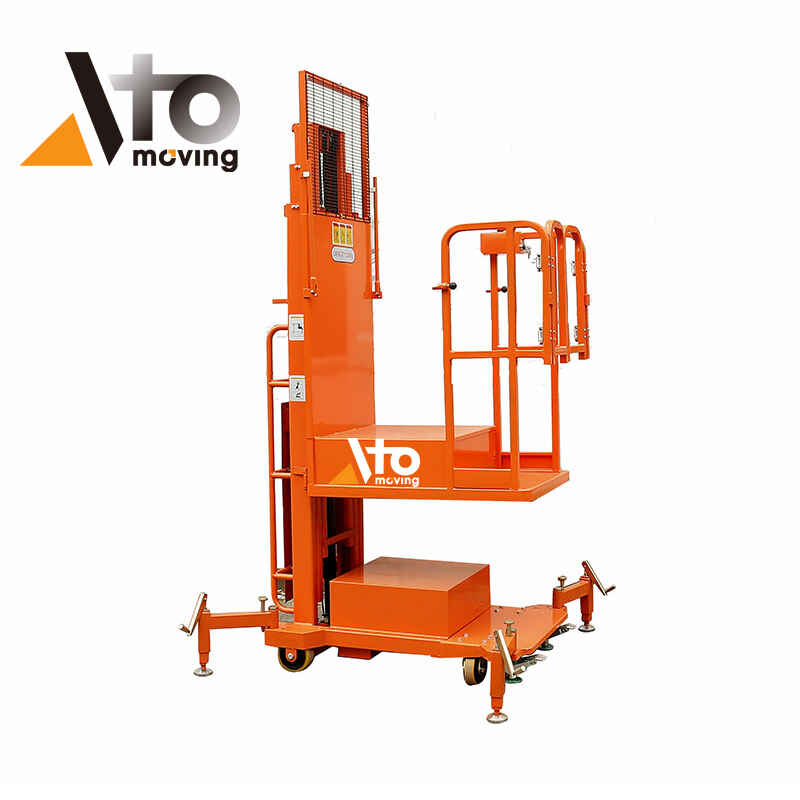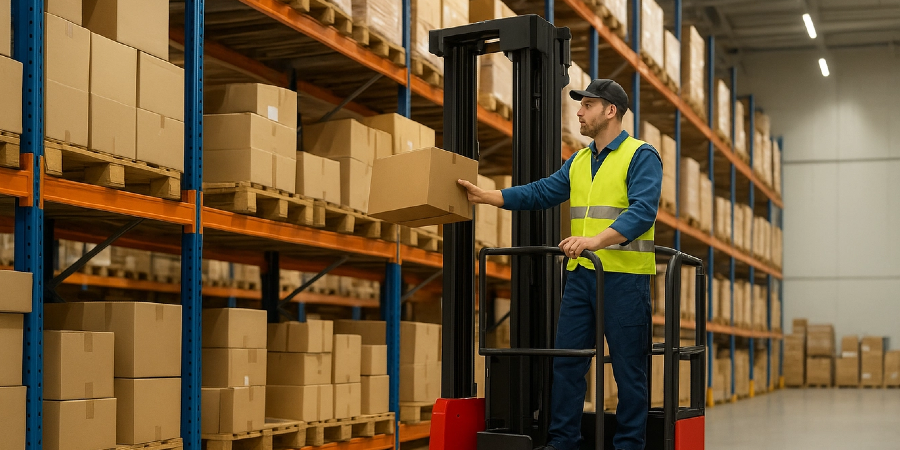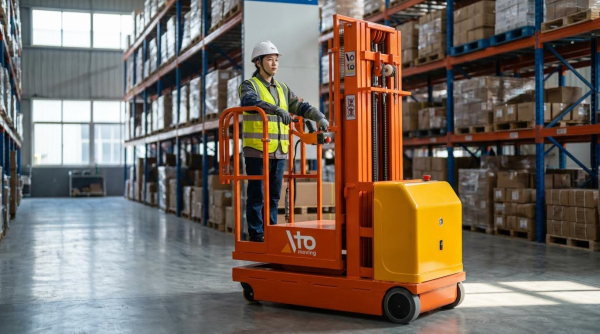
A pick and pack warehouse is a specialized facility where operators pick items from inventory and pack them for shipment. When engineers ask what is a pick and pack warehouse, they focus on how layout, processes, and equipment combine to deliver fast, accurate order fulfillment. This article outlines core warehouse functions, engineering approaches to layout, and the role of semi electric order picker, warehouse order picker, and order picking machines. It then links these elements into a practical framework for designing high‑performance pick and pack operations from receiving through shipping.
Core Functions Of A Pick And Pack Warehouse
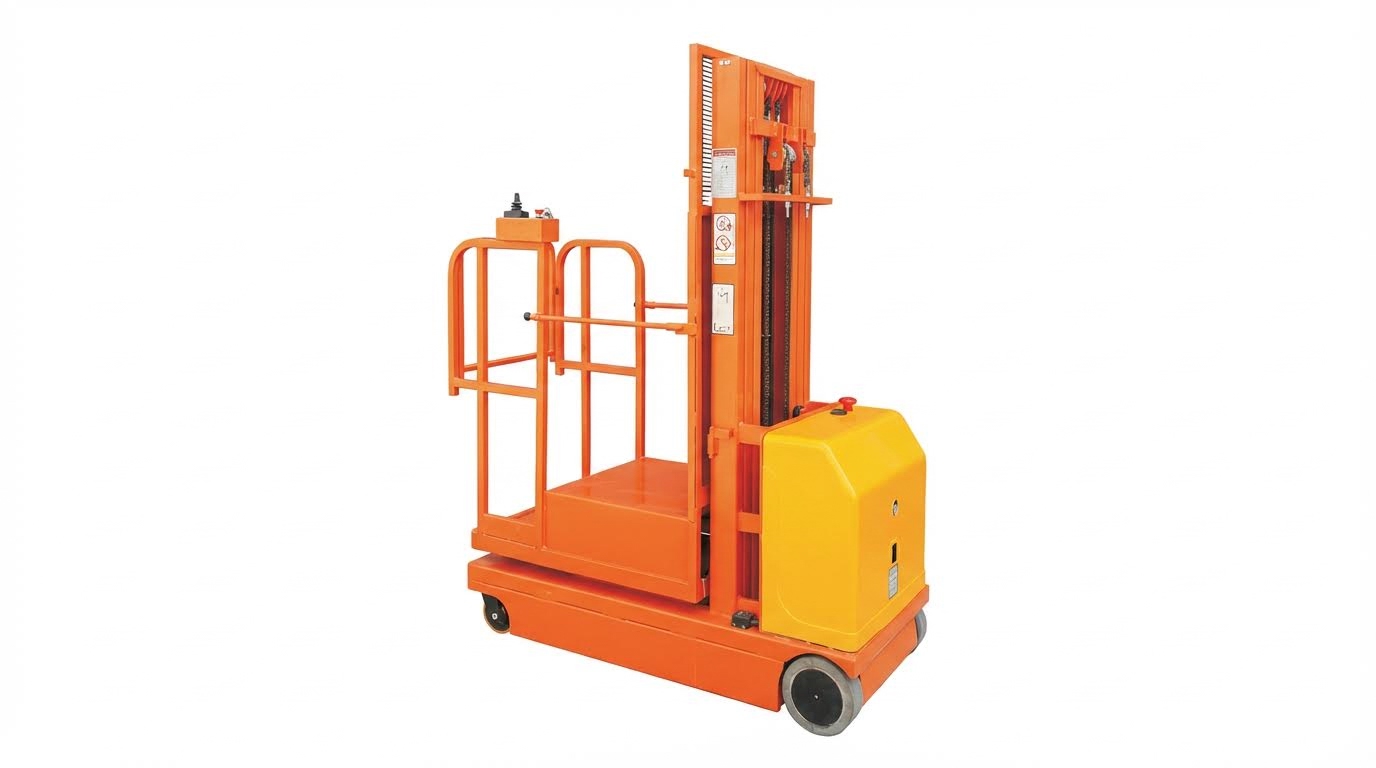
Understanding what is a pick and pack warehouse requires a clear view of its core functions. These facilities convert bulk inventory into discrete customer orders through tightly controlled receiving, storage, picking, packing, and shipping activities. Engineering, operations, and procurement teams design these functions to minimize handling, shorten order cycle time, and protect product quality. The following subsections break down the role, workflows, stakeholders, and primary cost drivers that define performance.
Definition And Role In The Supply Chain
From an engineering perspective, what is a pick and pack warehouse? It is a fulfillment node that receives inventory in bulk, stores it in engineered locations, then picks individual stock-keeping units and packs them into outbound cartons or pallets. The warehouse acts as a time and quantity buffer between upstream production or import flows and downstream customer demand. It transforms supplier case or pallet quantities into order-level units with strict accuracy and traceability requirements. Within the supply chain, it directly influences delivery lead time, order accuracy, transportation utilization, and overall customer satisfaction.
A pick and pack warehouse typically connects to upstream plants, import terminals, or regional distribution centers. It then feeds e-commerce customers, retail stores, or business clients with mixed-SKU orders. Its performance affects inventory turnover, working capital, and transport cost per shipped unit. Poorly engineered pick and pack operations increased lead times, raised damage rates, and reduced on-time delivery performance. Well-designed facilities, by contrast, stabilized flow and supported omnichannel service levels.
Typical Order Profiles And Workflows
Order profiles in a pick and pack warehouse usually fall into several repeatable patterns. E-commerce operations handle high volumes of small orders, often one to five order lines, with piece picking from shelving, carton flow, or automated storage. Retail replenishment profiles involve higher line counts and case- or layer-level picks to build store-ready pallets. Business-to-business operations may mix full-case, inner-pack, and each-level picks within the same order.
Core workflows start with receiving and put-away into defined storage media. The system then releases orders into picking waves, batches, or continuous flows, depending on the control strategy. Workers or automated systems pick items using pick lists, RF devices, voice systems, or light-directed technology. Picked items move to packing stations, where operators verify contents, select packaging, add dunnage, and apply shipping labels. Finally, outbound consolidation, staging, and loading align completed orders with carrier schedules and trailer plans. Throughout the workflow, a warehouse management or execution system tracks inventory, guides routes, and captures performance data.
Key Stakeholders: Ops, Engineering, Procurement
Operations teams run day-to-day activities in a pick and pack warehouse. They schedule labor, assign tasks, monitor throughput, and enforce safety and quality standards. Their feedback on congestion points, error causes, and ergonomic issues is essential for continuous improvement. Engineering teams design the physical layout, storage systems, picking methods, and control logic. They model volumes, order profiles, and travel distances, then specify equipment, slotting strategies, and automation levels.
Procurement teams support these functions by sourcing racking, picking equipment, packaging materials, and automation systems. They evaluate total cost of ownership, including acquisition cost, maintenance, and energy usage. Cross-functional collaboration aligns service targets, capital budgets, and risk tolerance. For example, engineering may propose zone picking with conveyors, while procurement negotiates contracts and operations validates that the design supports real shift patterns. Effective governance includes joint reviews of performance metrics, such as order cycle time, picking accuracy, and cost per order.
Cost Drivers: Labor, Space, And Equipment
Labor represented the dominant operating cost in most pick and pack warehouses. Order picking alone often accounted for up to 55% of total warehouse operating costs. Travel time between picks, search time, verification, and rework from errors all contributed to this share. Engineering teams therefore focused on reducing walking distance, improving slotting, and applying technologies like RF scanning, pick-to-light, or voice picking to cut labor minutes per order.
Space formed the second major cost driver. The way a facility used cubic volume, not just floor area, determined rent, utilities, and future expansion needs. High-bay racking, multi-tier mezzanines, and dense storage formats increased storage capacity per square metre but required careful analysis of access, fire protection, and material flow. Poor slotting placed high-velocity items in remote locations, increased travel time, and wasted valuable golden-zone space. Equipment and automation constituted the third cost category, including manual pallet jack, conveyors, sorters, and automated storage. While automation increased capital expenditure, it reduced variable labor cost and improved throughput and accuracy when correctly sized and maintained. Lifecycle cost analysis considered maintenance, spare parts, energy consumption, and obsolescence risk, not just initial purchase price.
Engineering The Pick And Pack Warehouse Layout

Engineering the layout answers a core design question in what is a pick and pack warehouse: how do products flow with minimal travel, touches, and errors. A well-structured layout links receiving, storage, picking, packing, and shipping into a continuous process. Engineers balance labor, space, and equipment cost while protecting flexibility for SKU growth and changing order profiles. The following sections describe the main layout decisions that determine throughput, accuracy, and operating cost.
Flow From Receiving To Shipping
Engineers design flow so that material moves in one predominant direction from receiving to shipping. In a typical pick and pack warehouse, inbound trucks unload at receiving docks, where teams stage, inspect, and scan goods into the warehouse management system. From there, pallets or cartons move to reserve storage, forward pick faces, or cross-dock lanes, depending on demand and handling unit. Short, direct paths between receiving, storage, and picking zones reduce travel distance, which is critical because order picking previously accounted for up to 55% of operating costs. Shipping docks sit downstream of packing, with marshaling lanes arranged by carrier, service level, or route to prevent congestion and misloads.
Engineers limit cross-traffic between forklifts, manual pallet jack, and pedestrian pickers using one-way aisles, marked walkways, and separated high-speed travel lanes. They size staging areas for peak inbound and outbound volumes, using historical and forecast data to avoid blocking aisles. The resulting end-to-end flow supports fast, predictable order cycle times, which customers expected in modern e‑commerce and retail channels.
Slotting, ABC Analysis, And Storage Design
Slotting design in what is a pick and pack warehouse focuses on placing each SKU in the most efficient and safe location. Engineers used ABC analysis to classify SKUs by order frequency and line volume, then positioned A-items in the most accessible pick faces near packing stations. B- and C-items moved to more distant or higher locations, often in reserve storage feeding forward pick zones. This approach minimized walking distance and picker fatigue while increasing lines picked per labor hour.
Storage design combined vertical racking, shelving, and bin systems to match SKU size, weight, and handling method. Pallet racking handled bulk reserve inventory, while carton flow or gravity-fed racks supported high-velocity case and each picking. Engineers checked beam loading, bay spacing, and clearances against applicable standards to maintain structural safety. Clear labeling, logical zone codes, and consistent bay numbering helped pickers and systems generate optimized routes. The layout also allowed for re-slotting during seasonality or assortment changes, supporting continuous improvement without major reconstruction.
Picking Methods: Batch, Wave, And Zone
Choosing picking methods is central to engineering what is a pick and pack warehouse for specific order profiles. Batch picking grouped multiple small orders so a picker collected items for several orders in a single pass, significantly reducing travel distance for direct-to-consumer operations. Wave picking released sets of orders in time-based or carrier-based waves, which aligned picking capacity with packing and shipping cut-offs. This method suited operations with strict carrier departure times or complex consolidation rules.
Zone picking divided the warehouse into defined areas, assigning each picker to a zone to increase familiarity and reduce training time. Orders either passed sequentially through zones or were consolidated at a downstream sortation or packing area. Engineers often combined methods, for example, batch picking within zones or wave-based release of zone work, to match demand patterns and labor constraints. Route optimization by the WMS or warehouse execution system used real-time inventory and location data to generate efficient pick paths, further cutting travel time and improving throughput.
Ergonomics, Safety, And Regulatory Compliance
Ergonomics and safety considerations strongly influenced layout decisions in a modern pick and pack warehouse. Engineers positioned high-velocity SKUs between knee and shoulder height to minimize bending and reaching, and they limited carton weights in primary pick faces to reduce musculoskeletal strain. Workstations at packing and value-added service areas used adjustable-height tables, anti-fatigue flooring, and organized tool layouts to support sustained productivity. Clear sightlines, adequate lighting, and uncluttered aisles reduced collision and trip risks.
Safety and regulatory compliance required dedicated pedestrian walkways, marked crossings, and defined speed limits for industrial trucks. Fire codes influenced rack spacing, egress routes, and the design of sprinkler coverage around high-bay storage. Hazardous materials, temperature-controlled goods, and food-grade products required segregated areas with specific construction details and documented procedures. Training programs covered safe lifting, equipment operation, and emergency response, while regular audits checked adherence to procedures and identified improvement opportunities. By integrating ergonomics and compliance into the layout, engineers reduced injuries, improved morale, and supported consistent, high-quality order fulfillment.
Equipment, Automation, And Control Systems
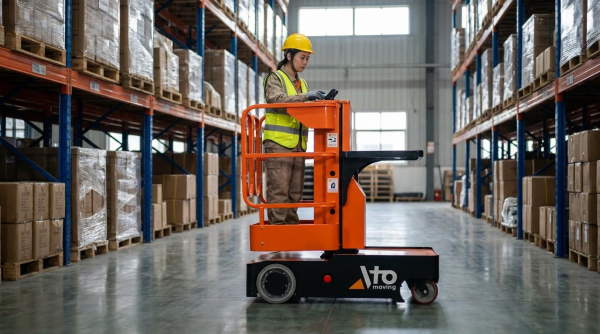
Equipment selection in a pick and pack warehouse directly shapes throughput, labor intensity, and error rates. When engineers answer “what is a pick and pack warehouse” for stakeholders, they increasingly describe an integrated system of manual tools, automation, and software that together control product flow from receiving to shipping. The right mix of technologies reduces order picking costs, which historically accounted for up to 55% of operating expenses, and supports fast, accurate fulfillment. This section explains how to engineer that mix across manual equipment, automated handling, control software, and lifecycle management.
Manual And Semi-Automated Picking Equipment
Manual and semi-automated equipment still formed the backbone of most pick and pack warehouse operations. Typical fleets included pallet jacks, order pickers, reach trucks, and hand trolleys sized to aisle widths and racking heights. Engineers specified equipment based on SKU dimensions, unit loads, pick heights, and target pick rates, balancing capital cost against labor productivity.
Order picking workstations used height-adjustable tables, carton flow racks, and gravity-fed lanes to minimize bending and reaching. Semi-automated aids such as lift tables, tilt bins, and powered conveyors at the pick face reduced manual handling and musculoskeletal risk. Barcode scanners, wearables, and voice headsets converted manual picks into digitally confirmed transactions, which increased accuracy and supported real-time inventory updates.
To support the core function of a pick and pack warehouse, equipment layouts minimized walking distance between pick faces and packing stations. Engineers grouped fast-moving SKUs near high-capacity pick zones and used mobile carts with integrated scanning and on-board power to support batch picking. Standard operating procedures defined pre-shift inspections, safe driving rules, and battery or charger management for all mobile equipment.
From an SEO perspective, users searching “what is a pick and pack warehouse” often want to understand labor requirements. Describing manual and semi-automated tools clarifies that these facilities blend human flexibility with targeted mechanization. Well-chosen manual equipment enabled scalable operations, while leaving a clear upgrade path toward conveyors, layer pickers, and automated storage.
Conveyors, Layer Pickers, And ASRS Solutions
Conveyor systems created the primary transport backbone in higher-volume pick and pack warehouses. Designers used belt or roller conveyors for cartons and totes, with accumulation zones to buffer flow between picking, packing, and shipping. Curves, merges, and sorters routed orders to specific lanes, which reduced manual pushing and improved order cycle time.
Layer pickers specialized in handling one or more layers of product on a pallet instead of full-pallet moves. These machines used clamping arms or vacuum heads to remove or place discrete layers with controlled vertical and horizontal motion. They supported rapid creation of mixed-SKU pallets, which was essential when retailers ordered store-ready assortments instead of full pallets of a single SKU.
Automated storage and retrieval systems (ASRS) increased storage density and reduced travel time by bringing goods to the picker or robot. Shuttle systems, mini-load cranes, and tote-based ASRS supported high pick rates with small, fast-moving items. Engineers evaluated ASRS on throughput capacity, load size range, required uptime, and integration with conveyors and packing lines.
When explaining what a pick and pack warehouse is to decision-makers, it helped to position conveyors, layer pickers, and ASRS as modular building blocks. Facilities could start with conveyorized packing and later add layer picking cells or ASRS modules as order volumes grew. Integration with control software ensured that each subsystem contributed to a continuous, predictable material flow.
WMS, WES, And Data-Driven Route Optimization
Software acted as the control layer that turned physical assets into a coordinated pick and pack warehouse system. A Warehouse Management System (WMS) maintained inventory records, enforced location control, and generated pick tasks based on orders and replenishment rules. It supported ABC classification, directed put-away, and cycle counting, which improved inventory accuracy and pick availability.
A Warehouse Execution System (WES) orchestrated real-time work across manual and automated subsystems such as conveyors, ASRS, and sorters. It released waves or batches of orders, balanced work between zones, and throttled flow into constrained areas like packing or shipping. Route optimization logic within WMS or WES minimized travel distance by sequencing picks and generating efficient paths through pick zones.
Data from barcode scanners, RFID readers, pick-to-light modules, and voice systems provided time-stamped events for every pick and move. Engineers analyzed this data to track KPIs such as order cycle time, picks per labor hour, and picking accuracy. Continuous tuning of slotting, pick paths, and batch sizes based on these metrics aligned the system with changing order profiles.
For search users asking “what is a pick and pack warehouse,” software capabilities often defined the difference between a basic storage building and a high-performance fulfillment node. Robust WMS and WES platforms enabled flexible picking methods, supported rapid onboarding of new SKUs, and integrated with transport and carrier systems for end-to-end visibility.
Maintenance, Reliability, And Lifecycle Costs
Maintenance strategy strongly influenced the total cost and reliability of pick and pack warehouse equipment. Engineers developed preventive maintenance plans for conveyors, layer pickers, ASRS cranes, and mobile equipment, including scheduled inspections, lubrication, and replacement intervals for wear components. They tracked mean time between failures and mean time to repair to benchmark performance.
Lifecycle cost analysis covered energy consumption, spare parts, software licenses, and expected obsolescence. For automation projects, teams compared the net present cost of manual labor against capital and operating costs over ten to fifteen years. They also evaluated redundancy and bypass options so that critical flows could continue during planned or unplanned outages.
Standard operating procedures defined daily checks for order pickers, scanners, and safety devices such as light curtains and emergency stops. Training programs taught operators how to detect abnormal noises, vibrations, or error codes and how to escalate issues. Accurate maintenance records supported warranty claims and informed future equipment selection.
Understanding maintenance and lifecycle considerations helped stakeholders form a realistic view of what a pick and pack warehouse is in long-term financial terms. The facility was not only an operational asset but also a portfolio of equipment and systems that required disciplined care to sustain throughput, safety, and service levels over time.
Summary: Designing High-Performance Pick And Pack Systems
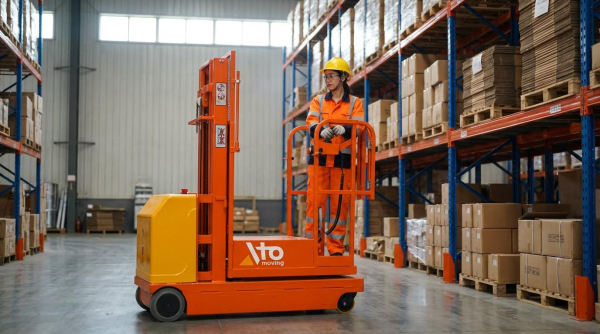
Designing a high-performance facility starts with a clear answer to the question “what is a pick and pack warehouse.” It is a warehouse engineered to pick discrete items from storage and pack them directly for shipment, with layout, processes, and equipment tuned for speed and accuracy. When engineers align layout flow, storage strategy, picking methods, and control systems, the operation reduces order picking costs, which historically accounted for up to 55% of warehouse operating expenses. This integration improves fulfillment lead time, picking accuracy, and cost per order, which directly affects customer service levels.
From an engineering standpoint, the core design tasks span end‑to‑end flow, from receiving through storage, picking, packing, and shipping, with minimal backtracking or cross-traffic. Strategic slotting and ABC analysis place high‑velocity SKUs near packing and along main travel paths, often in ergonomic golden zones between hip and shoulder height, to reduce travel distance and musculoskeletal load. Selecting appropriate picking strategies—batch, wave, or zone—and combining them with suitable equipment, from manual pallet jack to semi electric order picker and ASRS, allows the system to match demand profiles while controlling labor intensity. A robust WMS or WES coordinates this ecosystem, generating optimized routes, managing inventory accuracy, and feeding performance dashboards.
Lifecycle thinking is essential because automation, conveyors, and control systems lock in both capability and cost for years. Engineers must balance capital expenditure against maintenance effort, reliability targets, and expected throughput growth, while ensuring compliance with safety and ergonomics regulations. Future trends point toward deeper use of real‑time data, machine learning for dynamic slotting and wave planning, and flexible automation such as walkie pallet truck that can adapt to changing order patterns. High‑performance pick and pack warehouses will therefore combine disciplined SOPs, trained labor, and scalable automation, creating operations that stay competitive as service expectations and product ranges evolve.