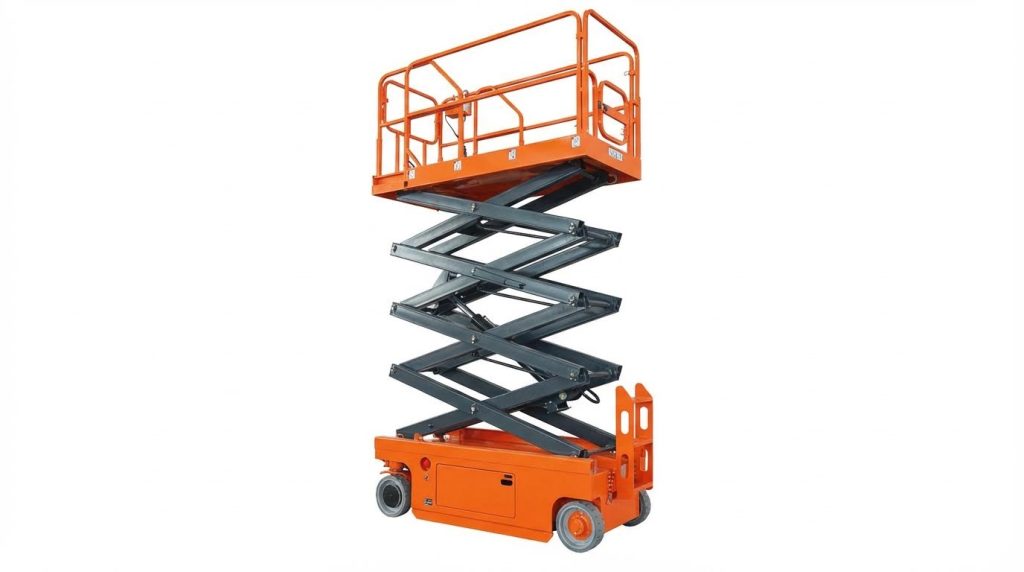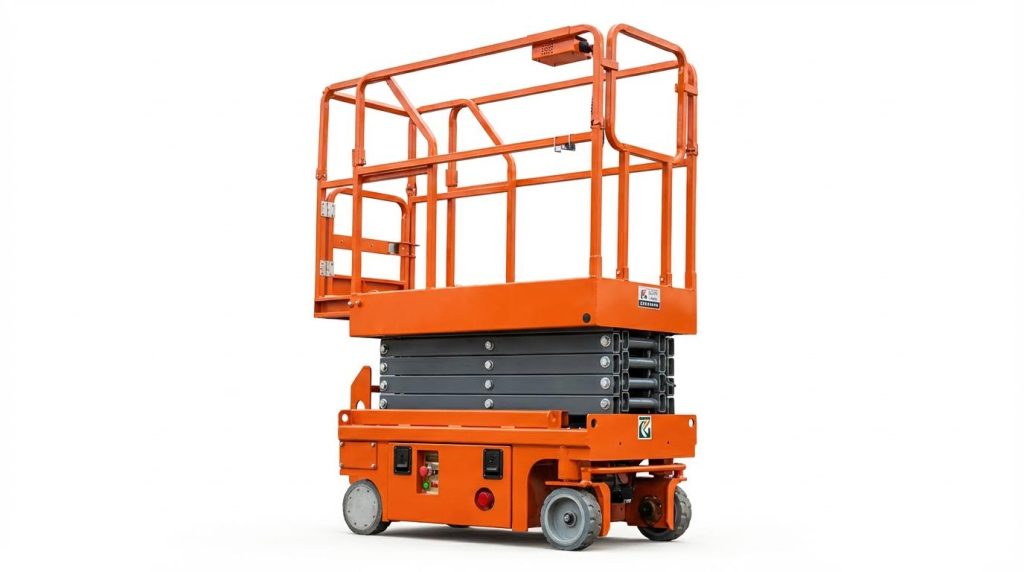
Small and mini scissor lifts helped bridge the gap between ladders and full-size access platforms. This article looks at how much a small scissor lift is to buy or rent, and how height, capacity, and features change pricing over the full range of compact electric models. It then breaks down operating expenses, including inspections, batteries, energy use, and unplanned downtime. Next, it links these cost drivers into total cost of ownership models and shows how new AC drive technology and smarter sizing improve lifecycle value for both owners and rental fleets. Finally, it summarizes practical ways to optimize scissor lift economics from first purchase through end of life.
Cost Ranges For Small And Mini Scissor Lifts
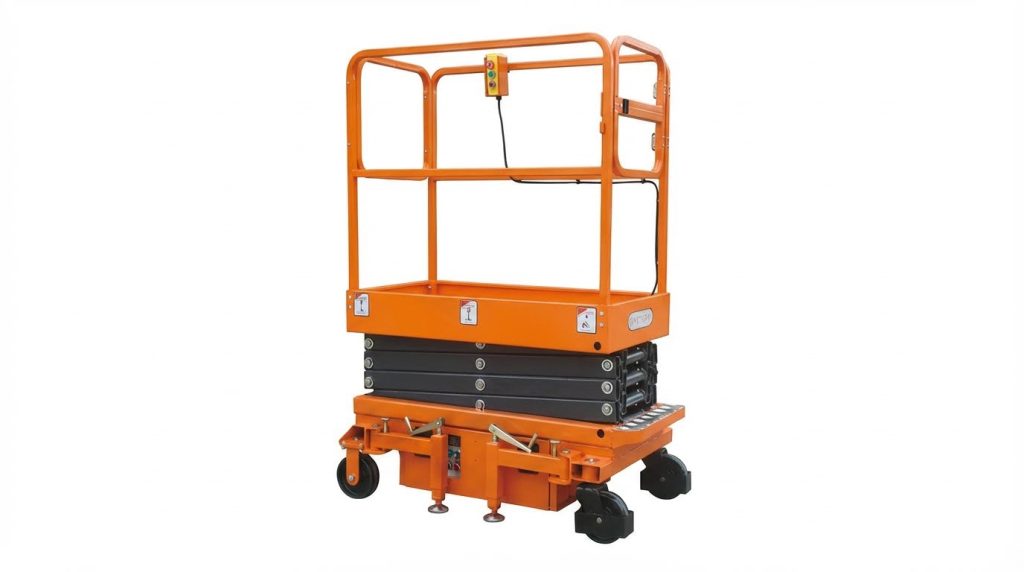
When buyers ask “how much is a small scissor lift,” they usually need a fast, defensible budget range. Cost depends on height, capacity, duty cycle, and whether the unit is bought or rented. This section breaks those drivers down so engineers, contractors, and facility managers can compare options on a like-for-like basis.
Purchase Price By Height, Capacity, And Features
Purchase price scales first with platform height, then with capacity and options. Mini scissor lifts around 3–4 meters working height typically cost about USD 4,000–5,000. Small electric units around 6 meters often fall in the USD 6,000–7,000 band. Common 8-meter class machines usually range around USD 7,100–8,000 for new units. Higher-spec industrial or rough-terrain models can reach USD 30,000–80,000 when they add outdoor rating, higher capacities, and advanced electronics. Buyers should match capacity to realistic load profiles, because oversizing platform capacity adds steel mass and drive power, which raises both capex and lifetime opex.
Rental Rates Versus Purchase And Financing
For users asking “how much is a small scissor lift per day,” rental benchmarks help. Compact units with working heights around 3–6 meters typically rent for about USD 90–270 per day. Mid-range 8–10 meter lifts usually cost roughly USD 110–350 per day, while 12–14 meter machines can reach about USD 120–450 per day. Short projects with low annual hours often favor rental, because ownership overheads like inspections, storage, and insurance stay with the rental provider. For continuous use, lease or loan financing can spread purchase cost over the machine’s 10–15 year life, often lowering cost per operating hour versus repeated rentals.
New, Used, And Refurbished: Cost Trade-Offs
Used and refurbished lifts answer the “how much is a small scissor lift” question with lower entry cost but higher risk. New machines cost more upfront but offer full warranty coverage, known service history, and the longest remaining life. Used units sell at a discount, but buyers must check hour meters, structural welds, scissor pins, and battery health. Refurbished lifts sit between the two, with critical systems restored, but usually with shorter warranties than new. Over a 10–15 year horizon, a well-chosen used or refurbished lift can deliver strong value if inspection, certification, and documentation confirm safe structural condition and compliant controls.
Hidden Costs: Accessories, Freight, And Commissioning
Answering “how much is a small scissor lift” accurately requires adding hidden but predictable extras. Freight can be significant because small lifts still weigh roughly 1,100–3,100 kilograms, and distance plus handling affect delivered price. Site commissioning may add costs for pre-use inspection, function tests, and any required local certification. Accessories such as platform extensions, non-marking tires, tilt sensors, overload sensors, or telematics modules increase both purchase price and, in some cases, spare-part complexity. Budget owners should also include the cost of initial operator training and basic PPE, because regulators in most regions required documented training before first use.
Operating Expenses And Maintenance Drivers
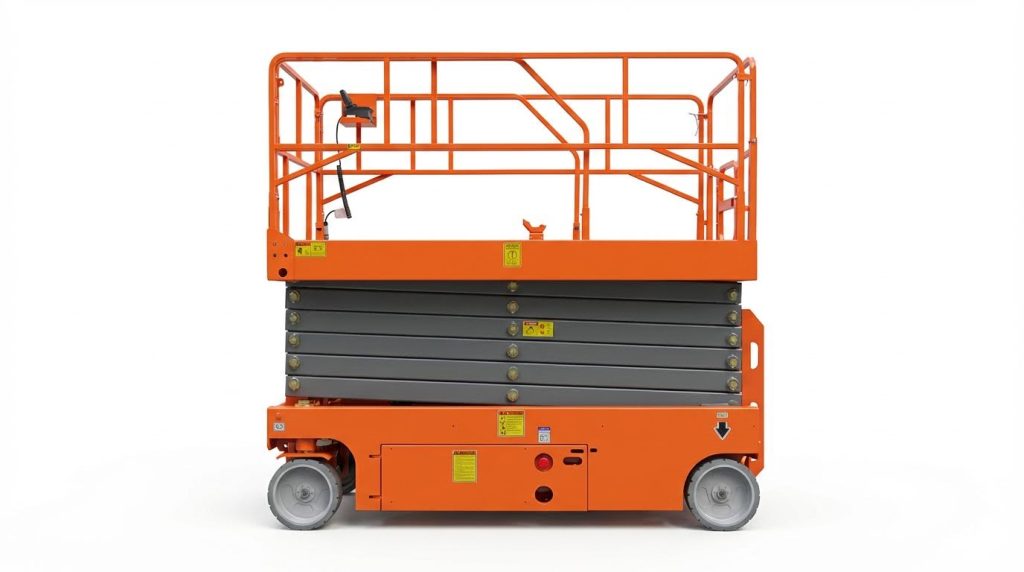
When buyers ask “how much is a small scissor lift,” they often overlook operating expenses. These costs can exceed the initial price over a 10–15 year life. Key drivers include inspections, labor, batteries, energy, parts, downtime, and safety-related overheads. Understanding these items helps compare models and choose the most cost-efficient scissor platform lift for each job profile.
Scheduled Inspections, Service Intervals, And Labor
Regulations in each region required periodic inspections of small scissor lifts. Typical checks covered structure, hydraulics, electrics, and safety devices. Shorter service intervals increased labor hours and raised the real answer to “how much is a small scissor lift to run.” Next-generation electric units used fewer serviceable components, which reduced inspection points and task duration. Clear access to filters, batteries, and control modules cut technician time and allowed more work per visit. Well-planned preventive maintenance also reduced emergency callouts, which usually carried higher hourly rates and travel charges.
Batteries, Chargers, And Energy Consumption
For electric models, batteries were one of the largest lifecycle costs after the purchase price. Poor charging practices shortened battery life and forced early replacement. Modern AC drive systems improved efficiency and allowed lifts to run longer per charge. That reduced daily energy use and lowered electricity bills. Some designs cut lifetime maintenance costs significantly by reducing hydraulic circuits and moving more work to efficient electric drives. Correct charger sizing and using automatic multi-stage chargers extended battery life and reduced sulfation, which protected the investment.
Parts Replacement, Downtime, And Reliability
Wear parts such as hydraulic hoses, seals, tires, and switches drove recurring expenses. Designs with up to 34% fewer serviceable components lowered the number of stocked parts and simplified planning. Fewer hoses and fittings meant fewer leak points and fewer hydraulic clean-up events, which also saved labor. Unplanned downtime had a strong cost impact because it stopped work and could trigger rental of backup equipment. High-reliability small scissor lifts reduced breakdown frequency, which improved fleet utilization. Over a full lifecycle, fewer failures often outweighed a slightly higher initial purchase price.
Training, Safety Compliance, And Indirect Costs
Operator training and safety compliance added indirect costs to “how much is a small scissor lift” in real terms. Certified training reduced misuse, overloads, and impacts, which lowered repair frequency. Compliance with standards such as ANSI, OSHA, or EN280 required documented inspections, records, and sometimes third-party audits. These activities consumed supervisor and administrator time. However, they reduced accident risk, compensation claims, and insurance premiums. Better safety features, clear controls, and simple procedures also shortened training time and improved productivity per shift, offsetting their added purchase cost.
Total Cost Of Ownership And Technology Trends
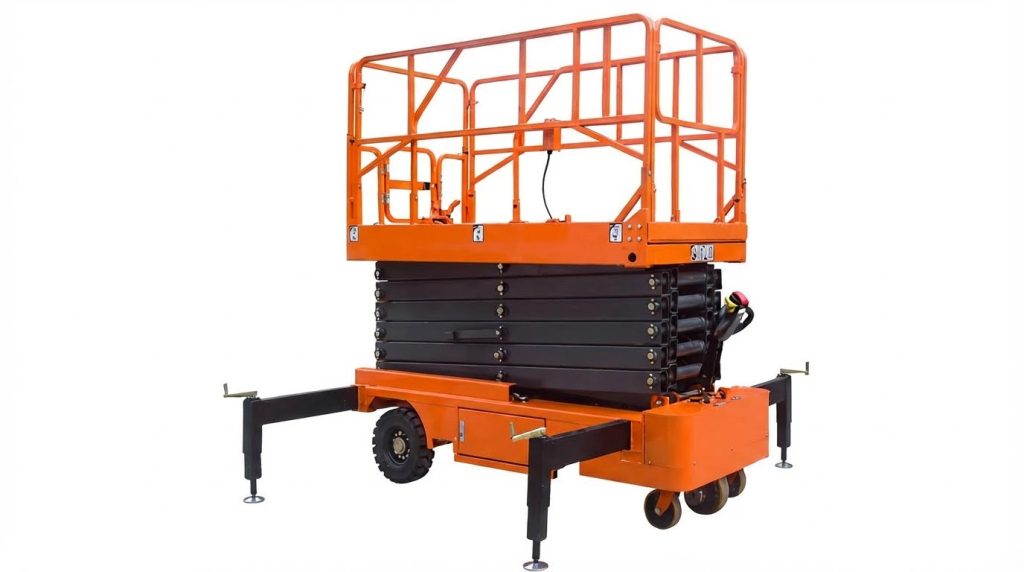
When buyers ask how much is a small scissor lift, the answer should include total cost of ownership, not only ticket price. TCO combines purchase or rental, energy, maintenance, downtime, training, and resale value across 10–15 years. New technology in small electric scissor lifts has reduced component counts, cut maintenance hours, and improved energy efficiency, which all lower lifecycle cost. Smart sizing and digital tools now help engineering and fleet teams match platforms to real working heights and duty cycles.
TCO Models For Small Electric Scissor Lifts
A TCO model for a small electric scissor platform lift usually covers acquisition, operation, maintenance, and end-of-life value. Purchase cost ranges from about USD 4,000 for mini 3–4 meter units to over USD 8,000 for higher small models, and much more for feature-rich units. To understand how much is a small scissor lift in practice, engineers spread this capital over an expected 10–15 year service life and planned annual hours. They then add scheduled inspections, battery replacements, and typical repair events to build a yearly cost curve. Energy cost is often a small share because electric drive systems show high efficiency and low consumption per hour of work. Comparing that curve with daily rental rates, which can range from about USD 90 to USD 310 for small heights, lets users decide whether ownership, rental, or financing best fits their utilization profile.
Impact Of Next-Gen AC Drives And Fewer Components
Next-generation small electric scissor lifts with advanced AC drive motors have shown up to 12% lower total cost of ownership than earlier designs. These platforms use about 34% fewer serviceable components and up to 70% fewer hydraulic hoses and fittings in some configurations. Fewer parts reduce stocked spares, shorten service jobs, and lower the chance of leaks or failures, which cuts downtime hours. Field data has reported up to 35% lower lifetime maintenance cost and about 30% longer run time per charge, which can reduce battery and charger spend by up to 20%. For buyers asking how much is a small scissor lift over its life, these technology gains translate into lower cost per operating hour, even when the upfront price is similar to older units.
Right-Sizing Height And Capacity To Real Needs
Right-sizing is one of the strongest levers in TCO. Studies of 19-foot class scissor lifts showed operators stayed below about 15 feet for 95% of tasks. This means a smaller lift can often cover the same work scope with a lower purchase price, lighter weight, and lower energy use. Compact small scissor lifts, sometimes under 2,000 pounds and about 0.76 meters wide, pass through standard doors and ride in elevators, which improves utilization across sites. When engineers align platform height, capacity, and duty cycle with real job data, they avoid paying for unused reach or payload. This reduces both capital cost and long-term structural and drive wear, which lowers TCO.
Digital Twins, Predictive Maintenance, And Fleets
Digital tools now shape how much is a small scissor lift over its whole lifecycle for fleet owners. Connected sensors and telematics feed data into fleet platforms and digital twin models that track usage, charge cycles, and fault codes in real time. Predictive maintenance algorithms then flag components before failure, which reduces unplanned downtime and avoids secondary damage. For multi-site fleets, this supports condition-based service intervals instead of fixed calendars, which can cut maintenance labor hours and travel. Usage analytics also reveal underused or oversized units, guiding redeployment or resale decisions. Over time, these tools help fleets choose the most efficient small scissor lift types, refine right-sizing, and negotiate better rental or purchase terms based on actual performance and cost per hour.
Summary: Optimizing Scissor Lift Lifecycle Economics
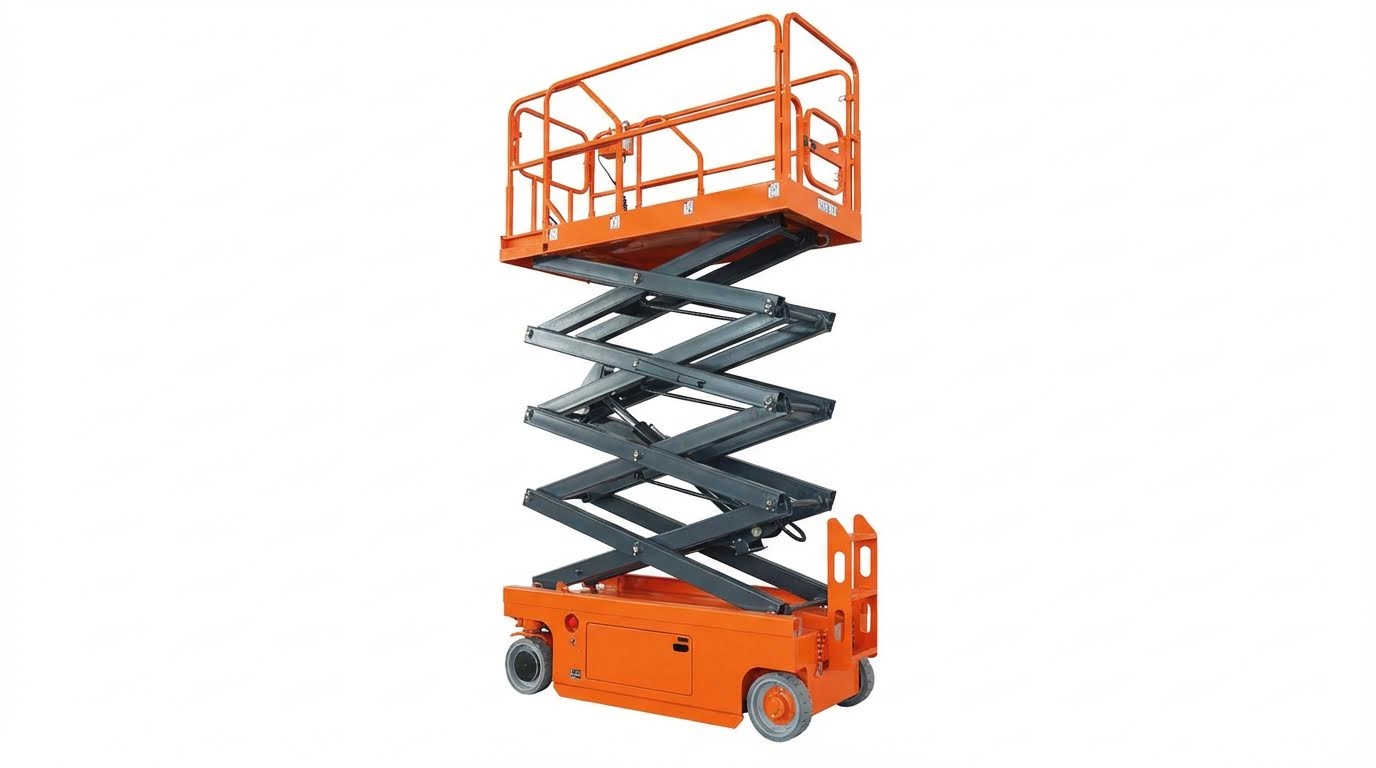
When buyers ask “how much is a small scissor lift,” the right answer covers the full lifecycle, not only the sticker price. Purchase costs for compact and mini units ranged roughly from USD 4,000 to USD 8,000 for 3–8 meter working heights, with higher prices for larger or feature‑rich models. Daily rental rates for small electric scissor lifts typically sat between about USD 90 and USD 370, depending on height and duration. These figures were only the starting point for lifecycle economics.
Next‑generation electric designs reduced total cost of ownership by up to about 12% compared with older platforms. They also used roughly one‑third fewer serviceable components, which cut parts inventory, labor time, and error risk. Advanced AC drive systems lowered maintenance costs by about one‑third over the life of the machine and extended runtime per charge by around 30%. This improved battery utilization and reduced replacement frequency, which are major operating cost drivers in indoor fleets.
Right‑sizing height and capacity to real work profiles had a strong impact on “how much is a small scissor platform” in practice. Field data showed operators on 19‑foot units stayed below roughly 15 feet for most tasks. In such cases, a smaller, lighter platform could meet requirements while lowering purchase price, transport cost, and energy use. Compact widths near 0.76–0.81 meters also increased utilization by allowing access through doors, elevators, and tight aisles.
Digital tools were changing lifecycle management. Predictive maintenance, connected chargers, and simple telemetry supported condition‑based service instead of fixed intervals. This reduced unplanned downtime and helped plan inspections around shift schedules. Over a 10–15 year life, fleets that combined AC drives, fewer components, and data‑driven maintenance achieved lower cost per operating hour and higher availability. The most economical answer to “how much is a small scissor platform lift” therefore came from a TCO view that balanced purchase price, rental strategy, technology level, and actual duty cycle.