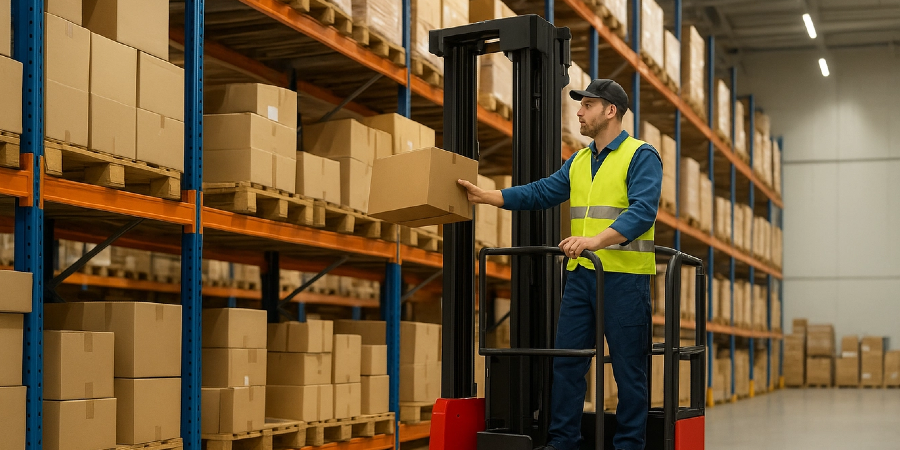
Warehouse teams that ask how does warehouse picking work usually face rising labor costs, long walk distances, and accuracy pressure. This article explains how to engineer the full picking flow, from data-driven slotting to optimized picker routes and enabling technology.
You will see how to define slotting goals, use order history and ABC velocity analysis, and factor product size, weight, and risk into storage plans. The next sections compare slotting strategies that cut travel distance, then detail picker routing logic, batch methods, and digital tools such as WMS, AI planning, cobots, AMRs, and goods-to-person systems. The final summary turns these concepts into practical design rules for higher picking throughput and safer, more efficient warehouses.
Designing Data-Driven Warehouse Slotting
Data-driven slotting is the core of how warehouse picking works in modern facilities. It links inventory layout to travel distance, labor cost, and error rates. Well engineered slotting can cut walking distance by 30–50% and improve pick times by 20–30%. This section explains how to design slotting using goals, history, product physics, and demand shifts.
Defining Slotting Goals And Performance KPIs
Slotting design starts with clear goals that match how warehouse picking works day to day. Typical objectives include lower travel distance, higher picks per hour, and fewer errors. Each goal needs a measurable KPI and a baseline.
Engineers and operations teams usually track:
- Lines or units picked per labor hour
- Average travel distance per order or per line
- Order accuracy rate and mis-pick rate
- Space utilization in cubic metres
- Replenishment touches and frequency
Use these KPIs to compare layouts before and after slotting changes. Calculate labor ROI with a simple model that compares annual labor savings to project cost. Review KPIs by pick method, zone, and shift to see where slotting helps most.
Using Order History And ABC Velocity Analysis
Historical orders explain how warehouse picking works in practice, not just in design. Order lines over 6–12 months reveal which SKUs drive most activity. ABC analysis then ranks items by pick velocity, not by sales value alone.
A practical approach is:
- Export order line history with SKU, quantity, and time stamp.
- Aggregate total picks per SKU and sort by volume.
- Classify roughly top 20% of SKUs as A, next 30% as B, rest as C by pick count.
Place A items closest to packing and along primary pick paths. Position B items in secondary but still efficient locations. Store C items in deeper or higher locations with lower access frequency. This structure lets pickers hit the highest demand SKUs with minimal walking, which is central to efficient warehouse picking.
Factoring Product Size, Weight, And Handling Risks
Velocity alone does not define how warehouse picking works safely. Engineers must respect size, mass, and handling risks. Cube dimensions drive slot size, carton orientation, and storage medium selection.
Key design rules include:
- Keep heavy units between mid-thigh and chest height to protect joints.
- Place bulky items in wider aisles or near dock doors to avoid congestion.
- Separate fragile or hazardous goods from high traffic pick faces.
Use standard mass limits per pick face to avoid manual overloading. Match slot depth to case size to reduce double handling and product damage. Align packaging orientation with scanner position to keep scan time short. These choices reduce strain and errors while keeping travel low.
Seasonal, Promotional, And Lifecycle Demand Shifts
Static layouts do not reflect how warehouse picking works over a full year. Demand shifted with seasons, campaigns, and product lifecycle. Data-driven slotting must therefore stay flexible.
A practical framework is:
- Plan formal slotting reviews at least each quarter.
- Flag SKUs with sharp demand spikes for temporary hot zones.
- Move peak items closer to pack stations during seasonal surges.
Promotional items often need front-loaded locations for short periods. New launches may start in prime slots, then move back as demand stabilizes. End-of-life SKUs can shift to remote or upper locations once volume drops. This rolling adjustment keeps pick paths short even as the order mix changes. It also reduces the risk of congestion when several campaigns overlap.
Slotting Strategies That Cut Travel And Labor
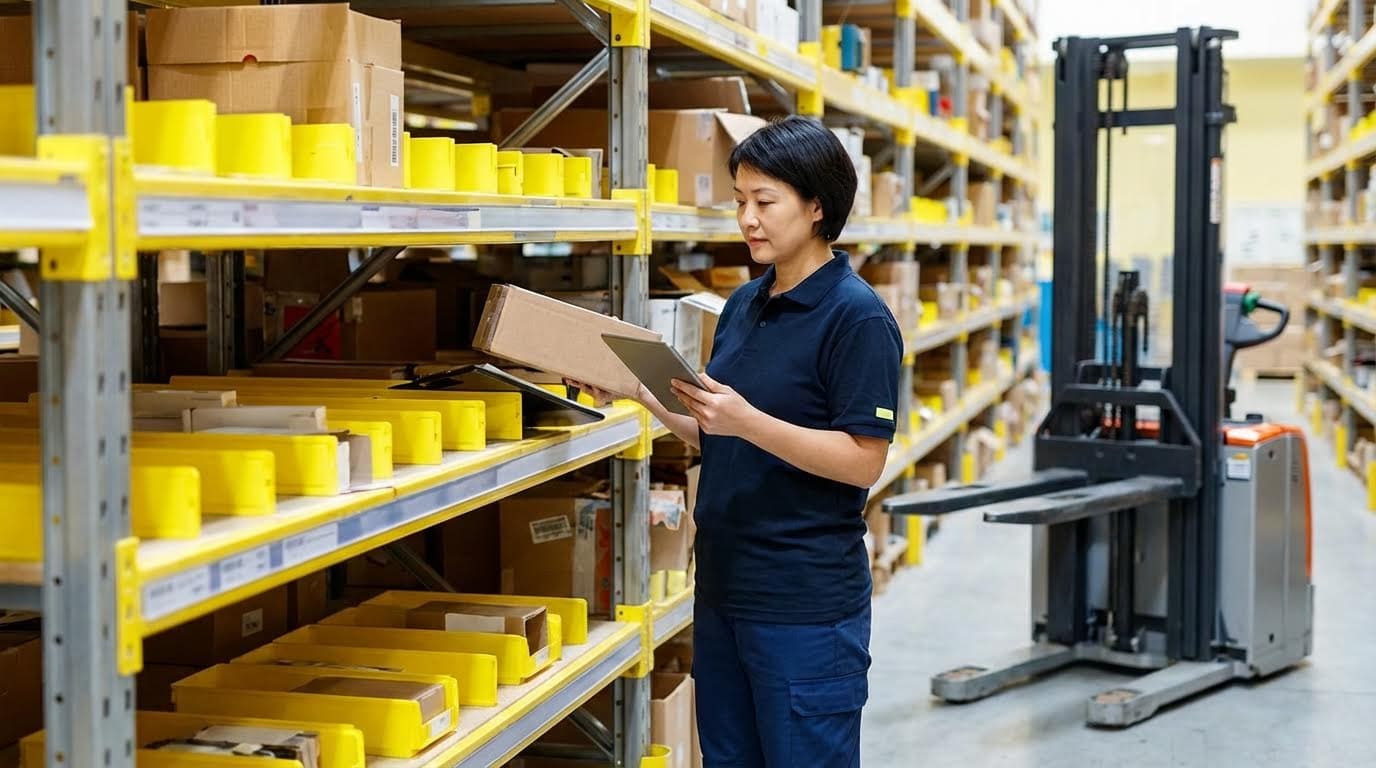
Slotting strategies explain a big part of how warehouse picking works. Smart slotting reduces walking distance, cuts labor, and improves accuracy. Well designed layouts guide pickers through short, clear routes instead of random paths. The following methods show how to place stock so travel time drops while safety and throughput rise.
Golden Zone And Ergonomic Placement Methods
Golden zone placement puts high velocity items between mid-thigh and shoulder height. This range reduces bending, stretching, and ladder use. It directly improves how warehouse picking works by speeding each reach and pick. Heavy cartons sit in lower golden zones, while light fast movers can stay slightly higher.
Engineers usually link golden zone design to ABC velocity data. Typical steps include:
- Rank SKUs by pick frequency and line items.
- Assign A items to golden zone locations closest to pack stations.
- Place B items in secondary golden zones along main aisles.
- Push C items to higher, lower, or deeper locations.
This structure can cut travel distance by 30–50% when combined with good routing. It also lowers strain injuries and supports higher picks per hour.
Forward Pick And Reserve Storage Design
Forward pick and reserve design splits inventory into two layers. The forward pick area holds small working stock in highly accessible slots. Reserve storage holds bulk pallets in higher bays or remote zones. Replenishment moves stock from reserve to forward pick on a planned cycle.
This model explains how warehouse picking works in high volume sites. Pickers stay in the forward area, which is dense and ergonomic. Lift trucks handle longer moves and vertical travel in reserve zones. Key design points include forward days-of-supply, replenishment batch sizes, and lane depth.
Well tuned forward pick zones support faster picks per hour and smoother labor planning. They also delay expansion by using cube more effectively.
Fixed, Random, And Dynamic Slotting Approaches
Fixed, random, and dynamic slotting define how SKUs claim locations over time. Fixed slotting assigns each SKU to one defined location or lane. It makes training easy and supports visual control. However, space use is often poor when demand shifts.
Random slotting lets any SKU use any open slot within rules. It increases space utilization but needs strong WMS control. Pickers must rely on devices, not memory. Dynamic slotting goes further. The system reassigns locations based on current or predicted demand.
In practice, warehouses often blend these methods:
- Fixed slots for A items near shipping.
- Semi-fixed or random slots for B and C items.
- Dynamic hot locations for promotions or peaks.
This mix keeps travel short while holding enough flexibility for demand swings.
Triggers And Cadence For Re-Slotting Reviews
Re-slotting keeps layouts aligned with real demand. Without it, even the best design degrades. How warehouse picking works in month one can differ from month twelve. Order patterns shift, new SKUs arrive, and promotions move volume.
Typical review cadences use quarterly slotting checks for most SKUs. Engineers also define hard triggers for immediate review, such as:
- New product introductions with expected high volume.
- Large sales pattern changes or channel shifts.
- Seasonal peaks or major campaigns.
- Layout changes or new storage equipment.
Teams track KPIs like picks per hour, travel distance per order, and error rate. When metrics drift, they adjust slotting and forward pick design. This continuous loop keeps travel and labor near target levels while supporting changing business needs.
Picker Routing, Batch Logic, And Enabling Tech
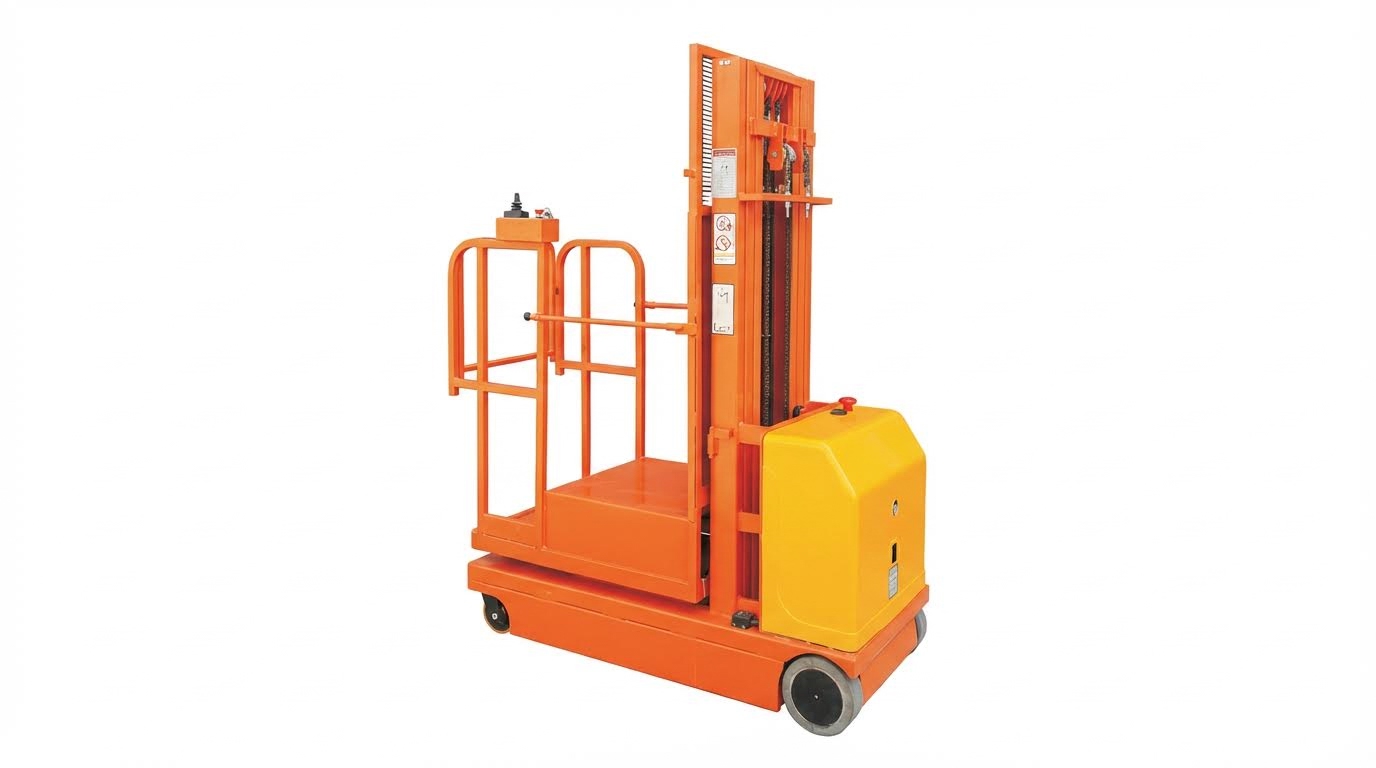
Warehouse teams that ask how does warehouse picking work need to link methods, routing, and technology. This section explains how picking strategies, path rules, and digital tools combine to cut walking, raise throughput, and improve accuracy.
Discrete, Batch, Wave, And Zone Picking Methods
Warehouse picking works through a mix of task grouping and spatial control. Discrete picking handles one order at a time. It is simple and suits low volumes or very urgent orders. Batch picking groups several orders so a picker collects shared items in one pass. This raises pick density and cuts repeat travel to the same slot. Wave picking releases groups of orders by time window, carrier, or shipping cut‑off. It aligns picking with packing and dispatch capacity. Zone picking assigns workers to fixed areas. Orders move between zones or are consolidated later. This reduces cross‑traffic and supports specialization. Modern operations often blend these methods. For example, batch picking inside zones with waves tied to shipping times.
Picker Routing Heuristics And Path Optimization
Travel time often consumed up to half of picking hours. Routing rules answer a core part of how does warehouse picking work in practice. Common heuristics include:
- S‑shape paths that enter each needed aisle once and exit at the far end.
- Return paths that send pickers back along the same aisle entry point.
- Largest‑gap rules that skip the longest empty span in an aisle.
- Combined aisle strategies that avoid deadheading when aisles are short.
Engineers model routes against layout, congestion risk, and picker workload. Good slotting supported these rules by clustering high‑velocity SKUs along primary paths. Real operations often used simple rules that WMS systems could compute fast. Advanced setups added heat maps of travel, then adjusted zones and slotting to remove bottlenecks.
WMS, AI, And Digital Twins For Route Planning
A modern WMS sat at the center of how warehouse picking worked. It assigned work, sequenced picks, and generated paths. Early systems used fixed rules for aisle sequence and zone order. Newer platforms added AI that analyzed order pools, SKU velocity, and congestion history. These engines built smarter batches and pick paths that reduced walking distance by double‑digit percentages. Digital twins took this further. Engineers created a virtual copy of the warehouse with racks, conveyors, and labor. They ran scenarios for new slotting, staffing levels, or routing rules before changing the floor. This lowered risk and supported capital decisions. KPI dashboards in the WMS tracked picks per hour, travel distance per line, and error rates. Teams used these metrics to tune algorithms and labor plans over time.
Cobots, AMRs, And Goods-To-Person Integration
Automation changed how does warehouse picking work at a task level. Collaborative robots (cobots) often handled transport or simple handling while humans did identification and exception work. Autonomous Mobile Robots (AMRs) moved totes or shelves to pickers or shadowed them as powered carts. This removed non‑value walking and let workers focus on picking. Goods‑to‑person systems reversed classic picking. Shuttles, carousels, or AMR‑based pods brought storage locations to fixed stations. This made travel time almost zero for operators and supported high lines per hour. Integration was critical. The WMS or a control layer decided which orders flowed to which technology. It balanced queues between manual zones, AMRs, and goods‑to‑person modules. Well‑designed hybrids kept slow or bulky items in manual areas and fed fast movers through automated subsystems. This mix delivered strong gains without a full facility rebuild.
Summary: Key Takeaways For Warehouse Picking Efficiency
Warehouse leaders who ask how does warehouse picking work need a joined-up view. Slotting, routing, and enabling tech all link directly to travel time, labor cost, and accuracy. Well-designed systems turned picking into a repeatable, data-driven process rather than a manual search task.
Data-driven slotting used order history and ABC analysis to place fast movers close to packing and main aisles. This cut walking distance, which often represented up to half of picking time. Ergonomic golden-zone placement and correct height for heavy SKUs reduced strain and injury risk. Seasonal and promotional shifts required regular re-slotting, often on a quarterly cycle, with extra checks after range or layout changes.
On the floor, how warehouse picking works depended on the chosen method. Discrete, batch, wave, and zone picking each balanced travel, congestion, and control. Routing heuristics and WMS path logic reduced backtracking and deadheading. This raised lines per hour and reduced errors. Typical benefits from mature slotting and routing included double-digit gains in pick speed and labor savings.
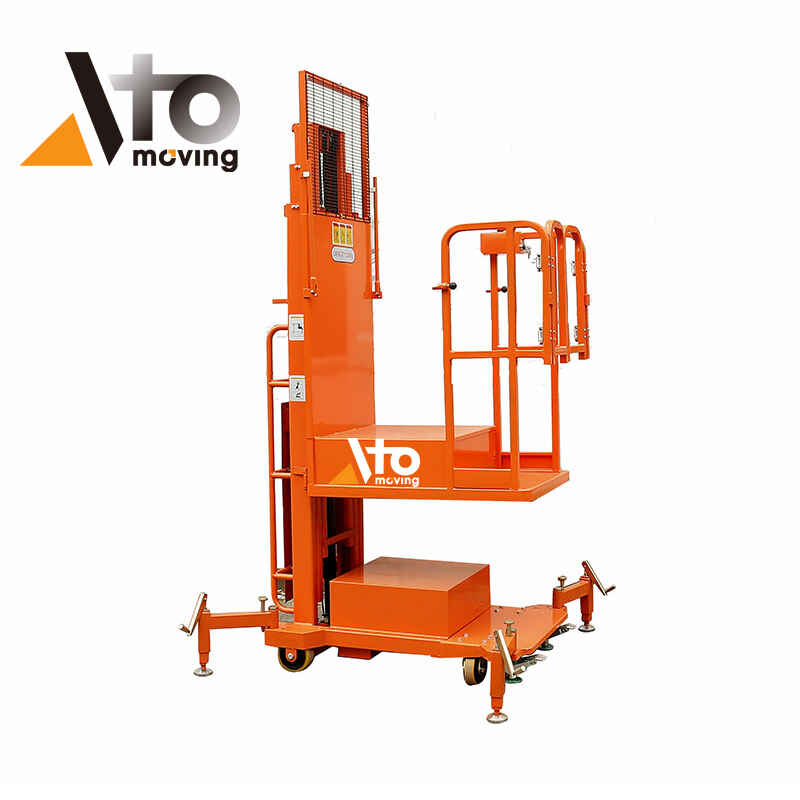
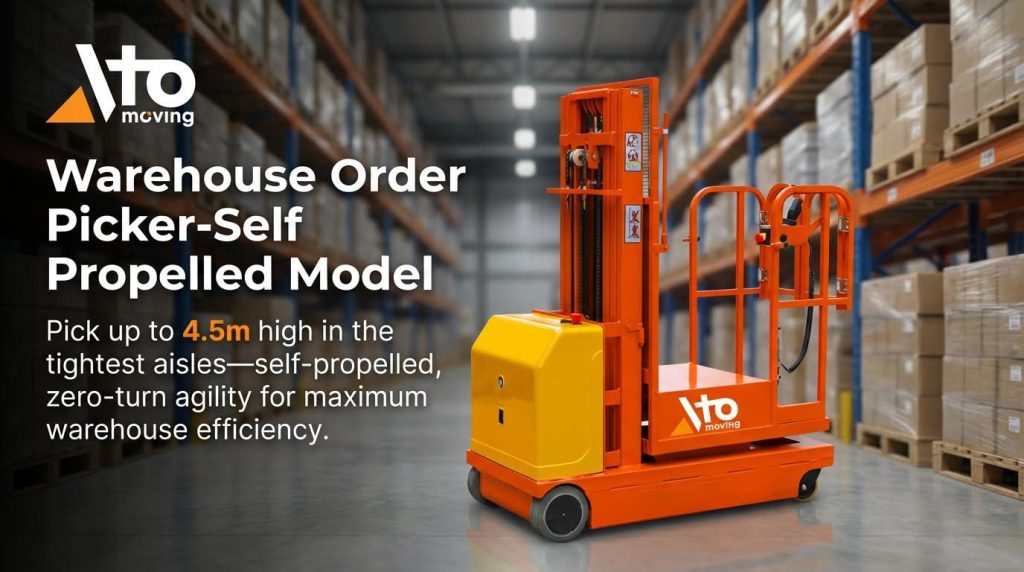
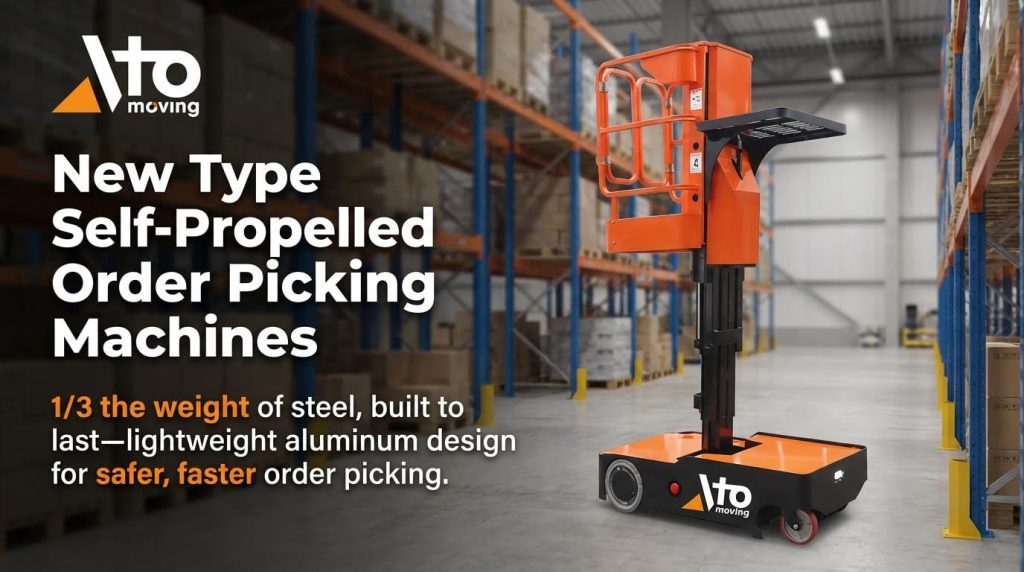
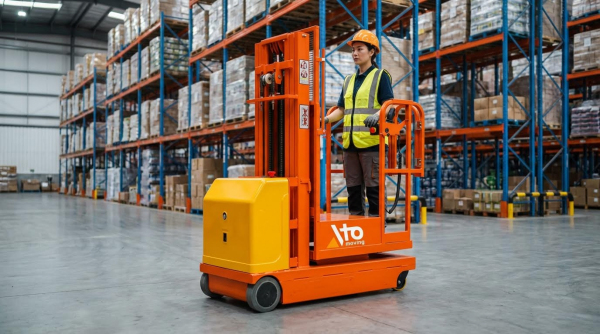
Enabling technology then amplified these process gains. WMS, AI, and digital twins modeled demand, tested layouts, and optimized routes before physical changes. Cobots, AMRs, and warehouse order picker systems further cut walking and stabilized throughput. Future gains would likely come from tighter integration between slotting engines, real-time inventory data, and robotic fleets, while keeping processes simple enough for fast operator training. Additionally, scissor platform lift solutions and walkie pallet truck innovations continue to enhance operational efficiency.