Safe material handling with pallet lifters and lifting beams depends on correct application, sound engineering, and strict operator control. This article explains how to use a pallet lifter and lifting beam in real facilities, from typical roles to detailed selection rules.
You will see how to match devices to load geometry, integrate them with forklifts, cranes, and AGVs, and work within current standards. Later sections cover engineering checks, inspection and maintenance programs, and training and certification needs, before closing with practical implementation guidelines that safety, maintenance, and engineering teams can apply together.
Roles Of Pallet Lifters And Lifting Beams
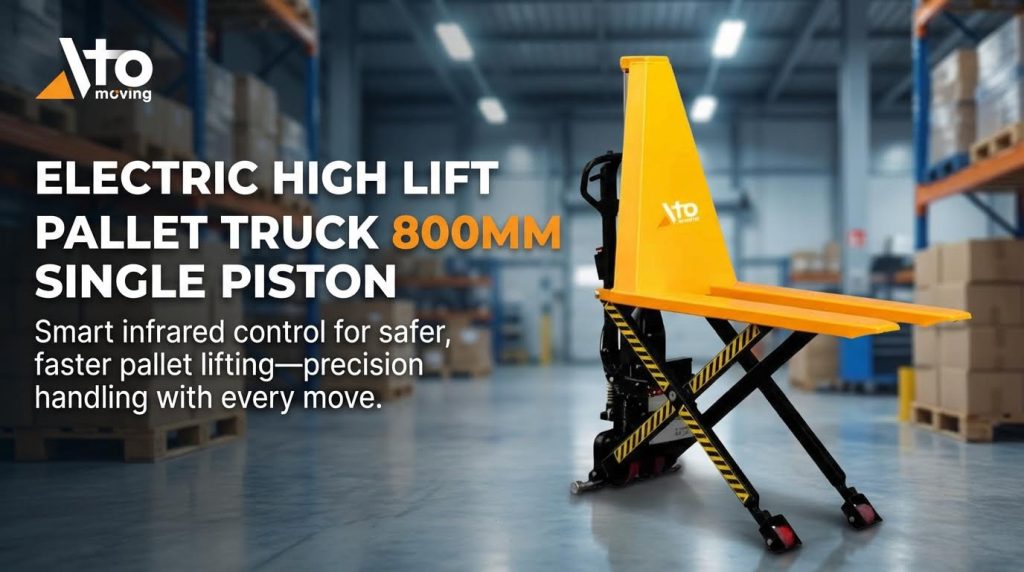
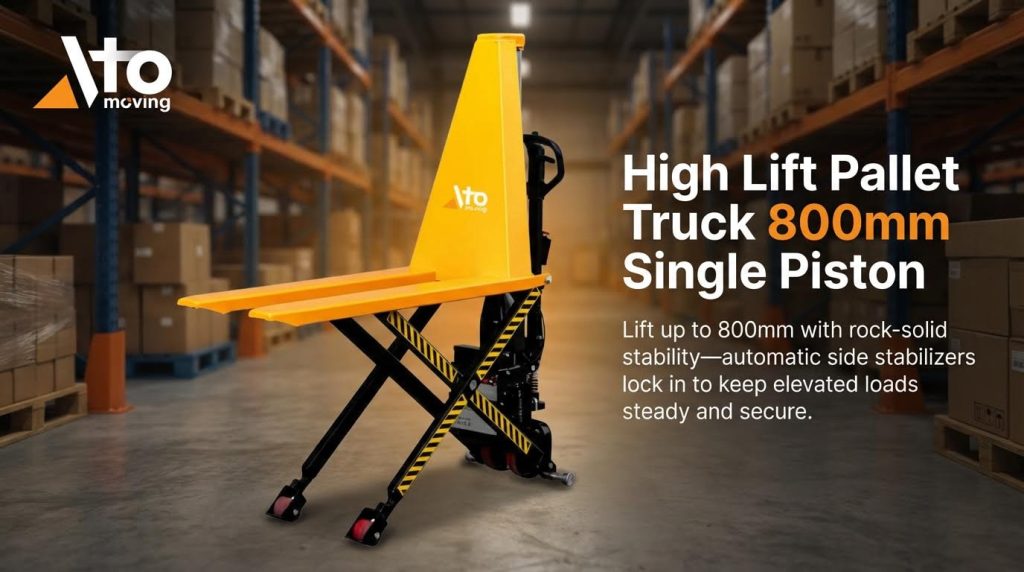
Pallet lifters and lifting beams bridge the gap between standard forks and complex rigging. They let facilities lift pallets, bins, and odd loads with better control and safer load paths. Anyone asking how to use a pallet lifter safely must first understand where these devices fit in the overall lifting strategy. This section explains roles, interfaces, and rules that shape correct application.
Typical Use Cases In Modern Facilities
Pallet lifters handle unit loads where a crane, hoist, or AGV must pick up a pallet without a forklift. Typical cases include narrow production bays, mezzanines, and confined loading points where trucks cannot enter. Lifting beams support long or flexible loads such as steel profiles, machinery skids, or large tooling frames.
Engineers select between pallet lifters and beams based on how the load must travel. Pallet lifters suit vertical moves of compact loads with known pallet quality. Lifting beams suit spread pick points and help keep slings vertical to reduce side loads on hooks. In mixed-use plants, both tools often work with the same overhead crane but serve different product families.
Matching Devices To Load Geometry
Correct match between device and load geometry is central to safe use. For pallet lifters, key factors include pallet footprint, fork pocket spacing, and center of gravity position. The lifter’s rated capacity must exceed the maximum pallet mass, including packaging and dunnage. Engineers also check headroom, because mast or frame height limits hook travel.
For lifting beams, geometry control focuses on sling angles and pick spacing. Short beams with steep sling angles increase compression in the beam and tension in slings. Long beams reduce sling forces but may introduce beam deflection and swinging. A simple selection checklist helps:
- Define load length, width, and height.
- Locate the center of gravity in all directions.
- Confirm available hook height and side clearances.
- Verify that all contact points can bear local pressure.
This structured approach keeps “how to use a pallet lifter” aligned with engineering limits, not habit.
Integration With Forklifts, Cranes, And AGVs
Pallet lifters and lifting beams rarely work alone. They integrate with forklifts, bridge cranes, jib cranes, hoists, and AGVs. With forklifts, the main concern is secure interface. Fork pockets or sleeves must fit the fork section with limited clearance to control play. Positive locking pins or chains prevent unplanned separation during tilt or braking.
With cranes and hoists, the top connection must suit the hook or shackle. Swivel hooks reduce torsion in the rigging when loads rotate. For AGVs, engineers check added mass and inertia because these affect braking distance and steering accuracy. Control logic may limit speed when a suspended load is present.
A simple table helps visualize integration focus areas.
| Carrier | Main interface check | Typical control focus |
|---|---|---|
| Forklift | Fork fit and locking | Travel speed, mast tilt |
| Overhead crane | Hook / shackle sizing | Hoist speed, sway |
| AGV | Mounting and sensors | Route, speed limits |
These checks ensure the combined system behaves predictably under normal and fault conditions.
Standards And Regulatory Framework
Safe use of pallet lifters and lifting beams depends on clear rules. Powered industrial trucks that carry such attachments fall under OSHA 29 CFR 1910.178 and related guidance. Only trained and certified operators may run these trucks. Training must cover both base vehicle and attachment behavior, because turning, braking, and visibility all change.
For design and use of lifting devices, engineers follow regional lifting equipment rules. In the United States, OSHA rules work together with consensus standards such as ANSI/ITSDF B56.1 for powered industrial trucks. Other regions use regulations similar to LOLER and PUWER for lifting operations and work equipment. These frameworks require rated capacity markings, documented inspections, and proof that devices match the intended load case.
Facilities that search how to use a pallet lifter should build procedures around these standards. Typical documents include:
- Load charts and configuration limits.
- Inspection checklists and defect reporting routes.
- Operator licenses and refresher training records.
- Risk assessments for non-standard lifts.
This structure turns a simple tool into a controlled lifting system with traceable safety performance.
Correct Application And Engineering Selection
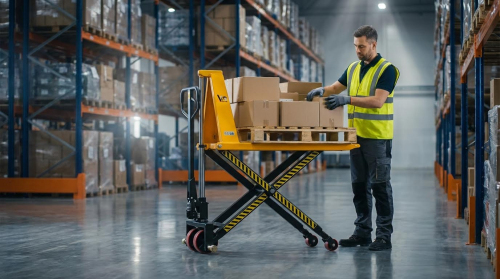
Correct application starts with a clear definition of the lifting job. Engineers then match pallet lifters and lifting beams to the real load, the crane or forklift, and the route. When teams search how to use a pallet lifter, they usually need a full method, not only basic tips. This section explains how to define load cases, select safety factors, design rigging, and verify the solution with digital tools.
Defining Load Cases And Safety Factors
Engineers must define realistic load cases before choosing a pallet lifter or lifting beam. The load case description should include:
- Mass of pallet and load, including packaging.
- Load centre distance and pallet dimensions.
- Lift height, travel path, and transfer points.
- Dynamic effects from starting, stopping, and slewing.
Typical designs use a minimum design factor of 4:1 between ultimate strength and rated load for below the hook devices. Higher factors are common for people lifting or high risk areas. Engineers should consider off‑centre loading, impact when taking slack out of rigging, and possible shock from uneven floors or rail crossings. For powered trucks, grades over 10% need special review, because dynamic load transfer can overload one fork arm or one end of a beam.
Rigging Configuration And Load Stability
Rigging defines how forces flow from the hook or forks into the pallet lifter and then into the load. Stable rigging keeps the combined centre of gravity under the hook line or between forks. Key checks include sling angles, symmetry, and the number of pick points.
As sling angle from vertical increases, tension in each leg rises. Angles below 60° from vertical are common practice to control leg tension and deflection of beams. For wide pallets, spreader or lifting beams help keep slings near vertical and limit crushing. Operators should avoid single‑point picks on flexible pallets or long loads, because these allow roll and pitch. Tag lines help control rotation but do not replace correct rigging geometry.
Interface With Forks, Hooks, And Attachments
When planning how to use a pallet lifter with forklifts, cranes, or AGVs, the interface is critical. Fork‑mounted pallet lifters must suit fork section, fork spacing, and residual capacity of the truck. Engineers should verify:
- Fork pocket width, height, and length versus fork size.
- Positive locking, such as heel pins or clamps.
- Clear marking of rated capacity and load centre.
For crane hooks, the top connection of a pallet lifter or lifting beam must match hook throat width and radius. The hook must close fully without side loading. Where AGVs or pedestrian stackers handle suspended loads, the manufacturer should confirm that configuration in writing and provide a load chart. Powered industrial truck rules require only trained and certified operators for these tasks, with written proof of training and periodic evaluation.
Digital Twins And Design Verification
Digital twins give engineers a virtual model of pallet lifters, lifting beams, and their loads. Teams can simulate different pallets, sling angles, and truck motions before building hardware. This reduces trial‑and‑error on the shop floor and supports safer answers to how to use a pallet lifter in tight spaces or narrow aisles.
Finite element models help check stress, deflection, and local buckling at fork pockets, lugs, and welds. Engineers can run load cases with overload factors, dynamic factors, and off‑centre loading. Results must stay within code limits for stress and deflection. Digital twins also link to inspection data. Measured cracks, deformations, or overload events can be fed back into the model to update remaining life estimates and maintenance plans.
Inspection, Maintenance, And Safety Controls
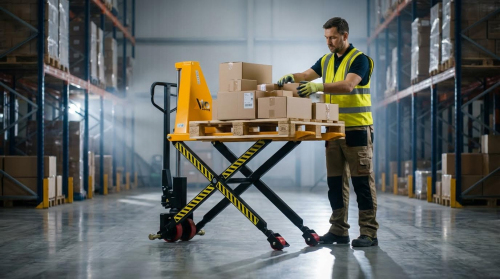
Safe practice for how to use a pallet lifter depends on disciplined inspection, maintenance, and operator control. Pallet lifters and lifting beams work close to people, forklifts, and cranes. Any defect or misuse can cause dropped loads or struck-by incidents. This section explains how engineering teams should set inspection regimes, maintenance plans, and training rules and how to use incident data to refine controls.
Pre-Use Checks And Periodic Inspections
Pre-use checks must be short, repeatable, and documented. Operators should confirm identification plates, rated capacity, and any deration for off-centre or four-point picks. They should scan welds, hooks, shackles, fork pockets, and suspension points for cracks, deformation, or corrosion. They should verify safety latches, locking pins, and any mechanical stops before lifting a load.
Periodic inspections need a deeper level and a competent person. Typical programs use daily visual checks, weekly functional checks, and monthly or quarterly detailed inspections. Engineering teams should:
- Measure wear at critical sections such as fork heels and lifting lugs.
- Check straightness of beams and frames against design tolerances.
- Inspect hydraulic parts for leaks, unusual noise, or drift.
- Confirm integrity of labels, warning signs, and load charts.
Facilities should link inspection intervals to duty class, environment, and regulatory rules such as OSHA or local lifting regulations. Any nonconformity above acceptance criteria must trigger immediate removal from service and formal repair.
Preventive And Predictive Maintenance Plans
Preventive maintenance for pallet lifters and lifting beams should follow the manufacturer schedule and local standards. Typical actions include cleaning, lubrication of pivot points, adjustment of locking devices, and replacement of worn pins or bushings. For powered devices, teams also check electric motors, emergency stop switches, limit switches, and control wiring.
Predictive maintenance adds condition monitoring to reduce unexpected failures. Maintenance staff track parameters such as:
- Hydraulic oil condition and leakage trends.
- Noise or vibration patterns at joints and bearings.
- Deformation readings on high-stress regions of beams.
- Fault codes from integrated controllers or CAN bus systems.
Data from inspections and repairs should go into a central history for each asset. Engineers can then identify high-risk models, harsh duty zones, and realistic overhaul intervals. This structured approach keeps lifting devices ready when forklifts, cranes, or AGVs need them and reduces unplanned downtime.
Operator Training And Certification Rules
Understanding how to use a pallet lifter safely starts with formal training. Only trained and designated operators should attach, adjust, and signal lifts with pallet lifters or beams. Training must cover load charts, centre-of-gravity control, sling angles, and effects of dynamic movements from trucks or cranes. Operators also need site-specific rules for travel, speed, and parking of powered trucks that carry pallet lifters.
Regulators such as OSHA required documented training and evaluation for powered industrial truck operators. Similar principles apply to lifting devices. Programs should combine classroom content with hands-on practice under supervision. Key elements include:
- Recognizing overload and unstable rigging configurations.
- Correct use of hooks, shackles, and fork interfaces.
- Pre-use inspection routines and defect reporting.
- Emergency actions for suspended or stuck loads.
Refresher training should follow a fixed cycle and also respond to incidents, near misses, or major process changes. Records must show dates, topics, and the trainer’s identity to prove compliance during audits.
Common Failure Modes And Incident Lessons
Most serious incidents with pallet lifters and lifting beams involve predictable failure modes. Common technical causes include overload, off-centre loading, excessive sling angles, and hidden fatigue cracks at weld toes or lifting points. Other triggers are worn fork pockets, missing safety latches, or incorrect engagement with forklift tines or crane hooks. In powered systems, failures often relate to neglected brakes, damaged tillers, or corroded electrical parts.
Human factors also play a strong role. Typical patterns include poor communication, rushed work, and deviation from procedures. Engineering teams should review every incident or near miss and classify root causes into design, maintenance, training, or supervision. Useful responses include:
- Updating standard lift plans and rigging sketches.
- Adding visual load indicators or overload alarms.
- Revising inspection checklists to cover missed hazards.
- Adjusting traffic routes for forklifts and pedestrians.
Lessons should feed back into design selection, operator training, and maintenance strategy. This closed loop steadily reduces risk and supports safe, efficient use of pallet lifters and lifting beams across the facility.
Summary And Practical Implementation Guidelines
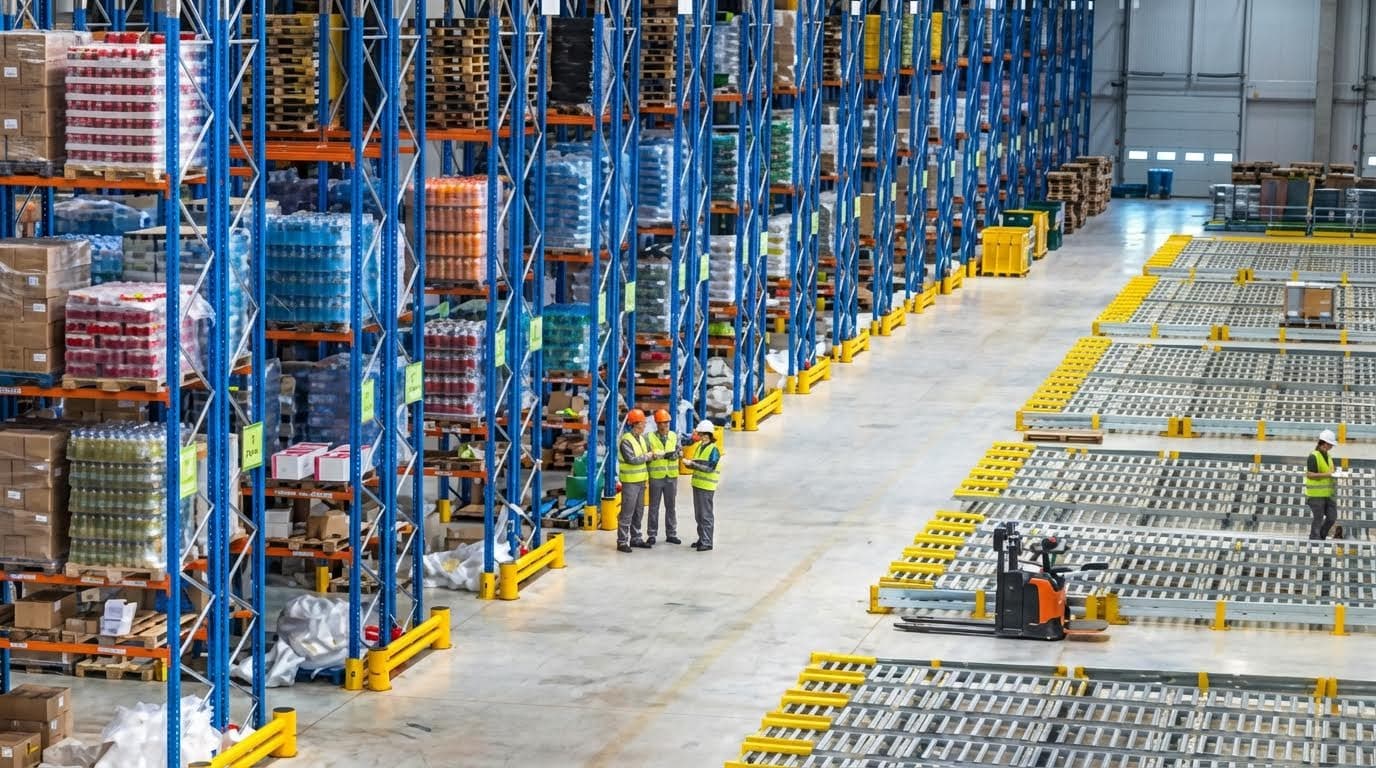
Knowing how to use a pallet lifter safely links design, operation, and inspection into one workflow. This section turns the earlier engineering theory into practical rules that supervisors and engineers can apply on site. The same logic also supports safe use of lifting beams with cranes and hoists.
Technical practice starts with clear load data. Define mass, centre of gravity, pallet type, and lift path before choosing any lifter. Select pallet lifters and beams with a rated capacity above the worst credible load case, including dynamic factors from crane travel or truck motion. Keep rigging short and symmetric to limit swing and side loading. Lock forks, hooks, and shackles so they cannot slip during tilt or braking.
Daily pre‑use checks are non‑negotiable. Operators must confirm labels are legible, safety latches work, and there are no cracks, bent sections, or oil leaks. Planned maintenance should follow manufacturer schedules and local rules such as OSHA or regional lifting regulations. Digital tools, including simple checklists or digital twins, help verify clearances, floor loads, and collision risks before new layouts go live.
Looking ahead, more pallet lifters and beams will integrate sensors and connectivity for overload, tilt, and usage tracking. These features support predictive maintenance but do not replace sound rigging practice or formal operator training. Facilities that combine conservative engineering selection, disciplined inspection, and certified training will see fewer incidents and higher handling productivity.
Frequently Asked Questions
How to Use a Pallet Jack Safely?
To use a pallet jack, start by ensuring the release lever is in the neutral position. Move the pallet jack toward the load, then lower the forks using the lever and slide them under the pallet. Once positioned, lift the forks by engaging the pump handle or switch for electric models. Push the pallet jack to transport the load safely. For manual pallet jacks, it’s safer to push rather than pull to avoid back strain. Pallet Jack Guide.
Do You Need Training to Operate a Pallet Jack?
Yes, training is required for powered pallet jacks as per OSHA regulations. While manual pallet jacks don’t require certification, proper training is still recommended to prevent accidents. Powered pallet jacks fall under Class III equipment, and operators must complete certification under 29 CFR 1910.178(l). Always follow safety guidelines when operating any type of pallet jack. OSHA Certification FAQ.
What Is the Weight Capacity of a Standard Pallet Jack?
A standard pallet jack can typically lift between 2,268 kg to 2,495 kg (5,000 to 5,500 pounds). The exact capacity depends on the model and manufacturer. Always check the equipment’s specifications before lifting heavy loads to ensure safe operation.