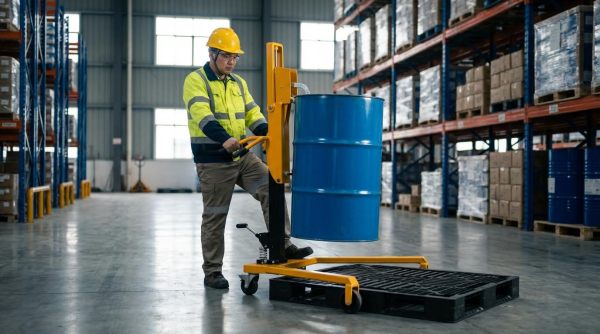
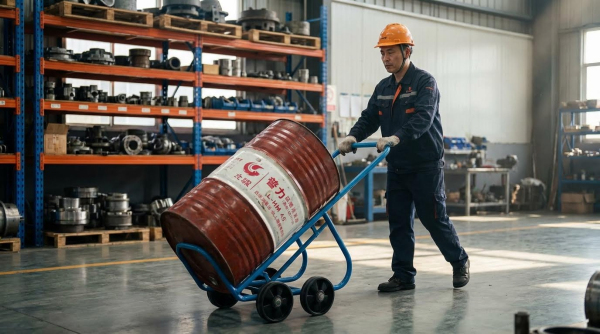
Workplaces that ask what do drum dollies and cylinder dollies do OSHA care about both safety and productivity. This article explains how OSHA rules for drums, cylinders, and compressed gases shape the design and daily use of dollies and related handling gear.
You will see how core OSHA standards define safe storage, movement, and spill control for heavy containers. The engineering section then links these rules to load ratings, wheels, and restraint systems on drum and cylinder dollies. Later sections translate OSHA expectations into step-by-step operating practices, including integration with forklifts, AGVs, and Atomoving solutions. The summary closes with a practical checklist that helps EHS, maintenance, and operations teams align on one compliant handling standard for drums and cylinders.
Core OSHA Rules For Drums And Cylinders
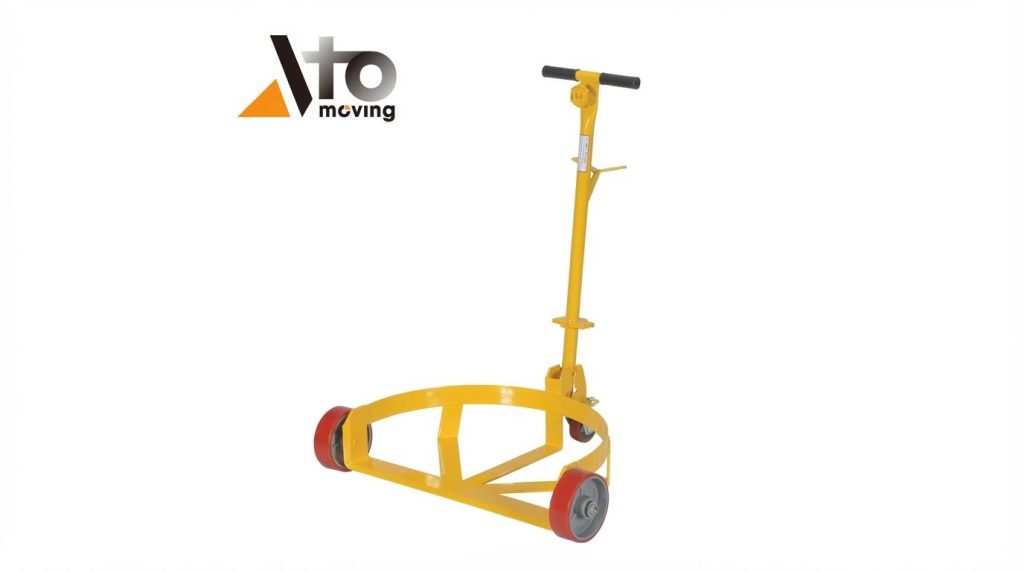
OSHA rules define how facilities must store, move, and handle drums and cylinders before any dolly touches them. These rules control heat exposure, impact hazards, segregation, and leak response. When safety teams ask what do drum dollies and cylinder dollies do OSHA focuses on how they prevent manual handling injuries and keep containers stable during movement. The following sections link key OSHA storage and gas rules to practical dolly use.
Applicable OSHA Standards And Definitions
OSHA standards for drums, containers, and cylinders sit mainly in 29 CFR Parts 1910, 1915, and 1926. They define drums, pressure vessels, and compressed gas cylinders as distinct items with different risk profiles. For compliance, safety programs must treat a dolly as a handling aid, not as primary containment or impact protection.
When teams ask what do drum dollies and cylinder dollies do OSHA expects a clear answer. Dollies reduce manual lifting, control movement, and keep containers upright and restrained. They do not remove the need to follow storage distances, fire protection rules, or spill control requirements. Employers must reference the exact OSHA parts that apply to their industry sector and process type.
| Topic | OSHA expectation |
|---|---|
| Container integrity | Use only sound drums and cylinders; remove damaged units from service. |
| Handling | Avoid rolling or dropping containers; use suitable trucks or dollies. |
| Compressed gas | Keep cylinders upright, capped, and secured during movement. |
| Hot work | Keep containers away from sparks, slag, and heat sources. |
Storage Rules That Affect Dolly Use
OSHA storage rules set the baseline risk that dollies must help control. Drums with flammable or toxic liquids with volume of 30 gallons or more must sit where they are protected from impact or placed in out-of-the-way zones. Units of 55 gallons or more with such contents must have dikes or pans that hold at least 35 percent of total stored volume.
These rules shape how operators plan routes and staging points. A drum dolly may move a 200 litre drum, but the final position must still respect barrier, bund, and fire extinguisher placement rules. Cylinders must stay in well ventilated, dry, protected locations, away from stairs, elevators, and gangways. When answering what do drum dollies and cylinder dollies do OSHA guidance links them to safe transfer between compliant storage areas, not long term support.
Facilities should document how dolly routes avoid open flames, hot metal, and traffic impact zones. This planning reduces the chance that a moving container will breach bunds or collide with guards that protect fixed storage.
Flammable, Toxic, And Compressed Gas Hazards
OSHA treated drums with flammable or toxic liquids and compressed gas cylinders as high consequence items. Heat, impact, or overpressure could release large volumes in seconds. Therefore, handling tools must keep these containers upright, capped, and stable during movement.
A compliant cylinder dolly supports the cylinder vertically and allows secure strapping or chaining. This aligns with OSHA rules that cylinders remain upright except for brief hoisting. Drum dollies must hold drums so they do not roll off during a sudden stop, floor joint, or ramp transition. This is critical when drums hold flammable liquids near ignition sources.
To understand what do drum dollies and cylinder dollies do OSHA language points to risk reduction mechanisms. They reduce manual pushing of bare cylinders, which OSHA discouraged. They also limit the chance that a container becomes a roller, support, or makeshift lever, which OSHA prohibited. For flammable service, facilities should pair dollies with spark control, spill kits, and nearby fire extinguishers sized for the hazard.
Employer Duties For Training And Procedures
OSHA placed the duty for safe drum and cylinder handling on employers. Written procedures must cover selection, inspection, and operation of drum dollies and cylinder dollies. Training must explain both how to use the dolly and why OSHA rules restrict certain actions.
When workers ask what do drum dollies and cylinder dollies do OSHA compliant training should give simple points:
- They move heavy containers without manual lifting.
- They keep drums and cylinders upright and restrained.
- They reduce crush, pinch, and impact injuries.
- They support safe routes between approved storage and use areas.
Training should also cover what dollies do not do. They do not replace valve caps, regulators, or cylinder trucks where required. They do not allow workers to ignore leak checks, segregation distances, or ventilation rules. Supervisors should verify skills through observation, not only classroom sessions.
Employers must tie inspection and maintenance of dollies into wider preventive programs. This includes checks on wheels, frames, and restraint devices at set intervals. Documented findings support OSHA inspections and show that management controls real handling risks, not just storage layouts.
Engineering Requirements For Drum And Cylinder Dollies
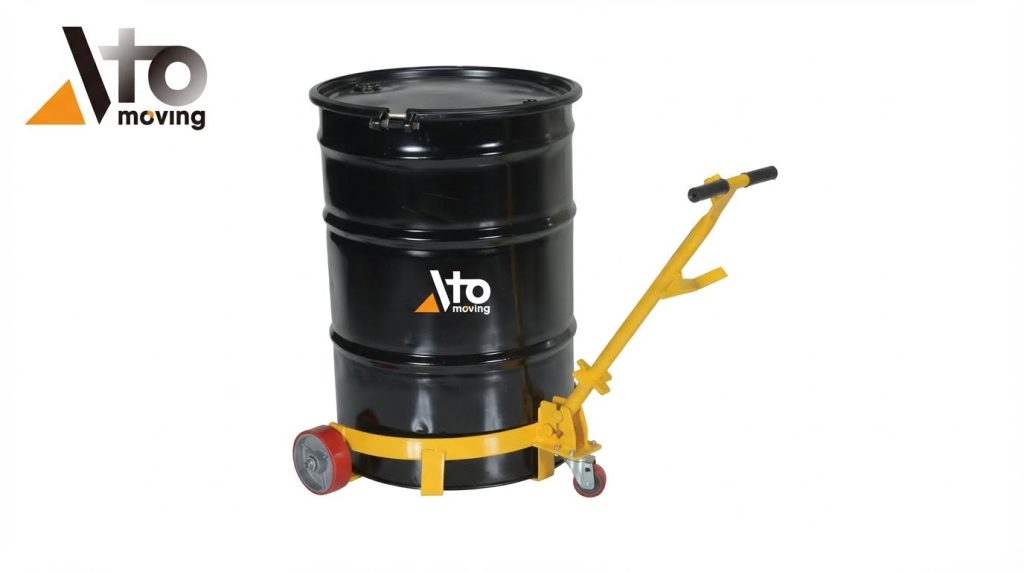
Engineering design decides what drum dollies and cylinder dollies do under OSHA expectations. The core goals are safe load support, controlled movement, and secure restraint on compliant floors. Each design choice must support OSHA rules for drums, compressed gas cylinders, and hazardous materials handling. The following sections break down key engineering requirements that safety managers and engineers should check before use or purchase.
Load Ratings, Stability, And Center Of Gravity
Engineers must match rated capacity to the heaviest drum or cylinder, plus a safety margin. Typical practice keeps working load below the manufacturer rating to limit structural fatigue. Overloading increases tipping risk and violates OSHA expectations for safe equipment use.
Stability depends on wheelbase width, platform height, and load center of gravity. A low cradle or saddle reduces overturning moment when the dolly crosses joints or ramps. Cylinders create a tall, narrow load, so designs need longer wheelbase or additional stabilizers.
Key checks for stability include:
- Rated load versus actual drum or cylinder mass
- Maximum tilt angle before tip for a full load
- Behavior on slopes, thresholds, and dock plates
Designers should model the combined center of gravity for the dolly and load. The projection of this point must always stay inside the wheel polygon during normal pushing, pulling, and turning.
Wheel, Caster, And Floor Interface Selection
Wheel and caster choice controls rolling resistance, steering effort, and impact loads into the floor. Harder wheels roll easier under heavy drums but transmit more shock. Softer wheels protect floors and improve grip but can increase push force.
Engineers should match wheel material to floor type and hazard profile:
| Floor condition | Preferred wheel traits |
|---|---|
| Smooth sealed concrete | Medium to hard polyurethane, low rolling resistance |
| Rough or cracked concrete | Larger diameter, resilient tread, good shock absorption |
| Areas with flammable liquids | Spark-resistant materials, anti-static paths |
Swivel casters improve maneuvering in tight aisles. However, too many swivels reduce tracking at speed and can cause side loading on cylinders. A common layout uses fixed casters at the rear and swivels at the front for predictable steering.
OSHA expectations for what drum dollies and cylinder dollies do include safe movement without creating new hazards. That means no wheel lockup, no sudden caster failure, and no uncontrolled rolling on slopes. Designers should provide parking brakes or wheel chocks for sloped areas.
Restraint Systems For Drums And Cylinders
Restraint systems keep containers from shifting, rolling, or falling during movement. For drums, cradles, rims, or pockets support the shell and prevent sliding. For cylinders, curved saddles with chains or straps hold the body against the frame.
Effective restraint design should consider:
- Vertical movement during bumps or floor transitions
- Side loads during sharp turns or sudden stops
- Compatibility with common drum sizes and cylinder diameters
Adjustable straps, ratcheting bands, or positive clamps allow secure fit without tools. Restraints must resist expected impact loads from normal pushing and from emergency stops. OSHA guidance for compressed gas cylinders required them to stay upright and secured; dolly restraints must support that rule.
Engineers should avoid sharp edges or pinch points near the restraint path. These can cut straps or damage cylinders, which conflicts with OSHA rules against physical damage to pressurized containers.
Corrosion Resistance And Chemical Compatibility
Drum and cylinder dollies often work around corrosive, flammable, or toxic substances. Spills, wash-down water, and outdoor storage can attack frames, fasteners, and wheels. Corrosion weakens load paths and can cause sudden failure under rated loads.
Material selection should follow the likely chemical exposure:
- Painted carbon steel for dry, indoor, non-corrosive service
- Galvanized or stainless steel for wet or corrosive atmospheres
- Chemically resistant polymers or coatings where acids or solvents exist
Wheel treads and seals must also match the chemicals handled. Some solvents soften rubber or polyurethane and increase rolling resistance or lead to wheel breakup. Engineers should consult chemical resistance charts and avoid materials that swell or crack in contact with site chemicals.
OSHA rules for flammable and toxic liquids required protection from leaks and physical damage. Corrosion-resistant construction supports those goals by keeping the dolly structurally sound over its service life. Planned inspection intervals should check for rust, pitting, and coating failure, with clear retirement criteria for damaged units.
Safe Operating Practices And Risk Controls
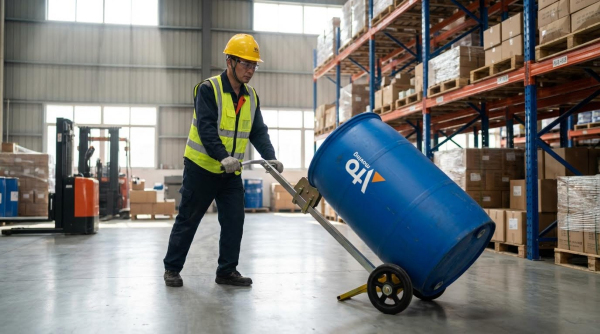
Safe operating practices answer a key search question: what do drum dollies and cylinder dollies do OSHA expects in daily use. They reduce manual handling, control impact forces, and keep unstable loads restrained. OSHA focused on how workers inspect, operate, and coordinate this equipment with other vehicles. Effective risk controls combine equipment limits, clear procedures, and human-factor safeguards.
Pre-Use Inspection And Preventive Maintenance
Pre-use checks keep dollies within their design envelope and OSHA expectations. Operators should verify identification plates, rated capacity, and any visible deformation of frames or handles. They should spin each wheel or caster by hand and check for flat spots, seized bearings, or loose fasteners.
For drum dollies, workers should confirm that cradles, rings, or clamps close fully and do not bind. For cylinder dollies, they should inspect chains, straps, or brackets that hold cylinders upright and check welds at joints. Any missing guards, damaged wheels, or bent structural members should trigger tag-out and removal from service.
Preventive maintenance usually includes simple tasks on a fixed schedule:
- Lubricate wheel bearings and swivel joints according to manufacturer guidance.
- Replace worn wheels with identical size and hardness to keep handling predictable.
- Touch up coatings in corrosive areas to protect structural steel.
- Document inspections so supervisors can track recurring faults.
These steps support OSHA’s general duty to maintain equipment in safe condition and align with broader pressure-vessel and cylinder handling rules.
Loading, Transport, And Unloading Procedures
OSHA rules for drums and cylinders stress controlled movement, not speed. For loading, workers should position the dolly on level floor, chock if needed, and keep hands away from pinch points between drum or cylinder and frame. They should respect the rated capacity and avoid stacking containers on top of each other on the dolly.
During transport, operators should push instead of pull where possible. This lowers back load and improves visibility. They should walk, not run, and avoid sudden stops that could cause drums to slide or cylinders to tip. Routes should bypass hot work, open flames, and high traffic, which is especially important for flammable or toxic contents covered by OSHA storage rules.
For unloading, workers should secure the destination position first. Pallets or stands must be level, strong, and free of nails or sharp edges that could puncture drums. Cylinders should be transferred to fixed chains or racks and never left free-standing. The operator should maintain three-point contact and never place feet under the load path.
Integration With Forklifts, AGVs, And Atomoving
Modern plants rarely use dollies in isolation. OSHA-consistent practice treats them as part of a material flow system with forklifts, AGVs, and Atomoving solutions. The main risk is impact or crush injuries where powered equipment shares aisles with hand-pushed dollies.
Facilities should define traffic rules that cover speed, right-of-way, and crossing points between forklifts, AGVs, and manual routes. Marked walkways and one-way aisles reduce head-on encounters. Where forklifts transfer drums or cylinders to dollies, mechanical attachments should hold containers securely so they cannot roll off forks.
When AGVs or Atomoving platforms move drums or cylinders, engineers should match dolly geometry to automated interfaces. Typical controls include:
- Fixed loading zones with wheel stops and guides.
- Interlocks that prevent AGV motion until loads are restrained.
- Sensors that slow vehicles in areas with frequent manual dolly traffic.
These measures keep the answer to what do drum dollies and cylinder dollies do OSHA cares about clear: they move loads while staying inside a controlled, predictable system.
Controls For Human Error And Impact Incidents
Most dolly incidents trace back to human error, not structural failure. OSHA expected employers to manage this through training, procedures, and physical safeguards. Training should cover load limits, route planning, and recognition of hazards such as wet floors, ramps, and congested doorways.
Procedural controls include simple rules: no riding on dollies, no using cylinders as rollers, and no movement of unrestrained cylinders. Workers should never move pressurized or hot drums that violate OSHA storage and heating limits. For flammable or toxic contents, procedures should link dolly use to spill response plans, fire extinguisher locations, and segregation rules.
Impact risk controls often combine design and layout:
- Install bollards or barriers near doorways and tank farms to protect drums from vehicle strikes.
- Keep dollies and hoses away from stairs, ladders, and gangways.
- Use floor markings to separate dolly lanes from powered traffic.
Supervisors should review near-miss reports that involve drum or cylinder movement. They can then adjust routes, add guards, or revise training. This continuous feedback keeps dolly use aligned with OSHA expectations and reduces the chance that a simple handling task becomes a serious incident.
Summary: OSHA Compliance And Design Best Practices
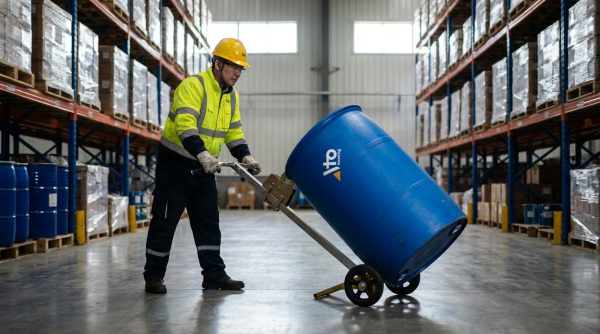
OSHA expected drum and cylinder dollies to control both ergonomic and process safety risks. They supported rules that kept drums, cylinders, and pressure vessels away from heat, impact, and pressurization hazards. Dollies answered the search question “what do drum dollies and cylinder dollies do osha” by providing a compliant way to move heavy, hazardous containers without manual rolling or dragging. Correct use also helped employers meet duties for training, inspection, and safe storage layouts.
From an engineering view, compliant dollies matched rated load to drum or cylinder mass and kept the center of gravity inside the wheelbase during motion and braking. Designs used suitable wheel materials for the floor, with enough bearing capacity and rolling resistance control to avoid sudden stops or caster failure. Restraint systems such,
Frequently Asked Questions
What do drum dollies and cylinder dollies do?
Drum dollies and cylinder dollies are compact, wheeled platforms designed to move heavy drums or cylinders safely and efficiently. They reduce the risk of injury from lifting and carrying heavy loads while keeping items secure during transport. Safe Drum Transport.
What are the benefits of using a drum dolly?
Using a drum dolly helps prevent accidents by stabilizing heavy drums during movement. It also minimizes manual effort, reduces strain on workers, and improves overall efficiency in material handling tasks. Safe Drum Transport.
Why is it important to follow OSHA guidelines when using dollies?
Following OSHA guidelines ensures safe operation and reduces workplace injuries. Proper use of dollies, including weight limits and securing loads, aligns with safety standards for material handling equipment. Always refer to OSHA Safety Standards for detailed guidance.