Warehouses that research how warehouses pick orders usually want higher speed, lower cost, and fewer errors. This article explains core order picking models, from person-to-goods walking routes to dense goods-to-person systems that bring totes and trays to the operator.
You will see how discrete, batch, zone, and wave picking modes shape layouts, travel distance, and labor needs. The manual section covers realistic human pick rates, fatigue, ergonomics, and when a simple cart-and-shelf design still makes sense.
Mechanized and automated sections compare conveyors, gravity flow racks, pick-by-light, AS/RS, shuttles, AGVs, and robotics using engineering metrics like picks per hour, error rates, uptime, and space utilization. The final summary shows how to select a picking strategy that fits demand patterns, building constraints, and future automation plans with systems from providers such as Atomoving.
Core Order Picking Models and Process Flows
Understanding how warehouses pick orders starts with the basic picking models and flows. These models define who moves, what moves, and how information drives every pick. The right choice changes walking distance, pick rate, and accuracy. It also sets the ceiling for future automation and ROI.
Person-To-Goods vs. Goods-To-Person Concepts
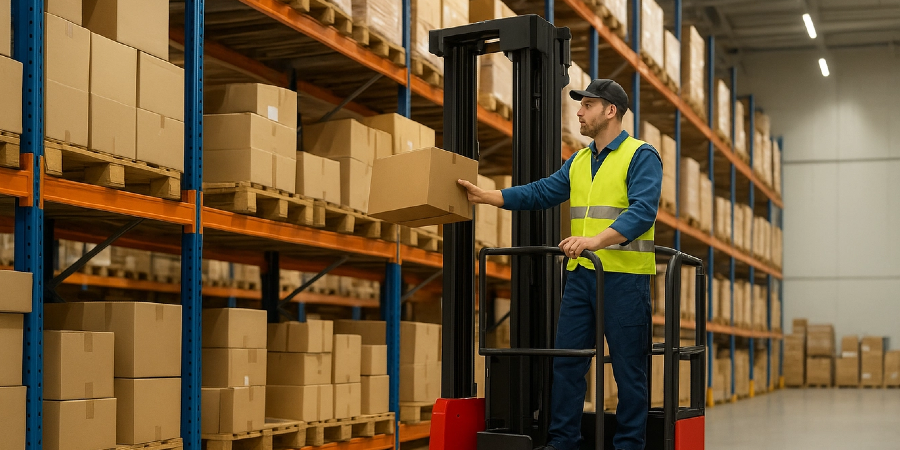
Person-to-goods picking keeps stock fixed and sends people to the locations. Operators walk or drive along aisles, scan locations, and pick items into totes or pallets. Typical manual pick rates in this model sit around 100–200 picks per hour, with error rates near 1–3%. Walking and search time dominate the cycle, so fatigue and layout quality strongly affect performance.
Goods-to-person reverses the logic. Storage systems, shuttles, conveyors, or robots bring items to fixed workstations. Automated systems in this model have reached 400–800+ picks per hour for bin picking, with error rates often below 0.5%. They cut walking almost to zero and support 24/7 operation, which suits high-volume e‑commerce and tight service levels.
From an engineering view, person-to-goods has lower capital cost and higher variable labor cost. Goods-to-person has higher capital cost but lower labor and better space use. When analyzing how warehouses pick orders at scale, goods-to-person usually delivers better throughput, accuracy, and space utilization, especially when paired with a strong WMS or WCS.
Discrete, Batch, Zone, and Wave Picking Modes
Picking mode defines how orders group and how work travels through the building. Discrete picking assigns one picker to one order at a time. It is simple and flexible but causes long walking distances and low consolidation efficiency. It fits low-volume or highly variable operations.
Batch picking groups several orders into one pick tour. The picker collects common SKUs once, then a later step sorts items to final orders. This mode reduces travel and boosts pick rate, especially when many orders share popular SKUs. It is common in person-to-goods environments with mobile scan devices.
Zone picking divides the warehouse into zones. Each picker or system handles only its zone. Orders either pass from zone to zone or get merged later. This cuts congestion and supports specialization by product family or temperature class. Wave picking releases groups of orders together based on carrier cutoffs, routes, or dock schedules. Waves help align picking with shipping capacity and labor shifts.
When engineers design how warehouses pick orders, they often blend these modes. For example, batch picking inside zones with time-phased waves. The right mix depends on SKU count, order profile, and service window.
Typical Layouts and Material Flow Patterns
Layout turns the chosen model into real material flow. A classic person-to-goods layout uses long aisles with static shelving or pallet racks. Pickers follow U-shaped or serpentine routes that start and end near packing or consolidation. Travel distance per line item is the key metric here.
Goods-to-person layouts look different. They center on decoupled storage and picking areas. Storage blocks may use shuttle systems, AS/RS, or dense shelving served by robots. Conveyors or autonomous vehicles bring totes or trays to ergonomic workstations. Each station handles high, stable pick rates with minimal motion.
Common flow patterns include:
- U-flow: Receiving and shipping on the same side with stock moving in a U path.
- Through-flow: Receiving on one side, shipping on the opposite side for straight-line movement.
- Loop conveyors: Continuous loops feeding multiple pick and pack points.
Engineers model these flows to cut crossing paths, dead zones, and bottlenecks. They also factor in future automation, so aisles, rack spacing, and mezzanines can later support conveyors, shuttles, or robotic systems. Well-designed flows shorten order cycle time and make how warehouses pick orders scalable as volumes grow.
Manual Picking: Capabilities, Limits, and Use Cases
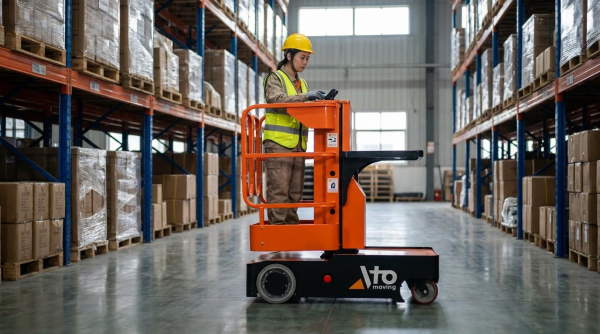
Manual picking still shaped how warehouses pick orders in many facilities. Engineers needed to understand what humans did well and where fatigue, safety, and layout limits appeared. This section focused on realistic pick rates, error patterns, and ergonomic constraints before comparing manual work to mechanized and automated options. It helped designers choose when a person-to-goods process remained the best fit.
Human Pick Rates, Accuracy, and Fatigue Effects
Manual pickers typically achieved 100–200 order lines per hour in standard warehouses. Actual rates depended on travel distance, SKU density, and pick face design. Automated systems often reached 400–800+ picks per hour, so engineers treated manual picking as the baseline, not the ceiling. When planning how warehouses pick orders, this gap drove many automation business cases.
Manual error rates usually ranged from 1–3%. Robots and pick-by-light systems often stayed below 0.5% and even reached 99.9% accuracy in some studies. Every mis-pick added handling cost, reverse logistics, and customer impact. For high-margin or regulated products, engineering teams often justified technology upgrades on accuracy alone.
Fatigue shaped manual performance across a shift. Walking, bending, and reaching reduced pick speed and consistency after several hours. Designers therefore:
- Shortened walk paths with better slotting and routing.
- Limited heavy picks per hour to protect workers.
- Used simple visual cues at locations to cut search time.
When engineers modeled daily throughput, they avoided using peak pick rates. They used conservative averages that reflected breaks, congestion, and end-of-shift slowdowns.
Ergonomics, Safety, and Regulatory Compliance
Manual order picking exposed workers to repetitive strain, lifting risk, and collision hazards. How warehouses pick orders strongly affected injury rates and insurance costs. Engineers therefore treated ergonomics as a design input, not an afterthought.
Good manual systems kept most picks between mid-thigh and shoulder height. They avoided heavy items on floor level or above head height. Where heavy cases were unavoidable, teams added mechanical assist, team lifts, or reduced case weights. Clear aisle widths and one-way traffic reduced contact between people and moving equipment.
From a compliance view, layouts had to support OSHA-style safety rules and local regulations. Key elements included:
- Marked pedestrian lanes and crossing points.
- Adequate lighting at pick faces and staging zones.
- Housekeeping standards that kept aisles clear of debris.
Engineers also considered maximum push and pull forces for carts. They specified low-rolling-resistance wheels and smooth floors to keep forces within accepted ergonomic limits. Training programs covered safe lifting, correct use of PPE, and reporting of near misses. Data from incident logs then fed back into layout and process changes.
When Manual Picking Still Makes Technical Sense
Despite strong automation gains, manual picking still fit certain engineering profiles. It remained attractive where order volumes were low, peaks were modest, and SKU ranges changed often. In such sites, the flexibility of people outweighed the speed of machines.
Manual methods also worked well for very delicate, irregular, or high-value items. Human hands and judgment still beat grippers in niche cases, especially for one-off or custom orders. When warehouses picked orders that required visual quality checks or kitting with frequent changes, manual stations simplified changeovers.
From a capital view, manual picking made sense when automation payback would exceed planning horizons. Small and new operations often chose robust racking, clear processes, and simple carts first. They then added mechanized or automated subsystems later, once data showed stable demand.
Engineers designing hybrid facilities often kept manual zones for exceptions and slow movers. Automated systems handled fast movers and repetitive tasks, while people resolved damaged labels, partial cases, or special packing rules. This mix reduced project risk and allowed gradual scaling as business needs evolved.
Mechanized and Automated Picking Technologies
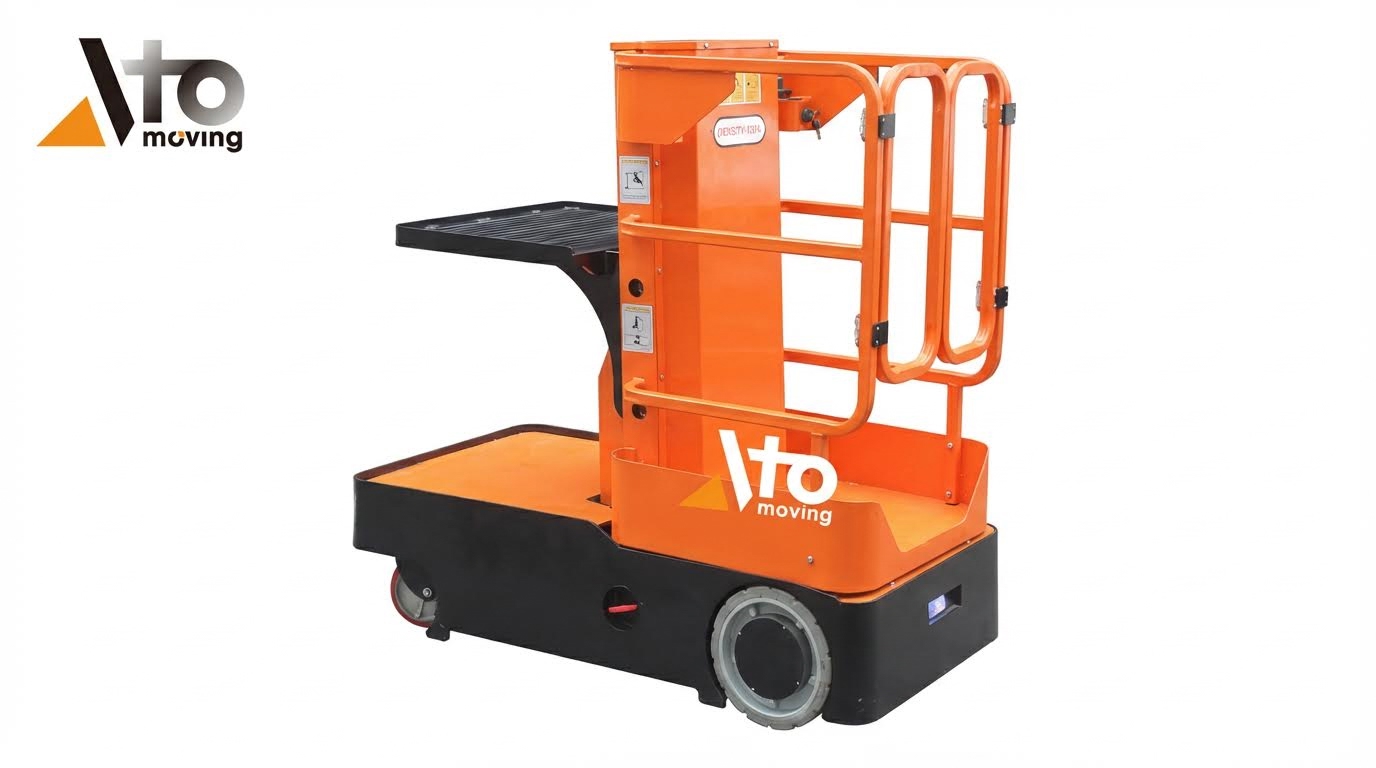
Mechanized and automated solutions now shape how warehouses pick orders at scale. They shorten walk distances, stabilize pick rates, and support 24/7 operation. This section explains how core technologies change material flow, labor demand, and accuracy in modern facilities.
Conveyors, Gravity Flow Racks, and Pick-By-Light
Conveyors create fixed, high-throughput paths for cartons and totes. They cut walking time and standardize how warehouses pick orders along a line. Powered conveyors support steady flows between receiving, storage, picking, and packing. This suits high-volume SKU profiles and repeatable routes.
Gravity flow racks use inclined roller or wheel tracks. Operators load stock from the rear and pick from the front. First-in-first-out flow improves stock rotation and reduces search time. Studies showed unloading speeds up to five times higher than static shelving. This directly lowers pick cycle time and walking distance.
Pick-by-light systems guide operators with light modules at each location. The light shows the slot and quantity, so search time almost disappears. Reported gains reached about 50% higher productivity with accuracy near 99.99%. These systems fit fast-moving zones where short reaction time matters more than travel speed.
In practice, warehouses combine these tools. A common pattern uses gravity flow racks in forward pick zones, conveyors for tote transport, and pick-by-light for dense, high-velocity SKUs. This mix keeps capital cost below full automation while still transforming how warehouses pick orders during peaks.
AS/RS, Shuttle Systems, AGVs, and Robotics
Automated storage and retrieval systems (AS/RS) use cranes or shuttles in high-bay racks. They follow a goods-to-person model. The system brings totes or pallets to ergonomic pick stations. This reduces walking to near zero and improves space use through tall, dense storage.
Shuttle systems add horizontal shuttles on each level. They feed lifts that bring totes to workstations. One test in Ukraine showed 80 trays per hour at 35 kg per tray. A manual process in the same site reached about 20 trays per hour at 20 kg. This illustrates the step change in throughput and load handling.
AGVs and AMRs move pallets, racks, or totes between zones. They cut non-value transport and make flow more predictable. They also let sites reconfigure routes through software instead of fixed conveyors. This helps when order profiles change often.
Robotic bin picking cells now handle a wide range of SKUs. Typical automated rates reached roughly 400–800 picks per hour, versus 100–200 for manual pickers. Robots used vision, force sensing, and machine learning to grip mixed items. They ran without breaks, which changed how warehouses pick orders during long peak shifts.
Performance Benchmarks: Speed, Accuracy, Uptime
Speed benchmarks show the gap between manual and automated picking. Manual rates usually sit around 100–200 picks per hour per operator. Automated bin picking systems often reach 400–800+ picks per hour. A Norwegian apparel case showed five orders in about 3 minutes for automation versus over 8 minutes manually. That was more than double the speed.
Accuracy metrics drive cost and customer impact. Manual error rates often range from 1–3%. Automated systems, including pick-by-light and robotic cells, reported error rates below 0.5%. Some light-directed solutions and tightly integrated AS/RS achieved near 99.9% order accuracy. Fewer errors mean fewer returns, lower rework, and better reviews.
Uptime determines how warehouses pick orders across full days, not just per hour. Robots and AS/RS can run 24/7 with planned maintenance. Some systems needed only annual preventive checks. This supports stable output during seasonal spikes without temporary labor. However, uptime depends on correct design, spare parts strategy, and trained technicians.
Engineers should benchmark performance on a per-order and per-line basis. Useful indicators include picks per labor hour, orders per station hour, and trays per hour. Comparing these values before and after automation shows real gains. It also supports ROI models that include labor, space, and error-related costs.
Data, WMS/WCS Integration, and Digital Twins
Data and software integration now define how warehouses pick orders as much as hardware. A warehouse management system (WMS) manages inventory, order waves, and priorities. A warehouse control system (WCS) or execution system (WES) coordinates conveyors, AS/RS, AGVs, and robotics in real time. Together they assign tasks, balance loads, and avoid bottlenecks.
Studies showed that WMS adoption cut order errors by about 30% through better visibility and rules. WCS logic optimized routing and sequencing. It chose the best path for each tote or pallet across conveyors and shuttles. This reduced congestion and idle time at pick stations. API-based integration helped connect modern automation to older ERP platforms.
Digital twins added another layer. A digital twin is a virtual model of the warehouse, including racks, equipment, and flows. Engineers used it to test new layouts, slotting rules, and batching logic before physical changes. They could simulate how warehouses pick orders under peak demand, or after adding robots or extra shifts. This reduced project risk and commissioning time.
Analytics from these systems tracked pick rate, accuracy, dwell time, and order cycle time. Teams used dashboards to spot slow zones or underused assets. Over time, this supported continuous improvement. It also gave finance teams hard data for automation ROI, including labor savings, space gains, and service level changes.
Summary: Selecting the Right Picking Strategy
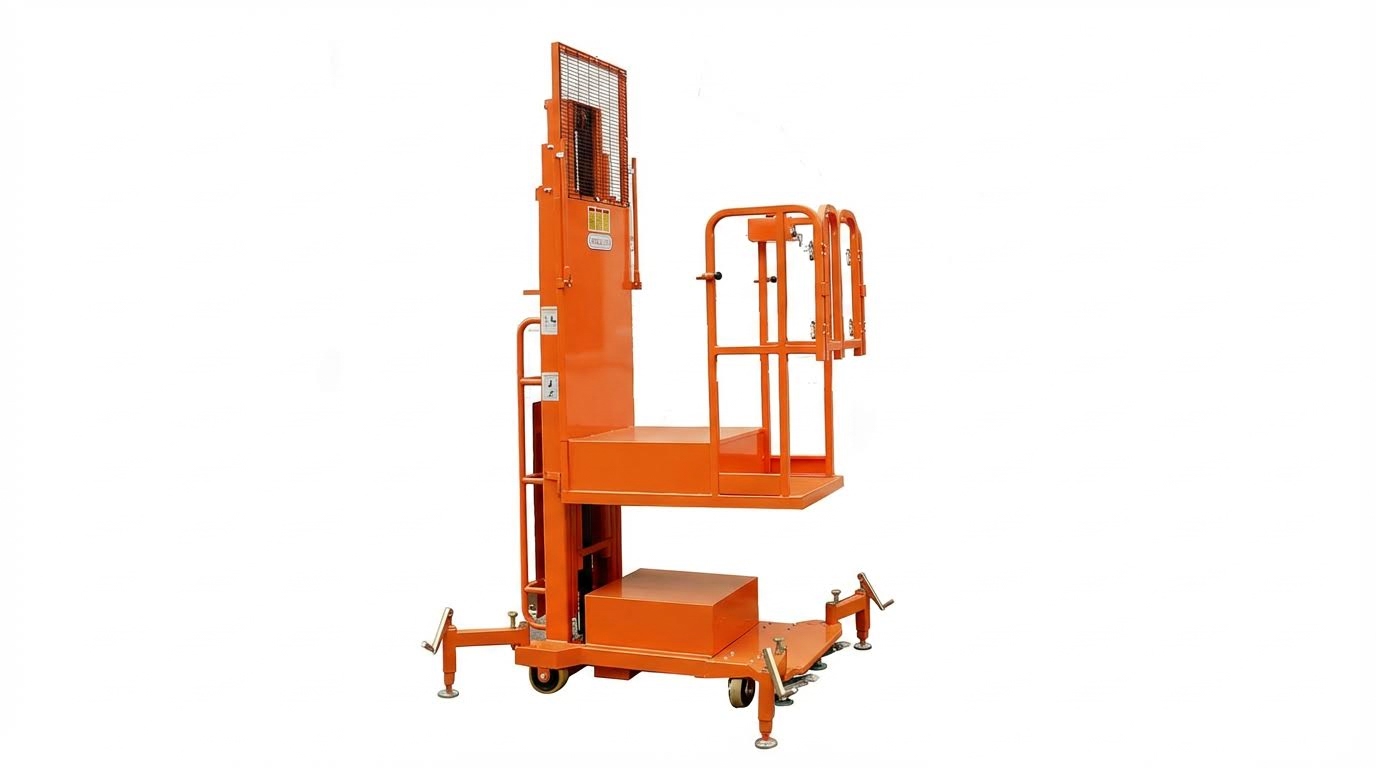
Choosing how warehouses pick orders is a design decision, not just a technology choice. The right strategy matches order profiles, labor conditions, space limits, and service targets. Data on pick rates, error levels, and space use now gives engineers clear benchmarks when comparing manual, mechanized, and automated options.
From a technical view, three questions frame the decision. First, what pick performance is required at peak? Manual picking usually delivers about 100–200 lines per hour with 1–3% error, while automated systems can reach 400–800+ picks per hour with error rates below 0.5%. Second, what level of walking, lifting, and travel time is acceptable? Goods-to-person systems and gravity flow layouts can cut movement intervals several times compared with person-to-goods routes. Third, how quickly must the investment pay back, based on labor savings, space deferral, and higher throughput?
In practice, hybrid designs now dominate how warehouses pick orders. High-volume, stable SKUs often move to AS/RS, shuttles, or robotic cells. Variable, low-volume, or delicate items stay in manual or light-mechanized zones with pick-by-light or smart carts. A modern WMS or WCS coordinates these zones, using analytics and sometimes digital twins to tune slotting, batching, and routing over time.
Looking ahead, automation will handle more of the repetitive pick-and-place work, while people focus on exception handling, quality checks, and system supervision. Engineers should plan layouts, data structures, and processes so they can step from manual to mechanized to automated in stages, without disrupting service. This staged path keeps options open as technology, costs, and order profiles evolve.
,
Frequently Asked Questions
What are the methods of picking in a warehouse?
Warehouses use several methods to pick orders efficiently. Common strategies include organizing items by type, size, or demand to speed up the process. High-demand items are often stored closer to packing areas to reduce travel time. Vertical space is also maximized to improve storage and organization. For more details on optimizing warehouse picking, see Kardex’s Warehouse Tips.
How to improve picking in a warehouse?
Improving warehouse picking involves assessing order profiles and reducing travel time. Efficient processes like slotting items in racks and creating hot zones can help. Implementing the A-B-C SKU strategy ensures faster access to frequently picked items. Regularly examining and adjusting the warehouse layout also boosts productivity. Learn more about enhancing picking efficiency at Material Handling Blog.
What is LPH in a warehouse?
Lines per hour (LPH) measures how many individual product lines or SKUs are picked within an hour. Each line represents items in a shipment, which could be identical products or various unrelated ones. Monitoring LPH helps evaluate warehouse productivity. For further insights into warehouse KPIs, check out Element Logic’s KPI Guide.