Knowing how to fix a pallet jack that won’t lift is essential for keeping product moving and downtime low in any warehouse or shop. This guide walks through the full process, from understanding the hydraulic lift system to systematic troubleshooting, component-level repairs, and deciding when replacement makes more sense than another fix. You will see practical, safety-focused steps plus clear explanations of what typically fails and why. Use it as a structured checklist to restore lifting performance and make sound repair-or-replace decisions.
How A Pallet Jack Lifts And Why It Fails
Core hydraulic components and force path
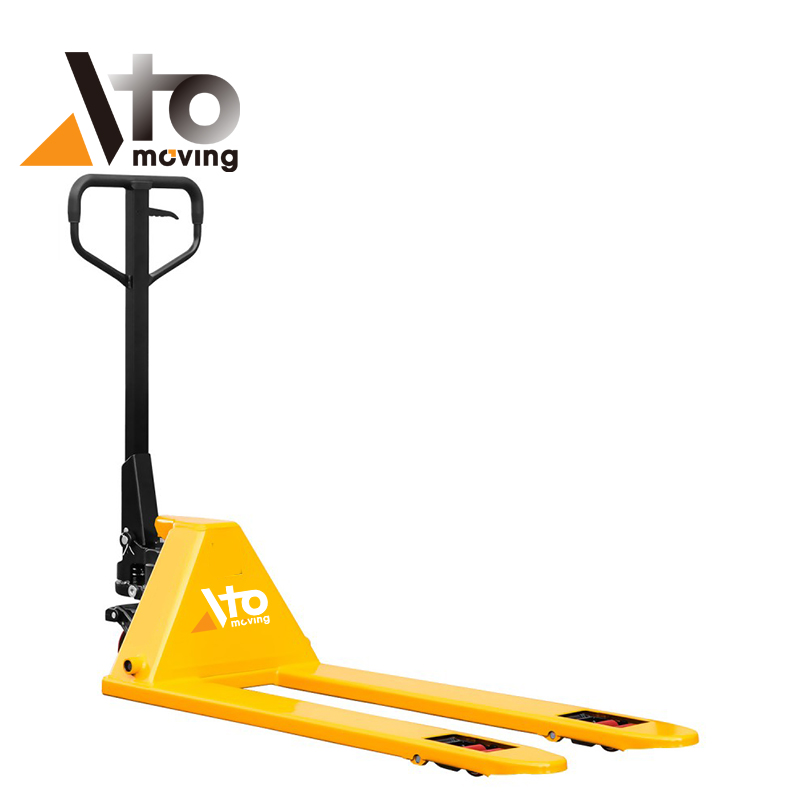
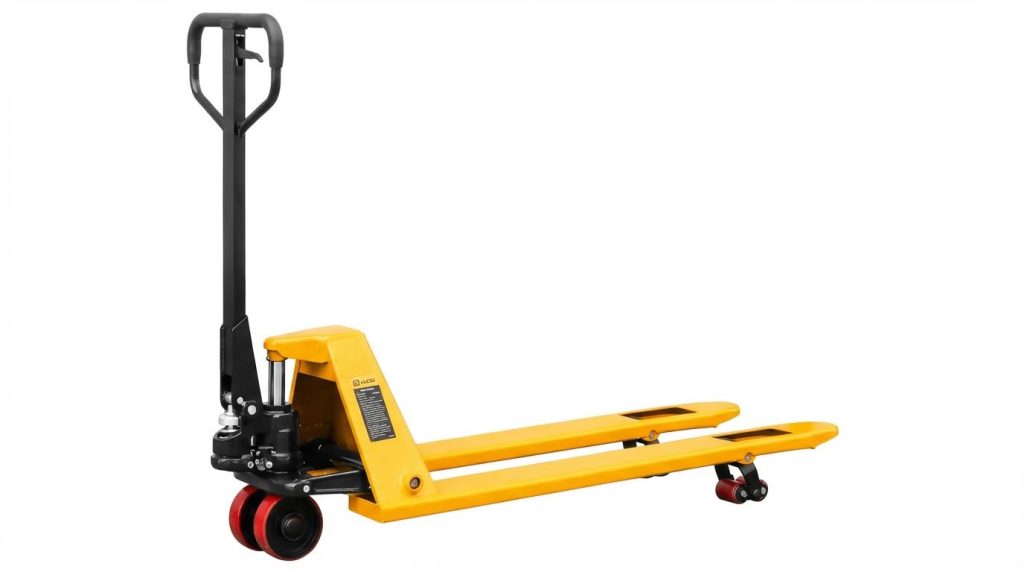
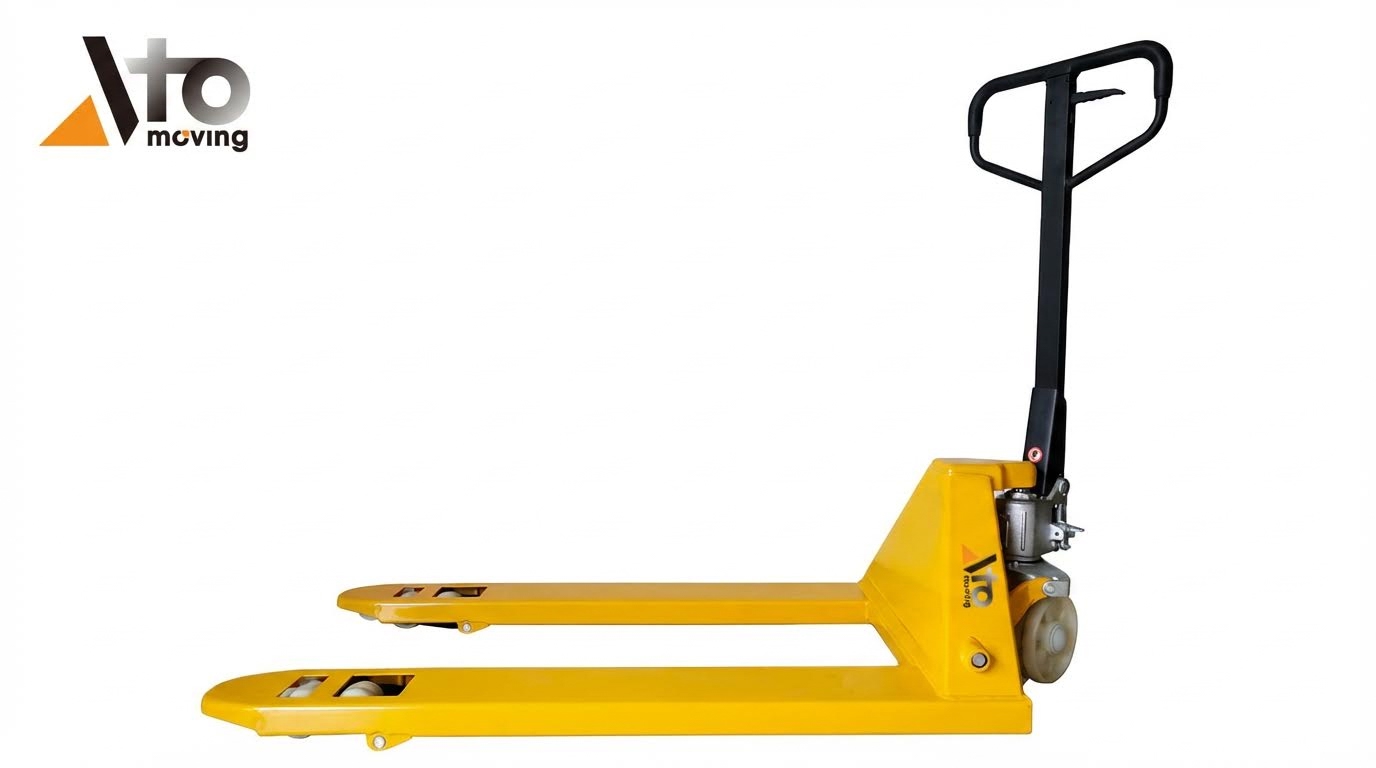
To understand how to fix a pallet jack that won’t lift, you first need to know how the hydraulic circuit moves force from the handle to the forks. A manual pallet jack uses a compact hydraulic pump, a reservoir filled with hydraulic oil, a ram (lift cylinder), check valves, and mechanical linkages to convert small handle strokes into high lifting force at the forks. When you pump the handle, a small piston in the pump draws oil from the reservoir and pushes it into the main cylinder through one-way (check) valves. As pressure builds, the ram extends, driving the push rods and lift links that raise the fork frame off the floor.
The handle also controls a release valve through a small linkage and lever system. In the “lower” position, this valve opens a path for oil to flow back from the cylinder to the reservoir, so the forks come down in a controlled way. In the “neutral” and “raise” positions, the valve stays closed, so pressure can build when you pump. Any problem that interrupts this force path—air in the oil, low fluid level, worn seals, or a stuck valve—will show up as a pallet jack that will not lift, lifts slowly, or leaks down under load.
- Hydraulic pump and reservoir: Generates pressure and stores oil; low oil or the wrong oil density can cause weak or no lift. Common hydraulic unit failures included low fluid level and oil density issues.
- Check and control valves: Keep oil flowing one way when lifting and open a controlled return path when lowering.
- Ram, push rods, and links: Translate hydraulic pressure into vertical fork movement; misadjusted push rods can limit lift height or cause uneven fork travel. Push rod adjustment ensured both forks hit bottom simultaneously.
Because this system is closed and relies on very small clearances, even minor contamination, air ingress, or seal wear reduces efficiency. That is why many step‑by‑step procedures for how to fix a pallet jack that won’t lift start with simple hydraulic checks such as bleeding air and confirming oil level before moving to component replacement.
Common failure modes in warehouse conditions
In real warehouses, pallet jacks work in dust, moisture, temperature swings, and impacts, so certain failure patterns are very common. Air entering the hydraulic circuit is one of the simplest issues: trapped air compresses instead of transmitting force, so the handle pumps but the forks barely rise. Bleeding the system with no load on the forks and pumping the handle 10–20 times is a standard first step to clear this air and restore lift. Pumping the handle 10 to 20 times with no load was recommended to remove trapped air.
Low or degraded hydraulic oil is another frequent cause of a pallet jack that will not lift or lifts only when empty. Oil can leak past worn seals or out of fittings, gradually dropping the level in the reservoir. Technicians typically remove the fill plug and verify that the oil is roughly 0.5–1 inch below the top of the reservoir, topping up with the correct hydraulic oil if needed. Guidance specified maintaining the oil level about 0.5 to 1 inch below the reservoir top. Using oil that is too dense or the wrong type can also affect valve response and lifting performance. Service instructions called for a specific low‑density RL‑HO oil and warned against automotive or brake fluid.
- Handle and linkage problems: Bent or misadjusted linkages can hold the release valve slightly open, so the jack will not build pressure. Disconnecting the lifting linkage from the lever and checking that the lever moves freely is a standard way to separate handle issues from pump issues. Technicians were advised to disconnect the lifting linkage to isolate handle versus pump faults.
- Seal and O‑ring wear: Over time, O‑rings in the valve cartridge and pump harden, crack, or extrude, allowing internal leakage so the jack will not hold or reach full height. Step‑by‑step repair guides describe propping up the drive wheels, draining fluid, removing the lower lever, extracting the old O‑ring, cleaning, installing a new O‑ring, and refilling with hydraulic oil. These instructions included draining the hydraulic fluid and replacing the O‑ring before refilling. Some procedures also pull the valve cartridge, wipe it down, fit a new O‑ring, and reassemble before testing lift. Guides recommended removing the valve cartridge with pliers, cleaning it, installing a new O‑ring, and then refilling fluid.
- General hydraulic unit degradation: Repeated heavy use can cause internal wear on the ram and pump piston surfaces. Even small nicks increase leakage and reduce efficiency, eventually requiring a full hydraulic unit rebuild or replacement. Service notes highlighted that nicks or pits on the ram and pump piston lead to premature failure.
Because many of these failures start small, regular checks of lift response, oil level, and visible leaks make it easier to catch problems early. Understanding these common modes gives a solid foundation for a logical, step‑by‑step approach to how to fix a pallet jack that won’t lift, instead of jumping straight to costly component replacement.
Systematic Troubleshooting: From Simple To Complex
Safety lockout and initial inspection checks
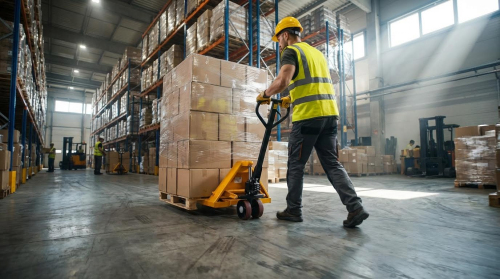
Before starting any work on how to fix a pallet jack that won’t lift, isolate the unit from traffic and loads. Park it in a clear area, lower the forks fully, and remove any pallet or weight from the forks. Wear safety shoes and gloves, and chock the steer wheels if the floor is sloped to prevent unintended movement. Begin with a 360° visual check for obvious damage such as bent push rods, leaking hydraulic oil around the pump body, cracked wheels, or loose fasteners. Test the handle functions with no load: confirm that the raise position pumps the jack, the lower lever moves freely, and the neutral position is distinct. If the handle will not move through its full range, or if you see fresh oil on the floor under the pump, note these findings; they will guide the next troubleshooting steps.
Bleeding air and checking hydraulic oil level
Trapped air in the hydraulic circuit is one of the most common reasons a pallet jack will not lift. With the forks unloaded and fully lowered, slowly pump the handle 10–20 times to bleed air from the system Hydraulic System Air Bleeding. If lifting performance improves after this step, the issue was likely air lock and no further disassembly is required. If the pallet jack still will not lift, check the hydraulic oil level by removing the fill plug on the reservoir while the forks are fully lowered Hydraulic Oil Level Check. The fluid should sit roughly 0.5–1 inch below the top of the reservoir; if it is low, top up with the correct hydraulic oil and repeat the bleed procedure to restore normal lifting action. After refilling, operate the handle through several full stroke cycles and recheck for external leaks at seals and fittings, which would indicate a separate maintenance issue.
Diagnosing handle, linkage, and valve issues
If bleeding and fluid checks do not restore lift, the next step in how to fix a pallet jack that won’t lift is to separate mechanical from hydraulic faults. Disconnect the lifting linkage from the control lever at the pump end, then move the lever by hand to confirm it pivots freely without binding Lifting Linkage and Handle Inspection. With the linkage still disconnected, pump the handle and observe whether the pump begins to raise the forks; if it does, the problem lies in the handle or linkage adjustment rather than the hydraulic unit. Inspect the linkage rods, pins, and bushings for excessive play, missing clips, or bent parts that could prevent full valve travel. If the pump does not respond even when the lever is moved directly at the valve, suspect internal valve or seal problems in the hydraulic unit, which will be addressed in the component-level repair section..
Component-Level Repairs And When To Replace
O-ring, valve cartridge, and hydraulic unit service
Once basic checks are done, component-level work focuses on sealing and the hydraulic power unit, which is central to how to fix a manual pallet jack that won’t lift. Start by safely blocking the drive wheels off the floor, then drain the hydraulic fluid by loosening the reservoir cover screw so you can work cleanly on the pump body O-ring replacement procedure. Remove the lower lever and carefully extract the old O-ring and valve cartridge with pliers, taking care not to scratch the bore surfaces that seal under pressure Valve cartridge maintenance. Clean all mating faces, fit the new O-ring on the valve insert, reassemble the cartridge and lever, then refill with the specified hydraulic oil grade, avoiding automotive oil or brake fluid that can damage seals and change viscosity characteristics under load Hydraulic unit – Service Hints.
After refilling, bleed air from the system by pumping the handle through its full stroke without a load until lift feels firm and consistent, since trapped air is a frequent cause of “won’t lift” complaints Hydraulic system air bleeding. If the jack still fails to build pressure, inspect the hydraulic unit for symptoms like air lock, low fluid level, or a misadjusted hand control that may be holding a valve slightly open, preventing pressure buildup Hydraulic unit – Inspection. When internal wear is severe (pitted ram, scored pump piston, repeated seal failures), a full hydraulic unit rebuild or replacement is usually more economical than repeated seal-only repairs, especially in high-use warehouses where pumps may need replacement every 1–2 years depending on duty cycle Hydraulic pump replacement. In practice, if the cost of a rebuild kit plus labor approaches more than half the price of a complete replacement unit, many operations standardize on swapping the hydraulic unit to reduce downtime and restore like-new lifting performance.
Wheels, axles, bushings, and push rod adjustments
Running gear and linkage wear often shows up as poor lifting height, uneven fork elevation, or rough rolling even after the hydraulic side is healthy. Inspect load rollers and steer wheels for flat spots, cracks, embedded metal, or diameters worn more than about 1/4 inch from nominal; replace wheels in pairs so the jack tracks straight and shares load evenly Load rollers and steer wheels. Check wheel brackets and the traverse weldments for cracks, broken welds, or thinning where components have rubbed the floor, since structural deformation here can limit maximum fork height and overload the hydraulic system Traverse inspection. Axles should be straight, with unworn snap-ring grooves and roll-pin holes; bent or out-of-round axles should be replaced, and a light anti-seize coating on axles and bushings will slow future wear and make later service easier Axles and bushings.
Bushings are sacrificial and should normally be renewed any time the jack is torn down far enough to access them, especially if they are cracked, egg-shaped, or worn down by more than about 1/16 inch from original size Bushings replacement criteria. On the lift linkage, inspect push rods for bent sections, cracked welds, missing roll pins, and worn bushings, then mark the existing eyebolt position before disassembly so you can restore the original geometry during reassembly Push rods inspection. Final adjustment involves setting the eccentric cams or eye bolts so both forks reach the floor at the same time and the jack achieves full rated lift with a normal number of handle strokes, which is a key functional check when you explain to technicians how to fix a hydraulic pallet truck that won’t lift consistently across both forks. If you find widespread cracking in the traverse, fork heels, or linkage plates, or if wheels and axles are repeatedly failing despite correct adjustment and good floors, it is usually more cost-effective and safer to schedule full unit replacement instead of continuing to invest in piecemeal component repairs.
When To Stop Repairing And Plan Replacement
Fixing a pallet jack that will not lift starts with understanding its hydraulic path and common failure modes. Air in the oil, low fluid level, worn seals, and bent linkages usually explain weak or lost lift. A structured process protects both people and equipment. Teams first lock out the jack, clear loads, and inspect for leaks or damage. They then bleed air, confirm oil level and type, and check that the handle and valve linkage move through their full range. These steps solve most day‑to‑day lifting complaints without major teardown.
When problems persist, technicians move to seal replacement, valve cartridge service, and detailed checks of wheels, axles, bushings, and push rods. Correct geometry and sound running gear keep loads stable and reduce stress on the hydraulic unit. However, once the ram or pump surfaces are pitted, the frame is cracked, or seal failures repeat, further repair brings poor value and higher risk. At that point, operations should plan a full hydraulic unit swap or complete jack replacement, rather than chase faults.
The best practice is clear: follow a simple‑to‑complex checklist, document findings, standardize on correct oil and parts, and set firm limits where Atomoving or other replacement units become the safer, lower‑cost choice.
Frequently Asked Questions
Why is my pallet jack not lifting?
If your pallet jack isn’t lifting, it could be due to low hydraulic fluid levels, air trapped in the system, or worn seals and valves. Check the hydraulic fluid first and refill it if necessary. Hydraulic Jack Troubleshooting.
- Inspect for leaks in the hydraulic system.
- Bleed air from the system by cycling the lift several times.
- Replace any damaged seals or valves.
How do I reset my pallet jack?
To reset an electric pallet jack, turn it off and unplug it. Press the emergency stop button to release hydraulic pressure, wait 30 seconds, then press the button again to reset. Plug it back in and turn it on. Electric Pallet Jack Reset Guide.