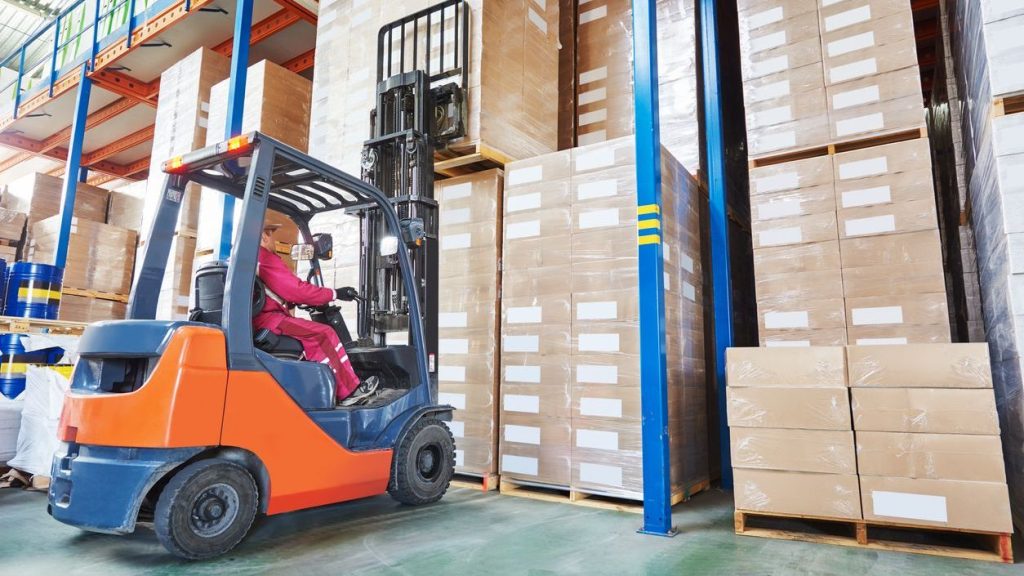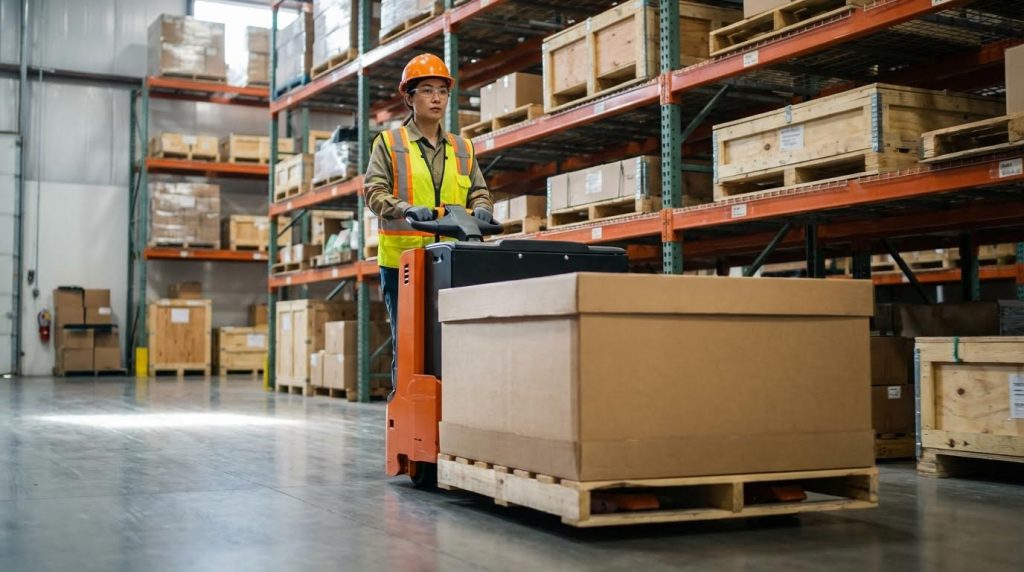
Loading an electric pallet jack into a truck is not just about power and convenience; it is about controlling risk on ramps, docks, and tight trailer spaces. This guide explains how to lift an electric pallet jack into a truck safely using the right ramps, dock equipment, and procedures, while staying within load limits and compliance rules. You will see how slope, friction, and braking affect stability, and how automation and co‑bot pallet jacks can streamline truck loading. Use these engineering-based practices to cut damage, protect operators, and keep your loading operations efficient and compliant.
Fundamentals Of Truck Loading With Electric Pallet Jacks
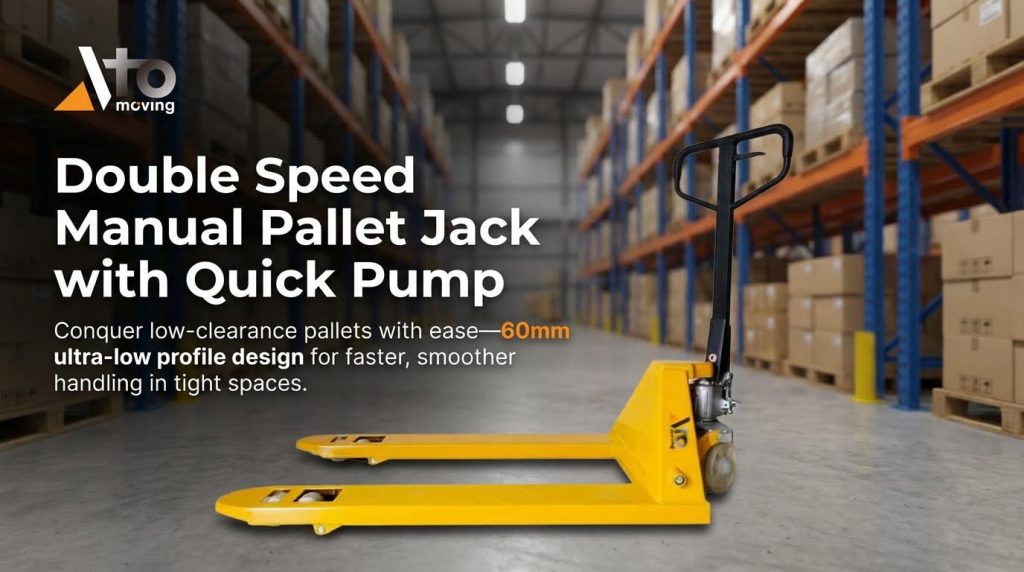
How Electric Pallet Jacks Behave On Ramps And Docks
Electric pallet jacks behave very differently on flat floors versus ramps, dock plates, and truck beds. Understanding this behavior is critical when planning how to lift an electric pallet jack into a truck safely and repeatedly.
- Center of gravity shift on inclines: On a ramp, the combined center of gravity of jack and load moves downhill. This reduces stability and increases the risk of the load “running away” if braking or traction is poor. Operators should keep forks low (typically about 1–2 inches off the surface) to maximize stability, mirroring best practices for manual trucks described for pallet trucks.
- Traction and braking on dock boards and plates: Steel or aluminum dock boards can be smooth, especially if dusty, wet, or oily. Electric pallet jacks rely on a small drive wheel for traction; if this wheel slips, stopping distance increases and steering becomes less predictable. Clear surfaces of debris and moisture before crossing, as recommended for safe pallet truck operation on general pathways.
- Direction of travel on slopes: With powered units, manufacturers usually specify whether to travel forks upgrade or downgrade on ramps. Manual guidance is to descend slopes backward or follow the maker’s instructions for electric models on pallet trucks. The same logic applies when moving between yard, dock, and truck bed: never turn on the ramp, and always align straight before moving.
- Transition points at dock edges: The point where a dock board or plate meets the truck floor is a common instability zone. If the plate flexes or is not rated for the combined weight of electric jack and load, it can shift or “bounce.” Safe loading guidance stresses that temporary platforms and ramps must be securely attached and clearly marked with maximum load capacities for lift-truck loading areas.
When planning how to lift an electric pallet jack into a truck, facilities should treat ramps and dock equipment as an integrated system. That system must provide adequate friction, a safe slope, and enough structural capacity for the heaviest expected jack-plus-load combination.
Core Safety Standards, Load Limits, And Compliance
Safe truck loading with electric pallet jacks starts with respecting load limits and basic infrastructure requirements. Many of the same principles used for manual pallet trucks and lift trucks apply directly to powered pallet jacks.
- Pre‑use checks and equipment condition: Before driving onto a ramp, dock board, or trailer, operators should inspect wheels, forks, brakes, steering, and controls, and confirm there are no cracks or hydraulic leaks as recommended for pallet handling equipment. Any defect becomes more dangerous on inclines or at dock edges.
- Load capacity and distribution: The nameplate on the electric pallet jack states its rated capacity at a given load center. Operators must also respect the rated capacity of dock boards, ramps, and temporary platforms, which should be clearly marked and compatible with the combined weight of truck and load in loading areas. Loads should be centered on the forks, with the heaviest items low and evenly distributed to prevent tipping as advised for pallet jacks.
- Site controls and trailer safety: Employers should implement systems to manage vehicle movements in loading and unloading areas and keep bystanders out of danger zones around lift‑truck operations. Trailers must be braked, with landing legs and decks capable of supporting both lift truck and load, and measures in place to prevent premature drive‑away during loading at docks.
- Operator training and PPE: Operators need training specific to electric pallet jack controls, load limits, and emergency procedures, as well as risk awareness for ramps and confined truck interiors in loading operations. Appropriate PPE such as protective footwear and gloves reduces injury risk from rolling or falling loads during pallet handling.
From an engineering standpoint, compliance means matching equipment ratings, site layout, and operator practices. When these elements align, facilities can standardize how to lift an electric pallet jack into a truck in a way that is repeatable, auditable, and within accepted safety standards.
Engineering The Right Access: Ramps, Plates, And Lifts
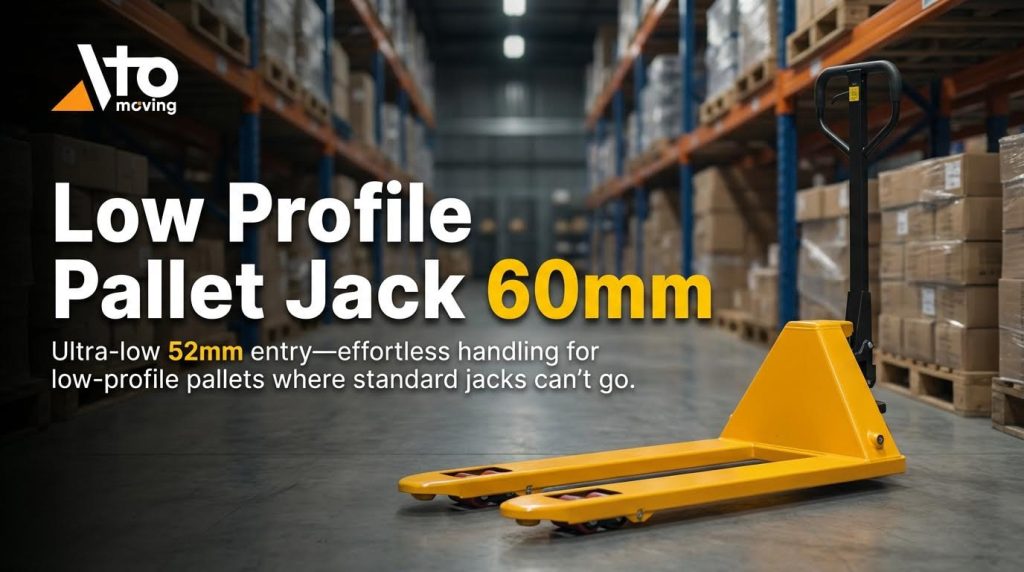
Selecting Dock Boards, Plates, And Mobile Ramps
Before deciding how to lift an electric pallet jack into a truck, you must match the access equipment to the combined weight of truck, jack, and load. Ramps, dock boards, and plates should be clearly marked with maximum load capacity and only used when compatible with the vehicle or trailer. Operators are advised to confirm compatibility, secure equipment properly, fit edge protection, and respect rated capacities. Choose surface textures that provide grip for polyurethane or rubber drive wheels, and ensure the loading area is level, well‑lit, and firm enough to support concentrated wheel loads.
- Dock plates/boards: Best for bridging small gaps and moderate height differences at fixed docks. Use locking pins or lip designs that prevent movement under braking or acceleration.
- Mobile yard ramps: Suitable when trucks park off-dock or at grade. Prefer models with side curbs for roll‑off protection and adjustable supports to keep the slope consistent under load.
- Lift platforms: Useful where truck bed heights vary widely or floor space is tight. Platforms must withstand the rated load and be inspected regularly for structural damage or hydraulic leaks. Permanent loading platforms must support the weight of the lift truck and load, while temporary platforms need secure attachment and clear capacity markings.
Operational checks before use
Before driving an electric pallet jack over any ramp or board, inspect wheels, forks, and controls, and verify the equipment is free from cracks or defects. Guidance recommends checking wheels, brakes, steering, and warning devices before operating pallet trucks. Never use damaged access equipment or trucks; remove them from service and report issues immediately.
Slope, Friction, And Stability Calculations
When planning how to lift an electric pallet jack into a truck with a ramp or dock board, keep slopes conservative to control traction and stopping distance. Many facilities target ramp gradients in the 8–12% range for powered pallet jacks (about 1:12 to 1:8), depending on wheel type, surface, and load. Steeper slopes demand higher drive torque and increase the risk of wheel slip, especially on smooth steel or wet surfaces. Stability also depends on keeping the combined center of gravity well inside the wheelbase, particularly when transitioning from floor to ramp and ramp to truck bed.
- Friction and surface: Use high‑friction, non‑slip surfacing (e.g., tread plate or gritted coatings) and keep it free from oil, water, or debris that could cause slips or jolts. Safe‑use guidance stresses clearing pathways of debris and wet spots to avoid slips and instability.
- Load positioning: Center the forks fully under the pallet and keep the load low—typically 2–5 cm above the deck—to maximize stability and reduce overturning moments. Recommendations include centering forks under the load, positioning them completely under the pallet, and maintaining about 1 inch of ground clearance.
- Direction of travel: On slopes, follow the manufacturer’s instructions; many procedures require traveling with the load upgrade to prevent runaway conditions. For manual trucks, safety guidance calls for descending slopes backward and never turning on a ramp, principles that also inform electric jack procedures. Operators are advised to descend slopes backward and avoid turning on ramps.
| Design factor | Typical engineering target | Reason |
|---|---|---|
| Ramp slope | ≈ 8–12% for powered pallet jacks | Balances traction, stopping distance, and motor load |
| Side curbs/edge protection | Height ≥ wheel diameter | Prevents roll‑off under steering errors |
| Surface condition | Dry, clean, non‑slip | Reduces loss of control and tipping risk |
Power, Braking, And Battery Considerations On Inclines
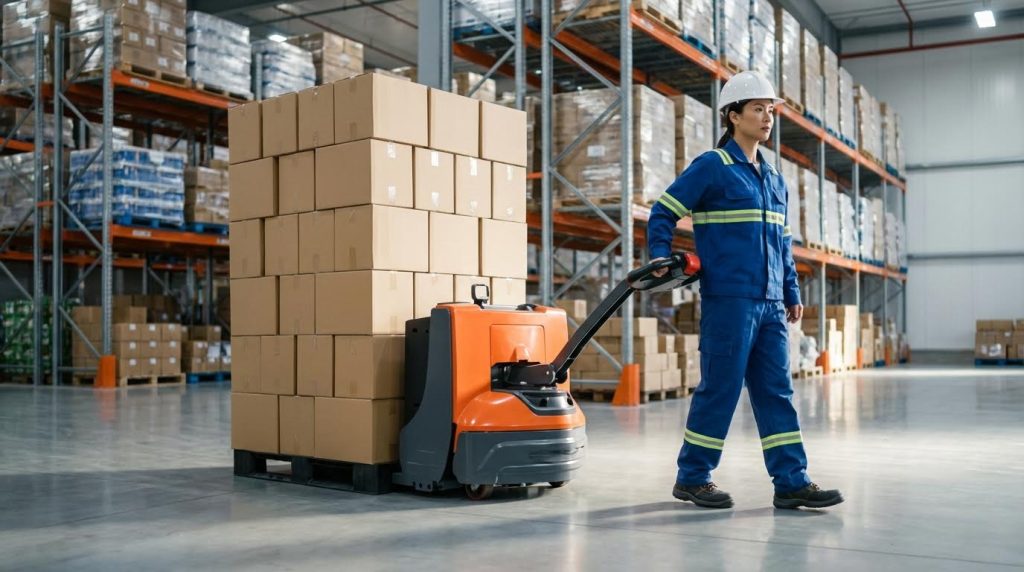
Moving an electric pallet jack into a truck via a ramp requires enough drive power and battery capacity to handle grade resistance plus rolling resistance. Long or frequent ramp runs draw higher current, which can accelerate battery discharge and heat build‑up, especially with heavy loads. Facilities that use electric pallet jacks over longer distances and multi‑shift operations have seen them maintain consistent speeds and reduce labor fatigue compared with manual trucks. Data showed electric pallet jacks moved loads 30% faster and cut operator energy expenditure by 62%, supporting longer, safer shifts.
- Braking strategy: Ensure service and parking brakes are fully functional before working on ramps. Test stopping distance on the chosen ramp with a representative load, and avoid sudden direction changes that can destabilize the truck.
- Battery management: Plan charging or battery swaps around peak loading times so incline work is done with healthy state‑of‑charge. High‑demand applications, such as routes over 200–300 feet with grades, benefit from electric models because they maintain speed without fatigue‑related errors. Guidance indicated electric pallet jacks are optimal for multi‑shift operations and longer routes, delivering 18–22% labor savings on distances over 300 feet.
- Equipment authorization: Confirm the ramp, lift, or dock board is authorized for powered equipment and the combined weight you intend to move. Safety guidance specifies that ramps, platforms, and lifts should be marked with maximum load capacities and operators must know the combined weight of truck and load.
Linking power and method choice
When you evaluate how to lift an electric pallet jack into a truck, compare options like a short, steep ramp versus a longer, shallower one or a vertical lift. Steeper ramps demand more torque and generate more braking heat, while lifts shift the design focus to platform strength and guarding. Matching these engineering factors to your duty cycle and battery strategy helps keep operations both safe and efficient.
Practical Solutions: From Manual Loading To Automation
Step‑By‑Step Safe Loading Procedures
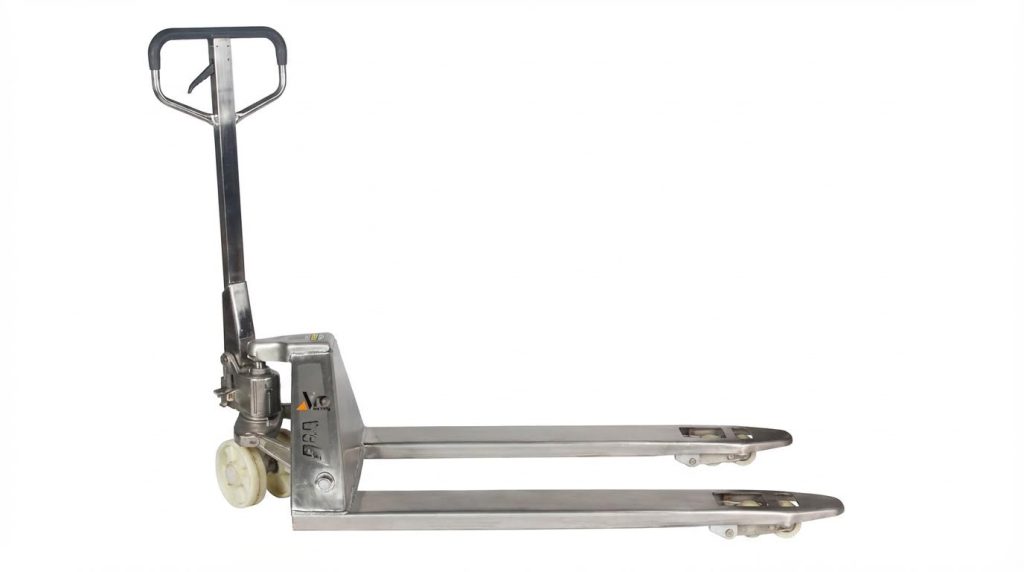
Before deciding how to lift an electric pallet jack into a truck, standardize a simple, repeatable loading procedure. Start with pre-use checks: inspect the pallet jack for leaks, cracks, damaged forks, and worn wheels, and confirm the load capacity is adequate for the planned load weight and never use a damaged truck. Plan the move by checking trailer brakes, dock plates or ramps, and making sure the trailer floor, landing legs, and temporary platforms can support the combined weight of truck and load with clear load markings on temporary equipment. Load preparation is next: center the forks fully under the pallet, keep about 1 inch of clearance between pallet and floor, and ensure the load is even, secured, and not stacked higher than eye level to avoid tipping and visibility issues while following the rated capacity. During movement, keep forks low, travel slowly, and avoid turning on ramps; for slopes, follow the manufacturer’s guidance for electric models and keep pathways clear of debris or wet spots that could cause jolts or slips to maintain stability. Finish each cycle by parking in a designated area, lowering forks fully to the floor to remove trip hazards, and following lockout or key-control rules so no truck moves while people are still inside the trailer and to prevent driveaways.
Integrating Automated And Co‑Bot Pallet Jacks
Automated and co‑bot pallet jacks are effective when you want consistent, repeatable loading patterns into trucks with minimal manual effort. These systems use LiDAR, cameras, and real-time mapping to navigate docks and trailers, detect obstacles, and brake automatically, which improves safety in busy loading areas while reducing collision risk. Co‑bot pallet jacks can switch between autonomous and manual modes, handle payloads around 1,500 kg, and work efficiently in less than 6 feet of clearance, which suits tight dock aprons and short in-trailer runs where operators still need local control. When integrating them, connect the fleet to your WMS or ERP so tasks like clearing inbound pallets from receiving docks or staging outbound loads at dock doors trigger automatically, and use fleet management tools to scale from a few units to a larger automated fleet as volumes grow with adaptive routing. Treat these trucks as part of your safety system: ensure they comply with relevant driverless and robot standards, maintain quick-change or fast-charge batteries to support multi-shift dock operations, and train staff to interact safely with the vehicles at dock edges and inside trailers while preserving high uptime.
Choosing The Best Method For Your Facility
Selecting the best way to load trucks with electric pallet jacks starts with your volumes, distances, and labor profile. Manual or walkie electric jacks work well for short, infrequent loading runs, but as routes exceed a few hundred feet and pallet counts rise, electric and automated jacks deliver faster cycles and lower labor strain by moving more pallets per hour and cutting operator effort significantly over manual options. For facilities asking how to lift an electric pallet jack into a truck safely, the priority is usually a robust dock board, plate, or lift system that can support both the powered jack and the rated load, combined with clear procedures and trained operators rather than relying on improvised lifting methods that may overload the trailer or platform. Automated and co‑bot pallet jacks make the most sense where you have repeatable dock workflows, constrained labor availability, and tight aisles, because they can run around the clock, integrate with digital systems, and maintain consistent speeds and safety margins while adapting to layout constraints. In practice, many sites adopt a hybrid model: standard electric pallet jacks for flexible, ad-hoc loading and unloading, supported by automated or co‑bot units handling repetitive shuttles between staging areas and dock doors to balance safety, throughput, and total cost of ownership across the fleet as automation capabilities expand.
Final Considerations For Safer, Smarter Loading Operations
Safe loading with electric pallet jacks depends on how well you match equipment, layout, and procedures. Geometry, friction, and load paths decide whether a ramp or dock stays stable under real loads, not just on paper. When you respect rated capacities, choose gentle slopes, and keep surfaces clean and grippy, you reduce tip‑over and runaway risks at the most critical point: the dock edge.
Structural checks and pre‑use inspections turn theory into daily control. Operators who verify wheel condition, brakes, and trailer restraints before entry remove hidden failure points. Standardized routes, low fork height, and strict rules about not turning on ramps then keep each move predictable.
Automation and co‑bot pallet jacks can lift performance further, but they must plug into the same safety logic. They still rely on sound ramps, correct ratings, and clear exclusion zones around trucks and pedestrians.
The best practice is simple: treat the pallet jack, ramp, trailer, and control rules as one engineered system. Design that system for your heaviest load case, document the method, train to it, and audit it. With that discipline, facilities can load trucks faster, protect people, and extend the life of Atomoving pallet handling equipment
Frequently Asked Questions
How to Lift an Electric Pallet Jack into a Truck?
To lift an electric pallet jack into a truck, consider using a forklift for assistance. A forklift can easily lift and transport the pallet jack, especially if it’s too heavy to move manually. This method is ideal for longer distances or uneven surfaces. Pallet Jack Moving Guide.
What Are the Key Factors to Consider When Lifting a Pallet Jack?
When lifting an electric pallet jack into a truck, ensure the lifting equipment (like a forklift) matches the weight of the pallet jack. Check the hydraulic system of the pallet jack for stability during the lift. Additionally, secure the pallet jack properly to avoid movement during transportation. Hydraulic Systems Guide.
How High Can an Electric Pallet Jack Lift?
An electric pallet jack typically lifts loads to heights ranging from 15 cm to over 50 cm. These machines are designed for frequent lifting and lowering in environments like warehouses. Always check the specific model’s lift capacity before use. Pallet Jack Height Guide.